Call Us (903) 204-7571 Today

“Taught By Fathers, Trusted By Families”

Repair

dirty sock syndrome
Air Conditioning, HVAC Systems, Indoor Air Quality, Maintenance, Repair

What Is Dirty Sock Syndrome? Causes & Solutions

If you’ve noticed a musty, locker room smell coming from your vents when your air conditioner kicks on, you’re likely dealing with dirty sock syndrome. This unpleasant odor can fill your home quickly. This happens especially after your system has been off for a while. At C&R HVAC, we help homeowners in Tyler and East Texas understand what causes this frustrating issue. We also show you how to get rid of it for good. The good news is that while the smell is awful, it’s usually fixable with the right professional approach. What Is Dirty Sock Syndrome? Dirty sock syndrome refers to a foul, musty odor. The smell is like dirty gym socks or a wet towel left in a locker. It comes from your air conditioning system and typically happens when the AC first turns on after sitting idle. Homeowners often notice it most during spring. That’s when they switch from heating to cooling mode. You might also smell it early in the morning when the system starts up for the first time that day. The smell doesn’t mean you left laundry in your vents. Instead, it’s caused by biological growth on your evaporator coil. When moisture, dust, and organic material combine in the dark environment of your indoor unit, bacteria and mold can develop. These microorganisms release volatile organic compounds as they grow. This is what creates that signature dirty sock smell. Why Does Dirty Sock Syndrome Happen? Several factors contribute to the development of this odor problem. Understanding the causes helps explain why some systems experience it while others don’t. Moisture Accumulation Your evaporator coil naturally collects moisture as it cools the air in your home. In fact, that’s part of how air conditioning works. Warm air passes over the cold coil, and the moisture in the air condenses on the coil surface. This condensation normally drains away through your system’s condensate drain line. However, if humidity levels are high or your system cycles on and off frequently, some moisture remains on the coil between cooling cycles. This damp environment is perfect for bacterial growth. The EPA explains that moisture control is the best way to manage indoor mold growth, so damp HVAC components can become a problem when condensation does not drain or dry properly. Dust and Organic Debris Even with regular filter changes, fine dust particles and organic material can build up on your evaporator coil over time. Pet dander, pollen, skin cells, and other particles stick to the moist coil surface. These materials provide food for bacteria and mold. This allows them to thrive and multiply. Once established, these microorganisms continue growing each time the coil becomes wet during normal operation. System Design and Airflow Issues Some HVAC systems are more prone to dirty sock syndrome than others because of their design. Systems with lower airflow across the coil or those that cycle on and off frequently tend to experience the problem more often. Poor airflow means the coil stays wetter longer. This gives bacteria more time to grow. Additionally, oversized systems that cool your home too quickly may not run long enough to properly dehumidify. This leaves excess moisture behind. Warning Signs You Have This Problem Beyond the obvious smell, there are several indicators that bacterial growth has developed in your system. Recognizing these signs early helps you address the issue before it gets worse. The most common symptom is a musty odor that appears when your AC first turns on. The smell then gradually fades as the system runs. You might notice the smell is strongest in the morning or after the system has been off for several hours. The odor typically comes from all your vents at the same time. This is because it starts at the indoor unit that serves your entire home. Some homeowners also notice reduced cooling efficiency or weaker airflow from their vents. While dirty sock syndrome itself doesn’t directly cause these problems, the conditions that create the smell can affect system performance. For example, a dirty coil or poor airflow can impact how well your system works. If the smell is accompanied by visible mold around vents or on registers, that’s a sign the problem may extend beyond just the evaporator coil. How We Address Dirty Sock Syndrome Getting rid of this problem requires more than just masking the odor with air fresheners. Instead, our team takes a thorough approach to eliminate the source and prevent it from returning. Professional Coil Cleaning The most effective solution is a deep cleaning of your evaporator coil. Our certified technicians will access the coil and apply specialized cleaning solutions. These solutions are designed to kill bacteria and mold while breaking down the biofilm they create. The evaporator coil is delicate and requires specific cleaning agents. These won’t damage the metal fins or refrigerant lines. We’ll ensure the coil is thoroughly cleaned and rinsed. This removes all traces of microbial growth. Drain Line Treatment Since moisture is a key contributor to the problem, we’ll also inspect and clean your condensate drain line. A clogged or slow-draining line can cause water to back up and sit in the drain pan. This creates additional moisture and odor problems. Treating the drain line helps ensure water flows away from the coil properly. This reduces the damp conditions that bacteria need to thrive. System Adjustments In some cases, we may recommend adjustments to your system to prevent future occurrences. This might include checking airflow to ensure your coil dries properly between cycles. We might also verify that your system isn’t oversized for your home. Additionally, we could install a UV light near the evaporator coil. UV lights help prevent microbial growth by killing bacteria and mold spores before they can establish colonies on the coil surface. Preventing the Smell from Coming Back Once we’ve eliminated the problem, there are steps you can take to keep dirty sock syndrome from returning. Prevention is always easier and less expensive than repeated treatments. Regular filter changes

air conditioner drain pan
Air Conditioning, Maintenance, Repair

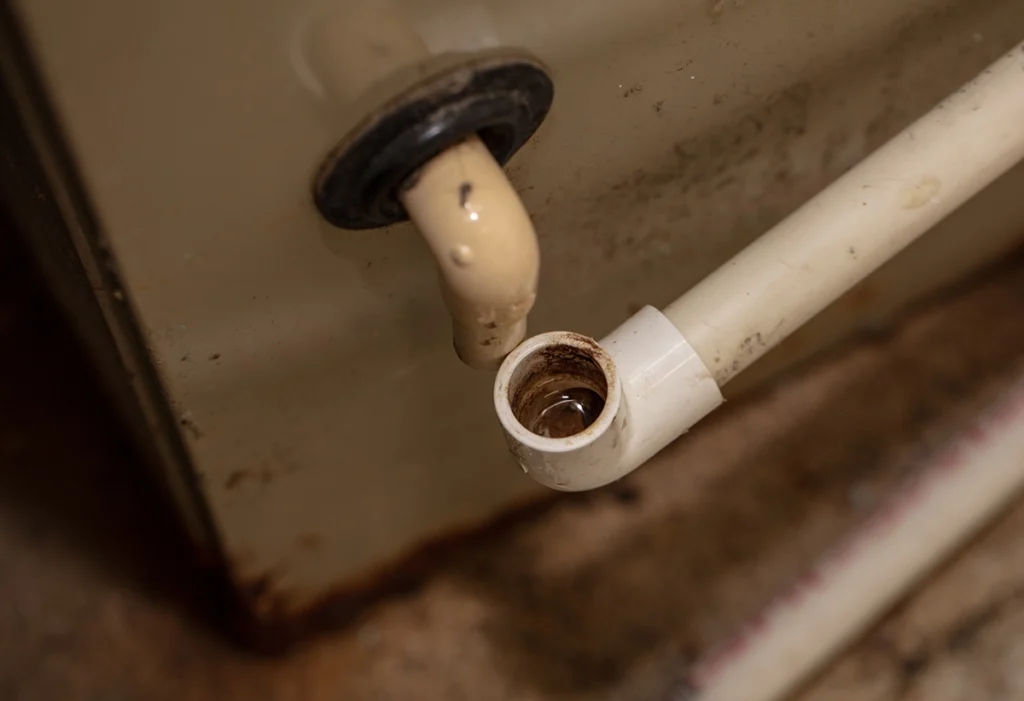
Air Conditioner Drain Pan: Warning Signs & Solutions

If you’ve ever noticed water pooling around your air conditioning unit or spotted signs of moisture damage on your ceiling, chances are your air conditioner drain pan is trying to tell you something. This often-overlooked component helps protect your home from water damage and supports proper system operation. It also keeps your cooling system running smoothly. At C&R Services, we’ve helped countless homeowners address drain pan issues before they turn into costly repairs. Understanding what your drain pan does—and what happens when it fails—can save you from major headaches down the road. What Is an Air Conditioner Drain Pan? Your AC system naturally produces condensation as it cools the air in your home. The evaporator coil inside your air handler gets extremely cold. When warm, humid air passes over it, moisture condenses—similar to how water droplets form on a cold glass of water on a hot day. That’s where the drain pan comes in. The drain pan sits directly beneath the evaporator coil to catch all that condensation. From there, water flows through a drain line that carries it safely outside or into a drain. Many systems have a primary drain pan built into the unit and a secondary, or backup, pan positioned underneath. This two-tier system provides an extra layer of protection against water damage if the primary pan or drain line develops problems. Why Your Drain Pan Matters During the cooling season here in East Texas, your AC system can produce several gallons of water every single day. That’s a lot of moisture that needs to go somewhere. When your drain pan and drain line work properly, you never even think about it—the water quietly drains away without issue. However, when something goes wrong, water starts building up where it shouldn’t. A broken drain pan can lead to water damage on ceilings, walls, and floors. We’ve seen cases where ongoing leaks resulted in mold growth, damaged insulation, and even weakened structural elements. The costs of repairing that kind of water damage far exceed what it would have cost to fix the drain pan issue early on. Common Signs Your Air Conditioner Drain Pan Has a Problem Spotting the warning signs early can prevent serious damage. Here are the red flags we tell homeowners to watch for: Visible water pooling around the indoor unit or dripping from the ceiling below your attic air handler Water stains on the ceiling or walls near your AC unit Musty odors coming from your AC system or surrounding areas Your AC system shutting off unexpectedly—many modern units have a float switch that cuts power when water levels get too high Rust or corrosion visible on or around the unit A full secondary drain pan—this means your primary drain system has failed What Causes Drain Pan Issues? Several factors can damage your drain pan over time. Understanding these causes helps you see why regular maintenance matters so much. Rust and Corrosion Older drain pans, especially those made from metal, eventually give in to rust. Since the pan is constantly exposed to moisture, even small amounts of rust can eventually eat through the metal and create holes. That’s why many newer systems use plastic or composite drain pans that won’t rust. Still, these materials can crack or develop other issues. Clogged Drain Lines While not technically a drain pan problem, clogged drain lines cause water to back up and overflow from the pan. Algae, mold, dirt, and debris can build up in the drain line over time, creating blockages. When water can’t drain properly, even a perfectly working pan will overflow. This is one of the most common issues we encounter during service calls. Poor Installation Sometimes drain pans fail because they were never installed correctly in the first place. If the pan isn’t level or properly positioned, water won’t drain toward the drain line opening. Instead, it’ll pool in the wrong spot or spill over the edges. We’ve also seen cases where the wrong size pan was installed, leaving gaps where water can escape. Age and Normal Wear Like any other part of your HVAC system, drain pans don’t last forever. Plastic pans can become brittle and crack over time, especially if they’re exposed to temperature changes in unconditioned attic spaces. The constant cycle of filling and draining, along with years of moisture exposure, takes its toll eventually. What Happens During a Professional Air Conditioner Drain Pan Inspection When you call us to inspect your air conditioner drain pan and drainage system, our certified technicians follow a thorough process. We identify current problems and look for warning signs that could lead to future issues. We start by visually checking both the primary and secondary drain pans for signs of damage, rust, cracks, or poor installation. Next, we check the drain line connections and test the drainage flow to make sure water moves freely. Our technicians also examine the area around your AC unit for water stains, moisture damage, or other signs of past leaks. If your system has a float switch—a safety device that shuts down your AC when water reaches a certain level—we test that to make sure it works properly. This simple device can prevent thousands of dollars in water damage by cutting power before water overflows. We also inspect the condensate pump if your system has one. Some installations need a pump to move water upward or across a distance to reach a drain. When these pumps fail, water backs up into the pan. Professional Solutions for Air Conditioner Drain Pan Problems The right fix depends on what’s causing the issue. For a cracked or rusted pan, our technicians will determine if replacement is needed for long-term protection. We’ll install a new, properly sized drain pan that’s designed to last for years. When the drain line is clogged, we’ll clear the blockage using specialized tools and techniques. We might also treat the line to prevent algae and mold growth that could cause future clogs. In some cases, we recommend installing

refrigerant recovery machine
Air Conditioning, HVAC Systems, Repair

Refrigerant Recovery Machine: Essential HVAC Guide

When your air conditioner needs repair or refrigerant replacement, you’ve probably wondered what happens to the old refrigerant. At C&R Services, we use a refrigerant recovery machine to safely remove and store refrigerant from your system. This equipment is essential for protecting the environment. It also helps us comply with federal regulations. Understanding how we handle refrigerant during service calls gives you peace of mind. We’re not just fixing your cooling system—we’re protecting your health, your home, and the planet while we work. What Is a Refrigerant Recovery Machine? A refrigerant recovery machine is specialized equipment designed to extract refrigerant from air conditioning and heating systems. It removes refrigerant without releasing it into the atmosphere. Think of it as a powerful vacuum system specifically engineered to safely pull refrigerant from your HVAC unit. The machine then transfers it into a containment cylinder. In fact, the machine creates enough negative pressure to draw out the refrigerant vapor and liquid, even when the system isn’t running. This process is called recovery. It’s legally required before we can perform any repairs that involve opening the refrigerant circuit. Unlike older methods that simply vented refrigerant into the air, recovery machines protect the ozone layer. They also prevent greenhouse gas emissions. The Environmental Protection Agency mandates that HVAC technicians use this equipment during any service that breaks into the refrigerant lines. We’ve invested in professional-grade recovery equipment because it’s not just the law. It’s also the right thing to do for our community and environment. Why Recovery Machines Matter for Your HVAC System You might wonder why we can’t just let the refrigerant escape during repairs. Here’s the thing: refrigerants are potent greenhouse gases that contribute to climate change when released into the atmosphere. Older refrigerants like R-22 also damage the ozone layer. That’s why federal law requires proper recovery before any repair work begins. When we arrive at your home for AC repair or system replacement, we bring our recovery machine along with our other tools. Before we disconnect any refrigerant lines, we hook up the machine. Then we extract every ounce of refrigerant from your system. This protects the environment and allows us to reuse the refrigerant if it’s still in good condition. Even if your system is completely dead and won’t run, the refrigerant is still inside the lines and coils. It’s waiting to be properly recovered. Environmental Protection Through Proper Recovery The refrigerants in your air conditioner don’t just disappear when released. Instead, they rise into the atmosphere where they remain for decades. Some refrigerants have a global warming potential thousands of times greater than carbon dioxide. By using recovery equipment on every service call, we prevent these harmful substances from entering the environment. It’s a small step that makes a huge difference when you consider how many HVAC systems we service each year. Legal Requirements and EPA Rules The Clean Air Act requires EPA certification for technicians who service refrigerant-containing equipment and prohibits intentionally venting refrigerant during service work. Technicians who vent refrigerant can face significant penalties under federal law. At C&R Services, our entire team holds proper EPA certification. We also maintain our recovery equipment to help ensure it meets EPA requirements. When you hire us, you’re working with professionals who follow the law and industry best practices. How We Use Refrigerant Recovery Machines During Service Calls When our certified technician diagnoses a refrigerant leak or prepares your system for major repairs, the recovery process is one of the first steps. We’ll connect hoses from the recovery machine to your AC’s service ports. These are the same ports used when adding refrigerant. The machine then pulls the refrigerant from your system and transfers it into a DOT-approved recovery cylinder. This process typically takes 15 to 45 minutes. The time depends on how much refrigerant your system holds and whether it’s still running. While the machine works, our technician monitors gauges to ensure complete recovery. Once the pressure drops to near-vacuum levels, the process has extracted virtually all the refrigerant. This thoroughness matters because even small amounts of remaining refrigerant can escape when the system is opened. After recovery is complete, we can safely proceed with repairs. We follow refrigerant recovery and recycling equipment certification standards established by the EPA. Recovery During System Replacement If you’re replacing an old air conditioner or heat pump, we’ll always recover the refrigerant before removing the equipment. Even systems that are 15 or 20 years old still contain refrigerant that must be properly extracted. We’ve seen competitors cut corners by simply cutting the lines and letting refrigerant vent. However, that’s illegal and harmful. Our commitment to using recovery equipment on every job—no exceptions—ensures you’re working with a company that values environmental responsibility. What Happens to Recovered Refrigerant? After we remove refrigerant from your system, we don’t just throw it away. Clean refrigerant that meets purity standards can be reused in other compatible systems. Contaminated or mixed refrigerants get sent to certified cleaning facilities. There, they’re either cleaned and recycled or properly destroyed. We track every cylinder of refrigerant we recover. We also maintain detailed records as required by EPA rules. This closed-loop system keeps refrigerants in circulation rather than making new supplies for every repair. It’s better for the environment and helps control costs for homeowners in the long run. When we refill your system after repairs, we might use recycled refrigerant that came from another system. It performs exactly the same as new refrigerant but with a smaller environmental footprint. Signs Your System Needs Refrigerant Service You can’t see or smell refrigerant under normal conditions. So how do you know when your system needs our attention? Watch for these warning signs that indicate potential refrigerant loss or contamination. Your air conditioner might be blowing warm air despite running constantly. You could also notice ice forming on the refrigerant lines or outdoor unit. Additionally, your energy bills may spike unexpectedly even though your usage hasn’t changed. Sometimes you’ll hear a hissing or bubbling

HVAC technician checking system gauges during R410A refrigerant service
Air Conditioning, Commercial HVAC, HVAC Systems, Maintenance, Repair, Replacement

R410A Refrigerant: A Complete Guide

If you’ve had your air conditioning system serviced recently, you may have heard your technician mention r410a refrigerant. This cooling agent has become the industry standard in modern HVAC systems. In fact, it replaced the older R-22 refrigerant that was phased out due to environmental concerns. Understanding what r410a is, how it works, and why it matters can help you make informed decisions about your home comfort system. Whether you’re dealing with a cooling issue or planning to upgrade your equipment, knowing the basics about this refrigerant will give you confidence when talking with HVAC professionals. What Is R410A Refrigerant and Why Does It Matter? R410A is a hydrofluorocarbon (HFC) refrigerant blend used in air conditioning systems and heat pumps. Unlike the older R-22 refrigerant, which contained chlorine and damaged the ozone layer, R410A was developed as an environmentally friendlier alternative. The refrigerant doesn’t contribute to ozone depletion. As a result, it makes a more responsible choice for cooling homes and businesses across the country. This refrigerant operates at higher pressures than R-22. Systems designed for R410A require specific components built to handle these conditions. That’s why refrigerants cannot be interchanged — the entire system needs to be designed from the ground up for the particular refrigerant it uses. Since 2010, all new residential air conditioning systems manufactured in the United States have used R410A as their primary refrigerant. How R410A Refrigerant Works in Your Cooling System Refrigerant is essentially the lifeblood of your air conditioning system. It flows through a closed loop of copper lines, changing from liquid to gas and back again as it absorbs heat from inside your home and releases it outside. The process starts when warm air from your home passes over the indoor evaporator coil. The liquid refrigerant inside that coil absorbs the heat and evaporates into a gas. This heated gas then travels to your outdoor condenser unit. There, the compressor pressurizes it even further. As the hot gas flows through the outdoor coil, it releases the heat it collected from inside your home into the outside air. Once the heat is released, the refrigerant condenses back into a liquid and returns inside to repeat the cycle. This continuous process keeps your home comfortable even during the hottest summer days. Because R410A operates at higher pressures than older refrigerants, it can actually transfer heat more efficiently. This improved efficiency means your system can cool your home using less energy. Consequently, this translates to lower utility bills over time. The increased pressure also allows for smaller equipment that still delivers powerful cooling performance. Signs Your R410A System May Have a Refrigerant Issue Your air conditioning system should maintain the same amount of refrigerant throughout its lifetime. Unlike gasoline in a car, refrigerant doesn’t get “used up” during normal operation. If your system is low on refrigerant, it means there’s a leak somewhere in the system. Recognizing the warning signs early can prevent more serious damage to your equipment. One of the most common signs is reduced cooling performance. If your system runs constantly but never quite reaches the temperature you’ve set on your thermostat, low refrigerant might be the culprit. You may also notice that some rooms feel comfortable while others remain warm. This indicates the system can’t distribute cooled air effectively throughout your home. Ice formation on the indoor evaporator coil or refrigerant lines is another telltale sign. When refrigerant levels drop, the pressure in the system changes, causing the coil to get too cold. Moisture from the air freezes on the coil, which blocks airflow and makes the problem worse. If you see ice on your AC components, turn the system off and call a professional right away. Higher than normal energy bills can also signal a refrigerant issue. When your system doesn’t have enough refrigerant, it has to work much harder and run much longer to achieve the same cooling effect. This extra runtime dramatically increases your energy consumption. You might also hear unusual hissing or bubbling sounds, which could indicate refrigerant escaping through a leak in the system. Why You Should Always Hire a Licensed Professional for Refrigerant Work Working with refrigerants like R410A refrigerant isn’t just complicated — it’s also regulated by federal law. The Environmental Protection Agency requires anyone who handles refrigerants to hold a valid EPA Section 608 certification. This certification ensures that technicians understand proper handling procedures, environmental regulations, and safety protocols. Attempting to add refrigerant yourself or hire an unlicensed person is illegal and can result in significant fines. Beyond the legal issues, refrigerant work involves serious safety risks. R410A operates at much higher pressures than older refrigerants. This means the potential for equipment damage or personal injury is greater. Improper handling can cause refrigerant to spray out forcefully, potentially causing frostbite or eye damage. The system components themselves can become extremely hot or cold during operation, creating additional hazards. There’s also the technical complexity involved. Adding refrigerant to a system with a leak doesn’t solve the underlying problem. In fact, it can make things worse. A certified HVAC technician will locate and repair the leak first, then properly evacuate the system to remove air and moisture before adding the correct amount of refrigerant. They’ll also check the system charge using precise measurements and specialized tools to ensure optimal performance. What Professional R410A Refrigerant Service Involves When you contact a licensed HVAC professional about a suspected refrigerant problem, certified technicians follow a comprehensive diagnostic process. First, they’ll check your system’s operating pressures using manifold gauges to determine if refrigerant levels are actually low. Sometimes, other issues can mimic refrigerant problems. Therefore, proper testing is essential before drawing conclusions. If low refrigerant is confirmed, your technician will conduct a thorough leak detection using electronic leak detectors, ultraviolet dyes, or other specialized equipment. Finding and repairing the leak is always the first priority. Once the leak is fixed, your certified technician will evacuate the system using a vacuum pump to remove any air, moisture, or contaminants

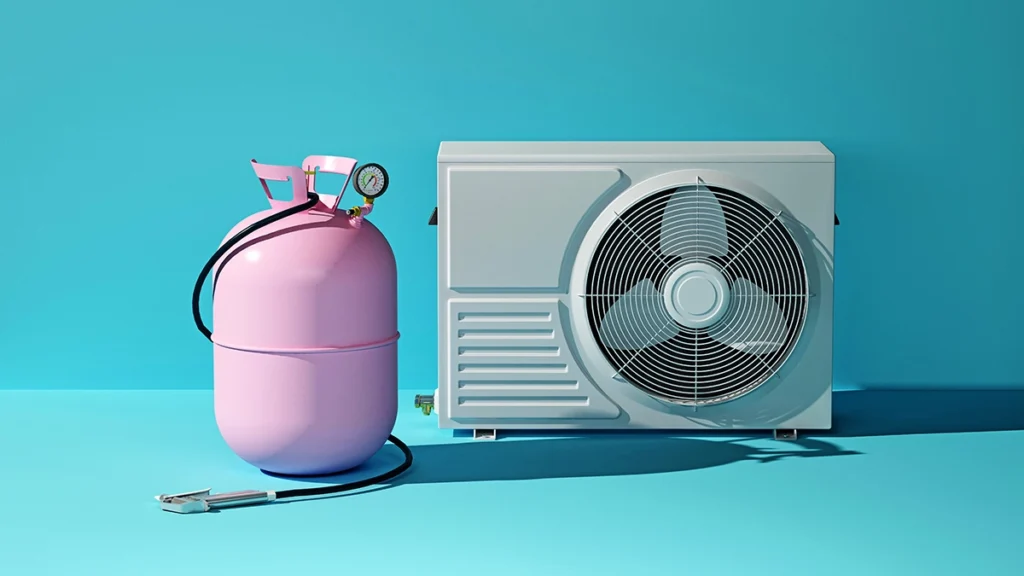
AC refrigerant tank next to an outdoor air conditioner unit during refrigerant service
Air Conditioning, HVAC Systems, Repair

What Is AC Refrigerant and Why Does It Matter?

When your air conditioner stops cooling your home properly, one of the most common culprits is low AC refrigerant. This essential substance circulates through your cooling system, absorbing heat from inside your home and releasing it outside. Without the right amount of refrigerant, your AC simply can’t do its job. Understanding what refrigerant is, how it works, and what happens when something goes wrong can help you identify problems early and know when to call a professional. At C&R Services, we believe in empowering homeowners with knowledge. While refrigerant issues always require professional attention due to EPA regulations and safety concerns, recognizing the warning signs can save you from costly damage and uncomfortable summer days. What Is AC Refrigerant? AC refrigerant is a specialized chemical compound that changes from liquid to gas and back again as it moves through your air conditioning system. It’s the substance that makes cooling possible. As refrigerant circulates, it absorbs heat from your indoor air when it evaporates in the evaporator coil, then releases that heat outside when it condenses in the outdoor condenser unit. Many homeowners mistakenly think refrigerant is a fuel that gets used up like gasoline in a car. That’s not how it works. Your AC system is a closed loop, meaning the refrigerant should never run low under normal circumstances. If your system is low on refrigerant, it means there’s a leak somewhere that needs professional repair. Common Types of AC Refrigerant Over the years, different types of refrigerant have been used in residential air conditioning systems. The type in your system depends on when it was manufactured: R-22 (Freon): Once the most common refrigerant, R-22 has been phased out due to environmental concerns. According to the EPA, U.S. production and import of HCFC-22 ended in 2020, which has made it more expensive and harder to find for older systems. R-410A (Puron): The current standard for most residential AC systems installed in the past 15 years. It’s more environmentally friendly than R-22 and operates at higher pressures. R-454B and R-32: Newer refrigerants being introduced to further reduce environmental impact. R-454B refrigerant and R-32 refrigerant represent the next generation of cooling technology. Knowing which type your system uses is important because different refrigerants aren’t interchangeable. A certified HVAC technician will know exactly which refrigerant your system needs and how to handle it safely. Signs Your AC Refrigerant Is Low Since refrigerant issues are so common, it’s helpful to recognize the warning signs. Here are the symptoms that typically indicate low refrigerant levels: Your AC Is Running But Not Cooling If your air conditioner runs constantly but your home never reaches the temperature set on your thermostat, low refrigerant could be the problem. Without enough refrigerant to absorb heat, the system can’t effectively cool your space. This is different from other causes when your AC is running but not cooling, such as dirty filters or blocked airflow. Ice Buildup on the Refrigerant Lines When refrigerant levels drop, the pressure in your system changes, causing the refrigerant that remains to get too cold. This can lead to ice forming on the copper refrigerant lines or even on the evaporator coil inside your air handler. If you see frost or ice on the lines running to your outdoor unit, don’t ignore it. Hissing or Bubbling Sounds A refrigerant leak often creates a distinctive hissing or bubbling sound as the pressurized gas escapes through a crack or hole. If you hear unusual noises coming from your AC system, especially near the refrigerant lines, it’s time to call a professional. Higher Energy Bills When your system is low on refrigerant, it has to work much harder and run much longer to try to cool your home. This extra runtime shows up on your utility bills. If your energy costs have spiked without explanation, low refrigerant could be one of several possible causes. Longer Cooling Cycles A properly functioning AC should run in regular cycles, turning on and off as needed to maintain your desired temperature. With low refrigerant, your system may run almost continuously without ever reaching the target temperature, putting excessive wear on components. What Causes AC Refrigerant Leaks? Understanding what causes refrigerant leaks can help you take preventive measures and catch problems early. Here are the most common causes: Corrosion: Over time, moisture and chemicals can corrode the copper refrigerant lines or coil connections, creating small holes where refrigerant escapes. Vibration damage: Normal AC operation involves vibration, especially in the outdoor unit. Years of vibration can loosen connections or create wear points that eventually leak. Poor installation: Improperly brazed connections or overtightened fittings during initial installation can develop leaks months or years later. Physical damage: Lawn equipment, extreme weather, or accidental impacts can puncture refrigerant lines or damage the outdoor coil. Factory defects: Though less common, manufacturing flaws can cause premature failures in coils or connections. A certified HVAC technician will use specialized leak detection equipment to locate even the smallest leaks. Simply adding more refrigerant without fixing the leak is a temporary fix that wastes money and harms the environment. Why You Shouldn’t Handle AC Refrigerant Yourself Unlike many home maintenance tasks, working with AC refrigerant isn’t a DIY project. Here’s why professional service is essential: It’s Federally Regulated The EPA’s Section 608 Technician Certification Requirements explain that refrigerant handling is federally regulated, and technicians must earn EPA-approved certification to work with these systems properly. These rules exist because improper handling and venting can harm the environment. Specialized Equipment Is Required Properly diagnosing refrigerant issues requires gauges, leak detectors, recovery equipment, and vacuum pumps. Adding refrigerant isn’t as simple as pouring it in—the system must be evacuated of air and moisture, then charged to precise specifications based on weight or subcooling/superheat measurements. Safety Concerns Refrigerant is stored under extremely high pressure. Improper handling can cause frostbite, chemical burns, or eye injuries. Some refrigerants can also displace oxygen in confined spaces, creating suffocation hazards. You Could Damage Your System Overcharging or undercharging refrigerant can

Technician holding an hvac capacitor inside an outdoor AC unit during repair service
Air Conditioning, HVAC Systems, Repair

HVAC Capacitor Problems: Signs Your AC Unit Needs Help

When your air conditioning system suddenly stops working or begins struggling to start, the culprit might be a small but critical component called the HVAC capacitor. This essential part plays a vital role in keeping your cooling system running smoothly, and understanding its function can help you recognize when professional intervention is needed. What Is an HVAC Capacitor and Why Does It Matter? An HVAC capacitor is an electrical component that stores and releases energy to help your air conditioning system’s motors start and run efficiently. Think of it as a battery that provides the initial electrical boost needed to get your AC’s compressor and fan motors spinning. Without a properly functioning capacitor, your system may struggle to start or fail to operate altogether. There are two main types of capacitors in most HVAC systems: start capacitors and run capacitors. Start capacitors provide the initial jolt of power needed to get motors running, while run capacitors help maintain steady operation once the system is up and running. Some systems use a dual capacitor that combines both functions into one unit. Common Signs Your HVAC Capacitor Is Failing Recognizing the warning signs of a failing capacitor can help you address the issue before it leads to more expensive repairs or complete system failure. Here are the key symptoms to watch for: Your AC Unit Won’t Start If your air conditioning system doesn’t turn on when you adjust the thermostat, a faulty capacitor could be preventing the motors from starting. You might hear the system trying to start with clicking sounds or humming, but the outdoor unit never actually begins running. A capacitor is one possible reason an AC will not turn on, but it is not the only issue that can keep a system from starting. Hard Starting or Delayed Operation A struggling capacitor often causes hard starting, where your AC takes multiple attempts to begin operating or experiences significant delays between the thermostat call and actual startup. This puts additional strain on your system’s components and increases energy consumption. Intermittent Operation Capacitor problems can cause your system to start and stop unexpectedly or run for short periods before shutting down. This erratic behavior indicates the capacitor isn’t providing consistent power to keep the motors running smoothly. Unusual Sounds Listen for humming, buzzing, or clicking sounds coming from your outdoor unit. These noises often indicate that the system is trying to start but lacks sufficient electrical support from the capacitor. Reduced Cooling Performance When a run capacitor begins failing, your system might still operate but with reduced efficiency. You may notice that your home takes longer to cool down or doesn’t reach the desired temperature consistently. What Causes HVAC Capacitor Failure? Understanding the common causes of capacitor failure can help you appreciate why regular maintenance is so important for your HVAC system’s longevity. Age and Normal Wear Like all electrical components, capacitors have a limited lifespan. Most HVAC capacitors last between 10-20 years, but factors like usage patterns and environmental conditions can affect their longevity. As capacitors age, their ability to hold and release electrical charge gradually diminishes. Heat and Electrical Stress Capacitors are particularly sensitive to heat and electrical stress. Extended operation in high temperatures, power surges, and frequent cycling can accelerate wear and cause premature failure. The Department of Energy notes that regular air conditioner maintenance helps support efficient performance and can reduce issues that lead to premature system problems. Power Issues Voltage fluctuations, power surges, and electrical storms can damage capacitors instantly or weaken them over time. Installing surge protection can help protect these sensitive components from electrical damage. Manufacturing Defects Occasionally, capacitors may fail prematurely due to manufacturing defects or poor quality components. This is why choosing reputable HVAC contractors who use quality parts is essential for long-term system reliability. The Professional Capacitor Replacement Process When you call C&R Services for capacitor issues, our certified technicians follow a comprehensive diagnostic and replacement process to ensure your system operates safely and efficiently. First, our technician will perform electrical tests to confirm the capacitor is indeed the problem and not a symptom of a larger issue. They’ll check voltage readings, inspect connections, and examine the capacitor for physical signs of failure like bulging, leaking, or corrosion. If replacement is needed, the technician will safely discharge any remaining electrical charge, disconnect the old capacitor, and install a properly rated replacement. They’ll also inspect related components like contactors and wiring to ensure the entire system is in good working order. Why Professional Service Matters for HVAC Capacitor Issues While a failing capacitor might seem like a simple electrical component, HVAC systems involve high voltage electricity and specialized knowledge that make professional service essential for safety and effectiveness. Licensed technicians have the proper tools and training to safely work with electrical components while your system is energized. They can also identify underlying issues that might have contributed to capacitor failure, preventing future problems and ensuring your investment is protected. Additionally, professional service ensures the correct capacitor specifications are used. Using the wrong voltage rating or capacitance value can damage other system components or create safety hazards. Preventing Capacitor Problems Through Regular Maintenance The best way to avoid unexpected capacitor failures is through regular preventive maintenance. During routine service visits, HVAC professionals can test capacitor function, clean electrical connections, and identify potential issues before they cause system failures. Regular maintenance also helps address factors that contribute to premature capacitor failure, such as dirty coils that cause overheating, loose electrical connections that create voltage fluctuations, and worn components that put additional stress on the electrical system. When to Call C&R Services for HVAC Capacitor Service If you’re experiencing any of the warning signs mentioned above, don’t wait for complete system failure. Early intervention can often prevent more extensive damage and costly repairs. Our team of certified technicians has the expertise to quickly diagnose capacitor issues and restore your system’s reliable operation. At C&R Services, we understand that HVAC problems never happen at convenient

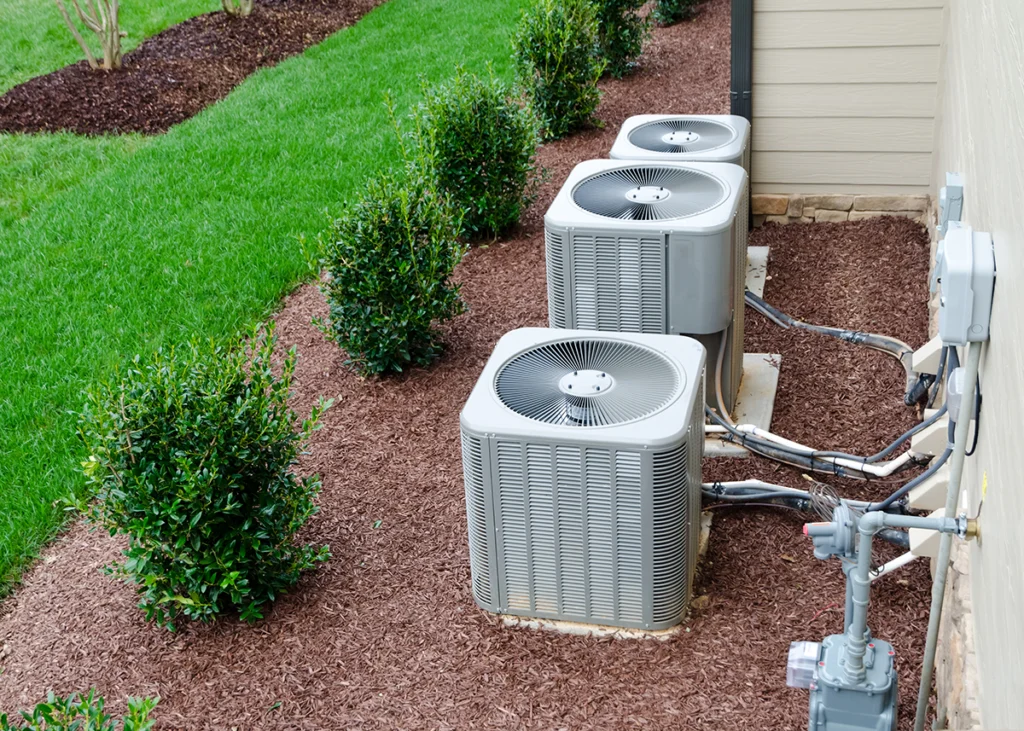
HVAC technician diagnosing an AC not turning on problem at an outdoor condenser unit
Air Conditioning, HVAC Systems, Repair

AC Not Turning On? Common Causes & Fixes

When an AC is not turning on, most people want to know one thing fast: is this something simple or a repair call? At C&R Services, we troubleshoot this issue all the time. Some causes are quick to rule out, while others need professional diagnosis right away. Before you assume the worst, start with a few safe checks. In many cases, the issue is a thermostat setting, a tripped breaker, or a clogged drain safety switch. Still, if you notice a burning smell, buzzing, or repeated breaker trips, stop there and call for service. Start With the Thermostat Before Anything Else First, check the thermostat mode. Make sure it’s set to Cool and the temperature is lower than the room temperature. It sounds basic, but this gets missed often (especially after someone changes settings overnight). Also, check batteries if your thermostat uses them. A blank screen or delayed response can point to low power. If your controls seem off, it helps to review common thermostat issues before assuming the outdoor unit failed. A lot of calls we get about AC units not turning on end up being a thermostat setting or power issue. Check for a Schedule or “Hold” Setting Sometimes the thermostat is working fine, but the schedule is overriding your settings. In that case, the AC may not start when you expect. So, confirm there is no schedule conflict, temporary hold, or smart-home automation rule interfering. AC Not Turning On After a Breaker Trip Next, check your electrical panel. If the AC breaker has tripped, reset it once. If it trips again, do not keep resetting it. That usually signals an electrical or equipment problem. Repeated breaker trips can point to a wiring issue, a failing component, or a problem in the outdoor unit, and they should be checked by a technician. When a Breaker Trip Means “Stop and Call” If the breaker trips immediately after reset, or you smell something hot, shut the system off and call a pro. Those are signs the issue may be electrical, and it should be diagnosed safely. Check the Air Filter and Airflow A dirty filter alone usually will not keep an AC from turning on. However, restricted airflow can contribute to freeze-ups, drain issues, and shutdowns on some systems. The U.S. Department of Energy says dirty, clogged filters reduce airflow and system efficiency. It recommends checking your filter every month during cooling season and replacing it as needed, often every one to two months depending on use and filter type. If your filter looks packed with dust, replace it, restore power/settings if needed, and give the system a few minutes to respond. AC Not Turning On Because of a Condensate Drain Issue Many systems have a float switch that shuts cooling off when the condensate drain backs up. That is a protective feature, and it can save you from water damage. ENERGY STAR’s maintenance checklist includes condensate drain inspection because a plugged drain can cause water damage and affect indoor humidity levels. It also recommends checking system controls to confirm the equipment starts, runs, and shuts off properly. If you see water near the indoor unit, this cause jumps higher on the list. Listen for What the System Is (or Isn’t) Doing Now pay attention to the symptoms: No sound at all Indoor fan runs, but outdoor unit does not Clicking sounds, but no startup Humming without full startup When we’re on a service call for an AC unit not turning on, these details help us narrow whether the issue is power, a capacitor, contactor, motor, or a control problem. If the system turns on but still does not cool well, shift your focus to airflow, refrigerant, or outdoor unit problems rather than startup controls. What You Can Safely Do Yourself Here are a few safe checks you can try before calling: Check thermostat settings and batteries Confirm the breaker is on Replace a dirty filter Check that the disconnect is in place (if visible and safe to inspect) Look for visible water around the indoor unit That said, avoid opening electrical panels inside the unit or testing capacitors yourself. Those repairs can be dangerous. When to Call for AC Repair If Your AC Is Not Turning On If your AC is not turning on after the basic checks, it’s time for service. In our experience, waiting can make the underlying problem worse, especially during peak heat. If you need a professional diagnosis, a good next step is scheduling air conditioning repair service so the system can be tested safely and the root cause confirmed. At C&R Services, we handle no-start cooling calls, electrical diagnostics, and system repairs for homes and businesses across Tyler and East TX. Contact us if you want us to take a look and get your system back on track. Quick FAQs When You Have an AC Not Turning On These are the questions we hear most often, and they are great for quick troubleshooting before you call.

technician working to fix a heat pump by diagnosing the outdoor unit components
Heat Pumps, Maintenance, Repair

How to Fix a Heat Pump: Common Problems & Solutions

When people need to fix a heat pump, they often assume the entire system has failed. In our day-to-day work at C&R Services, that is usually not the case. More often, we find a control issue, airflow restriction, sensor problem, or deferred maintenance issue affecting performance in a home or commercial space. That’s also why heat pump problems can feel confusing. These systems heat and cool, switch modes, and often run longer than a furnace or AC unit. So, whether you manage a house, office, storefront, or light commercial property, this guide will help you understand what’s normal, what’s not, and what to check before scheduling service. What to Check First Before You Try to Fix a Heat Pump Start with the basics first. It sounds simple, but it saves a lot of time. Before assuming you need a major repair, check these items: Thermostat is set to the correct mode (HEAT or COOL) Temperature setting is calling for operation Breakers are on and not tripped Air filter is clean Outdoor unit is clear of leaves and debris Indoor vents and returns are open and not blocked We see plenty of no-heat and weak-heating situations that trace back to setup issues. For example, if the unit is not responding at all, it helps to know the common signs of a thermostat not working before assuming the heat pump itself is bad. Airflow is another big one. A dirty filter or blocked return can cause symptoms that look like a component failure. In both residential and commercial spaces, restricted airflow can reduce output, increase run time, and create comfort complaints fast. Common Reasons You May Need to Fix a Heat Pump Heat pump issues usually follow patterns. Once you understand them, troubleshooting becomes much easier. Thermostat or Control Problems Sometimes the heat pump is fine, but the control signal is not. Incorrect programming, weak batteries, wiring issues, or a failed thermostat can all stop proper operation. We also see misconfigured replacement thermostats cause heating and cooling issues. Airflow Restrictions Low airflow can cause poor heating, poor cooling, short cycling, and even coil icing. Dirty filters, closed vents, blocked returns, and blower problems are all common causes. Defrost Cycle Confusion In winter, a heat pump may temporarily switch into defrost mode. During that cycle, the indoor air can feel cooler for a few minutes. That can seem like a failure, but it’s often normal system operation. The U.S. Department of Energy explains that heat pumps periodically enter a defrost cycle in cold weather. Refrigerant or Coil Issues Low refrigerant, refrigerant leaks, or coil performance problems can reduce capacity. If the system struggles in both heating and cooling modes, refrigerant charge and coil condition become more likely suspects. Electrical Component Failures Capacitors, contactors, relays, boards, and motors can fail over time. These issues often show up as humming, clicking, delayed starts, or systems that try to start and shut back off. How to Fix a Heat Pump That Is Not Heating Properly When a heat pump runs but doesn’t heat, the issue usually falls into one of three categories: thermostat setup, airflow restriction, or staging confusion. First, confirm the thermostat is actually calling for heat. Then determine whether the system may be in a normal defrost cycle. During defrost, the system temporarily switches modes to clear frost from the outdoor coil. While this happens, the indoor air may feel cool for several minutes. That is normal. However, if the air stays cool for long periods, the system is not producing adequate heat. Watch for These Signs Outdoor unit heavily iced over System runs continuously but temperature does not rise Auxiliary heat activates frequently Air feels lukewarm instead of warm One situation that commonly gets mistaken for a failure is backup heat staging. The heat pump may run continuously while the indoor temperature barely rises or the air feels only mildly warm. In many cases the equipment is operating, but the thermostat is not bringing on its backup heating stage correctly. When that happens, the issue is usually control setup rather than a mechanical failure.  When “Fix a Heat Pump” Really Means “Fix Airflow” Airflow problems are easy to miss. However, they cause a huge number of performance complaints. A heat pump depends on steady airflow across the indoor coil. If airflow drops, system capacity drops too. In some cases, the indoor coil can freeze. In other cases, the system runs longer and still cannot hold temperature. We see this in homes all the time, but we also see it in offices, retail spaces, and light commercial buildings. A clogged filter, blocked return, or neglected maintenance can make a heat pump look like it failed when the real problem is restricted airflow. That’s why we always check the air filter, return airflow, and blower operation before assuming something is broken. Poor airflow is one of the most common reasons people try to fix a heat pump that won’t heat properly. In many homes, restoring airflow either solves the problem completely or reveals what the system was actually struggling with. How to Fix a Heat Pump Thermostat and Control Setup Issues Thermostat setup causes more service calls than people expect. Sometimes the equipment is working, but the programming is not. Common setup mistakes include: Wrong equipment type selected after thermostat replacement Heat pump configured as a conventional furnace/AC system Aggressive setbacks that trigger backup heat too often Fan set to ON, which can feel drafty between heating cycles Mode changes scheduled incorrectly Heat pump thermostats also control the backup heating stage. If staging is set up incorrectly, the system can run for long periods while the indoor temperature barely rises. Many people think they need to fix a heat pump when the equipment is actually working, but the thermostat isn’t bringing on the backup heat when it should. Learning when a heat pump brings on auxiliary heat can help you tell whether the problem is setup or equipment. Emergency heat is a different setting.

HVAC technician diagnosing an AC unit that is running but not cooling
Air Conditioning, HVAC Systems, Repair

AC Running But Not Cooling? Causes & Easy Fixes

An AC running but not cooling can be frustrating, and it’s a problem we see often at C&R Services in both homes and businesses. The system appears to be working — the fan is running, the outdoor unit is operating — yet the indoor temperature doesn’t drop. In many cases, the cause is simpler than you might expect, and understanding the common reasons can help you know what’s going on before calling for repairs. How Your Air Conditioner Is Supposed to Cool Air conditioners don’t create cold air. Instead, they remove heat from the indoor air and transfer it outside, leaving your home or office cooler and more comfortable. The U.S. Department of Energy explains that air conditioners cool buildings by transferring heat from indoor air to the outside environment rather than producing cold air. This heat-transfer process depends on proper airflow, refrigerant levels, and functioning components to work efficiently. Warm indoor air is pulled through the return duct and passes over the evaporator coil. Inside that coil, refrigerant absorbs heat from the air. The blower then pushes the cooled air back through the ductwork and into the building. After absorbing heat indoors, the refrigerant travels to the outdoor condenser unit. The compressor raises the refrigerant’s pressure, which also increases its temperature. Because the refrigerant is now hotter than the outdoor air, the condenser coil can release heat outside. As long as this cycle continues without interruption — whether due to airflow, controls, or refrigerant issues — indoor temperatures drop. If any part of the process fails, the system may keep running while the building becomes warmer instead of cooler. Because multiple components must work together during this heat-transfer cycle, a failure in airflow, electrical control, or refrigerant pressure often requires professional air conditioning repair to restore proper cooling. AC Running But Not Cooling: Start With the Thermostat This is the first thing we check on service calls. Make sure: cooling mode is selected fan is set to AUTO temperature is set lower than room temperature In commercial buildings, programmable or network thermostats may also have schedules overriding your settings. If the display is blank, inaccurate, or unresponsive, the issue may not be the AC equipment at all. The thermostat may not be sending a cooling signal to the system. When that happens, the indoor fan can continue running while the outdoor unit never starts, which makes it feel like the AC is operating but not cooling. We’ve restored cooling many times just by correcting thermostat settings, replacing batteries, or repairing a faulty thermostat. If your thermostat is unresponsive or behaving inconsistently, you may be dealing with a thermostat not working properly. AC Running But Not Cooling: Airflow Problems (The Most Common Cause) In many service calls, the system is running, but it is not removing heat from the building. Air conditioning depends on steady airflow across the evaporator coil. As warm air passes over that coil, the refrigerant absorbs heat and carries it outdoors. When airflow becomes restricted, the evaporator coil cannot absorb enough heat. The blower continues circulating air, but the air passing through the system is not being cooled effectively. As a result, the unit may run continuously while indoor temperatures slowly rise. Airflow problems are one of the most common reasons an AC is running but not cooling, especially in buildings with higher occupancy or rooms that remain closed for long periods. Dirty Filter A clogged air filter is the most frequent airflow restriction we find when an AC is running but not cooling. Filters are designed to trap dust and airborne particles before they reach the evaporator coil. Over time, that buildup prevents enough warm air from moving across the coil. Without sufficient airflow, the refrigerant becomes too cold and moisture in the air begins freezing on the coil surface. As ice forms, air can no longer pass through the coil, so cooling stops circulating through the duct system even though the equipment is still running. In many cases, the restriction that caused the freezing started with a heavily clogged filter. Routine filter replacement is important in both homes and commercial spaces. The Environmental Protection Agency notes that proper air filtration helps maintain ventilation and indoor air quality, which is why a heavily clogged filter can quickly affect system performance. You can usually check this yourself. Remove the air filter and hold it up to a light. If little or no light passes through, airflow is heavily restricted and the system may stop cooling. Blocked Return Vents Air must move through the system in a loop. Supply vents push cooled air into the room, while the return air vent pulls warmer air back to the unit to be cooled again. We frequently find conference rooms, storage areas, and bedrooms where furniture, shelving, or stored items block the return air vent. When the return is blocked, the system may keep running but the temperature barely changes because the same air is being circulated instead of new warm air being cooled. Signs Return Airflow Is Blocked You may notice: strong airflow from some vents but weak airflow from others certain rooms never reaching the thermostat setting doors that push closed when the system starts the system running constantly with little temperature change Restoring return airflow often brings cooling back without any mechanical repair. AC Running But Not Cooling: Frozen Evaporator Coil One of the most common reasons a system runs but won’t cool is a frozen indoor evaporator coil. When the coil is covered in ice, the air conditioner may appear to be operating, but heat can no longer be removed from the building. Why Freezing Happens Freezing usually develops after an airflow or refrigerant issue. If the coil cannot absorb enough heat, its temperature drops below freezing and moisture in the air turns to ice. As the ice builds, airflow through the system becomes more restricted and cooling stops completely. Common causes include clogged filters, blocked return vents, blower issues, or low refrigerant. Signs the

Homeowners checking a thermostat when a heater isn’t working properly in winter
Heating, Repair

Heater Not Working? Why Your Heat Isn’t Turning On

Winter service calls usually start the same way — with a heater not working and a house that’s getting colder by the hour. Sometimes the system won’t turn on. Other times, it runs nonstop but never produces heat. Either way, the stress adds up quickly. From our day-to-day work at C&R Services, we’ve learned that most heating problems follow predictable patterns once you know what to look for. Fortunately, a heater not working doesn’t always mean a major breakdown. In many cases, the issue starts with airflow, controls, or built-in safety devices. Knowing how these systems behave can help you tell what’s normal, what’s not, and when professional heating repair makes sense. When a Heater Isn’t Working at All When a heater won’t turn on at all, we begin by confirming the system can actually start a heating cycle. Power interruptions, tripped breakers, or fuel supply issues can stop heating before it ever gets going. These problems are easy to miss, yet they account for a surprising number of winter service calls. If power and fuel are present, we shift our focus to the system’s controls and safety logic. Modern heating equipment won’t start if it senses a condition that could cause damage or unsafe operation. In many cases, the heater is being prevented from turning on—not because it’s broken, but because a control or safety component is doing its job. When that protection keeps activating, further diagnosis is needed. Heater Not Working but the System Is Running In some situations, the heating system turns on and stays running, but the house never gets warmer. You may hear the blower operating, feel air moving through the vents, and assume heat should follow. Instead, the temperature stays flat. This usually means the system is starting a cycle but can’t complete it. Problems with airflow, ignition, or internal heat transfer can stop heat from being produced or delivered, even though the system appears active. When that happens, the heater may run longer than normal while never actually warming the living space. Heater Blowing Cold Air Instead of Heat One symptom we see frequently is a heater blowing cold air. While that can feel alarming, it isn’t always dangerous. For example, furnaces sometimes blow cool air briefly before warming up. However, ongoing cold airflow usually signals a problem that needs attention. In many service calls, we find dirty filters, overheating protection, or ignition failures behind the issue. If the air never warms up, learning what causes a heater to blow cold air can help you decide whether it’s normal behavior or time to call for service. Heater Not Working Because of Thermostat Issues Before assuming equipment failure, thermostat operation deserves attention. A heater not working complaint often traces back to incorrect settings, dead batteries, or wiring problems at the thermostat. Because thermostats control when heating cycles begin and end, even minor issues can stop heat completely. We often help homeowners understand what happens when a thermostat isn’t working correctly, since fixing control problems early can restore heat without deeper repairs. Safety Devices That Can Stop Heat Suddenly Modern heating systems include safety components designed to shut things down when conditions become unsafe. While these protections are critical, they can also cause confusion when a heater not working situation appears without warning. One common example is overheating protection. When internal temperatures rise too high, the system shuts off automatically. This often relates to airflow restrictions or mechanical wear. Learning how a furnace limit switch shuts down heating to prevent damage helps explain why heat may stop even when nothing appears broken. When Safety Shutdowns Point to Bigger Issues In more serious cases, repeated shutdowns point to underlying problems that affect safe operation. Components like the heat exchanger play a critical role in transferring heat while keeping combustion gases contained. When damage occurs, the system may shut down repeatedly or stop heating altogether. According to the Centers for Disease Control and Prevention, each year more than 400 Americans die from unintentional carbon monoxide poisoning not linked to fires, with more than 100,000 emergency department visits and over 14,000 hospitalizations tied to CO exposure. Because of that risk, any heater not working issue paired with unusual odors, alarms, or repeated shutdowns should be addressed immediately. Why Professional Heating Repair Matters Although some heating issues are simple, others require professional tools and diagnostics. At C&R Services, we focus on identifying the root cause instead of applying temporary fixes. A trained technician can safely evaluate controls, combustion, airflow, and safety systems together. If your heater isn’t working consistently, professional service helps prevent repeated shutdowns and protects long-term system health. What Homeowners Can Check Before Calling While not every heating issue is DIY-friendly, a few quick checks can often help clarify why heat isn’t coming through the system. Start by confirming the thermostat has power and is set correctly. Then, check the air filter for dirt or blockage. Closed or obstructed vents can also restrict airflow and prevent warm air from circulating through the house. Finally, listen for unusual startup noises, which can signal an internal issue. Airflow problems are one of the most common reasons a heater struggles to warm a home. According to ENERGY STAR, airflow issues can reduce a heating system’s energy efficiency by up to 15 percent, which often leads to uneven temperatures or repeated shutdowns during winter operation. If heat still doesn’t return after these checks, delaying service often leads to larger repairs and longer downtime. When to Call C&R Services When your heater isn’t working and your home is getting colder, fast answers matter. Our team helps homeowners understand what’s happening and what steps restore heat safely. We work with furnaces, heat pumps, and electric systems, so issues don’t get overlooked. If you’re in Tyler or East Texas and your heat isn’t working, contact C&R Services to schedule service. Our technicians provide professional heating repair to restore comfort quickly and safely. Frequently Asked Questions When the Heat Stops Working Heating problems raise

Scroll to Top