Call Us (903) 204-7571 Today

“Taught By Fathers, Trusted By Families”

Commercial HVAC

air conditioner evaporator coil
Commercial HVAC

Air Conditioner Evaporator Coil: Problems & Solutions

When your air conditioner isn’t cooling like it should, the problem often lies with your air conditioner evaporator coil. We see this component fail more than most homeowners realize. Understanding how it works can help you catch problems early. Your evaporator coil is essential to the entire cooling process. It quietly does its job inside your indoor air handler while absorbing heat from your home. At C&R Services, we want you to recognize when something’s wrong. Then you’ll know when to call us for help. What Is an Air Conditioner Evaporator Coil? Your air conditioner evaporator coil sits inside the indoor unit of your air conditioning system. It’s typically housed within the air handler or furnace cabinet. This A-shaped or N-shaped component consists of copper or aluminum tubing bent into multiple rows. Thin metal fins are attached to these tubes. Refrigerant flows through these coils, and that’s where the magic happens. The refrigerant absorbs heat from the air passing over the coil. Think of it this way: your outdoor condenser unit releases heat to the outside air. Meanwhile, the evaporator coil inside does the opposite. It pulls warmth out of your indoor air and transfers it to the refrigerant. As warm air from your home blows across the cold evaporator coil, the refrigerant inside absorbs that heat. The now-cooled air then circulates back through your ductwork. This process lowers your home’s temperature. The process also removes humidity from your air. Because the coil surface is cold, moisture in the air condenses on it. This works much like water droplets form on a cold glass of tea on a humid day. That condensation drips into a drain pan and flows away through a condensate line. This is why proper drainage matters so much. How Your Evaporator Coil Works in the Cooling Process Understanding the refrigeration cycle helps you appreciate why the air conditioner evaporator coil is so critical. The cycle starts when liquid refrigerant enters the evaporator coil through an expansion valve. As it enters, the refrigerant expands and its pressure drops dramatically. This causes its temperature to drop significantly. This super-cold refrigerant then flows through the tubing. Meanwhile, your blower motor pushes warm air from your home across the coil’s surface. The refrigerant eagerly absorbs heat from that air. It changes from a cold liquid into a cool gas. Once the refrigerant has absorbed all the heat it can hold, it travels through refrigerant lines to your outdoor condenser unit. Outside, the compressor pressurizes the refrigerant gas and heats it even more. The hot, pressurized gas then flows through the condenser coil. Here, outdoor air absorbs the heat. As the refrigerant cools, it condenses back into a liquid and the cycle repeats. Without a properly functioning air conditioner evaporator coil, this entire cooling process breaks down. Common Evaporator Coil Problems We See After years of servicing air conditioning systems across Tyler, we’ve diagnosed countless evaporator coil issues. Knowing the warning signs helps you catch problems before they cause complete system failure. Early detection also prevents expensive secondary damage. Frozen Evaporator Coil One of the most common issues we encounter is a frozen coil. You might see ice forming on the refrigerant lines. You could also notice your system running constantly without cooling. In these cases, you’re likely dealing with this problem. Several things cause coils to freeze. These include restricted airflow from a dirty air filter, low refrigerant levels, or a broken blower motor. When airflow across the coil decreases, the refrigerant gets too cold. Moisture freezes on the coil surface. That ice layer then blocks even more airflow, making the problem worse. Eventually, you’ll have a solid block of ice that completely prevents cooling. If you notice ice formation, turn off your system immediately and call us. We’ll safely thaw the coil and diagnose the underlying cause. This could be airflow restriction, refrigerant levels, or mechanical failure. Dirty or Clogged Coils Dust, pet hair, and other airborne particles gradually build up on evaporator coils. This happens despite your air filter’s best efforts. Over time, this buildup acts like a blanket. It insulates the coil and prevents efficient heat transfer. Your system has to run longer to cool your home. As a result, energy bills climb and cooling performance drops noticeably. We also see biological growth on coils, especially in our humid climate. Mold and mildew thrive in the dark, damp environment around the coil. Beyond reducing efficiency, this growth can spread musty odors through your home. It can also potentially affect indoor air quality. In severe cases, this can lead to dirty sock syndrome. This condition creates unpleasant odors throughout your home. Refrigerant Leaks The air conditioner evaporator coil develops leaks more often than most people expect. Corrosion from condensation can create tiny holes in the coil tubing. Formaldehyde off-gassing from building materials also causes damage. Simple age can lead to leaks as well. Because the evaporator coil operates under negative pressure during cooling, these leaks allow refrigerant to escape. Low refrigerant levels mean less heat absorption. Your home stays warmer even though the system runs constantly. You might notice ice forming on the refrigerant lines. You could also hear a hissing sound near the indoor unit. Refrigerant leaks require professional repair. We’ll locate the leak and properly seal it using specialized equipment. Then we’ll recharge the system to manufacturer specifications. Coil Corrosion and Age Evaporator coils don’t last forever. After 10-15 years of constant exposure to condensation and temperature swings, even well-maintained coils start deteriorating. The metal fins corrode and tubing develops pinhole leaks. Efficiency drops as well. Sometimes the most cost-effective solution is replacing the coil rather than repeatedly patching leaks. We’ll always give you honest guidance about whether repair or replacement makes more sense. If your system is older and the coil is failing, it might be time to consider replacing the entire air conditioning system. This often makes more sense than investing in a new coil for an aging unit. Signs Your Evaporator Coil

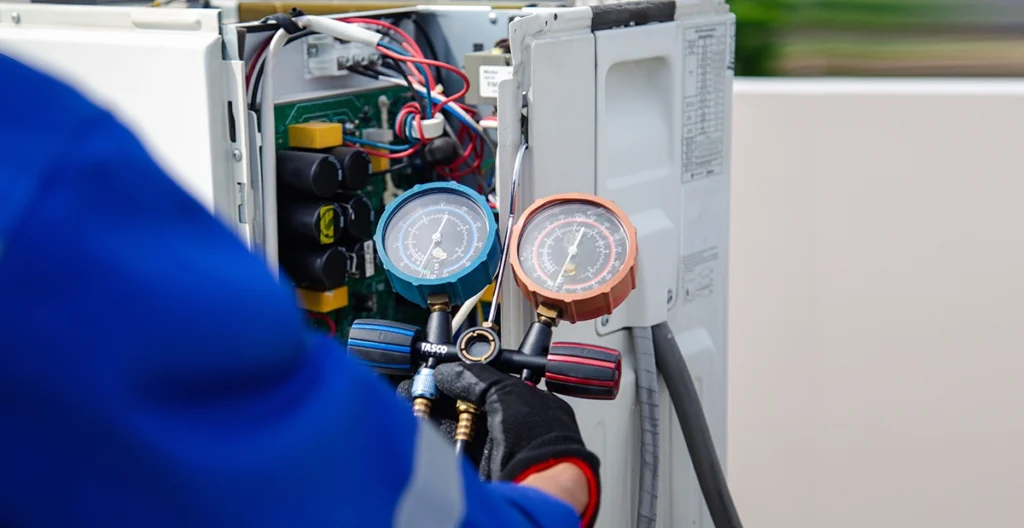
HVAC technician checking system gauges during R410A refrigerant service
Air Conditioning, Commercial HVAC, HVAC Systems, Maintenance, Repair, Replacement

R410A Refrigerant: A Complete Guide

If you’ve had your air conditioning system serviced recently, you may have heard your technician mention r410a refrigerant. This cooling agent has become the industry standard in modern HVAC systems. In fact, it replaced the older R-22 refrigerant that was phased out due to environmental concerns. Understanding what r410a is, how it works, and why it matters can help you make informed decisions about your home comfort system. Whether you’re dealing with a cooling issue or planning to upgrade your equipment, knowing the basics about this refrigerant will give you confidence when talking with HVAC professionals. What Is R410A Refrigerant and Why Does It Matter? R410A is a hydrofluorocarbon (HFC) refrigerant blend used in air conditioning systems and heat pumps. Unlike the older R-22 refrigerant, which contained chlorine and damaged the ozone layer, R410A was developed as an environmentally friendlier alternative. The refrigerant doesn’t contribute to ozone depletion. As a result, it makes a more responsible choice for cooling homes and businesses across the country. This refrigerant operates at higher pressures than R-22. Systems designed for R410A require specific components built to handle these conditions. That’s why refrigerants cannot be interchanged — the entire system needs to be designed from the ground up for the particular refrigerant it uses. Since 2010, all new residential air conditioning systems manufactured in the United States have used R410A as their primary refrigerant. How R410A Refrigerant Works in Your Cooling System Refrigerant is essentially the lifeblood of your air conditioning system. It flows through a closed loop of copper lines, changing from liquid to gas and back again as it absorbs heat from inside your home and releases it outside. The process starts when warm air from your home passes over the indoor evaporator coil. The liquid refrigerant inside that coil absorbs the heat and evaporates into a gas. This heated gas then travels to your outdoor condenser unit. There, the compressor pressurizes it even further. As the hot gas flows through the outdoor coil, it releases the heat it collected from inside your home into the outside air. Once the heat is released, the refrigerant condenses back into a liquid and returns inside to repeat the cycle. This continuous process keeps your home comfortable even during the hottest summer days. Because R410A operates at higher pressures than older refrigerants, it can actually transfer heat more efficiently. This improved efficiency means your system can cool your home using less energy. Consequently, this translates to lower utility bills over time. The increased pressure also allows for smaller equipment that still delivers powerful cooling performance. Signs Your R410A System May Have a Refrigerant Issue Your air conditioning system should maintain the same amount of refrigerant throughout its lifetime. Unlike gasoline in a car, refrigerant doesn’t get “used up” during normal operation. If your system is low on refrigerant, it means there’s a leak somewhere in the system. Recognizing the warning signs early can prevent more serious damage to your equipment. One of the most common signs is reduced cooling performance. If your system runs constantly but never quite reaches the temperature you’ve set on your thermostat, low refrigerant might be the culprit. You may also notice that some rooms feel comfortable while others remain warm. This indicates the system can’t distribute cooled air effectively throughout your home. Ice formation on the indoor evaporator coil or refrigerant lines is another telltale sign. When refrigerant levels drop, the pressure in the system changes, causing the coil to get too cold. Moisture from the air freezes on the coil, which blocks airflow and makes the problem worse. If you see ice on your AC components, turn the system off and call a professional right away. Higher than normal energy bills can also signal a refrigerant issue. When your system doesn’t have enough refrigerant, it has to work much harder and run much longer to achieve the same cooling effect. This extra runtime dramatically increases your energy consumption. You might also hear unusual hissing or bubbling sounds, which could indicate refrigerant escaping through a leak in the system. Why You Should Always Hire a Licensed Professional for Refrigerant Work Working with refrigerants like R410A refrigerant isn’t just complicated — it’s also regulated by federal law. The Environmental Protection Agency requires anyone who handles refrigerants to hold a valid EPA Section 608 certification. This certification ensures that technicians understand proper handling procedures, environmental regulations, and safety protocols. Attempting to add refrigerant yourself or hire an unlicensed person is illegal and can result in significant fines. Beyond the legal issues, refrigerant work involves serious safety risks. R410A operates at much higher pressures than older refrigerants. This means the potential for equipment damage or personal injury is greater. Improper handling can cause refrigerant to spray out forcefully, potentially causing frostbite or eye damage. The system components themselves can become extremely hot or cold during operation, creating additional hazards. There’s also the technical complexity involved. Adding refrigerant to a system with a leak doesn’t solve the underlying problem. In fact, it can make things worse. A certified HVAC technician will locate and repair the leak first, then properly evacuate the system to remove air and moisture before adding the correct amount of refrigerant. They’ll also check the system charge using precise measurements and specialized tools to ensure optimal performance. What Professional R410A Refrigerant Service Involves When you contact a licensed HVAC professional about a suspected refrigerant problem, certified technicians follow a comprehensive diagnostic process. First, they’ll check your system’s operating pressures using manifold gauges to determine if refrigerant levels are actually low. Sometimes, other issues can mimic refrigerant problems. Therefore, proper testing is essential before drawing conclusions. If low refrigerant is confirmed, your technician will conduct a thorough leak detection using electronic leak detectors, ultraviolet dyes, or other specialized equipment. Finding and repairing the leak is always the first priority. Once the leak is fixed, your certified technician will evacuate the system using a vacuum pump to remove any air, moisture, or contaminants
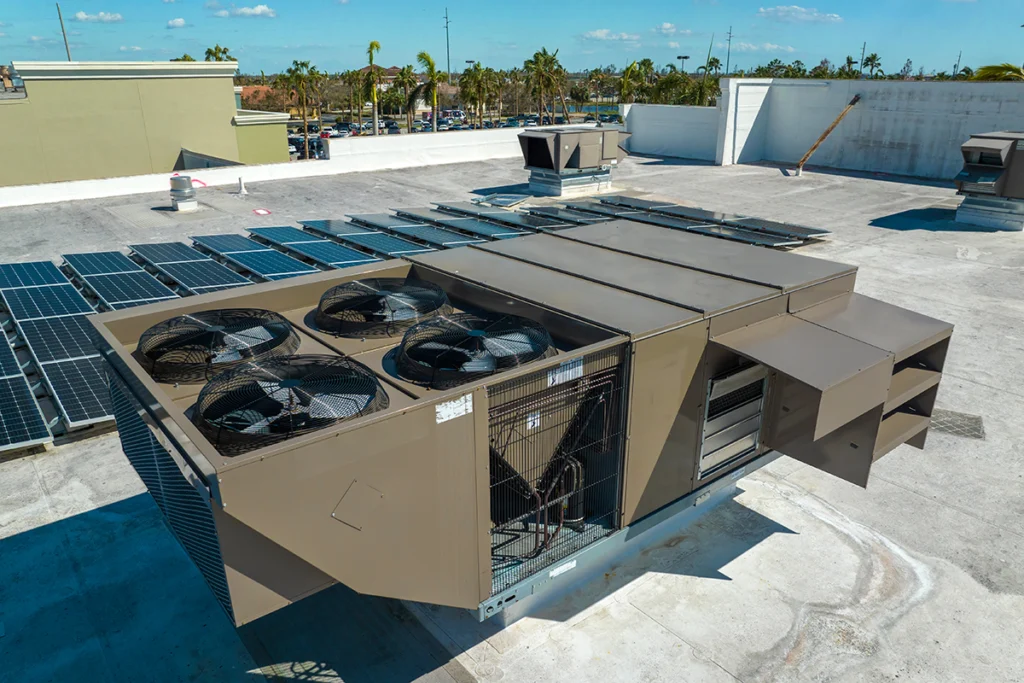
Commercial rooftop economizer HVAC system installed on a flat roof beside solar panels at a large facility.
Air Conditioning, Commercial HVAC, HVAC Systems, Indoor Air Quality

Economizer HVAC: What It Is and How It Works

If you’re looking to cut energy costs and improve indoor air quality in your commercial building or large facility, understanding what an economizer HVAC system is can make a significant difference. An economizer HVAC component is a smart add-on to traditional heating and cooling systems that uses outdoor air to reduce the need for mechanical cooling when conditions are favorable. This means lower energy bills, less strain on your equipment, and a more comfortable environment for everyone inside. At C&R Services, we help property owners and facility managers throughout East Texas understand how economizers work, when they’re beneficial, and how to spot signs that yours may need professional attention. Whether you manage a warehouse, office building, or retail space, knowing how this system operates can help you make informed decisions about your HVAC setup. What Is an Economizer in HVAC Systems? An economizer is a mechanical device integrated into commercial HVAC systems that brings in fresh outdoor air to cool a building instead of relying solely on the air conditioning system. When outdoor temperatures and humidity levels are within a specific range, the economizer opens dampers to allow outside air to enter the system. This process is called “free cooling” because it reduces the need for energy-intensive compressor operation. According to the U.S. Department of Energy, air economizers draw in outdoor air to meet the thermostat setpoint without using the air conditioner. There are two main types of economizers: Air-side economizers: These use outdoor air directly to cool indoor spaces when conditions permit Water-side economizers: These use cooling tower water or other water sources to remove heat from the building without running chillers Most commercial buildings use air-side economizers because they’re simpler to install and maintain. The system includes outdoor air dampers, return air dampers, sensors, and a control system that monitors temperature and humidity to determine when outdoor air is suitable for cooling. How Does an Economizer in an HVAC System Save Energy? The primary benefit of an HVAC economizer is energy savings. Traditional air conditioning systems use compressors that consume significant electricity to cool refrigerant and remove heat from indoor air. An economizer bypasses this process when outdoor conditions are favorable, potentially reducing cooling energy use by 20-50% depending on your climate and building type. In East Texas, we experience mild spring and fall weather when outdoor temperatures are comfortable but indoor spaces still need cooling due to heat from equipment, lighting, and occupants. During these periods, an economizer can provide substantial savings by using free outdoor air instead of running the AC compressor at full capacity. Beyond energy savings, economizers also improve indoor air quality by continuously bringing in fresh outdoor air, which dilutes indoor pollutants, odors, and carbon dioxide. This is especially important in commercial spaces with high occupancy or areas where air quality regulations apply. Key Components of an Economizer System Understanding the parts of an economizer helps you recognize when something isn’t working correctly. A typical air-side economizer includes: Outdoor air dampers: Motorized louvers that open to allow fresh air into the system Return air dampers: Control how much indoor air is recirculated versus exhausted Temperature and humidity sensors: Monitor outdoor conditions to determine when economizer mode is beneficial Damper actuators: Electric or pneumatic motors that open and close dampers based on control signals Control module: The brain of the system that processes sensor data and activates dampers accordingly Exhaust dampers: Allow stale indoor air to exit when fresh air enters All these components must work together seamlessly. If any part malfunctions, the economizer may stay closed (wasting energy) or stay open (bringing in hot or humid air that increases cooling costs). That’s why regular commercial HVAC maintenance is essential for economizer-equipped systems. Signs Your Economizer May Need Professional Service Because economizers have moving parts and electronic controls, they require periodic inspection and maintenance. Here are warning signs that your economizer may not be functioning properly: Higher than expected energy bills: If your cooling costs haven’t decreased during mild weather, the economizer may be stuck closed Stuffy or stale indoor air: This can indicate dampers aren’t opening to bring in fresh outdoor air Excessive humidity indoors: May suggest the economizer is bringing in outdoor air when humidity is too high Uneven temperatures: Areas near air handlers may be too hot or cold if damper control is erratic Visible damper problems: Dampers that appear stuck, corroded, or damaged need immediate attention Control system alarms: Modern building automation systems often alert you to economizer faults When you notice any of these issues, it’s important to contact a licensed HVAC technician who specializes in commercial systems. A certified professional will diagnose whether the problem is mechanical (stuck dampers, failed actuators) or electronic (sensor calibration, control logic issues). What a Professional Economizer Inspection Involves During a professional economizer service call, your HVAC technician will perform several diagnostic steps to identify problems and restore proper operation. While homeowners and facility managers shouldn’t attempt repairs themselves, understanding what professionals do helps you appreciate the complexity and value of expert service. A thorough economizer inspection typically includes: Visual inspection of all dampers for proper operation and physical condition Testing damper actuators to ensure they respond correctly to control signals Calibrating temperature and humidity sensors for accurate readings Verifying control logic and setpoints match your building’s needs Checking for air leakage around damper seals that wastes energy Reviewing building automation system data to identify patterns or faults Measuring airflow to confirm the system is delivering the right amount of outdoor air After diagnosis, your technician will recommend repairs or adjustments. Common fixes include replacing failed actuators, recalibrating sensors, adjusting control sequences, lubricating damper hardware, or replacing worn damper seals. In some cases, upgrading to more advanced controls can improve economizer performance and energy savings. Economizer Best Practices for Commercial Buildings To maximize the benefits of your HVAC economizer, follow these professional recommendations: Schedule regular maintenance: Have your economizer inspected at least twice yearly, ideally before cooling and heating seasons Monitor energy

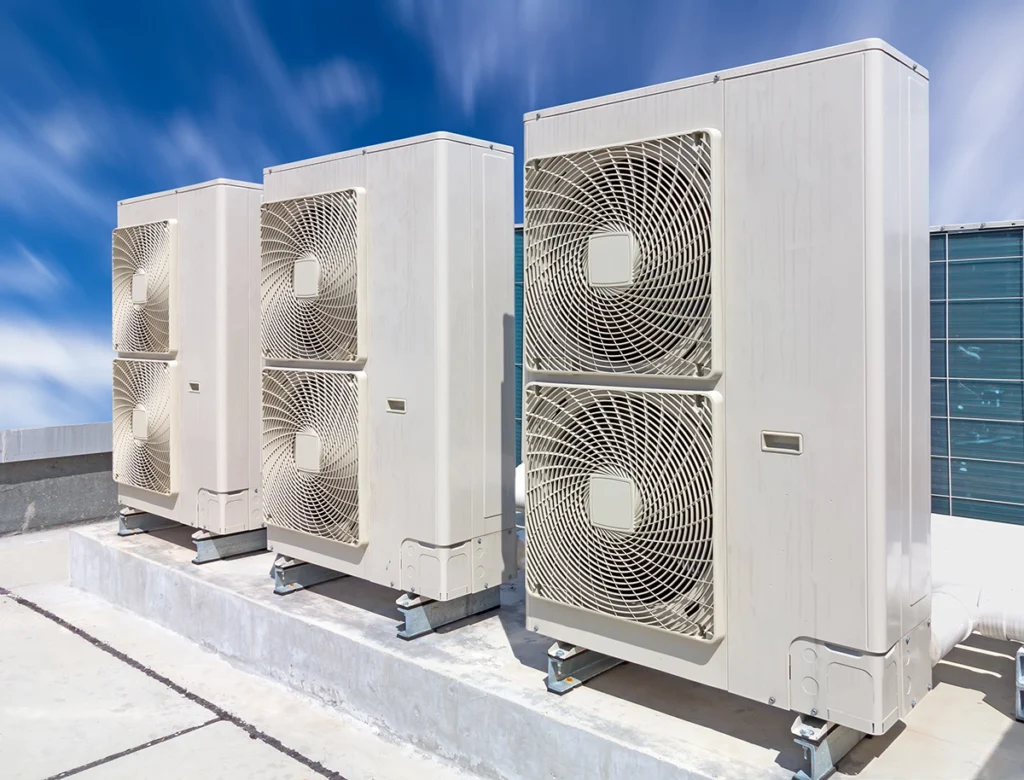
Rooftop VRF HVAC outdoor units installed on a commercial building for efficient multi-zone heating and cooling
Commercial HVAC, HVAC Systems, Installation

VRF HVAC Systems: What They Are & Why They Matter

Variable Refrigerant Flow (VRF) HVAC systems represent one of the most advanced heating and cooling technologies available today. These sophisticated systems offer precise temperature control, exceptional energy efficiency, and flexible installation options that make them increasingly popular for both commercial buildings and high-end residential applications. If you’re considering upgrading your HVAC system or exploring options for a new construction project, understanding VRF technology can help you make an informed decision about whether this advanced system is right for your space. What is VRF HVAC Technology? VRF stands for Variable Refrigerant Flow, which describes how these systems precisely control the amount of refrigerant flowing to each indoor unit. According to the U.S. Department of Energy, VRF technology uses refrigerant as the cooling and heating medium and can provide efficient zone-by-zone comfort control in a building. Unlike traditional HVAC systems that operate at full capacity or shut off completely, VRF systems continuously adjust their output to match the exact heating and cooling demands of different zones throughout a building. The system consists of one outdoor unit connected to multiple indoor units through refrigerant piping. Each indoor unit can be controlled independently, allowing different rooms or zones to maintain different temperatures simultaneously. This zoning capability makes VRF systems particularly attractive for spaces with varying occupancy levels or different comfort requirements. VRF technology originated in Japan in the 1980s and has since evolved into highly sophisticated systems that can provide both heating and cooling through the same refrigerant lines. Modern VRF systems use advanced inverter technology and electronic expansion valves to achieve remarkable precision in temperature control. How VRF Systems Work The heart of a VRF system lies in its ability to vary the flow of refrigerant based on real-time demand from connected indoor units. When a zone requires cooling, the system increases refrigerant flow to that area’s indoor unit. When cooling demand decreases, the flow automatically reduces, maintaining optimal comfort while minimizing energy consumption. The outdoor unit contains variable-speed compressors that can ramp up or down smoothly rather than cycling on and off like conventional systems. This continuous modulation eliminates the temperature swings and energy waste associated with traditional HVAC cycling. Each indoor unit communicates with the outdoor unit through sophisticated control systems that monitor temperature, humidity, and occupancy patterns. This constant communication allows the system to anticipate heating and cooling needs and adjust operation proactively rather than reactively. Many VRF systems also feature heat recovery capabilities, which allow the system to simultaneously heat some zones while cooling others. This is achieved by capturing waste heat from zones requiring cooling and redirecting it to zones needing heating, resulting in exceptional overall efficiency. Types of VRF Systems There are two main categories of VRF systems: Heat Pump VRF Systems: These systems can provide either heating or cooling to all connected zones, but not both simultaneously Heat Recovery VRF Systems: These advanced systems can provide heating to some zones while cooling others, maximizing energy efficiency Key Benefits of VRF HVAC Systems VRF systems offer several compelling advantages over traditional HVAC solutions, making them an attractive option for many applications. Energy Efficiency VRF systems typically achieve significantly higher efficiency ratings than conventional HVAC systems. The variable-speed operation, combined with precise refrigerant flow control, means the system only uses the energy needed to maintain desired temperatures. Many VRF systems achieve SEER ratings well above 20, compared to 13-16 for standard systems. The heat recovery capability found in advanced VRF systems can further boost efficiency by capturing and reusing waste heat that would otherwise be lost to the outdoors. Individual Zone Control Each indoor unit operates independently, allowing occupants to set different temperatures for different spaces. This eliminates the common problem of overcooling or overheating certain areas to achieve comfort in others. Zone control also means unoccupied areas can be set to more energy-efficient temperatures without affecting comfort in occupied spaces. Quiet Operation VRF systems operate much more quietly than traditional HVAC systems. The variable-speed compressors run smoothly without the loud cycling noises of conventional units, and indoor units are designed for whisper-quiet operation. Design Flexibility VRF systems offer exceptional design flexibility because they use small-diameter refrigerant lines instead of bulky ductwork. This makes installation easier in existing buildings and allows for more creative architectural designs in new construction. Indoor units come in various configurations, including wall-mounted, ceiling-recessed, floor-standing, and ducted options, providing solutions for virtually any space requirement. Common Applications for VRF Systems VRF technology excels in applications where precise temperature control, energy efficiency, and quiet operation are priorities. Commercial Buildings Office buildings, retail spaces, restaurants, and hotels frequently benefit from VRF systems due to their varying occupancy patterns and different comfort requirements throughout the building. The ability to provide individual zone control helps optimize both comfort and energy costs. Multi-Family Residential Apartment complexes and condominiums can benefit from VRF systems that provide individual unit control while maintaining efficient central equipment. Residents can control their own comfort while property owners benefit from reduced energy costs and maintenance requirements. High-End Single-Family Homes Luxury homes with multiple zones, home theaters, wine cellars, or other spaces requiring precise climate control often utilize VRF systems for their superior comfort and efficiency. What to Expect During VRF HVAC System Installation Installing a VRF system requires specialized expertise and careful planning. A certified HVAC technician will begin by conducting a detailed load calculation and system design to ensure optimal performance. The installation process involves mounting the outdoor unit, running refrigerant lines to each indoor unit location, installing and connecting all indoor units, and programming the sophisticated control systems. Unlike ductwork installation, refrigerant line installation is typically less invasive but requires precision to ensure proper system operation. Professional installation is critical because VRF systems require precise refrigerant charging, proper evacuation procedures, and complex control programming that can only be performed by trained technicians with specialized equipment. For more information about commercial HVAC maintenance requirements for advanced systems like VRF, consult with experienced professionals. Signs a VRF HVAC System Might Be Right for Your

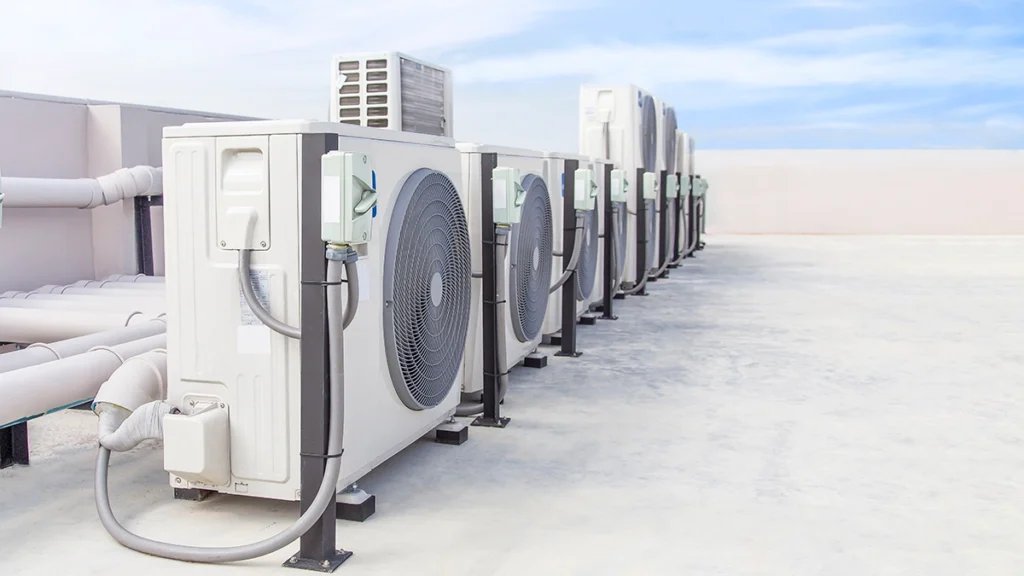
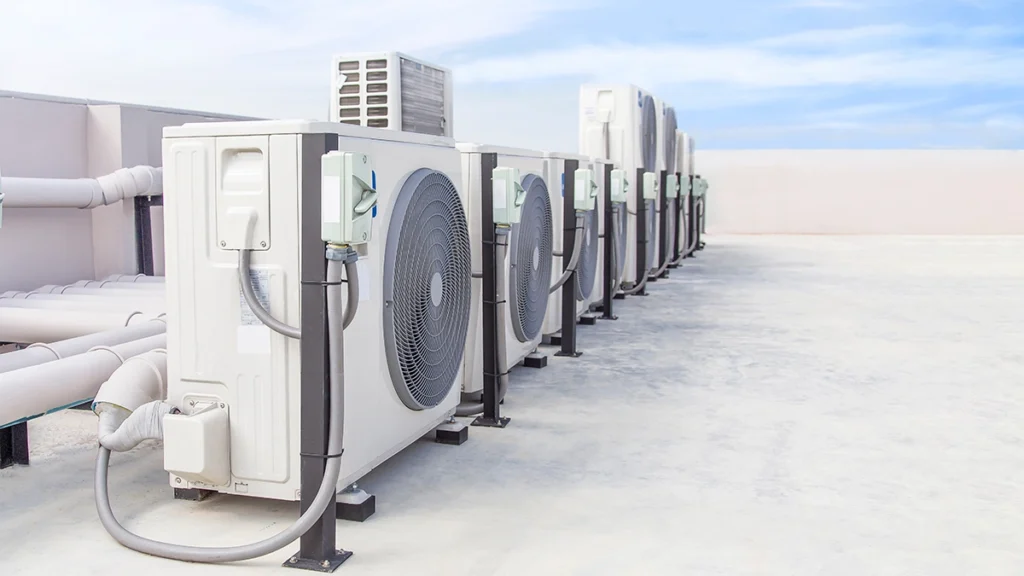
Rooftop commercial HVAC units shown in a row for commercial HVAC maintenance and system service
Commercial HVAC

Commercial HVAC Maintenance: Why It’s Critical

Running a business comes with countless responsibilities, but one that can’t be overlooked is keeping your commercial HVAC system properly maintained. Unlike residential systems, commercial HVAC equipment works harder, runs longer, and serves more people every day. That’s why commercial HVAC maintenance isn’t just recommended—it’s absolutely critical for your business success. At C&R Services, we’ve seen firsthand how preventive maintenance can save businesses thousands of dollars while keeping employees and customers comfortable year-round. When we approach each maintenance call, we’re not just checking boxes—we’re serving people and protecting the investments that business owners have worked so hard to build. What Makes Commercial HVAC Systems Different Commercial HVAC systems are complex beasts compared to residential units. They typically feature larger capacities, multiple zones, and sophisticated controls that manage air quality, temperature, and humidity across vast spaces. These systems often include: Rooftop units handling massive air volumes Chillers and boilers for heating and cooling Complex ductwork serving multiple floors or zones Building management systems with automated controls Industrial-grade air filtration systems Because these systems run continuously during business hours and handle much heavier loads than residential units, they require specialized maintenance approaches. A certified technician familiar with commercial equipment understands the unique demands these systems face and knows how to keep them running efficiently. Signs Your Commercial HVAC System Needs Professional Attention Business owners often ask us how they can tell when their HVAC system needs maintenance. While we always recommend scheduled preventive maintenance, certain warning signs indicate immediate professional attention is needed: Temperature inconsistencies across different areas of your building often signal airflow problems, faulty dampers, or issues with zone controls. If some offices are freezing while others are sweltering, your system isn’t distributing conditioned air properly. Rising energy bills without corresponding increases in usage typically indicate declining system efficiency. When HVAC components get dirty or start wearing out, they work harder to maintain the same comfort levels, driving up operating costs. Unusual noises like grinding, squealing, or rattling sounds often indicate worn bearings, loose belts, or failing motors. These sounds are your system’s way of crying for help before a major breakdown occurs. Poor indoor air quality complaints from employees or customers can indicate problems with filtration systems, ductwork contamination, or inadequate ventilation. This isn’t just a comfort issue—it can affect productivity and health. If you’re experiencing any of these issues, AC running but not cooling problems might be affecting your commercial system as well, requiring immediate professional diagnosis. What Professional Commercial HVAC Maintenance Includes When C&R Services performs commercial maintenance, we follow a comprehensive approach that addresses every critical component. A certified technician will systematically inspect, clean, and adjust your entire system to ensure peak performance. Mechanical component inspection involves checking all moving parts, including motors, fans, belts, and bearings. Your HVAC professional will look for signs of wear, lubricate components as needed, and identify parts that may need replacement before they fail. Electrical system evaluation includes testing all electrical connections, checking control systems, and verifying that safety switches and sensors are functioning properly. Electrical problems in commercial systems can be particularly dangerous and expensive if left unchecked. Refrigeration system analysis involves checking refrigerant levels, testing for leaks, and ensuring that compressors and condensers are operating efficiently. Your technician will also examine heat exchangers and coils for damage or efficiency problems. Air distribution assessment includes inspecting ductwork for leaks, checking damper operation, and verifying that air handlers are delivering proper airflow to all zones. This is particularly important in commercial buildings where air distribution affects multiple spaces. Professional maintenance also includes return air vent function evaluation to ensure proper air circulation throughout your commercial space. The Hidden Costs of Skipping Maintenance Many business owners try to cut costs by deferring HVAC maintenance, but this approach often backfires. The U.S. Department of Energy notes that neglecting air conditioner maintenance leads to declining performance and increased energy use, making regular service important for efficiency and long-term system health. Emergency repairs typically cost 3-5 times more than preventive maintenance. When a critical component fails during peak business hours, you’re not just paying premium emergency rates—you’re also losing revenue from uncomfortable customers and unproductive employees. Premature equipment replacement represents the biggest hidden cost. Commercial HVAC systems that receive regular maintenance can last 20-25 years, while neglected systems often fail after just 10-15 years. The difference in replacement costs can easily reach six figures for large commercial installations. Indoor air quality problems from poor maintenance can lead to employee sick days, reduced productivity, and even liability issues if customers or staff develop health problems related to poor air quality. How Often Should Commercial Systems Be Maintained Commercial HVAC maintenance frequency depends on several factors, including system size, usage patterns, and environmental conditions. Most commercial systems benefit from quarterly maintenance visits, with some high-use equipment requiring monthly attention. Restaurants, medical facilities, and manufacturing operations typically need more frequent maintenance due to contamination from cooking oils, medical processes, or industrial activities. Office buildings and retail spaces usually require less frequent service but still need regular attention. Your HVAC professional will develop a customized maintenance schedule based on your specific needs. This might include seasonal tune-ups before peak heating and cooling seasons, plus regular filter changes and system monitoring throughout the year. Some businesses benefit from maintenance contracts that include regular visits, priority service, and discounted repair rates. These agreements ensure your system receives consistent attention while helping you budget for maintenance costs. Energy Efficiency and Cost Savings One of the biggest benefits of regular commercial HVAC maintenance is improved energy efficiency. Clean filters, properly calibrated controls, and well-lubricated components all contribute to lower operating costs. A certified technician will optimize your system settings for maximum efficiency while maintaining comfort levels. This might involve adjusting temperature setpoints, optimizing fan speeds, or reprogramming control systems to match your actual occupancy patterns. Regular maintenance also helps identify opportunities for system upgrades that can further reduce energy costs. Your technician might recommend programmable thermostats, variable speed drives, or energy

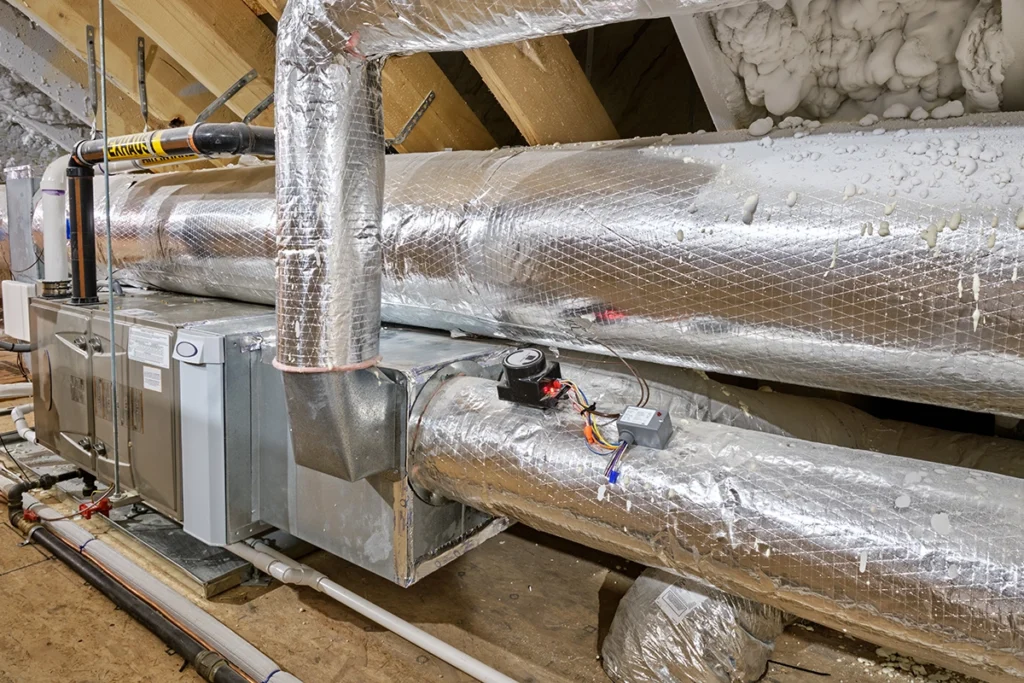
Commercial HVAC air handling system using a VFD to control airflow and efficiency
Commercial HVAC, HVAC Systems, Maintenance

What Is a VFD? Uses, Benefits, and How It Works

When homeowners and building managers ask “what is a VFD?” they’re usually trying to understand why newer HVAC systems feel quieter, smoother, and more efficient. We hear this question often during system evaluations and efficiency upgrades. From our perspective at C&R Services, a VFD is one of those behind-the-scenes components that makes a noticeable difference once you know what it does. Simply put, understanding what a VFD is helps explain how modern HVAC systems control airflow, manage energy use, and reduce long-term wear. Once the basics click, the benefits become much easier to see. What a VFD Is and Why It Matters in HVAC Systems So, what is a VFD exactly? VFD stands for Variable Frequency Drive. It’s a device that controls how fast an electric motor runs. Instead of operating at one constant speed, the motor adjusts based on real-time demand. In HVAC systems, that motor usually powers a blower fan or pump. Rather than switching fully on or off, a VFD allows gradual speed changes. As a result, the system works smarter instead of harder. Because of that control, comfort improves. Energy waste drops. Equipment stress also decreases over time. How a VFD Works Behind the Scenes A VFD works by controlling motor speed rather than running equipment at a single fixed rate. It does this by adjusting the frequency and voltage sent to the motor. When demand is low, the motor slows down. When demand rises, it increases speed smoothly. Instead of abrupt starts, the system eases into operation. That gentle control protects motors, belts, and bearings. Over time, those small changes add up to longer equipment life. Where You’ll Find VFDs in HVAC Equipment VFDs don’t operate alone. They’re integrated into larger systems. In many setups, VFDs work alongside other components inside a system. If you’re curious how everything fits together, exploring the parts of an HVAC system helps explain where drives, motors, and controls interact. Most commonly, VFDs control: Supply air fans Return air fans Circulator pumps Cooling tower fans Each application benefits from precise speed control rather than constant operation. What Is a VFD Used for in Commercial HVAC? In commercial buildings, a VFD often plays a direct role in airflow zoning and load balancing. VFDs pair especially well with variable air volume systems. In fact, when airflow adjusts room by room, variable air volume designs rely heavily on variable-speed fan control to operate correctly. As zones open and close, the VFD adjusts fan speed automatically. That keeps pressure stable while saving energy across the building. Energy Efficiency Benefits of a VFD One of the biggest reasons VFDs are installed is efficiency. Instead of running at full speed all day, motors slow down when demand drops. Since motor energy use increases dramatically with speed, even small reductions lead to major savings. According to the U.S. Department of Energy’s motor systems tip sheet, variable frequency drives are an efficient way to control motor speed and energy use. While a VFD improves motor efficiency, overall savings depend on the entire system. ENERGY STAR heating and cooling efficiency guidance highlights how airflow control, duct sealing, and smart controls work together to reduce energy waste. Over time, those savings often offset the cost of installation. Comfort and Noise Improvements Efficiency isn’t the only benefit. Because VFD-controlled motors ramp up gradually, systems operate more quietly. Sudden blasts of air disappear. Temperature swings smooth out. From our experience at C&R Services, many customers notice comfort improvements before they ever notice energy savings. That’s a win either way. Maintenance and Equipment Longevity Advantages Another overlooked benefit of a VFD is reduced mechanical stress. Soft starts protect motors from electrical surges. Reduced run times limit heat buildup. Bearings and belts last longer. As a result, service intervals often extend. Unexpected breakdowns also become less common. That doesn’t eliminate maintenance, but it does make it more predictable. Is a VFD Right for Every HVAC System? Not every system needs a VFD. Smaller residential units often rely on simpler controls. However, larger homes, light commercial spaces, and commercial buildings benefit the most. We typically recommend VFDs when: Systems operate many hours per day Loads fluctuate frequently Energy efficiency is a priority If you’re unsure, professional evaluation matters. Why Professional Installation Matters Although VFDs offer many benefits, setup matters. Incorrect programming can cause noise, vibration, or control issues. That’s why proper sizing, tuning, and integration are essential. At C&R Services, we focus on matching equipment to real-world conditions. That approach ensures VFDs deliver actual performance gains instead of headaches. If you’re considering upgrades or system improvements, contact us to discuss your options. Final Thoughts: What Is a VFD? At the end of the day, VFDs comes down to smarter control. Instead of forcing HVAC equipment to operate at one speed, a VFD lets systems respond naturally to demand. That means better comfort, lower energy costs, and longer equipment life. When installed correctly, it’s one of the most impactful efficiency upgrades available today. Because VFDs are most commonly installed in larger systems, they’re often part of broader commercial HVAC services focused on efficiency, airflow control, and long-term performance. If you’re located in Tyler or anywhere across East Texas and want to know whether a VFD makes sense for your system, reach out to C&R Services. We’re always happy to help you make informed decisions about comfort and efficiency. FAQs About VFDs in HVAC Systems VFDs often raises a few common questions. Here are quick answers we share with customers.

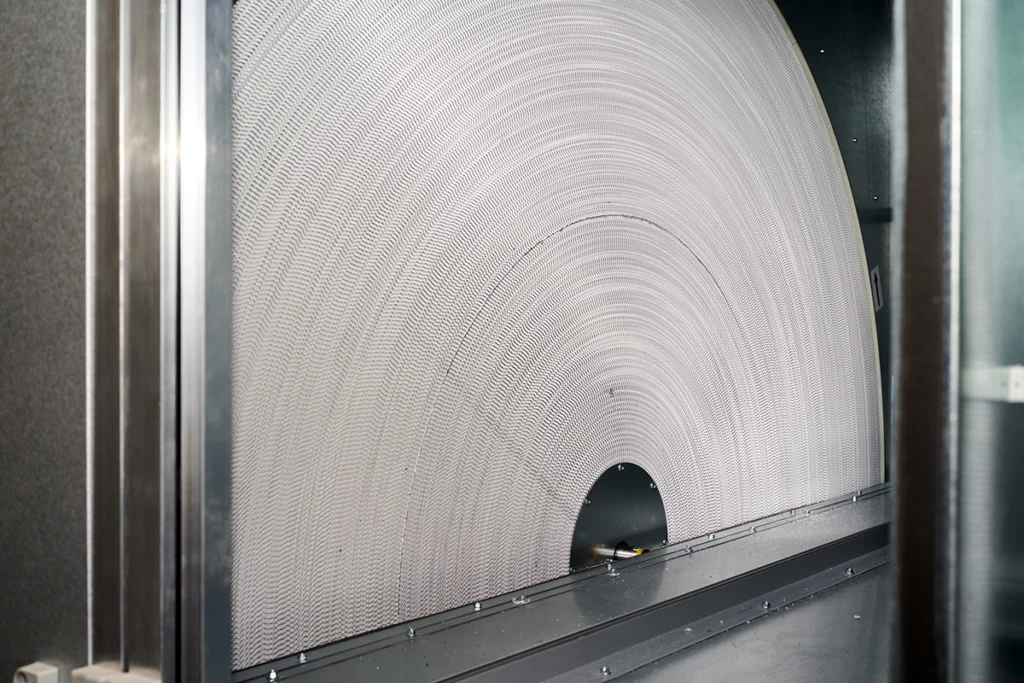
Energy recovery wheel inside a commercial HVAC ventilation system
Commercial HVAC, Indoor Air Quality

Energy Recovery Wheel: How It Works and Benefits

When we talk with commercial property owners about ventilation performance, the energy recovery wheel often comes up later in the conversation than it should. At C&R Services, we see this component working quietly behind the scenes in many large HVAC systems. Once you understand how an energy recovery wheel operates, it becomes clear why it plays such an important role in comfort, efficiency, and indoor air quality. For many commercial buildings, it’s one of the smartest investments in modern ventilation design. What an Energy Recovery Wheel Does An energy recovery wheel is a rotating device installed inside commercial ventilation systems. Its job is to transfer energy between outgoing exhaust air and incoming outdoor air. As stale air leaves the building, the wheel absorbs heat and moisture. Then, as fresh air enters, that stored energy is released into the incoming air stream. Because of this process, outdoor air enters the building closer to indoor conditions. That reduces the workload on heating and cooling equipment. Over time, that energy savings becomes significant. According to the U.S. Department of Energy, recovering energy from exhaust air helps reduce ventilation-related energy losses while maintaining healthy indoor air exchange. How the Energy Recovery Wheel Works in Commercial HVAC Systems An energy recovery wheel rotates continuously between two air paths. One carries exhaust air out of the building. The other brings fresh outdoor air inside. The wheel transfers both sensible heat and latent moisture without allowing the air streams to mix. Because the wheel is always moving, energy transfer stays consistent even during changing load conditions. That consistency is critical in commercial environments with fluctuating occupancy. In most applications, the wheel is integrated into a larger ventilation assembly. It often works alongside air handlers, dampers, and control systems. Each of these HVAC components plays a role in how ventilation air moves through the building. Energy Recovery Wheel vs Standard Ventilation Traditional ventilation systems simply exhaust conditioned air and replace it with untreated outdoor air. That approach wastes energy. An energy recovery wheel captures much of that energy and reuses it. As a result, buildings can increase ventilation rates—bringing in more outdoor air—without a proportional increase in energy costs. This makes compliance with modern ventilation standards much more practical. Indoor Air Quality Benefits in Commercial Buildings Although energy efficiency gets most of the attention, indoor air quality benefits are just as important. An energy recovery wheel allows buildings to bring in more outdoor air consistently. That fresh air dilutes indoor pollutants, odors, and carbon dioxide. At the same time, moisture transfer helps stabilize humidity levels. Balanced humidity reduces condensation risk and improves occupant comfort. For many commercial buildings, this approach supports consistent ventilation without sacrificing comfort or efficiency. Why Airflow Matters in Energy Recovery Systems Proper airflow is essential for performance. An energy recovery wheel must be sized correctly for the system’s airflow demands. If airflow is mismatched, efficiency drops and pressure issues can develop. That’s why airflow measurements are so important in commercial HVAC design. Engineers use airflow data to size ventilation systems and maintain proper balance throughout the building. At C&R Services, airflow diagnostics are often the first step when performance issues arise. Many ventilation problems trace back to improper airflow rather than equipment failure. Common Commercial Applications for Energy Recovery An energy recovery wheel is most commonly used in: Office buildings Schools and universities Medical facilities Manufacturing and industrial spaces Large retail environments In many of these settings, the wheel is part of a dedicated outdoor air system or paired with variable air volume systems to control airflow efficiently across different zones. ASHRAE Standard 62.1 highlights the importance of adequate outdoor air delivery in commercial buildings. Energy recovery wheels help meet those requirements efficiently. Maintenance and Operational Considerations Although durable, an energy recovery wheel still requires routine maintenance. Dust buildup can reduce energy transfer efficiency. Over time, imbalances can affect rotation. From our experience at C&R Services, neglected ventilation components often lead to comfort complaints and rising energy bills. Regular inspections help keep systems operating as designed. Preventive maintenance also extends the lifespan of connected equipment by reducing unnecessary strain. Is an Energy Recovery Wheel Right for Your Building? Not every building needs an energy recovery wheel, but many commercial spaces benefit from one. Buildings with high occupancy, long operating hours, or strict ventilation requirements see the greatest return. Choosing the right solution depends on system design, usage patterns, and local climate conditions. A professional commercial HVAC evaluation helps ensure the investment makes sense. If you’re evaluating a commercial HVAC system or planning upgrades, contact us. Our team at C&R Services can help you determine whether energy recovery technology fits your building’s needs. Final Thoughts on Energy Recovery Technology An energy recovery wheel allows commercial buildings to ventilate efficiently without wasting energy. It improves indoor air quality, stabilizes humidity, and reduces HVAC workload. When properly designed and maintained, it becomes one of the most valuable components in a modern ventilation system. At C&R Services, we’ve seen how effective energy recovery can be across a wide range of commercial applications. For expert guidance or system evaluations, contact us today. We proudly serve Tyler and East TX businesses with reliable commercial HVAC solutions. FAQs Below are a few quick answers to common questions we hear during commercial service calls.

Rooftop commercial HVAC equipment used in VAV HVAC systems
Commercial HVAC, HVAC Systems

VAV HVAC Explained: How Variable Air Volume Systems Work

When we talk with building owners or facility managers about airflow control, VAV HVAC systems often come up quickly. From my experience working in the field, variable air volume systems are one of the most effective ways to balance comfort and efficiency in larger buildings. They don’t create heating or cooling themselves. Instead, they control how much conditioned air reaches each space. Once you understand how VAV HVAC systems work, it becomes easier to see why they’re so common in commercial environments. What Is a VAV HVAC System? A VAV HVAC system uses variable air volume to adjust airflow to different zones throughout a building. Instead of delivering the same amount of air everywhere, the system increases or decreases airflow based on demand. As a result, rooms that need more cooling or heating receive it, while others receive less. Variable air volume systems are most often paired with a central air handler. That air handler conditions the air, while VAV boxes manage distribution. This setup helps reduce wasted energy and improves overall comfort. How Variable Air Volume Systems Control Airflow Variable air volume systems rely on sensors and dampers to regulate airflow. Each zone has its own VAV box that opens or closes based on temperature readings. When a room reaches its setpoint, airflow slows. Meanwhile, zones that still need conditioning continue receiving air. Because of this design, the system responds continuously. Rather than cycling on and off, it adjusts gradually. That steady operation helps maintain comfort and reduce energy swings. Key Components Inside a VAV HVAC System A VAV HVAC system includes several important parts working together. While the setup can vary by building, most systems rely on the same core components that make up larger commercial HVAC designs. If you want a broader breakdown of how these pieces fit together, an overview of the parts of an HVAC system helps explain how air movement, controls, and conditioning equipment work as a whole. VAV Boxes and Zone Dampers VAV boxes sit in the ductwork and control how much air enters each zone. Inside each box, a damper opens or closes based on temperature demand. Some VAV boxes also include reheat coils, which allow additional temperature adjustment when airflow is reduced. Sensors and Control Systems Temperature sensors monitor each zone continuously. Those readings feed into a central control system that adjusts dampers in real time. This automated control is what allows the system to respond smoothly instead of cycling on and off. Air Handler and Ductwork The air handler produces conditioned air for the entire building. Ductwork then distributes that air to each VAV box. In many commercial buildings, this air delivery approach builds on the same airflow principles used in forced air heating, just scaled for larger spaces and multiple zones. Proper duct design is critical for keeping airflow balanced and efficient throughout the system. Why VAV HVAC Systems Are Used in Commercial Buildings From what we see on projects, VAV HVAC systems make sense in buildings with varying occupancy. Offices, schools, hospitals, and retail spaces all benefit from zone-level control. Rooms with sunlight exposure or heavy use often need more airflow. Others need less. Because airflow adjusts instead of running full volume constantly, energy use drops. Over time, that efficiency can significantly reduce operating costs. VAV HVAC vs Constant Volume Systems Constant volume systems deliver the same airflow everywhere, all the time. While they’re simpler, they often waste energy. In contrast, VAV HVAC systems adapt in real time. That adaptability leads to better comfort and improved efficiency. However, VAV systems require proper design and maintenance. Without calibration, airflow issues can develop. That’s why professional setup and ongoing service matter. Energy Efficiency Benefits of VAV HVAC Design One major advantage of VAV HVAC systems is reduced fan energy. Since fans slow down as airflow demand drops, power consumption falls significantly compared to systems that run at full volume all the time. Over the life of the HVAC system, that reduction adds up to meaningful energy savings. Additionally, better airflow control helps maintain more consistent indoor conditions across different zones. When temperature swings are minimized, equipment operates more steadily instead of cycling aggressively. That stability supports occupant comfort while also reducing wear on motors, controls, and air-handling components. Common Applications for Variable Air Volume Systems We most often see variable air volume systems in: Office buildings Medical facilities Universities and schools Government buildings Large retail spaces These environments benefit from zoning and flexible airflow. When usage patterns change throughout the day, VAV systems adapt smoothly. Maintenance Considerations for VAV HVAC Systems Like any HVAC setup, VAV HVAC systems need regular attention. Filters, sensors, and dampers must stay clean and calibrated. When maintenance slips, comfort problems often follow. Routine inspections help prevent airflow imbalances and catch control issues early. For practical maintenance planning, the EPA’s building air quality guidance offers useful direction for building owners and facility managers. When to Talk With an HVAC Professional If airflow feels uneven or zones never reach set temperatures, the VAV system may need adjustment. From experience, these problems often come down to controls or damper operation. Addressing them early prevents bigger efficiency losses later. If you’re evaluating a new system or improving an existing one, it helps to speak with professionals who understand variable air volume design. At C&R Services, we help clients assess airflow strategies and system performance nationwide, with trusted commercial HVAC services in Tyler and East TX. If you have questions about airflow control or system upgrades, contact C&R Services to discuss your options and schedule a consultation. In the end, VAV HVAC systems remain one of the smartest solutions for efficient, adaptable airflow in modern buildings. Frequently Asked Questions About VAV HVAC Systems Below are a few common questions we hear when discussing variable air volume systems.

Scroll to Top