Call Us (903) 204-7571 Today

“Taught By Fathers, Trusted By Families”

Replacement

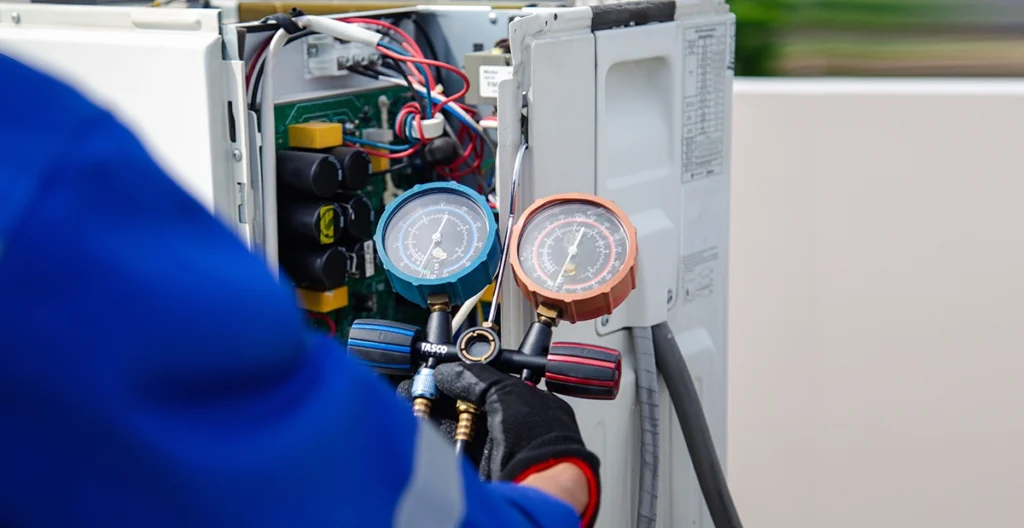
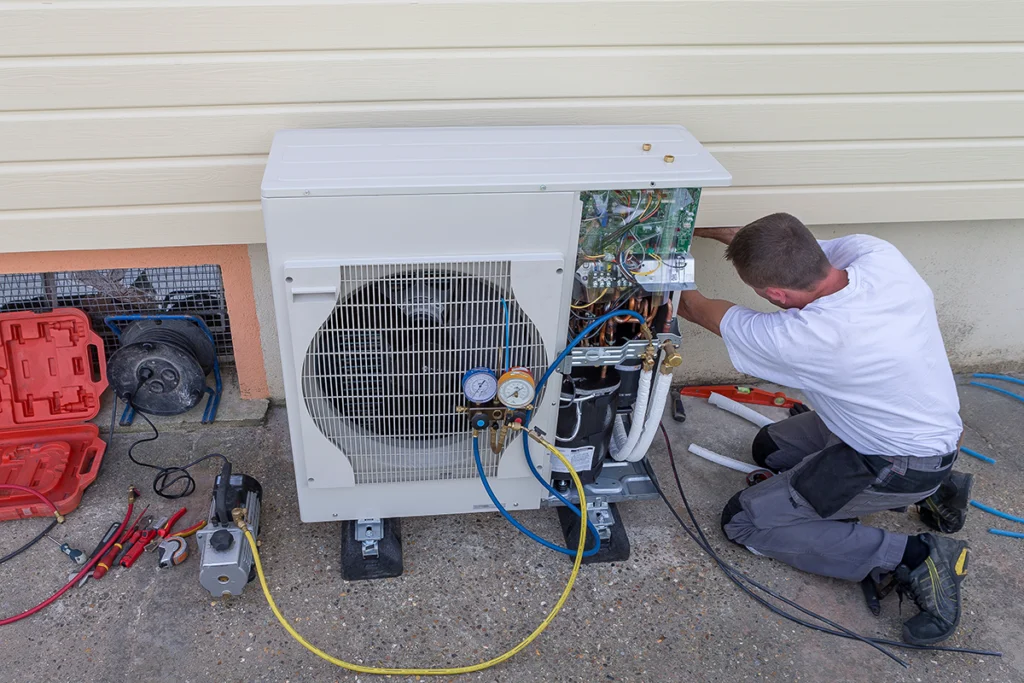
HVAC technician checking system gauges during R410A refrigerant service
Air Conditioning, Commercial HVAC, HVAC Systems, Maintenance, Repair, Replacement

R410A Refrigerant: A Complete Guide

If you’ve had your air conditioning system serviced recently, you may have heard your technician mention r410a refrigerant. This cooling agent has become the industry standard in modern HVAC systems. In fact, it replaced the older R-22 refrigerant that was phased out due to environmental concerns. Understanding what r410a is, how it works, and why it matters can help you make informed decisions about your home comfort system. Whether you’re dealing with a cooling issue or planning to upgrade your equipment, knowing the basics about this refrigerant will give you confidence when talking with HVAC professionals. What Is R410A Refrigerant and Why Does It Matter? R410A is a hydrofluorocarbon (HFC) refrigerant blend used in air conditioning systems and heat pumps. Unlike the older R-22 refrigerant, which contained chlorine and damaged the ozone layer, R410A was developed as an environmentally friendlier alternative. The refrigerant doesn’t contribute to ozone depletion. As a result, it makes a more responsible choice for cooling homes and businesses across the country. This refrigerant operates at higher pressures than R-22. Systems designed for R410A require specific components built to handle these conditions. That’s why refrigerants cannot be interchanged — the entire system needs to be designed from the ground up for the particular refrigerant it uses. Since 2010, all new residential air conditioning systems manufactured in the United States have used R410A as their primary refrigerant. How R410A Refrigerant Works in Your Cooling System Refrigerant is essentially the lifeblood of your air conditioning system. It flows through a closed loop of copper lines, changing from liquid to gas and back again as it absorbs heat from inside your home and releases it outside. The process starts when warm air from your home passes over the indoor evaporator coil. The liquid refrigerant inside that coil absorbs the heat and evaporates into a gas. This heated gas then travels to your outdoor condenser unit. There, the compressor pressurizes it even further. As the hot gas flows through the outdoor coil, it releases the heat it collected from inside your home into the outside air. Once the heat is released, the refrigerant condenses back into a liquid and returns inside to repeat the cycle. This continuous process keeps your home comfortable even during the hottest summer days. Because R410A operates at higher pressures than older refrigerants, it can actually transfer heat more efficiently. This improved efficiency means your system can cool your home using less energy. Consequently, this translates to lower utility bills over time. The increased pressure also allows for smaller equipment that still delivers powerful cooling performance. Signs Your R410A System May Have a Refrigerant Issue Your air conditioning system should maintain the same amount of refrigerant throughout its lifetime. Unlike gasoline in a car, refrigerant doesn’t get “used up” during normal operation. If your system is low on refrigerant, it means there’s a leak somewhere in the system. Recognizing the warning signs early can prevent more serious damage to your equipment. One of the most common signs is reduced cooling performance. If your system runs constantly but never quite reaches the temperature you’ve set on your thermostat, low refrigerant might be the culprit. You may also notice that some rooms feel comfortable while others remain warm. This indicates the system can’t distribute cooled air effectively throughout your home. Ice formation on the indoor evaporator coil or refrigerant lines is another telltale sign. When refrigerant levels drop, the pressure in the system changes, causing the coil to get too cold. Moisture from the air freezes on the coil, which blocks airflow and makes the problem worse. If you see ice on your AC components, turn the system off and call a professional right away. Higher than normal energy bills can also signal a refrigerant issue. When your system doesn’t have enough refrigerant, it has to work much harder and run much longer to achieve the same cooling effect. This extra runtime dramatically increases your energy consumption. You might also hear unusual hissing or bubbling sounds, which could indicate refrigerant escaping through a leak in the system. Why You Should Always Hire a Licensed Professional for Refrigerant Work Working with refrigerants like R410A refrigerant isn’t just complicated — it’s also regulated by federal law. The Environmental Protection Agency requires anyone who handles refrigerants to hold a valid EPA Section 608 certification. This certification ensures that technicians understand proper handling procedures, environmental regulations, and safety protocols. Attempting to add refrigerant yourself or hire an unlicensed person is illegal and can result in significant fines. Beyond the legal issues, refrigerant work involves serious safety risks. R410A operates at much higher pressures than older refrigerants. This means the potential for equipment damage or personal injury is greater. Improper handling can cause refrigerant to spray out forcefully, potentially causing frostbite or eye damage. The system components themselves can become extremely hot or cold during operation, creating additional hazards. There’s also the technical complexity involved. Adding refrigerant to a system with a leak doesn’t solve the underlying problem. In fact, it can make things worse. A certified HVAC technician will locate and repair the leak first, then properly evacuate the system to remove air and moisture before adding the correct amount of refrigerant. They’ll also check the system charge using precise measurements and specialized tools to ensure optimal performance. What Professional R410A Refrigerant Service Involves When you contact a licensed HVAC professional about a suspected refrigerant problem, certified technicians follow a comprehensive diagnostic process. First, they’ll check your system’s operating pressures using manifold gauges to determine if refrigerant levels are actually low. Sometimes, other issues can mimic refrigerant problems. Therefore, proper testing is essential before drawing conclusions. If low refrigerant is confirmed, your technician will conduct a thorough leak detection using electronic leak detectors, ultraviolet dyes, or other specialized equipment. Finding and repairing the leak is always the first priority. Once the leak is fixed, your certified technician will evacuate the system using a vacuum pump to remove any air, moisture, or contaminants

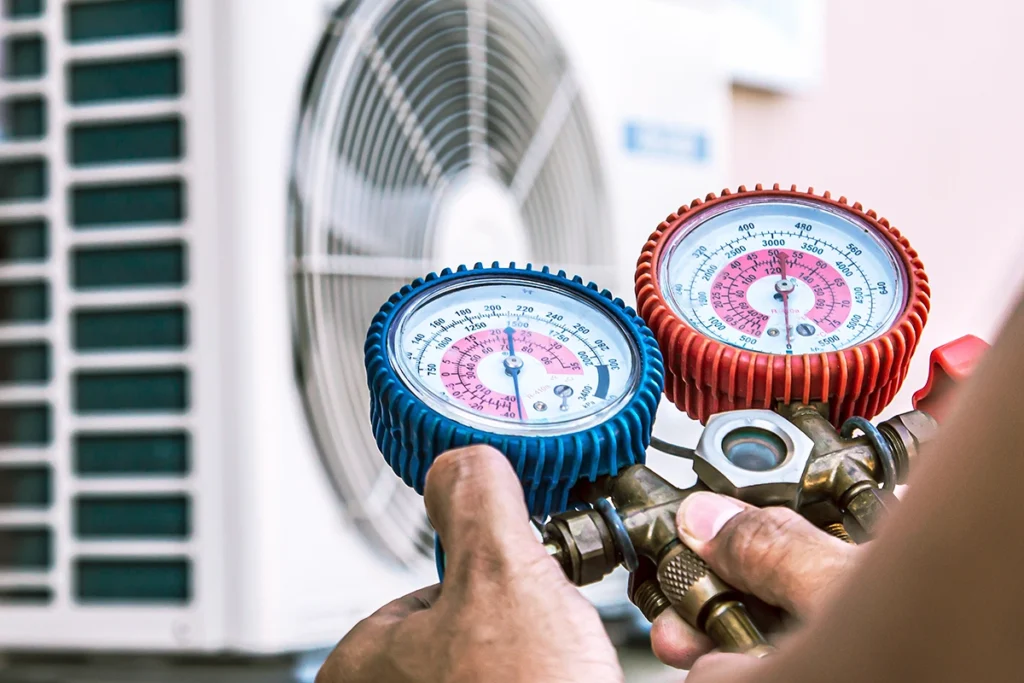
Technician checking HVAC gauges during service on an air conditioning system that uses R32 refrigerant
Air Conditioning, HVAC Systems, Mini Splits, Replacement

R32 Refrigerant: What Homeowners Need to Know

R32 refrigerant is transforming the HVAC industry as manufacturers transition away from older refrigerants. If you’re considering a new air conditioning system or mini split, understanding R32 refrigerant can help you make informed decisions about your home’s cooling needs. At C&R Services, we believe in educating our customers about the technology that keeps their homes comfortable while serving with integrity and expertise. What Is R32 Refrigerant? R32 (difluoromethane) is a next-generation refrigerant designed to replace older options like R410A in residential and commercial HVAC systems. This hydrofluorocarbon (HFC) refrigerant offers improved efficiency and reduced environmental impact compared to its predecessors. R32 has gained widespread adoption in mini split systems and newer air conditioning units due to its superior thermodynamic properties. Major HVAC manufacturers have embraced R32 as their refrigerant of choice for modern cooling equipment. Key Benefits of R32 Refrigerant R32 refrigerant has gained attention because it offers a strong mix of efficiency and environmental advantages. For homeowners comparing newer cooling systems, these benefits help explain why so many manufacturers are moving in this direction. Enhanced Energy Efficiency R32 refrigerant can support strong energy performance in properly designed HVAC systems. This improved efficiency translates to lower operating costs and reduced energy consumption for homeowners. The refrigerant’s superior heat transfer properties allow HVAC systems to cool spaces more effectively while using less electricity. Lower Global Warming Potential Environmental responsibility drives much of the industry’s shift toward R32. R32 has a Global Warming Potential (GWP) of 675, compared to R410A’s GWP of 2,088, which gives it a significantly lower environmental impact. This reduction helps manufacturers and homeowners align with the HVAC industry’s move toward lower-GWP refrigerants. Reduced Refrigerant Charge HVAC systems using R32 require approximately 20% less refrigerant charge compared to R410A systems. This reduction means lower material costs for manufacturers and potentially reduced service costs for homeowners when refrigerant replacement becomes necessary. R32 vs. Other Refrigerants Understanding how R32 compares to other common refrigerants helps homeowners appreciate its advantages: R32 vs. R410A: R32 offers better efficiency, lower environmental impact, and reduced refrigerant volume requirements R32 vs. R22: R32 is significantly more environmentally friendly than the now-banned R22 (Freon) and provides superior performance R32 vs. R134a: R32 delivers higher efficiency and better cooling capacity in similar applications Safety Considerations with R32 While R32 offers several advantages, it still requires professional handling and service. R32 is classified as mildly flammable (A2L rating), which means technicians must follow updated safety standards, leak detection procedures, and installation protocols when working with systems that use it. Because of that, homeowners should always rely on certified HVAC professionals for installation, maintenance, and repairs. Certified HVAC technicians receive specific training on R32 handling procedures, leak detection protocols, and safety requirements. The flammability characteristics require adherence to strict installation guidelines and the use of appropriate tools and techniques during service calls. Systems That Use R32 Refrigerant R32 refrigerant appears most commonly in modern mini split systems, though its adoption is expanding across various HVAC applications. Many homeowners first encounter R32 when researching how mini splits work or comparing different cooling options for their homes. Newer residential air conditioning systems, heat pumps, and commercial HVAC equipment increasingly utilize R32. The refrigerant’s compatibility with existing system designs makes it an attractive choice for manufacturers transitioning from older refrigerants. Professional Installation and Service Requirements R32’s safety characteristics require specialized knowledge and equipment that only certified professionals should handle. Licensed HVAC technicians must complete specific training programs covering R32’s properties, handling procedures, and safety protocols. Professional installation ensures proper refrigerant charging, leak testing, and system commissioning. Technicians use specialized equipment designed for A2L refrigerants, including leak detection tools calibrated for R32’s specific properties. Regular maintenance by qualified professionals helps ensure R32 systems operate safely and efficiently throughout their lifespan. Mini split maintenance becomes particularly important with R32 systems to preserve their efficiency advantages and ensure continued safe operation. Signs Your System May Use R32 Homeowners can identify R32 systems by checking equipment labels and documentation. Newer mini splits and air conditioning systems manufactured after 2018 commonly use R32, especially in residential applications. System documentation, warranty information, and equipment nameplates typically specify the refrigerant type. If you’re unsure about your system’s refrigerant, a certified technician can quickly identify it during routine service or maintenance visits. Future of R32 in HVAC The HVAC industry continues moving toward R32 as environmental regulations become more stringent and energy efficiency requirements increase. Manufacturers are investing heavily in R32 technology development, expanding its application across various system types and capacities. Homeowners investing in new HVAC equipment can expect R32 to remain the preferred refrigerant for years to come. This longevity ensures continued parts availability, service support, and technological advancement for R32-based systems. Why Choose Professional Service for R32 Systems R32’s unique properties require professional expertise for safe and effective service. At C&R Services, our certified technicians receive ongoing training on R32 handling, safety procedures, and service techniques. We understand that every service call is an opportunity to demonstrate Christ’s love through excellent workmanship and honest service. Whether you’re considering a new R32 system or need service for existing equipment, our team provides the expertise and integrity you deserve. From initial consultation through ongoing maintenance, we’re committed to serving our customers with the excellence that reflects our faith and values. Ready to learn more about R32 systems for your home? Contact C&R Services today to speak with our certified technicians about your cooling needs and how R32 technology can benefit your family. We proudly serve homeowners throughout Tyler and East Texas. Frequently Asked Questions About R32 Refrigerant Is R32 refrigerant safe for my home? R32 is safe when properly installed and serviced by certified professionals. While it has a mild flammability rating, it requires specific conditions to ignite and is designed with multiple safety features. Can I add R32 refrigerant to my old R410A system? No, you cannot mix refrigerants or convert R410A systems to R32. Each refrigerant requires specific system components and must be professionally installed in compatible

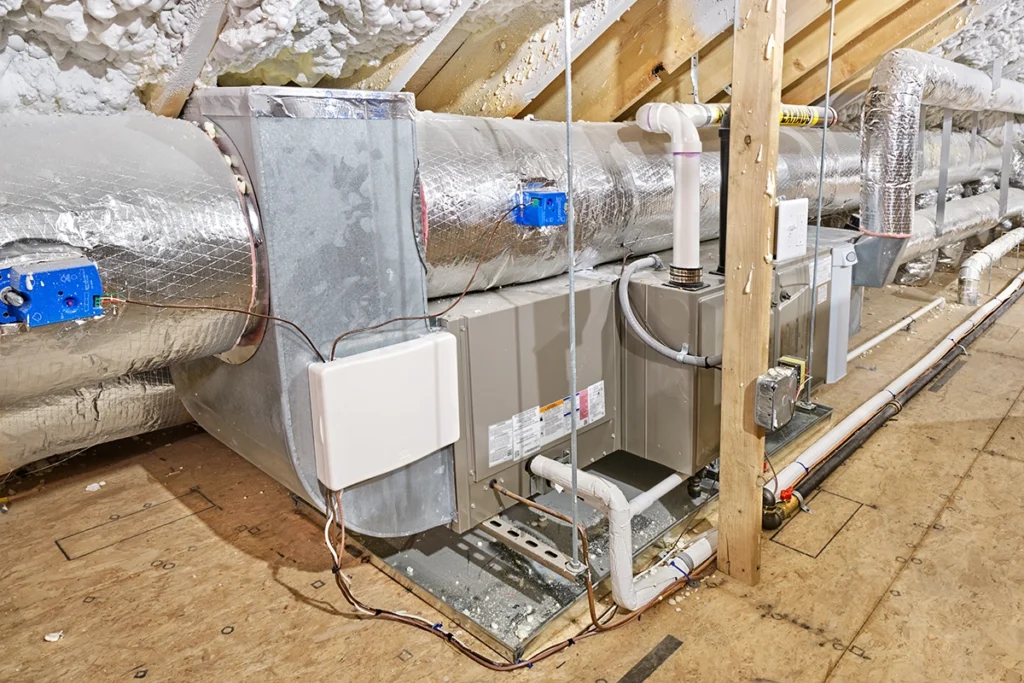
Technician inspecting a furnace during maintenance to show how long furnaces last
Heating, Maintenance, Replacement, Seasonal Tips

How Long Do Furnaces Last? Lifespan, Signs, and Tips

If you’re wondering how long furnaces last, you’re not alone. We hear this question from homeowners all the time—especially when temperatures start to dip and heating bills go up. The truth is, most people don’t think about their furnace until something goes wrong. But knowing the average lifespan of a furnace, plus what affects it, can help you plan ahead and avoid surprise breakdowns. At C&R Services, we’ve worked on thousands of heating systems, and we’ve learned what really makes the difference between a short-lived unit and one that runs strong for years. Let’s dive into what affects furnace lifespan, signs yours may be near the end, and how to get the most out of your system. How Long Do Furnaces Last on Average? In general, the average gas furnace lasts between 15 to 20 years. Electric furnaces can sometimes stretch to 20–30 years, but they usually cost more to run. High-efficiency systems might not last quite as long due to more complex components—but they’ll save you money on energy bills in the meantime. That said, those are just averages. We’ve seen some furnaces in great shape at 25 years, and others on their last leg at 10. It all depends on how the system was installed, maintained, and used. Most homes today use a forced air heating system, which moves warm air through ducts and vents. If you’d like to learn more, check out our post on what forced air heating is and how it works. And if you want a clearer breakdown of how a furnace actually creates heat and moves air through the home, our guide on how a furnace works walks through the full process step-by-step. What Determines How Long Furnaces Last? Here’s what we’ve seen over and over again in the field: 1. Maintenance Schedule Annual maintenance is the single biggest factor. A neglected furnace will wear out faster, no matter how well it was built. Regular tune-ups catch small issues before they turn into major problems. (Think of it like changing the oil in your car.) ENERGY STAR offers a helpful maintenance checklist that outlines what a full furnace service should include. 2. Airflow and Filter Changes Clogged filters strain your blower motor and reduce efficiency. Changing filters every 1–3 months (depending on usage and filter type) makes a noticeable difference. We always recommend setting a reminder on your phone—it’s easy to forget. 3. Proper Installation Even the best furnace won’t last if it was poorly installed. Undersized or oversized systems wear down quickly, and poor ductwork can force the system to work harder than it should. That’s why we always emphasize proper sizing and layout design at C&R Services. 4. Local Climate and Usage Colder climates naturally put more stress on a furnace. If your system runs daily for 6+ months a year, it’s doing more work—and that adds up. That’s also why it’s smart to plan ahead if you live in a region with harsh winters. Signs Your Furnace Is Near the End Even if your furnace is still running, there are a few telltale signs it may be time to start thinking about a replacement: Rising heating bills despite normal usage Frequent repairs in the last 2–3 years Strange noises like banging, rattling, or humming Uneven heating throughout the house System age over 15 years You don’t have to panic—but if you’re seeing two or more of these signs, it’s time for an inspection. Learn more about our furnace services to see how C&R Services can help keep your system running safely and efficiently. We’ve helped a lot of homeowners weigh the cost of repairs versus replacement, and sometimes, a new furnace is the more cost-effective option long term. How Long Do Furnaces Last Without Regular Maintenance? If you’ve been skipping annual tune-ups, trust me—it’s more common than you think, but it really affects how long furnaces last. Without proper care, dirt buildup, worn parts, and airflow issues can shorten a furnace’s lifespan by several years. At C&R Services, we’ve seen well-built systems fail early simply because they went too long without service. On the flip side, we’ve seen units over 20 years old still running strong thanks to consistent maintenance. Regular inspections keep efficiency high, reduce wear, and prevent those surprise mid-winter breakdowns nobody wants. If you’re not sure when your furnace was last checked, that’s your cue to schedule a visit. It’s one of the simplest ways to extend how long your furnace lasts. How Long Do Furnaces Last? Final Thoughts from the Field In our experience at C&R Services, how long furnaces last depends on the decisions you make early on—installation, maintenance, and daily use all play a role. But even with the best care, no furnace lasts forever. Knowing when it’s time to start planning for a replacement can help you avoid emergencies, keep your home comfortable, and make smart financial choices. If you’re not sure where your furnace stands, we’d be happy to take a look and give you an honest assessment. Whether you need routine service or you’re ready for something new, our team’s here to help. Contact C&R Services today to schedule a furnace inspection or consultation. Frequently Asked Questions Here are a few questions we often hear from customers trying to plan ahead for their heating system: C&R Services is proud to support homeowners throughout East Texas with honest, reliable furnace service you can count on year after year.

Scroll to Top