Call Us (903) 204-7571 Today

“Taught By Fathers, Trusted By Families”

Air Conditioning

dirty sock syndrome
Air Conditioning, HVAC Systems, Indoor Air Quality, Maintenance, Repair

What Is Dirty Sock Syndrome? Causes & Solutions

If you’ve noticed a musty, locker room smell coming from your vents when your air conditioner kicks on, you’re likely dealing with dirty sock syndrome. This unpleasant odor can fill your home quickly. This happens especially after your system has been off for a while. At C&R HVAC, we help homeowners in Tyler and East Texas understand what causes this frustrating issue. We also show you how to get rid of it for good. The good news is that while the smell is awful, it’s usually fixable with the right professional approach. What Is Dirty Sock Syndrome? Dirty sock syndrome refers to a foul, musty odor. The smell is like dirty gym socks or a wet towel left in a locker. It comes from your air conditioning system and typically happens when the AC first turns on after sitting idle. Homeowners often notice it most during spring. That’s when they switch from heating to cooling mode. You might also smell it early in the morning when the system starts up for the first time that day. The smell doesn’t mean you left laundry in your vents. Instead, it’s caused by biological growth on your evaporator coil. When moisture, dust, and organic material combine in the dark environment of your indoor unit, bacteria and mold can develop. These microorganisms release volatile organic compounds as they grow. This is what creates that signature dirty sock smell. Why Does Dirty Sock Syndrome Happen? Several factors contribute to the development of this odor problem. Understanding the causes helps explain why some systems experience it while others don’t. Moisture Accumulation Your evaporator coil naturally collects moisture as it cools the air in your home. In fact, that’s part of how air conditioning works. Warm air passes over the cold coil, and the moisture in the air condenses on the coil surface. This condensation normally drains away through your system’s condensate drain line. However, if humidity levels are high or your system cycles on and off frequently, some moisture remains on the coil between cooling cycles. This damp environment is perfect for bacterial growth. The EPA explains that moisture control is the best way to manage indoor mold growth, so damp HVAC components can become a problem when condensation does not drain or dry properly. Dust and Organic Debris Even with regular filter changes, fine dust particles and organic material can build up on your evaporator coil over time. Pet dander, pollen, skin cells, and other particles stick to the moist coil surface. These materials provide food for bacteria and mold. This allows them to thrive and multiply. Once established, these microorganisms continue growing each time the coil becomes wet during normal operation. System Design and Airflow Issues Some HVAC systems are more prone to dirty sock syndrome than others because of their design. Systems with lower airflow across the coil or those that cycle on and off frequently tend to experience the problem more often. Poor airflow means the coil stays wetter longer. This gives bacteria more time to grow. Additionally, oversized systems that cool your home too quickly may not run long enough to properly dehumidify. This leaves excess moisture behind. Warning Signs You Have This Problem Beyond the obvious smell, there are several indicators that bacterial growth has developed in your system. Recognizing these signs early helps you address the issue before it gets worse. The most common symptom is a musty odor that appears when your AC first turns on. The smell then gradually fades as the system runs. You might notice the smell is strongest in the morning or after the system has been off for several hours. The odor typically comes from all your vents at the same time. This is because it starts at the indoor unit that serves your entire home. Some homeowners also notice reduced cooling efficiency or weaker airflow from their vents. While dirty sock syndrome itself doesn’t directly cause these problems, the conditions that create the smell can affect system performance. For example, a dirty coil or poor airflow can impact how well your system works. If the smell is accompanied by visible mold around vents or on registers, that’s a sign the problem may extend beyond just the evaporator coil. How We Address Dirty Sock Syndrome Getting rid of this problem requires more than just masking the odor with air fresheners. Instead, our team takes a thorough approach to eliminate the source and prevent it from returning. Professional Coil Cleaning The most effective solution is a deep cleaning of your evaporator coil. Our certified technicians will access the coil and apply specialized cleaning solutions. These solutions are designed to kill bacteria and mold while breaking down the biofilm they create. The evaporator coil is delicate and requires specific cleaning agents. These won’t damage the metal fins or refrigerant lines. We’ll ensure the coil is thoroughly cleaned and rinsed. This removes all traces of microbial growth. Drain Line Treatment Since moisture is a key contributor to the problem, we’ll also inspect and clean your condensate drain line. A clogged or slow-draining line can cause water to back up and sit in the drain pan. This creates additional moisture and odor problems. Treating the drain line helps ensure water flows away from the coil properly. This reduces the damp conditions that bacteria need to thrive. System Adjustments In some cases, we may recommend adjustments to your system to prevent future occurrences. This might include checking airflow to ensure your coil dries properly between cycles. We might also verify that your system isn’t oversized for your home. Additionally, we could install a UV light near the evaporator coil. UV lights help prevent microbial growth by killing bacteria and mold spores before they can establish colonies on the coil surface. Preventing the Smell from Coming Back Once we’ve eliminated the problem, there are steps you can take to keep dirty sock syndrome from returning. Prevention is always easier and less expensive than repeated treatments. Regular filter changes

Homeowner relaxing in a bright room while learning about solar powered AC options
Air Conditioning, Energy Efficiency, HVAC Systems

Solar Powered AC: Cost, Installation & What Works

Energy costs keep climbing. Homeowners also want to reduce their environmental impact. Because of this, solar powered AC systems are gaining attention across the country. We’ve heard more questions about these systems over the past few years than ever before. This is especially true for homeowners who want to understand whether solar energy can realistically keep their homes comfortable during hot Texas summers. While the technology sounds appealing on the surface, there’s a lot to consider before making the investment. We’re here to walk you through what actually works and what might leave you disappointed. What Is a Solar Powered AC System? A solar powered air conditioning system uses energy from the sun to cool your home. However, the way it accomplishes this varies depending on the type of system involved. Some systems run entirely off solar panels with battery storage. Others supplement grid power with solar energy to reduce overall electricity use. While we do not install solar panel systems, we can help homeowners understand whether their current HVAC system is efficient enough to pair with a future solar setup. According to the U.S. Department of Energy, homeowners should evaluate factors like roof condition, shade, roof size, slope, and orientation before investing in a home solar energy system. That is why it is important to speak with a qualified solar contractor before assuming solar powered AC is the right fit for your home. There are essentially two main categories to understand. First is a direct solar AC unit, which connects directly to solar panels. These often include DC power operation. These systems bypass your home’s electrical panel entirely and run independently of the grid. The second option involves pairing a traditional high-efficiency air conditioner with a solar panel array installed separately by a qualified solar contractor. This array feeds your home’s electrical system. As a result, it can offset the energy your AC consumes without requiring a specialized unit. How Solar Powered AC Systems Work in Practice The concept behind solar air conditioning sounds straightforward. However, the execution requires careful planning by qualified professionals. During peak sunlight hours, solar panels generate electricity that can help power your cooling system. Yet air conditioners demand significant power, especially during startup. This means the solar array needs to be sized appropriately by a solar professional to handle the load. Many solar AC setups may require anywhere from 10 to 20 solar panels. This depends on your AC unit’s size, efficiency, and overall system design. Because air conditioning is often needed when the sun is strongest, solar-powered cooling can make sense in theory. However, real-world performance depends on system design, battery storage, and how efficient your AC equipment is. The challenge comes during early morning, late evening, or cloudy days. During these times, solar production drops but cooling demand may still be high. That’s why many homeowners who invest in solar cooling also consider battery storage systems to bridge these gaps. The Role of Battery Storage Battery storage represents a significant part of the overall investment for anyone serious about running their AC on solar power. Without batteries, your system either needs to draw from the grid when solar production is insufficient. Otherwise, it simply won’t run when the sun isn’t shining. Quality battery systems that can handle air conditioning loads are expensive. They often add thousands to the overall project cost. We’ve seen many homeowners underestimate this component. They discover their solar AC setup doesn’t provide the independence they expected. Cost Considerations for Solar Powered AC Installation Let’s talk honestly about what homeowners may invest if they are considering this route. A complete solar powered AC system may include panels, inverters, batteries, installation, and a compatible air conditioning unit. This typically runs significantly higher than installing either system separately. The exact cost depends on your home’s cooling needs, the quality of components selected, whether battery storage is included, and whether the project involves retrofitting an existing home or building new construction. Many homeowners find that having solar panels installed by a solar professional to offset their entire home’s energy use makes more financial sense. This approach can work better than trying to create a dedicated solar cooling system. It gives you more flexibility and may allow you to participate in net metering programs where available. Plus, it spreads the solar benefits across all your electrical usage rather than isolating it to one appliance. Tax Credits and Incentives The financial picture improves somewhat when you factor in federal tax credits. State or local incentives for solar installations also help. These programs can offset a portion of your upfront costs. However, they don’t eliminate the substantial initial investment required. We always recommend that homeowners research current incentive programs. They should also run detailed calculations to understand their actual payback period before committing to a solar cooling project. Efficiency Requirements for Solar Powered AC Success If you’re going to power an air conditioner with solar energy, efficiency becomes absolutely critical. An older, inefficient AC unit may require more solar panels and battery capacity than many homeowners expect. As a result, the project can become financially impractical for some households. That’s why we recommend starting with efficient cooling equipment, regardless of your power source. ENERGY STAR explains that central air conditioners use SEER2 and EER2 ratings to measure cooling efficiency, and current qualified systems must meet specific efficiency thresholds. Because of that, choosing a high-efficiency air conditioner can reduce the electrical load your future solar setup may need to offset. Modern high-SEER air conditioners and heat pumps often use less electricity than older systems. When efficient HVAC equipment is paired with solar panels, homeowners may get more value from the electricity their panels produce. We’ve worked with homeowners who upgraded to a high-efficiency system and saw meaningful improvements in comfort and energy use. In some cases, improving HVAC efficiency first may even reduce the urgency of investing in solar. Alternative Approaches to Solar Cooling Before you commit to a full solar powered air conditioning system,

air conditioner drain pan
Air Conditioning, Maintenance, Repair

Air Conditioner Drain Pan: Warning Signs & Solutions

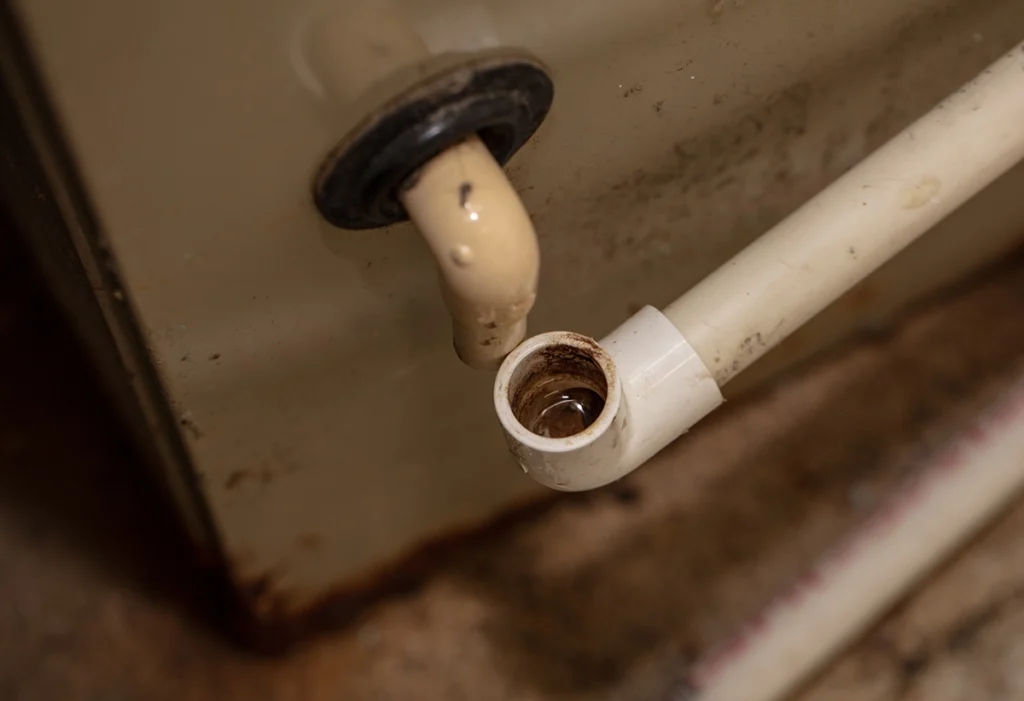
If you’ve ever noticed water pooling around your air conditioning unit or spotted signs of moisture damage on your ceiling, chances are your air conditioner drain pan is trying to tell you something. This often-overlooked component helps protect your home from water damage and supports proper system operation. It also keeps your cooling system running smoothly. At C&R Services, we’ve helped countless homeowners address drain pan issues before they turn into costly repairs. Understanding what your drain pan does—and what happens when it fails—can save you from major headaches down the road. What Is an Air Conditioner Drain Pan? Your AC system naturally produces condensation as it cools the air in your home. The evaporator coil inside your air handler gets extremely cold. When warm, humid air passes over it, moisture condenses—similar to how water droplets form on a cold glass of water on a hot day. That’s where the drain pan comes in. The drain pan sits directly beneath the evaporator coil to catch all that condensation. From there, water flows through a drain line that carries it safely outside or into a drain. Many systems have a primary drain pan built into the unit and a secondary, or backup, pan positioned underneath. This two-tier system provides an extra layer of protection against water damage if the primary pan or drain line develops problems. Why Your Drain Pan Matters During the cooling season here in East Texas, your AC system can produce several gallons of water every single day. That’s a lot of moisture that needs to go somewhere. When your drain pan and drain line work properly, you never even think about it—the water quietly drains away without issue. However, when something goes wrong, water starts building up where it shouldn’t. A broken drain pan can lead to water damage on ceilings, walls, and floors. We’ve seen cases where ongoing leaks resulted in mold growth, damaged insulation, and even weakened structural elements. The costs of repairing that kind of water damage far exceed what it would have cost to fix the drain pan issue early on. Common Signs Your Air Conditioner Drain Pan Has a Problem Spotting the warning signs early can prevent serious damage. Here are the red flags we tell homeowners to watch for: Visible water pooling around the indoor unit or dripping from the ceiling below your attic air handler Water stains on the ceiling or walls near your AC unit Musty odors coming from your AC system or surrounding areas Your AC system shutting off unexpectedly—many modern units have a float switch that cuts power when water levels get too high Rust or corrosion visible on or around the unit A full secondary drain pan—this means your primary drain system has failed What Causes Drain Pan Issues? Several factors can damage your drain pan over time. Understanding these causes helps you see why regular maintenance matters so much. Rust and Corrosion Older drain pans, especially those made from metal, eventually give in to rust. Since the pan is constantly exposed to moisture, even small amounts of rust can eventually eat through the metal and create holes. That’s why many newer systems use plastic or composite drain pans that won’t rust. Still, these materials can crack or develop other issues. Clogged Drain Lines While not technically a drain pan problem, clogged drain lines cause water to back up and overflow from the pan. Algae, mold, dirt, and debris can build up in the drain line over time, creating blockages. When water can’t drain properly, even a perfectly working pan will overflow. This is one of the most common issues we encounter during service calls. Poor Installation Sometimes drain pans fail because they were never installed correctly in the first place. If the pan isn’t level or properly positioned, water won’t drain toward the drain line opening. Instead, it’ll pool in the wrong spot or spill over the edges. We’ve also seen cases where the wrong size pan was installed, leaving gaps where water can escape. Age and Normal Wear Like any other part of your HVAC system, drain pans don’t last forever. Plastic pans can become brittle and crack over time, especially if they’re exposed to temperature changes in unconditioned attic spaces. The constant cycle of filling and draining, along with years of moisture exposure, takes its toll eventually. What Happens During a Professional Air Conditioner Drain Pan Inspection When you call us to inspect your air conditioner drain pan and drainage system, our certified technicians follow a thorough process. We identify current problems and look for warning signs that could lead to future issues. We start by visually checking both the primary and secondary drain pans for signs of damage, rust, cracks, or poor installation. Next, we check the drain line connections and test the drainage flow to make sure water moves freely. Our technicians also examine the area around your AC unit for water stains, moisture damage, or other signs of past leaks. If your system has a float switch—a safety device that shuts down your AC when water reaches a certain level—we test that to make sure it works properly. This simple device can prevent thousands of dollars in water damage by cutting power before water overflows. We also inspect the condensate pump if your system has one. Some installations need a pump to move water upward or across a distance to reach a drain. When these pumps fail, water backs up into the pan. Professional Solutions for Air Conditioner Drain Pan Problems The right fix depends on what’s causing the issue. For a cracked or rusted pan, our technicians will determine if replacement is needed for long-term protection. We’ll install a new, properly sized drain pan that’s designed to last for years. When the drain line is clogged, we’ll clear the blockage using specialized tools and techniques. We might also treat the line to prevent algae and mold growth that could cause future clogs. In some cases, we recommend installing

refrigerant recovery machine
Air Conditioning, HVAC Systems, Repair

Refrigerant Recovery Machine: Essential HVAC Guide

When your air conditioner needs repair or refrigerant replacement, you’ve probably wondered what happens to the old refrigerant. At C&R Services, we use a refrigerant recovery machine to safely remove and store refrigerant from your system. This equipment is essential for protecting the environment. It also helps us comply with federal regulations. Understanding how we handle refrigerant during service calls gives you peace of mind. We’re not just fixing your cooling system—we’re protecting your health, your home, and the planet while we work. What Is a Refrigerant Recovery Machine? A refrigerant recovery machine is specialized equipment designed to extract refrigerant from air conditioning and heating systems. It removes refrigerant without releasing it into the atmosphere. Think of it as a powerful vacuum system specifically engineered to safely pull refrigerant from your HVAC unit. The machine then transfers it into a containment cylinder. In fact, the machine creates enough negative pressure to draw out the refrigerant vapor and liquid, even when the system isn’t running. This process is called recovery. It’s legally required before we can perform any repairs that involve opening the refrigerant circuit. Unlike older methods that simply vented refrigerant into the air, recovery machines protect the ozone layer. They also prevent greenhouse gas emissions. The Environmental Protection Agency mandates that HVAC technicians use this equipment during any service that breaks into the refrigerant lines. We’ve invested in professional-grade recovery equipment because it’s not just the law. It’s also the right thing to do for our community and environment. Why Recovery Machines Matter for Your HVAC System You might wonder why we can’t just let the refrigerant escape during repairs. Here’s the thing: refrigerants are potent greenhouse gases that contribute to climate change when released into the atmosphere. Older refrigerants like R-22 also damage the ozone layer. That’s why federal law requires proper recovery before any repair work begins. When we arrive at your home for AC repair or system replacement, we bring our recovery machine along with our other tools. Before we disconnect any refrigerant lines, we hook up the machine. Then we extract every ounce of refrigerant from your system. This protects the environment and allows us to reuse the refrigerant if it’s still in good condition. Even if your system is completely dead and won’t run, the refrigerant is still inside the lines and coils. It’s waiting to be properly recovered. Environmental Protection Through Proper Recovery The refrigerants in your air conditioner don’t just disappear when released. Instead, they rise into the atmosphere where they remain for decades. Some refrigerants have a global warming potential thousands of times greater than carbon dioxide. By using recovery equipment on every service call, we prevent these harmful substances from entering the environment. It’s a small step that makes a huge difference when you consider how many HVAC systems we service each year. Legal Requirements and EPA Rules The Clean Air Act requires EPA certification for technicians who service refrigerant-containing equipment and prohibits intentionally venting refrigerant during service work. Technicians who vent refrigerant can face significant penalties under federal law. At C&R Services, our entire team holds proper EPA certification. We also maintain our recovery equipment to help ensure it meets EPA requirements. When you hire us, you’re working with professionals who follow the law and industry best practices. How We Use Refrigerant Recovery Machines During Service Calls When our certified technician diagnoses a refrigerant leak or prepares your system for major repairs, the recovery process is one of the first steps. We’ll connect hoses from the recovery machine to your AC’s service ports. These are the same ports used when adding refrigerant. The machine then pulls the refrigerant from your system and transfers it into a DOT-approved recovery cylinder. This process typically takes 15 to 45 minutes. The time depends on how much refrigerant your system holds and whether it’s still running. While the machine works, our technician monitors gauges to ensure complete recovery. Once the pressure drops to near-vacuum levels, the process has extracted virtually all the refrigerant. This thoroughness matters because even small amounts of remaining refrigerant can escape when the system is opened. After recovery is complete, we can safely proceed with repairs. We follow refrigerant recovery and recycling equipment certification standards established by the EPA. Recovery During System Replacement If you’re replacing an old air conditioner or heat pump, we’ll always recover the refrigerant before removing the equipment. Even systems that are 15 or 20 years old still contain refrigerant that must be properly extracted. We’ve seen competitors cut corners by simply cutting the lines and letting refrigerant vent. However, that’s illegal and harmful. Our commitment to using recovery equipment on every job—no exceptions—ensures you’re working with a company that values environmental responsibility. What Happens to Recovered Refrigerant? After we remove refrigerant from your system, we don’t just throw it away. Clean refrigerant that meets purity standards can be reused in other compatible systems. Contaminated or mixed refrigerants get sent to certified cleaning facilities. There, they’re either cleaned and recycled or properly destroyed. We track every cylinder of refrigerant we recover. We also maintain detailed records as required by EPA rules. This closed-loop system keeps refrigerants in circulation rather than making new supplies for every repair. It’s better for the environment and helps control costs for homeowners in the long run. When we refill your system after repairs, we might use recycled refrigerant that came from another system. It performs exactly the same as new refrigerant but with a smaller environmental footprint. Signs Your System Needs Refrigerant Service You can’t see or smell refrigerant under normal conditions. So how do you know when your system needs our attention? Watch for these warning signs that indicate potential refrigerant loss or contamination. Your air conditioner might be blowing warm air despite running constantly. You could also notice ice forming on the refrigerant lines or outdoor unit. Additionally, your energy bills may spike unexpectedly even though your usage hasn’t changed. Sometimes you’ll hear a hissing or bubbling

Insulated HVAC ductwork installed in an attic for residential heating and air conditioning distribution
Air Conditioning, Ductwork, Heating, HVAC Systems

HVAC Ductwork Guide: Types, Problems & Solutions

Your HVAC ductwork is the hidden highway that distributes conditioned air throughout your home. Most homeowners focus on their furnace or air conditioner. However, the duct system plays an equally important role in keeping you comfortable year-round. At C&R Services, we’ve seen how poorly designed or damaged ductwork can waste energy. In fact, it can spike utility bills and leave certain rooms uncomfortably hot or cold. Understanding how your ducts work helps you make informed decisions. Also, recognizing when they need professional attention is equally important for your home’s comfort system. What Is HVAC Ductwork and How Does It Function? Ductwork consists of a network of metal, fiberglass, or flexible tubes. These tubes carry heated or cooled air from your HVAC equipment to every room in your home. Think of it as your home’s respiratory system. The supply ducts deliver conditioned air to living spaces. Meanwhile, return ducts pull air back to your furnace or air handler to be reconditioned and recirculated. This continuous cycle keeps your indoor environment comfortable. Most duct systems include several key components that help your HVAC system run properly. The main supply trunk connects directly to your furnace or air handler. Then it branches out into smaller ducts. These branches split further into individual runs that terminate at supply vents in each room. Return air vents pull air back through return ducts to complete the cycle. Properly balanced airflow between supply and return is essential for system efficiency. Common Types of HVAC Ductwork Not all duct systems are created equal. The type installed in your home affects everything from energy efficiency to noise levels. We work with several common types, each with distinct characteristics. Sheet Metal Ductwork Galvanized steel or aluminum ducts are the most durable option. They’re also the industry standard for residential installations. These rigid ducts resist mold growth and handle high air pressure efficiently. Plus, they last for decades when properly installed. They’re also the easiest to clean and maintain. Because metal conducts temperature readily, insulation is critical to prevent energy loss in unconditioned spaces like attics. Flexible Ductwork Flex duct consists of a wire coil covered with flexible plastic. It’s surrounded by insulation. This type is lightweight, inexpensive, and easy to install in tight spaces. Rigid ducts won’t fit in these areas. However, flex duct can sag, kink, or tear if not supported properly. This restricts airflow and reduces efficiency. We often use flex duct for short runs connecting rigid trunks to individual vents. Even so, it’s not ideal for long spans or main trunk lines. Fiberboard and Fiberglass Ductwork These ducts are made from compressed fiberglass strands and resin. They provide built-in insulation and help dampen sound. This makes them quieter than metal alternatives. The downside is that the porous surface can harbor moisture, mold, and dust. This happens if they’re not properly sealed and maintained. They’re also harder to clean than smooth metal surfaces. Although less common today, we still encounter them in older homes. Signs Your HVAC Ductwork Needs Professional Attention Most of your ductwork hides behind walls, in crawlspaces, or above ceilings. Because of this, problems often go unnoticed until they become serious. Watch for these warning signs that indicate your ducts need professional inspection. Uneven Heating or Cooling Some rooms may stay stubbornly hot in summer or cold in winter. Meanwhile, others feel comfortable. If this happens, your ductwork likely has airflow problems. Leaks, disconnected sections, or poorly designed layouts prevent conditioned air from reaching certain areas. A professional assessment can identify where the system is losing efficiency. Then we can recommend solutions. Unusual Noises During Operation Rattling, whistling, or banging sounds coming from your vents often indicate problems. These may be loose connections, gaps in ductwork, or undersized ducts. Undersized ducts can’t handle the airflow your system produces. These noises signal that something needs adjustment or repair. Address them before the problem worsens. Higher Than Normal Energy Bills Leaky or poorly insulated ducts force your HVAC system to work harder. They also make it run longer to maintain your desired temperature. Research from ENERGY STAR shows that, in a typical house, about 20 to 30 percent of the air moving through the duct system is lost due to leaks, holes, and poorly connected ducts. This happens before it ever reaches your living spaces. That’s like leaving money in your attic or crawlspace every month. Your bills may climb without a corresponding rate increase or usage change. If so, duct issues might be the problem. Excessive Dust Throughout Your Home Leaky return ducts can pull dusty, unconditioned air from various spaces. These include attics, crawlspaces, or wall cavities into your living areas. You might notice dust building up faster than usual despite regular cleaning. Certain vents may seem to blow dusty air. If this happens, your return ductwork may have gaps that need sealing. In some cases, heavy dust buildup inside the system can also raise questions about whether duct cleaning is worthwhile. The Environmental Protection Agency explains that air duct cleaning may be appropriate in certain situations, such as visible mold growth, vermin infestation, or excessive dust and debris inside the ductwork. If you’re noticing those warning signs, it’s a good idea to have your system professionally inspected first. Why Professional HVAC Ductwork Design and Installation Matters Proper duct design isn’t guesswork—it’s a science. Our technicians calculate the precise size, layout, and configuration needed for optimal airflow. This calculation is based on your home’s square footage, layout, insulation levels, and HVAC equipment capacity. Undersized ducts restrict airflow and strain your system. On the other hand, oversized ducts can cause poor air velocity. This leads to poor distribution and temperature control issues. Installation quality matters just as much as design. Every joint, seam, and connection must be properly sealed to prevent air leakage. Ducts in unconditioned spaces require proper insulation to maintain air temperature. Support straps must be spaced correctly to prevent sagging. Also, flex duct should be stretched fully to avoid airflow restrictions. These

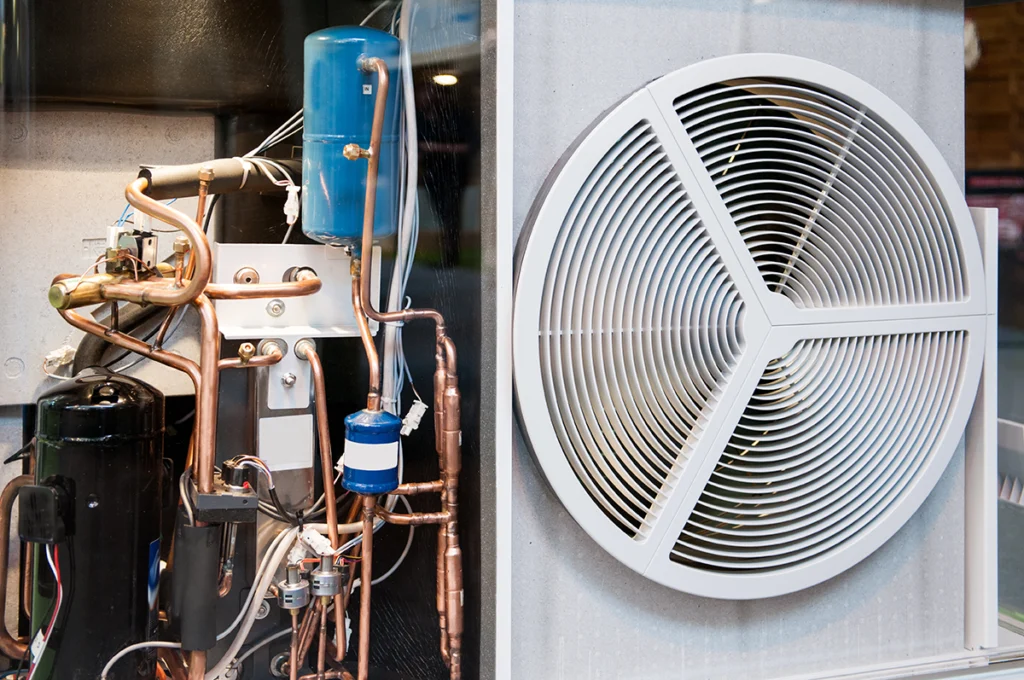
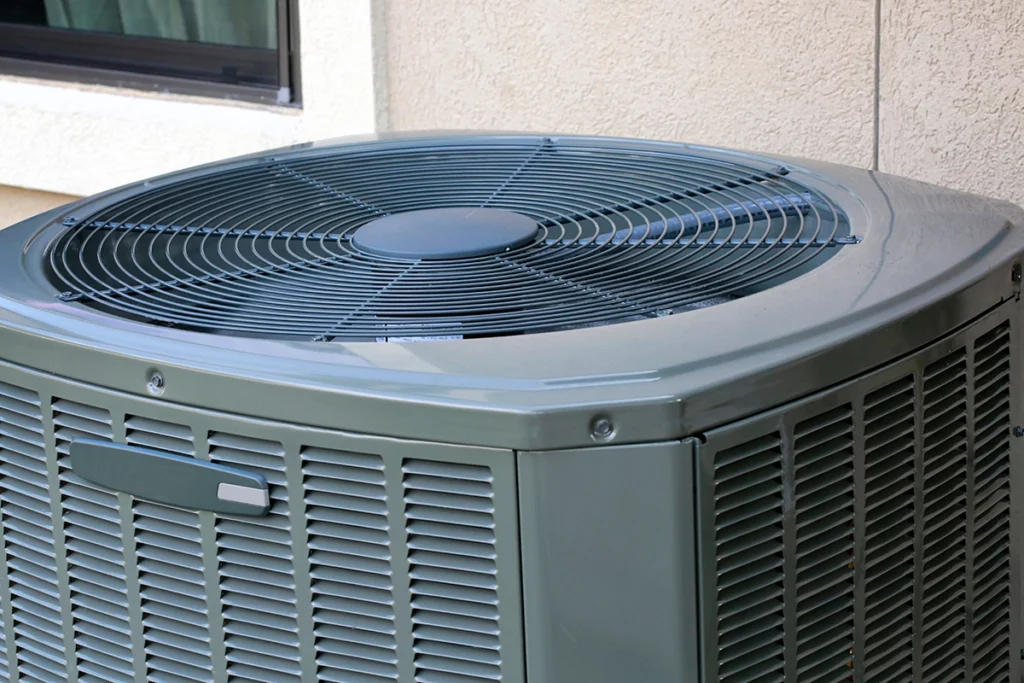
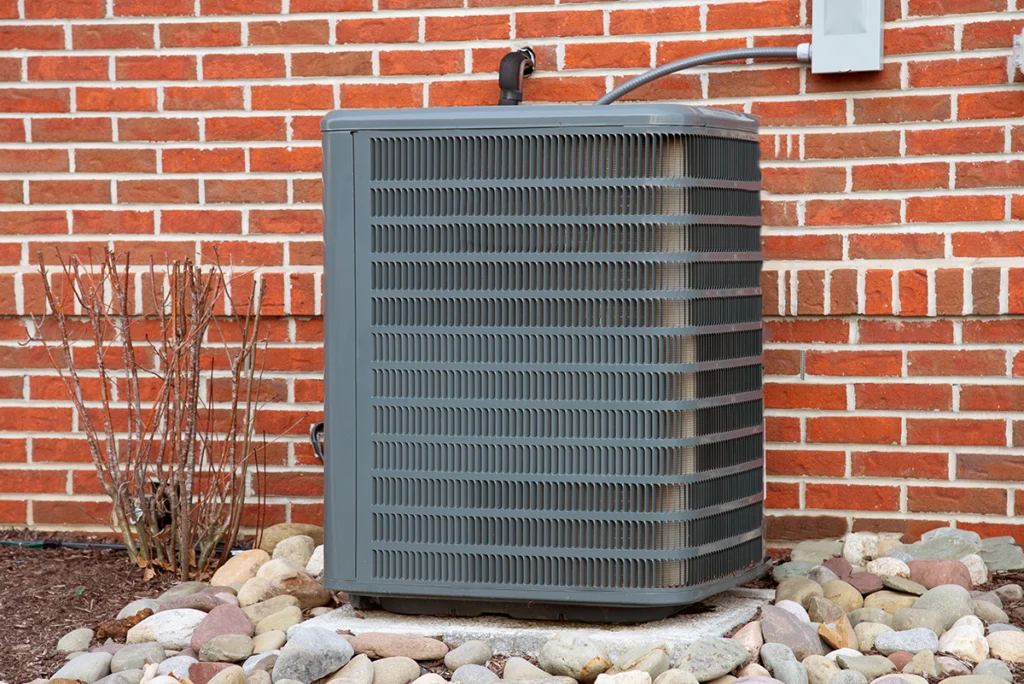
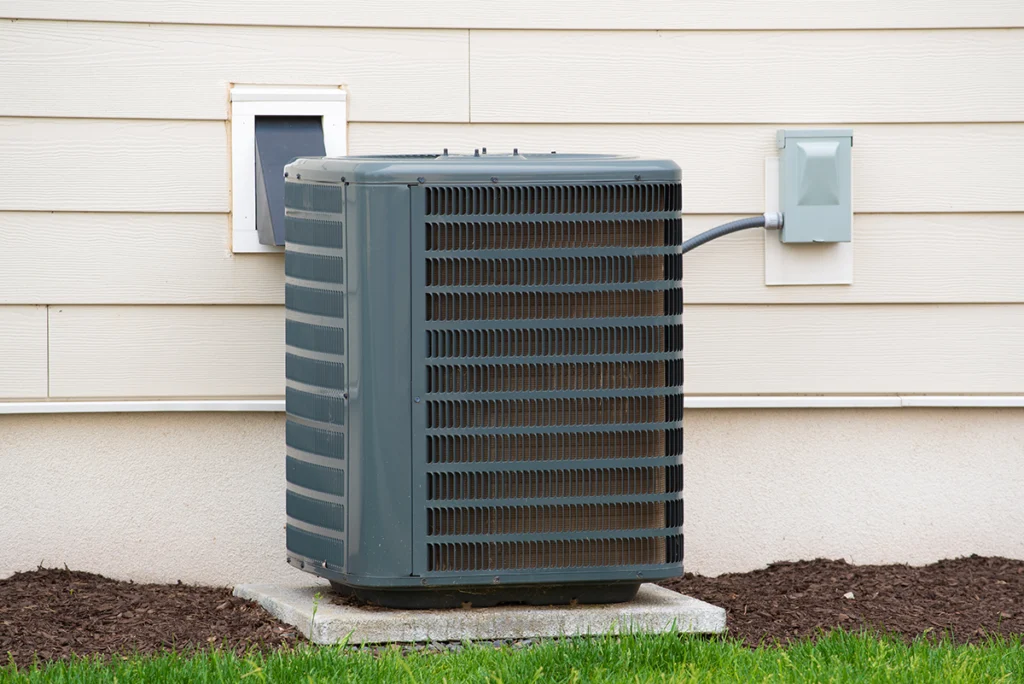
Residential outdoor AC units that support the cycle of refrigerant in a home cooling system
Air Conditioning, Heat Pumps, HVAC Systems

Cycle of Refrigerant: The 4 Stages of Cooling

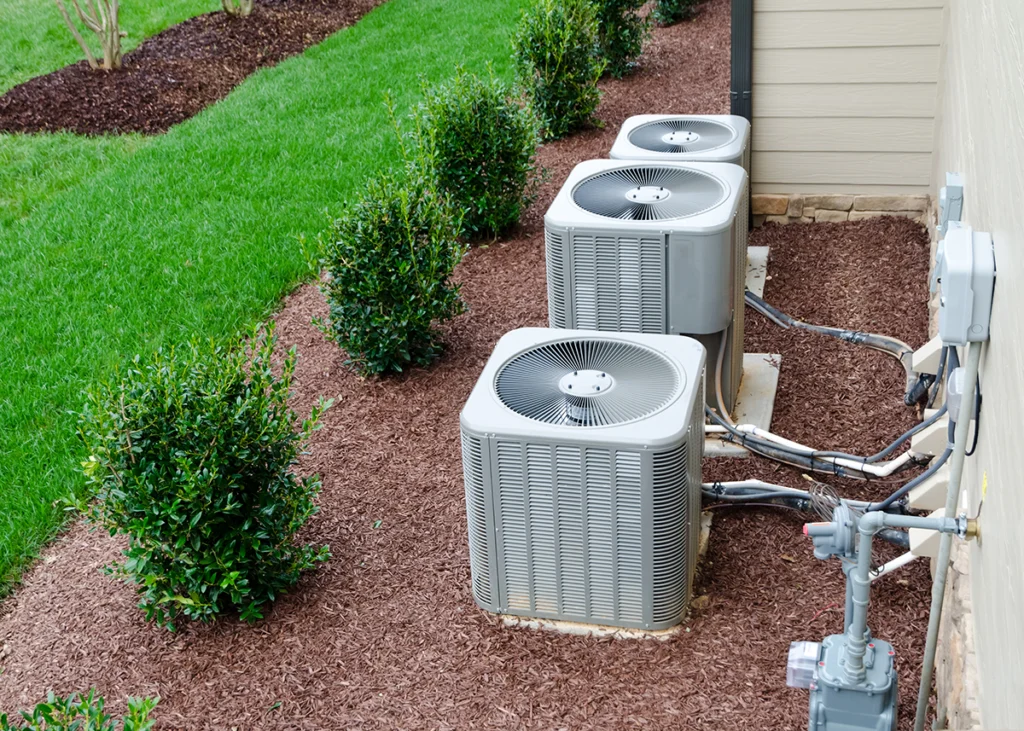
Your HVAC system depends on a continuous heat-transfer process called the cycle of refrigerant. This closed-loop cycle allows your air conditioner to cool your home by absorbing heat indoors and releasing it outside. In heat pump systems, the same process can also help provide heat during colder weather. Understanding how the cycle works can help you recognize problems early and better understand how your system keeps your home comfortable. What Is the Refrigerant Cycle? The refrigerant cycle is a closed-loop system where a special chemical compound continuously changes between liquid and gas states. This process moves heat from one place to another. Refrigerant doesn’t get “used up” like fuel. Instead, it circulates through your system indefinitely. The refrigerant absorbs heat in one location and releases it in another. This process happens thousands of times while your system runs. As a result, your home stays comfortable regardless of outdoor temperatures. Many homeowners think their air conditioner creates cold air. However, that’s not quite right. Instead, the system removes heat from inside your home and transfers it outside. The refrigerant is the substance that actually carries that heat away. When this cycle works properly, you stay comfortable. On the other hand, when something disrupts it, your system struggles or stops working entirely. The Four Main Stages of the Refrigerant Cycle Every cooling or heating cycle involves four distinct stages, and each one plays a critical role in moving heat where it needs to go. Compression The cycle begins at the compressor, often called the heart of your HVAC system. The compressor takes low-pressure refrigerant gas and squeezes it into a high-pressure, high-temperature gas. This compression is essential because it prepares the refrigerant to release heat effectively. When you hear your outdoor unit running, that humming sound is typically the compressor doing its job. If the compressor fails, the entire refrigerant cycle stops. That’s why compressor issues are among the most serious HVAC problems. Condensation After compression, the hot, high-pressure gas moves to the condenser coil. This coil is located in your outdoor unit. Here, the refrigerant releases the heat it’s carrying to the outside air. As the refrigerant cools down, it changes from a gas back into a liquid. That’s the condensation process. The outdoor fan helps this stage along by blowing air across the coil. This process carries heat away more quickly. If your condenser coils are dirty or the fan isn’t working properly, this stage becomes less efficient. Consequently, your system is forced to work harder. Expansion Once the refrigerant has condensed into a liquid, it moves through an expansion valve or metering device. This component reduces the pressure dramatically. As a result, the refrigerant’s temperature drops significantly. Think of it like releasing air from a pressurized can. The substance gets colder as pressure drops. This cold, low-pressure liquid refrigerant is now ready to absorb heat from your home. The expansion valve is precisely calibrated. Even small problems here can throw off the entire cycle of refrigerant in your system. Evaporation The cold liquid refrigerant then enters the evaporator coil. This coil is typically located in your indoor air handler or furnace. Warm air from your home blows across this cold coil. During this process, the refrigerant absorbs the heat and evaporates back into a gas. This is the stage where actual cooling happens. Your home’s heat is transferred into the refrigerant. The now-warm gas returns to the compressor, and the cycle starts over again. When this stage isn’t working right, you might notice reduced cooling. You may also see ice forming on the coil, or warm air coming from your vents. Why the Refrigerant Cycle Matters for Your Comfort This process happens continuously whenever your system runs. In fact, the refrigerant might complete this entire loop dozens of times per hour during peak cooling season. That’s why even minor disruptions can have major impacts on your comfort and energy bills. When every stage works in harmony, your system operates efficiently. Plus, it keeps your home at the temperature you want. We’ve seen many situations where homeowners ignore early warning signs. These signs indicate that the cycle isn’t working properly. Small issues like a minor refrigerant leak can gradually worsen. This causes your system to work harder and cost more to operate. Eventually, what could have been a simple repair becomes a major expense. That’s why we always encourage our customers to schedule regular maintenance. We also recommend addressing problems quickly. Common Problems That Disrupt the Cycle of Refrigerant Several issues can interfere with the proper cycle of refrigerant through your system. Recognizing the symptoms helps you know when to call for professional help. Refrigerant Leaks Since the system is a closed loop, refrigerant levels should remain constant. If there’s a leak, the amount of refrigerant decreases. This means there isn’t enough refrigerant to properly absorb and release heat. You might notice your system running constantly without reaching the set temperature. Ice may form on the lines or coils. You may also hear a hissing sound near the refrigerant lines. Refrigerant leaks require professional repair. A certified technician will locate the leak, repair it, and recharge the system to the proper level. Dirty or Blocked Coils Both the evaporator and condenser coils need to be clean for efficient heat transfer. When dirt, dust, or debris accumulates on these coils, it acts as insulation. This prevents proper heat exchange. The refrigerant can’t release or absorb heat effectively. As a result, the entire system is forced to work harder. Outdoor condenser coils are especially vulnerable because they’re exposed to pollen and grass clippings. They also face other debris. Regular professional cleaning is part of routine maintenance that keeps the cycle running smoothly. Compressor Issues Since the compressor starts the refrigerant cycle, any problem here affects the entire system. Electrical issues, worn components, or contamination in the refrigerant can all damage the compressor. Warning signs include loud noises, hard starting, or the outdoor unit not running at all. Compressor problems are serious.

Ceiling fan direction for summer shown in a bright living room with a modern ceiling fan helping support home comfort and energy savings
Air Conditioning, Seasonal Tips, Thermostats

Ceiling Fan Direction for Summer: Save Energy & Stay Cool

Summer in East Texas brings scorching heat. Your air conditioner works overtime to keep your home comfortable. But did you know that setting your ceiling fan direction for summer correctly can actually help your AC work more efficiently? We’ve noticed that many homeowners don’t realize their ceiling fans have a switch that changes the blade rotation. Using it properly can make your home feel several degrees cooler without touching the thermostat. At C&R Services, we want to help you stay comfortable while keeping your energy bills under control. So let’s talk about how to optimize your ceiling fans for the hot Texas summer. Understanding How Ceiling Fan Direction Affects Your Comfort in the Summer Ceiling fans don’t actually lower the temperature in a room. Instead, they create air movement that makes you feel cooler through something called the wind chill effect. When air moves across your skin, it helps moisture evaporate. This makes you feel up to 8 degrees cooler than the actual room temperature. That’s why the direction your ceiling fan spins matters so much during summer months. Most ceiling fans have a small switch on the motor housing that reverses the blade direction. During summer, fan blades should spin counterclockwise when you look up at them from below. This direction pushes air straight down. As a result, it creates that refreshing breeze that cools your skin. In fact, this downward airflow is exactly what you need when temperatures climb into the triple digits here in West Texas. How to Check Whether Your Ceiling Fan Direction Is Set Correctly for Summer When your ceiling fan is on at a medium or high speed, you should feel a strong breeze blowing down on you. This happens when you stand directly beneath it. The blades should be moving counterclockwise. The leading edge of each blade should move from your right to your left as you watch from below. If you’re not feeling much air movement or the breeze feels weak even on high speed, your fan is likely spinning clockwise. That’s the winter setting. If you’re unsure about adjusting your ceiling fan direction for summer, we can help. Also, if the switch seems difficult to access, a certified C&R Services technician can quickly verify and adjust the setting for you during a routine service call. We can also inspect the fan to ensure it operates safely and efficiently. When You Need Professional Help With Your Fan Ceiling fans involve both electrical connections and mounting hardware. Therefore, any adjustments beyond basic observation should be handled carefully. If you’re uncomfortable accessing the motor housing, your C&R Services professional will help. Similarly, if your fan is located in a difficult-to-reach area, we’ll ensure the direction is set correctly for the season. We prioritize safety and proper operation in every service we provide. How Proper Ceiling Fan Direction in Summer Can Save Energy When ceiling fans blow downward in summer, you can often raise your thermostat by 4 degrees without sacrificing comfort. That might not sound like much. However, each degree you raise your thermostat can reduce your cooling costs by about 3-5%. Over a long East Texas summer, those savings really add up on your electricity bill. We’ve seen countless homes where families were running their AC at 68 degrees and still feeling uncomfortable. This happened because their ceiling fans were set to the winter direction. Once we helped them switch the fans to summer mode, they could bump the thermostat up to 72 degrees and feel even more comfortable. As the U.S. Department of Energy explains, ceiling fans create a wind chill effect that can help you feel cooler without lowering the thermostat even more. Combined with conditioned air, that can be far more efficient than simply cranking the AC down. But of course, if your thermostat isn’t responding correctly, comfort problems may have nothing to do with your fan direction. Ceiling Fans Work Best in Occupied Rooms Here’s something important to remember: ceiling fans cool people rather than rooms. Therefore, you should turn them off when you leave. A fan running in an empty room just wastes electricity without providing any benefit. Some of our customers install ceiling fans with remote controls or smart switches. This way, they can easily turn them off from anywhere in the house. When Ceiling Fans Need Professional Attention Sometimes homeowners discover issues when they start paying attention to their ceiling fan direction. If your fan wobbles excessively, makes grinding or clicking noises, or doesn’t produce much airflow even on high speed, it might need service or repair. Ceiling fan problems often come from loose mounting brackets. They can also result from unbalanced blades, worn bearings, or electrical issues. A licensed professional should handle ceiling fan repairs. Ceiling fans involve both electrical connections and mounting hardware that must be installed correctly for safety. At C&R Services, we regularly service ceiling fans as part of our commitment to helping East Texas homeowners stay comfortable. Whether you need a new fan installed, an existing fan repaired, or help optimizing your home’s overall cooling strategy, we’re here to serve you. We provide the expertise and faith-driven service that defines our team. Signs Your Ceiling Fan Needs Professional Service Pay attention to unusual sounds coming from your ceiling fan. Watch out especially for grinding, humming, or clicking that wasn’t there before. These noises often show worn bearings or loose components that need attention. Similarly, if your fan wobbles more than a slight wiggle, the mounting bracket might be loose. The blades could also be unbalanced. A severely wobbling fan can eventually damage your ceiling or even fall. So don’t ignore this warning sign. Another red flag is inconsistent speed control. Your fan might only work on one speed regardless of the setting. It might also randomly change speeds on its own. In these cases, you likely have an electrical issue with the switch or capacitor. These problems require a certified technician who can safely diagnose and repair the electrical components.

HVAC technician checking system gauges during R410A refrigerant service
Air Conditioning, Commercial HVAC, HVAC Systems, Maintenance, Repair, Replacement

R410A Refrigerant: A Complete Guide

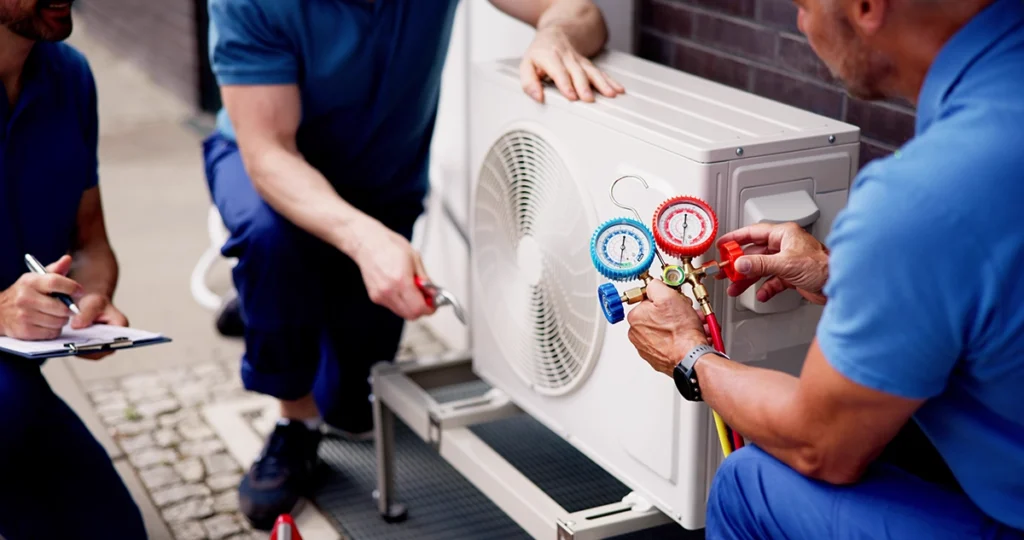
If you’ve had your air conditioning system serviced recently, you may have heard your technician mention r410a refrigerant. This cooling agent has become the industry standard in modern HVAC systems. In fact, it replaced the older R-22 refrigerant that was phased out due to environmental concerns. Understanding what r410a is, how it works, and why it matters can help you make informed decisions about your home comfort system. Whether you’re dealing with a cooling issue or planning to upgrade your equipment, knowing the basics about this refrigerant will give you confidence when talking with HVAC professionals. What Is R410A Refrigerant and Why Does It Matter? R410A is a hydrofluorocarbon (HFC) refrigerant blend used in air conditioning systems and heat pumps. Unlike the older R-22 refrigerant, which contained chlorine and damaged the ozone layer, R410A was developed as an environmentally friendlier alternative. The refrigerant doesn’t contribute to ozone depletion. As a result, it makes a more responsible choice for cooling homes and businesses across the country. This refrigerant operates at higher pressures than R-22. Systems designed for R410A require specific components built to handle these conditions. That’s why refrigerants cannot be interchanged — the entire system needs to be designed from the ground up for the particular refrigerant it uses. Since 2010, all new residential air conditioning systems manufactured in the United States have used R410A as their primary refrigerant. How R410A Refrigerant Works in Your Cooling System Refrigerant is essentially the lifeblood of your air conditioning system. It flows through a closed loop of copper lines, changing from liquid to gas and back again as it absorbs heat from inside your home and releases it outside. The process starts when warm air from your home passes over the indoor evaporator coil. The liquid refrigerant inside that coil absorbs the heat and evaporates into a gas. This heated gas then travels to your outdoor condenser unit. There, the compressor pressurizes it even further. As the hot gas flows through the outdoor coil, it releases the heat it collected from inside your home into the outside air. Once the heat is released, the refrigerant condenses back into a liquid and returns inside to repeat the cycle. This continuous process keeps your home comfortable even during the hottest summer days. Because R410A operates at higher pressures than older refrigerants, it can actually transfer heat more efficiently. This improved efficiency means your system can cool your home using less energy. Consequently, this translates to lower utility bills over time. The increased pressure also allows for smaller equipment that still delivers powerful cooling performance. Signs Your R410A System May Have a Refrigerant Issue Your air conditioning system should maintain the same amount of refrigerant throughout its lifetime. Unlike gasoline in a car, refrigerant doesn’t get “used up” during normal operation. If your system is low on refrigerant, it means there’s a leak somewhere in the system. Recognizing the warning signs early can prevent more serious damage to your equipment. One of the most common signs is reduced cooling performance. If your system runs constantly but never quite reaches the temperature you’ve set on your thermostat, low refrigerant might be the culprit. You may also notice that some rooms feel comfortable while others remain warm. This indicates the system can’t distribute cooled air effectively throughout your home. Ice formation on the indoor evaporator coil or refrigerant lines is another telltale sign. When refrigerant levels drop, the pressure in the system changes, causing the coil to get too cold. Moisture from the air freezes on the coil, which blocks airflow and makes the problem worse. If you see ice on your AC components, turn the system off and call a professional right away. Higher than normal energy bills can also signal a refrigerant issue. When your system doesn’t have enough refrigerant, it has to work much harder and run much longer to achieve the same cooling effect. This extra runtime dramatically increases your energy consumption. You might also hear unusual hissing or bubbling sounds, which could indicate refrigerant escaping through a leak in the system. Why You Should Always Hire a Licensed Professional for Refrigerant Work Working with refrigerants like R410A refrigerant isn’t just complicated — it’s also regulated by federal law. The Environmental Protection Agency requires anyone who handles refrigerants to hold a valid EPA Section 608 certification. This certification ensures that technicians understand proper handling procedures, environmental regulations, and safety protocols. Attempting to add refrigerant yourself or hire an unlicensed person is illegal and can result in significant fines. Beyond the legal issues, refrigerant work involves serious safety risks. R410A operates at much higher pressures than older refrigerants. This means the potential for equipment damage or personal injury is greater. Improper handling can cause refrigerant to spray out forcefully, potentially causing frostbite or eye damage. The system components themselves can become extremely hot or cold during operation, creating additional hazards. There’s also the technical complexity involved. Adding refrigerant to a system with a leak doesn’t solve the underlying problem. In fact, it can make things worse. A certified HVAC technician will locate and repair the leak first, then properly evacuate the system to remove air and moisture before adding the correct amount of refrigerant. They’ll also check the system charge using precise measurements and specialized tools to ensure optimal performance. What Professional R410A Refrigerant Service Involves When you contact a licensed HVAC professional about a suspected refrigerant problem, certified technicians follow a comprehensive diagnostic process. First, they’ll check your system’s operating pressures using manifold gauges to determine if refrigerant levels are actually low. Sometimes, other issues can mimic refrigerant problems. Therefore, proper testing is essential before drawing conclusions. If low refrigerant is confirmed, your technician will conduct a thorough leak detection using electronic leak detectors, ultraviolet dyes, or other specialized equipment. Finding and repairing the leak is always the first priority. Once the leak is fixed, your certified technician will evacuate the system using a vacuum pump to remove any air, moisture, or contaminants

Commercial rooftop economizer HVAC system installed on a flat roof beside solar panels at a large facility.
Air Conditioning, Commercial HVAC, HVAC Systems, Indoor Air Quality

Economizer HVAC: What It Is and How It Works

If you’re looking to cut energy costs and improve indoor air quality in your commercial building or large facility, understanding what an economizer HVAC system is can make a significant difference. An economizer HVAC component is a smart add-on to traditional heating and cooling systems that uses outdoor air to reduce the need for mechanical cooling when conditions are favorable. This means lower energy bills, less strain on your equipment, and a more comfortable environment for everyone inside. At C&R Services, we help property owners and facility managers throughout East Texas understand how economizers work, when they’re beneficial, and how to spot signs that yours may need professional attention. Whether you manage a warehouse, office building, or retail space, knowing how this system operates can help you make informed decisions about your HVAC setup. What Is an Economizer in HVAC Systems? An economizer is a mechanical device integrated into commercial HVAC systems that brings in fresh outdoor air to cool a building instead of relying solely on the air conditioning system. When outdoor temperatures and humidity levels are within a specific range, the economizer opens dampers to allow outside air to enter the system. This process is called “free cooling” because it reduces the need for energy-intensive compressor operation. According to the U.S. Department of Energy, air economizers draw in outdoor air to meet the thermostat setpoint without using the air conditioner. There are two main types of economizers: Air-side economizers: These use outdoor air directly to cool indoor spaces when conditions permit Water-side economizers: These use cooling tower water or other water sources to remove heat from the building without running chillers Most commercial buildings use air-side economizers because they’re simpler to install and maintain. The system includes outdoor air dampers, return air dampers, sensors, and a control system that monitors temperature and humidity to determine when outdoor air is suitable for cooling. How Does an Economizer in an HVAC System Save Energy? The primary benefit of an HVAC economizer is energy savings. Traditional air conditioning systems use compressors that consume significant electricity to cool refrigerant and remove heat from indoor air. An economizer bypasses this process when outdoor conditions are favorable, potentially reducing cooling energy use by 20-50% depending on your climate and building type. In East Texas, we experience mild spring and fall weather when outdoor temperatures are comfortable but indoor spaces still need cooling due to heat from equipment, lighting, and occupants. During these periods, an economizer can provide substantial savings by using free outdoor air instead of running the AC compressor at full capacity. Beyond energy savings, economizers also improve indoor air quality by continuously bringing in fresh outdoor air, which dilutes indoor pollutants, odors, and carbon dioxide. This is especially important in commercial spaces with high occupancy or areas where air quality regulations apply. Key Components of an Economizer System Understanding the parts of an economizer helps you recognize when something isn’t working correctly. A typical air-side economizer includes: Outdoor air dampers: Motorized louvers that open to allow fresh air into the system Return air dampers: Control how much indoor air is recirculated versus exhausted Temperature and humidity sensors: Monitor outdoor conditions to determine when economizer mode is beneficial Damper actuators: Electric or pneumatic motors that open and close dampers based on control signals Control module: The brain of the system that processes sensor data and activates dampers accordingly Exhaust dampers: Allow stale indoor air to exit when fresh air enters All these components must work together seamlessly. If any part malfunctions, the economizer may stay closed (wasting energy) or stay open (bringing in hot or humid air that increases cooling costs). That’s why regular commercial HVAC maintenance is essential for economizer-equipped systems. Signs Your Economizer May Need Professional Service Because economizers have moving parts and electronic controls, they require periodic inspection and maintenance. Here are warning signs that your economizer may not be functioning properly: Higher than expected energy bills: If your cooling costs haven’t decreased during mild weather, the economizer may be stuck closed Stuffy or stale indoor air: This can indicate dampers aren’t opening to bring in fresh outdoor air Excessive humidity indoors: May suggest the economizer is bringing in outdoor air when humidity is too high Uneven temperatures: Areas near air handlers may be too hot or cold if damper control is erratic Visible damper problems: Dampers that appear stuck, corroded, or damaged need immediate attention Control system alarms: Modern building automation systems often alert you to economizer faults When you notice any of these issues, it’s important to contact a licensed HVAC technician who specializes in commercial systems. A certified professional will diagnose whether the problem is mechanical (stuck dampers, failed actuators) or electronic (sensor calibration, control logic issues). What a Professional Economizer Inspection Involves During a professional economizer service call, your HVAC technician will perform several diagnostic steps to identify problems and restore proper operation. While homeowners and facility managers shouldn’t attempt repairs themselves, understanding what professionals do helps you appreciate the complexity and value of expert service. A thorough economizer inspection typically includes: Visual inspection of all dampers for proper operation and physical condition Testing damper actuators to ensure they respond correctly to control signals Calibrating temperature and humidity sensors for accurate readings Verifying control logic and setpoints match your building’s needs Checking for air leakage around damper seals that wastes energy Reviewing building automation system data to identify patterns or faults Measuring airflow to confirm the system is delivering the right amount of outdoor air After diagnosis, your technician will recommend repairs or adjustments. Common fixes include replacing failed actuators, recalibrating sensors, adjusting control sequences, lubricating damper hardware, or replacing worn damper seals. In some cases, upgrading to more advanced controls can improve economizer performance and energy savings. Economizer Best Practices for Commercial Buildings To maximize the benefits of your HVAC economizer, follow these professional recommendations: Schedule regular maintenance: Have your economizer inspected at least twice yearly, ideally before cooling and heating seasons Monitor energy

AC refrigerant tank next to an outdoor air conditioner unit during refrigerant service
Air Conditioning, HVAC Systems, Repair

What Is AC Refrigerant and Why Does It Matter?

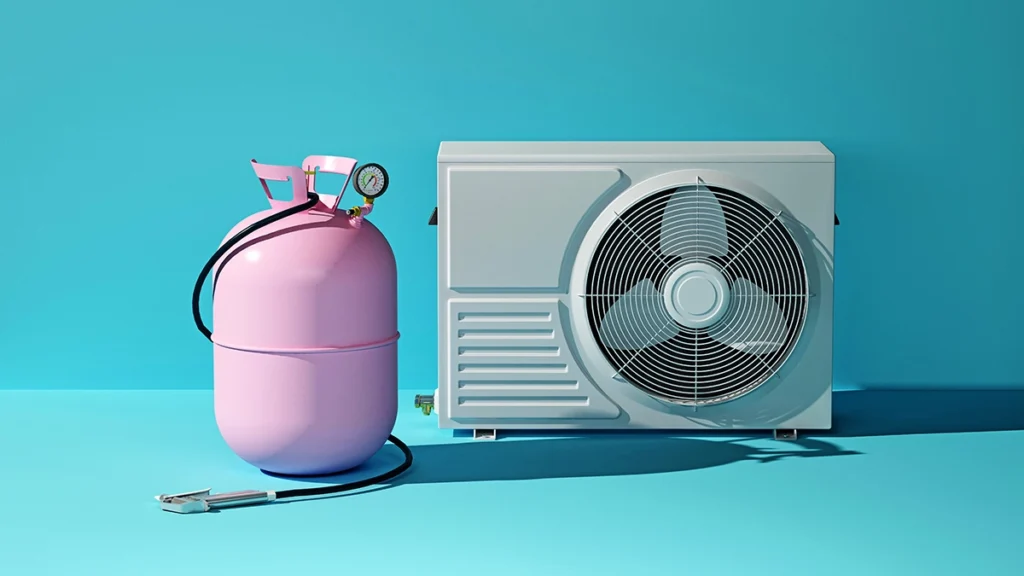
When your air conditioner stops cooling your home properly, one of the most common culprits is low AC refrigerant. This essential substance circulates through your cooling system, absorbing heat from inside your home and releasing it outside. Without the right amount of refrigerant, your AC simply can’t do its job. Understanding what refrigerant is, how it works, and what happens when something goes wrong can help you identify problems early and know when to call a professional. At C&R Services, we believe in empowering homeowners with knowledge. While refrigerant issues always require professional attention due to EPA regulations and safety concerns, recognizing the warning signs can save you from costly damage and uncomfortable summer days. What Is AC Refrigerant? AC refrigerant is a specialized chemical compound that changes from liquid to gas and back again as it moves through your air conditioning system. It’s the substance that makes cooling possible. As refrigerant circulates, it absorbs heat from your indoor air when it evaporates in the evaporator coil, then releases that heat outside when it condenses in the outdoor condenser unit. Many homeowners mistakenly think refrigerant is a fuel that gets used up like gasoline in a car. That’s not how it works. Your AC system is a closed loop, meaning the refrigerant should never run low under normal circumstances. If your system is low on refrigerant, it means there’s a leak somewhere that needs professional repair. Common Types of AC Refrigerant Over the years, different types of refrigerant have been used in residential air conditioning systems. The type in your system depends on when it was manufactured: R-22 (Freon): Once the most common refrigerant, R-22 has been phased out due to environmental concerns. According to the EPA, U.S. production and import of HCFC-22 ended in 2020, which has made it more expensive and harder to find for older systems. R-410A (Puron): The current standard for most residential AC systems installed in the past 15 years. It’s more environmentally friendly than R-22 and operates at higher pressures. R-454B and R-32: Newer refrigerants being introduced to further reduce environmental impact. R-454B refrigerant and R-32 refrigerant represent the next generation of cooling technology. Knowing which type your system uses is important because different refrigerants aren’t interchangeable. A certified HVAC technician will know exactly which refrigerant your system needs and how to handle it safely. Signs Your AC Refrigerant Is Low Since refrigerant issues are so common, it’s helpful to recognize the warning signs. Here are the symptoms that typically indicate low refrigerant levels: Your AC Is Running But Not Cooling If your air conditioner runs constantly but your home never reaches the temperature set on your thermostat, low refrigerant could be the problem. Without enough refrigerant to absorb heat, the system can’t effectively cool your space. This is different from other causes when your AC is running but not cooling, such as dirty filters or blocked airflow. Ice Buildup on the Refrigerant Lines When refrigerant levels drop, the pressure in your system changes, causing the refrigerant that remains to get too cold. This can lead to ice forming on the copper refrigerant lines or even on the evaporator coil inside your air handler. If you see frost or ice on the lines running to your outdoor unit, don’t ignore it. Hissing or Bubbling Sounds A refrigerant leak often creates a distinctive hissing or bubbling sound as the pressurized gas escapes through a crack or hole. If you hear unusual noises coming from your AC system, especially near the refrigerant lines, it’s time to call a professional. Higher Energy Bills When your system is low on refrigerant, it has to work much harder and run much longer to try to cool your home. This extra runtime shows up on your utility bills. If your energy costs have spiked without explanation, low refrigerant could be one of several possible causes. Longer Cooling Cycles A properly functioning AC should run in regular cycles, turning on and off as needed to maintain your desired temperature. With low refrigerant, your system may run almost continuously without ever reaching the target temperature, putting excessive wear on components. What Causes AC Refrigerant Leaks? Understanding what causes refrigerant leaks can help you take preventive measures and catch problems early. Here are the most common causes: Corrosion: Over time, moisture and chemicals can corrode the copper refrigerant lines or coil connections, creating small holes where refrigerant escapes. Vibration damage: Normal AC operation involves vibration, especially in the outdoor unit. Years of vibration can loosen connections or create wear points that eventually leak. Poor installation: Improperly brazed connections or overtightened fittings during initial installation can develop leaks months or years later. Physical damage: Lawn equipment, extreme weather, or accidental impacts can puncture refrigerant lines or damage the outdoor coil. Factory defects: Though less common, manufacturing flaws can cause premature failures in coils or connections. A certified HVAC technician will use specialized leak detection equipment to locate even the smallest leaks. Simply adding more refrigerant without fixing the leak is a temporary fix that wastes money and harms the environment. Why You Shouldn’t Handle AC Refrigerant Yourself Unlike many home maintenance tasks, working with AC refrigerant isn’t a DIY project. Here’s why professional service is essential: It’s Federally Regulated The EPA’s Section 608 Technician Certification Requirements explain that refrigerant handling is federally regulated, and technicians must earn EPA-approved certification to work with these systems properly. These rules exist because improper handling and venting can harm the environment. Specialized Equipment Is Required Properly diagnosing refrigerant issues requires gauges, leak detectors, recovery equipment, and vacuum pumps. Adding refrigerant isn’t as simple as pouring it in—the system must be evacuated of air and moisture, then charged to precise specifications based on weight or subcooling/superheat measurements. Safety Concerns Refrigerant is stored under extremely high pressure. Improper handling can cause frostbite, chemical burns, or eye injuries. Some refrigerants can also displace oxygen in confined spaces, creating suffocation hazards. You Could Damage Your System Overcharging or undercharging refrigerant can

Scroll to Top