
Call Us (903) 204-7571 Today

“Taught By Fathers, Trusted By Families”

Air Conditioning

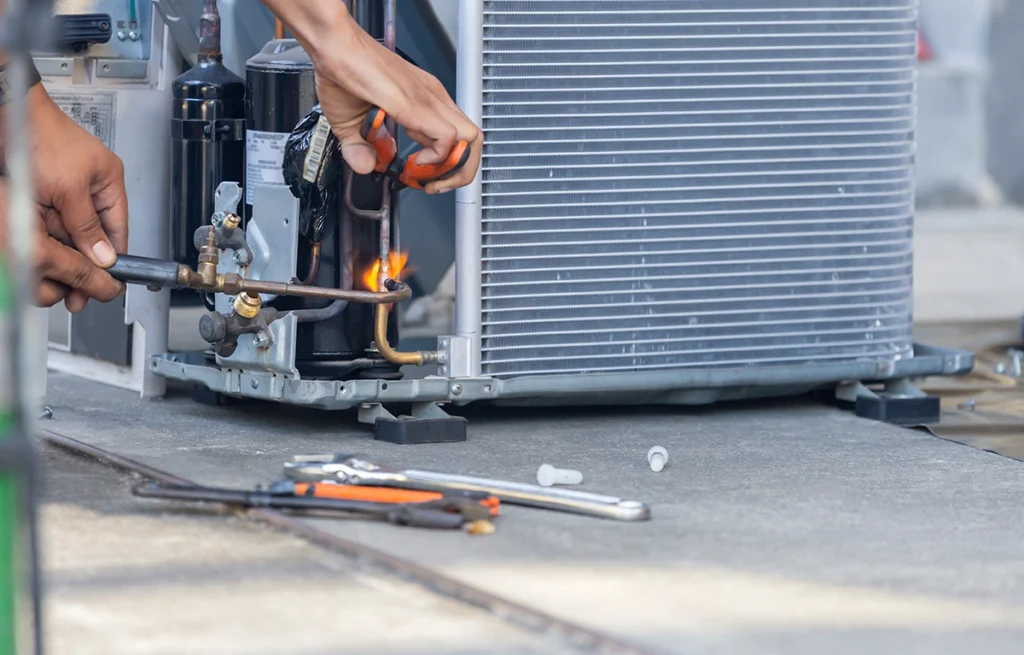
Technician servicing an outdoor HVAC unit and checking refrigerant lines during an R454B refrigerant system inspection
Air Conditioning, Heat Pumps, HVAC Systems, Maintenance

R454B Refrigerant: Next-Gen Cooling for Your HVAC

R454B refrigerant represents the next generation of refrigerants designed to replace older, less environmentally friendly options in residential and commercial HVAC systems. As a hydrofluoroolefin (HFO) blend, this refrigerant offers significantly lower global warming potential while maintaining excellent cooling performance and energy efficiency. This advanced refrigerant is quickly becoming the industry standard for new air conditioning systems and heat pumps. At C&R Services, we believe in staying current with these technological advances because they represent our commitment to serving both our customers and our environment responsibly. Why R454B Matters for Your HVAC System The transition to R454B refrigerant isn’t just about meeting environmental regulations—it’s about improving the performance and efficiency of your home’s cooling system. This refrigerant provides better heat transfer properties than many traditional options, which means your system can cool your home more effectively while using less energy. This refrigerant also offers excellent compatibility with existing system components, making it an ideal choice for both new installations and certain retrofit applications. The refrigerant’s lower global warming potential makes it a forward-thinking choice that aligns with environmental stewardship while delivering reliable comfort for your family. Environmental Benefits One of the most significant advantages of this refrigerant is its reduced environmental impact. According to the EPA’s Technology Transitions GWP Reference Table, R-410A has a global warming potential of 2,088, while R-454B has a global warming potential of 465, making it a much lower-GWP option for modern HVAC systems. Improved Energy Efficiency Systems using this refrigerant refrigerant typically demonstrate improved energy efficiency compared to older refrigerant types. This translates to lower monthly utility bills and reduced strain on your HVAC equipment, potentially extending the lifespan of your system components. Signs Your System Uses R454B Refrigerant If your HVAC system was manufactured or installed recently, it may already use R454B refrigerant. Look for manufacturer labels on your outdoor unit that specify the refrigerant type. Newer high-efficiency systems, particularly those with SEER ratings above 15, are increasingly likely to use this advanced refrigerant. After upgrading your system to use R454B, you may notice improved cooling performance and lower energy consumption. However, determining your system’s refrigerant type definitively requires inspection by a certified technician who can safely check system specifications and refrigerant labels. What to Expect During R454B Service When a certified technician services an R454B system, they’ll use specialized equipment designed specifically for this refrigerant type. The service process involves checking refrigerant levels, testing system pressures, and ensuring all connections are secure and leak-free. According to the EPA’s Section 608 Technician Certification Requirements, technicians who maintain, service, repair, or dispose of regulated refrigerant equipment must pass an EPA-approved test to earn certification. Professional technicians must follow proper handling procedures for R454B to help ensure safe, compliant service. Professional Installation Requirements R454B systems require precise installation and charging procedures that only certified professionals should perform. Improper handling can affect system performance, void warranties, and create safety hazards. Professional installation ensures optimal performance and compliance with all safety regulations. Comparing R454B to Other Refrigerants While R32 refrigerant offers its own advantages for certain applications, R454B provides a different set of benefits that make it ideal for specific system types. It also typically offers better compatibility with existing system designs and components compared to some other next-generation refrigerants. Unlike older refrigerants such as R22, which is being phased out due to environmental concerns, R454B represents a long-term solution that meets current and anticipated future regulations. This makes it a smart investment for homeowners planning to keep their HVAC systems for many years. Cost Considerations for R454B Systems While systems using R454B may have slightly higher upfront costs compared to those using traditional refrigerants, the long-term savings in energy costs often offset the initial investment. Additionally, choosing R454B now means avoiding future conversion costs as older refrigerants become increasingly expensive and difficult to obtain. The improved efficiency of R454B systems also qualifies many units for energy efficiency rebates and tax credits, further reducing the total cost of ownership. These financial incentives, combined with lower operating costs, make systems using this refrigerant an economically smart choice for many homeowners. Maintenance and Service for R454B Systems R454B systems require the same regular maintenance as other HVAC systems, including filter changes, coil cleaning, and annual inspections. However, only technicians certified to work with this specific refrigerant type should handle refrigerant-related service. Regular maintenance becomes even more important with R454B systems because proper system operation maximizes the refrigerant’s efficiency benefits. A well-maintained system using this refrigerant can provide years of reliable, efficient cooling while minimizing environmental impact. For more complex systems, such as VRF HVAC systems, professional maintenance becomes critical for ensuring all components work together optimally with the advanced refrigerant. When to Call C&R HVAC for R454B Service If you suspect your system uses R454B and you’re experiencing cooling problems, reduced efficiency, or unusual noises, contact our certified technicians immediately. Signs that warrant professional attention include inadequate cooling, higher than normal energy bills, or ice formation on system components. Our team stays current with the latest refrigerant technologies and safety procedures, ensuring your R454B system receives proper care. We understand that every service call is an opportunity to demonstrate Christ’s love through excellent, honest service to our neighbors in Tyler and surrounding communities. Whether you need routine maintenance, system diagnostics, or are considering upgrading to an R454B system, our comprehensive HVAC maintenance services ensure your system operates safely and efficiently year-round. Don’t wait until small issues become major problems—contact us today to schedule professional HVAC service in Tyler and East TX. Frequently Asked Questions Is R454B refrigerant safe for my family? Yes, R454B is designed with safety in mind and has lower toxicity than many traditional refrigerants. It’s classified as A2L, meaning it has low toxicity and low flammability under normal operating conditions. Can my existing system be converted to use R454B? Conversion depends on your specific system design and age. A certified technician needs to evaluate your equipment to determine if conversion is possible or if a new

Technician checking HVAC gauges during service on an air conditioning system that uses R32 refrigerant
Air Conditioning, HVAC Systems, Mini Splits, Replacement

R32 Refrigerant: What Homeowners Need to Know

R32 refrigerant is transforming the HVAC industry as manufacturers transition away from older refrigerants. If you’re considering a new air conditioning system or mini split, understanding R32 refrigerant can help you make informed decisions about your home’s cooling needs. At C&R Services, we believe in educating our customers about the technology that keeps their homes comfortable while serving with integrity and expertise. What Is R32 Refrigerant? R32 (difluoromethane) is a next-generation refrigerant designed to replace older options like R410A in residential and commercial HVAC systems. This hydrofluorocarbon (HFC) refrigerant offers improved efficiency and reduced environmental impact compared to its predecessors. R32 has gained widespread adoption in mini split systems and newer air conditioning units due to its superior thermodynamic properties. Major HVAC manufacturers have embraced R32 as their refrigerant of choice for modern cooling equipment. Key Benefits of R32 Refrigerant R32 refrigerant has gained attention because it offers a strong mix of efficiency and environmental advantages. For homeowners comparing newer cooling systems, these benefits help explain why so many manufacturers are moving in this direction. Enhanced Energy Efficiency R32 refrigerant can support strong energy performance in properly designed HVAC systems. This improved efficiency translates to lower operating costs and reduced energy consumption for homeowners. The refrigerant’s superior heat transfer properties allow HVAC systems to cool spaces more effectively while using less electricity. Lower Global Warming Potential Environmental responsibility drives much of the industry’s shift toward R32. R32 has a Global Warming Potential (GWP) of 675, compared to R410A’s GWP of 2,088, which gives it a significantly lower environmental impact. This reduction helps manufacturers and homeowners align with the HVAC industry’s move toward lower-GWP refrigerants. Reduced Refrigerant Charge HVAC systems using R32 require approximately 20% less refrigerant charge compared to R410A systems. This reduction means lower material costs for manufacturers and potentially reduced service costs for homeowners when refrigerant replacement becomes necessary. R32 vs. Other Refrigerants Understanding how R32 compares to other common refrigerants helps homeowners appreciate its advantages: R32 vs. R410A: R32 offers better efficiency, lower environmental impact, and reduced refrigerant volume requirements R32 vs. R22: R32 is significantly more environmentally friendly than the now-banned R22 (Freon) and provides superior performance R32 vs. R134a: R32 delivers higher efficiency and better cooling capacity in similar applications Safety Considerations with R32 While R32 offers several advantages, it still requires professional handling and service. R32 is classified as mildly flammable (A2L rating), which means technicians must follow updated safety standards, leak detection procedures, and installation protocols when working with systems that use it. Because of that, homeowners should always rely on certified HVAC professionals for installation, maintenance, and repairs. Certified HVAC technicians receive specific training on R32 handling procedures, leak detection protocols, and safety requirements. The flammability characteristics require adherence to strict installation guidelines and the use of appropriate tools and techniques during service calls. Systems That Use R32 Refrigerant R32 refrigerant appears most commonly in modern mini split systems, though its adoption is expanding across various HVAC applications. Many homeowners first encounter R32 when researching how mini splits work or comparing different cooling options for their homes. Newer residential air conditioning systems, heat pumps, and commercial HVAC equipment increasingly utilize R32. The refrigerant’s compatibility with existing system designs makes it an attractive choice for manufacturers transitioning from older refrigerants. Professional Installation and Service Requirements R32’s safety characteristics require specialized knowledge and equipment that only certified professionals should handle. Licensed HVAC technicians must complete specific training programs covering R32’s properties, handling procedures, and safety protocols. Professional installation ensures proper refrigerant charging, leak testing, and system commissioning. Technicians use specialized equipment designed for A2L refrigerants, including leak detection tools calibrated for R32’s specific properties. Regular maintenance by qualified professionals helps ensure R32 systems operate safely and efficiently throughout their lifespan. Mini split maintenance becomes particularly important with R32 systems to preserve their efficiency advantages and ensure continued safe operation. Signs Your System May Use R32 Homeowners can identify R32 systems by checking equipment labels and documentation. Newer mini splits and air conditioning systems manufactured after 2018 commonly use R32, especially in residential applications. System documentation, warranty information, and equipment nameplates typically specify the refrigerant type. If you’re unsure about your system’s refrigerant, a certified technician can quickly identify it during routine service or maintenance visits. Future of R32 in HVAC The HVAC industry continues moving toward R32 as environmental regulations become more stringent and energy efficiency requirements increase. Manufacturers are investing heavily in R32 technology development, expanding its application across various system types and capacities. Homeowners investing in new HVAC equipment can expect R32 to remain the preferred refrigerant for years to come. This longevity ensures continued parts availability, service support, and technological advancement for R32-based systems. Why Choose Professional Service for R32 Systems R32’s unique properties require professional expertise for safe and effective service. At C&R Services, our certified technicians receive ongoing training on R32 handling, safety procedures, and service techniques. We understand that every service call is an opportunity to demonstrate Christ’s love through excellent workmanship and honest service. Whether you’re considering a new R32 system or need service for existing equipment, our team provides the expertise and integrity you deserve. From initial consultation through ongoing maintenance, we’re committed to serving our customers with the excellence that reflects our faith and values. Ready to learn more about R32 systems for your home? Contact C&R Services today to speak with our certified technicians about your cooling needs and how R32 technology can benefit your family. We proudly serve homeowners throughout Tyler and East Texas. Frequently Asked Questions About R32 Refrigerant Is R32 refrigerant safe for my home? R32 is safe when properly installed and serviced by certified professionals. While it has a mild flammability rating, it requires specific conditions to ignite and is designed with multiple safety features. Can I add R32 refrigerant to my old R410A system? No, you cannot mix refrigerants or convert R410A systems to R32. Each refrigerant requires specific system components and must be professionally installed in compatible

Technician holding an hvac capacitor inside an outdoor AC unit during repair service
Air Conditioning, HVAC Systems, Repair

HVAC Capacitor Problems: Signs Your AC Unit Needs Help

When your air conditioning system suddenly stops working or begins struggling to start, the culprit might be a small but critical component called the HVAC capacitor. This essential part plays a vital role in keeping your cooling system running smoothly, and understanding its function can help you recognize when professional intervention is needed. What Is an HVAC Capacitor and Why Does It Matter? An HVAC capacitor is an electrical component that stores and releases energy to help your air conditioning system’s motors start and run efficiently. Think of it as a battery that provides the initial electrical boost needed to get your AC’s compressor and fan motors spinning. Without a properly functioning capacitor, your system may struggle to start or fail to operate altogether. There are two main types of capacitors in most HVAC systems: start capacitors and run capacitors. Start capacitors provide the initial jolt of power needed to get motors running, while run capacitors help maintain steady operation once the system is up and running. Some systems use a dual capacitor that combines both functions into one unit. Common Signs Your HVAC Capacitor Is Failing Recognizing the warning signs of a failing capacitor can help you address the issue before it leads to more expensive repairs or complete system failure. Here are the key symptoms to watch for: Your AC Unit Won’t Start If your air conditioning system doesn’t turn on when you adjust the thermostat, a faulty capacitor could be preventing the motors from starting. You might hear the system trying to start with clicking sounds or humming, but the outdoor unit never actually begins running. A capacitor is one possible reason an AC will not turn on, but it is not the only issue that can keep a system from starting. Hard Starting or Delayed Operation A struggling capacitor often causes hard starting, where your AC takes multiple attempts to begin operating or experiences significant delays between the thermostat call and actual startup. This puts additional strain on your system’s components and increases energy consumption. Intermittent Operation Capacitor problems can cause your system to start and stop unexpectedly or run for short periods before shutting down. This erratic behavior indicates the capacitor isn’t providing consistent power to keep the motors running smoothly. Unusual Sounds Listen for humming, buzzing, or clicking sounds coming from your outdoor unit. These noises often indicate that the system is trying to start but lacks sufficient electrical support from the capacitor. Reduced Cooling Performance When a run capacitor begins failing, your system might still operate but with reduced efficiency. You may notice that your home takes longer to cool down or doesn’t reach the desired temperature consistently. What Causes HVAC Capacitor Failure? Understanding the common causes of capacitor failure can help you appreciate why regular maintenance is so important for your HVAC system’s longevity. Age and Normal Wear Like all electrical components, capacitors have a limited lifespan. Most HVAC capacitors last between 10-20 years, but factors like usage patterns and environmental conditions can affect their longevity. As capacitors age, their ability to hold and release electrical charge gradually diminishes. Heat and Electrical Stress Capacitors are particularly sensitive to heat and electrical stress. Extended operation in high temperatures, power surges, and frequent cycling can accelerate wear and cause premature failure. The Department of Energy notes that regular air conditioner maintenance helps support efficient performance and can reduce issues that lead to premature system problems. Power Issues Voltage fluctuations, power surges, and electrical storms can damage capacitors instantly or weaken them over time. Installing surge protection can help protect these sensitive components from electrical damage. Manufacturing Defects Occasionally, capacitors may fail prematurely due to manufacturing defects or poor quality components. This is why choosing reputable HVAC contractors who use quality parts is essential for long-term system reliability. The Professional Capacitor Replacement Process When you call C&R Services for capacitor issues, our certified technicians follow a comprehensive diagnostic and replacement process to ensure your system operates safely and efficiently. First, our technician will perform electrical tests to confirm the capacitor is indeed the problem and not a symptom of a larger issue. They’ll check voltage readings, inspect connections, and examine the capacitor for physical signs of failure like bulging, leaking, or corrosion. If replacement is needed, the technician will safely discharge any remaining electrical charge, disconnect the old capacitor, and install a properly rated replacement. They’ll also inspect related components like contactors and wiring to ensure the entire system is in good working order. Why Professional Service Matters for HVAC Capacitor Issues While a failing capacitor might seem like a simple electrical component, HVAC systems involve high voltage electricity and specialized knowledge that make professional service essential for safety and effectiveness. Licensed technicians have the proper tools and training to safely work with electrical components while your system is energized. They can also identify underlying issues that might have contributed to capacitor failure, preventing future problems and ensuring your investment is protected. Additionally, professional service ensures the correct capacitor specifications are used. Using the wrong voltage rating or capacitance value can damage other system components or create safety hazards. Preventing Capacitor Problems Through Regular Maintenance The best way to avoid unexpected capacitor failures is through regular preventive maintenance. During routine service visits, HVAC professionals can test capacitor function, clean electrical connections, and identify potential issues before they cause system failures. Regular maintenance also helps address factors that contribute to premature capacitor failure, such as dirty coils that cause overheating, loose electrical connections that create voltage fluctuations, and worn components that put additional stress on the electrical system. When to Call C&R Services for HVAC Capacitor Service If you’re experiencing any of the warning signs mentioned above, don’t wait for complete system failure. Early intervention can often prevent more extensive damage and costly repairs. Our team of certified technicians has the expertise to quickly diagnose capacitor issues and restore your system’s reliable operation. At C&R Services, we understand that HVAC problems never happen at convenient

HVAC technician diagnosing an AC not turning on problem at an outdoor condenser unit
Air Conditioning, HVAC Systems, Repair

AC Not Turning On? Common Causes & Fixes

When an AC is not turning on, most people want to know one thing fast: is this something simple or a repair call? At C&R Services, we troubleshoot this issue all the time. Some causes are quick to rule out, while others need professional diagnosis right away. Before you assume the worst, start with a few safe checks. In many cases, the issue is a thermostat setting, a tripped breaker, or a clogged drain safety switch. Still, if you notice a burning smell, buzzing, or repeated breaker trips, stop there and call for service. Start With the Thermostat Before Anything Else First, check the thermostat mode. Make sure it’s set to Cool and the temperature is lower than the room temperature. It sounds basic, but this gets missed often (especially after someone changes settings overnight). Also, check batteries if your thermostat uses them. A blank screen or delayed response can point to low power. If your controls seem off, it helps to review common thermostat issues before assuming the outdoor unit failed. A lot of calls we get about AC units not turning on end up being a thermostat setting or power issue. Check for a Schedule or “Hold” Setting Sometimes the thermostat is working fine, but the schedule is overriding your settings. In that case, the AC may not start when you expect. So, confirm there is no schedule conflict, temporary hold, or smart-home automation rule interfering. AC Not Turning On After a Breaker Trip Next, check your electrical panel. If the AC breaker has tripped, reset it once. If it trips again, do not keep resetting it. That usually signals an electrical or equipment problem. Repeated breaker trips can point to a wiring issue, a failing component, or a problem in the outdoor unit, and they should be checked by a technician. When a Breaker Trip Means “Stop and Call” If the breaker trips immediately after reset, or you smell something hot, shut the system off and call a pro. Those are signs the issue may be electrical, and it should be diagnosed safely. Check the Air Filter and Airflow A dirty filter alone usually will not keep an AC from turning on. However, restricted airflow can contribute to freeze-ups, drain issues, and shutdowns on some systems. The U.S. Department of Energy says dirty, clogged filters reduce airflow and system efficiency. It recommends checking your filter every month during cooling season and replacing it as needed, often every one to two months depending on use and filter type. If your filter looks packed with dust, replace it, restore power/settings if needed, and give the system a few minutes to respond. AC Not Turning On Because of a Condensate Drain Issue Many systems have a float switch that shuts cooling off when the condensate drain backs up. That is a protective feature, and it can save you from water damage. ENERGY STAR’s maintenance checklist includes condensate drain inspection because a plugged drain can cause water damage and affect indoor humidity levels. It also recommends checking system controls to confirm the equipment starts, runs, and shuts off properly. If you see water near the indoor unit, this cause jumps higher on the list. Listen for What the System Is (or Isn’t) Doing Now pay attention to the symptoms: No sound at all Indoor fan runs, but outdoor unit does not Clicking sounds, but no startup Humming without full startup When we’re on a service call for an AC unit not turning on, these details help us narrow whether the issue is power, a capacitor, contactor, motor, or a control problem. If the system turns on but still does not cool well, shift your focus to airflow, refrigerant, or outdoor unit problems rather than startup controls. What You Can Safely Do Yourself Here are a few safe checks you can try before calling: Check thermostat settings and batteries Confirm the breaker is on Replace a dirty filter Check that the disconnect is in place (if visible and safe to inspect) Look for visible water around the indoor unit That said, avoid opening electrical panels inside the unit or testing capacitors yourself. Those repairs can be dangerous. When to Call for AC Repair If Your AC Is Not Turning On If your AC is not turning on after the basic checks, it’s time for service. In our experience, waiting can make the underlying problem worse, especially during peak heat. If you need a professional diagnosis, a good next step is scheduling air conditioning repair service so the system can be tested safely and the root cause confirmed. At C&R Services, we handle no-start cooling calls, electrical diagnostics, and system repairs for homes and businesses across Tyler and East TX. Contact us if you want us to take a look and get your system back on track. Quick FAQs When You Have an AC Not Turning On These are the questions we hear most often, and they are great for quick troubleshooting before you call.

24000 BTU mini split indoor wall unit installed in a home room for cooling and heating comfort
Air Conditioning, HVAC Systems, Mini Splits

24000 BTU Mini Split: How Big of a Room Can It Cool?

If you’re considering a 24000 BTU mini split, the first question is simple: how big of a room can it cool? At C&R Services, we help people size these systems for homes and small commercial spaces, and the short answer is this: a 24,000 BTU unit often works well for larger single spaces, but the exact fit depends on the room. That’s the part many sizing charts miss. Square footage helps, but insulation, ceiling height, windows, and heat load can change the answer fast. So, before you buy based on one chart, it helps to understand what a 24k mini split is designed to do. What Size Room Can a 24000 BTU Mini Split Cool? In many cases, a 24,000 BTU mini split is used for larger rooms or open areas, but actual sizing depends on load conditions. However, that’s only a general starting point. We regularly remind customers that a shaded, insulated room and a sun-soaked room do not cool the same. For example, a workshop, garage, bonus room, or upstairs area can need more cooling capacity than a main living room of the same size. Why BTU-to-Square-Foot Rules Aren’t Exact BTU charts are useful for planning, but they are not a substitute for a load calculation. A few things can push the required capacity up or down significantly: Ceiling height Window size and direction Insulation quality How many people use the space Heat-producing appliances Garage or attic location Use the chart to estimate a size range, then choose the final capacity based on the room conditions. Signs a 24000 BTU Mini Split May Be the Right Size A 24000 btu mini split is often a strong fit if you’re cooling or heating: A large open living area A finished garage or workshop A master suite plus adjacent space A detached office or studio An addition that central air doesn’t handle well A multi-zone setup where one outdoor unit serves several heads (depending on design) Still, “bigger” is not always better. The U.S. Department of Energy notes that oversized ductless mini-split air handlers can short cycle and fail to provide proper temperature and humidity control. Humidity Matters More Than Most People Expect If a 24000 BTU mini split is too large for the room, it may reach the set temperature quickly but remove less moisture during each cycle. EPA guidance recommends keeping indoor humidity between 30% and 50%, which is a good target range for indoor comfort. 24000 BTU Mini Split vs Real-World Room Conditions Here’s the practical version we use when explaining sizing: A 24000 btu mini split can be perfect for a well-insulated open room around 800–1,000 sq. ft. However, the same unit can come up short in a hot garage with poor insulation, high ceilings, and lots of afternoon sun. On the flip side, it may be oversized for a well-insulated space near the lower end of that range. That’s why we always recommend matching equipment to the space, not just the square footage listed on a chart. What to Check Before Choosing a 24000 BTU Mini Split Before moving forward, gather these details: Approximate square footage Ceiling height Room use (garage, bedroom, office, living area) Sun exposure Insulation condition Window count and size Whether the space is open or closed off Whether you want cooling only or heating + cooling Once you have that, the decision gets much easier. If you’re still comparing capacities, a mini split sizing guide can help you narrow down the choice before you buy a system. When a 24000 BTU Mini Split Is Great for a Garage Garage applications are one of the most common places people ask about this size. A 24k unit can be a smart option for larger garages, hobby spaces, and detached shops, especially when the door opens often or the space has poor insulation. Even so, garage sizing can vary a lot depending on whether the garage is attached, how well it’s insulated, and whether tools or equipment add heat to the space. If You Want a Hidden Look Instead of Wall Heads Some spaces need a cleaner look than a wall-mounted indoor unit. We hear that most often in finished spaces where a visible wall unit doesn’t fit the look. In those cases, a concealed ducted option is often a better fit. How C&R Services Helps You Choose the Right Size At C&R Services, we don’t just match a unit to a room size and call it done. We look at the space, usage, layout, and comfort goals so the system actually works long-term. We handle mini split sizing and installation based on the room conditions and how the space is used — not just square footage. If you’re in Tyler or East TX, contact C&R Services for residential and commercial service. We’ll help you determine whether a 24000 btu mini split fits your space or another size will perform better. FAQs About 24000 BTU Mini Split Sizing Before you buy, these are the most common sizing questions we hear about 24k systems.

HVAC technician diagnosing an AC unit that is running but not cooling
Air Conditioning, HVAC Systems, Repair

AC Running But Not Cooling? Causes & Easy Fixes

An AC running but not cooling can be frustrating, and it’s a problem we see often at C&R Services in both homes and businesses. The system appears to be working — the fan is running, the outdoor unit is operating — yet the indoor temperature doesn’t drop. In many cases, the cause is simpler than you might expect, and understanding the common reasons can help you know what’s going on before calling for repairs. How Your Air Conditioner Is Supposed to Cool Air conditioners don’t create cold air. Instead, they remove heat from the indoor air and transfer it outside, leaving your home or office cooler and more comfortable. The U.S. Department of Energy explains that air conditioners cool buildings by transferring heat from indoor air to the outside environment rather than producing cold air. This heat-transfer process depends on proper airflow, refrigerant levels, and functioning components to work efficiently. Warm indoor air is pulled through the return duct and passes over the evaporator coil. Inside that coil, refrigerant absorbs heat from the air. The blower then pushes the cooled air back through the ductwork and into the building. After absorbing heat indoors, the refrigerant travels to the outdoor condenser unit. The compressor raises the refrigerant’s pressure, which also increases its temperature. Because the refrigerant is now hotter than the outdoor air, the condenser coil can release heat outside. As long as this cycle continues without interruption — whether due to airflow, controls, or refrigerant issues — indoor temperatures drop. If any part of the process fails, the system may keep running while the building becomes warmer instead of cooler. Because multiple components must work together during this heat-transfer cycle, a failure in airflow, electrical control, or refrigerant pressure often requires professional air conditioning repair to restore proper cooling. AC Running But Not Cooling: Start With the Thermostat This is the first thing we check on service calls. Make sure: cooling mode is selected fan is set to AUTO temperature is set lower than room temperature In commercial buildings, programmable or network thermostats may also have schedules overriding your settings. If the display is blank, inaccurate, or unresponsive, the issue may not be the AC equipment at all. The thermostat may not be sending a cooling signal to the system. When that happens, the indoor fan can continue running while the outdoor unit never starts, which makes it feel like the AC is operating but not cooling. We’ve restored cooling many times just by correcting thermostat settings, replacing batteries, or repairing a faulty thermostat. If your thermostat is unresponsive or behaving inconsistently, you may be dealing with a thermostat not working properly. AC Running But Not Cooling: Airflow Problems (The Most Common Cause) In many service calls, the system is running, but it is not removing heat from the building. Air conditioning depends on steady airflow across the evaporator coil. As warm air passes over that coil, the refrigerant absorbs heat and carries it outdoors. When airflow becomes restricted, the evaporator coil cannot absorb enough heat. The blower continues circulating air, but the air passing through the system is not being cooled effectively. As a result, the unit may run continuously while indoor temperatures slowly rise. Airflow problems are one of the most common reasons an AC is running but not cooling, especially in buildings with higher occupancy or rooms that remain closed for long periods. Dirty Filter A clogged air filter is the most frequent airflow restriction we find when an AC is running but not cooling. Filters are designed to trap dust and airborne particles before they reach the evaporator coil. Over time, that buildup prevents enough warm air from moving across the coil. Without sufficient airflow, the refrigerant becomes too cold and moisture in the air begins freezing on the coil surface. As ice forms, air can no longer pass through the coil, so cooling stops circulating through the duct system even though the equipment is still running. In many cases, the restriction that caused the freezing started with a heavily clogged filter. Routine filter replacement is important in both homes and commercial spaces. The Environmental Protection Agency notes that proper air filtration helps maintain ventilation and indoor air quality, which is why a heavily clogged filter can quickly affect system performance. You can usually check this yourself. Remove the air filter and hold it up to a light. If little or no light passes through, airflow is heavily restricted and the system may stop cooling. Blocked Return Vents Air must move through the system in a loop. Supply vents push cooled air into the room, while the return air vent pulls warmer air back to the unit to be cooled again. We frequently find conference rooms, storage areas, and bedrooms where furniture, shelving, or stored items block the return air vent. When the return is blocked, the system may keep running but the temperature barely changes because the same air is being circulated instead of new warm air being cooled. Signs Return Airflow Is Blocked You may notice: strong airflow from some vents but weak airflow from others certain rooms never reaching the thermostat setting doors that push closed when the system starts the system running constantly with little temperature change Restoring return airflow often brings cooling back without any mechanical repair. AC Running But Not Cooling: Frozen Evaporator Coil One of the most common reasons a system runs but won’t cool is a frozen indoor evaporator coil. When the coil is covered in ice, the air conditioner may appear to be operating, but heat can no longer be removed from the building. Why Freezing Happens Freezing usually develops after an airflow or refrigerant issue. If the coil cannot absorb enough heat, its temperature drops below freezing and moisture in the air turns to ice. As the ice builds, airflow through the system becomes more restricted and cooling stops completely. Common causes include clogged filters, blocked return vents, blower issues, or low refrigerant. Signs the

A technician measuring refrigerant pressure on an outdoor AC unit, inspecting essential parts of HVAC system equipment.
Air Conditioning, Heating, HVAC Systems, Maintenance

Parts of HVAC System: What Every Homeowner Should Know

Most homeowners don’t think about the parts of HVAC system equipment until something feels off. Maybe the airflow is weaker than last month, or the temperature feels uneven from one room to the next. Since we work with heating and cooling equipment every day at C&R Services, we know how important it is to understand the essentials. When you know what each component does, you can spot issues faster and keep your home running comfortably year-round. How the Main Parts of a Forced-Air HVAC System Work Together Every home relies on the same essential HVAC components, even if the equipment varies. While systems can look different from house to house, the main parts of an HVAC system always work together in predictable ways. When one part struggles, the entire system feels the strain. Understanding those relationships helps you make smarter decisions when something breaks or when you’re planning future upgrades. Air Handlers, Blowers, and the Heart of Airflow The air handler and blower assembly control how air moves through your home. These components push conditioned air through the ducts and pull stale air back into the system. When the blower slows down, airflow drops. And as you might guess, reduced airflow often leads to hot and cold spots. If you want to understand how airflow connects to comfort, our blog on forced air heating is a good place to start because it breaks down the role of ducts, vents, and circulation in an easy way. Evaporator Coils and Condenser Coils are Key Parts of an HVAC System The evaporator coil absorbs indoor heat. The condenser coil releases that heat outdoors. These two coils perform a constant exchange whenever your cooling system runs. When dirt collects on the coils, your energy use goes up quickly. The U.S. Department of Energy explains why clean coils improve efficiency and reduce cooling cost. The Refrigerant Circuit and Why It Matters Inside the coils, refrigerant moves heat in or out of your home. Although it’s often misunderstood, refrigerant is essential for proper cooling. If the level drops, the system runs longer and temperatures start to drift. Most shortages happen because of leaks, not normal use. And when a homeowner suspects low refrigerant, they usually call us right away because refrigerant issues never fix themselves. Thermostats and HVAC System Controls Thermostats direct every other component. Yet the wrong settings or outdated technology can throw off the entire system. Smart thermostats, for example, help stabilize temperature swings and reduce wasted energy. The U.S. Department of Energy explains how updated thermostat technology improves efficiency and overall comfort, which is why proper settings matter more than most people realize. And when your thermostat isn’t communicating properly, you often feel the symptoms long before you realize the control is the problem—like short cycling, uneven temperatures, or a system that runs nonstop. Ductwork, Vents, and the Distribution Side of the System Even when the equipment runs perfectly, poorly sealed ducts leak air into unconditioned spaces. That lost air forces your HVAC system to work harder. Because the ductwork is hidden behind walls, floors, and attic spaces, it’s one of the most overlooked parts of HVAC system performance. Simple improvements like sealing joints or adding insulation can make a noticeable difference in comfort. Filters and Indoor Air Quality Air filters protect every major component. They also help maintain healthier air inside your home. When filters clog, the blower strains and the evaporator coil can freeze. Regular replacements are an easy fix, yet many homeowners forget until airflow drops. Because clean filters support airflow and reduce strain on the system, this simple, inexpensive step makes a huge difference in overall performance. Additional Parts Found in Forced-Air Heating and Cooling Systems Most homes use forced-air HVAC systems, and some setups include a few extra components depending on whether the home uses a gas furnace or a cooling system. Gas furnaces rely on burners, ignition systems, and inducer motors to create heat safely before it moves through the ducts. Cooling systems like central air conditioners and heat pumps use compressors, condenser fan motors, and condensate drains to manage refrigerant flow and moisture. Even though these parts vary by equipment type, they all work alongside the main HVAC components to keep your home comfortable. Heat Exchangers and Heating Safety Heat exchangers transfer heat from the combustion chamber to the air without mixing fumes into your living space. Because they handle high heat, they can crack over time. A cracked exchanger can allow combustion gases, including carbon monoxide, to enter the airflow, which is why annual checkups matter for safety. A damaged exchanger can also trigger safety shutdowns that keep the system from heating at all. At C&R Services, our technicians inspect these exchangers closely during seasonal tune-ups. Maintenance and Why Knowing the Parts of an HVAC System Helps When you understand the main parts of an HVAC system, it becomes much easier to spot early warning signs. Weak airflow, strange noises, short cycling, or shifting temperatures usually relate to one of the core pieces described above. And since we repair all major HVAC brands, we see how small issues turn into bigger repairs when they’re ignored. Quick action saves money and prevents breakdowns, and we provide a full range of HVAC services if you need professional support. Why Homeowners Choose C&R Services We work with HVAC systems every day, and we’ve helped families across East Texas keep their homes comfortable through long summers and chilly winter nights. If you want help, guidance, or a full system inspection, contact C&R Services and our team will be ready to help. FAQ: Quick Answers About HVAC System Parts Here are a few common questions homeowners ask when learning about HVAC components.

Outdoor mini split heat pump system installed beside a home — helps illustrate what size mini split you need.
Air Conditioning, Heat Pumps, Heating, HVAC Systems, Installation

What Size Mini Split Do I Need for My Home?

If you’ve been wondering, “what size mini split do I need?”, you’re not alone. At C&R Services, we get this question all the time from homeowners looking to upgrade their comfort and cut energy costs. The truth is, choosing the right size mini split is about more than square footage—it’s about finding the perfect balance between efficiency, power, and comfort. And because mini splits use heat pump technology, they don’t just cool your home, they also provide efficient heating when the weather turns cold. As technicians, we’ve seen both ends of the spectrum: systems that barely cool the space and others so oversized they short-cycle all day. Neither is good for your comfort or your wallet. Why Sizing a Mini Split System Matters Before we get into sizing, it’s worth understanding what a mini split system actually is. In simple terms, it’s a type of heat pump that connects an outdoor unit to one or more indoor air handlers. Depending on the layout, mini splits can be ducted, ductless, or a mix of both, making them a flexible option for homes without traditional HVAC setups. When homeowners ask what size mini split they need, they’re really asking how much heating and cooling capacity fits their home’s needs. Mini splits are measured in BTUs (British Thermal Units)—the higher the number, the more power it delivers. But bigger isn’t always better. An oversized unit will cool or heat a room too quickly, shutting off before it can dehumidify properly. That leads to sticky air and uneven temperatures. On the flip side, an undersized unit struggles constantly, wasting energy while trying to keep up. (We’ve seen units in garages running nonstop in Texas summers—trust us, they don’t last long.) How to Calculate What Size Mini Split You Need So, what size mini split do you need for your space? The general rule of thumb is 20 BTUs per square foot of conditioned area. But this is just a starting point. Other factors like insulation, ceiling height, windows, and local climate can all affect your system’s true needs. Here’s a quick breakdown to help you estimate: Room Size (sq ft) Estimated BTU Capacity 150–300 6,000 BTU 300–500 9,000 BTU 500–1,000 12,000–18,000 BTU 1,000–1,500 18,000–24,000 BTU 1,500–2,000+ 24,000–36,000 BTU+ Still, this chart isn’t a replacement for a professional load calculation. If you’re serious about accuracy (and comfort), have a licensed HVAC technician run a Manual J calculation—the industry standard for properly sizing heating and cooling systems. You can learn more about what’s involved in a homeowner-friendly guide from Energy Vanguard. Factors That Affect Mini Split Sizing 1. Insulation and Air Leakage Poor insulation makes even a powerful unit work overtime. If your home leaks air through windows, doors, or duct gaps, your system’s performance will drop fast. 2. Ceiling Height Taller ceilings mean more air to condition. If you’ve got vaulted or open-concept spaces, go a bit higher in BTUs. 3. Sun Exposure Rooms that get a lot of sunlight—especially those facing west or south—tend to need extra cooling power depending on insulation and climate. 4. Local Climate In warmer states like Texas or Florida, cooling demands are much higher than in northern regions. For colder climates, heating performance and heat pump efficiency matter most. If you’re curious how mini splits compare to traditional systems, check out our post on what forced air heating is — it breaks down how conventional HVAC systems move air. (And if you live in a place like East Texas, where summers hit triple digits and winters can still surprise you, it’s best to size for both seasons.) Professional Help: How C&R Services Gets It Right At C&R Services, we don’t just guess when customers ask what size mini split they need. We measure, calculate, and verify—because every home is different. We look at room orientation, window types, insulation, and even your home’s construction materials. That’s what separates a precise installation from a rough estimate. We also guide homeowners through single-zone vs. multi-zone systems, helping you decide whether one indoor air handler will do or if your setup needs multiple units for even coverage. (For example, that upstairs bonus room that’s always hotter than the rest? We’ve all seen that one.) If you’re unsure, check out the Department of Energy’s guide to ductless heat pumps—it’s a great resource for understanding energy savings and system types. Lifestyle Considerations While sizing a mini split sounds technical, lifestyle plays a big role too. Do you cook often and heat up the kitchen? Do you prefer sleeping cold? Have pets that add body heat to a room? These details may sound small, but they help determine what size mini split you need to stay comfortable all year. Because most mini splits are heat pumps, they deliver comfort in every season — heating in winter and cooling in summer — all with impressive energy efficiency. And if you’re switching modes for the first time, our quick guide on how to switch your AC to heat walks you through it step by step. As techs, we’ve learned that comfort is personal. Some folks want steady cool air 24/7, while others just want to knock down the humidity. We tailor every recommendation to fit your habits, not just your square footage. Choosing the Right Mini Split Energy Efficiency and Rebates Always look for ENERGY STAR® certified systems. They’re more efficient, last longer, and can help you qualify for utility rebates or federal tax credits, depending on your location and program eligibility. To see what’s available in your area, check the ENERGY STAR Rebate Finder. Noise Levels and Design Modern mini splits are quiet—some are whisper-level—but placement still matters. Don’t mount the indoor air handler right above your bed or sofa if you’re sensitive to sound. Maintenance and Longevity Even the best-sized system won’t perform well without maintenance. Schedule yearly service to clean coils, check refrigerant, and inspect electrical components. A small tune-up goes a long way. Final Thoughts: What Size Mini Split Do I Need? If you’re

C&R Services - What Does Freon Smell Like and Is It Dangerous? 1
Air Conditioning, Indoor Air Quality, Maintenance

What Does Freon Smell Like and Is It Dangerous?

If you’ve ever wondered, what does Freon smell like, you’re not alone. As HVAC technicians at C&R Services, we get this question all the time—usually from homeowners who catch an odd odor near their vents or outdoor unit and aren’t quite sure what it means. The truth is, Freon (the common name for refrigerant) shouldn’t have a strong, lingering smell at all. When you do notice something unusual, it’s worth paying attention, because it could signal a leak or another issue in your system. What Does Freon Smell Like? In most cases, Freon has a faint, sweet, or chloroform-like scent. It’s subtle enough that many people barely notice it—until a leak grows larger. If the odor becomes stronger or more chemical in nature, that’s often a sign of escaping refrigerant gas. Some people also describe the smell as slightly metallic or musty. Because everyone’s sense of smell is different, there’s no single description that fits all. However, if you ever catch a scent that seems off when your AC is running, it’s a good idea to have a technician from C&R Services take a closer look. (Quick aside: I’ve had customers call it “pool water meets car exhaust”—not exactly the kind of air you want indoors!) Why a Freon Leak Is Dangerous Even small refrigerant leaks can pose serious risks. Exposure to concentrated refrigerant gases can cause dizziness, nausea, and, in severe cases, asphyxiation in confined spaces. Besides the health hazards, leaks are harmful to the environment and can damage your HVAC system’s compressor over time. When refrigerant escapes, your system loses pressure and efficiency. That means longer run times, higher energy bills, and reduced cooling power—especially during hot summer days when you need your AC most. What Does Freon Smell Like During a Leak? You might not always smell Freon right away, but other symptoms can help you spot trouble early: Weak airflow or uneven cooling throughout the house Hissing or bubbling sounds coming from the indoor or outdoor unit Higher electricity bills with no obvious reason Frozen coils or ice buildup on your refrigerant lines A sweet or chemical odor, especially near vents If you notice any of these issues—or if you’re still asking yourself, what does Freon smell like—it’s best to schedule a professional inspection. At C&R Services, we use leak detection tools that pinpoint the source safely and accurately. What to Do if You Smell Freon First, open a few windows to get fresh air circulating. Then, turn off your HVAC system to prevent more refrigerant from escaping. Avoid trying to fix it yourself—refrigerant handling requires EPA certification and specialized equipment. Next, call a licensed HVAC technician. A professional can identify the leak, recover and replace lost refrigerant, and ensure your system runs at the proper pressure again. If your system isn’t cooling properly, you may need professional AC repair to restore comfort and efficiency. For more information on refrigerant safety and regulations, visit the EPA’s page on Managing Refrigerant in Stationary Equipment. Preventing Future Leaks Regular AC maintenance is the best way to prevent leaks before they start. During a tune-up, a technician checks your refrigerant lines, coil condition, and system pressure to keep everything running smoothly. At C&R Services, we recommend scheduling seasonal maintenance before summer hits. (Trust me, you don’t want to find out your system’s low on refrigerant when it’s 95°F outside.) For a practical guide to preparing your home for seasonal temperature changes, you can also check the Department of Energy’s home cooling tips for more advice. Is It Safe to Breathe Freon? In short—no. While short exposure to small amounts may not cause major harm, breathing in refrigerant gas intentionally or for long periods is extremely dangerous. It can displace oxygen, leading to headaches, dizziness, or worse. That’s one reason professional HVAC technicians wear protective gear when handling refrigerants. So, if you ever detect a chemical odor near your vents, don’t ignore it. It’s always better to be cautious and call an expert. When to Call the Experts: What Does Freon Smell Like and Is It Dangerous? Strange smells, ice buildup, or uneven cooling usually mean something’s off inside your HVAC system. The good news? Most issues are quick fixes when caught early. Our crew at C&R Services can track down the problem fast and get your system running smoothly again. Whether you’re dealing with weak cooling, unusual odors, or rising energy bills, our team offers complete HVAC services in Tyler and East TX to keep your system running smoothly. Call us today at (903) 204-7571 or reach out online to schedule service and keep your home safe, comfortable, and efficient. We proudly serve Tyler, TX, and the surrounding East Texas communities—but we’re always happy to share our expertise with homeowners nationwide. FAQs If you’ve been wondering what does Freon smell like, now you know it’s more than just an odd odor—it’s a potential warning sign. Don’t wait for it to get worse; contact C&R Services today for expert help and dependable HVAC care.

C&R Services - How to Switch Your AC to Heat: Step-by-Step Guide
Air Conditioning, Heating, Seasonal Tips, Thermostats

How to Switch Your AC to Heat: Step-by-Step Guide

When the weather starts changing, it’s easy to forget that your HVAC system needs a little adjustment too. Every fall, we get calls from homeowners wondering how to switch from AC to heat without accidentally triggering an error code or blowing cold air. Trust us — it happens more often than you’d think. At C&R Services, we help families make the transition every year, and the good news is that it’s usually a simple process once you know what to check. Understanding How Your System Switches from AC to Heat Before you start flipping switches or pushing buttons, it helps to know what’s happening inside your system. When you switch from AC to heat, your thermostat signals your indoor and outdoor units to reverse their roles. Instead of pulling warm air out of your home, your heat pump or furnace begins generating warmth and distributing it through your ducts. (Quick tip—many homeowners forget to change their thermostat setting from Cool to Heat. It sounds obvious, but we’ve seen seasoned homeowners miss it after a long summer.) According to the U.S. Department of Energy, setting and programming your thermostat correctly can improve both comfort and efficiency. That means fewer surprises when temperatures swing overnight. Step 1: Set Your Thermostat to Heat Mode The first step in switching from AC to heat is updating your thermostat. Most modern thermostats have clearly labeled Cool, Heat, and Auto settings. If your system doesn’t respond immediately, don’t panic—it can take a minute for the system to recalibrate. For smart thermostats, double-check your app or schedule settings to make sure the system won’t automatically revert back to cooling mode. We’ve had more than one customer think their system was broken when it was just following a programmed schedule. Step 2: Adjust the Temperature Gradually When Going from AC to Heat When you move your system from AC to heat, avoid setting the temperature 10 degrees higher all at once. A gradual adjustment—say two or three degrees at a time—helps the system switch smoothly and reduces strain. This small change can extend the life of your components and prevent uneven heating across your home. Step 3: Listen and Observe After Switching from AC to Heat Once you’ve made the switch, stand near your vents and listen. You should hear a gentle hum or soft airflow within a few minutes. If you hear metallic clanks, buzzing, or smell burning dust, don’t worry right away—some odor is normal when the heating elements warm up for the first time in months. However, if it lingers, it’s worth calling a technician to take a look. At C&R Services, we always tell customers: trust your senses. If something sounds or smells off, there’s probably a reason. Step 4: Check Airflow and Filters When you go from AC to heat, airflow becomes even more important. Dirty or clogged filters restrict warm air and can trigger system shutdowns or short cycles. Replace your filters at the start of the season or at least every 90 days. For better indoor air quality and efficiency, most HVAC pros recommend using filters with a MERV-13 rating or higher—if your system can handle it. According to ASHRAE’s guidelines, airflow and system capacity should always be factored in when upgrading your filter. Step 5: Test Your Heat Pump or Furnace If your system includes a heat pump, switching from AC to heat is as simple as flipping the mode on your thermostat. The reversing valve changes direction automatically. But if you have a gas furnace, you’ll want to ensure your pilot light or ignition system is working correctly before you rely on it full-time. And if you need a clearer explanation of how a furnace generates heat, ignites, and pushes warm air through the home, our furnace guide walks through the entire process. We’ve had homeowners call in panic when they smell that first puff of dust burning off the coils—it’s totally normal. That smell usually disappears after a few minutes of running the heat. However, if your furnace won’t ignite or keeps blowing cold air, it’s time to schedule professional heating repair. When to Call a Professional If your thermostat doesn’t respond, your vents stay cold, or your breaker keeps tripping, it’s time to call for help. Sometimes, the problem is minor—like a loose wire or blocked intake. But it can also point to something more serious, such as a failed heat pump valve or dirty sensors. C&R Services handles all types of HVAC issues, and our team can make sure your system transitions safely and efficiently between seasons. Keep Your System Ready for Every Season Making the switch from AC to heat isn’t complicated, but it’s one of those small tasks that can make a big difference in comfort and reliability. Your cooling system worked hard all summer, so now’s the perfect time to shift focus to heating maintenance before cooler weather sets in. And when spring rolls around again, don’t forget to schedule your AC maintenance to keep both systems running at their best year-round. Contact C&R Services If you’re unsure how to switch your system from AC to heat or your furnace just won’t cooperate, our team can help. We offer fast, reliable HVAC repair and maintenance throughout East Texas. Call (903) 204-7571 or schedule your appointment online today. Stay comfortable through every season with C&R Services. Frequently Asked Questions Switching from AC to heat is a small seasonal task that saves big in comfort and peace of mind. And when in doubt, don’t hesitate to contact C&R Services. We’re your trusted HVAC experts in Tyler and throughout East Texas. We’re here to make sure your system transitions smoothly and keeps your home comfortable year-round. Still have questions about switching from AC to heat? Here are a few common ones we hear from homeowners every fall:

Scroll to Top