
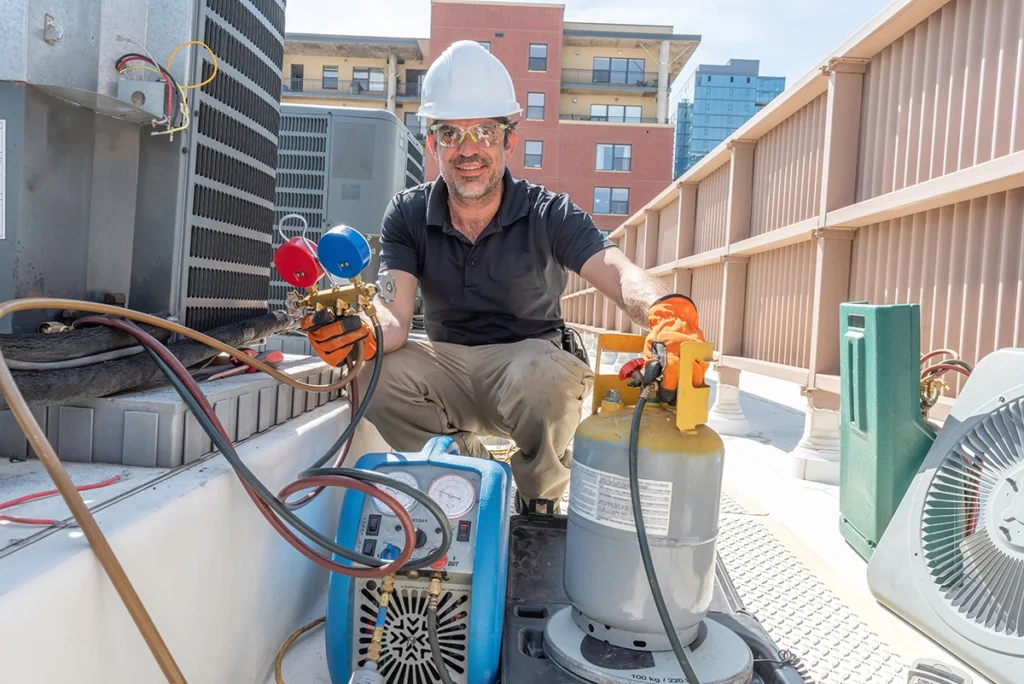
Refrigerant Recovery Machine: Essential HVAC Guide
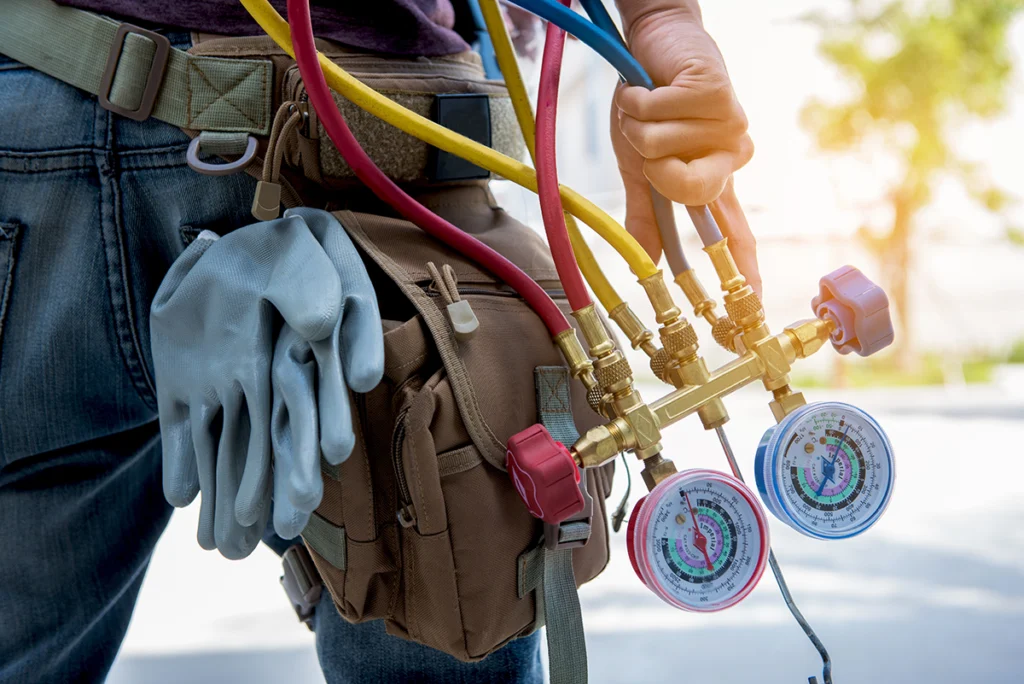
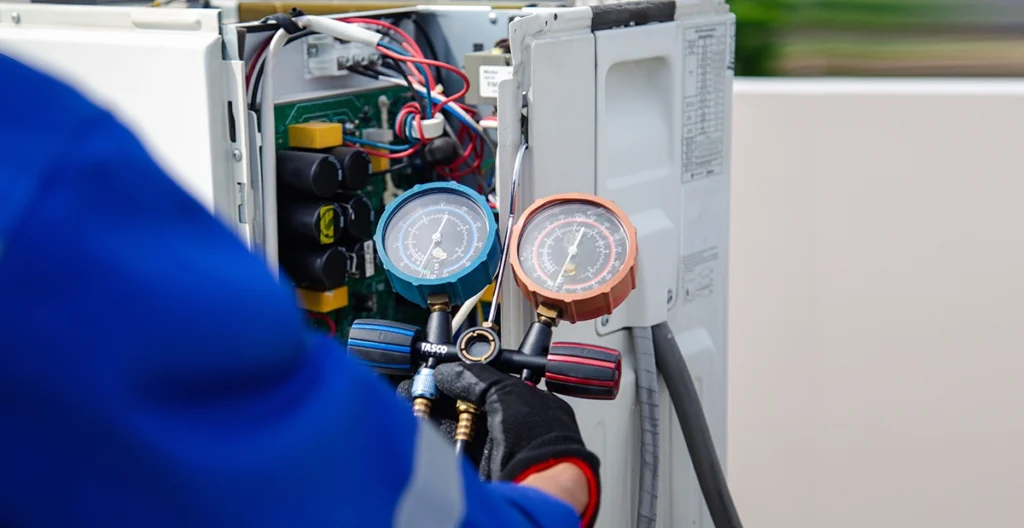
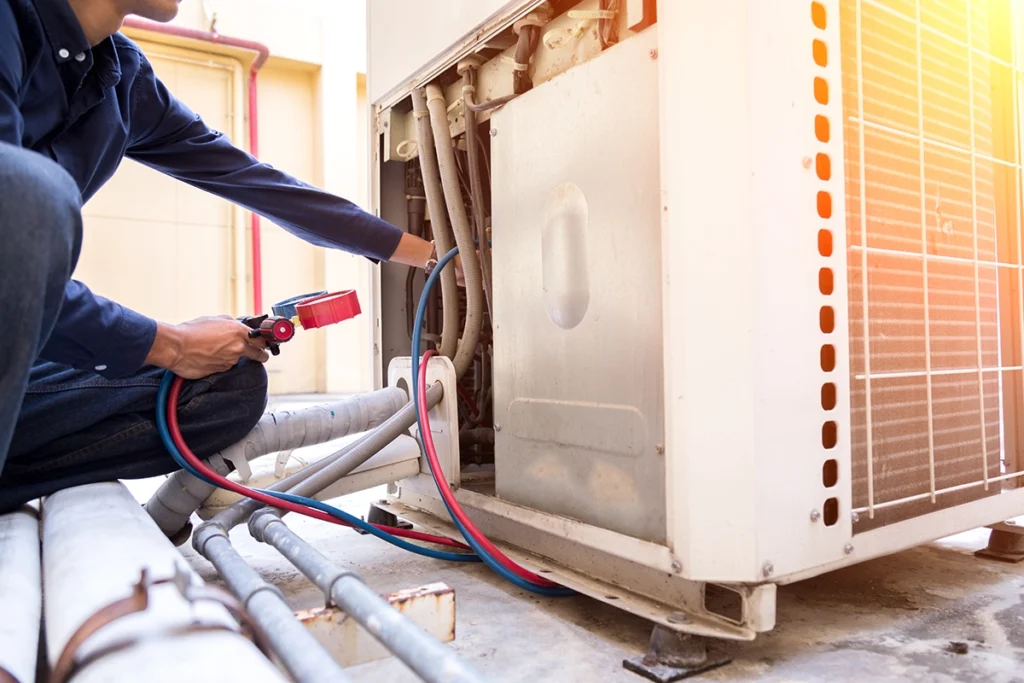
When your air conditioner needs repair or refrigerant replacement, you’ve probably wondered what happens to the old refrigerant. At C&R Services, we use a refrigerant recovery machine to safely remove and store refrigerant from your system. This equipment is essential for protecting the environment. It also helps us comply with federal regulations. Understanding how we handle refrigerant during service calls gives you peace of mind. We’re not just fixing your cooling system—we’re protecting your health, your home, and the planet while we work. What Is a Refrigerant Recovery Machine? A refrigerant recovery machine is specialized equipment designed to extract refrigerant from air conditioning and heating systems. It removes refrigerant without releasing it into the atmosphere. Think of it as a powerful vacuum system specifically engineered to safely pull refrigerant from your HVAC unit. The machine then transfers it into a containment cylinder. In fact, the machine creates enough negative pressure to draw out the refrigerant vapor and liquid, even when the system isn’t running. This process is called recovery. It’s legally required before we can perform any repairs that involve opening the refrigerant circuit. Unlike older methods that simply vented refrigerant into the air, recovery machines protect the ozone layer. They also prevent greenhouse gas emissions. The Environmental Protection Agency mandates that HVAC technicians use this equipment during any service that breaks into the refrigerant lines. We’ve invested in professional-grade recovery equipment because it’s not just the law. It’s also the right thing to do for our community and environment. Why Recovery Machines Matter for Your HVAC System You might wonder why we can’t just let the refrigerant escape during repairs. Here’s the thing: refrigerants are potent greenhouse gases that contribute to climate change when released into the atmosphere. Older refrigerants like R-22 also damage the ozone layer. That’s why federal law requires proper recovery before any repair work begins. When we arrive at your home for AC repair or system replacement, we bring our recovery machine along with our other tools. Before we disconnect any refrigerant lines, we hook up the machine. Then we extract every ounce of refrigerant from your system. This protects the environment and allows us to reuse the refrigerant if it’s still in good condition. Even if your system is completely dead and won’t run, the refrigerant is still inside the lines and coils. It’s waiting to be properly recovered. Environmental Protection Through Proper Recovery The refrigerants in your air conditioner don’t just disappear when released. Instead, they rise into the atmosphere where they remain for decades. Some refrigerants have a global warming potential thousands of times greater than carbon dioxide. By using recovery equipment on every service call, we prevent these harmful substances from entering the environment. It’s a small step that makes a huge difference when you consider how many HVAC systems we service each year. Legal Requirements and EPA Rules The Clean Air Act requires EPA certification for technicians who service refrigerant-containing equipment and prohibits intentionally venting refrigerant during service work. Technicians who vent refrigerant can face significant penalties under federal law. At C&R Services, our entire team holds proper EPA certification. We also maintain our recovery equipment to help ensure it meets EPA requirements. When you hire us, you’re working with professionals who follow the law and industry best practices. How We Use Refrigerant Recovery Machines During Service Calls When our certified technician diagnoses a refrigerant leak or prepares your system for major repairs, the recovery process is one of the first steps. We’ll connect hoses from the recovery machine to your AC’s service ports. These are the same ports used when adding refrigerant. The machine then pulls the refrigerant from your system and transfers it into a DOT-approved recovery cylinder. This process typically takes 15 to 45 minutes. The time depends on how much refrigerant your system holds and whether it’s still running. While the machine works, our technician monitors gauges to ensure complete recovery. Once the pressure drops to near-vacuum levels, the process has extracted virtually all the refrigerant. This thoroughness matters because even small amounts of remaining refrigerant can escape when the system is opened. After recovery is complete, we can safely proceed with repairs. We follow refrigerant recovery and recycling equipment certification standards established by the EPA. Recovery During System Replacement If you’re replacing an old air conditioner or heat pump, we’ll always recover the refrigerant before removing the equipment. Even systems that are 15 or 20 years old still contain refrigerant that must be properly extracted. We’ve seen competitors cut corners by simply cutting the lines and letting refrigerant vent. However, that’s illegal and harmful. Our commitment to using recovery equipment on every job—no exceptions—ensures you’re working with a company that values environmental responsibility. What Happens to Recovered Refrigerant? After we remove refrigerant from your system, we don’t just throw it away. Clean refrigerant that meets purity standards can be reused in other compatible systems. Contaminated or mixed refrigerants get sent to certified cleaning facilities. There, they’re either cleaned and recycled or properly destroyed. We track every cylinder of refrigerant we recover. We also maintain detailed records as required by EPA rules. This closed-loop system keeps refrigerants in circulation rather than making new supplies for every repair. It’s better for the environment and helps control costs for homeowners in the long run. When we refill your system after repairs, we might use recycled refrigerant that came from another system. It performs exactly the same as new refrigerant but with a smaller environmental footprint. Signs Your System Needs Refrigerant Service You can’t see or smell refrigerant under normal conditions. So how do you know when your system needs our attention? Watch for these warning signs that indicate potential refrigerant loss or contamination. Your air conditioner might be blowing warm air despite running constantly. You could also notice ice forming on the refrigerant lines or outdoor unit. Additionally, your energy bills may spike unexpectedly even though your usage hasn’t changed. Sometimes you’ll hear a hissing or bubbling