Call Us (903) 204-7571 Today

“Taught By Fathers, Trusted By Families”

Author name: Abuzar Momin

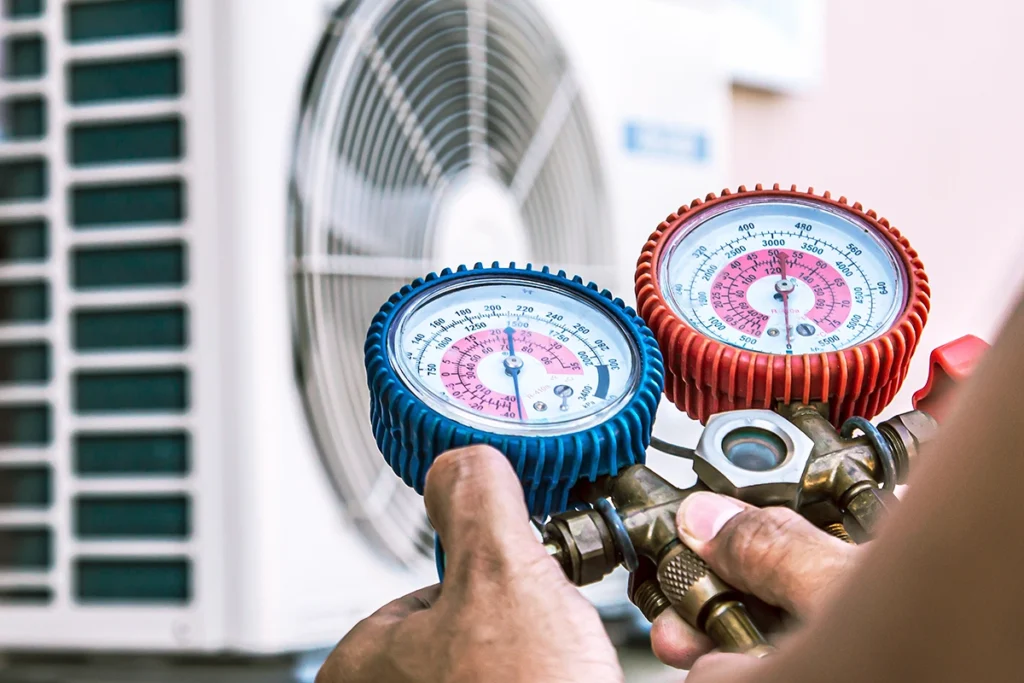
Technician checking HVAC gauges during service on an air conditioning system that uses R32 refrigerant
Air Conditioning, HVAC Systems, Mini Splits, Replacement

R32 Refrigerant: What Homeowners Need to Know

R32 refrigerant is transforming the HVAC industry as manufacturers transition away from older refrigerants. If you’re considering a new air conditioning system or mini split, understanding R32 refrigerant can help you make informed decisions about your home’s cooling needs. At C&R Services, we believe in educating our customers about the technology that keeps their homes comfortable while serving with integrity and expertise. What Is R32 Refrigerant? R32 (difluoromethane) is a next-generation refrigerant designed to replace older options like R410A in residential and commercial HVAC systems. This hydrofluorocarbon (HFC) refrigerant offers improved efficiency and reduced environmental impact compared to its predecessors. R32 has gained widespread adoption in mini split systems and newer air conditioning units due to its superior thermodynamic properties. Major HVAC manufacturers have embraced R32 as their refrigerant of choice for modern cooling equipment. Key Benefits of R32 Refrigerant R32 refrigerant has gained attention because it offers a strong mix of efficiency and environmental advantages. For homeowners comparing newer cooling systems, these benefits help explain why so many manufacturers are moving in this direction. Enhanced Energy Efficiency R32 refrigerant can support strong energy performance in properly designed HVAC systems. This improved efficiency translates to lower operating costs and reduced energy consumption for homeowners. The refrigerant’s superior heat transfer properties allow HVAC systems to cool spaces more effectively while using less electricity. Lower Global Warming Potential Environmental responsibility drives much of the industry’s shift toward R32. R32 has a Global Warming Potential (GWP) of 675, compared to R410A’s GWP of 2,088, which gives it a significantly lower environmental impact. This reduction helps manufacturers and homeowners align with the HVAC industry’s move toward lower-GWP refrigerants. Reduced Refrigerant Charge HVAC systems using R32 require approximately 20% less refrigerant charge compared to R410A systems. This reduction means lower material costs for manufacturers and potentially reduced service costs for homeowners when refrigerant replacement becomes necessary. R32 vs. Other Refrigerants Understanding how R32 compares to other common refrigerants helps homeowners appreciate its advantages: R32 vs. R410A: R32 offers better efficiency, lower environmental impact, and reduced refrigerant volume requirements R32 vs. R22: R32 is significantly more environmentally friendly than the now-banned R22 (Freon) and provides superior performance R32 vs. R134a: R32 delivers higher efficiency and better cooling capacity in similar applications Safety Considerations with R32 While R32 offers several advantages, it still requires professional handling and service. R32 is classified as mildly flammable (A2L rating), which means technicians must follow updated safety standards, leak detection procedures, and installation protocols when working with systems that use it. Because of that, homeowners should always rely on certified HVAC professionals for installation, maintenance, and repairs. Certified HVAC technicians receive specific training on R32 handling procedures, leak detection protocols, and safety requirements. The flammability characteristics require adherence to strict installation guidelines and the use of appropriate tools and techniques during service calls. Systems That Use R32 Refrigerant R32 refrigerant appears most commonly in modern mini split systems, though its adoption is expanding across various HVAC applications. Many homeowners first encounter R32 when researching how mini splits work or comparing different cooling options for their homes. Newer residential air conditioning systems, heat pumps, and commercial HVAC equipment increasingly utilize R32. The refrigerant’s compatibility with existing system designs makes it an attractive choice for manufacturers transitioning from older refrigerants. Professional Installation and Service Requirements R32’s safety characteristics require specialized knowledge and equipment that only certified professionals should handle. Licensed HVAC technicians must complete specific training programs covering R32’s properties, handling procedures, and safety protocols. Professional installation ensures proper refrigerant charging, leak testing, and system commissioning. Technicians use specialized equipment designed for A2L refrigerants, including leak detection tools calibrated for R32’s specific properties. Regular maintenance by qualified professionals helps ensure R32 systems operate safely and efficiently throughout their lifespan. Mini split maintenance becomes particularly important with R32 systems to preserve their efficiency advantages and ensure continued safe operation. Signs Your System May Use R32 Homeowners can identify R32 systems by checking equipment labels and documentation. Newer mini splits and air conditioning systems manufactured after 2018 commonly use R32, especially in residential applications. System documentation, warranty information, and equipment nameplates typically specify the refrigerant type. If you’re unsure about your system’s refrigerant, a certified technician can quickly identify it during routine service or maintenance visits. Future of R32 in HVAC The HVAC industry continues moving toward R32 as environmental regulations become more stringent and energy efficiency requirements increase. Manufacturers are investing heavily in R32 technology development, expanding its application across various system types and capacities. Homeowners investing in new HVAC equipment can expect R32 to remain the preferred refrigerant for years to come. This longevity ensures continued parts availability, service support, and technological advancement for R32-based systems. Why Choose Professional Service for R32 Systems R32’s unique properties require professional expertise for safe and effective service. At C&R Services, our certified technicians receive ongoing training on R32 handling, safety procedures, and service techniques. We understand that every service call is an opportunity to demonstrate Christ’s love through excellent workmanship and honest service. Whether you’re considering a new R32 system or need service for existing equipment, our team provides the expertise and integrity you deserve. From initial consultation through ongoing maintenance, we’re committed to serving our customers with the excellence that reflects our faith and values. Ready to learn more about R32 systems for your home? Contact C&R Services today to speak with our certified technicians about your cooling needs and how R32 technology can benefit your family. We proudly serve homeowners throughout Tyler and East Texas. Frequently Asked Questions About R32 Refrigerant Is R32 refrigerant safe for my home? R32 is safe when properly installed and serviced by certified professionals. While it has a mild flammability rating, it requires specific conditions to ignite and is designed with multiple safety features. Can I add R32 refrigerant to my old R410A system? No, you cannot mix refrigerants or convert R410A systems to R32. Each refrigerant requires specific system components and must be professionally installed in compatible
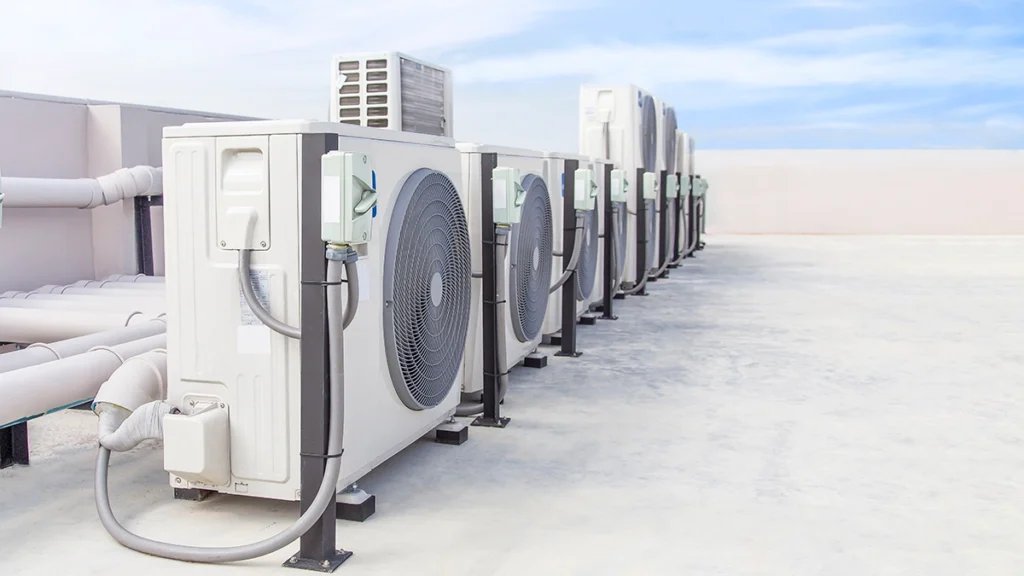
Rooftop commercial HVAC units shown in a row for commercial HVAC maintenance and system service
Commercial HVAC

Commercial HVAC Maintenance: Why It’s Critical

Running a business comes with countless responsibilities, but one that can’t be overlooked is keeping your commercial HVAC system properly maintained. Unlike residential systems, commercial HVAC equipment works harder, runs longer, and serves more people every day. That’s why commercial HVAC maintenance isn’t just recommended—it’s absolutely critical for your business success. At C&R Services, we’ve seen firsthand how preventive maintenance can save businesses thousands of dollars while keeping employees and customers comfortable year-round. When we approach each maintenance call, we’re not just checking boxes—we’re serving people and protecting the investments that business owners have worked so hard to build. What Makes Commercial HVAC Systems Different Commercial HVAC systems are complex beasts compared to residential units. They typically feature larger capacities, multiple zones, and sophisticated controls that manage air quality, temperature, and humidity across vast spaces. These systems often include: Rooftop units handling massive air volumes Chillers and boilers for heating and cooling Complex ductwork serving multiple floors or zones Building management systems with automated controls Industrial-grade air filtration systems Because these systems run continuously during business hours and handle much heavier loads than residential units, they require specialized maintenance approaches. A certified technician familiar with commercial equipment understands the unique demands these systems face and knows how to keep them running efficiently. Signs Your Commercial HVAC System Needs Professional Attention Business owners often ask us how they can tell when their HVAC system needs maintenance. While we always recommend scheduled preventive maintenance, certain warning signs indicate immediate professional attention is needed: Temperature inconsistencies across different areas of your building often signal airflow problems, faulty dampers, or issues with zone controls. If some offices are freezing while others are sweltering, your system isn’t distributing conditioned air properly. Rising energy bills without corresponding increases in usage typically indicate declining system efficiency. When HVAC components get dirty or start wearing out, they work harder to maintain the same comfort levels, driving up operating costs. Unusual noises like grinding, squealing, or rattling sounds often indicate worn bearings, loose belts, or failing motors. These sounds are your system’s way of crying for help before a major breakdown occurs. Poor indoor air quality complaints from employees or customers can indicate problems with filtration systems, ductwork contamination, or inadequate ventilation. This isn’t just a comfort issue—it can affect productivity and health. If you’re experiencing any of these issues, AC running but not cooling problems might be affecting your commercial system as well, requiring immediate professional diagnosis. What Professional Commercial HVAC Maintenance Includes When C&R Services performs commercial maintenance, we follow a comprehensive approach that addresses every critical component. A certified technician will systematically inspect, clean, and adjust your entire system to ensure peak performance. Mechanical component inspection involves checking all moving parts, including motors, fans, belts, and bearings. Your HVAC professional will look for signs of wear, lubricate components as needed, and identify parts that may need replacement before they fail. Electrical system evaluation includes testing all electrical connections, checking control systems, and verifying that safety switches and sensors are functioning properly. Electrical problems in commercial systems can be particularly dangerous and expensive if left unchecked. Refrigeration system analysis involves checking refrigerant levels, testing for leaks, and ensuring that compressors and condensers are operating efficiently. Your technician will also examine heat exchangers and coils for damage or efficiency problems. Air distribution assessment includes inspecting ductwork for leaks, checking damper operation, and verifying that air handlers are delivering proper airflow to all zones. This is particularly important in commercial buildings where air distribution affects multiple spaces. Professional maintenance also includes return air vent function evaluation to ensure proper air circulation throughout your commercial space. The Hidden Costs of Skipping Maintenance Many business owners try to cut costs by deferring HVAC maintenance, but this approach often backfires. The U.S. Department of Energy notes that neglecting air conditioner maintenance leads to declining performance and increased energy use, making regular service important for efficiency and long-term system health. Emergency repairs typically cost 3-5 times more than preventive maintenance. When a critical component fails during peak business hours, you’re not just paying premium emergency rates—you’re also losing revenue from uncomfortable customers and unproductive employees. Premature equipment replacement represents the biggest hidden cost. Commercial HVAC systems that receive regular maintenance can last 20-25 years, while neglected systems often fail after just 10-15 years. The difference in replacement costs can easily reach six figures for large commercial installations. Indoor air quality problems from poor maintenance can lead to employee sick days, reduced productivity, and even liability issues if customers or staff develop health problems related to poor air quality. How Often Should Commercial Systems Be Maintained Commercial HVAC maintenance frequency depends on several factors, including system size, usage patterns, and environmental conditions. Most commercial systems benefit from quarterly maintenance visits, with some high-use equipment requiring monthly attention. Restaurants, medical facilities, and manufacturing operations typically need more frequent maintenance due to contamination from cooking oils, medical processes, or industrial activities. Office buildings and retail spaces usually require less frequent service but still need regular attention. Your HVAC professional will develop a customized maintenance schedule based on your specific needs. This might include seasonal tune-ups before peak heating and cooling seasons, plus regular filter changes and system monitoring throughout the year. Some businesses benefit from maintenance contracts that include regular visits, priority service, and discounted repair rates. These agreements ensure your system receives consistent attention while helping you budget for maintenance costs. Energy Efficiency and Cost Savings One of the biggest benefits of regular commercial HVAC maintenance is improved energy efficiency. Clean filters, properly calibrated controls, and well-lubricated components all contribute to lower operating costs. A certified technician will optimize your system settings for maximum efficiency while maintaining comfort levels. This might involve adjusting temperature setpoints, optimizing fan speeds, or reprogramming control systems to match your actual occupancy patterns. Regular maintenance also helps identify opportunities for system upgrades that can further reduce energy costs. Your technician might recommend programmable thermostats, variable speed drives, or energy

Scroll to Top