
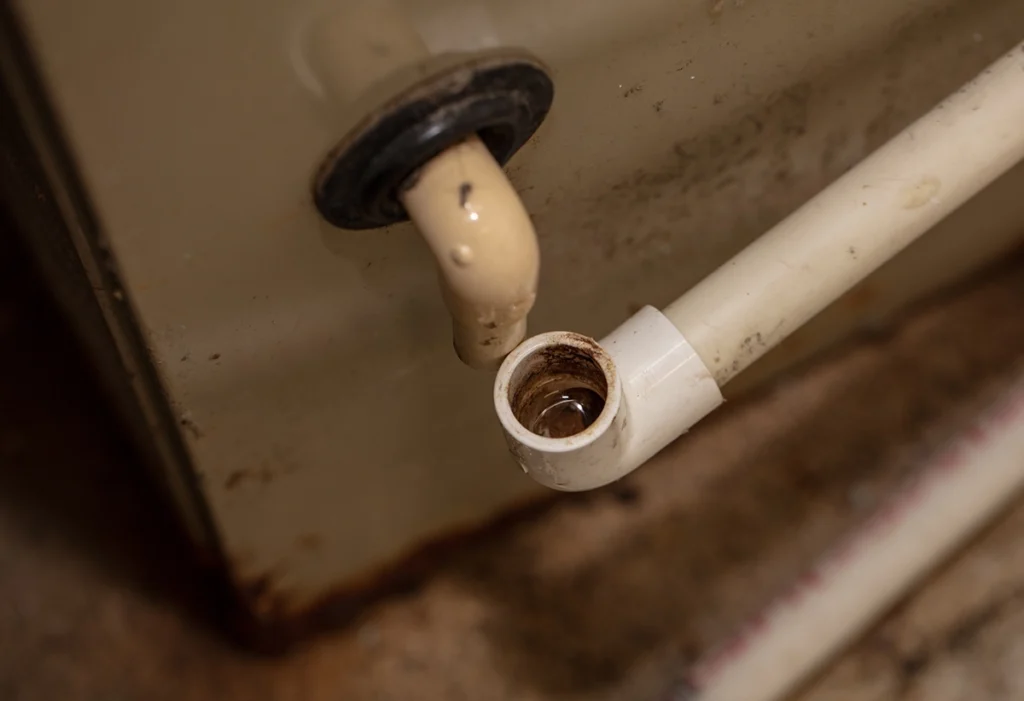
Air Handler Condensate Pan Overflowing in Henderson
You walk past your HVAC closet and hear the unmistakable sound of water dripping where it shouldn’t be. Then you spot a puddle spreading across the floor near your air handler. If you’re dealing with an air handler condensate pan overflowing in Henderson, you’re facing one of the most common yet urgent AC issues homeowners call us about, especially during our long cooling season. That overflow isn’t just a nuisance. It’s your system’s way of signaling a drainage problem that can quickly lead to water damage, mold growth, and even a complete system shutdown if the float switch kicks in. We’ve helped countless Henderson families diagnose and resolve overflowing condensate pans before they turn into expensive secondary problems, and we’re here to walk you through what’s happening and what comes next. Why Your Air Handler Condensate Pan Is Overflowing Your air handler’s condensate pan catches the moisture that drips off the evaporator coil when warm indoor air is cooled. In normal operation, that water flows out through a drain line and away from your home. When you discover water pooling around your air handler or dripping through the ceiling in your Henderson home, the pan has filled beyond its capacity. This is a clear sign that something is blocking the natural drainage path. Drain lines and pans can become clogged with dirt, debris, algae, mold growth, and other buildup. During humid summer months, your system may remove a significant amount of moisture from the indoor air. Because of this, even a partial clog can quickly lead to overflow. Algae and biofilm, a slimy layer of microorganisms, can thrive in the dark, damp environment inside the drain line. Over time, that buildup can gradually narrow the passage until water backs up faster than it can escape. We also see clogs form at the P-trap, the curved section of pipe designed to help the condensate system drain properly. Other causes include a cracked or misaligned pan, a malfunctioning condensate pump, or improper slope in the drain line itself. When we respond to an air handler condensate pan overflowing in Henderson, our licensed technicians inspect the entire drainage system. We check the pan condition, line routing, and exit point so we can pinpoint the root cause and restore safe, reliable drainage before water damage spreads. Signs Your Condensate Pan in Henderson Is Overflowing Catching an overflowing condensate pan early can save you from expensive water damage and mold remediation. One of the most obvious signs is water pooling around the base of your indoor air handler, often in your attic, closet, or utility room. You might notice damp ceiling stains directly below the unit. In severe cases, you may even see drips coming through the drywall if the pan has been overflowing for a while. In humid Henderson summers, these symptoms can appear suddenly when your system runs continuously to keep up with cooling demand. Another red flag is a musty or moldy odor near your air handler or from your supply vents. Moisture and organic buildup inside a condensate drain line can encourage algae and biofilm growth. As that buildup accumulates, it can restrict drainage and cause water to back up into the pan. If your system shuts down unexpectedly on hot days, your float switch may have tripped. This safety device is designed to cut power when water reaches a dangerous level. When you notice any of these warning signs, contact C&R HVAC right away for a professional inspection before standing water causes structural damage. What Happens When a Condensate Pan Overflows When an air handler condensate pan overflows, water doesn’t simply evaporate or drain harmlessly away. It spreads across surfaces that were never designed to handle moisture. In Henderson’s humid climate, even a small, slow leak can quickly escalate into significant property damage. Water seeping from the pan typically finds its way to ceilings, walls, insulation, and flooring below the air handler. Drywall soaks up moisture like a sponge, leaving unsightly stains, soft spots, and eventual structural weakening. If your air handler sits in an attic or utility closet, you may not notice the problem until water drips through the ceiling into a living space or you spot discoloration spreading across a bedroom or hallway. Beyond the visible damage, standing water creates favorable conditions for mold and mildew growth. Mold can develop on damp building materials when moisture problems remain unresolved. Wood framing, insulation, drywall, and nearby surfaces can all be affected. According to the EPA’s information on mold and health, mold exposure can cause allergic reactions and irritation in some people and may trigger asthma symptoms in individuals with asthma. For that reason, addressing excess moisture quickly is important for both your home and its indoor air quality. Many modern air handlers are equipped with a float switch that detects rising water levels in the drain pan. This safety device automatically shuts down the system before serious overflow occurs. If your air conditioner suddenly stops cooling and you notice water pooling near the unit, the float switch may have activated because of a drainage problem. However, a system shutdown in the middle of a Henderson summer isn’t just uncomfortable—it’s urgent. When we respond to an air handler condensate pan overflowing in Henderson, we assess the extent of any water damage and identify the root cause of the blockage. Then, we restore safe operation as quickly as possible. Ignoring the problem or relying on temporary fixes can allow the underlying drainage issue to continue. Schedule Your Air Handler Repair in Henderson Today If you’ve noticed water pooling around your air handler or found yourself emptying the condensate pan more often than you’d like, you don’t have to manage this on your own. At C&R HVAC, we understand that an air handler condensate pan overflowing in Henderson isn’t just an inconvenience. It’s a sign that something in your cooling system needs professional attention before it leads to water damage, mold growth, or a complete system shutdown. When you reach out