
Call Us (903) 204-7571 Today

“Taught By Fathers, Trusted By Families”

Author name: Abuzar Momin

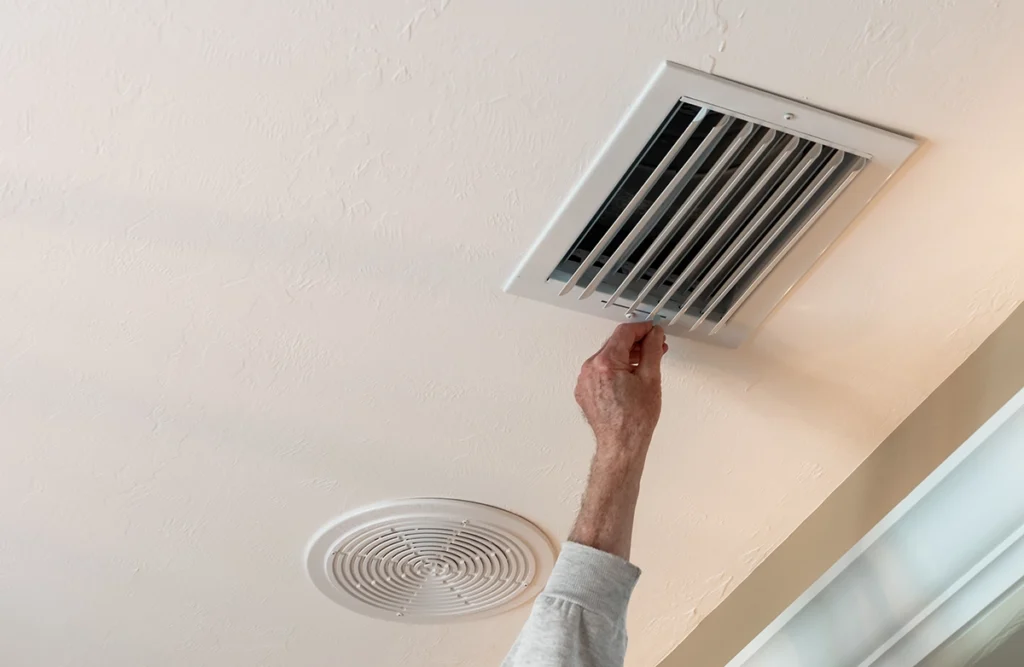
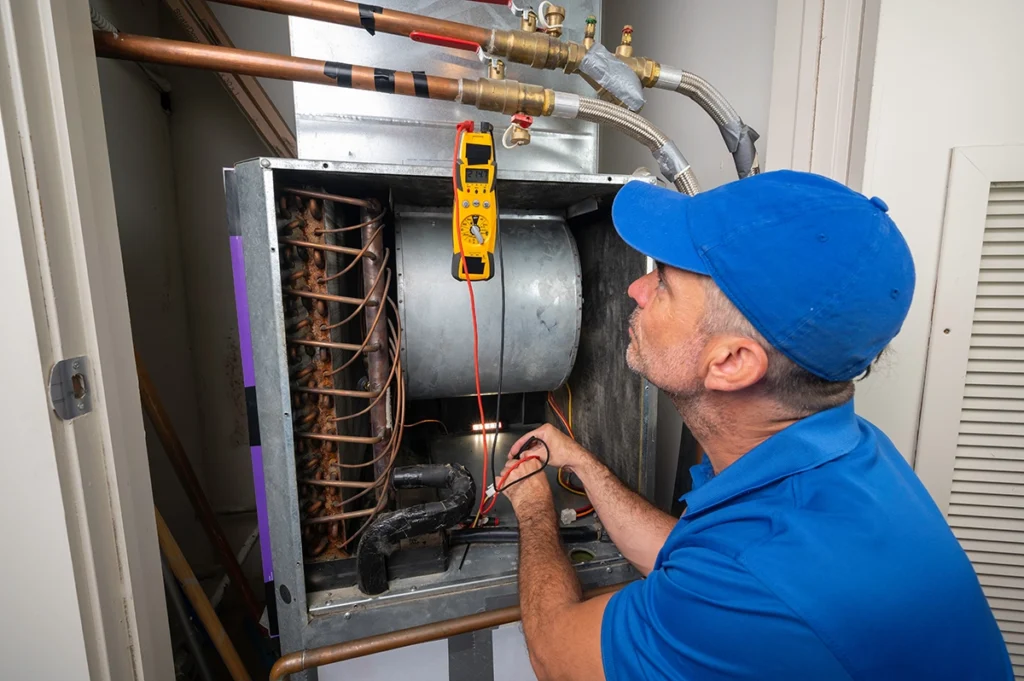
Furnace thermostat not responding to temperature changes in Brownsboro, with homeowners checking a wall thermostat in a cool living room
Furnaces, Repair, Thermostats

Furnace Thermostat Not Responding to Temperature Changes in Brownsboro

Your furnace thermostat not responding to temperature changes in Brownsboro becomes a real problem as the weather cools. The most common culprit is a dead battery or a tripped circuit breaker cutting power to the thermostat itself. Before temperatures drop further, it’s worth checking the batteries and your breaker panel. Both are quick, safe checks that take just a moment. That said, non-responsive thermostats can also point to wiring issues or a failing thermostat sensor. Or they can signal communication problems between your thermostat and furnace that require a licensed technician to diagnose safely. We’ve helped countless homeowners in Brownsboro pinpoint the root cause and restore reliable heat. So you’re not left guessing when comfort matters most. Why Your Furnace Thermostat Isn’t Responding to Temperature Changes It’s a common scenario. Few things are more frustrating during a Brownsboro winter than adjusting your thermostat and hearing nothing in response. You turn the dial or press the button. Then you wait for the familiar click and whoosh of warm air, only to hear nothing. Your furnace sits idle while the temperature in your home continues to drop. When your furnace thermostat isn’t responding to temperature changes, you’re not just dealing with inconvenience. You’re facing a potential safety concern and the very real risk of frozen pipes or extended discomfort for your household. A non-responsive thermostat can stem from several issues. Battery failure or a tripped breaker are the simplest causes. More complex problems include wiring faults or a failing control board inside the furnace itself. Sometimes the thermostat has lost its connection to the furnace. This can happen either through a loose wire or a communication error in newer digital systems. In other cases, the sensor that reads room temperature has drifted out of calibration or failed completely. That sensor is called the thermistor in most modern units. This leaves your system unable to “see” that the temperature has dropped, the same breakdown behind a thermostat that stops working altogether. Whatever the root cause, a furnace that won’t respond when you need heat is an urgent situation. Checking your thermostat batteries and breaker panel are safe initial steps. But if the system still won’t fire up, it’s time to call C&R HVAC. We can diagnose the issue quickly and restore your heating before the cold settles in. Common Causes of a Furnace Thermostat Not Responding to Temperature Changes in Brownsboro Here’s what’s usually behind it. When your furnace thermostat isn’t responding to temperature changes in Brownsboro, a few common culprits are usually to blame. Understanding these root causes helps you recognize the urgency and gives us a head start when diagnosing your system. The most frequent issue we see is a dead or dying battery in the thermostat itself. Many modern models rely on AA or AAA batteries that need replacement every year or two. When these batteries lose charge, the thermostat display may dim or disappear entirely, and communication with your furnace stops. Another common cause is a tripped circuit breaker or blown fuse dedicated to the HVAC system. This cuts power to both the thermostat and the furnace, leaving your heating unresponsive. Wiring problems often create intermittent or complete failures. Over time, loose terminal connections, corroded wires, or physical damage from pests or renovations can disrupt the low-voltage signal. That signal normally runs between the thermostat and the furnace control board. We also frequently encounter thermostats that have drifted out of calibration or accumulated dust inside the housing. Either problem can interfere with the temperature sensor. In homes with older mercury-switch thermostats, a unit that’s no longer level on the wall won’t trigger correctly. The mercury bulb inside must tilt precisely to complete the circuit. When we respond to a non-responsive thermostat call, we check power supply, wiring integrity, thermostat calibration, and the furnace control board to pinpoint the exact failure point. Professional diagnosis with a multimeter and knowledge of HVAC control circuits is the fastest path to restoring your heat. If your thermostat isn’t triggering temperature changes, contact C&R HVAC and we’ll get your Brownsboro home warm again. Safe Checks Before You Call a Technician A few quick checks help. If your furnace thermostat isn’t responding to temperature changes, a few simple observations can help you identify the issue. At the very least, they give us useful information when you contact us. First, check that the thermostat is set to “heat” mode. Also verify that the target temperature is higher than the current room reading. If you have a battery-powered model, low batteries are a common culprit. A dimmed or blank display often signals it’s time for fresh batteries. You can also verify that your furnace’s circuit breaker hasn’t tripped. Make sure the furnace power switch is in the on position. It’s often located on or near the unit and resembles a standard light switch. A tripped breaker or accidentally flipped switch can cut power to the entire system, leaving the thermostat unable to communicate. Finally, take a quick look at your air filter. A heavily clogged filter can cause the furnace to overheat and shut down repeatedly. This makes it appear unresponsive to thermostat commands. These checks are safe and require no tools. But if they don’t resolve the issue, it’s time to call C&R HVAC. We’ll diagnose wiring faults, control board failures, and other hidden problems that only professional equipment can pinpoint. Keep Your Brownsboro Home Comfortable This Winter Comfort shouldn’t be a guessing game. When your furnace thermostat isn’t responding to temperature changes, you’re left in that frustrating limbo. You might end up bundling up indoors or dealing with unpredictable heating that never quite settles where you need it. Winter in Brownsboro doesn’t bring harsh Arctic freezes. But those chilly nights and damp mornings mean you still count on reliable warmth at the touch of a button. A non-responsive thermostat doesn’t just chip away at your comfort, and left alone it can feel like the heat never turning on. It can drive up your energy
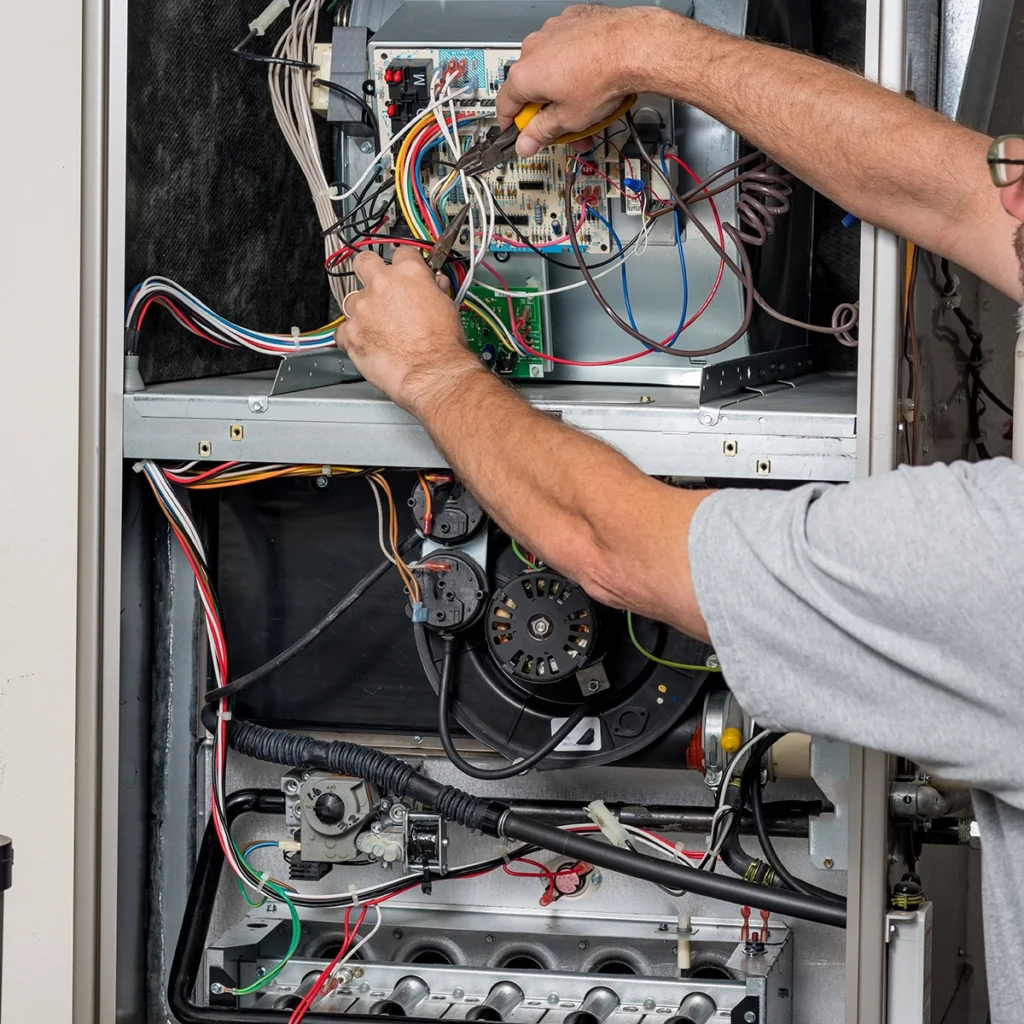
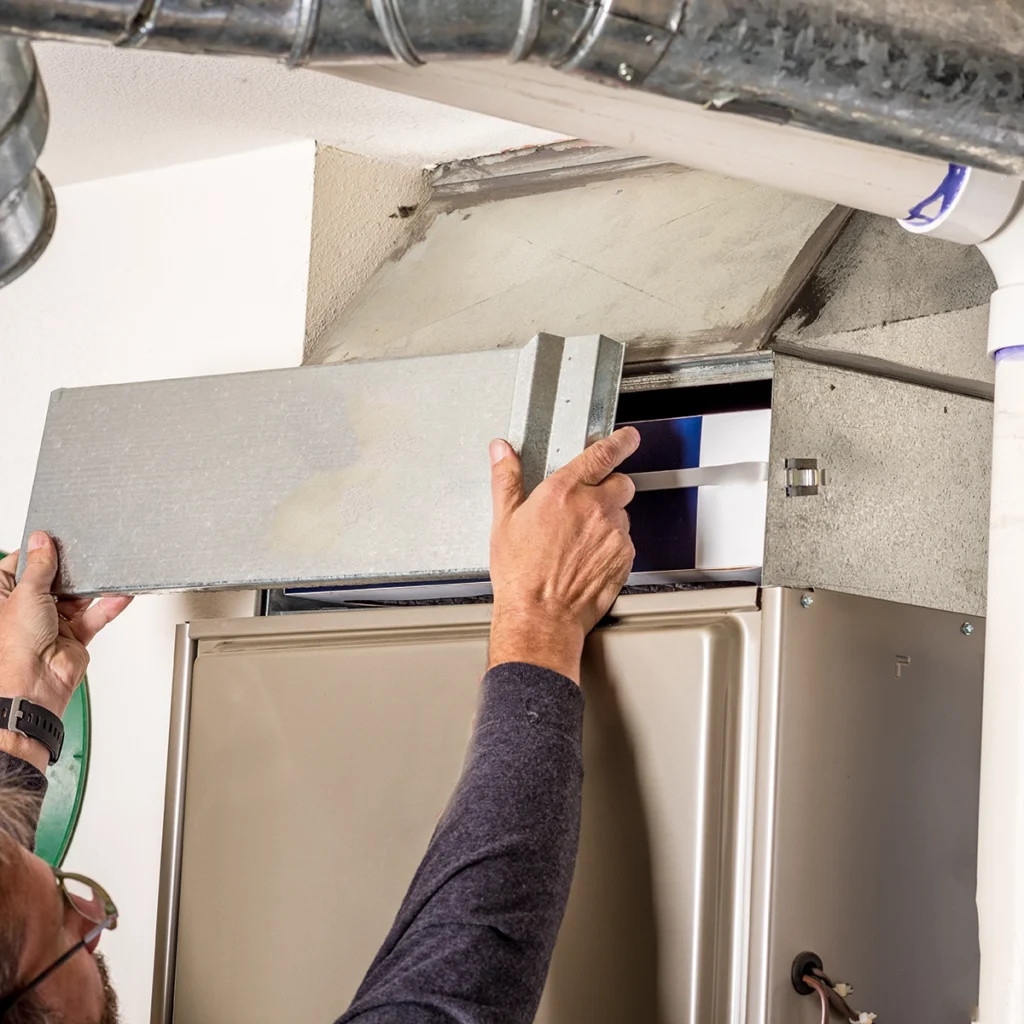
Technician inspecting furnace blower motor making a loud grinding noise in Tyler
Furnaces, Maintenance, Repair

Furnace Blower Motor Making Loud Grinding Noise in Tyler

You hear your furnace blower motor making a loud grinding noise in Tyler. That usually means something inside the blower assembly is no longer moving as smoothly as it should. The sound may come from worn motor bearings, a loose component, or a blower wheel that has shifted out of position. A furnace can make several different noises during normal operation, but persistent grinding or scraping deserves attention. The blower motor moves heated air through your ductwork and into your home, so problems with this component can eventually affect airflow and heating performance. At C&R HVAC, we help homeowners throughout Tyler and surrounding East Texas communities diagnose furnace noises. We also determine whether the blower assembly needs an adjustment, repair, or replacement. Why Is Your Furnace Blower Motor Making a Grinding Noise? The blower motor powers the fan that circulates heated air throughout your home. When the motor and blower assembly are operating correctly, you may hear a steady hum or the sound of moving air. Grinding is different. One possible cause is worn motor bearings. Bearings support the rotating shaft inside the blower motor. As they wear, the motor may begin producing grinding, scraping, or other unusual sounds. A technician may also find loose mounting hardware or a blower wheel that has shifted out of position. A technician may also find loose mounting hardware or an issue with the blower wheel. Because several components can produce similar sounds, the noise alone does not always tell you exactly what has failed. The important thing is noticing when the furnace sounds different from normal. Common Causes of a Loud Grinding Blower Motor Several mechanical problems can create this type of sound. If you have a furnace blower motor making a loud grinding noise in Tyler, several issues are common. Worn bearings, a loose blower wheel, or mounting problems are some of the first things a technician may check. Worn Motor Bearings Bearings support the rotating shaft inside the blower motor. As they wear, you may hear grinding that becomes more noticeable when the blower starts or while it runs. Depending on the motor design and its overall condition, the appropriate repair may involve servicing or replacing the motor. A Loose or Misaligned Blower Wheel The blower wheel spins rapidly to move air through the furnace and duct system. If the wheel loosens, shifts, or becomes damaged, it may rub against the surrounding housing. That contact can create a scraping or grinding noise even when the motor itself is still operating. Loose Mounting Hardware Vibration from years of furnace operation can sometimes loosen hardware around the motor or blower assembly. A motor that is no longer held securely may vibrate or shift while running. A technician can inspect the assembly and determine whether loose hardware is responsible for the sound. Debris Inside the Blower Assembly Dust and debris can accumulate around HVAC components over time. In some cases, foreign material can interfere with the blower wheel or contribute to unusual noises. Regular HVAC maintenance can help catch buildup and other developing issues before they begin affecting system operation. Signs Your Furnace Blower Motor May Be Failing A grinding furnace blower motor in Tyler may be the first symptom you notice, but blower problems can affect more than sound. Pay attention to the airflow coming from your vents. If it suddenly feels weaker than normal, the blower may no longer be moving air effectively. You could also notice certain rooms taking longer to warm up. A struggling blower motor may occasionally stop running altogether or operate inconsistently. In some cases, a broader furnace startup problem may appear alongside blower issues. Some homeowners also notice electrical problems, such as repeated breaker trips. These symptoms do not automatically mean the blower motor needs replacement. Airflow problems, for example, can also come from a dirty filter or another HVAC issue. A professional diagnosis helps separate a motor problem from another cause. Can You Keep Running a Furnace That Is Grinding? It depends on what is causing the sound, but a persistent grinding noise should not be ignored. Continued operation can allow a loose or worn component to deteriorate further. For example, a blower wheel rubbing against its housing may experience additional wear, while failing motor bearings may continue becoming noisier. If the grinding is loud or suddenly started, turning the furnace off and arranging an inspection is the safest approach. This is especially important if the noise appears along with a burning smell, smoke, repeated breaker trips, or a blower that stops moving air. You do not need to disassemble the blower compartment yourself. Furnace motors involve electrical components and moving parts that are better inspected with the power safely disconnected. A Dirty Filter Can Put Extra Strain on the System Your blower motor depends on unrestricted airflow through the HVAC system. A heavily clogged filter makes it harder to move air through the furnace. The EPA notes that a dirty, clogged filter can reduce airflow, increase furnace run time, and increase wear on the blower motor. Checking the filter is one simple step you can take before scheduling service. If it is visibly dirty, replace the furnace filter with the correct size and type for your system. Regular maintenance matters, too. ENERGY STAR recommends checking filters regularly and cleaning or adjusting blower components to maintain proper system airflow. However, replacing a dirty filter is unlikely to eliminate a true mechanical grinding sound caused by worn bearings or a damaged blower assembly. If your furnace blower motor is still making a loud grinding noise, the system should be inspected. Repairing vs. Replacing a Furnace Blower Motor Hearing a grinding noise does not automatically mean you need a new furnace. In some cases, the problem may involve a loose blower wheel, mounting hardware, or another component that can be corrected without replacing the entire motor. Other situations involve a motor that has worn enough that replacement makes more sense. Several factors influence that decision, including: The

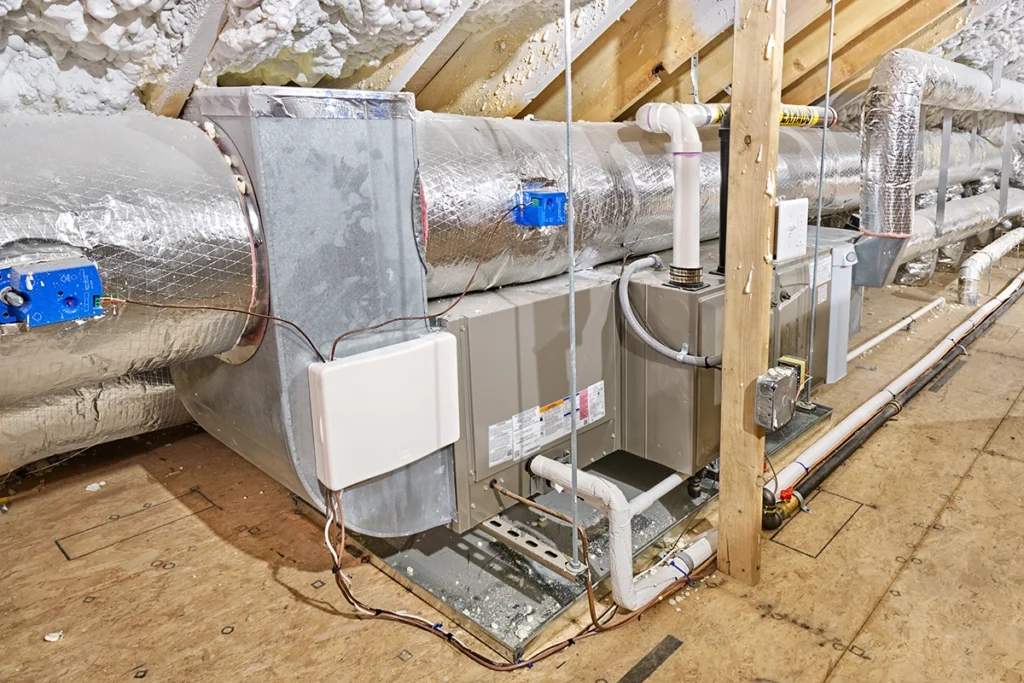
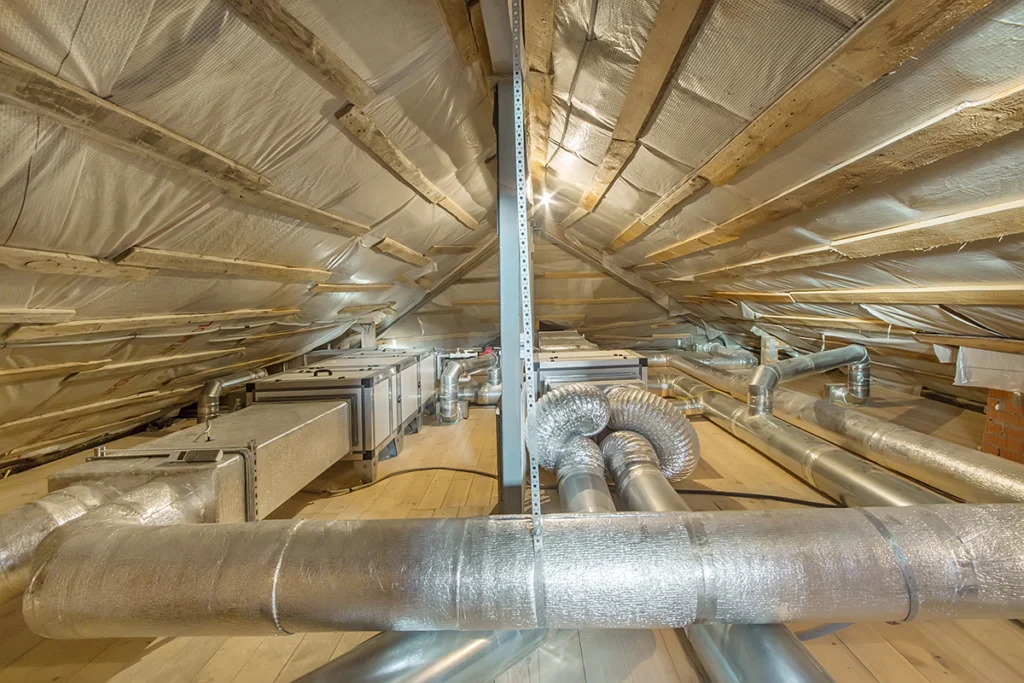
Air handler ductwork leaking cool air in Swan TX attic
Ductwork, Energy Efficiency, Repair

Air Handler Ductwork Leaking Cool Air in Swan, TX

If you’re feeling weak airflow from your vents, noticing warm spots throughout your home, or hearing a hissing sound near your air handler, you may be dealing with air handler ductwork leaking cool air in Swan, TX. When ductwork develops gaps, tears, or disconnected joints, conditioned air escapes into your attic, crawlspace, or walls before it ever reaches the rooms you’re trying to cool. As a result, your system runs longer, your energy bills climb, and comfort suffers. Sometimes the issue is as simple as a loose connection at a boot or plenum. Other times, hidden leaks require professional detection equipment and sealing methods. Either way, we’re here to help you understand what’s happening, what to look for as warning signs, and when it’s time to call our team for a thorough inspection and repair. Why Is Cool Air Leaking from Your Air Handler Ductwork? When you notice cool air escaping from your air handler ductwork in Swan, TX, it’s usually a sign that the connections or seals have failed where the ducts meet the unit itself. These leaks commonly develop at the supply plenum—the large sheet-metal box that connects directly to your air handler. Over time, sealant tape or mastic breaks down at these joints. High summer temperatures in attics and utility closets speed up this breakdown. Even small gaps can waste conditioned air before it ever reaches your living spaces. Beyond wasted energy, duct leaks near your air handler create hidden problems. Negative pressure inside the ductwork can pull in dusty, unconditioned air from the attic or crawlspace. According to ENERGY STAR, sealing ducts can improve indoor air quality by reducing the risk of pollutants entering and circulating through your home. You might notice your system running longer or uneven temperatures between rooms. Your electric bill may also rise even though nothing else has changed. That’s why addressing air handler ductwork leaking cool air in Swan, TX should be a priority when these symptoms appear. When we inspect an air handler for duct leaks, our team checks every connection point. We test static pressure in the system and look for mechanical damage or sagging sections that can pull joints apart. We’re licensed, insured, and stand behind our work with a workmanship warranty. If you’re experiencing cool air leaks around your air handler, contact C&R HVAC for a thorough diagnosis and professional sealing service. Signs of Air Handler Ductwork Leaking Cool Air When your air handler ductwork is leaking cool air, you’ll often notice signs before you even see the physical damage. One of the clearest indicators is uneven cooling throughout your Swan home—some rooms feel comfortable while others stay warm despite the thermostat setting. You might also hear whistling or hissing sounds near your air handler or in the utility closet. These noises signal air escaping through gaps or disconnected joints. Your energy bills often tell the story, too. When conditioned air leaks into unconditioned spaces like attics or crawl spaces, your system runs longer cycles to reach the set temperature. Consequently, your monthly costs climb. You may also feel warm air blowing from supply vents in rooms farthest from the air handler. Another telltale sign is visible dust accumulation around vent grilles, which indicates that return-side leaks are pulling in dusty attic air. Recognizing these patterns early helps you address air handler ductwork leaking cool air in Swan, TX before the problem worsens. If you spot any of these symptoms, we recommend a professional inspection. Our team uses methods like visual checks and static pressure testing to pinpoint leaks. Static pressure testing measures the resistance to airflow in your duct system. Our licensed technicians can assess whether sealing, reconnecting sections, or insulation upgrades will restore your system’s efficiency. Warning Signs You Can Observe Before Calling Us Before you contact us, observing a few key indicators can help you share helpful details that speed up the diagnosis when we arrive. First, check your thermostat and confirm the system is set to “cool” with a temperature setting lower than the current room reading. Sometimes a simple mode mix-up mimics a duct-leak symptom. Next, take note of your air filter’s condition inside the air handler or return vent. A clogged filter restricts airflow and can make duct leaks more noticeable when weak airflow fails to pressurize the system properly. Walk through your Swan home and notice whether cool air seems to be escaping near visible ductwork, registers, and return grilles. This is especially important in areas where you can safely observe the attic or crawlspace. Pay attention to whether certain rooms feel comfortable while others stay warm. That pattern tells our technicians where to focus their leak search. Also note whether your system seems to be running normally or if you’re experiencing any intermittent cooling issues. These observations don’t fix the problem. However, they give our licensed team a clearer starting point for a fast, accurate repair when dealing with air handler ductwork leaking cool air in Swan, TX. How We Find and Repair Ductwork Leaks in Swan, TX When we respond to reports of air handler ductwork leaking cool air in Swan, TX, our licensed technicians start with a systematic inspection of the entire duct system. We use a combination of visual examination and specialized diagnostic tools to locate every leak, not just the obvious ones. A duct pressure test uses a calibrated blower to pressurize the system while measuring airflow loss. This helps us quantify how much conditioned air you’re losing and identify hidden gaps in walls, attics, or crawlspaces. Thermal imaging cameras reveal temperature differences along duct runs, showing us where cold air escapes through compromised seals or damaged insulation. In many Swan homes, we find the biggest culprits at connection points near the air handler itself, where sections join or flex duct attaches to metal plenums. Professional Sealing Methods That Last Once we’ve mapped out every leak, our certified technicians select the appropriate repair method based on the severity and location. Small gaps and seams

Air handler filter bypass causing dust circulation in Hideaway TX
Ductwork, Indoor Air Quality, Maintenance

Air Handler Filter Bypass Causing Dust Circulation in Hideaway, TX

If you’re noticing dust settling faster than usual on furniture, floating in the air near your vents, or aggravating allergies despite regular cleaning, an air handler filter bypass causing dust circulation in Hideaway, TX could be the hidden culprit. When your air handler’s filter doesn’t seal properly or air finds a way around it, unfiltered air flows straight into your ductwork and throughout your home. That means all the dust, pollen, and particles the filter should trap circulate freely instead. Over time, this doesn’t just create a cleaning headache. It can also reduce your system’s efficiency, strain equipment, and even affect your family’s indoor air quality. We’ve seen this problem in quite a few Hideaway homes, and once we identify the bypass, the fix makes a noticeable difference right away. What Is an Air Handler Filter Bypass? Your air handler’s filter is designed to trap dust, pollen, pet dander, and other airborne particles before they circulate through your home. But when the filter doesn’t seal properly against its frame, air takes the path of least resistance. It flows around the filter instead of through it. This is what we call a filter bypass, and it defeats the entire purpose of filtration. In fact, gaps around filters can reduce overall filtration effectiveness by allowing air and particles to move around the filter media instead of through it. When air bypasses your filter, you’re essentially running a partially unfiltered HVAC system. Dust, dirt, and allergens can get pulled straight into the air handler. Then they’re distributed throughout your HVAC ductwork and into your living spaces. You might notice a fine layer of dust settling on furniture just days after cleaning. Family members may experience increased allergy symptoms despite a “clean” filter. Understanding that air handler filter bypass causing dust circulation in Hideaway, TX is a common problem helps homeowners recognize the symptoms early. In Hideaway, TX, where seasonal pollen and dust are already common concerns, a filter bypass can make indoor air quality significantly worse. Common causes include installing the wrong filter size, using warped or damaged filter frames, missing gaskets on the filter door, or simply not seating the filter properly during a change. When we inspect an air handler for excessive dust circulation, checking the filter seal is one of our first diagnostic steps. Even a relatively small gap can compromise filtration performance. Signs Your Air Handler Filter Bypass Is Causing Dust Circulation When air finds a gap around your filter instead of flowing through it, you’ll often notice symptoms throughout the home. The most obvious sign is an increase in visible dust on furniture, shelves, and window sills. This can happen even shortly after cleaning. You might also see a gray or brown film building up on vents and registers, especially near return grilles. Family members with allergies or asthma may notice worsening symptoms because unfiltered air can carry pollen, pet dander, and other irritants into living spaces. Another telltale indicator is when your filter looks surprisingly clean after several weeks of use. If a significant amount of air is moving around the filter media rather than through it, less dust reaches the filter itself. Gaps around improperly installed filters can also allow air to bypass filtration and reduce the system’s ability to capture airborne particles. You might also hear a whistling or rushing sound near the filter compartment, which can indicate air moving through a gap around the filter. When we respond to dust circulation concerns in Hideaway, TX, our licensed technicians inspect the filter track, cabinet seals, and filter dimensions. We identify where bypass is occurring and recommend the right solution for your system. Recognizing that air handler filter bypass causing dust circulation in Hideaway, TX can happen in any home allows residents to take action before the problem worsens. Why Filter Bypass Happens in Hideaway Homes Filter bypass occurs when air takes the path of least resistance around your filter instead of through it. It’s more common than most homeowners realize. Air handler filter bypass causing dust circulation often starts when your HVAC system pulls air through gaps around the filter frame rather than forcing it through the filter media itself. As a result, some of the dust, pollen, and debris you’re trying to capture can continue circulating through your home. We see this issue in Hideaway homes, and it typically stems from a handful of correctable causes. The most frequent culprit is using the wrong filter size. Even a small gap along one side creates a route for air to move around the filter. Many homeowners grab a filter at the store without checking their air handler’s exact dimensions. That mismatch can contribute to ongoing dust circulation. Worn or missing gaskets around the filter rack are another common problem. Over time, the foam or rubber seals that should help create a tight fit can compress, crack, or fall away completely. We also find poorly sealed filter racks where gaps exist between the housing and surrounding ductwork. According to EPA guidance on residential HVAC filtration, bypass airflow around a poorly fitted filter can reduce filtration effectiveness. Higher-efficiency filters may also create greater resistance to airflow, making proper filter sizing, fit, and installation especially important. When we inspect an air handler for bypass issues, we check the filter fit and examine seals and gaskets. We also verify the rack installation and evaluate airflow through the system. Addressing these root causes stops air from slipping around the filter and restores the system’s ability to capture airborne particles more effectively. When to Call C&R HVAC About Dust Circulation in Hideaway, TX If you’re seeing a steady film of dust on furniture just days after cleaning, noticing increased allergy symptoms indoors, or finding dust around your supply vents, it’s time to schedule a professional inspection. Filter bypass—when air slips around your air handler filter instead of through it—usually won’t resolve until the source of the gap is corrected. Over time, it can reduce the effectiveness of your home’s filtration

Heat pump compressor not shutting off in Gladewater TX
Heat Pumps, Maintenance, Repair

Heat Pump Compressor Not Shutting Off in Gladewater, TX

When the fall weather starts to cool off in Gladewater, TX, you expect your heat pump compressor to cycle on and off throughout the day — not run continuously without stopping. If you’ve noticed your heat pump compressor not shutting off in Gladewater, TX, it’s more than just a noisy inconvenience. A compressor that won’t turn off can drive up your energy bills, put unnecessary strain on your system, and signal an underlying issue that could lead to bigger problems if left unaddressed. The good news is that most of the time, a qualified technician can pinpoint the cause quickly and get your heat pump cycling normally again. In this post, we’ll walk you through the most common reasons your compressor keeps running, what signs to watch for, and when it’s time to call our team for a professional diagnosis. Why Your Heat Pump Compressor Won’t Shut Off When your heat pump compressor runs continuously without cycling off, it’s usually signaling a control or electrical problem rather than normal operation. A properly functioning heat pump should cycle as needed to maintain your set temperature. If you notice your outdoor unit running nonstop even after your home reaches the desired temperature, you’re likely dealing with an issue that needs attention. One possible culprit is a stuck compressor contactor. This electrical component controls power to the compressor. A compressor contactor that becomes welded closed can cause the outdoor unit to continue running, even when the thermostat is no longer calling for heating or cooling. Other possible causes include faulty thermostat wiring, a malfunctioning control board, or incorrect thermostat settings. Refrigerant or airflow problems can also make a heat pump run much longer than it should as it struggles to reach the thermostat setting. When we respond to a heat pump compressor not shutting off in Gladewater, TX, we start by testing the contactor and inspecting the control circuit to pinpoint exactly where the failure occurred. If your compressor won’t stop running, contact C&R HVAC for a licensed diagnosis. Continuing to operate a malfunctioning system can place additional stress on the compressor and other components. Signs Your Compressor Is Running Nonstop The most obvious symptom is noise that never stops—your outdoor unit hums, buzzes, or vibrates continuously, even after your home reaches the temperature set on your thermostat. You might also notice that the outdoor fan blade keeps spinning long after the indoor air handler has cycled off. Many homeowners first catch this during a quiet evening or overnight, when the persistent mechanical sound becomes impossible to ignore. Another telltale sign is rising energy consumption. If your utility bills spike without a corresponding change in weather or usage, a compressor that won’t shut off is often the culprit. You may also see ice forming on the refrigerant lines or outdoor coil, even in Gladewater’s warm climate, because the system is overcooling and the evaporator coil (the indoor component that absorbs heat) can’t keep up with the nonstop cycle. Recognizing these warning signs early can help you address a heat pump compressor not shutting off in Gladewater, TX before the problem escalates into more expensive damage. In some cases, the issue stems from damaged thermostat wiring—according to HVAC service records, weeds, staples, rodents, or simple deterioration can cause faulty signals that keep the compressor running. When we respond to these calls, we inspect both the outdoor compressor contactor and the control wiring to pinpoint the root cause and restore normal cycling. What to Check Before Calling a Technician Before you reach out to us, a few quick checks can help rule out simple causes and give our team valuable diagnostic information when we arrive. Start by examining your thermostat settings. If the fan is set to “on” instead of “auto,” the indoor blower may run continuously, which can make it seem like the entire system won’t shut off. Switch it to “auto” and give the system a few minutes to respond. Next, check your air filter. A clogged filter restricts airflow and can force the system to work harder and run longer to reach the temperature you’ve set. If the filter looks dirty, replace it with the correct size and type for your system. Then, step outside and visually inspect the outdoor unit. Clear away leaves, grass clippings, and other debris that may be restricting airflow around the cabinet. Dirty coils force HVAC equipment to work harder and increase stress on motors and compressors. If the outdoor coil looks heavily coated with dirt or you notice damaged fins, mention it when you schedule service rather than attempting a deeper repair yourself. If none of these checks resolve the issue, give C&R HVAC a call. A heat pump compressor that won’t shut off in Gladewater may signal an electrical, control, or refrigerant problem that requires professional diagnosis. When to Call C&R HVAC About a Nonstop Compressor If your heat pump compressor won’t shut off in Gladewater, TX, don’t wait for a breakdown to force the issue. A compressor cycling continuously signals a control problem, refrigerant issue, or sensor failure—none of which will resolve on its own. The longer the unit runs without rest, the faster internal components wear out and the higher your utility bills climb. You’re also risking a complete compressor failure, which is one of the most expensive repairs a heat pump system can face. We recommend calling C&R HVAC as soon as you notice the compressor running nonstop for several hours, especially if the outdoor temperature doesn’t justify constant operation. We’ll inspect the thermostat wiring, test the control board and contactors, measure refrigerant levels and superheat (the temperature difference between refrigerant and surrounding air), and check all safety switches. Our technicians have extensive experience diagnosing a heat pump compressor not shutting off in Gladewater, TX, and we know exactly what to look for to restore proper cycling. We stand behind our work with a workmanship warranty, and we offer financing options to help manage repair costs. Contact our team today for

Air handler condensate pan and drain line in a Whitehouse, TX attic
HVAC Systems, Maintenance, Repair

Air Handler Condensate Pan Overflowing in Whitehouse, TX

An air handler condensate pan overflowing in Whitehouse, TX can quickly escalate from a minor nuisance to a serious problem that damages your ceiling, walls, insulation, and even the structural framing beneath your system. When that drain pan can’t keep up with the moisture your AC pulls from humid Texas air, water spills over and often drips through drywall, soaking into wood and creating perfect conditions for mold and rot. Because East Texas summers produce gallons of condensation every day, a clogged or malfunctioning drain system doesn’t just waste water — it puts your home at risk. At C&R Services, we help homeowners understand what’s happening inside the air handler, recognize the warning signs early, and know when it’s time to call a licensed technician before a small leak turns into a costly repair. Why Is My Air Handler Condensate Pan Overflowing? Your air handler’s condensate pan sits beneath the evaporator coil. It catches the water that drips off the coil as it removes humidity from your home’s air. In a properly functioning system, that water flows out through a drain line and away from the unit. When you notice water pooling around your indoor air handler or spilling onto the floor, the pan has exceeded its capacity. That’s a clear sign that something in the drainage pathway has failed. The U.S. Department of Energy’s Building America Solution Center notes that condensate drain pans should be corrosion-resistant and installed to properly collect and drain moisture. The most common culprit in Whitehouse homes is a clogged drain line. Over time, algae, dirt, and other debris can build up inside the PVC line and narrow the passage until water collects faster than it can drain. A blockage is especially likely during humid East Texas summers, when your system runs longer cycles and produces more condensate. If you want to understand more about how the pan itself works, we’ve also explained the common warning signs and problems associated with an air conditioner drain pan. Other Problems That Can Cause a Condensate Pan to Overflow Beyond clogs, we also see overflow caused by a cracked or rusted pan, which is common in older systems. A malfunctioning condensate pump, improper drain-line pitch, or even a severely dirty air filter can also trigger the problem. When the filter restricts airflow, it can cause the evaporator coil to freeze. As the ice melts, the extra water may overwhelm the pan. If you’re experiencing an air handler condensate pan overflowing in Whitehouse, TX, understanding these causes helps you take the right action quickly. When we respond to an overflow call, we first identify where the blockage or failure has occurred. Then we clear the line, repair the pan, or address the airflow issue. That restores proper drainage before water damages your ceilings, walls, or flooring. Warning Signs Your Condensate Pan Is Overflowing Spotting an overflow early can save you from expensive repairs down the road. The most obvious sign is water pooling around the base of your indoor air handler, which is usually found in your attic, closet, or utility room. You might notice dripping sounds, dampness on the floor, or visible water stains spreading across your ceiling or walls. These stains often start small and grow over time if the pan continues to overflow. Recognizing the signs of an air handler condensate pan overflowing in Whitehouse, TX is the first step toward protecting your property from serious water damage. Another telltale symptom is a persistent musty or moldy odor near your HVAC system. Standing water creates damp conditions where mold and mildew can grow. The EPA notes that controlling moisture is key to controlling mold because mold cannot grow without moisture. You may also notice rust or corrosion forming on the pan itself, which can indicate that water has been sitting there longer than it should. If you notice any of these warning signs in your Whitehouse home, turn off your system and call C&R Services right away. We’ll inspect the condensate pan, identify the root cause, and address the issue before the water damage gets worse. What to Check Before You Call Before you pick up the phone, a few quick observations can help you provide useful information when we talk. Start by noting when you last changed your air filter. Typically, you’ll find it in a return-air grille or inside the air handler itself. A clogged filter restricts airflow over the evaporator coil and can cause the coil to freeze. When that ice melts, the additional water may overwhelm the condensate pan. If you’ve noticed ice or frost along with the leak, this article to an AC freezing up explains some of the common causes behind that problem. If the filter looks dark, matted, or hasn’t been changed in months, that’s important information for us. Next, look for the condensate drain line. It’s usually a three-quarter-inch PVC pipe near the outdoor unit or attached to the air handler. Note whether you see visible standing water, algae, or wet spots around the access point. Spotting a backup can help us narrow down where the problem may be. Finally, check your thermostat settings and breaker panel to confirm the system is receiving power. When you call C&R Services, this information can help us begin narrowing down the issue. These observations are particularly useful when dealing with an air handler condensate pan overflowing in Whitehouse, TX, because several different drainage and airflow problems can produce similar symptoms. Get Expert Help with Your Condensate Pan Issue When you’re dealing with an overflowing condensate pan, the smartest decision you can make is to reach out to a licensed professional before the problem escalates. At C&R Services, we understand that a little water on the floor might not seem urgent. Yet we’ve seen firsthand how quickly a seemingly minor overflow can lead to expensive water damage, mold growth, and even a complete system failure. Every day you wait, moisture continues spreading through insulation, drywall, and subflooring. That damage costs far

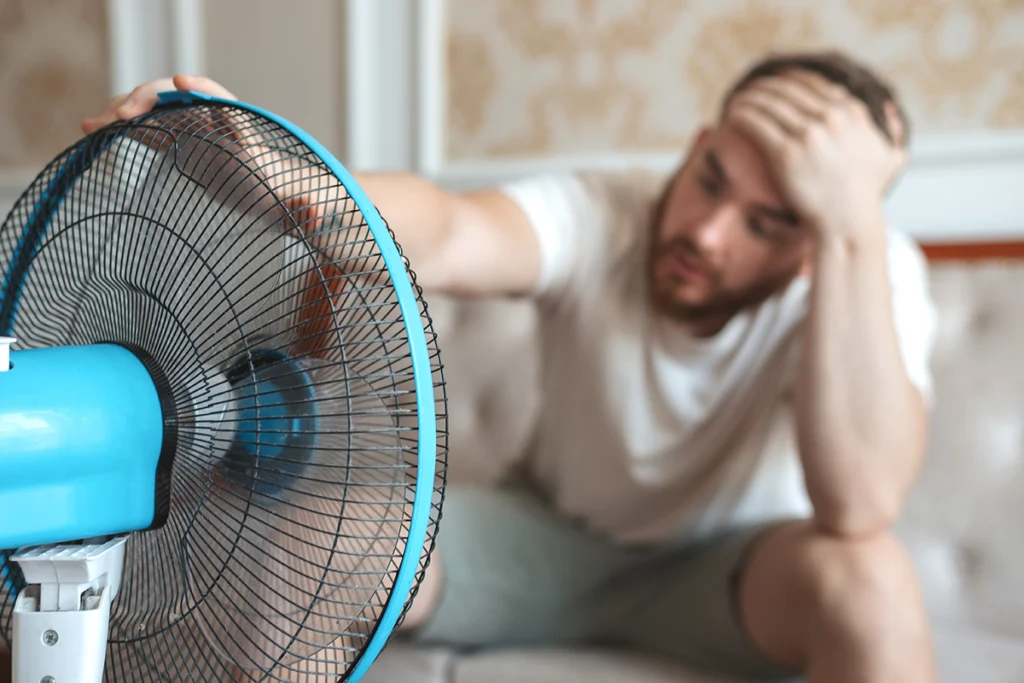
Man using a fan because of an air conditioner refrigerant leak causing weak cooling in Athens.
Air Conditioning, Maintenance, Repair

Air Conditioner Refrigerant Leak Causing Weak Cooling in Athens

When an air conditioner refrigerant leak is causing weak cooling in Athens, we see the same frustration on every homeowner’s face — the system runs constantly, but the house never quite gets comfortable. We respond to these calls year-round, especially during those stretches of Texas heat when your AC should be running strong but just can’t keep up. Refrigerant is the lifeblood of your cooling system, so even a small leak dramatically reduces your unit’s ability to pull heat out of your home. Because refrigerant leaks don’t fix themselves and tend to worsen over time, understanding the warning signs and acting quickly can save you from bigger repair bills and a lot of uncomfortable nights. Why an Air Conditioner Refrigerant Leak Causes Weak Cooling When your air conditioner struggles to keep your Athens home comfortable on a hot August afternoon, refrigerant is often the hidden culprit. Refrigerant is the chemical that actually absorbs heat from inside your home and releases it outdoors. Think of it as the workhorse of your cooling system. When a leak develops anywhere in the sealed copper lines, you lose that cooling capacity one ounce at a time. The result? Warmer air from your vents, longer run times, and rooms that never quite reach the temperature you set on the thermostat. You might notice the system running constantly without ever shutting off. Ice building up on the refrigerant lines near your outdoor unit is another telltale sign that refrigerant levels have dropped below where they should be. Many homeowners assume the fix is simply topping off the refrigerant, but that’s only half the story. The leak itself must be located and sealed by a certified technician, or you’ll face the same problem again in weeks or months. ENERGY STAR notes that proper refrigerant charge helps reduce energy consumption and decreases the risk of system failure. When we respond to a refrigerant leak call, we use specialized electronic detection tools and UV dye to pinpoint even the smallest puncture or corrosion point. We then handle all refrigerant recovery, leak repair, pressure testing, and system recharging to the manufacturer’s exact specifications. In the end, this process restores the cooling performance your home deserves. Signs of an Air Conditioner Refrigerant Leak in Athens When your air conditioner develops a refrigerant leak, the symptoms become noticeable quickly—especially during Athens summers. You might first notice weak airflow from your vents even though the system runs constantly. This leaves your home warmer than the thermostat setting. Low refrigerant can also contribute to conditions that cause your evaporator coil to freeze, further restricting airflow and cooling performance. If you see ice forming on the copper refrigerant lines near your outdoor unit or around the indoor coil, that’s a strong indicator that your system needs professional inspection. Other warning signs include hissing or bubbling sounds coming from the unit. That’s refrigerant escaping through a crack or failed connection. Your energy bills may climb as the system works harder to achieve the same cooling. You might also notice an unexplained oily residue around the unit. If you observe these symptoms, turn off your system to avoid placing additional stress on the equipment. Then call C&R HVAC right away. We’ll locate the leak, repair it properly, and restore your system to the manufacturer’s specified refrigerant level. Common Causes of Refrigerant Leaks and Weak Cooling Refrigerant leaks don’t happen overnight. They develop gradually, often because of normal wear, environmental exposure, or installation issues that appear years later. An air conditioner refrigerant leak causing weak cooling in Athens can begin as a tiny problem before noticeably affecting your home’s comfort. Understanding the most common causes helps you recognize when an AC running but not cooling may have a problem beyond basic airflow and needs professional attention. One of the leading culprits we see in Athens is vibration-induced wear. Your outdoor unit runs thousands of hours each cooling season. Constant vibration can loosen fittings or create small cracks at solder joints where refrigerant lines connect. Corrosion is another frequent cause. Over time, moisture and environmental contaminants can deteriorate coils and line sets. Eventually, tiny pinhole leaks may form and slowly release refrigerant. We also encounter formicary corrosion in evaporator coils. This type of internal pitting can develop through chemical reactions with airborne contaminants. As a result, tiny pathways form that allow refrigerant to escape even when the coil looks intact. Installation Issues and Physical Damage Some refrigerant leaks trace back to installation problems that remain hidden for years. Improperly brazed joints, overtightened fittings, or tubing that wasn’t properly prepared can gradually weaken under normal system operation. Physical damage can also cause a leak. For example, lawn equipment may strike exposed refrigerant lines near the outdoor unit. Falling branches or other impacts can also damage tubing or connections. In addition, damaged insulation around the refrigerant lines can leave components more exposed to weather and wear. Rodents may also chew through insulation, increasing the risk of damage around the line set. Regardless of the cause, refrigerant loss should be diagnosed professionally. Finding the exact leak location allows the technician to repair the source rather than simply adding more refrigerant. When to Call C&R HVAC for a Refrigerant Leak in Athens If you suspect your system is losing refrigerant, don’t wait. Weak cooling, ice on the copper lines, or hissing sounds near your outdoor unit are all reasons to reach out to us right away. Running your air conditioner with a refrigerant leak forces the system to work harder and may contribute to larger equipment problems. The sooner we can locate and repair the leak, the less stress your system endures. When you call C&R HVAC, we’ll start with a thorough inspection of your system’s refrigerant lines and components. We use specialized leak detection tools to pinpoint even small leaks. Then we repair the affected area and restore your system to the manufacturer’s specifications. We’ll also check for any damage the leak may have caused, so you know your air conditioner

Air handler producing a musty smell from the evaporator coil in Whitehouse, with a homeowner checking an HVAC ceiling vent.
HVAC Systems, Indoor Air Quality, Maintenance

Air Handler Producing Musty Smell From Evaporator Coil in Whitehouse

Is your air handler producing a musty smell from the evaporator coil in Whitehouse? In most cases, that odor points to moisture buildup on the evaporator coil itself. That buildup allows mold or mildew to grow in the dark, damp environment inside your air handler cabinet. Because humidity is common in East Texas, condensation on the coil is normal. But when airflow slows or the drain system backs up, that moisture lingers long enough for odor-causing growth to take hold. While you can check your air filter and condensate drain pan for obvious clogs, a thorough cleaning of the evaporator coil and the drain line requires a licensed technician. That professional can safely access the sealed air handler and address both the source of the smell and the conditions that allowed it to develop. Why Your Air Handler Produces a Musty Smell From the Evaporator Coil in Whitehouse When you detect a musty, mildew-like odor flowing from your vents, the evaporator coil inside your air handler is one possible source. The air conditioner evaporator coil is where warm indoor air passes over a cold surface so the system can remove heat and moisture. As humidity condenses on the coil, water should drip into the drain pan and flow away through the condensate line. However, dust, pet dander, pollen, and other particles can gradually collect on the damp coil surface. When moisture lingers, those conditions can support mold, mildew, bacteria, and other biological growth. As a result, you may notice an unpleasant odor whenever the blower circulates air through your Whitehouse home. That distinctive wet-sock odor is often associated with dirty sock syndrome. The problem can become more noticeable during heavy cooling periods because the evaporator coil repeatedly collects condensation as the system removes humidity from your indoor air. A dirty filter or drainage problem can make matters worse. Restricted airflow may change how the coil operates, while a partially clogged condensate line can leave excess moisture around the coil and drain pan. Over time, lingering moisture and organic buildup can create conditions that allow musty odors to continue. When we respond to an air handler producing a musty smell from the evaporator coil in Whitehouse, we inspect the coil, drain pan, condensate line, and airflow throughout the air handler. We determine where moisture or buildup is collecting and whether the coil needs professional cleaning. We also check whether a drainage or airflow issue needs attention so the odor doesn’t simply return after cleaning. How Humidity Causes a Musty Smell From the Evaporator Coil in Whitehouse Excess moisture is a major factor when an air handler is producing a musty smell from the evaporator coil in Whitehouse. During normal cooling, warm indoor air passes over the cold evaporator coil. Moisture in that air condenses on the coil and should drain away through the condensate system. Problems develop when that moisture cannot leave the system properly. A clogged drain line, damaged drain pan, excessive buildup, or other drainage issue can leave surfaces damp longer than they should be. In Whitehouse’s humid summer conditions, that persistent moisture can create an environment where mold and mildew grow more easily. The EPA’s A Brief Guide to Mold, Moisture and Your Home explains that moisture control is key to controlling indoor mold. The agency specifically recommends keeping air-conditioning drip pans clean and keeping drain lines unobstructed and flowing properly. The air conditioner drain pan plays an important role in that process. It sits beneath the evaporator coil and collects condensation before directing the water into the drain line. If that line becomes clogged with debris or biological buildup, water can collect in the pan instead of draining normally. Standing moisture can then contribute to musty odors around the air handler. Poor airflow can also contribute to coil problems. A heavily clogged filter or restricted return airflow changes the amount of warm air moving across the evaporator coil. Therefore, when we investigate an air handler producing a musty smell from the evaporator coil in Whitehouse, we don’t look at the coil alone. Instead, we inspect the coil surface, drain pan, condensate line, filter, and airflow conditions. That complete evaluation helps us determine why moisture is lingering and what needs to be corrected. Initial Diagnostic Checks Every Whitehouse Homeowner Should Perform Before scheduling a service call, you can perform a few simple checks that may help you understand what’s happening inside your system. Start by examining your air filter. If it’s heavily covered with dust and debris, airflow through the air handler may be restricted. Also note how long the filter has been installed. Replacement frequency varies depending on the filter type, household conditions, pets, and system usage. Therefore, follow the filter manufacturer’s recommendations rather than relying on a single replacement schedule for every home. Next, look around your indoor unit for signs of drainage trouble. Check for standing water, staining, or moisture near the air handler. You can also visually inspect accessible portions of the condensate drain line for obvious signs of a backup. However, avoid opening equipment panels or reaching into the air handler. If you’re dealing with an air handler producing a musty smell from the evaporator coil in Whitehouse, pay attention to when the odor appears. For example, note whether it’s strongest immediately after the AC starts, remains constant while the blower runs, or appears along with visible moisture. Those details can help us narrow down the source. You can also check your thermostat’s fan setting. If you’re unsure whether the fan should be set to “auto” or “on” for your particular system, we can evaluate the setup during service and recommend the appropriate setting for your home’s cooling and humidity-control needs. These checks won’t remove existing buildup from the evaporator coil or clear a hidden drainage blockage. However, they give us useful information when we arrive. For thorough coil cleaning and system inspection, contact C&R HVAC. We’re ready to identify the source of the odor and restore normal operation. Critical Warning Signs

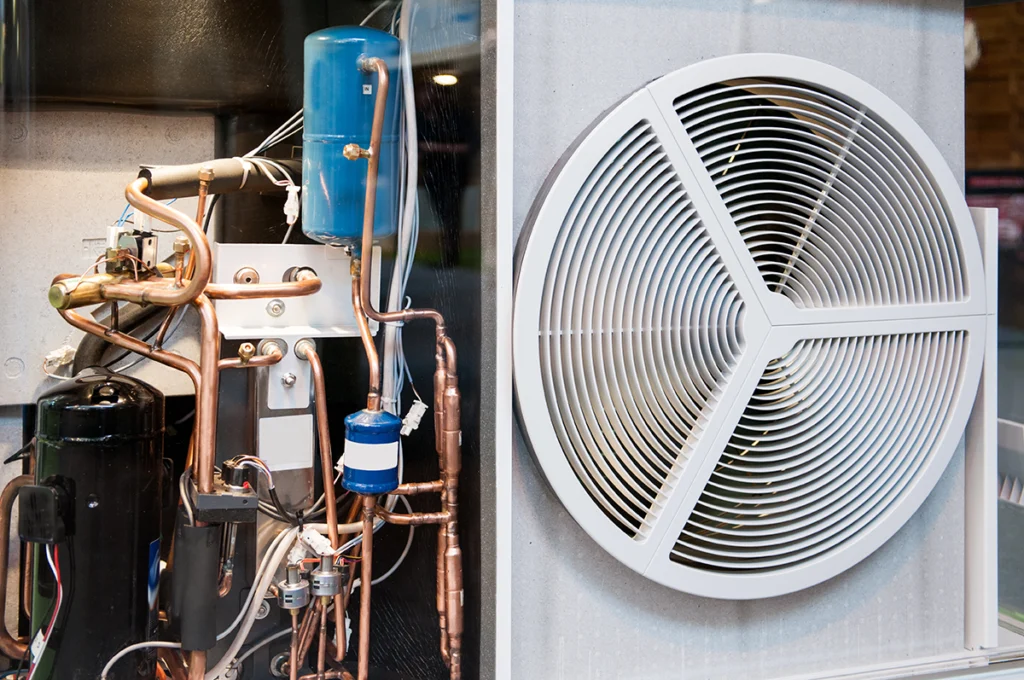
Air conditioner refrigerant leak from outdoor unit in Ben Wheeler, TX illustrated with an outdoor AC condenser and refrigerant tank.
Air Conditioning, Maintenance, Repair

Air Conditioner Refrigerant Leak from Outdoor Unit in Ben Wheeler, TX

If your air conditioner refrigerant leak from your outdoor unit in Ben Wheeler, TX is leaving behind oily residue, causing ice buildup on the copper lines, or making your home feel warmer even though the system runs constantly, you’re dealing with a problem that won’t fix itself. Refrigerant leaks don’t just hurt your comfort — they force your AC to work harder, spike your energy bills, and can even damage the compressor if left unchecked. Because refrigerant is a controlled substance and requires specialized equipment to handle safely, this is one issue that always calls for a licensed professional. We’ve helped countless homeowners in Ben Wheeler diagnose and repair refrigerant leaks, and we’re here to walk you through what’s happening, why it matters, and what the repair process looks like so you can make an informed decision. What Causes an Air Conditioner Refrigerant Leak from the Outdoor Unit in Ben Wheeler, TX? Your outdoor AC unit contains copper coils and connections that carry refrigerant—the substance that absorbs heat from your home and releases it outside. Over time, several factors can compromise these components and lead to leaks. Corrosion is one possible cause. Moisture, outdoor contaminants, and normal aging can gradually weaken metal surfaces. Eventually, small pinhole leaks may form and allow refrigerant to escape. Physical damage is another possible cause. Hail, falling branches, lawn equipment, or ongoing vibration can damage tubing and connections. Installation problems can also create weak points that develop leaks months or years later. A leak may also develop around an HVAC service valve. These valves are located near the outdoor unit and give technicians access to the refrigerant circuit for testing and service. Damaged seals, valve cores, or connections can allow refrigerant to escape. When we investigate an air conditioner refrigerant leak from your outdoor unit in Ben Wheeler, TX, we inspect vulnerable points throughout the system. That includes coil surfaces, service valves, line sets, and joints. We use specialized diagnostic equipment to pinpoint the source before recommending the appropriate repair. If you notice ice buildup, warm air from your vents, oily residue, or a hissing sound near your outdoor unit, contact C&R HVAC for a professional inspection. Finding the source matters because adding refrigerant alone won’t correct the underlying leak. Signs Your Ben Wheeler AC Has a Refrigerant Leak Refrigerant leaks don’t always cause an immediate system failure. However, your air conditioner may begin showing noticeable performance changes as the refrigerant level drops. One common warning sign is warm air coming from your vents even though the thermostat is set to cool. Because AC refrigerant carries heat through the cooling system, a low refrigerant charge can reduce your air conditioner’s ability to remove heat from your home. You may also notice the system running for long periods without reaching the thermostat setting. Another telltale symptom is ice buildup on the refrigerant lines or evaporator coil. Low refrigerant is one possible reason an AC starts freezing up, although restricted airflow and other system problems can cause freezing as well. That is why professional diagnosis is important before assuming refrigerant is the problem. You might also hear hissing or bubbling near the outdoor unit if refrigerant is escaping through a damaged connection or small opening. Oily residue around a coil, valve, or refrigerant-line connection can also indicate a possible leak because refrigerant circulates with compressor oil. If you suspect an air conditioner refrigerant leak from the outdoor unit in Ben Wheeler, TX, contact C&R HVAC for an inspection. Our technicians can evaluate system operation, locate the source of refrigerant loss, and determine what repair is necessary. Why an Air Conditioner Refrigerant Leak from the Outdoor Unit Requires Professional Repair Refrigerant work isn’t a typical DIY air conditioning repair. According to the EPA’s Section 608 Technician Certification Requirements, technicians who maintain, service, repair, or dispose of equipment in ways that could release refrigerant must hold the appropriate EPA certification. That requirement includes common refrigerant-service tasks such as connecting gauges and adding or removing refrigerant. As a result, diagnosing an air conditioner refrigerant leak from your outdoor unit in Ben Wheeler, TX requires proper training, procedures, and specialized equipment. Accurate diagnosis also matters because low refrigerant symptoms can resemble other AC problems. Ice buildup, weak cooling, and long run times may also result from restricted airflow or failing components. Our technicians use electronic leak detectors, pressure measurements, temperature readings, and other diagnostic methods to determine whether refrigerant is actually escaping and where the problem is located. Once we find the source, we can repair or replace the affected component. Depending on the system, that may involve a coil connection, service valve, refrigerant line, or another part of the sealed circuit. Afterward, we test the repair and restore the system according to the equipment manufacturer’s specifications. This process addresses the source of the refrigerant loss instead of simply adding more refrigerant and waiting for the problem to return. Contact C&R HVAC for an Air Conditioner Refrigerant Leak in Ben Wheeler, TX When you suspect an air conditioner refrigerant leak from the outdoor unit in Ben Wheeler, TX, the safest next step is to schedule professional service. At C&R HVAC, our technicians arrive with specialized diagnostic equipment to locate the source of the refrigerant loss. Whether the problem involves a coil, service valve, connection, or damaged tubing, we’ll determine the appropriate repair before restoring the system’s refrigerant charge. We stand behind every repair with our workmanship warranty, and we offer financing options to help manage the cost of unexpected repairs. Our team serves Ben Wheeler and the surrounding area, so local availability means you won’t wait long for relief. Refrigerant leaks don’t fix themselves, and running a low system risks compressor damage that multiplies your expense. Addressing the issue now keeps your air conditioner running efficiently through the hottest months and for years ahead. Schedule your refrigerant leak inspection with C&R HVAC today. We’re ready to restore your cooling system and help you enjoy reliable comfort all season long. Frequently

Air handler producing musty smell from evaporator coil in Jacksonville TX being inspected by HVAC technician
HVAC Systems, Indoor Air Quality, Maintenance

Air Handler Producing Musty Smell From Evaporator Coil Jacksonville TX

You walk into your home after work, and instead of cool, fresh air, you’re hit with a damp, earthy smell that makes you wonder if something’s growing inside your HVAC system. If you’re dealing with an air handler producing musty smell from evaporator coil in Jacksonville, TX, excess moisture and microbial buildup around the coil may be responsible. Humid East Texas summers can leave cooling components damp, especially when drainage or airflow problems develop. Before calling us, it’s worth checking your air filter and the condensate drain pan near the air handler for visible standing water or blockage. Both can contribute to excess moisture and unpleasant odors. However, safely inspecting and thoroughly cleaning an evaporator coil often requires specialized tools and knowledge. Our licensed technicians can identify the source of the odor and address the conditions contributing to it. Air Handler Producing Musty Smell From Evaporator Coil in Jacksonville, TX: Common Causes When you notice a musty odor every time your system kicks on, the air conditioner evaporator coil inside your air handler is one of the first places to investigate. This component absorbs heat from your indoor air as part of the cooling process. At the same time, moisture from warm, humid air condenses on the cold coil surface. In Jacksonville’s humid climate, the coil handles significant moisture throughout the cooling season. Normally, that water collects in the condensate pan and drains away. However, dust, pollen, pet dander, and other debris can collect on the damp coil and surrounding components. When moisture lingers, those conditions can encourage mold or mildew growth. If you have an air handler producing musty smell from evaporator coil in Jacksonville, TX, masking the odor won’t address the moisture source. The U.S. Environmental Protection Agency notes that cooling coils can be a significant source of moisture contamination within HVAC systems. The EPA also recommends making sure condensate pans drain properly and checking for standing water or debris. When we respond to a musty smell from air conditioning, we inspect more than the coil itself. We also check the condensate drain pan, drainage system, surrounding cabinet, and airflow conditions. Finding the source of the excess moisture helps us determine why the odor developed in the first place. How Condensation Leads to an Air Handler Producing Musty Smell From the Evaporator Coil Your evaporator coil naturally produces condensation while your air conditioner runs. Under normal conditions, that moisture drains into the condensate pan and exits through the drain line. Problems develop when water remains around the coil longer than it should. Several HVAC issues can contribute to excess moisture. A clogged condensate drain can leave standing water inside the air handler. Meanwhile, restricted airflow from a dirty filter may cause the coil to become excessively cold and collect additional condensation. Indoor humidity can also play a role. When humidity remains elevated, your cooling system has more moisture to remove from the air. Airflow problems, duct leaks, drainage issues, and certain thermostat or fan settings can make it harder for the system to manage that moisture effectively. These are some of the conditions we check when diagnosing an air handler producing musty smell from evaporator coil in Jacksonville, TX. Persistent microbial buildup around the evaporator coil may also contribute to dirty sock syndrome, which causes a distinctive stale or musty odor when the HVAC system runs. Because several moisture and airflow problems can produce similar symptoms, identifying the exact source is important. When we inspect an air handler with a persistent musty odor, we check the coil for buildup and examine the conditions around it. That includes airflow, drainage, humidity, and the condensate system. Cleaning the coil may address existing contamination, but correcting the moisture source is also important if you want to keep the odor from quickly returning. Quick Observations Every Homeowner Should Make Before Scheduling Service Before you reach out to us, there are a few safe observations you can make. These won’t replace a professional inspection, but they can provide useful clues when you’re dealing with an air handler producing musty smell from evaporator coil in Jacksonville, TX. Start with your air filter. A heavily clogged filter restricts airflow across the evaporator coil. If the filter looks gray, matted, or visibly dirty, it may be contributing to poor airflow and excess moisture around the coil. Replace it according to your system’s requirements if it’s due for a change. Next, check your thermostat’s fan setting. If the fan is set to “on” rather than “auto,” the blower runs continuously. That can move air across damp HVAC components even when the compressor isn’t actively cooling, making a musty odor easier to notice throughout the house. You can also look for visible standing water around the indoor unit or condensate drain pan. Water where it doesn’t belong, dark buildup around the pan, or signs of a backed-up drain all warrant further inspection. Avoid opening the air handler cabinet or applying household cleaners directly to the evaporator coil. Coil cleaning requires the right products and access methods to avoid damaging delicate fins or other HVAC components. Why an Air Handler Producing a Musty Smell From the Evaporator Coil Needs Attention A persistent musty smell shouldn’t be ignored. If mold or mildew is present inside the air handler, contaminants may enter the airflow whenever the system operates. For households with allergies, asthma, or other respiratory sensitivities, maintaining clean HVAC components is especially important. Coil buildup can affect system performance as well. Dirt and organic debris can interfere with heat transfer, forcing the air conditioner to run longer to cool your home. Over time, that additional workload can increase energy use and place unnecessary strain on HVAC components. The underlying moisture problem can create additional issues. For example, a clogged condensate line may cause water to overflow, while airflow problems can contribute to a frozen coil. Addressing the source early can reduce the risk of those secondary problems. Our licensed technicians can inspect the evaporator coil, drain pan, condensate line,

Scroll to Top