
Call Us (903) 204-7571 Today

“Taught By Fathers, Trusted By Families”

Author name: Abuzar Momin

Homeowner sitting beside a fan in a warm room while dealing with an AC not blowing cold air.
Air Conditioning, Maintenance, Repair

AC Not Blowing Cold Air: Common Causes and When to Call for Help

Many homeowners assume their AC not blowing cold air means the compressor has failed or refrigerant is leaking, but in fact, the most common culprit is something much simpler — a clogged air filter restricting airflow. Before you worry about major repairs, check your filter; if it’s thick with dust, replacing it may restore your cool air in minutes. That said, several other issues can keep your system from cooling properly, and some do require a licensed technician to diagnose and repair safely. We’ve seen everything from frozen evaporator coils to failed capacitors, and while a few causes have simple explanations, others involve refrigerant, electrical components, or mechanical failures that only a professional should handle. Why Your AC Isn’t Blowing Cold Air When your air conditioner runs but doesn’t deliver cool air during Tyler’s hottest months, several common issues may be at work. One frequent culprit is a refrigerant leak—low refrigerant means your system can’t absorb enough heat from your home, leaving you with lukewarm air at the vents. Another is a frozen evaporator coil, which can happen when airflow drops due to a dirty filter or blocked return vents. Blocked condensate drain lines can trigger safety switches to shut down indoor units when water levels rise, cutting off cooling even though the fan keeps running. Electrical problems—like a failed capacitor or contactor—can also prevent your compressor from starting, so you’ll feel air movement without any temperature drop. Finally, a malfunctioning thermostat may signal your system incorrectly, keeping it from entering cooling mode at all. Because these causes range from simple filter swaps to refrigerant-circuit diagnostics that require specialized gauges and EPA certification, we recommend a licensed technician inspect your system. We use calibrated tools to pinpoint whether you’re dealing with airflow, refrigerant, electrical, or control issues—and we’ll walk you through the findings before any work begins. Quick Checks Before You Call Before you reach out to our team, a few quick checks can help you understand what’s happening—and give us helpful information when you do call. First, confirm your thermostat is set to “cool” and the temperature setting is lower than the current room temperature. Next, check your air filter. ENERGY STAR recommends checking your air filter every month during heavy-use seasons and replacing it when it looks dirty. A clogged filter restricts airflow and can cause the evaporator coil to freeze, preventing the system from cooling effectively. If your filter is visibly clogged with dust and debris, replacing it may improve airflow. However, if the system still isn’t cooling, a technician should inspect it for frozen coils, refrigerant problems, or other underlying issues. If your system isn’t responding at all, look at your electrical panel to see if a breaker has tripped. Step outside and take a look at your outdoor unit. Clear away any leaves, grass clippings, or debris blocking the fins, and check for visible ice buildup on the refrigerant lines. If you spot ice, turn the system off to prevent compressor damage. These simple checks won’t fix the underlying issue, but they help us diagnose faster—and sometimes reveal a quick adjustment that gets you comfortable again. When you’re ready, we’re here to inspect, diagnose, and restore your cooling. Common Causes of AC Not Blowing Cold Air When your AC runs but doesn’t deliver cold air, the culprit usually falls into one of four categories. Understanding each cause helps you describe symptoms to our technicians and sets realistic expectations for what the repair will involve. Low refrigerant is one of the most frequent issues. If your system is losing refrigerant through a slow leak, the evaporator coil can’t absorb enough heat from your indoor air. You might notice ice forming on the copper lines near the outdoor unit or hear a hissing sound. A certified technician will use electronic leak detectors and pressure gauges to pinpoint the source, repair the leak, and recharge the system to the manufacturer’s specification—work that requires EPA 608 certification. Dirty evaporator or condenser coils act like an insulating blanket, blocking heat transfer. Dust and grime on the indoor coil prevent it from absorbing warmth, while a clogged outdoor coil can’t release heat to the outside air. During a maintenance visit, we clean both coils and check airflow across each surface. Compressor problems stop refrigerant circulation altogether. If the compressor (the pump that moves refrigerant through the system) fails or struggles to start, warm air is all you’ll get. Signs include a humming outdoor unit that won’t kick into full operation or a breaker that trips repeatedly. Airflow blockages—from a clogged filter, closed supply vents, or a failing blower motor—mean cold air never reaches your living spaces, even if the coil is producing it. If you’ve checked your filter and vents, we’ll inspect the blower assembly, ductwork, and return pathways to restore proper circulation. Call C&R HVAC so a licensed technician can diagnose the exact cause and get your system cooling again. When to Call a Licensed HVAC Technician If your air conditioner isn’t blowing cold air and a quick check of your thermostat, filter, and breaker doesn’t restore cooling, it’s time to call a licensed HVAC technician. Refrigerant leaks, compressor failure, frozen evaporator coils, and electrical faults all require specialized tools and training to diagnose safely. Continuing to run a struggling system can turn a straightforward repair into a costly component replacement. When you contact C&R HVAC, our licensed team arrives with diagnostic equipment to measure refrigerant levels, test electrical components, and inspect the entire system for failures. We’ll explain what we find, discuss your options, and provide a detailed estimate before starting any work. We also offer financing and payment plans to help manage unexpected repairs. Don’t wait until a hot Texas summer day puts your family’s comfort at risk—reach out as soon as you notice warm air from your vents. Get Your Cool Air Back Fast When your air conditioner isn’t blowing cold air, every hour you wait means higher indoor temperatures, rising humidity, and harder-working equipment that’s
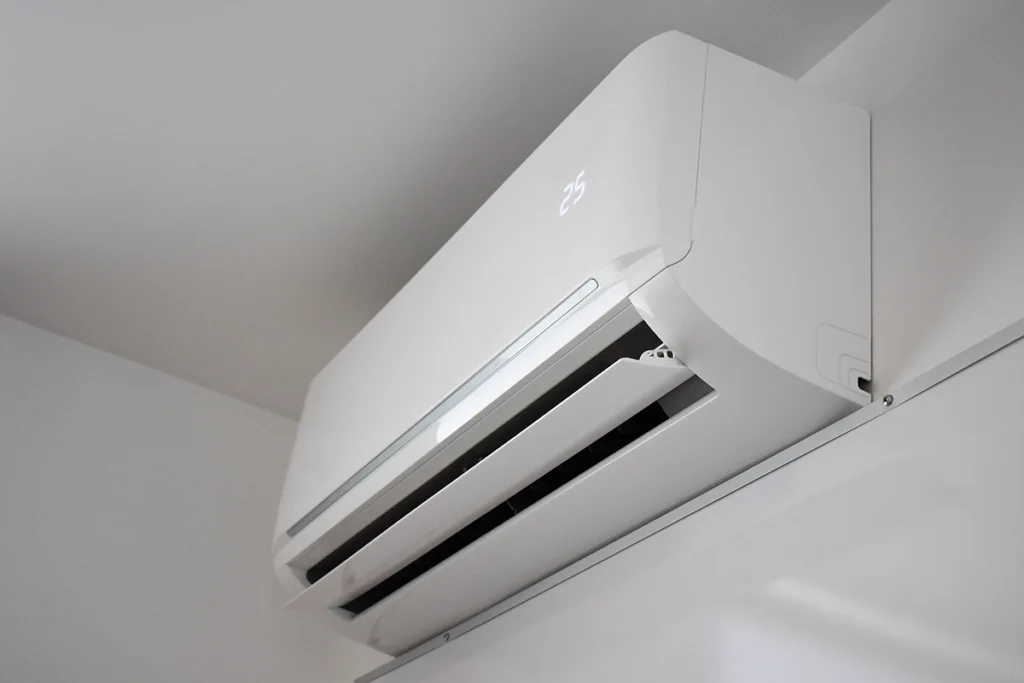
Wall-mounted ductless mini split indoor unit installed near the ceiling with digital temperature display. Best for blogs about mini split installation, ductless AC systems, mini split vs central air, ductless heating and cooling, best rooms for a mini split, and how mini splits work.
Air Conditioning, Heating, HVAC Systems

Best Heating and Cooling System for Texas Homes

When homeowners in Tyler ask about the best heating and cooling system for Texas, we usually start by discussing a high-efficiency air-source heat pump. Heat pumps can handle our long cooling season while also providing efficient warmth during East Texas’s generally mild winters. However, no single system is right for every property. Your home’s size, insulation, ductwork, energy source, and comfort priorities all influence which option will perform best. Some homeowners benefit most from a heat pump, while others may be better served by a dual-fuel setup, traditional split system, or ductless mini-splits. Below, we compare the leading choices and explain what makes each one suitable for Texas homes. Best Heating and Cooling System for Texas Texas homeowners face a demanding climate. Summers can bring weeks of extreme heat, while high humidity makes indoor comfort harder to maintain. Although winters are usually mild, occasional freezes mean your heating equipment still needs to provide dependable performance when temperatures suddenly fall. If your current system runs constantly, produces uneven temperatures, struggles to remove humidity, or causes unusually high energy bills, it may no longer be suited to your home. Homeowners dealing with aging equipment may also want to learn how often an HVAC system should be replaced before deciding between another repair and a full upgrade. For many East Texas homeowners, an air-source heat pump offers an effective combination of cooling, heating, and energy efficiency. Still, homes with natural gas, aging ductwork, additions, or unique zoning needs may benefit from another configuration. The best choice depends on how the system will function within your specific home, not simply which equipment type is most popular. Air-Source Heat Pumps: Efficient All-Season Comfort Air-source heat pumps are among the best heating and cooling systems for Texas because they provide both functions through one system. During summer, a heat pump removes heat from inside your home much like a central air conditioner. During winter, it reverses operation and transfers heat from the outdoor air into the living space. According to ENERGY STAR, air-source heat pumps provide efficient heating and cooling by transferring heat between the indoors and outdoors. This process is especially efficient during the mild temperatures East Texas experiences for much of the heating season. Rather than burning fuel to generate heat, the system moves existing thermal energy. During unusually cold weather, some systems use auxiliary heat to provide additional warmth when the heat pump needs extra support. Variable-speed heat pumps offer additional benefits in hot and humid conditions. Instead of turning on at full capacity and shutting off repeatedly, the compressor can adjust its output to match the home’s needs. Longer, lower-speed cycles help maintain steadier temperatures, remove more indoor moisture, and reduce the abrupt temperature swings associated with single-stage equipment. Heat pumps may be particularly practical for homeowners replacing both an aging air conditioner and an electric heating system. However, equipment efficiency, duct condition, and available electrical capacity should still be considered before choosing a model. Dual Fuel Systems for Maximum Flexibility A dual-fuel system combines an electric heat pump with a gas furnace. During summer, the heat pump cools the home. It also provides efficient heating during mild winter weather. When outdoor temperatures fall below a selected balance point, the system automatically switches to the gas furnace. This configuration allows homeowners to use the heat pump when it operates most efficiently while maintaining powerful gas heat during an occasional hard freeze. The transition happens through the thermostat and control system, so homeowners do not need to switch between the two heat sources manually. The balance point is typically selected according to outdoor temperature, equipment performance, and local energy costs. Setting it correctly helps the system choose the more practical heating source based on current conditions rather than relying on one method throughout the entire winter. Dual-fuel systems can be a strong option for Texas homes that already have a natural gas connection and suitable ductwork. However, they include more equipment than a standard heat pump, which can increase the initial installation cost and the number of components requiring future maintenance. Traditional Central AC and Gas Furnace Systems A traditional split system pairs a central air conditioner with a gas furnace. The AC handles Texas’s long cooling season, while the furnace provides dependable heat during colder weather and circulates air through the home’s ductwork. This option often works well in homes with an existing gas connection and ducts in good condition. Because these systems are widely used, replacement parts and experienced service technicians are generally easy to find. However, the AC and furnace should be properly matched, since aging or incompatible components can reduce efficiency and affect performance. Ductless Mini-Splits: Zoned Control Without Ducts Ductless mini-splits provide heating and cooling without using a traditional network of air ducts. A compact outdoor unit connects through refrigerant lines to one or more indoor air handlers. Each indoor unit serves a specific room or zone and can be controlled independently. Homeowners weighing both options can compare mini-splits and central air systems to see which setup better suits their property. This makes mini-splits especially useful for home additions, converted garages, workshops, sunrooms, and older properties without existing ductwork. They may also solve comfort problems in rooms that consistently remain hotter or colder than the rest of the home. Because conditioned air does not travel through ducts, mini-splits avoid the energy losses associated with duct leakage or poorly insulated attic ductwork. In addition, homeowners can adjust individual zones instead of heating or cooling every room to the same temperature. Many newer mini-splits use inverter-driven compressors that vary their output according to demand. This supports quieter operation, longer run cycles, steadier temperatures, and improved humidity control. However, proper indoor-unit placement is essential. The number, size, and location of the air handlers must match the heating and cooling requirements of each zone. Key Factors When Choosing the Right System for Your Home Choosing the best heating and cooling system for your Texas home requires more than comparing equipment brands.

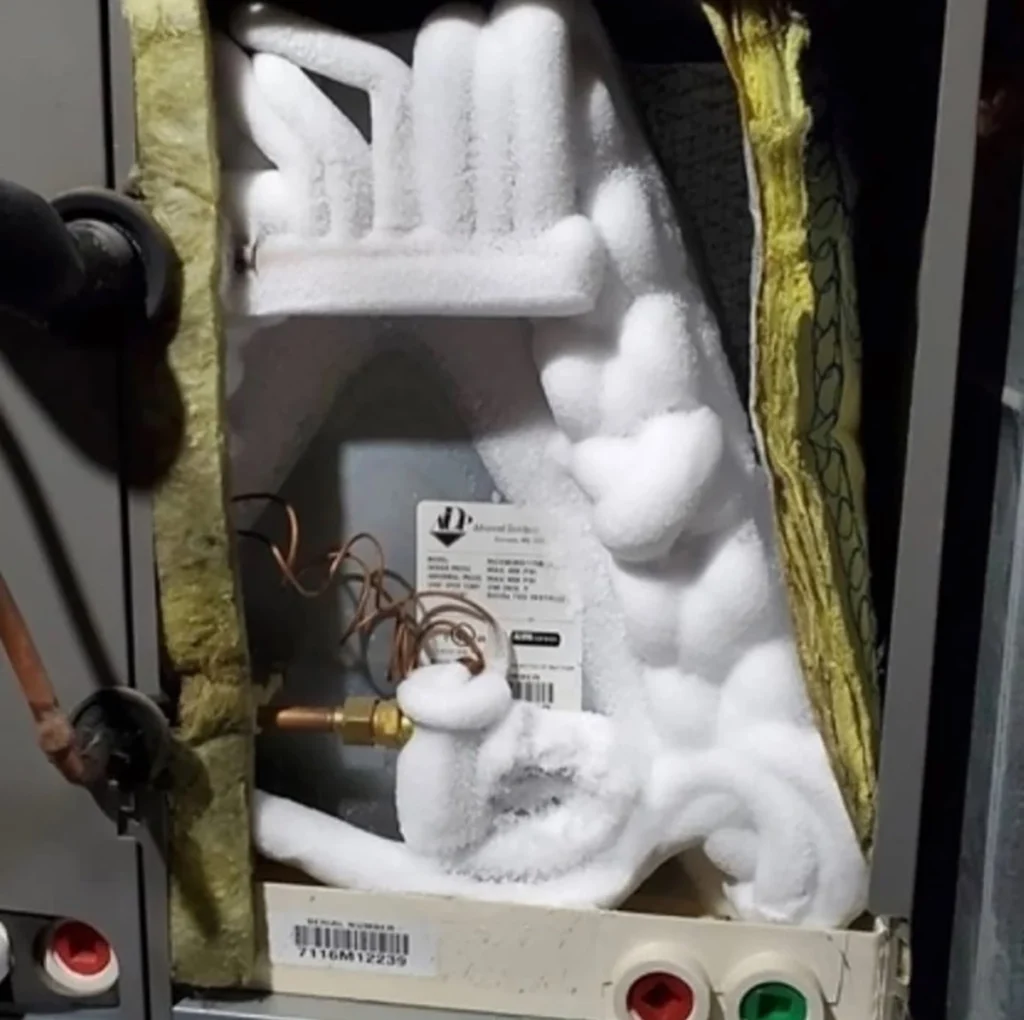
Close-up of ice buildup on indoor HVAC components and refrigerant lines inside an air handler or evaporator coil compartment. Best for blogs about frozen AC coils, evaporator coil freezing, AC not cooling, airflow problems, refrigerant issues, frozen HVAC unit troubleshooting.
Air Conditioning, Maintenance, Repair

Air Conditioner Evaporator Freezing: Causes & Solutions

When your air conditioner evaporator freezing happens, many homeowners assume the outdoor unit is the culprit. In reality, the ice is forming inside your home on the evaporator coil, often hidden from view. That frozen coil doesn’t mean your system is working overtime to cool your space. Instead, it signals that something is preventing normal heat absorption, which causes moisture to freeze right where it should be evaporating. We’ve responded to countless calls where families thought a frozen coil would fix itself once the weather changed, only to discover deeper issues with airflow or refrigerant levels. Understanding why this freezing occurs — and recognizing the early warning signs — can help you act quickly before minor problems turn into costly damage or a complete system breakdown during the hottest months. What Causes an Air Conditioner Evaporator to Freeze? When your air conditioner’s evaporator coil becomes encased in ice, it’s not a random occurrence. It’s a symptom of disrupted refrigeration balance. At C&R HVAC, we help Tyler homeowners understand that a frozen evaporator almost always traces back to one of three core problems: restricted airflow, low refrigerant levels, or mechanical failures that prevent proper heat exchange. Restricted airflow is the most common culprit we diagnose. When your system can’t pull enough warm air across the evaporator coil—often due to clogged filters, closed supply vents, or blower motor issues—the coil temperature drops below freezing. Low refrigerant caused by leaks creates a similar effect, causing the remaining refrigerant to absorb too much heat and plummet in temperature. Mechanical problems like expansion valve or faulty thermostat can also trigger freezing by disrupting the precise refrigerant flow your system needs. Running your AC with a frozen evaporator coil can cause irreparable damage to the condenser unit and compressor. Our licensed technicians can identify the root cause through systematic diagnosis. We check airflow measurements, refrigerant pressures, and component performance to prevent costly secondary damage and restore safe operation. Warning Signs Your Evaporator Coil Is Freezing Catching a frozen evaporator coil early can save you from expensive compressor damage and days without cooling. One of the most obvious signs is visible ice or frost buildup on the refrigerant lines running to your outdoor unit or around the indoor air handler. You might also notice weak airflow from your vents. Even though the system is running, the air feels barely cool or room temperature. Many homeowners hear unusual hissing or bubbling sounds as refrigerant struggles to move through frozen coils. Another critical warning is water pooling around your indoor unit or dripping from the air handler cabinet. As ice melts during off-cycles, drain pan can overflow, leading to water damage in your Tyler home. Your thermostat may also cycle on and off more frequently than normal, unable to reach the set temperature. A frozen AC will not fix itself, and refrigerant leaks or low levels require immediate professional diagnosis. If you notice any combination of these symptoms, turn off your system to prevent further damage. Then contact our licensed team at C&R HVAC right away for a thorough inspection and expert repair. How Restricted Airflow Leads to Freezing When warm air can’t flow freely across your evaporator coil, the refrigerant inside drops to dangerously low temperatures and ice begins to form. This is one of the most common causes of air conditioner evaporator freezing we see in Tyler homes. Your system relies on a steady stream of warm air passing over the coil to absorb heat properly. When that airflow is restricted—often by a clogged filter, closed supply vents, or obstructed return grilles—the coil stays too cold for too long. Because of this, condensation freezes into a solid layer of ice. We’ve found that many homeowners don’t realize a dirty filter alone can trigger this problem. As the filter becomes saturated with dust and debris, less air reaches the coil, and the temperature imbalance worsens. Blocked furniture, curtains over vents, or even collapsed ductwork can have the same effect. Our licensed technicians inspect the entire airflow path during diagnosis. We check filters and registers, along with blower motors and duct systems, to pinpoint exactly where the restriction is occurring. That way, we can restore safe, efficient operation before compressor damage sets in. The Role of Refrigerant in Evaporator Freezing Refrigerant is the lifeblood of your air conditioning system. It absorbs heat from your home’s air as it passes through the evaporator coil. When refrigerant levels drop below the manufacturer’s specifications—typically due to a leak somewhere in the system—the entire cooling cycle becomes disrupted. With insufficient refrigerant, the pressure inside the evaporator coil falls dramatically. This causes the remaining refrigerant to become extremely cold, far colder than the coil is designed to handle. Because of this excessive temperature drop, moisture in the air freezes instantly on contact with the coil surface. Many homeowners assume low refrigerant is simply a matter of “topping off” the system, but that’s a dangerous misconception. Refrigerant doesn’t get used up like fuel. If levels are low, there’s a leak that needs professional attention. Our licensed technicians use specialized diagnostic equipment to locate leaks, measure refrigerant charge accurately, and repair the system to factory specifications. Ignoring a refrigerant leak not only keeps your evaporator freezing, but it can also cause compressor damage that leads to far more expensive repairs down the road. How We Diagnose Air Conditioner Evaporator Freezing When you contact C&R HVAC about a frozen evaporator coil, our licensed technicians begin with a full system evaluation to pinpoint the exact cause. We start by checking airflow across the coil. This means measuring static pressure, inspecting the filter for blockages, and examining supply and return vents to ensure nothing restricts circulation. ENERGY STAR recommends cleaning evaporator coils, checking refrigerant levels, and adjusting blower components as part of proper cooling-system maintenance. Therefore, we test the refrigerant charge using precision gauges to determine whether the system is undercharged. Low refrigerant pressure can cause the evaporator coil temperature to fall below freezing. Our team also inspects

Person covering their nose indoors to represent poor indoor air quality or unpleasant indoor odors. Best for blogs about bad smells from vents, why does my house smell weird when the heat turns on, indoor air quality problems, musty AC smell, dirty sock syndrome, and odor-related HVAC issues.
Air Conditioning, Indoor Air Quality, Maintenance

Musty Smell from Air Conditioning? Here’s What to Do

If you’re noticing a musty smell from air conditioning vents when your system kicks on, you’re right to look into it — that odor usually means moisture is collecting somewhere it shouldn’t be. In many cases, the culprit is a clogged condensate drain line or a dirty evaporator coil where humidity and dust create the perfect environment for mold and mildew. While you can check for standing water in visible areas or inspect your filter, diagnosing hidden mold growth or refrigerant leaks requires a trained eye and proper tools. We’ve helped countless homeowners track down these odors, and the good news is that once we identify the source, most issues can be resolved before they affect your indoor air quality or damage your system. Why Your AC Smells Musty When you notice a musty smell from air conditioning, especially right when your system kicks on, you’re likely detecting the presence of mold or mildew somewhere in your cooling system. This unpleasant odor happens because air conditioners naturally create moisture as they remove humidity from your Tyler home’s air. When that moisture doesn’t drain properly or lingers in dark, cool spaces like your drain pan, evaporator coil housing, or ductwork, it creates the perfect breeding ground for fungal growth. According to Trane, when AC drainage pans remain unmaintained, mold can grow in them and cause a dirty sock smell from circulating air. You’ll notice this odor most at startup because sitting moisture and dormant spores get disturbed when air begins moving through the system again. The smell then travels through your ductwork and into every room, affecting your indoor air quality and potentially your family’s respiratory health. Our licensed technicians regularly inspect drainage systems, evaporator coils, and ductwork to identify exactly where moisture is accumulating and mold is growing. Addressing the root cause—not just masking the smell—requires professional diagnosis and proper remediation to protect both your system and your home’s air quality. Common Causes of Musty Odors When that unpleasant musty smell from air conditioning greets you in your Tyler home, a few common culprits are usually to blame. The most frequent cause we diagnose is a clogged condensate drain line. As your system pulls humidity from indoor air, that moisture collects and should drain away freely—but when algae, mold, or debris block the line, water backs up and creates the perfect breeding ground for odor-causing microorganisms. A second common source is the evaporator coil itself. When dust and biological growth accumulate on this cold component, trapped moisture supports mold colonies that release that telltale damp, stale odor every time the blower runs. Standing water in the drain pan is another red flag we look for during diagnostic visits. A rusted, cracked, or improperly pitched pan can trap stagnant water long after a cooling cycle ends, turning your air handler into an incubator for mildew. During an inspection, we examine the entire condensate system—checking drain line flow, inspecting coil cleanliness, and assessing pan integrity—to pinpoint exactly where moisture and microbial growth are taking hold. Identifying the root cause quickly prevents minor odor issues from escalating into costly water damage or indoor air quality concerns that affect your family’s comfort. When a Musty Smell Signals a Bigger Problem While a faint musty odor from your AC might seem like a minor annoyance, certain warning signs indicate you’re facing a more serious issue that needs immediate professional attention. If the smell intensifies when your system first kicks on, grows stronger over time rather than fading, or accompanies visible moisture around vents or the indoor unit, we’re likely looking at active mold growth or significant contamination inside your ductwork. Homeowners in Tyler often dismiss these symptoms until they notice dark spots around registers, an increase in allergy symptoms among family members, or water stains on ceilings near air handlers—all red flags that microbial growth has taken hold. Another critical warning sign is a musty smell paired with reduced airflow or unusual cycling patterns. This combination often points to a clogged evaporator coil or drain line blockage that’s creating standing water—the perfect breeding ground for mold and bacteria. If you detect a chemical undertone mixed with the mustiness, or if the odor seems strongest near the outdoor unit, a refrigerant leak may be compounding the problem. Our certified technicians can perform a thorough inspection to identify the source, assess contamination levels, and recommend the right remediation approach before the issue compromises your indoor air quality or leads to costly system damage. How We Diagnose and Fix the Issue When you contact us about a musty smell from air conditioning, our certified technicians follow a systematic approach to pinpoint the source and restore fresh air to your home. We begin with a thorough inspection of your entire HVAC system, examining the evaporator coil, drain pan, condensate line, air handler cabinet, and ductwork for visible mold growth, standing water, or biological buildup. Using specialized tools, we assess airflow patterns, measure humidity levels, and check for refrigerant leaks or drainage blockages that contribute to excess moisture. Once we’ve identified the root cause, we develop a tailored treatment plan. This typically involves professional-grade antimicrobial cleaning of contaminated components, clearing clogged drain lines, treating affected ductwork, and addressing any underlying mechanical issues like improper airflow or refrigerant charge. We also inspect your air filter and recommend replacement if it is dirty or restricting airflow. The EPA explains that furnace and HVAC filters can reduce airborne particles, including some particles produced by mold, although filtration alone cannot resolve the underlying moisture problem. We don’t just eliminate the odor—we implement preventive measures to keep it from returning. This may include installing UV lights, improving ventilation, adjusting thermostat settings, or recommending indoor air quality solutions such as improved filtration or humidity control. As a licensed and insured HVAC company serving Tyler, TX, we offer financing options to make these essential repairs more accessible when your system needs attention. Get Rid of That Musty Air Conditioning Smell If you’re noticing a persistent musty

ac blows warm
Air Conditioning, Maintenance, Repair

Why Your AC Blows Warm Air & How to Fix It Fast

If your AC blows warm air instead of the cool relief you’re counting on, it’s natural to feel concerned — especially during the heat of a Tyler summer. You’re not overreacting, and you’re asking exactly the right question. Warm air from your vents usually points to an underlying issue with your cooling system. Some causes are straightforward, while others require trained eyes to diagnose safely and correctly. We’ve helped countless homeowners troubleshoot this frustrating problem. We’re here to walk you through what might be happening, what warning signs to watch for, and when it’s time to call our licensed team for a thorough inspection and repair. Why Your AC Is Blowing Warm Air When temperatures climb into the 90s here in Tyler, TX, the last thing you want is warm air coming through your vents. This frustrating problem can turn your home from a comfortable retreat into an uncomfortably warm space fast. During our intense summer months, your air conditioner works overtime, so any issue becomes noticeable immediately. Several underlying issues can cause your AC to blow warm air instead of cold. One of the most common culprits is low refrigerant. ENERGY STAR explains in its heating and cooling maintenance checklist that too much or too little refrigerant can make a central air conditioner less efficient and reduce equipment life. Other causes include frozen evaporator coils, a malfunctioning compressor, blocked condensate drains, or even issues with your thermostat settings. Electrical failures, dirty filters restricting airflow, and outdoor unit problems can also keep your system from cooling properly. Because these issues range from simple to complex, a certified technician should diagnose the exact cause. We inspect every component of your cooling system to identify why your AC is blowing warm air. Then we recommend the safest, most effective repair solution to restore your comfort quickly. Common Causes When AC Blows Warm Air When your system suddenly starts delivering warm air instead of cool comfort, several underlying issues could be at fault. For instance, a dirty air filter restricts airflow and forces the system to work harder. This can trigger warm air as a protective mechanism. Beyond filtration issues, refrigerant leaks are a frequent culprit. When refrigerant levels drop, your system simply can’t absorb and transfer heat effectively. We also regularly encounter failed compressors. These prevent the refrigeration cycle from running at all, leaving only your fan circulating unconditioned air through your Tyler home. Electrical problems rank high on our diagnostic list as well. A tripped breaker, blown fuse, or faulty component can disable your outdoor condenser unit while the indoor blower continues running. Frozen evaporator coils—often caused by restricted airflow or low refrigerant—block heat exchange. This results in warm air delivery. Thermostat malfunctions can send incorrect signals to your equipment, and ductwork leaks allow cooled air to escape before it ever reaches your living spaces. Our licensed technicians use specialized tools and testing protocols to pinpoint the exact cause. After all, accurate diagnosis is the foundation of lasting repair. Warning Signs Beyond Warm Air When your AC blows warm air, it rarely happens in isolation. We often find that homeowners notice several red flags appearing together. Each one points to the severity of the underlying problem. If you’re hearing unusual sounds—grinding, squealing, or hissing—from your outdoor unit, that’s a strong indicator of compressor stress or refrigerant issues. Visible ice buildup on the refrigerant lines or evaporator coil means your system is struggling with airflow or pressure balance. Both of these directly impact cooling performance. Pay attention to moisture or pooling water around your indoor air handler. This can signal a clogged condensate drain or, worse, a refrigerant leak. In particular, damage to suction lines hinders refrigerant circulation. This reduces cooling capacity and causes warm air output. You might also notice higher-than-normal energy bills even though your home never reaches a comfortable temperature. Such a pattern is a clear sign your system is working overtime without delivering results. Our licensed technicians can inspect all these symptoms during a comprehensive diagnostic visit. We’ll check refrigerant levels, examine electrical connections, and test compressor function. Then we identify whether a repair or system replacement makes the most sense for your Tyler home. If you’re seeing multiple warning signs, contact us before a manageable repair becomes a costly emergency. What We’ll Check During Your Service Call When you call us because your AC blows warm air, our licensed technicians follow a systematic diagnostic process. This approach helps us pinpoint the exact cause. We begin by checking your thermostat settings and calibration to rule out simple configuration issues. Next, we inspect your air filter and airflow throughout the system. Restricted airflow can trigger warm air problems even when other components are functioning. Our team then moves to the outdoor unit to assess refrigerant levels using precision gauges. Low refrigerant always indicates a leak somewhere in the system. So we use specialized detection equipment to locate the source. The EPA’s Section 608 Technician Certification Requirements explain that technicians who service equipment that could release refrigerants must be certified. We also test the compressor and electrical components to ensure the outdoor unit is receiving power and engaging properly. Electrical issues often show up as tripped breakers, blown fuses, or failing components that prevent the compressor from running. Finally, we examine the evaporator coil for ice buildup or damage. We also verify that all safety controls are operating correctly. This comprehensive inspection allows us to give you an accurate diagnosis and repair estimate. If you’re experiencing warm air from your vents, our AC repair services can restore your comfort quickly. When to Call for AC Repair If your AC blows warm air, don’t wait for a full system breakdown to take action. While you might be tempted to see if the problem resolves itself, refrigerant leaks worsen over time. Electrical issues can cause component failure, and a struggling compressor draws excessive power that inflates your energy bills. The longer you delay, the more likely a simple repair becomes a

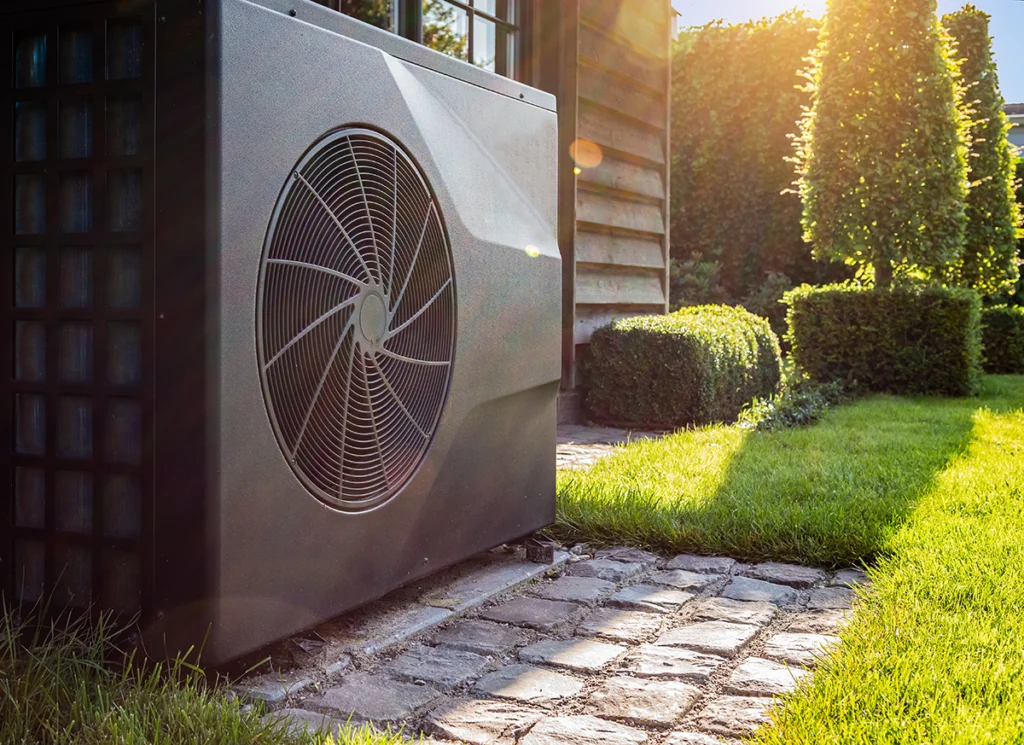
Outdoor heat pump unit for heat pump Ben Wheeler service beside a home in sunny weather
Energy Efficiency, Heat Pumps, Heating

Heat Pump Ben Wheeler | C&R HVAC Expert Service

Looking for reliable heat pump service in Ben Wheeler? Whether you’re considering a new installation or noticing that your current system isn’t keeping your home comfortable, we’re here to help. Heat pumps are an increasingly popular choice for East Texas homeowners because they handle both heating and cooling efficiently—especially in our mild winters and hot summers. At C&R HVAC, we’ve worked with countless families throughout Ben Wheeler who rely on heat pumps for year-round comfort. We understand the unique climate challenges your system faces. Since heat pumps run nearly all year in our area, they need regular professional attention to stay reliable. That’s why we’re committed to providing honest, skilled service that keeps your system running smoothly when you need it most. Why a Heat Pump Makes Sense for Ben Wheeler Homes If you’re a homeowner in Ben Wheeler, TX, you already know our climate demands a heating and cooling system that can keep up. Our sweltering summers and surprisingly chilly winter nights require reliable performance. Heat pumps offer an energy-efficient solution that handles both seasons in one unit. They transfer heat rather than generating it from scratch. This dual-function approach can significantly reduce your monthly energy costs while maintaining consistent comfort year-round. We’ve helped countless Ben Wheeler families transition to heat pump systems. Homeowners consistently tell us they notice the difference in both comfort and utility bills. However, choosing the right system for your home requires more than picking a model online. Factors like your home’s insulation, square footage, and ductwork condition all matter. Even the orientation of your property impacts which heat pump will perform best. That’s why we always start with a thorough assessment of your specific situation. If you’re experiencing uneven temperatures or rising energy costs, it may be time to explore your options. Similarly, if your current system is nearing the end of its lifespan, a heat pump could be right for your home. Our licensed technicians can evaluate your needs and recommend a climate solution tailored to Ben Wheeler’s unique conditions. Why Heat Pumps Work So Well in East Texas Ben Wheeler’s climate makes heat pumps one of the smartest choices for year-round comfort. Our mild winters rarely see temperatures dip below freezing for extended periods. Meanwhile, our long, hot summers demand reliable cooling. Heat pumps deliver efficient heating and air conditioning in a single system. Unlike traditional heating systems that generate heat through combustion, heat pumps transfer heat from outside air even when it feels cold. They’re incredibly efficient at doing so in our moderate winter conditions. ENERGY STAR explains that air-source heat pumps provide both heating and cooling, making them a practical option for homeowners who want efficient year-round comfort. During summer months, East Texas temperatures soar into the 90s and beyond. That same heat pump reverses its operation to cool your home just as effectively as a traditional air conditioner. This dual functionality means you’re investing in one system that handles both seasons. You won’t need separate heating and cooling equipment. We’ve seen countless homeowners in the Ben Wheeler area reduce their energy costs significantly after switching to heat pump systems that are properly sized and installed for our local climate. When you choose heat pump Ben Wheeler solutions from our team, you’re getting equipment designed specifically for East Texas weather patterns. When you’re considering a heat pump for your home, our licensed technicians can evaluate your property’s specific needs. We examine your existing ductwork and insulation to recommend the right capacity system. We’ll ensure your installation is designed to handle both the humid summer heat and those occasional winter cold snaps that East Texas throws our way. Signs Your Heat Pump Needs Professional Attention Recognizing warning signs early can prevent minor heat pump issues from turning into costly emergencies at your Ben Wheeler home. If you notice unusual noises—grinding, squealing, or banging sounds—your system may have worn components. Mechanical failures that require immediate inspection often produce these symptoms. Similarly, if your heat pump cycles on and off more frequently than usual (short cycling), it’s often struggling. Sensor problems, refrigerant leaks, or electrical issues typically cause this behavior. Only a certified technician can properly diagnose these conditions. Other red flags include weak airflow from your vents or ice buildup on the outdoor unit during cooling mode. Rooms that never reach your thermostat setting also signal trouble. These symptoms typically point to airflow restrictions, refrigerant issues, or failing compressor components. If your energy bills spike unexpectedly without changes in usage, your heat pump is likely working much harder than it should. This is a clear signal that something needs professional repair. Homeowners searching for heat pump Ben Wheeler services often contact us after noticing these exact warning signs, and we’re ready to restore your comfort quickly. When you spot any of these warning signs, we recommend calling us right away. Our licensed technicians will inspect your entire system and identify the root cause. Then we provide the repairs needed to restore reliable performance. Waiting often leads to secondary damage and higher repair costs down the road. What to Expect from Heat Pump Service in Ben Wheeler When you reach out to us for heat pump service in Ben Wheeler, we start every appointment with a thorough diagnostic assessment. Our licensed technicians examine refrigerant levels and inspect electrical connections. We test thermostat calibration and evaluate airflow throughout your system. We check for worn components, unusual sounds, and performance issues that homeowners often can’t see. These problems, if left unaddressed, can lead to costly breakdowns or reduced efficiency during East Texas summers and winters. For installations, we carefully calculate your home’s heating and cooling load. Then we recommend appropriately sized equipment and ensure proper ductwork integration and drainage. During maintenance visits, our technicians clean coils and verify system pressures. We also inspect outdoor units for debris or damage. If you’ve noticed weak airflow, strange odors, or rising energy bills, our repair process involves isolating the root cause. Whether it’s a failing compressor, a

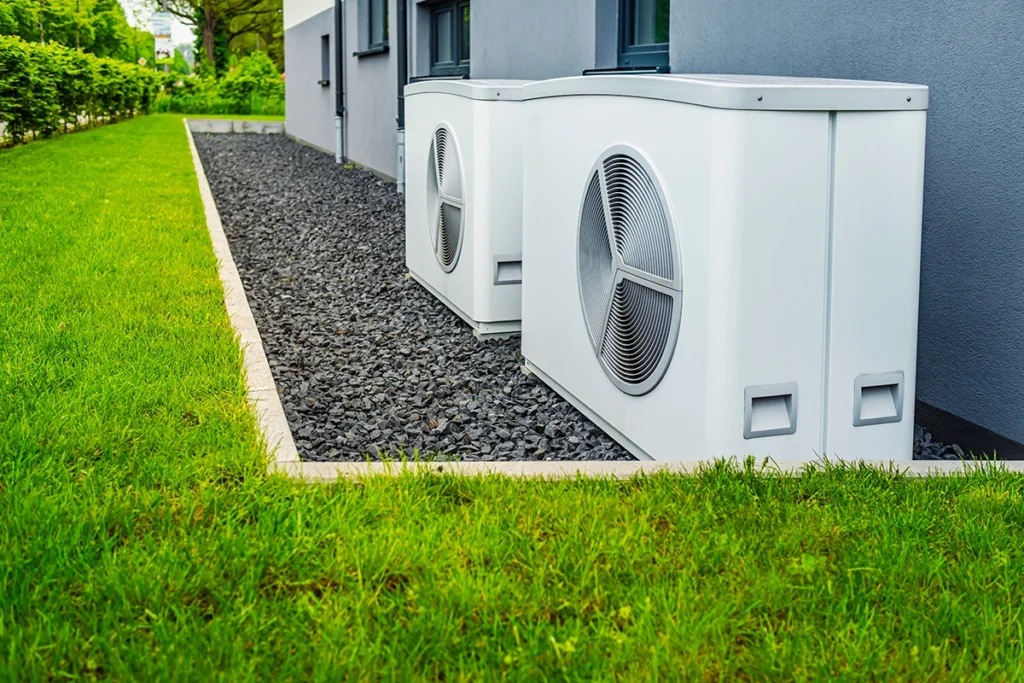
Heat pump Athens installation with outdoor units beside a residential home
Energy Efficiency, Heat Pumps, Installation

Heat Pump Athens & Tyler, TX: Expert Installation Guide

If you’re looking for a heat pump in Athens—or nearby Tyler, TX—you’ve come to the right place. We’ve helped countless homeowners find the perfect system for year-round comfort and efficiency. Heat pumps have become incredibly popular in East Texas because they both heat and cool your home using a single, energy-efficient system. They work beautifully in our mild winters and hot summers. Whether you’re building a new home, replacing an aging furnace and AC combo, or simply looking for a smarter way to stay comfortable without the high energy bills, a heat pump might be exactly what your family needs. We’re here to walk you through how these systems work, the different types available, and how to know when it’s time to make the switch. Why Homeowners Choose Our Trusted Heat Pump Athens Solutions If you’re weighing your heating and cooling options in Tyler or Athens, heat pumps deserve serious consideration. Unlike traditional systems that generate heat through combustion or electric resistance, a heat pump transfers warmth from one place to another. It pulls heat from outdoor air in winter and reverses the process in summer to cool your home. This dual-action design makes heat pumps a strong fit for East Texas, where hot summers and mild winters shape most home comfort needs. According to ENERGY STAR, certified air-source heat pumps must meet efficiency criteria for heating and cooling performance, which can help homeowners compare efficient system options. Many homeowners contact us when their current system struggles during temperature extremes. Rooms may never reach the thermostat setting, energy bills may climb, or the unit may cycle too often. These warning signs can point to an aging or improperly sized system. Our team can assess your home’s heating and cooling needs and help you decide whether a heat pump is the right long-term solution. Understanding Heat Pump Technology and Operation A heat pump operates on a simple but clever principle: it moves heat from one place to another rather than generating it through combustion. During winter, the system extracts heat energy from the outdoor air—even when it feels cold outside—and transfers it indoors to warm your home. In summer, the process reverses. It pulls heat from inside your home and releases it outdoors, just like a traditional air conditioner. This dual-function capability makes heat pumps an efficient year-round comfort solution for homeowners throughout East TX, and it’s exactly why so many families are choosing these advanced systems for our unique climate conditions. The process involves refrigerant cycle with several key components working together: the compressor, condenser, expansion valve, and evaporator. As refrigerant circulates through these parts, it alternates between liquid and gas states. It absorbs and releases heat at each stage. A reversing valve allows the system to switch between heating and cooling modes seamlessly. When you notice your heat pump struggling to maintain temperature, making unusual sounds, or cycling on and off frequently, these symptoms often point to issues within the system. Such problems require professional diagnosis. Our certified technicians can inspect each component, evaluate system performance, and identify whether repair or replacement is needed to restore efficient operation. Benefits of Choosing a Heat Pump in Athens, TX When Athens  homeowners evaluate their comfort options, heat pumps stand out as one of the smartest investments for year-round climate control. Unlike traditional systems that only heat or only cool, a heat pump handles both functions in a single unit. It transfers warmth indoors during winter and reverses the process to cool your home when our Texas summers arrive. This dual capability means you’re maintaining one system instead of two, which simplifies maintenance and reduces long-term hassle. Energy efficiency is where heat pumps truly shine. Because they move heat rather than generate it through combustion, they typically use much less energy than conventional furnaces or air conditioners. Many of our customers notice lower utility bills within the first few billing cycles after we install a heat pump system. The cost advantages extend beyond monthly savings. In fact, heat pumps often have longer service lives when properly maintained, and their simpler mechanical design can mean fewer repair calls over the years. If you’re curious whether this technology is the right fit for your home’s layout, insulation, and comfort needs, we can perform a thorough assessment. We’ll walk you through your options and help you understand the upfront investment and long-term value so you can make the best decision for your household. Our team has extensive experience installing systems across East Texas and can guide you toward the most reliable solution. Families who invest in a heat pump Athens technicians professionally install often experience immediate improvements in both comfort consistency and monthly energy costs, making it one of the most valuable home upgrades available today. Comparing Your Year-Round Climate Control System Choices When homeowners are exploring options for year-round climate control, understanding the different system types helps you choose the best match for your comfort needs, space, and budget. We walk our clients through three primary options based on their home’s layout and heating and cooling requirements. Every installation project begins with a detailed assessment of your property’s unique characteristics, ensuring the system we recommend will deliver optimal performance throughout every season. Choosing the right technology for your specific situation requires expert guidance, and our team provides comprehensive support through every step of that decision-making process. Air-source heat pumps are the most common variety. These systems move heat between your indoor and outdoor air, delivering both heating and cooling through your existing ductwork. They work exceptionally well in moderate climates and offer efficient year-round comfort. Ductless mini-split heat pumps provide zone-specific heating and cooling without requiring ductwork. They’re ideal for additions, older homes, or spaces where traditional ducted systems aren’t practical. Each indoor unit operates independently, giving you room-by-room temperature control. Dual-fuel systems pair an electric heat pump with a gas furnace backup. They automatically switch to the furnace when outdoor temperatures drop and electric heating becomes less efficient. This hybrid approach balances

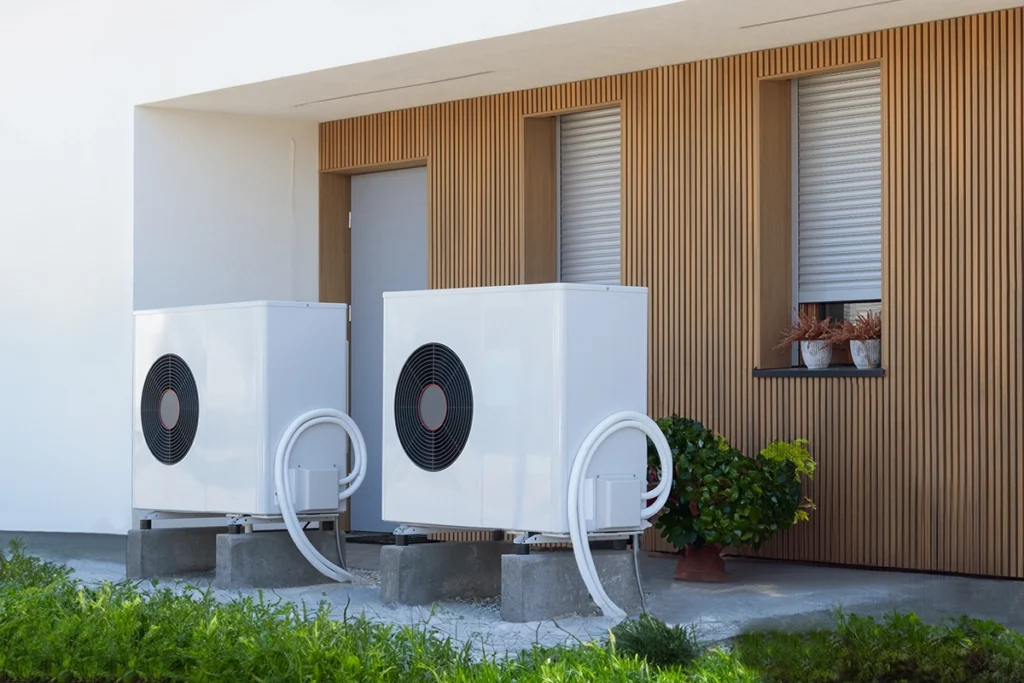
Two outdoor heat pump units installed on concrete pads beside a home. Best for blogs about heat pump installation, dual heat pump systems, multi-zone heating and cooling, energy-efficient home HVAC, outdoor heat pump equipment, and all-electric home comfort.
Heat Pumps, Heating, Installation

Heat Pump in Arp TX: Is It Right for Your Home?

If you’re weighing whether a heat pump in Arp TX is the right fit for your home, you’re not alone—especially with our East Texas climate that swings from steamy summers to chilly winter mornings. Heat pumps offer an efficient way to handle both heating and cooling in one system. Still, choosing the right type and knowing when it’s time to upgrade can feel overwhelming. We’re here to help you understand your options, recognize the signs that a heat pump makes sense for your home, and know what to expect from professional installation. Our team at C&R HVAC has served Arp homeowners for years, and we believe every install is an opportunity to serve well and help families stay comfortable year-round. Heat Pump Basics for Arp, TX Homeowners If you’re exploring climate control options for your Arp home, understanding how a heat pump works can help you make an informed decision. Unlike traditional systems that only heat or cool, a heat pump transfers warmth in both directions. It pulls heat indoors during winter and reverses the process to cool your home in summer. This dual functionality makes heat pumps particularly well-suited for East Texas, where we experience hot, humid summers and mild to moderate winters. Because our climate demands steady work from these systems, knowing what’s normal versus what signals a problem is essential. Heat pumps in Arp typically run approximately 3,397 hours annually due to Texas weather patterns. Systems generally require major repairs or replacement every 13 years. That’s why we encourage homeowners to watch for early warning signs like unusual cycling, weak airflow, or rising energy bills. These symptoms often indicate worn components, refrigerant issues, or electrical strain. At C&R HVAC, we help Arp residents understand whether a heat pump is the right fit for their home and what kind of performance to expect. If you’re noticing inconsistent comfort or suspect your current system isn’t keeping up, give us a call for a professional assessment. Why Choose a Heat Pump in Arp TX? We’ve seen firsthand how heat pumps transform comfort and efficiency for homeowners throughout Arp. Unlike traditional systems that require separate equipment for heating and cooling, a heat pump handles both jobs in one unit. It extracts warmth from outdoor air even during cooler months and reverses the process when temperatures climb. This dual functionality means lower installation costs, less equipment to maintain, and simplified service visits when our team performs seasonal checkups. Energy efficiency is where heat pumps truly shine in our East Texas climate. Modern systems move heat rather than generate it through combustion or resistance heating. ENERGY STAR explains that air-source heat pumps move heat rather than converting it from fuel, which helps them provide efficient heating and cooling for your home. As a result, they can use less electricity than many traditional heating options while maintaining year-round comfort. Variable-speed compressor heat pumps also improve moisture removal by running longer at lower capacity in humid East Texas conditions, including Arp. This feature provides a crucial advantage during our muggy spring and summer months when excess humidity can make homes feel uncomfortable even at reasonable temperatures. Our clients typically notice meaningful reductions in their monthly utility bills after switching to a properly sized heat pump system. When we assess your home, we’ll calculate the right capacity for your square footage, insulation levels, and typical usage patterns. This ensures we maximize both comfort and cost savings throughout the year. Types of Heat Pumps Available in Arp TX When homeowners in Arp reach out to us about upgrading or replacing their heating and cooling systems, we walk them through the heat pump options that perform well in our East Texas climate. The most common choice is an air-source heat pump, which transfers heat between your home and the outdoor air. These systems handle our mild winters and hot summers efficiently. During the consultation visit, our technicians can assess whether your existing ductwork is compatible or needs modification. Ductless mini-split heat pumps offer flexibility for homes without existing ducts, room additions, or spaces where zoned comfort makes sense. We install the indoor units directly in the rooms that need climate control. This approach eliminates ductwork losses and gives you precise temperature control in each area. For homeowners concerned about backup heating during occasional hard freezes, dual-fuel systems pair a heat pump with a gas furnace. Our team evaluates your home’s layout, insulation, existing equipment, and comfort priorities to recommend which configuration will serve you best. Each system type has specific installation requirements and performance characteristics. A professional assessment of your property ensures you get the right match for Arp’s climate patterns and your household’s needs. Signs It’s Time to Install a Heat Pump in Arp TX If your current heating and cooling system struggles to maintain comfortable temperatures in your Arp home, it may be time to consider a heat pump upgrade. Warning signs include dramatically rising energy bills despite normal usage, uneven temperatures between rooms, and a system that runs constantly without reaching your thermostat setting. When your furnace or air conditioner is more than 12-15 years old and requires frequent repairs, the cost of maintaining outdated equipment often exceeds the investment in modern, efficient technology. Listen for unusual sounds like grinding, squealing, or banging coming from your current system. These noises often signal failing components that will only become more expensive to address. If you notice excessive dust, poor humidity control, or weak airflow throughout your home, your aging HVAC equipment is likely operating far below its original efficiency. Arp’s humid climate and temperature swings between seasons demand reliable year-round comfort, and a struggling system puts that at risk. Our team at C&R HVAC can evaluate your current equipment, assess your home’s heating and cooling needs, and help you determine whether a heat pump installation makes sense for your situation. We’ll inspect your ductwork, electrical capacity, and existing system performance. Then we’ll provide honest guidance tailored to your home and budget. What to Expect from

emergency heat pump athens
Heat Pumps, Repair

Emergency Heat Pump Athens: Fast Service When You Need It

When we get a call about an emergency heat pump in Athens, it’s rarely during regular business hours — that’s just the nature of HVAC failures. We’ve seen it all: systems that stop heating during an unexpected cold snap, heat pumps stuck in defrost mode that leave a business without climate control, and compressors that fail just when you need them most. Because heat pumps handle both heating and cooling, a breakdown doesn’t just make your space uncomfortable. It can disrupt operations, affect employee productivity, and even put temperature-sensitive equipment at risk. That’s why understanding what qualifies as a true heat pump crisis matters. Knowing what causes these urgent breakdowns and who to call when yours fails can help you respond quickly and protect your investment. When Your Commercial Heat Pump Fails in Athens A heat pump failure in your Athens, TX commercial building doesn’t just mean uncomfortable employees or customers. It threatens your daily operations and bottom line. When temperatures drop and your system stops delivering heat, the clock starts ticking on lost productivity, potential tenant complaints, and even the safety of temperature-sensitive inventory or equipment. We understand that every hour without climate control can impact your business reputation and revenue. Commercial heat pump failures rarely happen without warning signs. You might notice weak airflow from registers, ice buildup on the outdoor unit, or unusual cycling patterns days or even weeks before total system shutdown. Low refrigerant levels are a leading cause of heat pump heating failures. According to the EPA, EPA Section 608 Technician Certification requirements apply to technicians who service equipment that could release regulated refrigerants. Other common culprits include failed reversing valves, compressor problems, or control board malfunctions. All these issues require professional diagnosis with specialized tools. When your commercial heat pump stops working, we can dispatch a technician to perform a complete system assessment. We’ll identify the root cause and explain your options clearly. Then we’ll restore your building’s comfort so you can get back to business. Don’t let a failing heat pump disrupt your operations. Call us for a professional inspection. Signs You Need Emergency Heat Pump Service Certain heat pump symptoms signal problems that shouldn’t wait until morning. If your system is blowing cold air when set to heat during a Tyler winter night, or if you hear grinding, squealing, or metal-on-metal sounds coming from the outdoor unit, your heat pump needs immediate attention from a trained professional. We’ve responded to countless calls where ignoring these warning signs led to complete system failure and much costlier repairs. Watch for unusual odors. Burning smells can indicate electrical problems or overheating components, while musty odors may point to biological growth in the system. Ice buildup covering more than half your outdoor coil, constantly tripping circuit breakers, and visible sparks or smoke are critical red flags. These signs require you to shut down your system immediately and contact us. If your thermostat shows your heat pump running but no air moves through your vents, or if rooms have wild temperature swings of 10+ degrees, the underlying cause could be serious. A refrigerant leak, compressor failure, or control board malfunction may be to blame. All these issues need diagnosis by a certified technician with specialized equipment. When you notice these symptoms, we can dispatch a technician to inspect your system. We’ll identify the root cause and restore safe, reliable heating to your home. For businesses requiring emergency heat pump Athens service, we understand the urgency of restoring climate control to keep operations running smoothly and prevent disruption to your employees and customers. Common Causes of Heat Pump Emergencies Understanding what triggers urgent heat pump failures helps facility managers and property owners recognize warning signs before a small issue becomes a costly emergency. We’ve responded to countless commercial heat pump calls across Texas. Certain patterns emerge consistently in buildings that experience sudden system failures. Refrigerant leaks top the list of critical failures we diagnose. When refrigerant lines corrode or connections loosen over time, your heat pump loses its ability to transfer heat effectively. You’ll notice reduced heating capacity, ice buildup on outdoor coils, and dramatic spikes in operating costs. All these signs mean immediate professional inspection is needed. Addressing refrigerant issues promptly with emergency heat pump Athens service prevents more extensive damage and reduces the risk of complete system failure during peak usage periods. Electrical component failures rank second, particularly in commercial systems that run continuously. Compressor contactors and control boards can fail suddenly. This leaves your building without climate control during the coldest stretches. We also frequently diagnose reversing valve failures that trap the system in one mode. Plus, blocked or frozen outdoor coils can force the compressor to work dangerously hard. We use specialized diagnostic equipment to pinpoint the root cause quickly. When you contact us for urgent heat pump concerns, we’ll assess refrigerant pressures, electrical draws, airflow patterns, and control sequences. This helps us identify exactly what’s compromising your system’s operation. What Our Emergency Heat Pump Athens Team Does When you reach out to us for urgent heat pump problems in Tyler, TX, we arrive prepared to diagnose the root cause quickly and recommend the right solution. We start by listening to what you’ve noticed. Strange sounds, lack of heating or cooling, system cycling issues, or complete shutdowns all provide valuable clues. Then we perform a thorough inspection of your equipment. We check refrigerant levels, electrical connections, compressor function, reversing valves, and control boards to pinpoint exactly what’s failing. For commercial properties, we understand that downtime means more than discomfort. It can disrupt operations and affect your customers or employees. That’s why we work efficiently to restore your system’s function while ensuring safety and code compliance. We’ll explain what we find in plain terms and outline your options. Our team prioritizes repairs that get your business back to normal temperature control as quickly as possible. Whether it’s electrical issues, a refrigerant leak, or a malfunctioning defrost cycle, we have the training and tools to

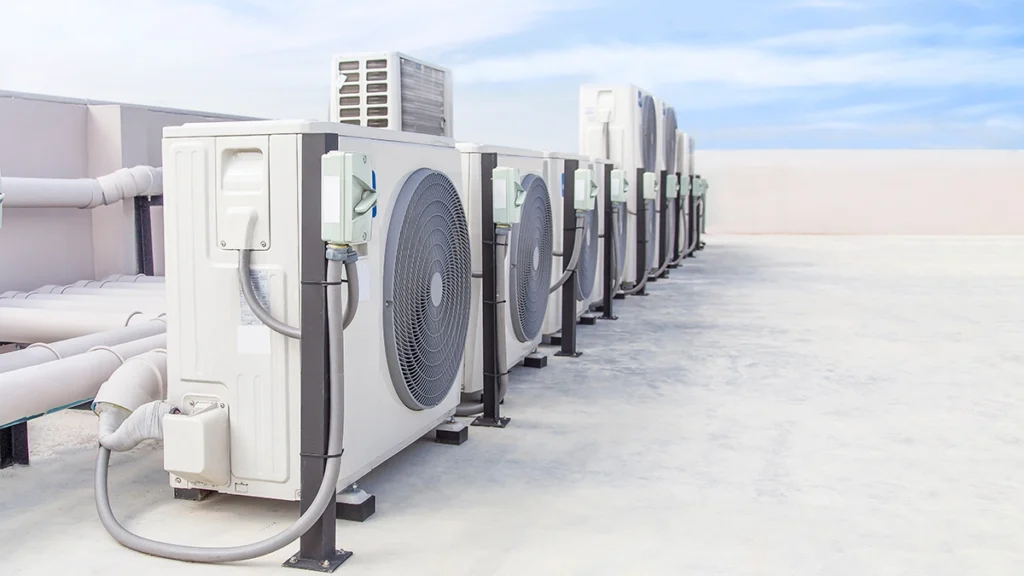
Commercial rooftop heat pump units in heat pump territory for efficient building heating and cooling.
Energy Efficiency, Heat Pumps, HVAC Systems

Heat Pump Territory: Is Your Building a Good Fit?

Not every commercial building is automatically a good candidate for heat pump technology. Climate, insulation, heating demand, electrical capacity, and operating costs all affect whether the system will perform efficiently. For businesses in Tyler, TX, understanding heat pump territory can help determine whether a heat pump is a smart long-term HVAC investment. What Defines Heat Pump Territory? When commercial building owners ask whether a heat pump system makes sense for their facility, we always start by looking at climate. Heat pump territory isn’t just a marketing term—it reflects where these systems deliver reliable, cost-effective heating and cooling year-round. In moderate climates like ours here in Tyler, TX, heat pumps excel because they rarely face the extreme cold that challenges their efficiency. The key factor is winter temperature. Heat pumps perform best when they do not have to fight extended periods of extreme cold. When overnight lows regularly dip well below freezing, some standard systems may run longer, rely more heavily on auxiliary heat, and cost more to operate. We’ve seen commercial property managers discover this the hard way. Their systems looked great on paper but couldn’t keep up during cold snaps. Our team evaluates your building’s heating and cooling loads, local climate data, and your operational budget. This helps us determine whether a heat pump is the right fit. If you’re considering a new system or your current heat pump isn’t performing as expected, give C&R HVAC a call for a professional assessment tailored to your facility’s needs. Is Tyler, TX in Heat Pump Territory? Tyler sits squarely in what HVAC professionals call prime heat pump territory. Our mild East Texas winters rarely bring extended periods below freezing. Our long, humid cooling seasons pair perfectly with heat pump efficiency. These conditions let heat pumps deliver year-round performance that traditional systems simply can’t match. We see outdoor temperatures that allow heat pumps to operate at peak performance roughly 90% of the year, which makes them an ideal choice for commercial buildings throughout the region. Our team at C&R HVAC has installed and serviced countless commercial heat pump systems across Tyler. The energy savings speak for themselves. Unlike northern climates where extreme cold can challenge heat pump performance, our temperate winters mean these systems can efficiently extract heat from outdoor air. They don’t need the frequent auxiliary heating that drives up operating costs. Plus, Tyler’s substantial cooling demand from April through October means a properly sized commercial heat pump system works harder and smarter than separate heating and cooling equipment. If you’re evaluating whether your commercial facility is a good candidate for heat pump technology, we can assess your building’s load profile, existing infrastructure, and energy goals to determine the right approach. Commercial Heat Pump Benefits in Our Climate Tyler’s moderate winters and hot, humid summers create ideal conditions for commercial heat pump installations. In true heat pump territory, businesses can often benefit from systems that efficiently handle both heating and cooling from a single unit. The Department of Energy explains that heat pump systems transfer heat rather than generate it, unlike traditional HVAC setups that rely on separate heating and cooling equipment. This translates to lower monthly utility bills—especially important for commercial properties running systems around the clock. Beyond the cost savings, commercial heat pumps offer remarkable operational flexibility. During our mild winter months, these systems work at peak efficiency. They move warm air indoors without the energy-intensive combustion process of gas furnaces. When summer arrives, they reverse the cycle to provide consistent, reliable cooling for your employees and customers. We’ve installed heat pump systems in retail spaces, office buildings, and light industrial facilities throughout the Tyler area. Business owners consistently report improved temperature consistency and reduced maintenance headaches compared to their previous equipment. If you’re evaluating HVAC upgrades for your commercial property, we can assess your building’s specific heating and cooling demands. We’ll calculate potential energy savings and recommend the right heat pump configuration for your operation. Contact C&R HVAC to schedule a commercial system evaluation. When Heat Pumps Aren’t the Right Fit While heat pumps excel in many situations, we’ve encountered scenarios where they struggle to meet building owners’ needs. Older buildings with inadequate insulation and significant air leakage force heat pumps to run continuously during cold snaps. This drives up electric bills without maintaining comfortable temperatures. Buildings with exceptionally high heating loads—like workshops with garage doors that open frequently or spaces with cathedral ceilings and oversized windows—may exceed what a heat pump can reasonably handle. We also see challenges in properties where electrical service upgrades would cost more than the long-term savings. Similarly, buildings where ductwork modifications make installation financially impractical often struggle to justify the investment. Some commercial buildings with round-the-clock operations or extreme temperature requirements fall outside typical heat pump territory and perform better with traditional systems. If you’re experiencing comfort issues, skyrocketing utility bills, or a system that can’t keep up during temperature extremes, the problem might not be the equipment itself. It could be a mismatch between your building’s characteristics and your current system’s capabilities. Our team at C&R HVAC can perform a comprehensive load calculation and building assessment. This helps us determine whether your current system is properly sized and suited to your specific situation, or whether an alternative solution would serve you better. Professional Heat Pump Territory Assessment When commercial property owners in Tyler, TX contact us for heat pump evaluation, we conduct a comprehensive territory assessment. This goes far beyond checking the outdoor temperature range. Our certified technicians analyze multiple factors that determine whether a heat pump will deliver reliable, cost-effective performance for your specific building. We begin by calculating your facility’s heating and cooling loads. This involves examining square footage, insulation quality, window efficiency, occupancy patterns, and internal heat sources like equipment or lighting. The load calculation reveals the actual capacity your system must deliver during peak demand periods. Our team then evaluates your existing electrical infrastructure, ductwork condition, and any auxiliary heating requirements that might be necessary during

Scroll to Top