Furnace Heat Exchanger Cracked Causing Carbon Monoxide Concerns in Rusk, TX
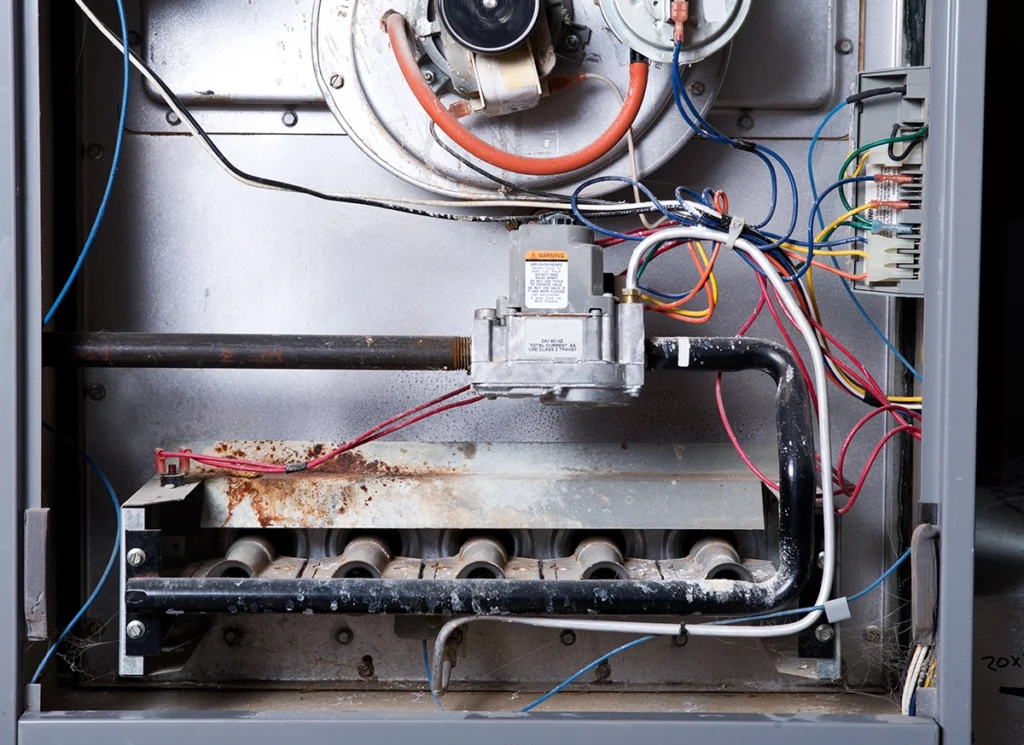
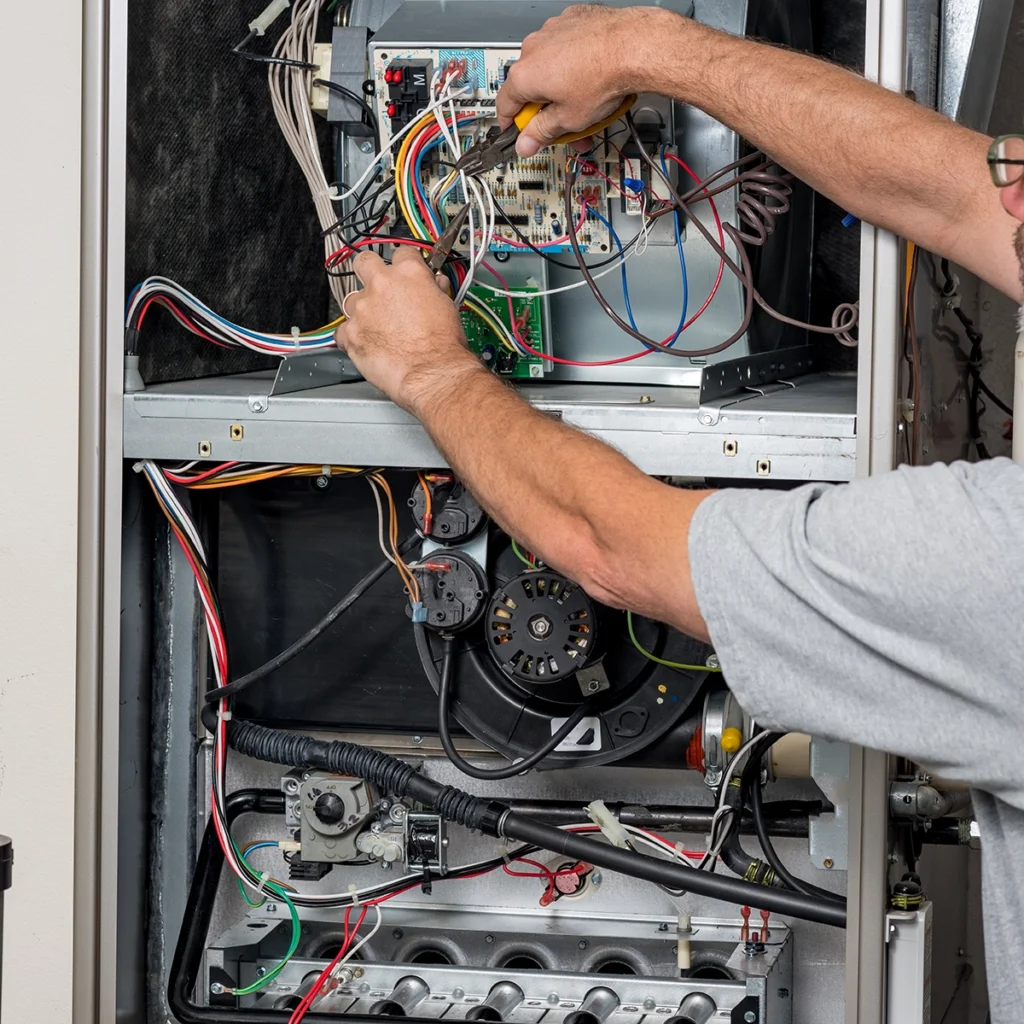
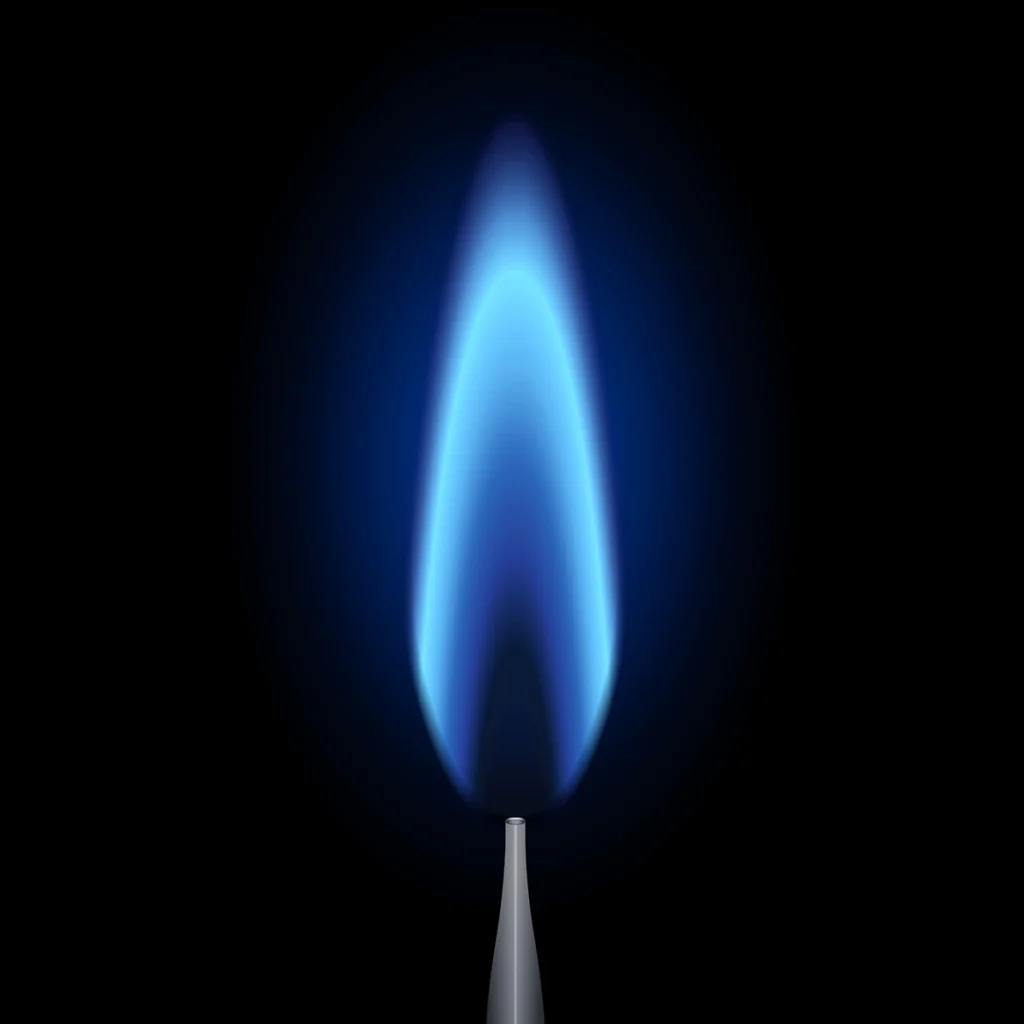
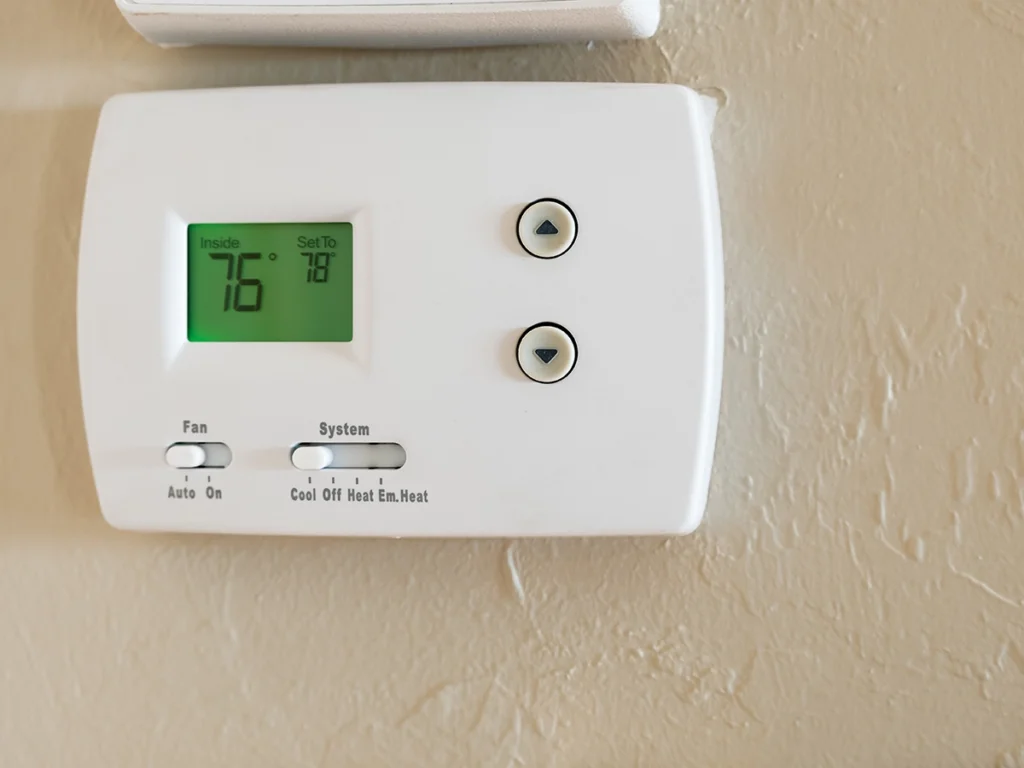
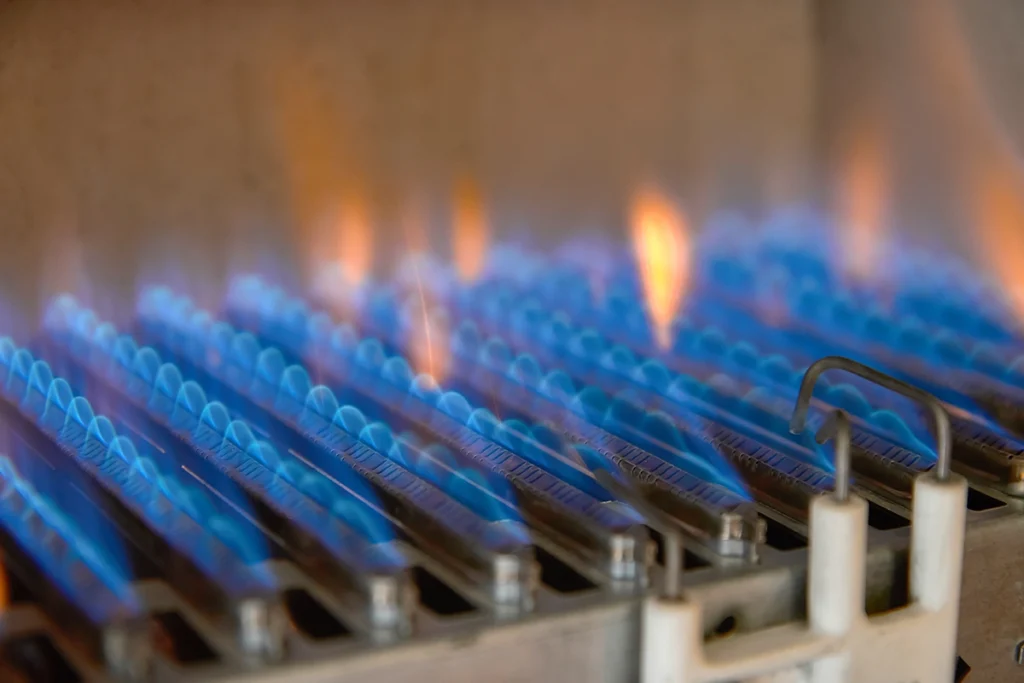
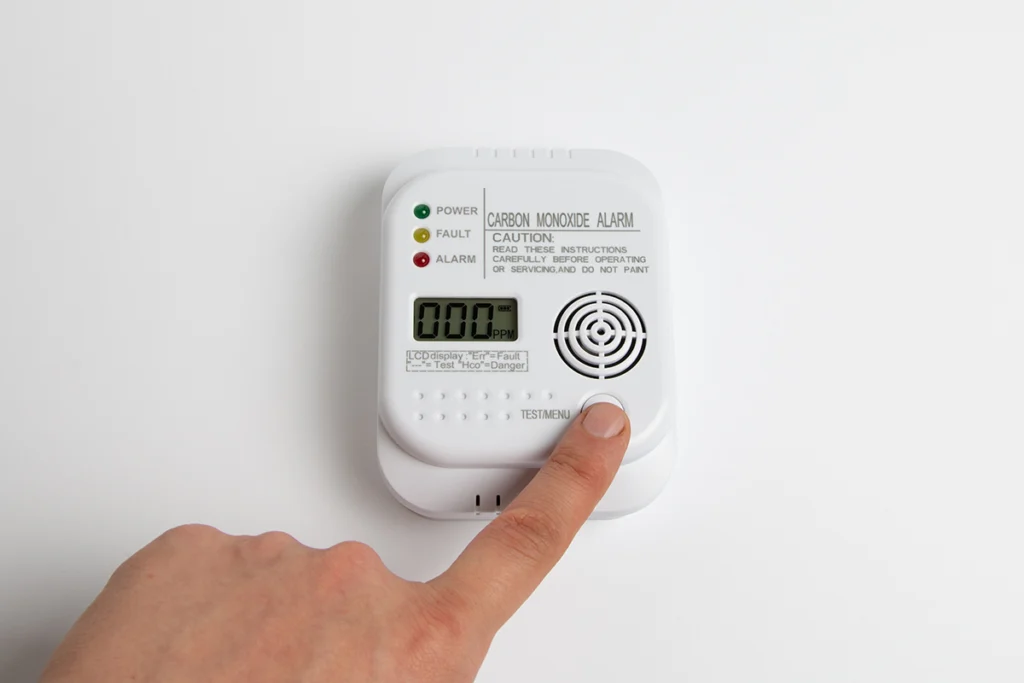
You turn up the thermostat on a cold morning, and the furnace kicks on. Within minutes, you’re dealing with a headache, dizziness, or a nagging feeling that something’s wrong. A furnace heat exchanger cracked causing carbon monoxide concerns in Rusk, TX, is one of the most serious heating emergencies we encounter. A damaged heat exchanger can allow dangerous combustion gases, including carbon monoxide, to enter your home’s circulating air. Many homeowners assume a cracked heat exchanger simply needs to be replaced. However, it’s also important to investigate what caused the damage. Heat exchangers can crack because of age, corrosion, or repeated heating and cooling cycles. Restricted airflow, overheating, and combustion problems can also contribute to premature failure. Replacing the damaged component without addressing contributing issues may lead to additional problems. We’re going to walk you through what causes a heat exchanger to crack and why identifying potential contributing factors is so important. Why a Cracked Furnace Heat Exchanger Is a Carbon Monoxide Emergency A cracked heat exchanger can allow dangerous combustion gases, including carbon monoxide, to enter your home’s circulating air. The heat exchanger transfers heat while keeping combustion gases separated from indoor air. When the metal cracks, that separation can become compromised. Under certain operating conditions, carbon monoxide may enter your ductwork and spread throughout your home. You cannot see, smell, or taste this gas, making exposure especially dangerous. Carbon monoxide poisoning symptoms can resemble the flu, including headaches, dizziness, nausea, and confusion. Severe exposure can cause unconsciousness or death. When a furnace heat exchanger is cracked and causing carbon monoxide concerns in Rusk, TX, these symptoms require immediate attention. If your carbon monoxide detector alarms, leave your home immediately and call 911 from a safe location. Do not investigate the furnace before evacuating. Soot around the furnace or unusual yellow burner flames can also indicate combustion problems requiring professional attention. Once any immediate danger has been addressed, our C&R HVAC technicians can inspect your furnace using professional diagnostic equipment. We use combustion analyzers and visual inspection tools to evaluate the heat exchanger and surrounding components. If we discover a cracked heat exchanger, we’ll assess the damage and recommend appropriate replacement options. We’ll also consider whether replacing the entire furnace makes more sense based on its age and condition. What Causes a Furnace Heat Exchanger to Crack in the First Place Most homeowners assume a cracked heat exchanger is simply an old part that wore out. The truth is that cracks almost always have an upstream cause. Heat exchangers are built to expand and contract with temperature changes over thousands of cycles. So when one fails prematurely, something in the system has been forcing it beyond its design limits. Understanding these root causes is critical because replacing the exchanger without fixing the real problem means you’ll face the same failure again, often within months. The Most Common Causes of Heat Exchanger Damage Restricted airflow is an important factor we check when diagnosing cracked heat exchangers in Rusk, TX. Dirty filters, blocked return vents, or undersized ductwork can restrict airflow through the furnace. This may cause repeated overheating, placing additional thermal stress on the heat exchanger. Improper combustion from a misadjusted burner or gas valve problems can create uneven heating and combustion-related deposits. These conditions may contribute to heat exchanger deterioration over time. An oversized furnace that short-cycles, can experience frequent heating and cooling cycles. Repeated temperature changes place thermal stress on the exchanger and may contribute to premature wear. Poor maintenance can allow problems to develop without being identified. Skipped filter changes, years without professional furnace tune-ups, and ignored warning signs may allow overheating or combustion problems to worsen. Age and corrosion can weaken the heat exchanger even when the furnace has been operating normally. Years of expansion, contraction, and exposure to combustion byproducts can eventually contribute to cracking. The EPA recommends that fuel-burning appliances, including furnaces, be inspected by professionals at the beginning of every heating season. When a furnace heat exchanger is cracked and causing carbon monoxide concerns in Rusk, TX, we examine more than the damaged component. We inspect airflow, evaluate combustion performance, and measure temperature rise across the system. We also check for installation or sizing problems that may have contributed to the damage. Identifying these conditions helps us recommend safe repairs and reduce the risk of future equipment problems. Warning Signs of a Cracked Heat Exchanger in Your Rusk Home A cracked heat exchanger rarely announces itself with a single obvious symptom. If your furnace heat exchanger is cracked and causing carbon monoxide concerns in Rusk, TX, recognizing potential warning signs is important. You might notice the burner flame appearing yellow or flickering instead of steady blue. This can indicate a combustion problem. Water streaks or corrosion on the furnace cabinet are also worth investigating. So are soot buildup near the burner area and a persistent metallic or chemical odor when the furnace runs. Physical symptoms also matter. Headaches, nausea, dizziness, or flu-like feelings that improve when you leave the house should always trigger an immediate call to our team. Ventilate your home right away. Your carbon monoxide detector may sound. You might hear unusual popping, rattling, or banging from the furnace cabinet as metal expands and contracts through the crack. When we respond to these concerns in Rusk homes, we perform combustion analysis and visual inspection with a camera scope. We also conduct CO testing to confirm whether your heat exchanger is cracked and assess the immediate risk to your household. What to Do If You Suspect Carbon Monoxide Concerns in Rusk, TX If you experience unexplained headaches, dizziness, nausea, or flu-like symptoms while your furnace is running, leave your home immediately. This is especially urgent if multiple family members feel unwell at the same time. Carbon monoxide is a colorless, odorless gas that can cause life-threatening poisoning. Do not wait to investigate or attempt to ventilate the home before leaving. Get everyone outside into fresh air, then call 911 from a