Call Us (903) 204-7571 Today

“Taught By Fathers, Trusted By Families”

Author name: Abuzar Momin

Ceiling fan direction for summer shown in a bright living room with a modern ceiling fan helping support home comfort and energy savings
Air Conditioning, Seasonal Tips, Thermostats

Ceiling Fan Direction for Summer: Save Energy & Stay Cool

Summer in East Texas brings scorching heat. Your air conditioner works overtime to keep your home comfortable. But did you know that setting your ceiling fan direction for summer correctly can actually help your AC work more efficiently? We’ve noticed that many homeowners don’t realize their ceiling fans have a switch that changes the blade rotation. Using it properly can make your home feel several degrees cooler without touching the thermostat. At C&R Services, we want to help you stay comfortable while keeping your energy bills under control. So let’s talk about how to optimize your ceiling fans for the hot Texas summer. Understanding How Ceiling Fan Direction Affects Your Comfort in the Summer Ceiling fans don’t actually lower the temperature in a room. Instead, they create air movement that makes you feel cooler through something called the wind chill effect. When air moves across your skin, it helps moisture evaporate. This makes you feel up to 8 degrees cooler than the actual room temperature. That’s why the direction your ceiling fan spins matters so much during summer months. Most ceiling fans have a small switch on the motor housing that reverses the blade direction. During summer, fan blades should spin counterclockwise when you look up at them from below. This direction pushes air straight down. As a result, it creates that refreshing breeze that cools your skin. In fact, this downward airflow is exactly what you need when temperatures climb into the triple digits here in West Texas. How to Check Whether Your Ceiling Fan Direction Is Set Correctly for Summer When your ceiling fan is on at a medium or high speed, you should feel a strong breeze blowing down on you. This happens when you stand directly beneath it. The blades should be moving counterclockwise. The leading edge of each blade should move from your right to your left as you watch from below. If you’re not feeling much air movement or the breeze feels weak even on high speed, your fan is likely spinning clockwise. That’s the winter setting. If you’re unsure about adjusting your ceiling fan direction for summer, we can help. Also, if the switch seems difficult to access, a certified C&R Services technician can quickly verify and adjust the setting for you during a routine service call. We can also inspect the fan to ensure it operates safely and efficiently. When You Need Professional Help With Your Fan Ceiling fans involve both electrical connections and mounting hardware. Therefore, any adjustments beyond basic observation should be handled carefully. If you’re uncomfortable accessing the motor housing, your C&R Services professional will help. Similarly, if your fan is located in a difficult-to-reach area, we’ll ensure the direction is set correctly for the season. We prioritize safety and proper operation in every service we provide. How Proper Ceiling Fan Direction in Summer Can Save Energy When ceiling fans blow downward in summer, you can often raise your thermostat by 4 degrees without sacrificing comfort. That might not sound like much. However, each degree you raise your thermostat can reduce your cooling costs by about 3-5%. Over a long East Texas summer, those savings really add up on your electricity bill. We’ve seen countless homes where families were running their AC at 68 degrees and still feeling uncomfortable. This happened because their ceiling fans were set to the winter direction. Once we helped them switch the fans to summer mode, they could bump the thermostat up to 72 degrees and feel even more comfortable. As the U.S. Department of Energy explains, ceiling fans create a wind chill effect that can help you feel cooler without lowering the thermostat even more. Combined with conditioned air, that can be far more efficient than simply cranking the AC down. But of course, if your thermostat isn’t responding correctly, comfort problems may have nothing to do with your fan direction. Ceiling Fans Work Best in Occupied Rooms Here’s something important to remember: ceiling fans cool people rather than rooms. Therefore, you should turn them off when you leave. A fan running in an empty room just wastes electricity without providing any benefit. Some of our customers install ceiling fans with remote controls or smart switches. This way, they can easily turn them off from anywhere in the house. When Ceiling Fans Need Professional Attention Sometimes homeowners discover issues when they start paying attention to their ceiling fan direction. If your fan wobbles excessively, makes grinding or clicking noises, or doesn’t produce much airflow even on high speed, it might need service or repair. Ceiling fan problems often come from loose mounting brackets. They can also result from unbalanced blades, worn bearings, or electrical issues. A licensed professional should handle ceiling fan repairs. Ceiling fans involve both electrical connections and mounting hardware that must be installed correctly for safety. At C&R Services, we regularly service ceiling fans as part of our commitment to helping East Texas homeowners stay comfortable. Whether you need a new fan installed, an existing fan repaired, or help optimizing your home’s overall cooling strategy, we’re here to serve you. We provide the expertise and faith-driven service that defines our team. Signs Your Ceiling Fan Needs Professional Service Pay attention to unusual sounds coming from your ceiling fan. Watch out especially for grinding, humming, or clicking that wasn’t there before. These noises often show worn bearings or loose components that need attention. Similarly, if your fan wobbles more than a slight wiggle, the mounting bracket might be loose. The blades could also be unbalanced. A severely wobbling fan can eventually damage your ceiling or even fall. So don’t ignore this warning sign. Another red flag is inconsistent speed control. Your fan might only work on one speed regardless of the setting. It might also randomly change speeds on its own. In these cases, you likely have an electrical issue with the switch or capacitor. These problems require a certified technician who can safely diagnose and repair the electrical components.

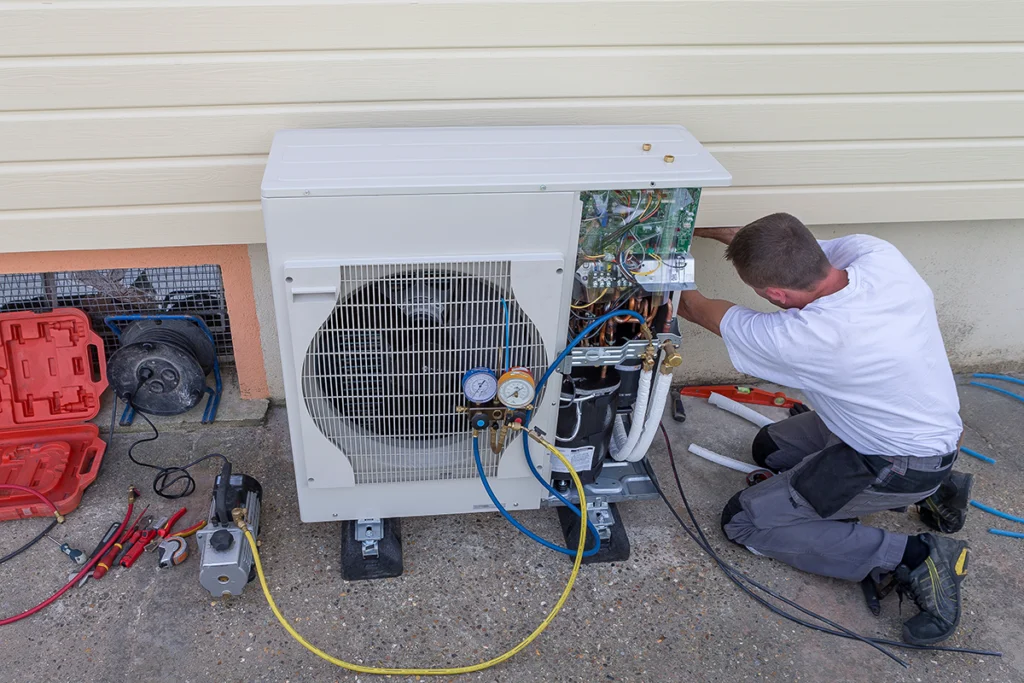
HVAC technician checking system gauges during R410A refrigerant service
Air Conditioning, Commercial HVAC, HVAC Systems, Maintenance, Repair, Replacement

R410A Refrigerant: A Complete Guide

If you’ve had your air conditioning system serviced recently, you may have heard your technician mention r410a refrigerant. This cooling agent has become the industry standard in modern HVAC systems. In fact, it replaced the older R-22 refrigerant that was phased out due to environmental concerns. Understanding what r410a is, how it works, and why it matters can help you make informed decisions about your home comfort system. Whether you’re dealing with a cooling issue or planning to upgrade your equipment, knowing the basics about this refrigerant will give you confidence when talking with HVAC professionals. What Is R410A Refrigerant and Why Does It Matter? R410A is a hydrofluorocarbon (HFC) refrigerant blend used in air conditioning systems and heat pumps. Unlike the older R-22 refrigerant, which contained chlorine and damaged the ozone layer, R410A was developed as an environmentally friendlier alternative. The refrigerant doesn’t contribute to ozone depletion. As a result, it makes a more responsible choice for cooling homes and businesses across the country. This refrigerant operates at higher pressures than R-22. Systems designed for R410A require specific components built to handle these conditions. That’s why refrigerants cannot be interchanged — the entire system needs to be designed from the ground up for the particular refrigerant it uses. Since 2010, all new residential air conditioning systems manufactured in the United States have used R410A as their primary refrigerant. How R410A Refrigerant Works in Your Cooling System Refrigerant is essentially the lifeblood of your air conditioning system. It flows through a closed loop of copper lines, changing from liquid to gas and back again as it absorbs heat from inside your home and releases it outside. The process starts when warm air from your home passes over the indoor evaporator coil. The liquid refrigerant inside that coil absorbs the heat and evaporates into a gas. This heated gas then travels to your outdoor condenser unit. There, the compressor pressurizes it even further. As the hot gas flows through the outdoor coil, it releases the heat it collected from inside your home into the outside air. Once the heat is released, the refrigerant condenses back into a liquid and returns inside to repeat the cycle. This continuous process keeps your home comfortable even during the hottest summer days. Because R410A operates at higher pressures than older refrigerants, it can actually transfer heat more efficiently. This improved efficiency means your system can cool your home using less energy. Consequently, this translates to lower utility bills over time. The increased pressure also allows for smaller equipment that still delivers powerful cooling performance. Signs Your R410A System May Have a Refrigerant Issue Your air conditioning system should maintain the same amount of refrigerant throughout its lifetime. Unlike gasoline in a car, refrigerant doesn’t get “used up” during normal operation. If your system is low on refrigerant, it means there’s a leak somewhere in the system. Recognizing the warning signs early can prevent more serious damage to your equipment. One of the most common signs is reduced cooling performance. If your system runs constantly but never quite reaches the temperature you’ve set on your thermostat, low refrigerant might be the culprit. You may also notice that some rooms feel comfortable while others remain warm. This indicates the system can’t distribute cooled air effectively throughout your home. Ice formation on the indoor evaporator coil or refrigerant lines is another telltale sign. When refrigerant levels drop, the pressure in the system changes, causing the coil to get too cold. Moisture from the air freezes on the coil, which blocks airflow and makes the problem worse. If you see ice on your AC components, turn the system off and call a professional right away. Higher than normal energy bills can also signal a refrigerant issue. When your system doesn’t have enough refrigerant, it has to work much harder and run much longer to achieve the same cooling effect. This extra runtime dramatically increases your energy consumption. You might also hear unusual hissing or bubbling sounds, which could indicate refrigerant escaping through a leak in the system. Why You Should Always Hire a Licensed Professional for Refrigerant Work Working with refrigerants like R410A refrigerant isn’t just complicated — it’s also regulated by federal law. The Environmental Protection Agency requires anyone who handles refrigerants to hold a valid EPA Section 608 certification. This certification ensures that technicians understand proper handling procedures, environmental regulations, and safety protocols. Attempting to add refrigerant yourself or hire an unlicensed person is illegal and can result in significant fines. Beyond the legal issues, refrigerant work involves serious safety risks. R410A operates at much higher pressures than older refrigerants. This means the potential for equipment damage or personal injury is greater. Improper handling can cause refrigerant to spray out forcefully, potentially causing frostbite or eye damage. The system components themselves can become extremely hot or cold during operation, creating additional hazards. There’s also the technical complexity involved. Adding refrigerant to a system with a leak doesn’t solve the underlying problem. In fact, it can make things worse. A certified HVAC technician will locate and repair the leak first, then properly evacuate the system to remove air and moisture before adding the correct amount of refrigerant. They’ll also check the system charge using precise measurements and specialized tools to ensure optimal performance. What Professional R410A Refrigerant Service Involves When you contact a licensed HVAC professional about a suspected refrigerant problem, certified technicians follow a comprehensive diagnostic process. First, they’ll check your system’s operating pressures using manifold gauges to determine if refrigerant levels are actually low. Sometimes, other issues can mimic refrigerant problems. Therefore, proper testing is essential before drawing conclusions. If low refrigerant is confirmed, your technician will conduct a thorough leak detection using electronic leak detectors, ultraviolet dyes, or other specialized equipment. Finding and repairing the leak is always the first priority. Once the leak is fixed, your certified technician will evacuate the system using a vacuum pump to remove any air, moisture, or contaminants

Commercial rooftop economizer HVAC system installed on a flat roof beside solar panels at a large facility.
Air Conditioning, Commercial HVAC, HVAC Systems, Indoor Air Quality

Economizer HVAC: What It Is and How It Works

If you’re looking to cut energy costs and improve indoor air quality in your commercial building or large facility, understanding what an economizer HVAC system is can make a significant difference. An economizer HVAC component is a smart add-on to traditional heating and cooling systems that uses outdoor air to reduce the need for mechanical cooling when conditions are favorable. This means lower energy bills, less strain on your equipment, and a more comfortable environment for everyone inside. At C&R Services, we help property owners and facility managers throughout East Texas understand how economizers work, when they’re beneficial, and how to spot signs that yours may need professional attention. Whether you manage a warehouse, office building, or retail space, knowing how this system operates can help you make informed decisions about your HVAC setup. What Is an Economizer in HVAC Systems? An economizer is a mechanical device integrated into commercial HVAC systems that brings in fresh outdoor air to cool a building instead of relying solely on the air conditioning system. When outdoor temperatures and humidity levels are within a specific range, the economizer opens dampers to allow outside air to enter the system. This process is called “free cooling” because it reduces the need for energy-intensive compressor operation. According to the U.S. Department of Energy, air economizers draw in outdoor air to meet the thermostat setpoint without using the air conditioner. There are two main types of economizers: Air-side economizers: These use outdoor air directly to cool indoor spaces when conditions permit Water-side economizers: These use cooling tower water or other water sources to remove heat from the building without running chillers Most commercial buildings use air-side economizers because they’re simpler to install and maintain. The system includes outdoor air dampers, return air dampers, sensors, and a control system that monitors temperature and humidity to determine when outdoor air is suitable for cooling. How Does an Economizer in an HVAC System Save Energy? The primary benefit of an HVAC economizer is energy savings. Traditional air conditioning systems use compressors that consume significant electricity to cool refrigerant and remove heat from indoor air. An economizer bypasses this process when outdoor conditions are favorable, potentially reducing cooling energy use by 20-50% depending on your climate and building type. In East Texas, we experience mild spring and fall weather when outdoor temperatures are comfortable but indoor spaces still need cooling due to heat from equipment, lighting, and occupants. During these periods, an economizer can provide substantial savings by using free outdoor air instead of running the AC compressor at full capacity. Beyond energy savings, economizers also improve indoor air quality by continuously bringing in fresh outdoor air, which dilutes indoor pollutants, odors, and carbon dioxide. This is especially important in commercial spaces with high occupancy or areas where air quality regulations apply. Key Components of an Economizer System Understanding the parts of an economizer helps you recognize when something isn’t working correctly. A typical air-side economizer includes: Outdoor air dampers: Motorized louvers that open to allow fresh air into the system Return air dampers: Control how much indoor air is recirculated versus exhausted Temperature and humidity sensors: Monitor outdoor conditions to determine when economizer mode is beneficial Damper actuators: Electric or pneumatic motors that open and close dampers based on control signals Control module: The brain of the system that processes sensor data and activates dampers accordingly Exhaust dampers: Allow stale indoor air to exit when fresh air enters All these components must work together seamlessly. If any part malfunctions, the economizer may stay closed (wasting energy) or stay open (bringing in hot or humid air that increases cooling costs). That’s why regular commercial HVAC maintenance is essential for economizer-equipped systems. Signs Your Economizer May Need Professional Service Because economizers have moving parts and electronic controls, they require periodic inspection and maintenance. Here are warning signs that your economizer may not be functioning properly: Higher than expected energy bills: If your cooling costs haven’t decreased during mild weather, the economizer may be stuck closed Stuffy or stale indoor air: This can indicate dampers aren’t opening to bring in fresh outdoor air Excessive humidity indoors: May suggest the economizer is bringing in outdoor air when humidity is too high Uneven temperatures: Areas near air handlers may be too hot or cold if damper control is erratic Visible damper problems: Dampers that appear stuck, corroded, or damaged need immediate attention Control system alarms: Modern building automation systems often alert you to economizer faults When you notice any of these issues, it’s important to contact a licensed HVAC technician who specializes in commercial systems. A certified professional will diagnose whether the problem is mechanical (stuck dampers, failed actuators) or electronic (sensor calibration, control logic issues). What a Professional Economizer Inspection Involves During a professional economizer service call, your HVAC technician will perform several diagnostic steps to identify problems and restore proper operation. While homeowners and facility managers shouldn’t attempt repairs themselves, understanding what professionals do helps you appreciate the complexity and value of expert service. A thorough economizer inspection typically includes: Visual inspection of all dampers for proper operation and physical condition Testing damper actuators to ensure they respond correctly to control signals Calibrating temperature and humidity sensors for accurate readings Verifying control logic and setpoints match your building’s needs Checking for air leakage around damper seals that wastes energy Reviewing building automation system data to identify patterns or faults Measuring airflow to confirm the system is delivering the right amount of outdoor air After diagnosis, your technician will recommend repairs or adjustments. Common fixes include replacing failed actuators, recalibrating sensors, adjusting control sequences, lubricating damper hardware, or replacing worn damper seals. In some cases, upgrading to more advanced controls can improve economizer performance and energy savings. Economizer Best Practices for Commercial Buildings To maximize the benefits of your HVAC economizer, follow these professional recommendations: Schedule regular maintenance: Have your economizer inspected at least twice yearly, ideally before cooling and heating seasons Monitor energy

AC refrigerant tank next to an outdoor air conditioner unit during refrigerant service
Air Conditioning, HVAC Systems, Repair

What Is AC Refrigerant and Why Does It Matter?

When your air conditioner stops cooling your home properly, one of the most common culprits is low AC refrigerant. This essential substance circulates through your cooling system, absorbing heat from inside your home and releasing it outside. Without the right amount of refrigerant, your AC simply can’t do its job. Understanding what refrigerant is, how it works, and what happens when something goes wrong can help you identify problems early and know when to call a professional. At C&R Services, we believe in empowering homeowners with knowledge. While refrigerant issues always require professional attention due to EPA regulations and safety concerns, recognizing the warning signs can save you from costly damage and uncomfortable summer days. What Is AC Refrigerant? AC refrigerant is a specialized chemical compound that changes from liquid to gas and back again as it moves through your air conditioning system. It’s the substance that makes cooling possible. As refrigerant circulates, it absorbs heat from your indoor air when it evaporates in the evaporator coil, then releases that heat outside when it condenses in the outdoor condenser unit. Many homeowners mistakenly think refrigerant is a fuel that gets used up like gasoline in a car. That’s not how it works. Your AC system is a closed loop, meaning the refrigerant should never run low under normal circumstances. If your system is low on refrigerant, it means there’s a leak somewhere that needs professional repair. Common Types of AC Refrigerant Over the years, different types of refrigerant have been used in residential air conditioning systems. The type in your system depends on when it was manufactured: R-22 (Freon): Once the most common refrigerant, R-22 has been phased out due to environmental concerns. According to the EPA, U.S. production and import of HCFC-22 ended in 2020, which has made it more expensive and harder to find for older systems. R-410A (Puron): The current standard for most residential AC systems installed in the past 15 years. It’s more environmentally friendly than R-22 and operates at higher pressures. R-454B and R-32: Newer refrigerants being introduced to further reduce environmental impact. R-454B refrigerant and R-32 refrigerant represent the next generation of cooling technology. Knowing which type your system uses is important because different refrigerants aren’t interchangeable. A certified HVAC technician will know exactly which refrigerant your system needs and how to handle it safely. Signs Your AC Refrigerant Is Low Since refrigerant issues are so common, it’s helpful to recognize the warning signs. Here are the symptoms that typically indicate low refrigerant levels: Your AC Is Running But Not Cooling If your air conditioner runs constantly but your home never reaches the temperature set on your thermostat, low refrigerant could be the problem. Without enough refrigerant to absorb heat, the system can’t effectively cool your space. This is different from other causes when your AC is running but not cooling, such as dirty filters or blocked airflow. Ice Buildup on the Refrigerant Lines When refrigerant levels drop, the pressure in your system changes, causing the refrigerant that remains to get too cold. This can lead to ice forming on the copper refrigerant lines or even on the evaporator coil inside your air handler. If you see frost or ice on the lines running to your outdoor unit, don’t ignore it. Hissing or Bubbling Sounds A refrigerant leak often creates a distinctive hissing or bubbling sound as the pressurized gas escapes through a crack or hole. If you hear unusual noises coming from your AC system, especially near the refrigerant lines, it’s time to call a professional. Higher Energy Bills When your system is low on refrigerant, it has to work much harder and run much longer to try to cool your home. This extra runtime shows up on your utility bills. If your energy costs have spiked without explanation, low refrigerant could be one of several possible causes. Longer Cooling Cycles A properly functioning AC should run in regular cycles, turning on and off as needed to maintain your desired temperature. With low refrigerant, your system may run almost continuously without ever reaching the target temperature, putting excessive wear on components. What Causes AC Refrigerant Leaks? Understanding what causes refrigerant leaks can help you take preventive measures and catch problems early. Here are the most common causes: Corrosion: Over time, moisture and chemicals can corrode the copper refrigerant lines or coil connections, creating small holes where refrigerant escapes. Vibration damage: Normal AC operation involves vibration, especially in the outdoor unit. Years of vibration can loosen connections or create wear points that eventually leak. Poor installation: Improperly brazed connections or overtightened fittings during initial installation can develop leaks months or years later. Physical damage: Lawn equipment, extreme weather, or accidental impacts can puncture refrigerant lines or damage the outdoor coil. Factory defects: Though less common, manufacturing flaws can cause premature failures in coils or connections. A certified HVAC technician will use specialized leak detection equipment to locate even the smallest leaks. Simply adding more refrigerant without fixing the leak is a temporary fix that wastes money and harms the environment. Why You Shouldn’t Handle AC Refrigerant Yourself Unlike many home maintenance tasks, working with AC refrigerant isn’t a DIY project. Here’s why professional service is essential: It’s Federally Regulated The EPA’s Section 608 Technician Certification Requirements explain that refrigerant handling is federally regulated, and technicians must earn EPA-approved certification to work with these systems properly. These rules exist because improper handling and venting can harm the environment. Specialized Equipment Is Required Properly diagnosing refrigerant issues requires gauges, leak detectors, recovery equipment, and vacuum pumps. Adding refrigerant isn’t as simple as pouring it in—the system must be evacuated of air and moisture, then charged to precise specifications based on weight or subcooling/superheat measurements. Safety Concerns Refrigerant is stored under extremely high pressure. Improper handling can cause frostbite, chemical burns, or eye injuries. Some refrigerants can also displace oxygen in confined spaces, creating suffocation hazards. You Could Damage Your System Overcharging or undercharging refrigerant can

Technician servicing an outdoor HVAC unit and checking refrigerant lines during an R454B refrigerant system inspection
Air Conditioning, Heat Pumps, HVAC Systems, Maintenance

R454B Refrigerant: Next-Gen Cooling for Your HVAC

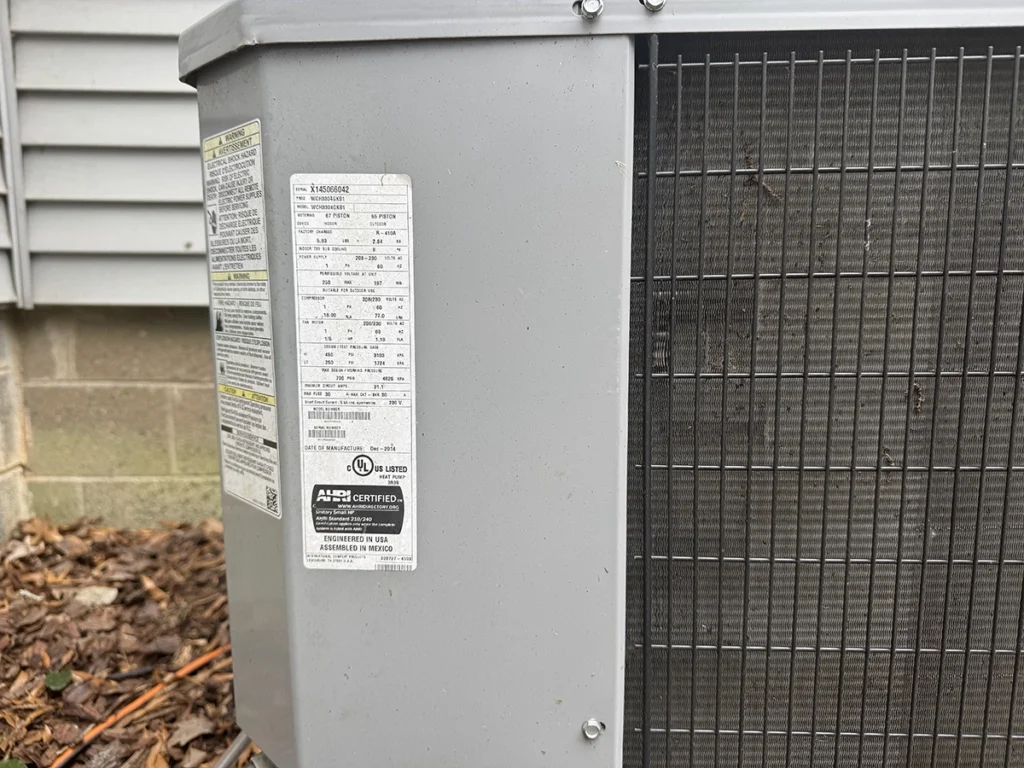
R454B refrigerant represents the next generation of refrigerants designed to replace older, less environmentally friendly options in residential and commercial HVAC systems. As a hydrofluoroolefin (HFO) blend, this refrigerant offers significantly lower global warming potential while maintaining excellent cooling performance and energy efficiency. This advanced refrigerant is quickly becoming the industry standard for new air conditioning systems and heat pumps. At C&R Services, we believe in staying current with these technological advances because they represent our commitment to serving both our customers and our environment responsibly. Why R454B Matters for Your HVAC System The transition to R454B refrigerant isn’t just about meeting environmental regulations—it’s about improving the performance and efficiency of your home’s cooling system. This refrigerant provides better heat transfer properties than many traditional options, which means your system can cool your home more effectively while using less energy. This refrigerant also offers excellent compatibility with existing system components, making it an ideal choice for both new installations and certain retrofit applications. The refrigerant’s lower global warming potential makes it a forward-thinking choice that aligns with environmental stewardship while delivering reliable comfort for your family. Environmental Benefits One of the most significant advantages of this refrigerant is its reduced environmental impact. According to the EPA’s Technology Transitions GWP Reference Table, R-410A has a global warming potential of 2,088, while R-454B has a global warming potential of 465, making it a much lower-GWP option for modern HVAC systems. Improved Energy Efficiency Systems using this refrigerant refrigerant typically demonstrate improved energy efficiency compared to older refrigerant types. This translates to lower monthly utility bills and reduced strain on your HVAC equipment, potentially extending the lifespan of your system components. Signs Your System Uses R454B Refrigerant If your HVAC system was manufactured or installed recently, it may already use R454B refrigerant. Look for manufacturer labels on your outdoor unit that specify the refrigerant type. Newer high-efficiency systems, particularly those with SEER ratings above 15, are increasingly likely to use this advanced refrigerant. After upgrading your system to use R454B, you may notice improved cooling performance and lower energy consumption. However, determining your system’s refrigerant type definitively requires inspection by a certified technician who can safely check system specifications and refrigerant labels. What to Expect During R454B Service When a certified technician services an R454B system, they’ll use specialized equipment designed specifically for this refrigerant type. The service process involves checking refrigerant levels, testing system pressures, and ensuring all connections are secure and leak-free. According to the EPA’s Section 608 Technician Certification Requirements, technicians who maintain, service, repair, or dispose of regulated refrigerant equipment must pass an EPA-approved test to earn certification. Professional technicians must follow proper handling procedures for R454B to help ensure safe, compliant service. Professional Installation Requirements R454B systems require precise installation and charging procedures that only certified professionals should perform. Improper handling can affect system performance, void warranties, and create safety hazards. Professional installation ensures optimal performance and compliance with all safety regulations. Comparing R454B to Other Refrigerants While R32 refrigerant offers its own advantages for certain applications, R454B provides a different set of benefits that make it ideal for specific system types. It also typically offers better compatibility with existing system designs and components compared to some other next-generation refrigerants. Unlike older refrigerants such as R22, which is being phased out due to environmental concerns, R454B represents a long-term solution that meets current and anticipated future regulations. This makes it a smart investment for homeowners planning to keep their HVAC systems for many years. Cost Considerations for R454B Systems While systems using R454B may have slightly higher upfront costs compared to those using traditional refrigerants, the long-term savings in energy costs often offset the initial investment. Additionally, choosing R454B now means avoiding future conversion costs as older refrigerants become increasingly expensive and difficult to obtain. The improved efficiency of R454B systems also qualifies many units for energy efficiency rebates and tax credits, further reducing the total cost of ownership. These financial incentives, combined with lower operating costs, make systems using this refrigerant an economically smart choice for many homeowners. Maintenance and Service for R454B Systems R454B systems require the same regular maintenance as other HVAC systems, including filter changes, coil cleaning, and annual inspections. However, only technicians certified to work with this specific refrigerant type should handle refrigerant-related service. Regular maintenance becomes even more important with R454B systems because proper system operation maximizes the refrigerant’s efficiency benefits. A well-maintained system using this refrigerant can provide years of reliable, efficient cooling while minimizing environmental impact. For more complex systems, such as VRF HVAC systems, professional maintenance becomes critical for ensuring all components work together optimally with the advanced refrigerant. When to Call C&R HVAC for R454B Service If you suspect your system uses R454B and you’re experiencing cooling problems, reduced efficiency, or unusual noises, contact our certified technicians immediately. Signs that warrant professional attention include inadequate cooling, higher than normal energy bills, or ice formation on system components. Our team stays current with the latest refrigerant technologies and safety procedures, ensuring your R454B system receives proper care. We understand that every service call is an opportunity to demonstrate Christ’s love through excellent, honest service to our neighbors in Tyler and surrounding communities. Whether you need routine maintenance, system diagnostics, or are considering upgrading to an R454B system, our comprehensive HVAC maintenance services ensure your system operates safely and efficiently year-round. Don’t wait until small issues become major problems—contact us today to schedule professional HVAC service in Tyler and East TX. Frequently Asked Questions Is R454B refrigerant safe for my family? Yes, R454B is designed with safety in mind and has lower toxicity than many traditional refrigerants. It’s classified as A2L, meaning it has low toxicity and low flammability under normal operating conditions. Can my existing system be converted to use R454B? Conversion depends on your specific system design and age. A certified technician needs to evaluate your equipment to determine if conversion is possible or if a new

Rooftop VRF HVAC outdoor units installed on a commercial building for efficient multi-zone heating and cooling
Commercial HVAC, HVAC Systems, Installation

VRF HVAC Systems: What They Are & Why They Matter

Variable Refrigerant Flow (VRF) HVAC systems represent one of the most advanced heating and cooling technologies available today. These sophisticated systems offer precise temperature control, exceptional energy efficiency, and flexible installation options that make them increasingly popular for both commercial buildings and high-end residential applications. If you’re considering upgrading your HVAC system or exploring options for a new construction project, understanding VRF technology can help you make an informed decision about whether this advanced system is right for your space. What is VRF HVAC Technology? VRF stands for Variable Refrigerant Flow, which describes how these systems precisely control the amount of refrigerant flowing to each indoor unit. According to the U.S. Department of Energy, VRF technology uses refrigerant as the cooling and heating medium and can provide efficient zone-by-zone comfort control in a building. Unlike traditional HVAC systems that operate at full capacity or shut off completely, VRF systems continuously adjust their output to match the exact heating and cooling demands of different zones throughout a building. The system consists of one outdoor unit connected to multiple indoor units through refrigerant piping. Each indoor unit can be controlled independently, allowing different rooms or zones to maintain different temperatures simultaneously. This zoning capability makes VRF systems particularly attractive for spaces with varying occupancy levels or different comfort requirements. VRF technology originated in Japan in the 1980s and has since evolved into highly sophisticated systems that can provide both heating and cooling through the same refrigerant lines. Modern VRF systems use advanced inverter technology and electronic expansion valves to achieve remarkable precision in temperature control. How VRF Systems Work The heart of a VRF system lies in its ability to vary the flow of refrigerant based on real-time demand from connected indoor units. When a zone requires cooling, the system increases refrigerant flow to that area’s indoor unit. When cooling demand decreases, the flow automatically reduces, maintaining optimal comfort while minimizing energy consumption. The outdoor unit contains variable-speed compressors that can ramp up or down smoothly rather than cycling on and off like conventional systems. This continuous modulation eliminates the temperature swings and energy waste associated with traditional HVAC cycling. Each indoor unit communicates with the outdoor unit through sophisticated control systems that monitor temperature, humidity, and occupancy patterns. This constant communication allows the system to anticipate heating and cooling needs and adjust operation proactively rather than reactively. Many VRF systems also feature heat recovery capabilities, which allow the system to simultaneously heat some zones while cooling others. This is achieved by capturing waste heat from zones requiring cooling and redirecting it to zones needing heating, resulting in exceptional overall efficiency. Types of VRF Systems There are two main categories of VRF systems: Heat Pump VRF Systems: These systems can provide either heating or cooling to all connected zones, but not both simultaneously Heat Recovery VRF Systems: These advanced systems can provide heating to some zones while cooling others, maximizing energy efficiency Key Benefits of VRF HVAC Systems VRF systems offer several compelling advantages over traditional HVAC solutions, making them an attractive option for many applications. Energy Efficiency VRF systems typically achieve significantly higher efficiency ratings than conventional HVAC systems. The variable-speed operation, combined with precise refrigerant flow control, means the system only uses the energy needed to maintain desired temperatures. Many VRF systems achieve SEER ratings well above 20, compared to 13-16 for standard systems. The heat recovery capability found in advanced VRF systems can further boost efficiency by capturing and reusing waste heat that would otherwise be lost to the outdoors. Individual Zone Control Each indoor unit operates independently, allowing occupants to set different temperatures for different spaces. This eliminates the common problem of overcooling or overheating certain areas to achieve comfort in others. Zone control also means unoccupied areas can be set to more energy-efficient temperatures without affecting comfort in occupied spaces. Quiet Operation VRF systems operate much more quietly than traditional HVAC systems. The variable-speed compressors run smoothly without the loud cycling noises of conventional units, and indoor units are designed for whisper-quiet operation. Design Flexibility VRF systems offer exceptional design flexibility because they use small-diameter refrigerant lines instead of bulky ductwork. This makes installation easier in existing buildings and allows for more creative architectural designs in new construction. Indoor units come in various configurations, including wall-mounted, ceiling-recessed, floor-standing, and ducted options, providing solutions for virtually any space requirement. Common Applications for VRF Systems VRF technology excels in applications where precise temperature control, energy efficiency, and quiet operation are priorities. Commercial Buildings Office buildings, retail spaces, restaurants, and hotels frequently benefit from VRF systems due to their varying occupancy patterns and different comfort requirements throughout the building. The ability to provide individual zone control helps optimize both comfort and energy costs. Multi-Family Residential Apartment complexes and condominiums can benefit from VRF systems that provide individual unit control while maintaining efficient central equipment. Residents can control their own comfort while property owners benefit from reduced energy costs and maintenance requirements. High-End Single-Family Homes Luxury homes with multiple zones, home theaters, wine cellars, or other spaces requiring precise climate control often utilize VRF systems for their superior comfort and efficiency. What to Expect During VRF HVAC System Installation Installing a VRF system requires specialized expertise and careful planning. A certified HVAC technician will begin by conducting a detailed load calculation and system design to ensure optimal performance. The installation process involves mounting the outdoor unit, running refrigerant lines to each indoor unit location, installing and connecting all indoor units, and programming the sophisticated control systems. Unlike ductwork installation, refrigerant line installation is typically less invasive but requires precision to ensure proper system operation. Professional installation is critical because VRF systems require precise refrigerant charging, proper evacuation procedures, and complex control programming that can only be performed by trained technicians with specialized equipment. For more information about commercial HVAC maintenance requirements for advanced systems like VRF, consult with experienced professionals. Signs a VRF HVAC System Might Be Right for Your

Technician checking HVAC gauges during service on an air conditioning system that uses R32 refrigerant
Air Conditioning, HVAC Systems, Mini Splits, Replacement

R32 Refrigerant: What Homeowners Need to Know

R32 refrigerant is transforming the HVAC industry as manufacturers transition away from older refrigerants. If you’re considering a new air conditioning system or mini split, understanding R32 refrigerant can help you make informed decisions about your home’s cooling needs. At C&R Services, we believe in educating our customers about the technology that keeps their homes comfortable while serving with integrity and expertise. What Is R32 Refrigerant? R32 (difluoromethane) is a next-generation refrigerant designed to replace older options like R410A in residential and commercial HVAC systems. This hydrofluorocarbon (HFC) refrigerant offers improved efficiency and reduced environmental impact compared to its predecessors. R32 has gained widespread adoption in mini split systems and newer air conditioning units due to its superior thermodynamic properties. Major HVAC manufacturers have embraced R32 as their refrigerant of choice for modern cooling equipment. Key Benefits of R32 Refrigerant R32 refrigerant has gained attention because it offers a strong mix of efficiency and environmental advantages. For homeowners comparing newer cooling systems, these benefits help explain why so many manufacturers are moving in this direction. Enhanced Energy Efficiency R32 refrigerant can support strong energy performance in properly designed HVAC systems. This improved efficiency translates to lower operating costs and reduced energy consumption for homeowners. The refrigerant’s superior heat transfer properties allow HVAC systems to cool spaces more effectively while using less electricity. Lower Global Warming Potential Environmental responsibility drives much of the industry’s shift toward R32. R32 has a Global Warming Potential (GWP) of 675, compared to R410A’s GWP of 2,088, which gives it a significantly lower environmental impact. This reduction helps manufacturers and homeowners align with the HVAC industry’s move toward lower-GWP refrigerants. Reduced Refrigerant Charge HVAC systems using R32 require approximately 20% less refrigerant charge compared to R410A systems. This reduction means lower material costs for manufacturers and potentially reduced service costs for homeowners when refrigerant replacement becomes necessary. R32 vs. Other Refrigerants Understanding how R32 compares to other common refrigerants helps homeowners appreciate its advantages: R32 vs. R410A: R32 offers better efficiency, lower environmental impact, and reduced refrigerant volume requirements R32 vs. R22: R32 is significantly more environmentally friendly than the now-banned R22 (Freon) and provides superior performance R32 vs. R134a: R32 delivers higher efficiency and better cooling capacity in similar applications Safety Considerations with R32 While R32 offers several advantages, it still requires professional handling and service. R32 is classified as mildly flammable (A2L rating), which means technicians must follow updated safety standards, leak detection procedures, and installation protocols when working with systems that use it. Because of that, homeowners should always rely on certified HVAC professionals for installation, maintenance, and repairs. Certified HVAC technicians receive specific training on R32 handling procedures, leak detection protocols, and safety requirements. The flammability characteristics require adherence to strict installation guidelines and the use of appropriate tools and techniques during service calls. Systems That Use R32 Refrigerant R32 refrigerant appears most commonly in modern mini split systems, though its adoption is expanding across various HVAC applications. Many homeowners first encounter R32 when researching how mini splits work or comparing different cooling options for their homes. Newer residential air conditioning systems, heat pumps, and commercial HVAC equipment increasingly utilize R32. The refrigerant’s compatibility with existing system designs makes it an attractive choice for manufacturers transitioning from older refrigerants. Professional Installation and Service Requirements R32’s safety characteristics require specialized knowledge and equipment that only certified professionals should handle. Licensed HVAC technicians must complete specific training programs covering R32’s properties, handling procedures, and safety protocols. Professional installation ensures proper refrigerant charging, leak testing, and system commissioning. Technicians use specialized equipment designed for A2L refrigerants, including leak detection tools calibrated for R32’s specific properties. Regular maintenance by qualified professionals helps ensure R32 systems operate safely and efficiently throughout their lifespan. Mini split maintenance becomes particularly important with R32 systems to preserve their efficiency advantages and ensure continued safe operation. Signs Your System May Use R32 Homeowners can identify R32 systems by checking equipment labels and documentation. Newer mini splits and air conditioning systems manufactured after 2018 commonly use R32, especially in residential applications. System documentation, warranty information, and equipment nameplates typically specify the refrigerant type. If you’re unsure about your system’s refrigerant, a certified technician can quickly identify it during routine service or maintenance visits. Future of R32 in HVAC The HVAC industry continues moving toward R32 as environmental regulations become more stringent and energy efficiency requirements increase. Manufacturers are investing heavily in R32 technology development, expanding its application across various system types and capacities. Homeowners investing in new HVAC equipment can expect R32 to remain the preferred refrigerant for years to come. This longevity ensures continued parts availability, service support, and technological advancement for R32-based systems. Why Choose Professional Service for R32 Systems R32’s unique properties require professional expertise for safe and effective service. At C&R Services, our certified technicians receive ongoing training on R32 handling, safety procedures, and service techniques. We understand that every service call is an opportunity to demonstrate Christ’s love through excellent workmanship and honest service. Whether you’re considering a new R32 system or need service for existing equipment, our team provides the expertise and integrity you deserve. From initial consultation through ongoing maintenance, we’re committed to serving our customers with the excellence that reflects our faith and values. Ready to learn more about R32 systems for your home? Contact C&R Services today to speak with our certified technicians about your cooling needs and how R32 technology can benefit your family. We proudly serve homeowners throughout Tyler and East Texas. Frequently Asked Questions About R32 Refrigerant Is R32 refrigerant safe for my home? R32 is safe when properly installed and serviced by certified professionals. While it has a mild flammability rating, it requires specific conditions to ignite and is designed with multiple safety features. Can I add R32 refrigerant to my old R410A system? No, you cannot mix refrigerants or convert R410A systems to R32. Each refrigerant requires specific system components and must be professionally installed in compatible

Rooftop commercial HVAC units shown in a row for commercial HVAC maintenance and system service
Commercial HVAC

Commercial HVAC Maintenance: Why It’s Critical

Running a business comes with countless responsibilities, but one that can’t be overlooked is keeping your commercial HVAC system properly maintained. Unlike residential systems, commercial HVAC equipment works harder, runs longer, and serves more people every day. That’s why commercial HVAC maintenance isn’t just recommended—it’s absolutely critical for your business success. At C&R Services, we’ve seen firsthand how preventive maintenance can save businesses thousands of dollars while keeping employees and customers comfortable year-round. When we approach each maintenance call, we’re not just checking boxes—we’re serving people and protecting the investments that business owners have worked so hard to build. What Makes Commercial HVAC Systems Different Commercial HVAC systems are complex beasts compared to residential units. They typically feature larger capacities, multiple zones, and sophisticated controls that manage air quality, temperature, and humidity across vast spaces. These systems often include: Rooftop units handling massive air volumes Chillers and boilers for heating and cooling Complex ductwork serving multiple floors or zones Building management systems with automated controls Industrial-grade air filtration systems Because these systems run continuously during business hours and handle much heavier loads than residential units, they require specialized maintenance approaches. A certified technician familiar with commercial equipment understands the unique demands these systems face and knows how to keep them running efficiently. Signs Your Commercial HVAC System Needs Professional Attention Business owners often ask us how they can tell when their HVAC system needs maintenance. While we always recommend scheduled preventive maintenance, certain warning signs indicate immediate professional attention is needed: Temperature inconsistencies across different areas of your building often signal airflow problems, faulty dampers, or issues with zone controls. If some offices are freezing while others are sweltering, your system isn’t distributing conditioned air properly. Rising energy bills without corresponding increases in usage typically indicate declining system efficiency. When HVAC components get dirty or start wearing out, they work harder to maintain the same comfort levels, driving up operating costs. Unusual noises like grinding, squealing, or rattling sounds often indicate worn bearings, loose belts, or failing motors. These sounds are your system’s way of crying for help before a major breakdown occurs. Poor indoor air quality complaints from employees or customers can indicate problems with filtration systems, ductwork contamination, or inadequate ventilation. This isn’t just a comfort issue—it can affect productivity and health. If you’re experiencing any of these issues, AC running but not cooling problems might be affecting your commercial system as well, requiring immediate professional diagnosis. What Professional Commercial HVAC Maintenance Includes When C&R Services performs commercial maintenance, we follow a comprehensive approach that addresses every critical component. A certified technician will systematically inspect, clean, and adjust your entire system to ensure peak performance. Mechanical component inspection involves checking all moving parts, including motors, fans, belts, and bearings. Your HVAC professional will look for signs of wear, lubricate components as needed, and identify parts that may need replacement before they fail. Electrical system evaluation includes testing all electrical connections, checking control systems, and verifying that safety switches and sensors are functioning properly. Electrical problems in commercial systems can be particularly dangerous and expensive if left unchecked. Refrigeration system analysis involves checking refrigerant levels, testing for leaks, and ensuring that compressors and condensers are operating efficiently. Your technician will also examine heat exchangers and coils for damage or efficiency problems. Air distribution assessment includes inspecting ductwork for leaks, checking damper operation, and verifying that air handlers are delivering proper airflow to all zones. This is particularly important in commercial buildings where air distribution affects multiple spaces. Professional maintenance also includes return air vent function evaluation to ensure proper air circulation throughout your commercial space. The Hidden Costs of Skipping Maintenance Many business owners try to cut costs by deferring HVAC maintenance, but this approach often backfires. The U.S. Department of Energy notes that neglecting air conditioner maintenance leads to declining performance and increased energy use, making regular service important for efficiency and long-term system health. Emergency repairs typically cost 3-5 times more than preventive maintenance. When a critical component fails during peak business hours, you’re not just paying premium emergency rates—you’re also losing revenue from uncomfortable customers and unproductive employees. Premature equipment replacement represents the biggest hidden cost. Commercial HVAC systems that receive regular maintenance can last 20-25 years, while neglected systems often fail after just 10-15 years. The difference in replacement costs can easily reach six figures for large commercial installations. Indoor air quality problems from poor maintenance can lead to employee sick days, reduced productivity, and even liability issues if customers or staff develop health problems related to poor air quality. How Often Should Commercial Systems Be Maintained Commercial HVAC maintenance frequency depends on several factors, including system size, usage patterns, and environmental conditions. Most commercial systems benefit from quarterly maintenance visits, with some high-use equipment requiring monthly attention. Restaurants, medical facilities, and manufacturing operations typically need more frequent maintenance due to contamination from cooking oils, medical processes, or industrial activities. Office buildings and retail spaces usually require less frequent service but still need regular attention. Your HVAC professional will develop a customized maintenance schedule based on your specific needs. This might include seasonal tune-ups before peak heating and cooling seasons, plus regular filter changes and system monitoring throughout the year. Some businesses benefit from maintenance contracts that include regular visits, priority service, and discounted repair rates. These agreements ensure your system receives consistent attention while helping you budget for maintenance costs. Energy Efficiency and Cost Savings One of the biggest benefits of regular commercial HVAC maintenance is improved energy efficiency. Clean filters, properly calibrated controls, and well-lubricated components all contribute to lower operating costs. A certified technician will optimize your system settings for maximum efficiency while maintaining comfort levels. This might involve adjusting temperature setpoints, optimizing fan speeds, or reprogramming control systems to match your actual occupancy patterns. Regular maintenance also helps identify opportunities for system upgrades that can further reduce energy costs. Your technician might recommend programmable thermostats, variable speed drives, or energy

Scroll to Top