Call Us (903) 204-7571 Today

“Taught By Fathers, Trusted By Families”

Maintenance

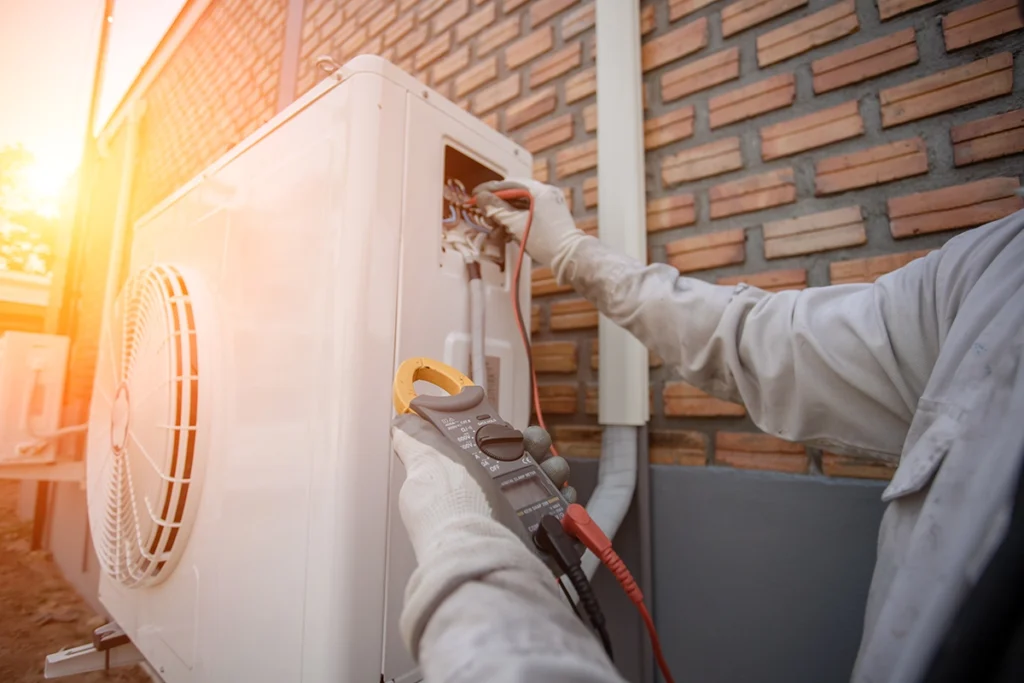
Technician testing a heat pump system during cold weather to check auxiliary heat performance
Heat Pumps, Heating, HVAC Systems, Maintenance, Thermostats

What Is Auxiliary Heat and How Does It Work?

When homeowners ask “what is auxiliary heat,” it usually comes up on the first cold morning when their thermostat suddenly flashes “AUX.” You might wonder — is something wrong with my heat pump, or is this normal? At C&R Services, we’ve had plenty of calls that start with that same question. The short answer: it’s not always bad news. Auxiliary heat is simply your system’s backup plan for extreme weather, helping your home stay warm when your heat pump can’t keep up on its own. What Is Auxiliary Heat in a Heat Pump System? In simple terms, auxiliary heat (or “aux heat”) is a secondary heating source that kicks on automatically when your heat pump needs extra help. During mild weather, your heat pump transfers heat from outside air into your home. But when temperatures drop below a certain point — usually around 35°F to 40°F — that process becomes less efficient. That’s when auxiliary heat steps in. It usually uses electric resistance coils or, in some setups, a gas furnace to supply additional warmth. You might think of it like a car’s turbo boost — it’s not always running, but when it is, it gets the job done quickly. Many homeowners confuse auxiliary heat with emergency heat (EM heat) since both appear on thermostats and both provide backup warmth. The key difference is that EM heat must be turned on manually, while aux heat activates automatically when the system senses it needs extra power. For a deeper comparison, check out our post on what EM heat is and when you should use it — it explains when that mode should (and shouldn’t) be used. When Does Auxiliary Heat Turn On? Your thermostat and system controls decide when auxiliary heat activates. You might notice “AUX” appear on the display if: Outdoor temperatures are too cold for your heat pump to work efficiently Your thermostat raises the temperature several degrees at once The heat pump goes into defrost mode and needs temporary backup heat In most cases, auxiliary heat turns off automatically once your home reaches the set temperature. Still, if you see “AUX” on all the time, that can mean your system is struggling to keep up — or that something needs professional attention. (We’ve seen plenty of situations where a simple thermostat setting caused unnecessary aux use.) The Cost of Running Aux Heat Here’s the part homeowners often don’t love hearing: auxiliary heat uses more energy than regular heat pump operation. That’s because electric resistance coils draw a lot of power. If your system relies on auxiliary heat too often, your utility bills can climb fast. To keep costs down, make sure your home is properly insulated and sealed. Also, avoid large temperature swings on your thermostat. Gradual adjustments give your heat pump time to do most of the work before aux heat is needed. For more details on heat pump efficiency, the U.S. Department of Energy offers great guidance on how to optimize your system for different climates. How to Tell If Auxiliary Heat Is Working Properly One quick test is to check how the air feels. When auxiliary heat activates, supply air from your vents should feel noticeably warmer than during standard heat pump operation. If it feels cold or only slightly warm, there could be an issue with the heating elements or thermostat settings. At C&R Services, we test for this during regular maintenance. We measure current draw, inspect relays, and verify thermostat communication — small details that can make a big difference when temperatures drop. Preventing Overuse of Aux Heat 1. Regular MaintenanceA clean, tuned-up system performs better and doesn’t rely on backup heat as often. Dirty coils, clogged filters, or low refrigerant levels can all cause your heat pump to struggle. 2. Smart Thermostat SettingsModern thermostats can learn your habits and reduce unnecessary aux usage. (We’ve seen some homeowners cut energy use by 10–15% just by upgrading.) 3. Weather AwarenessWhen severe cold hits, it’s normal for auxiliary heat to run more often. But if you live in an area with frequent temperature dips — like parts of East Texas in January — it’s worth having a technician review your setup to ensure efficiency. If you’re looking for reliable seasonal advice and ways to save on heating costs, ENERGY STAR’s Heating and Cooling Guide has some solid, easy tips to follow. When to Call a Professional If your system runs on auxiliary heat constantly, blows cold air, or shows unusually high energy bills, it’s time for a service call. For more insight on that cold air issue, check out our post on why your heater might be blowing cold air — it breaks down the common causes and what to check before calling a pro. At C&R Services, we specialize in diagnosing all types of heat pump issues — including auxiliary heat problems — with accuracy and care. Whether you need repairs, maintenance, or a full system check, we’re here to help keep your home comfortable. FAQs About Auxiliary Heat Now that we’ve covered the basics, here are some common questions we hear about auxiliary heat during service calls. If you’ve ever wondered about aux heat and how it affects your comfort, the key takeaway is that it’s your system’s safety net — helpful when needed, but costly if overused. For peace of mind and optimal performance, schedule a heat pump inspection with C&R Services today. Contact C&R Services to learn more about our heat pump services or to book a professional tune-up that keeps your system running efficiently all winter long.
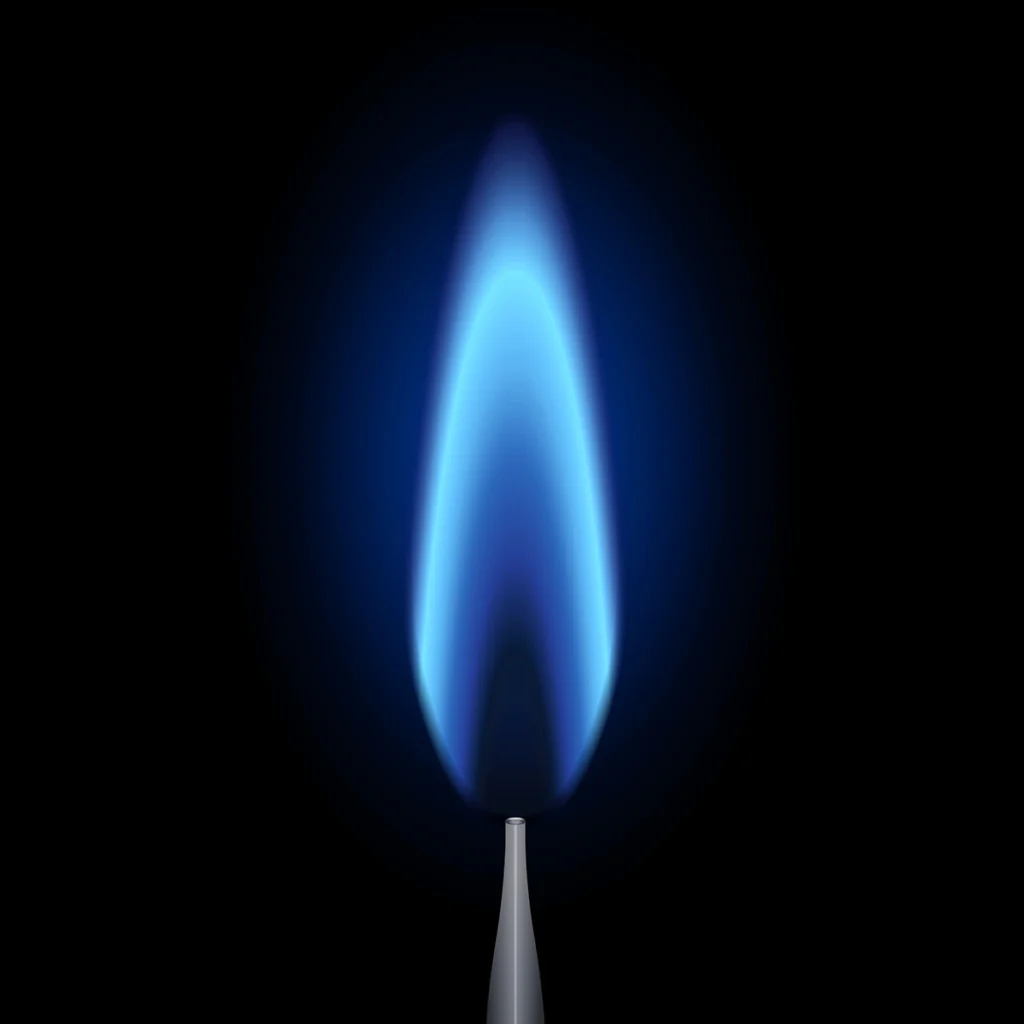
Close-up of a steady blue furnace pilot light flame
Heating, Maintenance, Repair

Furnace Pilot Light Won’t Stay Lit? Try This

When your furnace pilot light keeps going out, it’s frustrating—especially on a chilly night. At C&R Services, we see this all the time, and the truth is, that tiny flame does a lot more work than most people realize. It’s the heart of your furnace, the spark that keeps the whole system alive. When it won’t stay lit, your furnace can’t do its job—and your house gets cold fast. After fixing countless furnaces with this issue, I can tell you most pilot light problems trace back to a few common culprits. Here’s what to check—and when to call for help. What the Furnace Pilot Light Actually Does Think of the furnace pilot light as the ignition switch for your heating system. When your thermostat calls for heat, that flame lights the burners and kicks things into motion. Without it, there’s no fire—no heat. Older furnaces use a standing pilot light that burns continuously. Newer systems rely on electronic ignition, which sparks only when needed. Both can fail, but for slightly different reasons. (Sometimes all it takes is a quick relight. It’s an easy fix that catches a lot of people off guard.) Common Reasons the Furnace Pilot Light Keeps Going Out You don’t need to be a technician to notice the symptoms, but knowing the “why” can help you avoid a bigger repair down the line. 1. Dust and Debris in the Pilot Orifice When the orifice clogs with dust or lint, the flame weakens and flickers out. I once found a pilot completely blocked by a spiderweb—no joke. A quick cleaning fixed it. Still, if you’re unsure, have a pro handle it. Working around gas requires steady hands and the right tools. 2. Bad Thermocouple That thin metal sensor beside the flame? It’s called a thermocouple. It’s basically the furnace’s safety guard—it shuts the gas off if the flame goes out. But when it gets dirty or fails, it can “think” there’s no flame even when there is. Replacing it is quick and inexpensive, and we do it all the time here at C&R Services. 3. Drafts and Venting Problems A strong draft or poor vent seal can blow the flame right out. I’ve seen it happen from something as simple as a door opening too close to the furnace. Sometimes, the vent pipe isn’t sealed properly, letting cold air rush back inside. 4. Gas Flow Issues If the flame won’t stay lit no matter what, you might be dealing with low gas pressure or a partially closed valve. Sometimes the issue goes beyond the pilot assembly itself. If the internal gas valve isn’t opening or regulating fuel correctly, the flame can go out repeatedly. If you want a simple explanation of how that part works, we have a breakdown that covers the role of the gas valve on a furnace and the warning signs to watch for. That’s not a DIY job—your gas company or an HVAC technician should check that. How to Relight a Furnace Pilot Light Safely If you’re comfortable and your system uses a manual pilot, you can try relighting it yourself. Here’s how: Turn the gas control to “Off” and wait a few minutes to clear any gas. Find the pilot assembly and turn the knob to “Pilot.” Press and hold the knob while lighting the flame with a match or lighter. Keep holding the knob for 30 seconds after the flame appears, then release. Turn the knob to “On.” The burners should ignite. If the furnace pilot light goes out again right after, stop trying to relight it. That’s your system telling you it needs service. Sometimes, the pilot isn’t the only reason a furnace won’t start. If your system still refuses to kick on, check out our post on what to do when your furnace isn’t turning on — it covers other common ignition and safety switch issues you can look for before calling a pro. When to Call a Professional Here’s my personal rule: if you’ve relit the pilot twice in one day and it still won’t hold, call in help. It could be a failing thermocouple, a dirty orifice, or something more serious like a gas control valve issue. At C&R Services, we use gas analyzers and thermal sensors to test ignition systems precisely. Whether the issue is mechanical or airflow-related, we’ll get your heat back safely and efficiently. And yes, we’ve worked on everything from vintage gas furnaces to modern two-stage units—so we’ve seen it all. If your system still kicks on but only blows cool air, the problem might go beyond the pilot itself. Sometimes, the burners light briefly and shut off, or the flame sensor fails to confirm ignition. For a deeper look at that issue, read our guide on why your heater might be blowing cold air — it breaks down other causes beyond the pilot light itself. Keeping Your Pilot Light Burning Bright Preventing future problems doesn’t take much. Here’s what I tell every homeowner: Schedule a yearly tune-up before winter. Replace your air filter regularly—restricted airflow affects combustion. Seal nearby drafts that can blow out the flame. Have a pro clean the burner and pilot assembly once a year. For deeper reading, the U.S. Department of Energy has a solid overview of furnace maintenance and safety. For seasonal prep, check out The Old Farmer’s Almanac winter forecast to see when colder weather might hit your area. Should You Consider a Furnace Upgrade? If your furnace is more than 20 years old and the furnace pilot light keeps acting up, it might be time to think about replacement. Modern systems use electronic ignition, saving energy and avoiding the old pilot flame altogether. We’ve replaced plenty of units in East Texas that were running on borrowed time—and the efficiency gains are no joke. Contact C&R Services If your furnace pilot light won’t stay lit, don’t wait until you’re freezing. C&R Services offers prompt, professional heating repair and maintenance services across Tyler and East Texas. Contact

Woman wrapped in a blanket warming her hands near a space heater because her heater is blowing cold air.
Heating, HVAC Systems, Maintenance

Why Is My Heater Blowing Cold Air?

If you’ve ever asked yourself, “Why is my heater blowing cold air?” while shivering inside your own home, you’re not alone. It’s one of the most common calls we get at C&R Services, and believe me—nothing tests your patience faster than a furnace that suddenly forgets its job. The good news? In most cases, the fix is easier than you’d expect. Let’s walk through the most likely reasons, what you can check first, and when it’s time to call a pro. Why Is My Heater Blowing Cold Air Instead of Warm Air? When your heater starts blowing cold air, the issue usually falls into one of three categories—settings, airflow, or system malfunction. Think of it like a chain: if one link breaks, the whole thing stops working as it should. Here are the most common culprits we see: The Thermostat Is Set IncorrectlyIt might sound obvious, but double-check your thermostat. Make sure it’s on “Heat” mode and not “Fan Only.” In fan mode, the blower keeps running even when the furnace isn’t heating, which can make it feel like the system’s blowing cold air. (Happens more often than people admit—I’ve seen it plenty of times during service calls!) The Furnace Filter Is CloggedA dirty filter restricts airflow and can cause your furnace to overheat. When that happens, safety controls shut down the burner but keep the fan running—pushing cool air instead of warm. Swap your filter every 1–3 months to keep air moving freely. The U.S. Department of Energy recommends regular filter changes for better efficiency and indoor air quality. The Pilot Light or Igniter Failed If your system uses a pilot light, check to see if it’s still lit. For modern systems, electronic igniters can wear out too. Without ignition, your furnace can’t produce heat—so the fan just circulates room-temperature air. If you’ve already ruled out the thermostat and filter but your system still won’t ignite, it might be a deeper issue. You can read our post on what to do if your furnace is not turning on for a step-by-step look at what might be causing the problem and when it’s time to call for service. Airflow Issues That Can Make a Heater Blow Cold Air Restricted airflow is one of those sneaky problems that doesn’t always seem serious at first. But it can lead to costly repairs if ignored. Blocked Vents or Registers: Make sure furniture or rugs aren’t covering vents. You’d be surprised how often we find a couch hiding the main supply vent. Leaky Ductwork: If your ducts are damaged or poorly sealed, warm air escapes before reaching your rooms. A quick duct inspection by a professional can uncover hidden leaks. Return Air Problems: A blocked return vent means your system can’t pull in enough air to heat properly. (Here’s a quick technician tip: when one room is way colder than others, it’s almost always a vent or duct issue.) If you’ve ever wondered how all that heated air actually travels through your home, take a look at our explainer on what forced air heating is and how it works. It breaks down the process behind your duct system and shows why airflow balance is so important for comfort and efficiency. Why Is My Heater Blowing Cold Air When It Starts Up? Sometimes, your heater may blow cool air briefly before warming up. This isn’t always a problem. When your system first kicks on, it needs a few seconds to heat the air in the ducts. If the air stays cold beyond a minute or two, though, it’s worth investigating. Another possible cause is a malfunctioning flame sensor—a small part that confirms the burner is lit. When it gets dirty or fails, it shuts the flame off early, leaving you with nothing but cold air. You can learn more about how modern furnaces and burners work from the U.S. Department of Energy’s furnace and boiler guide. And if you want a clearer, homeowner-friendly breakdown of how your furnace actually works, our guide walks through the entire heating process step-by-step. Electrical or Gas Supply Problems When all else fails, check the basics: is the furnace actually getting power or gas? A tripped breaker, closed gas valve, or disconnected switch can stop heat production in an instant. If you’re not comfortable checking those, it’s best to call a professional like C&R Services. We’ll safely test the system and make sure you’re not dealing with something dangerous. When to Call a Professional If you’ve checked your thermostat, replaced your filter, and confirmed your pilot light—but your heater’s still blowing cold air—don’t keep running it. Prolonged operation can overheat components, crack a heat exchanger, or trigger safety shutoffs. At C&R Services, we use diagnostic tools to pinpoint the cause quickly. Whether it’s a faulty control board, a pressure switch problem, or an airflow restriction deep in the ductwork, we’ll get it fixed the right way. (And yes, we’ve seen it all—from nests in vents to furnace panels taped shut. You name it, we’ve found it.) If your system just isn’t keeping up, it may be time to schedule professional heating repair services. Our team will inspect, diagnose, and restore your system to full heat—safely and efficiently. Preventing Future Cold-Air Problems Regular maintenance makes a huge difference. Schedule a professional tune-up each fall to catch small issues before they become big ones. Cleaning burners, checking sensors, and inspecting venting systems helps keep your heater running efficiently all season long. Simple habits—like replacing filters and keeping vents clear—go a long way toward preventing cold air surprises. Why Is My Heater Blowing Cold Air? The Takeaway If you’ve been wondering why your heater is blowing cold air, start with the easy checks: thermostat mode, filters, and pilot light. If none of those solve it, don’t wait—have a licensed technician inspect your system before the next cold front hits. For reliable, honest heating repair, contact C&R Services. We proudly serve Tyler and all of East Texas, and we’ll make sure your home

Technician repairing home furnace after system not turning on
Heating, Maintenance, Seasonal Tips

Furnace Not Turning On? Here’s What to Check First

If you’ve found yourself dealing with a furnace not turning on in the middle of a cold morning, you’re not alone. As someone who’s worked on heating systems for years here at C&R Services, I’ve seen this exact issue pop up more times than I can count. It’s frustrating—but the good news is, it’s often something simple. Before you panic or call for emergency service, there are a few things you can safely check yourself. Common Reasons Your Furnace Is Not Turning On These are the most frequent causes I see in the field when homeowners call about their furnace not turning on. Start with the easy ones—you might save yourself a service call. 1. Furnace Not Turning On? Check the Thermostat Settings Let’s start with the obvious, because it really does happen: the thermostat. Make sure it’s set to “heat” and that the temperature is higher than the current room reading. It sounds simple, but I’ve walked into homes where the system was perfectly fine—the thermostat just wasn’t communicating correctly. If your thermostat runs on batteries, swap them out. Weak batteries can cause the unit to lose its signal to the furnace. Also, if it’s a smart thermostat, check the Wi-Fi connection and any scheduling settings that might delay the heating cycle. If you’re unsure how to change your system’s mode, here’s a quick guide on switching your AC to heat properly that walks you through the process step by step. (Technician tip: sometimes, simply switching the system to off for 30 seconds and turning it back on resets everything.) 2. Inspect the Furnace Power Switch and Breaker When your furnace not turning on has you stumped, check the power first. There’s usually a wall switch near the furnace that looks like a regular light switch—it controls the power to the unit. Make sure it’s in the “on” position. Next, head to your electrical panel. If the furnace breaker is tripped, reset it once. If it trips again, that could signal an electrical short or internal issue that needs professional attention from C&R Services. 3. Look at the Furnace Filter A dirty air filter is one of the most common reasons for furnace problems. When the filter clogs, it restricts airflow and can cause the system to overheat and shut down as a safety measure. Pull the filter out and hold it up to the light. If you can’t see through it, replace it. Regular filter changes—every one to three months depending on usage—can prevent your furnace not turning on and save energy at the same time. For guidance on keeping your heating system efficient, the U.S. Department of Energy’s fall and winter energy-saving tips recommend checking your furnace filter monthly and replacing it when it’s dirty to maintain proper airflow and performance. 4. Inspect the Pilot Light or Ignition System If you have an older gas furnace, check the pilot light. It should burn a steady blue flame. If it’s out, follow your manufacturer’s relighting instructions carefully. For newer high-efficiency systems, look for electronic ignition issues instead. These models use flame sensors and hot surface igniters that can fail or get dirty over time. If you’re not comfortable checking these components, it’s best to call a certified technician at C&R Services to handle it safely. And if you’re unsure how the full heating cycle works—or how your furnace is supposed to ignite and produce warm air—our guide on how a furnace heats your home breaks down the entire process in clear, simple steps. 5. Check for Blocked Vents or Air Intakes Sometimes, the problem isn’t inside the furnace—it’s outside. Snow, debris, or even leaves can block the air intake or exhaust vent on modern systems, triggering safety sensors that stop the furnace from firing. Take a walk around the exterior of your home and make sure those PVC pipes are clear. A quick cleanup could be the difference between no heat and a warm, cozy night. 6. Listen for Unusual Noises or Smells When troubleshooting a furnace not turning on, your senses can tell you a lot. If you hear clicking but no ignition, the problem might lie with the igniter or gas valve. A burning smell after startup can signal dust burning off—but if it persists or smells like gas, turn off the system and call for help immediately. For gas-related safety info, see the U.S. Consumer Product Safety Commission’s furnace and home heating tips. It’s always better to err on the side of caution. 7. When to Call a Professional If you’ve checked everything and your furnace not turning on still has you puzzled, it’s time to bring in a professional. Issues like faulty control boards, bad blower motors, or cracked heat exchangers aren’t DIY-friendly and can pose safety risks. At C&R Services, we handle all kinds of heating repair and diagnostic work. Whether it’s an electrical fault, a gas flow issue, or a sensor problem, we’ll get to the root of it quickly. And we always check for safety hazards like carbon monoxide leaks during every service call. If your furnace is older and this isn’t its first hiccup, it might be nearing the end of its lifespan. Learn more about how long furnaces typically last before replacement so you can plan ahead and avoid sudden breakdowns. Keep Your Furnace Running Smoothly Routine maintenance can prevent most situations that result in a furnace not turning on. Schedule seasonal tune-ups before winter hits. We inspect igniters, test safety switches, clean flame sensors, and verify gas pressure. These steps keep your furnace efficient and reliable when you need it most. If you’re in Tyler or anywhere in East Texas, the team at C&R Services is here to help with professional furnace services and seasonal maintenance that keep your system reliable year-round. Contact us today to schedule your appointment or request emergency repair. FAQs When Your Furnace Is Not Turning On If you’re still scratching your head after checking everything, here are a few questions homeowners often

Technician inspecting a furnace during maintenance to show how long furnaces last
Heating, Maintenance, Replacement, Seasonal Tips

How Long Do Furnaces Last? Lifespan, Signs, and Tips

If you’re wondering how long furnaces last, you’re not alone. We hear this question from homeowners all the time—especially when temperatures start to dip and heating bills go up. The truth is, most people don’t think about their furnace until something goes wrong. But knowing the average lifespan of a furnace, plus what affects it, can help you plan ahead and avoid surprise breakdowns. At C&R Services, we’ve worked on thousands of heating systems, and we’ve learned what really makes the difference between a short-lived unit and one that runs strong for years. Let’s dive into what affects furnace lifespan, signs yours may be near the end, and how to get the most out of your system. How Long Do Furnaces Last on Average? In general, the average gas furnace lasts between 15 to 20 years. Electric furnaces can sometimes stretch to 20–30 years, but they usually cost more to run. High-efficiency systems might not last quite as long due to more complex components—but they’ll save you money on energy bills in the meantime. That said, those are just averages. We’ve seen some furnaces in great shape at 25 years, and others on their last leg at 10. It all depends on how the system was installed, maintained, and used. Most homes today use a forced air heating system, which moves warm air through ducts and vents. If you’d like to learn more, check out our post on what forced air heating is and how it works. And if you want a clearer breakdown of how a furnace actually creates heat and moves air through the home, our guide on how a furnace works walks through the full process step-by-step. What Determines How Long Furnaces Last? Here’s what we’ve seen over and over again in the field: 1. Maintenance Schedule Annual maintenance is the single biggest factor. A neglected furnace will wear out faster, no matter how well it was built. Regular tune-ups catch small issues before they turn into major problems. (Think of it like changing the oil in your car.) ENERGY STAR offers a helpful maintenance checklist that outlines what a full furnace service should include. 2. Airflow and Filter Changes Clogged filters strain your blower motor and reduce efficiency. Changing filters every 1–3 months (depending on usage and filter type) makes a noticeable difference. We always recommend setting a reminder on your phone—it’s easy to forget. 3. Proper Installation Even the best furnace won’t last if it was poorly installed. Undersized or oversized systems wear down quickly, and poor ductwork can force the system to work harder than it should. That’s why we always emphasize proper sizing and layout design at C&R Services. 4. Local Climate and Usage Colder climates naturally put more stress on a furnace. If your system runs daily for 6+ months a year, it’s doing more work—and that adds up. That’s also why it’s smart to plan ahead if you live in a region with harsh winters. Signs Your Furnace Is Near the End Even if your furnace is still running, there are a few telltale signs it may be time to start thinking about a replacement: Rising heating bills despite normal usage Frequent repairs in the last 2–3 years Strange noises like banging, rattling, or humming Uneven heating throughout the house System age over 15 years You don’t have to panic—but if you’re seeing two or more of these signs, it’s time for an inspection. Learn more about our furnace services to see how C&R Services can help keep your system running safely and efficiently. We’ve helped a lot of homeowners weigh the cost of repairs versus replacement, and sometimes, a new furnace is the more cost-effective option long term. How Long Do Furnaces Last Without Regular Maintenance? If you’ve been skipping annual tune-ups, trust me—it’s more common than you think, but it really affects how long furnaces last. Without proper care, dirt buildup, worn parts, and airflow issues can shorten a furnace’s lifespan by several years. At C&R Services, we’ve seen well-built systems fail early simply because they went too long without service. On the flip side, we’ve seen units over 20 years old still running strong thanks to consistent maintenance. Regular inspections keep efficiency high, reduce wear, and prevent those surprise mid-winter breakdowns nobody wants. If you’re not sure when your furnace was last checked, that’s your cue to schedule a visit. It’s one of the simplest ways to extend how long your furnace lasts. How Long Do Furnaces Last? Final Thoughts from the Field In our experience at C&R Services, how long furnaces last depends on the decisions you make early on—installation, maintenance, and daily use all play a role. But even with the best care, no furnace lasts forever. Knowing when it’s time to start planning for a replacement can help you avoid emergencies, keep your home comfortable, and make smart financial choices. If you’re not sure where your furnace stands, we’d be happy to take a look and give you an honest assessment. Whether you need routine service or you’re ready for something new, our team’s here to help. Contact C&R Services today to schedule a furnace inspection or consultation. Frequently Asked Questions Here are a few questions we often hear from customers trying to plan ahead for their heating system: C&R Services is proud to support homeowners throughout East Texas with honest, reliable furnace service you can count on year after year.

Forced air heating system with furnace and insulated ductwork installed in a residential attic.
HVAC Systems, Indoor Air Quality, Maintenance

What Is Forced Air Heating and How Does It Work?

When homeowners ask, “what is forced air heating?” it’s usually because they’ve heard the term but aren’t sure what sets it apart. At C&R Services, we get this question a lot—especially from people trying to understand how their HVAC system really keeps them comfortable. The truth is, forced air heating is one of the most common and effective ways to warm a home, but it’s often misunderstood. Let’s break it down in plain language and talk about how it works, why it’s popular, and when it might be time to get yours checked. What Is Forced Air Heating? In simple terms, forced air heating is a system that uses air as the medium for distributing heat throughout your home. The furnace heats the air, and a blower pushes that warm air through ducts and out of vents in each room. Pretty simple, right? If you’d like a deeper breakdown of how a furnace actually creates and moves heat, our guide on how a furnace works walks through each stage in simple, clear steps. Unlike radiant or baseboard heating systems, which rely on surfaces to transfer heat, forced air systems move warmth through airflow. Because of that, they heat your space faster and maintain more consistent temperatures. That warm rush of air you feel when the furnace starts up? That’s your forced air system distributing heat through the ducts. How Forced Air Heating Works Step-by-Step Here’s what happens behind the scenes every time your thermostat calls for heat: The thermostat signals your furnace. Once the temperature dips below your setting, the furnace turns on. The air gets heated. This happens through a gas burner or electric element inside the unit. The blower motor kicks in. It forces that warm air through your home’s duct system. Air circulates back. Cool air returns through intake vents to be reheated and recirculated. According to the U.S. Department of Energy, this cycle keeps indoor air balanced while maintaining efficiency—especially when your ducts are sealed and your filters are clean. Once you understand that basic airflow cycle, switching between heating and cooling makes a lot more sense. When the seasons change, knowing how to properly switch your system from AC to heat helps prevent thermostat mix-ups and airflow issues—two of the most common reasons homeowners call us for service. Advantages of a Forced Air Heating System Forced air heating systems have stood the test of time because they’re reliable, efficient, and versatile. Here are a few reasons why so many homes use them: Energy Efficiency: Newer furnaces can reach up to 98% efficiency, saving energy and lowering bills. Fast Heating: Warm air circulates quickly, making forced air one of the fastest heating methods available. Easy Integration: You can add central air conditioning or indoor air quality upgrades using the same ductwork. Consistent Comfort: Even temperatures and proper humidity levels make your home feel just right. At C&R Services, we’ve installed, maintained, and repaired countless forced air systems over the years. When these systems are properly sized and maintained, they can last for decades. Common Forced Air Heating Problems (and What We See Most Often) Even the best systems need a little attention from time to time. The most common issues we see include dirty filters, leaky ducts, and worn-out blower motors. Sometimes, it’s as simple as a thermostat that needs recalibrating. Here’s a little insider tip: If your system starts making strange noises or blowing cold air, don’t ignore it. Small issues tend to become big repairs fast. According to the U.S. Environmental Protection Agency (EPA), proper HVAC operation and maintenance play a major role in supporting healthy indoor air quality. Regular filter changes and inspections help systems run efficiently while keeping air cleaner. Even a small amount of dust or buildup in your ductwork can reduce airflow and strain the system, which is why regular maintenance makes such a difference. Maintaining Your Forced Air System To keep your forced air heating system running smoothly, you’ll want to: Replace filters every 1–3 months. Schedule annual furnace maintenance. Check duct seals for leaks or gaps. Keep supply and return vents unobstructed. These small steps go a long way toward keeping your forced air system efficient and reliable all season long. Why Proper Airflow Matters If you’ve ever had rooms that feel warmer or cooler than others, airflow imbalance might be the culprit. Forced air systems depend on clean ducts and balanced registers. Adjusting dampers or adding zoning controls can make a huge difference in comfort and energy efficiency. At C&R Services, we often recommend a professional airflow test. It’s one of the easiest ways to spot hidden inefficiencies—and it can save homeowners real money over time. When to Call the Pros If your forced air heating system struggles to keep up or seems louder than usual, that’s a good time to call a professional. Our trained HVAC technicians at C&R Services can diagnose the issue quickly and get your heat back on track without unnecessary parts or guesswork. To see how we keep systems running safely and efficiently, take a look at our heating services. Final Thoughts So, what is forced air heating, really? It’s the tried-and-true backbone of modern home comfort—a system designed to keep warm air flowing efficiently through every room. Whether you’re dealing with an older furnace or exploring energy-efficient replacements, understanding how your system works helps you make better choices. If your home isn’t staying as comfortable as it should, or you’re curious about upgrading your setup, contact C&R Services today. Our experienced team is ready to inspect, repair, or install a forced air system that fits your home perfectly. We proudly serve homeowners in Tyler, TX, and throughout the surrounding East Texas communities. Frequently Asked Questions About Forced Air Heating Before you go, here are a few common questions we get from customers: Ready to schedule service or learn more about your system? Reach out to C&R Services today to get started.

C&R Services - What Does Freon Smell Like and Is It Dangerous? 1
Air Conditioning, Indoor Air Quality, Maintenance

What Does Freon Smell Like and Is It Dangerous?

If you’ve ever wondered, what does Freon smell like, you’re not alone. As HVAC technicians at C&R Services, we get this question all the time—usually from homeowners who catch an odd odor near their vents or outdoor unit and aren’t quite sure what it means. The truth is, Freon (the common name for refrigerant) shouldn’t have a strong, lingering smell at all. When you do notice something unusual, it’s worth paying attention, because it could signal a leak or another issue in your system. What Does Freon Smell Like? In most cases, Freon has a faint, sweet, or chloroform-like scent. It’s subtle enough that many people barely notice it—until a leak grows larger. If the odor becomes stronger or more chemical in nature, that’s often a sign of escaping refrigerant gas. Some people also describe the smell as slightly metallic or musty. Because everyone’s sense of smell is different, there’s no single description that fits all. However, if you ever catch a scent that seems off when your AC is running, it’s a good idea to have a technician from C&R Services take a closer look. (Quick aside: I’ve had customers call it “pool water meets car exhaust”—not exactly the kind of air you want indoors!) Why a Freon Leak Is Dangerous Even small refrigerant leaks can pose serious risks. Exposure to concentrated refrigerant gases can cause dizziness, nausea, and, in severe cases, asphyxiation in confined spaces. Besides the health hazards, leaks are harmful to the environment and can damage your HVAC system’s compressor over time. When refrigerant escapes, your system loses pressure and efficiency. That means longer run times, higher energy bills, and reduced cooling power—especially during hot summer days when you need your AC most. What Does Freon Smell Like During a Leak? You might not always smell Freon right away, but other symptoms can help you spot trouble early: Weak airflow or uneven cooling throughout the house Hissing or bubbling sounds coming from the indoor or outdoor unit Higher electricity bills with no obvious reason Frozen coils or ice buildup on your refrigerant lines A sweet or chemical odor, especially near vents If you notice any of these issues—or if you’re still asking yourself, what does Freon smell like—it’s best to schedule a professional inspection. At C&R Services, we use leak detection tools that pinpoint the source safely and accurately. What to Do if You Smell Freon First, open a few windows to get fresh air circulating. Then, turn off your HVAC system to prevent more refrigerant from escaping. Avoid trying to fix it yourself—refrigerant handling requires EPA certification and specialized equipment. Next, call a licensed HVAC technician. A professional can identify the leak, recover and replace lost refrigerant, and ensure your system runs at the proper pressure again. If your system isn’t cooling properly, you may need professional AC repair to restore comfort and efficiency. For more information on refrigerant safety and regulations, visit the EPA’s page on Managing Refrigerant in Stationary Equipment. Preventing Future Leaks Regular AC maintenance is the best way to prevent leaks before they start. During a tune-up, a technician checks your refrigerant lines, coil condition, and system pressure to keep everything running smoothly. At C&R Services, we recommend scheduling seasonal maintenance before summer hits. (Trust me, you don’t want to find out your system’s low on refrigerant when it’s 95°F outside.) For a practical guide to preparing your home for seasonal temperature changes, you can also check the Department of Energy’s home cooling tips for more advice. Is It Safe to Breathe Freon? In short—no. While short exposure to small amounts may not cause major harm, breathing in refrigerant gas intentionally or for long periods is extremely dangerous. It can displace oxygen, leading to headaches, dizziness, or worse. That’s one reason professional HVAC technicians wear protective gear when handling refrigerants. So, if you ever detect a chemical odor near your vents, don’t ignore it. It’s always better to be cautious and call an expert. When to Call the Experts: What Does Freon Smell Like and Is It Dangerous? Strange smells, ice buildup, or uneven cooling usually mean something’s off inside your HVAC system. The good news? Most issues are quick fixes when caught early. Our crew at C&R Services can track down the problem fast and get your system running smoothly again. Whether you’re dealing with weak cooling, unusual odors, or rising energy bills, our team offers complete HVAC services in Tyler and East TX to keep your system running smoothly. Call us today at (903) 204-7571 or reach out online to schedule service and keep your home safe, comfortable, and efficient. We proudly serve Tyler, TX, and the surrounding East Texas communities—but we’re always happy to share our expertise with homeowners nationwide. FAQs If you’ve been wondering what does Freon smell like, now you know it’s more than just an odd odor—it’s a potential warning sign. Don’t wait for it to get worse; contact C&R Services today for expert help and dependable HVAC care.

Scroll to Top