Call Us (903) 204-7571 Today

“Taught By Fathers, Trusted By Families”

March 14, 2026

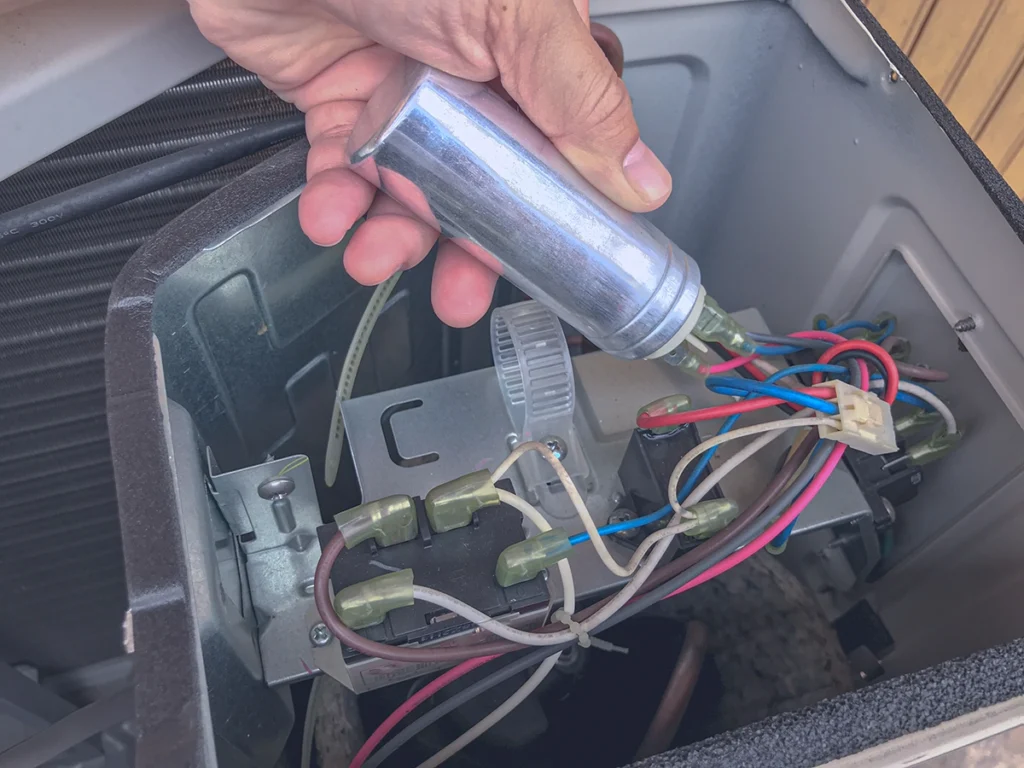
Technician holding an hvac capacitor inside an outdoor AC unit during repair service
Air Conditioning, HVAC Systems, Repair

HVAC Capacitor Problems: Signs Your AC Unit Needs Help

When your air conditioning system suddenly stops working or begins struggling to start, the culprit might be a small but critical component called the HVAC capacitor. This essential part plays a vital role in keeping your cooling system running smoothly, and understanding its function can help you recognize when professional intervention is needed. What Is an HVAC Capacitor and Why Does It Matter? An HVAC capacitor is an electrical component that stores and releases energy to help your air conditioning system’s motors start and run efficiently. Think of it as a battery that provides the initial electrical boost needed to get your AC’s compressor and fan motors spinning. Without a properly functioning capacitor, your system may struggle to start or fail to operate altogether. There are two main types of capacitors in most HVAC systems: start capacitors and run capacitors. Start capacitors provide the initial jolt of power needed to get motors running, while run capacitors help maintain steady operation once the system is up and running. Some systems use a dual capacitor that combines both functions into one unit. Common Signs Your HVAC Capacitor Is Failing Recognizing the warning signs of a failing capacitor can help you address the issue before it leads to more expensive repairs or complete system failure. Here are the key symptoms to watch for: Your AC Unit Won’t Start If your air conditioning system doesn’t turn on when you adjust the thermostat, a faulty capacitor could be preventing the motors from starting. You might hear the system trying to start with clicking sounds or humming, but the outdoor unit never actually begins running. A capacitor is one possible reason an AC will not turn on, but it is not the only issue that can keep a system from starting. Hard Starting or Delayed Operation A struggling capacitor often causes hard starting, where your AC takes multiple attempts to begin operating or experiences significant delays between the thermostat call and actual startup. This puts additional strain on your system’s components and increases energy consumption. Intermittent Operation Capacitor problems can cause your system to start and stop unexpectedly or run for short periods before shutting down. This erratic behavior indicates the capacitor isn’t providing consistent power to keep the motors running smoothly. Unusual Sounds Listen for humming, buzzing, or clicking sounds coming from your outdoor unit. These noises often indicate that the system is trying to start but lacks sufficient electrical support from the capacitor. Reduced Cooling Performance When a run capacitor begins failing, your system might still operate but with reduced efficiency. You may notice that your home takes longer to cool down or doesn’t reach the desired temperature consistently. What Causes HVAC Capacitor Failure? Understanding the common causes of capacitor failure can help you appreciate why regular maintenance is so important for your HVAC system’s longevity. Age and Normal Wear Like all electrical components, capacitors have a limited lifespan. Most HVAC capacitors last between 10-20 years, but factors like usage patterns and environmental conditions can affect their longevity. As capacitors age, their ability to hold and release electrical charge gradually diminishes. Heat and Electrical Stress Capacitors are particularly sensitive to heat and electrical stress. Extended operation in high temperatures, power surges, and frequent cycling can accelerate wear and cause premature failure. The Department of Energy notes that regular air conditioner maintenance helps support efficient performance and can reduce issues that lead to premature system problems. Power Issues Voltage fluctuations, power surges, and electrical storms can damage capacitors instantly or weaken them over time. Installing surge protection can help protect these sensitive components from electrical damage. Manufacturing Defects Occasionally, capacitors may fail prematurely due to manufacturing defects or poor quality components. This is why choosing reputable HVAC contractors who use quality parts is essential for long-term system reliability. The Professional Capacitor Replacement Process When you call C&R Services for capacitor issues, our certified technicians follow a comprehensive diagnostic and replacement process to ensure your system operates safely and efficiently. First, our technician will perform electrical tests to confirm the capacitor is indeed the problem and not a symptom of a larger issue. They’ll check voltage readings, inspect connections, and examine the capacitor for physical signs of failure like bulging, leaking, or corrosion. If replacement is needed, the technician will safely discharge any remaining electrical charge, disconnect the old capacitor, and install a properly rated replacement. They’ll also inspect related components like contactors and wiring to ensure the entire system is in good working order. Why Professional Service Matters for HVAC Capacitor Issues While a failing capacitor might seem like a simple electrical component, HVAC systems involve high voltage electricity and specialized knowledge that make professional service essential for safety and effectiveness. Licensed technicians have the proper tools and training to safely work with electrical components while your system is energized. They can also identify underlying issues that might have contributed to capacitor failure, preventing future problems and ensuring your investment is protected. Additionally, professional service ensures the correct capacitor specifications are used. Using the wrong voltage rating or capacitance value can damage other system components or create safety hazards. Preventing Capacitor Problems Through Regular Maintenance The best way to avoid unexpected capacitor failures is through regular preventive maintenance. During routine service visits, HVAC professionals can test capacitor function, clean electrical connections, and identify potential issues before they cause system failures. Regular maintenance also helps address factors that contribute to premature capacitor failure, such as dirty coils that cause overheating, loose electrical connections that create voltage fluctuations, and worn components that put additional stress on the electrical system. When to Call C&R Services for HVAC Capacitor Service If you’re experiencing any of the warning signs mentioned above, don’t wait for complete system failure. Early intervention can often prevent more extensive damage and costly repairs. Our team of certified technicians has the expertise to quickly diagnose capacitor issues and restore your system’s reliable operation. At C&R Services, we understand that HVAC problems never happen at convenient
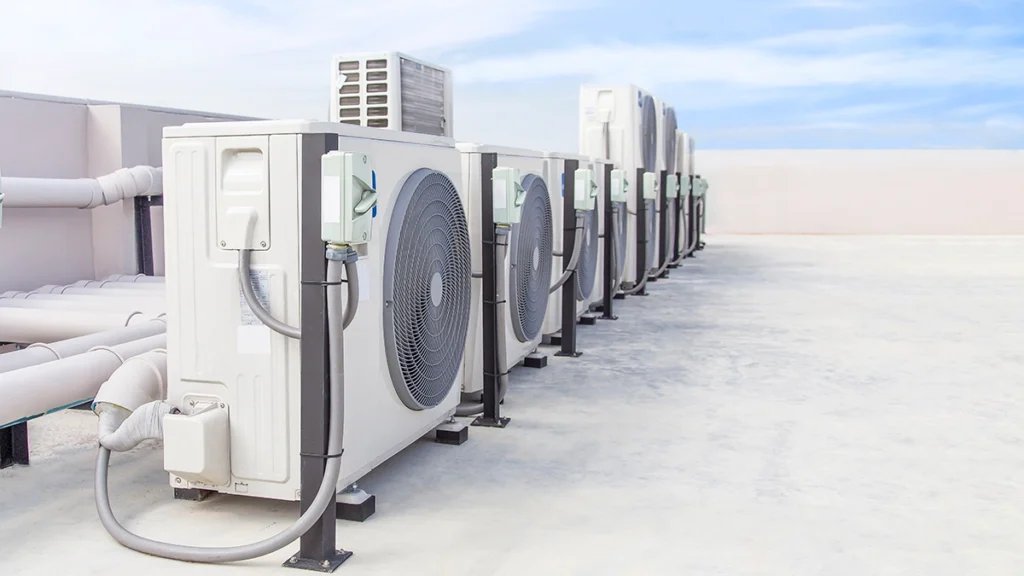
Rooftop commercial HVAC units shown in a row for commercial HVAC maintenance and system service
Commercial HVAC

Commercial HVAC Maintenance: Why It’s Critical

Running a business comes with countless responsibilities, but one that can’t be overlooked is keeping your commercial HVAC system properly maintained. Unlike residential systems, commercial HVAC equipment works harder, runs longer, and serves more people every day. That’s why commercial HVAC maintenance isn’t just recommended—it’s absolutely critical for your business success. At C&R Services, we’ve seen firsthand how preventive maintenance can save businesses thousands of dollars while keeping employees and customers comfortable year-round. When we approach each maintenance call, we’re not just checking boxes—we’re serving people and protecting the investments that business owners have worked so hard to build. What Makes Commercial HVAC Systems Different Commercial HVAC systems are complex beasts compared to residential units. They typically feature larger capacities, multiple zones, and sophisticated controls that manage air quality, temperature, and humidity across vast spaces. These systems often include: Rooftop units handling massive air volumes Chillers and boilers for heating and cooling Complex ductwork serving multiple floors or zones Building management systems with automated controls Industrial-grade air filtration systems Because these systems run continuously during business hours and handle much heavier loads than residential units, they require specialized maintenance approaches. A certified technician familiar with commercial equipment understands the unique demands these systems face and knows how to keep them running efficiently. Signs Your Commercial HVAC System Needs Professional Attention Business owners often ask us how they can tell when their HVAC system needs maintenance. While we always recommend scheduled preventive maintenance, certain warning signs indicate immediate professional attention is needed: Temperature inconsistencies across different areas of your building often signal airflow problems, faulty dampers, or issues with zone controls. If some offices are freezing while others are sweltering, your system isn’t distributing conditioned air properly. Rising energy bills without corresponding increases in usage typically indicate declining system efficiency. When HVAC components get dirty or start wearing out, they work harder to maintain the same comfort levels, driving up operating costs. Unusual noises like grinding, squealing, or rattling sounds often indicate worn bearings, loose belts, or failing motors. These sounds are your system’s way of crying for help before a major breakdown occurs. Poor indoor air quality complaints from employees or customers can indicate problems with filtration systems, ductwork contamination, or inadequate ventilation. This isn’t just a comfort issue—it can affect productivity and health. If you’re experiencing any of these issues, AC running but not cooling problems might be affecting your commercial system as well, requiring immediate professional diagnosis. What Professional Commercial HVAC Maintenance Includes When C&R Services performs commercial maintenance, we follow a comprehensive approach that addresses every critical component. A certified technician will systematically inspect, clean, and adjust your entire system to ensure peak performance. Mechanical component inspection involves checking all moving parts, including motors, fans, belts, and bearings. Your HVAC professional will look for signs of wear, lubricate components as needed, and identify parts that may need replacement before they fail. Electrical system evaluation includes testing all electrical connections, checking control systems, and verifying that safety switches and sensors are functioning properly. Electrical problems in commercial systems can be particularly dangerous and expensive if left unchecked. Refrigeration system analysis involves checking refrigerant levels, testing for leaks, and ensuring that compressors and condensers are operating efficiently. Your technician will also examine heat exchangers and coils for damage or efficiency problems. Air distribution assessment includes inspecting ductwork for leaks, checking damper operation, and verifying that air handlers are delivering proper airflow to all zones. This is particularly important in commercial buildings where air distribution affects multiple spaces. Professional maintenance also includes return air vent function evaluation to ensure proper air circulation throughout your commercial space. The Hidden Costs of Skipping Maintenance Many business owners try to cut costs by deferring HVAC maintenance, but this approach often backfires. The U.S. Department of Energy notes that neglecting air conditioner maintenance leads to declining performance and increased energy use, making regular service important for efficiency and long-term system health. Emergency repairs typically cost 3-5 times more than preventive maintenance. When a critical component fails during peak business hours, you’re not just paying premium emergency rates—you’re also losing revenue from uncomfortable customers and unproductive employees. Premature equipment replacement represents the biggest hidden cost. Commercial HVAC systems that receive regular maintenance can last 20-25 years, while neglected systems often fail after just 10-15 years. The difference in replacement costs can easily reach six figures for large commercial installations. Indoor air quality problems from poor maintenance can lead to employee sick days, reduced productivity, and even liability issues if customers or staff develop health problems related to poor air quality. How Often Should Commercial Systems Be Maintained Commercial HVAC maintenance frequency depends on several factors, including system size, usage patterns, and environmental conditions. Most commercial systems benefit from quarterly maintenance visits, with some high-use equipment requiring monthly attention. Restaurants, medical facilities, and manufacturing operations typically need more frequent maintenance due to contamination from cooking oils, medical processes, or industrial activities. Office buildings and retail spaces usually require less frequent service but still need regular attention. Your HVAC professional will develop a customized maintenance schedule based on your specific needs. This might include seasonal tune-ups before peak heating and cooling seasons, plus regular filter changes and system monitoring throughout the year. Some businesses benefit from maintenance contracts that include regular visits, priority service, and discounted repair rates. These agreements ensure your system receives consistent attention while helping you budget for maintenance costs. Energy Efficiency and Cost Savings One of the biggest benefits of regular commercial HVAC maintenance is improved energy efficiency. Clean filters, properly calibrated controls, and well-lubricated components all contribute to lower operating costs. A certified technician will optimize your system settings for maximum efficiency while maintaining comfort levels. This might involve adjusting temperature setpoints, optimizing fan speeds, or reprogramming control systems to match your actual occupancy patterns. Regular maintenance also helps identify opportunities for system upgrades that can further reduce energy costs. Your technician might recommend programmable thermostats, variable speed drives, or energy

Scroll to Top