
Call Us (903) 204-7571 Today

“Taught By Fathers, Trusted By Families”

Maintenance

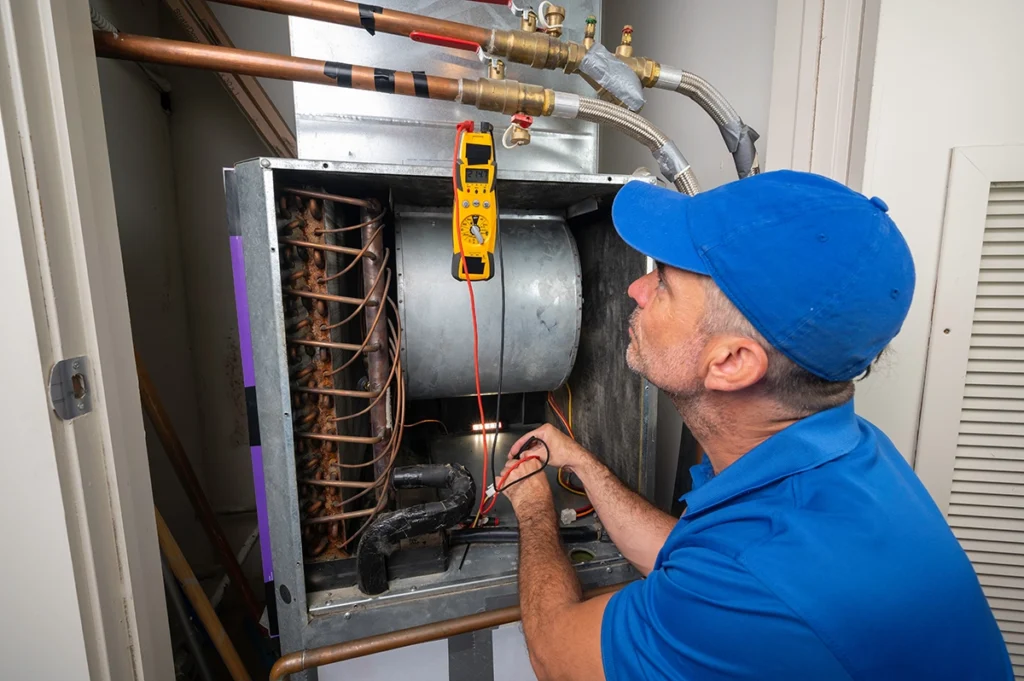
Technician inspecting a furnace during maintenance to show how long furnaces last
Heating, Maintenance, Replacement, Seasonal Tips

How Long Do Furnaces Last? Lifespan, Signs, and Tips

If you’re wondering how long furnaces last, you’re not alone. We hear this question from homeowners all the time—especially when temperatures start to dip and heating bills go up. The truth is, most people don’t think about their furnace until something goes wrong. But knowing the average lifespan of a furnace, plus what affects it, can help you plan ahead and avoid surprise breakdowns. At C&R Services, we’ve worked on thousands of heating systems, and we’ve learned what really makes the difference between a short-lived unit and one that runs strong for years. Let’s dive into what affects furnace lifespan, signs yours may be near the end, and how to get the most out of your system. How Long Do Furnaces Last on Average? In general, the average gas furnace lasts between 15 to 20 years. Electric furnaces can sometimes stretch to 20–30 years, but they usually cost more to run. High-efficiency systems might not last quite as long due to more complex components—but they’ll save you money on energy bills in the meantime. That said, those are just averages. We’ve seen some furnaces in great shape at 25 years, and others on their last leg at 10. It all depends on how the system was installed, maintained, and used. Most homes today use a forced air heating system, which moves warm air through ducts and vents. If you’d like to learn more, check out our post on what forced air heating is and how it works. And if you want a clearer breakdown of how a furnace actually creates heat and moves air through the home, our guide on how a furnace works walks through the full process step-by-step. What Determines How Long Furnaces Last? Here’s what we’ve seen over and over again in the field: 1. Maintenance Schedule Annual maintenance is the single biggest factor. A neglected furnace will wear out faster, no matter how well it was built. Regular tune-ups catch small issues before they turn into major problems. (Think of it like changing the oil in your car.) ENERGY STAR offers a helpful maintenance checklist that outlines what a full furnace service should include. 2. Airflow and Filter Changes Clogged filters strain your blower motor and reduce efficiency. Changing filters every 1–3 months (depending on usage and filter type) makes a noticeable difference. We always recommend setting a reminder on your phone—it’s easy to forget. 3. Proper Installation Even the best furnace won’t last if it was poorly installed. Undersized or oversized systems wear down quickly, and poor ductwork can force the system to work harder than it should. That’s why we always emphasize proper sizing and layout design at C&R Services. 4. Local Climate and Usage Colder climates naturally put more stress on a furnace. If your system runs daily for 6+ months a year, it’s doing more work—and that adds up. That’s also why it’s smart to plan ahead if you live in a region with harsh winters. Signs Your Furnace Is Near the End Even if your furnace is still running, there are a few telltale signs it may be time to start thinking about a replacement: Rising heating bills despite normal usage Frequent repairs in the last 2–3 years Strange noises like banging, rattling, or humming Uneven heating throughout the house System age over 15 years You don’t have to panic—but if you’re seeing two or more of these signs, it’s time for an inspection. Learn more about our furnace services to see how C&R Services can help keep your system running safely and efficiently. We’ve helped a lot of homeowners weigh the cost of repairs versus replacement, and sometimes, a new furnace is the more cost-effective option long term. How Long Do Furnaces Last Without Regular Maintenance? If you’ve been skipping annual tune-ups, trust me—it’s more common than you think, but it really affects how long furnaces last. Without proper care, dirt buildup, worn parts, and airflow issues can shorten a furnace’s lifespan by several years. At C&R Services, we’ve seen well-built systems fail early simply because they went too long without service. On the flip side, we’ve seen units over 20 years old still running strong thanks to consistent maintenance. Regular inspections keep efficiency high, reduce wear, and prevent those surprise mid-winter breakdowns nobody wants. If you’re not sure when your furnace was last checked, that’s your cue to schedule a visit. It’s one of the simplest ways to extend how long your furnace lasts. How Long Do Furnaces Last? Final Thoughts from the Field In our experience at C&R Services, how long furnaces last depends on the decisions you make early on—installation, maintenance, and daily use all play a role. But even with the best care, no furnace lasts forever. Knowing when it’s time to start planning for a replacement can help you avoid emergencies, keep your home comfortable, and make smart financial choices. If you’re not sure where your furnace stands, we’d be happy to take a look and give you an honest assessment. Whether you need routine service or you’re ready for something new, our team’s here to help. Contact C&R Services today to schedule a furnace inspection or consultation. Frequently Asked Questions Here are a few questions we often hear from customers trying to plan ahead for their heating system: C&R Services is proud to support homeowners throughout East Texas with honest, reliable furnace service you can count on year after year.

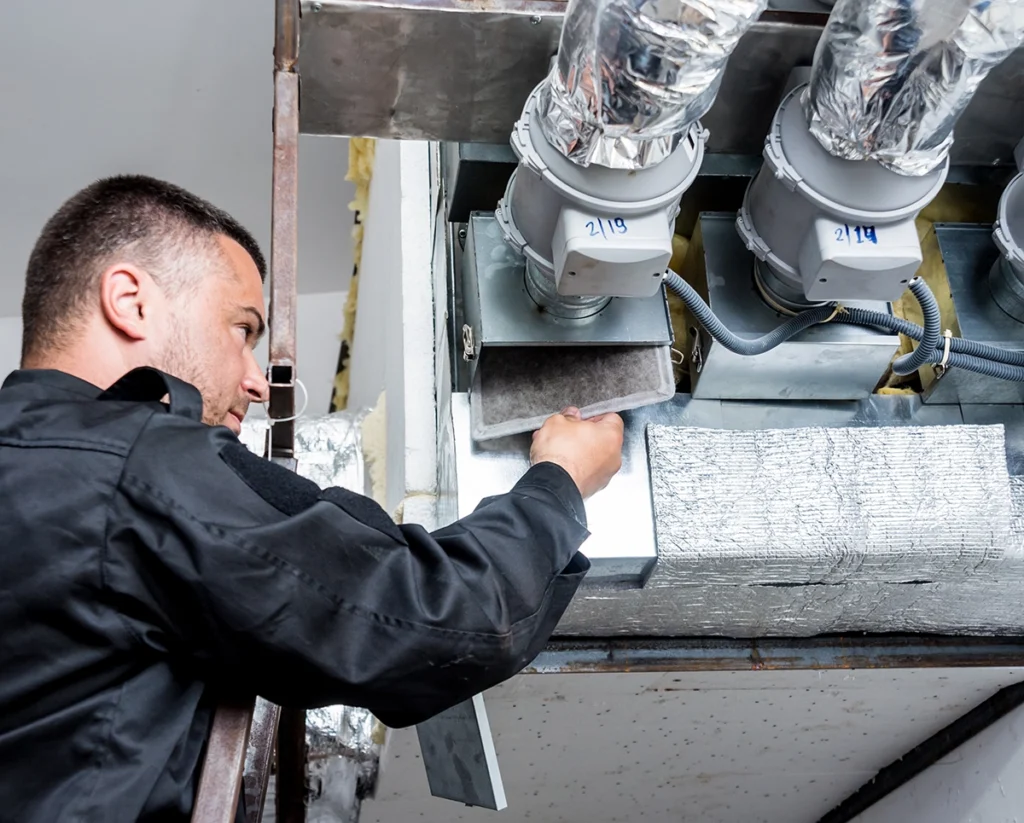
Forced air heating system with furnace and insulated ductwork installed in a residential attic.
HVAC Systems, Indoor Air Quality, Maintenance

What Is Forced Air Heating and How Does It Work?

When homeowners ask, “what is forced air heating?” it’s usually because they’ve heard the term but aren’t sure what sets it apart. At C&R Services, we get this question a lot—especially from people trying to understand how their HVAC system really keeps them comfortable. The truth is, forced air heating is one of the most common and effective ways to warm a home, but it’s often misunderstood. Let’s break it down in plain language and talk about how it works, why it’s popular, and when it might be time to get yours checked. What Is Forced Air Heating? In simple terms, forced air heating is a system that uses air as the medium for distributing heat throughout your home. The furnace heats the air, and a blower pushes that warm air through ducts and out of vents in each room. Pretty simple, right? If you’d like a deeper breakdown of how a furnace actually creates and moves heat, our guide on how a furnace works walks through each stage in simple, clear steps. Unlike radiant or baseboard heating systems, which rely on surfaces to transfer heat, forced air systems move warmth through airflow. Because of that, they heat your space faster and maintain more consistent temperatures. That warm rush of air you feel when the furnace starts up? That’s your forced air system distributing heat through the ducts. How Forced Air Heating Works Step-by-Step Here’s what happens behind the scenes every time your thermostat calls for heat: The thermostat signals your furnace. Once the temperature dips below your setting, the furnace turns on. The air gets heated. This happens through a gas burner or electric element inside the unit. The blower motor kicks in. It forces that warm air through your home’s duct system. Air circulates back. Cool air returns through intake vents to be reheated and recirculated. According to the U.S. Department of Energy, this cycle keeps indoor air balanced while maintaining efficiency—especially when your ducts are sealed and your filters are clean. Once you understand that basic airflow cycle, switching between heating and cooling makes a lot more sense. When the seasons change, knowing how to properly switch your system from AC to heat helps prevent thermostat mix-ups and airflow issues—two of the most common reasons homeowners call us for service. Advantages of a Forced Air Heating System Forced air heating systems have stood the test of time because they’re reliable, efficient, and versatile. Here are a few reasons why so many homes use them: Energy Efficiency: Newer furnaces can reach up to 98% efficiency, saving energy and lowering bills. Fast Heating: Warm air circulates quickly, making forced air one of the fastest heating methods available. Easy Integration: You can add central air conditioning or indoor air quality upgrades using the same ductwork. Consistent Comfort: Even temperatures and proper humidity levels make your home feel just right. At C&R Services, we’ve installed, maintained, and repaired countless forced air systems over the years. When these systems are properly sized and maintained, they can last for decades. Common Forced Air Heating Problems (and What We See Most Often) Even the best systems need a little attention from time to time. The most common issues we see include dirty filters, leaky ducts, and worn-out blower motors. Sometimes, it’s as simple as a thermostat that needs recalibrating. Here’s a little insider tip: If your system starts making strange noises or blowing cold air, don’t ignore it. Small issues tend to become big repairs fast. According to the U.S. Environmental Protection Agency (EPA), proper HVAC operation and maintenance play a major role in supporting healthy indoor air quality. Regular filter changes and inspections help systems run efficiently while keeping air cleaner. Even a small amount of dust or buildup in your ductwork can reduce airflow and strain the system, which is why regular maintenance makes such a difference. Maintaining Your Forced Air System To keep your forced air heating system running smoothly, you’ll want to: Replace filters every 1–3 months. Schedule annual furnace maintenance. Check duct seals for leaks or gaps. Keep supply and return vents unobstructed. These small steps go a long way toward keeping your forced air system efficient and reliable all season long. Why Proper Airflow Matters If you’ve ever had rooms that feel warmer or cooler than others, airflow imbalance might be the culprit. Forced air systems depend on clean ducts and balanced registers. Adjusting dampers or adding zoning controls can make a huge difference in comfort and energy efficiency. At C&R Services, we often recommend a professional airflow test. It’s one of the easiest ways to spot hidden inefficiencies—and it can save homeowners real money over time. When to Call the Pros If your forced air heating system struggles to keep up or seems louder than usual, that’s a good time to call a professional. Our trained HVAC technicians at C&R Services can diagnose the issue quickly and get your heat back on track without unnecessary parts or guesswork. To see how we keep systems running safely and efficiently, take a look at our heating services. Final Thoughts So, what is forced air heating, really? It’s the tried-and-true backbone of modern home comfort—a system designed to keep warm air flowing efficiently through every room. Whether you’re dealing with an older furnace or exploring energy-efficient replacements, understanding how your system works helps you make better choices. If your home isn’t staying as comfortable as it should, or you’re curious about upgrading your setup, contact C&R Services today. Our experienced team is ready to inspect, repair, or install a forced air system that fits your home perfectly. We proudly serve homeowners in Tyler, TX, and throughout the surrounding East Texas communities. Frequently Asked Questions About Forced Air Heating Before you go, here are a few common questions we get from customers: Ready to schedule service or learn more about your system? Reach out to C&R Services today to get started.

C&R Services - What Does Freon Smell Like and Is It Dangerous? 1
Air Conditioning, Indoor Air Quality, Maintenance

What Does Freon Smell Like and Is It Dangerous?

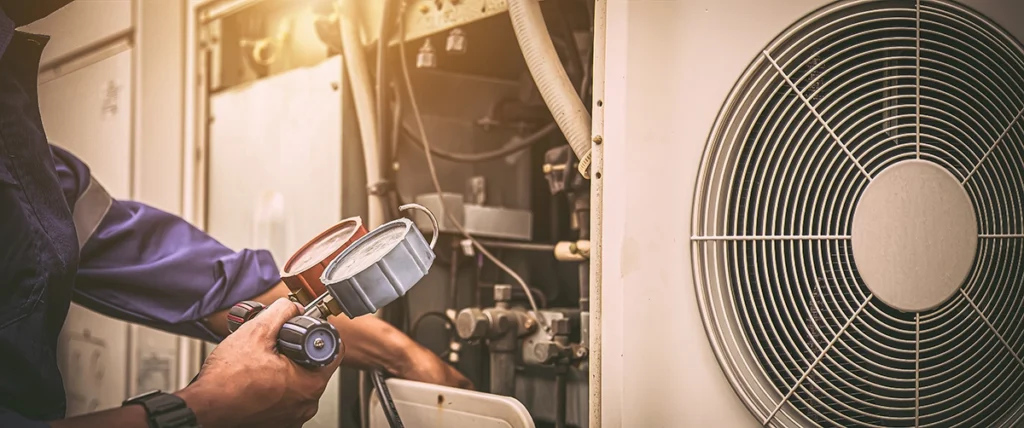
If you’ve ever wondered, what does Freon smell like, you’re not alone. As HVAC technicians at C&R Services, we get this question all the time—usually from homeowners who catch an odd odor near their vents or outdoor unit and aren’t quite sure what it means. The truth is, Freon (the common name for refrigerant) shouldn’t have a strong, lingering smell at all. When you do notice something unusual, it’s worth paying attention, because it could signal a leak or another issue in your system. What Does Freon Smell Like? In most cases, Freon has a faint, sweet, or chloroform-like scent. It’s subtle enough that many people barely notice it—until a leak grows larger. If the odor becomes stronger or more chemical in nature, that’s often a sign of escaping refrigerant gas. Some people also describe the smell as slightly metallic or musty. Because everyone’s sense of smell is different, there’s no single description that fits all. However, if you ever catch a scent that seems off when your AC is running, it’s a good idea to have a technician from C&R Services take a closer look. (Quick aside: I’ve had customers call it “pool water meets car exhaust”—not exactly the kind of air you want indoors!) Why a Freon Leak Is Dangerous Even small refrigerant leaks can pose serious risks. Exposure to concentrated refrigerant gases can cause dizziness, nausea, and, in severe cases, asphyxiation in confined spaces. Besides the health hazards, leaks are harmful to the environment and can damage your HVAC system’s compressor over time. When refrigerant escapes, your system loses pressure and efficiency. That means longer run times, higher energy bills, and reduced cooling power—especially during hot summer days when you need your AC most. What Does Freon Smell Like During a Leak? You might not always smell Freon right away, but other symptoms can help you spot trouble early: Weak airflow or uneven cooling throughout the house Hissing or bubbling sounds coming from the indoor or outdoor unit Higher electricity bills with no obvious reason Frozen coils or ice buildup on your refrigerant lines A sweet or chemical odor, especially near vents If you notice any of these issues—or if you’re still asking yourself, what does Freon smell like—it’s best to schedule a professional inspection. At C&R Services, we use leak detection tools that pinpoint the source safely and accurately. What to Do if You Smell Freon First, open a few windows to get fresh air circulating. Then, turn off your HVAC system to prevent more refrigerant from escaping. Avoid trying to fix it yourself—refrigerant handling requires EPA certification and specialized equipment. Next, call a licensed HVAC technician. A professional can identify the leak, recover and replace lost refrigerant, and ensure your system runs at the proper pressure again. If your system isn’t cooling properly, you may need professional AC repair to restore comfort and efficiency. For more information on refrigerant safety and regulations, visit the EPA’s page on Managing Refrigerant in Stationary Equipment. Preventing Future Leaks Regular AC maintenance is the best way to prevent leaks before they start. During a tune-up, a technician checks your refrigerant lines, coil condition, and system pressure to keep everything running smoothly. At C&R Services, we recommend scheduling seasonal maintenance before summer hits. (Trust me, you don’t want to find out your system’s low on refrigerant when it’s 95°F outside.) For a practical guide to preparing your home for seasonal temperature changes, you can also check the Department of Energy’s home cooling tips for more advice. Is It Safe to Breathe Freon? In short—no. While short exposure to small amounts may not cause major harm, breathing in refrigerant gas intentionally or for long periods is extremely dangerous. It can displace oxygen, leading to headaches, dizziness, or worse. That’s one reason professional HVAC technicians wear protective gear when handling refrigerants. So, if you ever detect a chemical odor near your vents, don’t ignore it. It’s always better to be cautious and call an expert. When to Call the Experts: What Does Freon Smell Like and Is It Dangerous? Strange smells, ice buildup, or uneven cooling usually mean something’s off inside your HVAC system. The good news? Most issues are quick fixes when caught early. Our crew at C&R Services can track down the problem fast and get your system running smoothly again. Whether you’re dealing with weak cooling, unusual odors, or rising energy bills, our team offers complete HVAC services in Tyler and East TX to keep your system running smoothly. Call us today at (903) 204-7571 or reach out online to schedule service and keep your home safe, comfortable, and efficient. We proudly serve Tyler, TX, and the surrounding East Texas communities—but we’re always happy to share our expertise with homeowners nationwide. FAQs If you’ve been wondering what does Freon smell like, now you know it’s more than just an odd odor—it’s a potential warning sign. Don’t wait for it to get worse; contact C&R Services today for expert help and dependable HVAC care.

Scroll to Top