Call Us (903) 204-7571 Today

“Taught By Fathers, Trusted By Families”

Indoor Air Quality

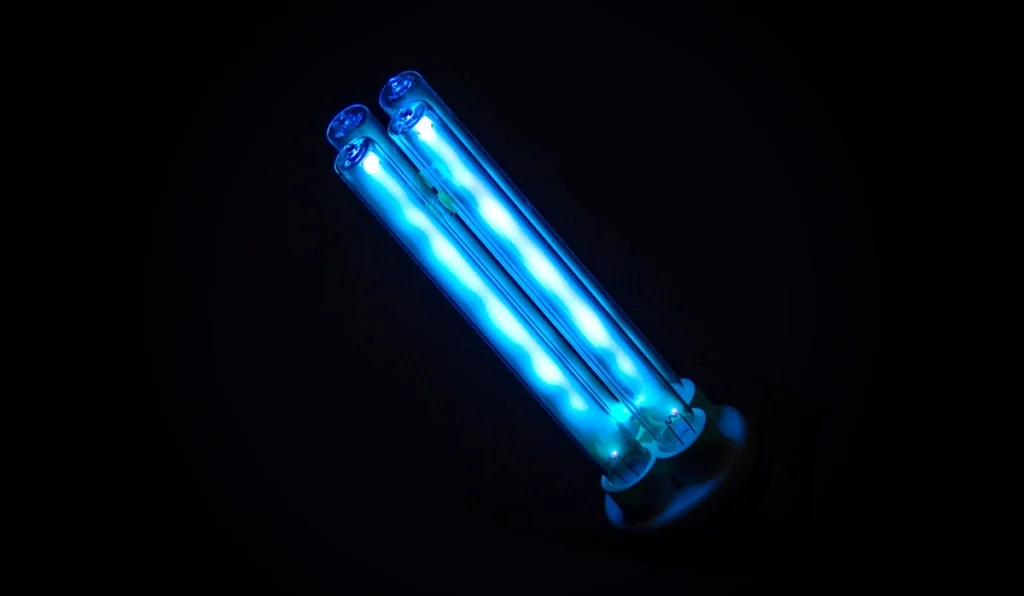
UV-C light used inside HVAC systems to help kill mold and control microbial growth
HVAC Systems, Indoor Air Quality, Maintenance

Does UV Light Kill Mold in HVAC Systems?

When homeowners ask, “does UV light kill mold?” they’re usually dealing with air quality concerns they can’t see but can feel. From our day-to-day experience at C&R Services, this question comes up often during HVAC inspections and indoor air quality conversations. Mold inside an HVAC system is unsettling. It affects comfort, odors, indoor air quality, and even how confidently homeowners feel about the air circulating through their home. Fortunately, UV technology offers real benefits when it’s applied correctly. So, does UV light kill mold in HVAC systems? The short answer is yes—but the details matter. How UV Light Works Inside an HVAC System Ultraviolet (UV-C) light disrupts the DNA of mold, bacteria, and other microorganisms. Because of that, they can’t reproduce. Over time, existing growth becomes inactive, and new growth struggles to form. In HVAC systems, UV lights are usually installed near damp areas. Most often, that’s the evaporator coil or drain pan. These spots naturally attract moisture, which mold loves. At C&R Services, we explain that UV lights don’t “scrub” air like filters do. Instead, they control biological growth at the source. Does UV Light Kill Mold in HVAC Systems Completely? Homeowners often wonder whether UV light fully eliminates mold or only limits its spread. The answer depends on how and where the system is installed, as well as what type of mold exposure is involved. Does UV Light Kill Mold on Contact? Yes—UV-C light can kill mold on contact under controlled conditions. However, effectiveness depends on exposure time, light strength, and placement. Mold hidden behind debris or dust may avoid direct exposure. Because of that, UV lights work best as part of a broader strategy. Does UV Light Kill Mold Spores in the Air? This is where expectations need adjustment. UV lights installed in residential HVAC systems primarily target surfaces. While some airborne spores may pass through the light field, UV systems aren’t designed as standalone air purifiers. That’s why we often explain airflow paths and key parts of the HVAC system before recommending solutions. Understanding where air travels helps homeowners set realistic expectations. Why Mold Forms Inside HVAC Systems Mold needs three things: moisture, organic material, and time. Unfortunately, HVAC systems often provide all three. Condensation forms during normal cooling cycles. Dust collects over time. If airflow drops, moisture lingers longer than it should. That’s where system health matters. Restricted airflow allows moisture to linger, creating conditions mold thrives in. Over time, the same airflow problems can also lead to overheating and system shutdowns. During service calls, we often inspect safety components like the furnace limit switch when airflow issues appear alongside biological buildup. Does UV Light Kill Mold Long-Term? When installed correctly, UV systems are excellent at prevention. They stop new growth before it spreads. However, UV lights don’t remove physical debris. Existing buildup still needs cleaning. That’s why we view UV lights as maintenance partners, not miracle fixes. At C&R Services, we emphasize balance. UV lights work best alongside proper filtration, airflow, and routine service. Benefits of UV Lights Beyond Mold Control Even though mold is the main concern, UV lights offer additional advantages. First, they help reduce musty odors caused by microbial growth. Second, they keep coils cleaner, which improves efficiency. Over time, cleaner coils can support better airflow and steadier temperatures. According to U.S. Environmental Protection Agency guidance on mold control, limiting moisture and biological growth is essential for preventing recurring mold problems. CDC also notes that ongoing exposure to mold and damp environments can affect respiratory health, especially for sensitive individuals. That’s why many homeowners explore indoor air quality solutions that help control moisture and biological growth inside HVAC systems. Where UV Lights Fit in Real Homes UV lights make the most sense in homes with: High humidity levels Allergy or asthma concerns Past mold issues Tight building envelopes They’re also useful in regions with long cooling seasons. Warm, humid air creates ideal mold conditions. From a practical standpoint, UV systems are “set it and forget it.” Bulbs typically last one to two years. Replacement is straightforward during routine maintenance. Common Misunderstandings About UV HVAC Lights Many homeowners assume UV lights clean ductwork. They don’t. Others believe UV lights replace filters. They don’t do that either. Instead, UV lights target microbial growth at vulnerable points. When paired with good filtration and airflow, they support healthier air. At C&R Services, we focus on education first. Once homeowners and facility managers understand how systems actually work, decisions become easier. Does UV Light Kill Mold, and Is It Worth It? So, does UV light kill mold in HVAC systems? Yes, when used properly. More importantly, it helps prevent mold from returning. It’s not a cure-all. Still, it’s one of the most effective tools available for controlling biological growth inside HVAC equipment. If you’re dealing with ongoing air quality concerns or mold-related issues, C&R Services can help you explore indoor air quality options that fit your space and HVAC system. If you’d like clear guidance instead of guesswork, contact C&R Services. We’re always happy to explain options and help you choose what fits your system best. We proudly serve Tyler and communities across East Texas. FAQs About UV Light and Mold in HVAC Systems Below are quick answers to common questions we hear from homeowners.
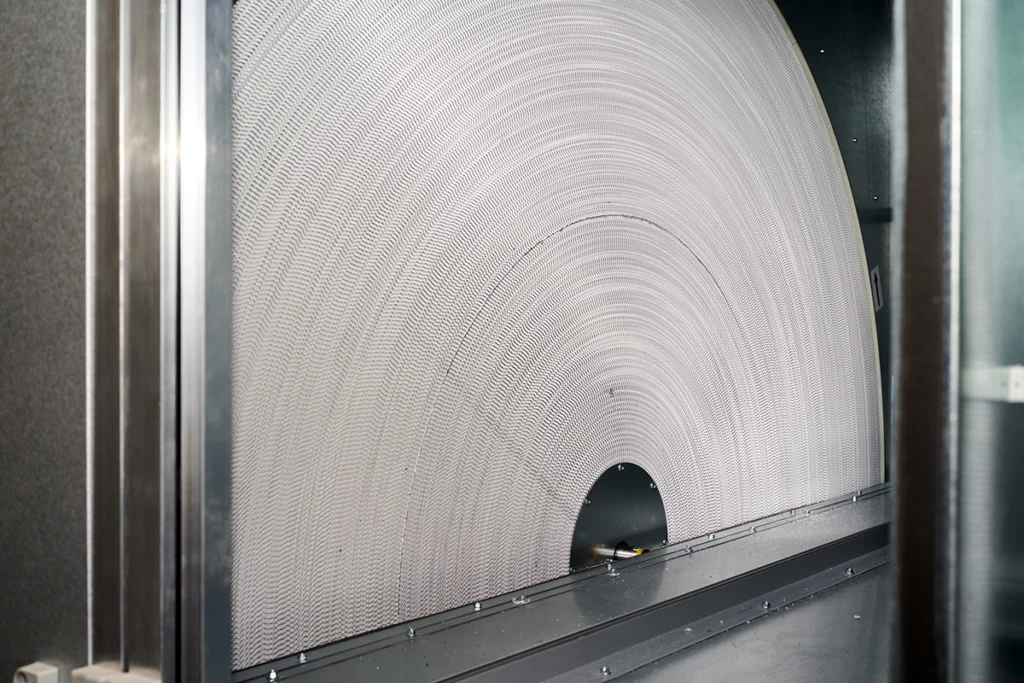
Energy recovery wheel inside a commercial HVAC ventilation system
Commercial HVAC, Indoor Air Quality

Energy Recovery Wheel: How It Works and Benefits

When we talk with commercial property owners about ventilation performance, the energy recovery wheel often comes up later in the conversation than it should. At C&R Services, we see this component working quietly behind the scenes in many large HVAC systems. Once you understand how an energy recovery wheel operates, it becomes clear why it plays such an important role in comfort, efficiency, and indoor air quality. For many commercial buildings, it’s one of the smartest investments in modern ventilation design. What an Energy Recovery Wheel Does An energy recovery wheel is a rotating device installed inside commercial ventilation systems. Its job is to transfer energy between outgoing exhaust air and incoming outdoor air. As stale air leaves the building, the wheel absorbs heat and moisture. Then, as fresh air enters, that stored energy is released into the incoming air stream. Because of this process, outdoor air enters the building closer to indoor conditions. That reduces the workload on heating and cooling equipment. Over time, that energy savings becomes significant. According to the U.S. Department of Energy, recovering energy from exhaust air helps reduce ventilation-related energy losses while maintaining healthy indoor air exchange. How the Energy Recovery Wheel Works in Commercial HVAC Systems An energy recovery wheel rotates continuously between two air paths. One carries exhaust air out of the building. The other brings fresh outdoor air inside. The wheel transfers both sensible heat and latent moisture without allowing the air streams to mix. Because the wheel is always moving, energy transfer stays consistent even during changing load conditions. That consistency is critical in commercial environments with fluctuating occupancy. In most applications, the wheel is integrated into a larger ventilation assembly. It often works alongside air handlers, dampers, and control systems. Each of these HVAC components plays a role in how ventilation air moves through the building. Energy Recovery Wheel vs Standard Ventilation Traditional ventilation systems simply exhaust conditioned air and replace it with untreated outdoor air. That approach wastes energy. An energy recovery wheel captures much of that energy and reuses it. As a result, buildings can increase ventilation rates—bringing in more outdoor air—without a proportional increase in energy costs. This makes compliance with modern ventilation standards much more practical. Indoor Air Quality Benefits in Commercial Buildings Although energy efficiency gets most of the attention, indoor air quality benefits are just as important. An energy recovery wheel allows buildings to bring in more outdoor air consistently. That fresh air dilutes indoor pollutants, odors, and carbon dioxide. At the same time, moisture transfer helps stabilize humidity levels. Balanced humidity reduces condensation risk and improves occupant comfort. For many commercial buildings, this approach supports consistent ventilation without sacrificing comfort or efficiency. Why Airflow Matters in Energy Recovery Systems Proper airflow is essential for performance. An energy recovery wheel must be sized correctly for the system’s airflow demands. If airflow is mismatched, efficiency drops and pressure issues can develop. That’s why airflow measurements are so important in commercial HVAC design. Engineers use airflow data to size ventilation systems and maintain proper balance throughout the building. At C&R Services, airflow diagnostics are often the first step when performance issues arise. Many ventilation problems trace back to improper airflow rather than equipment failure. Common Commercial Applications for Energy Recovery An energy recovery wheel is most commonly used in: Office buildings Schools and universities Medical facilities Manufacturing and industrial spaces Large retail environments In many of these settings, the wheel is part of a dedicated outdoor air system or paired with variable air volume systems to control airflow efficiently across different zones. ASHRAE Standard 62.1 highlights the importance of adequate outdoor air delivery in commercial buildings. Energy recovery wheels help meet those requirements efficiently. Maintenance and Operational Considerations Although durable, an energy recovery wheel still requires routine maintenance. Dust buildup can reduce energy transfer efficiency. Over time, imbalances can affect rotation. From our experience at C&R Services, neglected ventilation components often lead to comfort complaints and rising energy bills. Regular inspections help keep systems operating as designed. Preventive maintenance also extends the lifespan of connected equipment by reducing unnecessary strain. Is an Energy Recovery Wheel Right for Your Building? Not every building needs an energy recovery wheel, but many commercial spaces benefit from one. Buildings with high occupancy, long operating hours, or strict ventilation requirements see the greatest return. Choosing the right solution depends on system design, usage patterns, and local climate conditions. A professional commercial HVAC evaluation helps ensure the investment makes sense. If you’re evaluating a commercial HVAC system or planning upgrades, contact us. Our team at C&R Services can help you determine whether energy recovery technology fits your building’s needs. Final Thoughts on Energy Recovery Technology An energy recovery wheel allows commercial buildings to ventilate efficiently without wasting energy. It improves indoor air quality, stabilizes humidity, and reduces HVAC workload. When properly designed and maintained, it becomes one of the most valuable components in a modern ventilation system. At C&R Services, we’ve seen how effective energy recovery can be across a wide range of commercial applications. For expert guidance or system evaluations, contact us today. We proudly serve Tyler and East TX businesses with reliable commercial HVAC solutions. FAQs Below are a few quick answers to common questions we hear during commercial service calls.

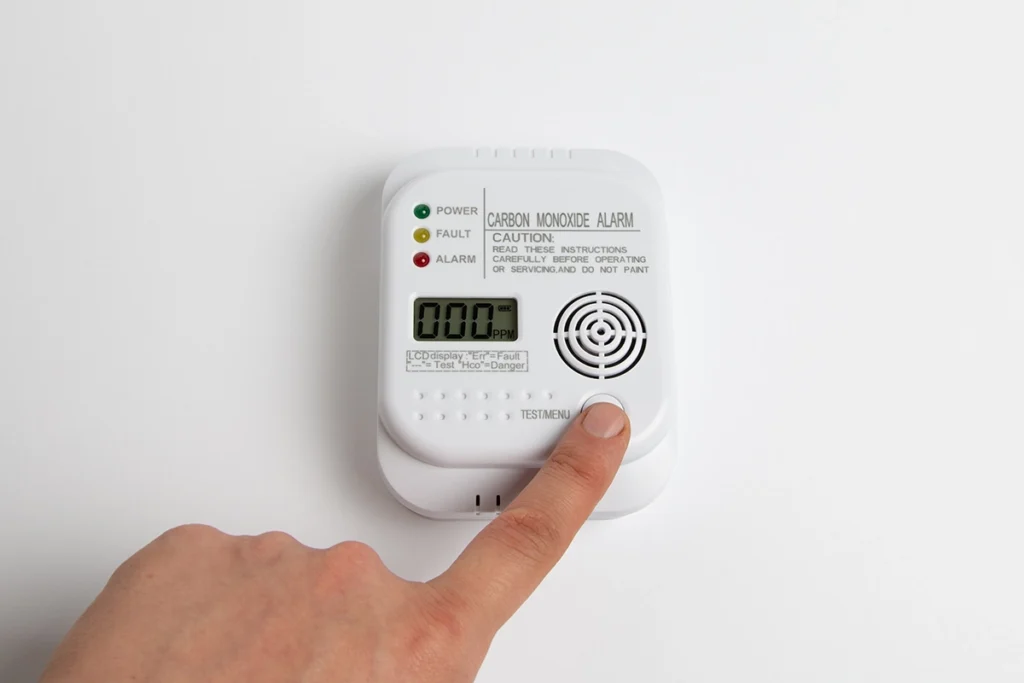
Person testing a carbon monoxide alarm that has started beeping
Heating, Indoor Air Quality

Why Is My Carbon Monoxide Alarm Beeping?

When someone calls C&R Services asking, “Why is my carbon monoxide alarm beeping?” we treat it seriously. That sound is not like a smoke alarm chirping for fun. It usually means something in the home is signaling a problem with combustion, ventilation, or failing equipment. Even though carbon monoxide is invisible, it can cause real danger fast. Because of that, homeowners need clear steps, simple explanations, and a better sense of what might be happening behind the noise. The good news is that most carbon monoxide alerts fall into a few familiar categories. Once you understand the differences, you can act quickly and stay safe. Common Reasons for a Carbon Monoxide Alarm Beeping Most alarms beep for one of four reasons: actual carbon monoxide, a low battery, an expired sensor, or a ventilation failure. Even so, carbon monoxide itself is the biggest concern. Since CO has no smell or color, the alarm is the only real warning sign. Low batteries or end-of-life indicators cause consistent chirping, often one quick chirp every 30-60 seconds. However, repeating patterns with more rapid beeps often indicate rising CO levels. Because each brand signals differently, checking the manual always helps. Manufacturers like Kidde and First Alert publish tone patterns that explain what each type of beeping means. Is Carbon Monoxide Coming From Your Furnace? Homeowners often ask if the furnace is the source when they hear their carbon monoxide alarm beeping. Because the furnace handles combustion every season, it can create CO if components fail. One of the most important parts in that process is the heat exchanger. When this metal chamber cracks, exhaust gases—including carbon monoxide—can leak into the air stream. If you’d like to understand what the most common symptoms look like, you can explore our post on furnace heat exchanger warning signs, which explains the issues technicians see most often. Even small cracks can matter. They change how exhaust moves and let byproducts escape where they shouldn’t. This is why routine maintenance and annual safety checks make such a difference. Ventilation Failures and Poor Airflow Restricted airflow also causes CO levels to rise. A blocked flue, damaged vent pipe, or nesting in the exhaust termination can push combustion gases back inside. Although it seems minor, anything that affects exhaust flow can change how safely a furnace burns fuel. For a deeper look at how carbon monoxide behaves indoors and why proper ventilation matters, the EPA offers a clear overview of carbon monoxide and indoor air quality. Because most homeowners never see their venting from the inside, we check these pathways during maintenance calls. A clear vent allows exhaust to move outside without pressure changes or heat spikes. Alarm Beeping Patterns to Pay Attention To Not all beeps mean danger, but none should be ignored. Some homeowners mistake a carbon monoxide detector beeping for a low-battery chirp, but detectors follow specific patterns that help identify the cause. Single beeps often mean low battery. Two or three repeating beeps usually indicate an internal fault. Continuous rapid beeping points toward rising CO levels. Even though alarms vary, this rule of thumb helps homeowners act quickly. For more background on preventing CO emergencies, the CPSC shares clear carbon monoxide safety tips that apply to homes nationwide. When a Carbon Monoxide Alarm Beeping Points to Fuel Problems Another issue tied to carbon monoxide readings involves the gas valve on a furnace. When this valve fails, fuel may not burn cleanly. That incomplete combustion increases carbon monoxide production. If you want a simple explanation of how that component controls fuel flow, our furnace gas valve guide breaks it down in a way homeowners can understand. Although this issue is less common, we still check the valve during safety inspections, because proper combustion starts with proper fuel regulation. How Furnace Operation Connects to Carbon Monoxide Alerts Many homeowners tell us they feel overwhelmed when an alarm starts. That’s understandable. Furnace systems use several components to handle combustion, airflow, and heat transfer. When one part struggles, the entire system reacts. If you’d like a full breakdown of how a furnace creates heat and pushes air through your home, our guide on what a furnace is and how it works covers everything in a simple, visual way. It helps homeowners see how combustion, exhaust, blowers, and heat exchangers fit together. Once you understand the basics, it becomes easier to recognize when something feels off. What To Do When Your Carbon Monoxide Alarm Starts Beeping If the alarm is sounding continuously or rapidly: Move everyone outside or to fresh air Call emergency services Do not ventilate by opening windows until everyone is safe Do not reenter the home until professionals clear it Once the space is safe, call C&R Services so we can inspect your furnace, venting, and heat exchanger. We also test for CO around appliances and confirm whether the issue came from equipment, ventilation, or expired alarms. Even though this situation feels stressful, quick action keeps everyone safe. Why Professional Inspection Matters A carbon monoxide alarm beeping is never random. Something triggered it, and that trigger deserves attention. Our technicians use combustion analyzers, draft tools, and visual inspections to confirm the source. Because CO problems can hide inside sealed components, professional testing always provides clearer answers. Once we find the issue, we walk homeowners through any needed furnace repairs and explain how to prevent future alerts. Contact C&R Services If your carbon monoxide detector keeps beeping or you suspect a combustion issue, contact C&R Services for fast help. We serve Tyler and East TX and are always here to help you handle heating concerns safely and confidently. Frequently Asked Questions Before we wrap up, here are quick answers to common questions we hear about carbon monoxide alarms.

Forced air heating system with furnace and insulated ductwork installed in a residential attic.
HVAC Systems, Indoor Air Quality, Maintenance

What Is Forced Air Heating and How Does It Work?

When homeowners ask, “what is forced air heating?” it’s usually because they’ve heard the term but aren’t sure what sets it apart. At C&R Services, we get this question a lot—especially from people trying to understand how their HVAC system really keeps them comfortable. The truth is, forced air heating is one of the most common and effective ways to warm a home, but it’s often misunderstood. Let’s break it down in plain language and talk about how it works, why it’s popular, and when it might be time to get yours checked. What Is Forced Air Heating? In simple terms, forced air heating is a system that uses air as the medium for distributing heat throughout your home. The furnace heats the air, and a blower pushes that warm air through ducts and out of vents in each room. Pretty simple, right? If you’d like a deeper breakdown of how a furnace actually creates and moves heat, our guide on how a furnace works walks through each stage in simple, clear steps. Unlike radiant or baseboard heating systems, which rely on surfaces to transfer heat, forced air systems move warmth through airflow. Because of that, they heat your space faster and maintain more consistent temperatures. That warm rush of air you feel when the furnace starts up? That’s your forced air system distributing heat through the ducts. How Forced Air Heating Works Step-by-Step Here’s what happens behind the scenes every time your thermostat calls for heat: The thermostat signals your furnace. Once the temperature dips below your setting, the furnace turns on. The air gets heated. This happens through a gas burner or electric element inside the unit. The blower motor kicks in. It forces that warm air through your home’s duct system. Air circulates back. Cool air returns through intake vents to be reheated and recirculated. According to the U.S. Department of Energy, this cycle keeps indoor air balanced while maintaining efficiency—especially when your ducts are sealed and your filters are clean. Once you understand that basic airflow cycle, switching between heating and cooling makes a lot more sense. When the seasons change, knowing how to properly switch your system from AC to heat helps prevent thermostat mix-ups and airflow issues—two of the most common reasons homeowners call us for service. Advantages of a Forced Air Heating System Forced air heating systems have stood the test of time because they’re reliable, efficient, and versatile. Here are a few reasons why so many homes use them: Energy Efficiency: Newer furnaces can reach up to 98% efficiency, saving energy and lowering bills. Fast Heating: Warm air circulates quickly, making forced air one of the fastest heating methods available. Easy Integration: You can add central air conditioning or indoor air quality upgrades using the same ductwork. Consistent Comfort: Even temperatures and proper humidity levels make your home feel just right. At C&R Services, we’ve installed, maintained, and repaired countless forced air systems over the years. When these systems are properly sized and maintained, they can last for decades. Common Forced Air Heating Problems (and What We See Most Often) Even the best systems need a little attention from time to time. The most common issues we see include dirty filters, leaky ducts, and worn-out blower motors. Sometimes, it’s as simple as a thermostat that needs recalibrating. Here’s a little insider tip: If your system starts making strange noises or blowing cold air, don’t ignore it. Small issues tend to become big repairs fast. According to the U.S. Environmental Protection Agency (EPA), proper HVAC operation and maintenance play a major role in supporting healthy indoor air quality. Regular filter changes and inspections help systems run efficiently while keeping air cleaner. Even a small amount of dust or buildup in your ductwork can reduce airflow and strain the system, which is why regular maintenance makes such a difference. Maintaining Your Forced Air System To keep your forced air heating system running smoothly, you’ll want to: Replace filters every 1–3 months. Schedule annual furnace maintenance. Check duct seals for leaks or gaps. Keep supply and return vents unobstructed. These small steps go a long way toward keeping your forced air system efficient and reliable all season long. Why Proper Airflow Matters If you’ve ever had rooms that feel warmer or cooler than others, airflow imbalance might be the culprit. Forced air systems depend on clean ducts and balanced registers. Adjusting dampers or adding zoning controls can make a huge difference in comfort and energy efficiency. At C&R Services, we often recommend a professional airflow test. It’s one of the easiest ways to spot hidden inefficiencies—and it can save homeowners real money over time. When to Call the Pros If your forced air heating system struggles to keep up or seems louder than usual, that’s a good time to call a professional. Our trained HVAC technicians at C&R Services can diagnose the issue quickly and get your heat back on track without unnecessary parts or guesswork. To see how we keep systems running safely and efficiently, take a look at our heating services. Final Thoughts So, what is forced air heating, really? It’s the tried-and-true backbone of modern home comfort—a system designed to keep warm air flowing efficiently through every room. Whether you’re dealing with an older furnace or exploring energy-efficient replacements, understanding how your system works helps you make better choices. If your home isn’t staying as comfortable as it should, or you’re curious about upgrading your setup, contact C&R Services today. Our experienced team is ready to inspect, repair, or install a forced air system that fits your home perfectly. We proudly serve homeowners in Tyler, TX, and throughout the surrounding East Texas communities. Frequently Asked Questions About Forced Air Heating Before you go, here are a few common questions we get from customers: Ready to schedule service or learn more about your system? Reach out to C&R Services today to get started.

C&R Services - What Does Freon Smell Like and Is It Dangerous? 1
Air Conditioning, Indoor Air Quality, Maintenance

What Does Freon Smell Like and Is It Dangerous?

If you’ve ever wondered, what does Freon smell like, you’re not alone. As HVAC technicians at C&R Services, we get this question all the time—usually from homeowners who catch an odd odor near their vents or outdoor unit and aren’t quite sure what it means. The truth is, Freon (the common name for refrigerant) shouldn’t have a strong, lingering smell at all. When you do notice something unusual, it’s worth paying attention, because it could signal a leak or another issue in your system. What Does Freon Smell Like? In most cases, Freon has a faint, sweet, or chloroform-like scent. It’s subtle enough that many people barely notice it—until a leak grows larger. If the odor becomes stronger or more chemical in nature, that’s often a sign of escaping refrigerant gas. Some people also describe the smell as slightly metallic or musty. Because everyone’s sense of smell is different, there’s no single description that fits all. However, if you ever catch a scent that seems off when your AC is running, it’s a good idea to have a technician from C&R Services take a closer look. (Quick aside: I’ve had customers call it “pool water meets car exhaust”—not exactly the kind of air you want indoors!) Why a Freon Leak Is Dangerous Even small refrigerant leaks can pose serious risks. Exposure to concentrated refrigerant gases can cause dizziness, nausea, and, in severe cases, asphyxiation in confined spaces. Besides the health hazards, leaks are harmful to the environment and can damage your HVAC system’s compressor over time. When refrigerant escapes, your system loses pressure and efficiency. That means longer run times, higher energy bills, and reduced cooling power—especially during hot summer days when you need your AC most. What Does Freon Smell Like During a Leak? You might not always smell Freon right away, but other symptoms can help you spot trouble early: Weak airflow or uneven cooling throughout the house Hissing or bubbling sounds coming from the indoor or outdoor unit Higher electricity bills with no obvious reason Frozen coils or ice buildup on your refrigerant lines A sweet or chemical odor, especially near vents If you notice any of these issues—or if you’re still asking yourself, what does Freon smell like—it’s best to schedule a professional inspection. At C&R Services, we use leak detection tools that pinpoint the source safely and accurately. What to Do if You Smell Freon First, open a few windows to get fresh air circulating. Then, turn off your HVAC system to prevent more refrigerant from escaping. Avoid trying to fix it yourself—refrigerant handling requires EPA certification and specialized equipment. Next, call a licensed HVAC technician. A professional can identify the leak, recover and replace lost refrigerant, and ensure your system runs at the proper pressure again. If your system isn’t cooling properly, you may need professional AC repair to restore comfort and efficiency. For more information on refrigerant safety and regulations, visit the EPA’s page on Managing Refrigerant in Stationary Equipment. Preventing Future Leaks Regular AC maintenance is the best way to prevent leaks before they start. During a tune-up, a technician checks your refrigerant lines, coil condition, and system pressure to keep everything running smoothly. At C&R Services, we recommend scheduling seasonal maintenance before summer hits. (Trust me, you don’t want to find out your system’s low on refrigerant when it’s 95°F outside.) For a practical guide to preparing your home for seasonal temperature changes, you can also check the Department of Energy’s home cooling tips for more advice. Is It Safe to Breathe Freon? In short—no. While short exposure to small amounts may not cause major harm, breathing in refrigerant gas intentionally or for long periods is extremely dangerous. It can displace oxygen, leading to headaches, dizziness, or worse. That’s one reason professional HVAC technicians wear protective gear when handling refrigerants. So, if you ever detect a chemical odor near your vents, don’t ignore it. It’s always better to be cautious and call an expert. When to Call the Experts: What Does Freon Smell Like and Is It Dangerous? Strange smells, ice buildup, or uneven cooling usually mean something’s off inside your HVAC system. The good news? Most issues are quick fixes when caught early. Our crew at C&R Services can track down the problem fast and get your system running smoothly again. Whether you’re dealing with weak cooling, unusual odors, or rising energy bills, our team offers complete HVAC services in Tyler and East TX to keep your system running smoothly. Call us today at (903) 204-7571 or reach out online to schedule service and keep your home safe, comfortable, and efficient. We proudly serve Tyler, TX, and the surrounding East Texas communities—but we’re always happy to share our expertise with homeowners nationwide. FAQs If you’ve been wondering what does Freon smell like, now you know it’s more than just an odd odor—it’s a potential warning sign. Don’t wait for it to get worse; contact C&R Services today for expert help and dependable HVAC care.

Scroll to Top