Call Us (903) 204-7571 Today

“Taught By Fathers, Trusted By Families”

HVAC Systems

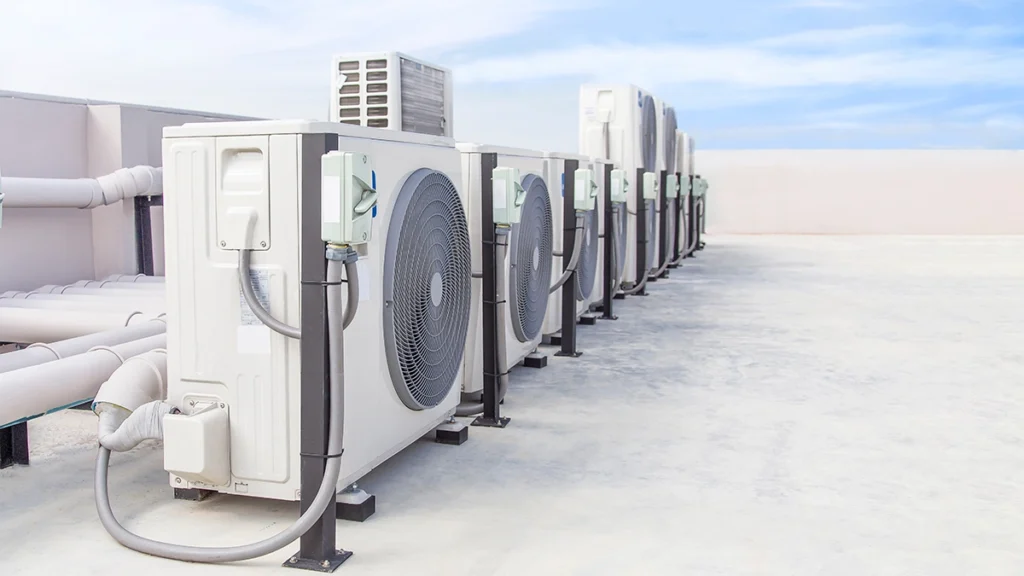
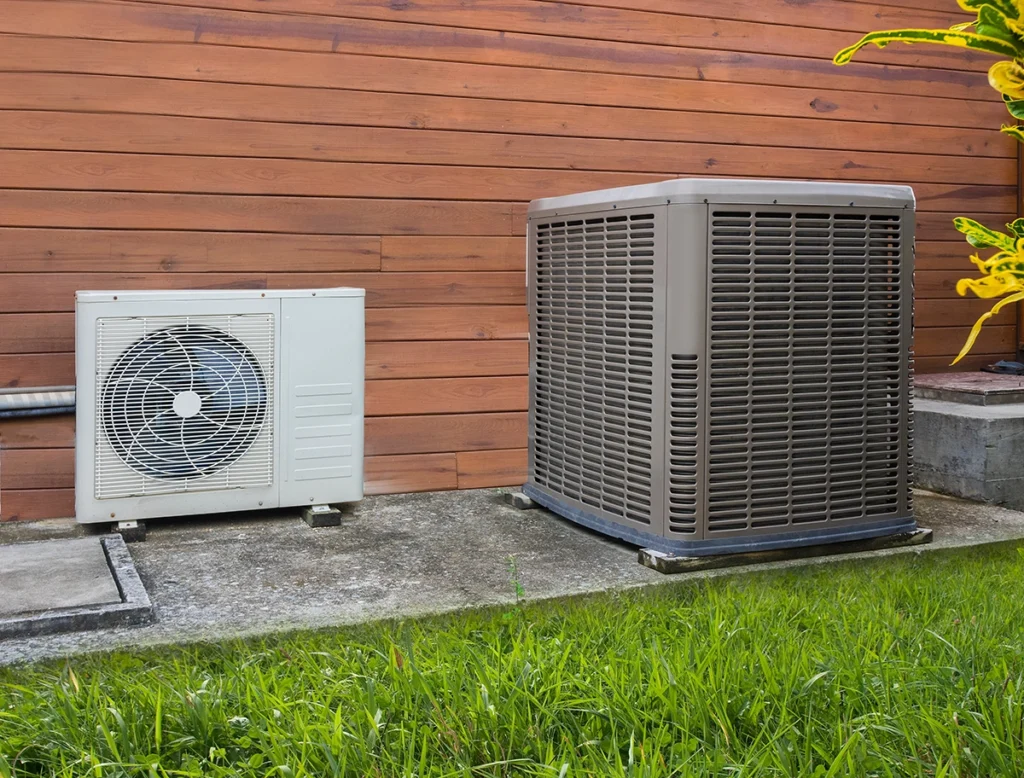
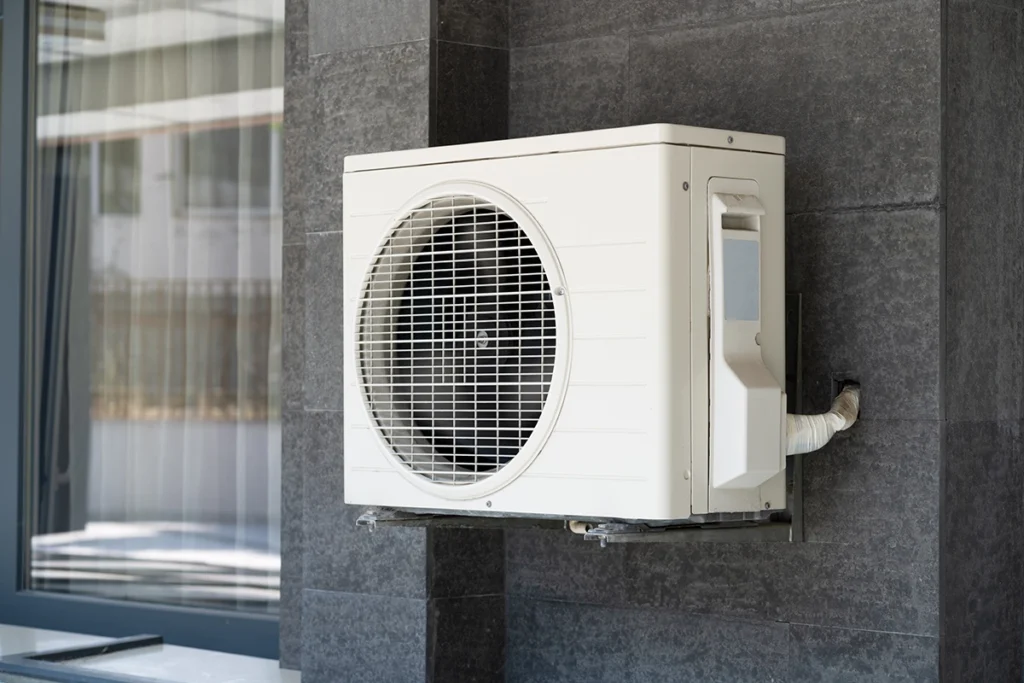
Mini split vs central air outdoor units installed side by side at a residential home.
HVAC Systems, Mini Splits

Mini Split vs Central Air: Which Is Better for Your Home?

Choosing between mini split vs central air systems can feel overwhelming at first. We talk with homeowners regularly who want comfort, efficiency, and long-term value, but aren’t sure which system delivers that best. While both options cool and heat effectively, they work very differently. Because of that, the right choice depends on your home, comfort goals, and budget. At C&R Services, we help people make these decisions every day. So instead of pushing one system over the other, we break things down clearly and honestly. Let’s walk through how mini split vs central air systems compare and when each one makes sense. What Is the Difference Between a Mini Split vs a Central Air System? The biggest difference between mini splits vs central air systems comes down to distribution. Central air relies on ductwork to move conditioned air throughout the home. In contrast, mini splits use individual indoor units connected to an outdoor system. Because of that, mini splits provide zoned comfort, while central air delivers whole-home airflow. How Mini Split and Central Systems Work Understanding how each system moves air through a home makes the differences between them much clearer. While both are designed to heat and cool effectively, the way they distribute air and control temperature varies significantly. That difference plays a major role in comfort, efficiency, and system design. How Mini Splits Deliver Zoned Comfort Mini splits use an outdoor compressor and one or more indoor air handlers. Each indoor unit controls a specific space. As a result, you can heat or cool rooms independently. If you’re curious about the mechanics behind this setup, we’ve explained how mini splits work in a separate guide. That background can help you understand why zoning is such a major advantage. How Central Air Systems Distribute Air Central air systems use a single indoor unit and ductwork. Air flows through supply and return ducts to maintain consistent temperatures. This approach is part of what’s known as forced air heating and cooling. While effective, ductwork condition plays a major role in performance. Mini Split vs Central Air: Installation Differences Installation is one of the biggest factors that separates mini split vs central air systems. Mini splits typically require less invasive installation. There’s no ductwork needed, which is ideal for older homes or additions. However, wall-mounted units are visible, which some homeowners dislike. Central air installations depend heavily on existing ducts. If ductwork is already in good shape, installation can be straightforward. Otherwise, repairing, replacing, or installing ductwork can increase costs. According to ENERGY STAR, leaky ducts can reduce heating and cooling system efficiency by as much as 20 percent, which is why duct condition and installation quality matter so much with central air systems. Energy Efficiency Compared Efficiency is a major reason homeowners compare mini splits vs central air systems. Mini splits often achieve higher efficiency ratings because they avoid duct losses. They also allow room-by-room control, which prevents over-conditioning unused spaces. Central air systems can still be efficient, especially newer models. However, efficiency depends on duct sealing, insulation, and system sizing. The U.S. Department of Energy explains that fully ducted heat pump systems typically achieve efficiency ratings between 15.2 and 25 SEER2 (generally classified as central air in residential homes), while ductless mini split systems can reach ratings as high as 35 SEER2. Mini Split vs Central Air: Comfort and Control Comfort preferences often tip the scale in the mini split vs central air debate. Mini splits excel at personalized comfort. Each zone has its own temperature setting. That flexibility works well for households with different comfort preferences. Central air delivers even airflow across the home. While zoning is possible, it requires additional equipment. If comfort control matters most, mini splits usually win. If uniform temperatures matter more, central air may be the better option. Maintenance and Repair Considerations Maintenance should never be overlooked when comparing mini split vs central air options. Mini splits require regular filter cleaning and professional service, and skipping mini split maintenance can reduce efficiency over time. Central air systems require filter changes, duct inspections, and routine servicing. Understanding the key components of an HVAC system helps explain why maintenance plays such a big role in long-term reliability. Mini Split vs Central Air: Cost Considerations Cost comparisons between mini splits and central air systems depend on home size and layout. Mini splits often cost less upfront for smaller spaces or single rooms. However, multi-zone systems can become expensive as additional indoor units and longer line sets are added. Size matters here too, since proper mini split sizing can impact long-term costs, comfort, and efficiency. Central air systems may cost more initially, especially when duct upgrades or new duct installation are required. Still, for larger homes, a single properly sized system can provide consistent comfort across many rooms more cost-effectively than installing multiple ductless units. When Each System Makes More Sense Mini splits are often best for: Homes without ductwork Additions or renovations Zoned comfort needs Central air is often better for: Larger homes Existing duct systems Whole-home airflow preferences While mini splits are a great fit in many situations, they aren’t ideal for every home. Reviewing the potential drawbacks of mini split systems can help set realistic expectations before making a decision. Our Professional Take at C&R Services At C&R Services, we don’t believe in one-size-fits-all solutions. We evaluate your home, comfort goals, and long-term costs before recommending a system. Our job is to help you choose the system that actually makes sense for your home. If you’d like to explore your options further, our mini split services page explains installation options, zoning possibilities, and what to expect from a ductless system. On the other hand, if a traditional setup makes more sense, our AC installation services page outlines system options, replacement considerations, and what to expect during installation. If you’re located in Tyler or East Texas, we’re always happy to walk you through the pros and cons in more detail. You can contact our team
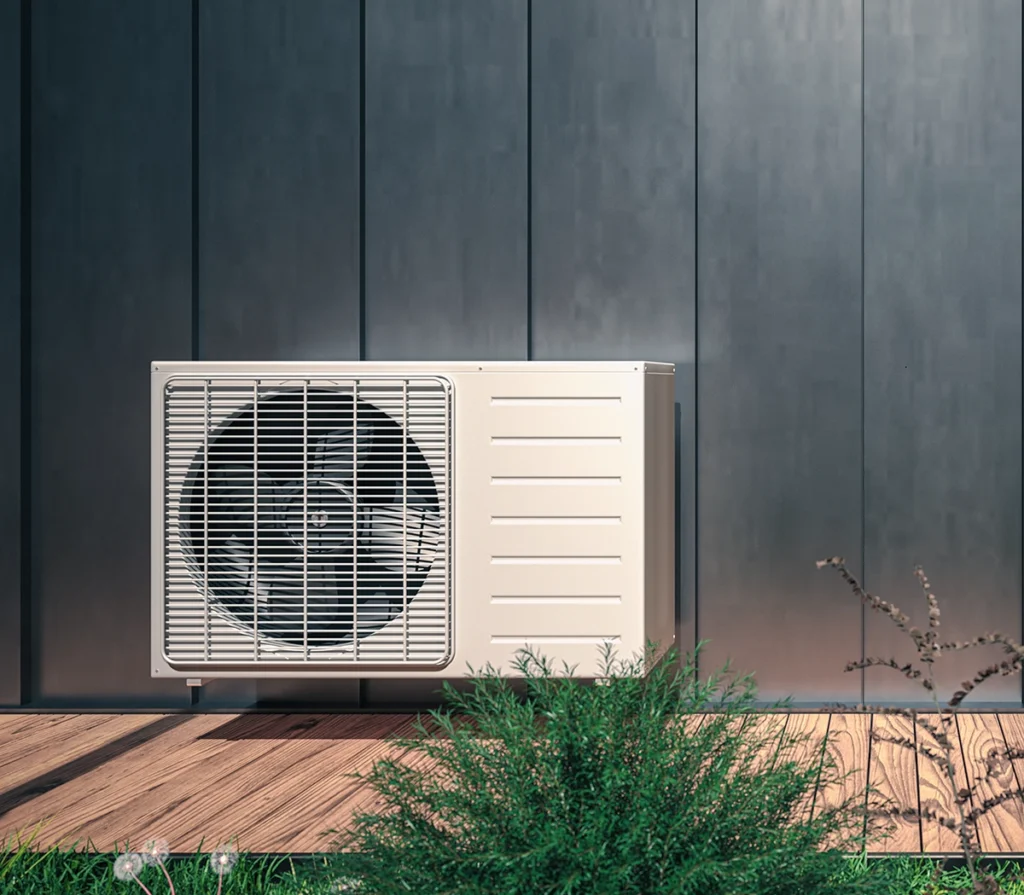
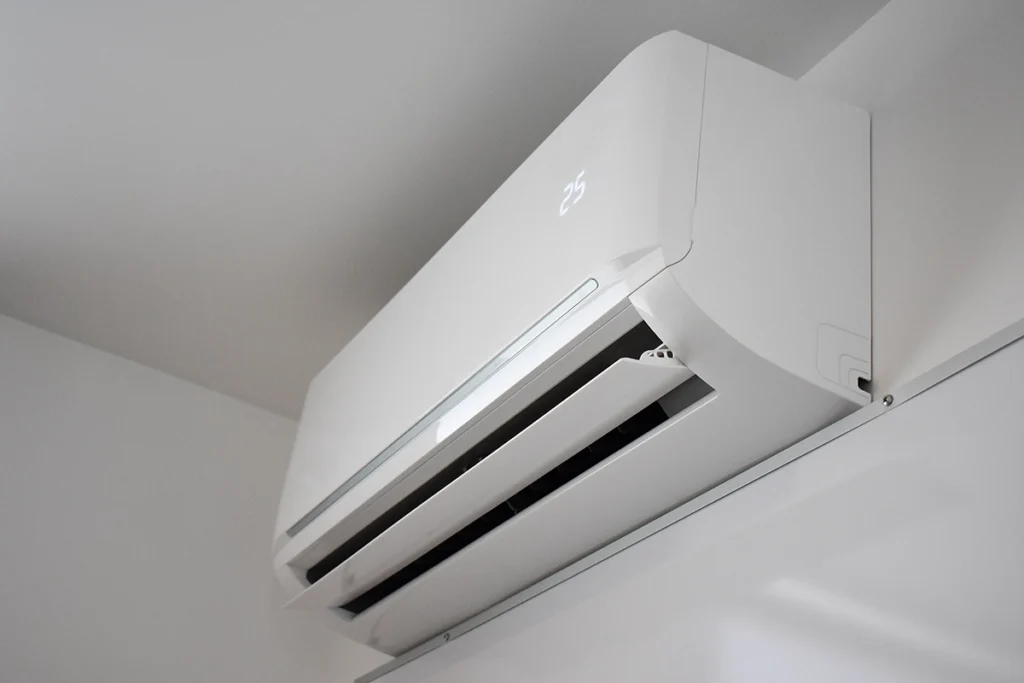
Outdoor mini split AC and heat condenser unit installed beside a home
Heat Pumps, HVAC Systems, Mini Splits

Mini Split AC and Heat: Pros, Cons, and Cost

If you’ve been researching mini split ac and heat systems, you’ve probably seen them recommended more and more lately. We’ve seen a big wave of people looking for one system that can handle both seasons without the ductwork headache. And honestly, it makes sense. A mini split can cool in summer and heat in winter, and it’s usually more efficient than people expect (when it’s sized and installed correctly). At C&R Services, we’ve walked a lot of customers through this decision. Some end up loving mini splits. Others realize a different setup makes more sense. So let’s break it down in a clean, easy-to-follow way—pros, cons, real costs, and what you should know before buying. What Is a Mini Split AC and Heat System? A mini split ac and heat system is a ductless HVAC setup that uses an outdoor unit connected to one or more indoor air handlers (those wall-mounted or ceiling-mounted heads). Instead of pushing air through ducts, it conditions the space directly. Most mini splits are heat pumps, which means they can run in two directions: Cooling mode: removes heat from your space Heating mode: pulls heat from outdoor air and brings it inside The reason they’re so efficient comes down to how mini splits work compared to older single-speed AC and heat pump systems. Mini Split AC and Heat Pros: Why People Love Them Mini splits are popular for a reason. In fact, most of the happy mini split owners we meet say the same thing: “I wish we’d done it sooner.” Here are the biggest upsides. Energy Efficiency Benefits Mini splits are known for high efficiency because: they don’t lose air through duct leaks they use inverter-driven technology (many models) they can heat and cool only the areas you use The U.S. Department of Energy also highlights mini splits as a strong option for buildings without ductwork, additions, and retrofits. Zoned Comfort This is the big one. Instead of conditioning the whole house evenly (even unused rooms), mini splits let you adjust comfort room by room. That means fewer thermostat wars and fewer hot or cold spots. Great for Additions, Garages, and Converted Spaces If you’ve got a garage workshop, bonus room, or office space that never feels right—mini splits are often the cleanest fix. Mini Split AC and Heat Cons: The Real Downsides Now let’s talk about what people don’t always expect going in. Mini splits can be an awesome upgrade, but there are a few real-world tradeoffs that matter—especially if you’re trying to heat and cool an entire home or building. Upfront Cost Can Be Higher Than People Think Yes, mini splits can save energy over time. However, the install cost can still surprise people, especially with multi-zone systems. Between equipment, labor, and electrical work, the total price can climb quickly depending on the layout. The Indoor Heads Aren’t Everyone’s Favorite Look Some people don’t mind the wall-mounted heads at all. Others hate the idea of “seeing the unit” in the room. It really is personal preference. Either way, it’s worth thinking about before you commit—because once those heads are up, they’re not invisible. Maintenance Still Matters Mini splits aren’t “set it and forget it.” They’re reliable systems, but they still need basic upkeep to keep efficiency high and prevent problems like weak airflow or water leaks. That typically includes filter cleaning, coil cleaning, and keeping the drain line clear. Over time, mini split maintenance like this can make a big difference in efficiency and system life. A Few Other Tradeoffs People Don’t Think About Beyond cost and maintenance, there are a handful of mini split drawbacks that don’t show up in the marketing. Some systems struggle when sizing isn’t right, some layouts are harder to balance evenly, and multi-zone setups can be less forgiving than most people expect. These are the kinds of things that pop up in real installs—which is why the disadvantages of mini split systems are worth understanding before you buy. Mini Split AC and Heat Cost: What You’ll Pay This is the part everyone cares about, and it’s also the part that varies the most. Mini split pricing depends on a few key factors, including: number of indoor heads BTU capacity efficiency rating install complexity (line set length, electrical needs, wall access) For a helpful budgeting overview, The Spruce explains typical mini split heat pump costs and the installation factors that can raise or lower the final price. What Affects Mini Split Installation Cost Most The biggest cost swings usually come from installation details—not just how many zones you choose. Electrical work is a major factor, especially if the property needs a circuit upgrade or panel changes. Line set routing can also add complexity, and so can drain line placement if the system needs a condensate pump. In other words, two properties can install the “same” mini split system and get two very different quotes depending on layout and access. What Does a Mini Split AC and Heat System Cost to Run? The operating cost is one of the biggest reasons people choose a mini split ac and heat system in the first place. However, the true monthly cost depends on: insulation quality set temperature habits outdoor temperatures electricity rates sizing accuracy The biggest mistake we see is oversizing. It can cause short cycling, uneven comfort, and weaker humidity control. Sizing is huge, because the wrong BTU rating causes comfort problems. The mini split size you need depends on the space and layout. Mini Split AC and Heat in Winter: Will It Actually Keep You Warm? This is a common worry, especially for people who’ve always relied on gas heat. Modern mini splits can heat surprisingly well. That said, performance depends on: the model and its low-temp rating the building’s heat loss how well the system is sized whether supplemental heat is needed In other words, a mini split can absolutely handle winter heating—but the right equipment and setup matter. If you’re in a colder area or

Mini splits work by transferring heat through an outdoor condenser unit.
Heat Pumps, HVAC Systems, Mini Splits

How Do Mini Splits Work? A Simple Breakdown

If you’ve ever looked at a mini split system and thought, “how do mini splits work?” you’re not alone. At C&R Services, we talk with people all the time who want better comfort without the headaches of traditional ductwork. Mini splits are efficient and flexible, but they don’t operate the same way central systems do—so it’s normal to have questions before investing in one. Mini splits confuse people because they don’t look like traditional HVAC systems. But the way they heat and cool is surprisingly straightforward. How Do Mini Splits Work Compared to Central HVAC? Mini splits work differently than traditional forced-air systems because they don’t rely on ductwork to move air throughout the building. Instead, they use: An outdoor unit (compressor/condenser) One or more indoor units (air handlers) A small lineset connecting them (refrigerant lines + electrical wiring + condensate drain) Because there are no ducts, mini splits can deliver heating and cooling directly into specific rooms or zones. That targeted approach is a big reason people love them. Meanwhile, central HVAC systems push conditioned air through ducts, which can lose energy through leaks or poor insulation. The Core Answer: How Do Mini Splits Work? At the heart of it, mini splits use the same core refrigeration science as a standard air conditioner. Here’s the simple version: In cooling mode, mini splits remove heat from inside and dump it outside. In heating mode, mini splits pull heat from outside air and move it inside. Yes—heat can be extracted even when it’s cold out. It sounds backwards, but it works. A mini split circulates refrigerant in a closed loop, and that refrigerant is what allows the system to transfer heat. When the pressure changes, the refrigerant temperature changes too. Key Components That Make the System Run Mini splits look simple from the outside, but they’re made of several important components working together. Key parts include: Compressor: Pressurizes refrigerant and moves it through the system Condenser coil: Releases heat (outdoors in cooling mode, indoors in heating mode) Evaporator coil: Absorbs heat (indoors in cooling mode, outdoors in heating mode) Expansion valve: Controls refrigerant pressure and temperature Blower fan: Pushes air across the coil into the space Inverter drive: Adjusts compressor speed for efficiency Because inverter-driven systems can ramp up or down, the temperature stays more consistent. That’s a huge comfort upgrade compared to older systems that only run full blast or not at all. How Do Mini Splits Work for Heating? Mini splits are a type of heat pump, which is why they can both heat and cool your home. Instead of creating heat the way a furnace does, a heat pump system works by moving heat. It pulls heat energy from the outdoor air and transfers it indoors using refrigerant. To switch from cooling to heating, the system uses a reversing valve. That valve changes the direction of refrigerant flow, which allows the same system to run as an air conditioner in summer and a heater in winter. In simple terms, here’s what’s happening: The outdoor unit absorbs heat energy from outside air The compressor increases pressure to boost that heat The indoor unit releases the heat into the space This is also why mini splits can be extremely efficient—especially for zoning. The U.S. Department of Energy even notes that minisplit heat pumps are a ductless air-source option that works well in homes without existing ductwork. Why Mini Splits Are So Efficient Mini splits are often more efficient than traditional systems because: They avoid duct losses They use inverter technology They run longer at lower speeds instead of short cycling They condition zones instead of the entire building In other words, they don’t waste effort cooling or heating areas you’re not using. Also, mini splits deliver more consistent comfort with fewer temperature swings. How Do Mini Splits Work as Zoned Systems? Zoning is one of the best features mini splits offer. Each indoor head can run independently, meaning: One room can cool Another room can heat Another can be off entirely That flexibility can be great for: Bedrooms at night Home offices Garages or workshops Bonus rooms Light commercial spaces with uneven heat loads We’ve seen this work especially well in buildings with additions or older layouts where ductwork just never made sense. What About Multi-Zone vs Single-Zone? A single-zone mini split has: 1 outdoor unit + 1 indoor unit A multi-zone system has: 1 outdoor unit + multiple indoor heads Multi-zone systems are great for whole-home comfort. However, single-zone is often perfect for one problem room. If you’re unsure which direction makes sense, our mini split sizing breakdown can help you avoid expensive mistakes. Mini Split Airflow: Why It Feels Different Mini splits don’t feel the same as central air. They deliver air more directly, and the airflow can be gentler. In many cases, that means: Less draftiness Less noise More even temperature in the space Also, since they run longer at lower speeds, the room stays stable instead of constantly having to “catch up” to the temperature you set. Common Myths About Ductless Systems Let’s clear up a few common misunderstandings: “Mini splits don’t work in cold weather.”Modern cold-climate models can heat well below freezing. “They’re only for houses.”Not true. We install them in shops, offices, and small commercial spaces. “They never need service.”They still need maintenance. (Nothing with motors and coils is maintenance-free.) If you want a balanced perspective before committing, our post on the disadvantages of mini split systems walks through the main drawbacks to consider. How Do Mini Splits Work Long-Term Without Problems? They work great long-term… if they’re installed correctly and cared for. The biggest issues we see usually come from: Poor sizing Bad placement Dirty coils or filters Drain line clogs Refrigerant leaks Most of these problems are preventable, which is why simple upkeep makes such a big difference. If you want a straightforward routine to follow, our mini split maintenance guide covers what to stay on top of. It also helps

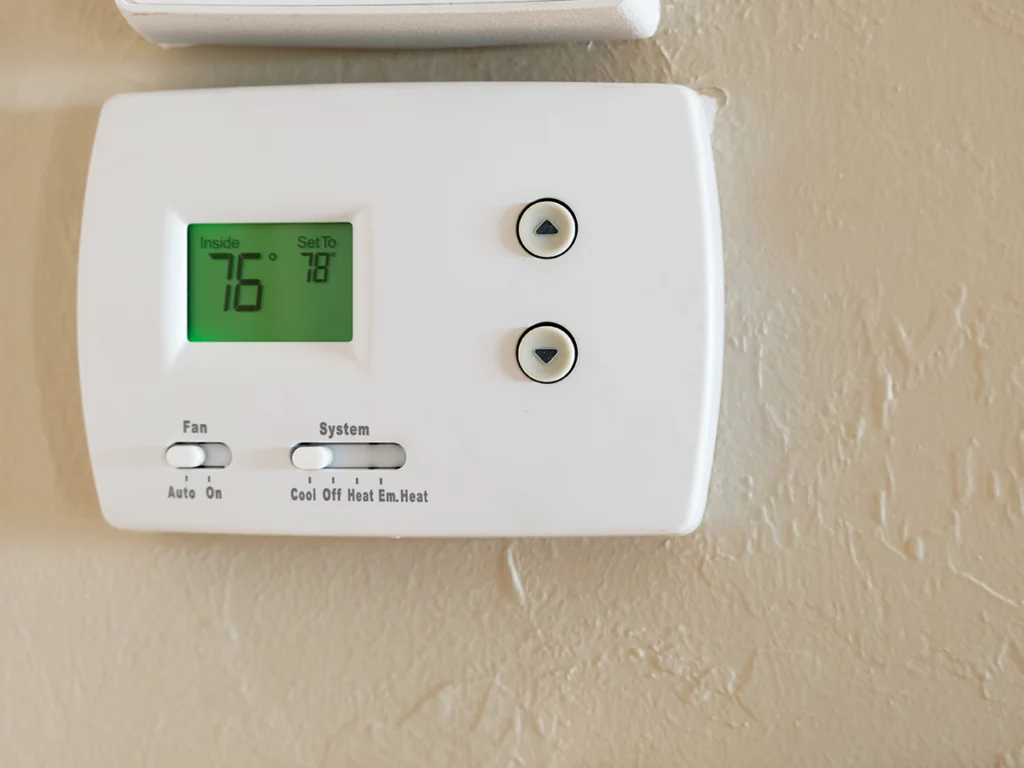
Thermostat not working and showing an incorrect indoor temperature on the display
HVAC Systems, Repair, Thermostats

Thermostat Not Working: Common Causes and Fixes

When homeowners call us frustrated, the issue can start with a thermostat not working the way it should. From our day-to-day work at C&R Services, we see how quickly a small control issue can disrupt comfort. Fortunately, many thermostat problems follow predictable patterns. Once you understand those patterns, the fixes become much clearer and far less stressful. Although the thermostat looks simple, it controls everything your heating and cooling system does. Because of that, a minor issue can feel like a major system failure. Before assuming the worst, it helps to walk through the most common causes step by step. In many cases, the fix is straightforward once the underlying cause is identified. Why a Thermostat Not Working Feels Like a System Breakdown When a thermostat not working properly sends incorrect signals, the system responds in confusing ways. Sometimes nothing happens at all. Other times, the system runs but delivers the wrong temperature. In our experience, this confusion leads many homeowners to suspect expensive equipment failures. However, the thermostat itself is often the real issue. That’s why starting with the control side saves time and unnecessary repairs. Thermostat Not Working Due to Power Issues One of the first things we check is power. A thermostat needs a steady power source to function correctly. Battery-powered models can stop working as batteries weaken, while hardwired thermostats may lose power due to tripped breakers or wiring issues. Because of that, a quick power check often reveals the problem right away. Thermostat Not Working Because of Mechanical Wear In older systems, the thermostat itself can also be part of the issue. Older mechanical thermostats rely on physical components that expand and contract with temperature changes, which can affect accuracy over time. For a clear explanation of how these thermostat designs work, ExplainThatStuff offers a helpful breakdown. Thermostat Not Working Because of Incorrect Settings Sometimes the issue isn’t hardware at all. Instead, it’s a simple setting problem. Mode selection matters. Heat, cool, auto, emergency heat, and auxiliary heat all behave differently. If settings don’t match the season, comfort suffers. For heat pump systems, confusion around backup heating is common. That’s why understanding what auxiliary heat is helps explain why systems sometimes behave unexpectedly during cold weather. Emergency heat, which is manually activated, can create similar confusion if selected accidentally. When a Thermostat Not Working Causes No Response at All If the system doesn’t start, the thermostat may not be sending a call for heating or cooling. In these cases, homeowners often assume the furnace isn’t turning on. While equipment issues do happen, thermostat signal failures are frequently responsible. Loose wires, damaged terminals, or failed internal sensors can all prevent startup. Addressing the control issue first avoids unnecessary component replacement. Thermostat Not Working and Warm Air Problems Another common complaint involves systems running but delivering the wrong temperature. In heating season, that usually means warm air never arrives. This scenario often overlaps with questions about why a heater seems to be blowing cold air. While mechanical causes exist, thermostat calibration errors or incorrect mode selection are frequently involved. When temperature readings drift, the thermostat may think the home is already warm. As a result, it short-cycles or fails to activate proper heating stages. Environmental Factors That Affect Thermostat Accuracy Placement matters more than most people realize. A thermostat near windows, exterior doors, or heat-producing appliances can misread room temperature. Sunlight exposure also skews readings. Because of that, systems may cycle incorrectly even when nothing is technically broken. During winter, heating systems run longer, which can make control issues more noticeable. As systems cycle more frequently, small thermostat inaccuracies tend to stand out faster, especially when a thermostat not working properly struggles to keep up with demand. The U.S. Department of Energy also shares general winter energy tips that explain why heating demand increases during colder months. Smart and Programmable Thermostat Issues Smart thermostats add efficiency but introduce new variables. Software updates, Wi-Fi interruptions, and compatibility issues can all interfere with operation. In the field, we see advanced features cause confusion when settings don’t align with how the system actually runs. Scheduling conflicts or incorrect learning behavior can mimic system failure. Although these thermostats offer real benefits, they still rely on correct setup. With proper configuration, they perform well, but when settings drift, comfort issues can show up quickly. When to Replace a Thermostat Instead of Repairing It Not every thermostat issue justifies repair. Older units lack modern accuracy and efficiency. Over time, internal sensors wear out and drift beyond reliable limits. If repairs repeat, replacement becomes the smarter choice. Modern thermostats improve comfort while reducing energy waste. In many cases, homeowners notice immediate improvements after upgrading. At C&R Services, we help homeowners choose thermostats that match their system type, usage habits, and comfort goals. Final Thoughts A thermostat not working rarely means disaster. More often, it signals a manageable control issue. With proper diagnosis, most problems resolve quickly and affordably. If uncertainty remains, professional evaluation prevents guesswork. At C&R Services, we take a diagnostic-first approach to protect both comfort and equipment life. If a thermostat not working continues to cause problems, a professional system evaluation can help identify whether the issue is control-related or system-related. If your thermostat continues acting up, contact us for expert help. We proudly serve homeowners across Tyler and East Texas, and we’re always ready to help restore comfort. Frequently Asked Questions About Thermostat Issues Below are a few quick answers we hear often from homeowners.

Mini split maintenance helps keep ductless indoor units clean, efficient, and reliable over time
Heat Pumps, HVAC Systems, Maintenance, Mini Splits

Mini Split Maintenance: Tips to Boost Efficiency and Lifespan

When homeowners ask us about mini split maintenance, the question usually comes down to performance and longevity. They want comfort that lasts without surprise breakdowns. From our day-to-day work at C&R Services, we’ve seen how consistent care keeps ductless systems running smoothly year after year. While mini splits are known for efficiency, they still need attention. Because of that, understanding maintenance helps protect your investment and avoid preventable issues. Why Mini Split Maintenance Matters More Than Most People Think Most mini splits don’t use ductwork, which already improves efficiency. However, that doesn’t make them maintenance-free. Over time, dust, moisture, and airflow restrictions slowly reduce performance. That’s why maintenance plays a major role in comfort and energy use. In the field, we often find systems struggling simply because routine care was skipped. Although the system still runs, it works harder than necessary. That added strain shortens equipment life. Eventually, small issues turn into expensive repairs. Just as important, maintenance helps preserve consistent temperatures. Without it, rooms may cool unevenly or take longer to reach set points. How Mini Split Maintenance Protects System Efficiency Efficiency is one of the biggest reasons homeowners choose ductless systems. However, efficiency drops when components get dirty or airflow becomes restricted. Maintenance focuses on keeping each part working together. Clean filters allow steady airflow. Clear coils improve heat transfer. Proper refrigerant levels keep the system balanced. Together, those steps help the system deliver comfort without overworking. Mini Split Maintenance and System Lifespan At first, skipped maintenance doesn’t seem like a problem. The system still turns on. Heating and cooling still happen. However, hidden wear builds quietly. Motors strain. Sensors drift. Drain lines clog. With proper maintenance, those issues get corrected early. Without it, they stack up. Over time, that shortens lifespan and increases failure risk. According to the U.S. Department of Energy, regular mini split maintenance reduces strain, improves efficiency, and helps extend system life. From what we see at C&R Services, many early system failures trace back to long-term neglect rather than defective equipment. Common Mini Split Maintenance Tasks That Matter Although mini splits are designed for efficiency, they still rely on several components working together. Over time, dust, debris, and moisture affect performance in subtle ways. For that reason, regular attention to a few key areas makes a noticeable difference. When these tasks stay on schedule, systems run quieter, maintain comfort more consistently, and experience fewer surprises. Cleaning Filters and Indoor Units Filters collect dust quickly, especially in high-use rooms. When clogged, airflow drops. When that happens, the system must run longer to meet demand. Cleaning filters regularly is one of the simplest maintenance steps homeowners can handle. Keeping Outdoor Units Clear Outdoor units need space to breathe. Leaves, debris, and grass clippings restrict airflow. As a result, efficiency suffers. Clearing the area improves heat transfer and reduces strain. Checking Drainage and Moisture Control Mini splits remove humidity as they cool, so that moisture needs to drain properly. Routine maintenance includes checking drain lines to help prevent leaks and water damage. The EPA explains how moisture control supports indoor comfort and air quality by reducing conditions that allow mold and microbial growth. Mini Split Maintenance Starts With Proper System Design Maintenance success often begins before the system even turns on. Proper layout, placement, and system sizing all influence how hard a mini split has to work. System sizing plays a huge role. Oversized systems short cycle. Undersized systems overwork. Both scenarios increase maintenance needs. That’s why we often point homeowners to guidance on choosing the right mini split capacity and sizing before installation. Understanding how system size affects performance makes maintenance easier over time. In fact, many long-term issues we see could have been avoided with better upfront planning. The Hidden Costs Homeowners Don’t Expect Skipping mini split maintenance doesn’t always cause immediate failure. Instead, costs show up slowly. Energy bills creep up. Comfort declines. Repairs become more frequent. Over time, skipped upkeep doesn’t just affect efficiency. It also makes certain system limitations more noticeable. Understanding the disadvantages of mini split systems helps homeowners separate normal design tradeoffs from problems caused by neglect. Professional Mini Split Maintenance vs DIY Care Homeowners can handle basic tasks like filter cleaning. However, deeper inspections require professional tools and training. Refrigerant checks, electrical testing, and coil cleaning should be handled by experienced technicians. At C&R Services, professional mini split maintenance includes a full system review. That allows us to spot issues early and keep performance steady. While DIY care helps, professional service protects the system long-term. Mini splits operate as heat pumps, moving heat rather than generating it. Because of that, consistent maintenance helps keep efficiency, airflow, and system balance intact. Homeowners who want a deeper understanding of how these systems work can explore our heat pump services for additional insight. How Often Mini Split Maintenance Should Be Done Most systems benefit from professional maintenance once or twice per year. Homes with pets, heavy use, or high humidity may need more frequent checks. Because every setup is different, a tailored approach works best. Consistent maintenance schedules prevent surprises. They also make system behavior more predictable season after season. Final Thoughts When done right, mini split maintenance supports comfort, efficiency, and long-term reliability. It reduces energy waste. It prevents breakdowns. Most importantly, it keeps systems working the way homeowners expect. If you want expert guidance or professional service, C&R Services is ready to help. Our team provides clear answers and dependable care for ductless systems. For homeowners in Tyler and East Texas, we’re available when local service is needed. Contact us today to schedule maintenance or ask questions about your system. FAQs About Mini Split Maintenance Keeping up with mini split maintenance raises common questions. Here are a few we hear often.

UV-C light used inside HVAC systems to help kill mold and control microbial growth
HVAC Systems, Indoor Air Quality, Maintenance

Does UV Light Kill Mold in HVAC Systems?

When homeowners ask, “does UV light kill mold?” they’re usually dealing with air quality concerns they can’t see but can feel. From our day-to-day experience at C&R Services, this question comes up often during HVAC inspections and indoor air quality conversations. Mold inside an HVAC system is unsettling. It affects comfort, odors, indoor air quality, and even how confidently homeowners feel about the air circulating through their home. Fortunately, UV technology offers real benefits when it’s applied correctly. So, does UV light kill mold in HVAC systems? The short answer is yes—but the details matter. How UV Light Works Inside an HVAC System Ultraviolet (UV-C) light disrupts the DNA of mold, bacteria, and other microorganisms. Because of that, they can’t reproduce. Over time, existing growth becomes inactive, and new growth struggles to form. In HVAC systems, UV lights are usually installed near damp areas. Most often, that’s the evaporator coil or drain pan. These spots naturally attract moisture, which mold loves. At C&R Services, we explain that UV lights don’t “scrub” air like filters do. Instead, they control biological growth at the source. Does UV Light Kill Mold in HVAC Systems Completely? Homeowners often wonder whether UV light fully eliminates mold or only limits its spread. The answer depends on how and where the system is installed, as well as what type of mold exposure is involved. Does UV Light Kill Mold on Contact? Yes—UV-C light can kill mold on contact under controlled conditions. However, effectiveness depends on exposure time, light strength, and placement. Mold hidden behind debris or dust may avoid direct exposure. Because of that, UV lights work best as part of a broader strategy. Does UV Light Kill Mold Spores in the Air? This is where expectations need adjustment. UV lights installed in residential HVAC systems primarily target surfaces. While some airborne spores may pass through the light field, UV systems aren’t designed as standalone air purifiers. That’s why we often explain airflow paths and key parts of the HVAC system before recommending solutions. Understanding where air travels helps homeowners set realistic expectations. Why Mold Forms Inside HVAC Systems Mold needs three things: moisture, organic material, and time. Unfortunately, HVAC systems often provide all three. Condensation forms during normal cooling cycles. Dust collects over time. If airflow drops, moisture lingers longer than it should. That’s where system health matters. Restricted airflow allows moisture to linger, creating conditions mold thrives in. Over time, the same airflow problems can also lead to overheating and system shutdowns. During service calls, we often inspect safety components like the furnace limit switch when airflow issues appear alongside biological buildup. Does UV Light Kill Mold Long-Term? When installed correctly, UV systems are excellent at prevention. They stop new growth before it spreads. However, UV lights don’t remove physical debris. Existing buildup still needs cleaning. That’s why we view UV lights as maintenance partners, not miracle fixes. At C&R Services, we emphasize balance. UV lights work best alongside proper filtration, airflow, and routine service. Benefits of UV Lights Beyond Mold Control Even though mold is the main concern, UV lights offer additional advantages. First, they help reduce musty odors caused by microbial growth. Second, they keep coils cleaner, which improves efficiency. Over time, cleaner coils can support better airflow and steadier temperatures. According to U.S. Environmental Protection Agency guidance on mold control, limiting moisture and biological growth is essential for preventing recurring mold problems. CDC also notes that ongoing exposure to mold and damp environments can affect respiratory health, especially for sensitive individuals. That’s why many homeowners explore indoor air quality solutions that help control moisture and biological growth inside HVAC systems. Where UV Lights Fit in Real Homes UV lights make the most sense in homes with: High humidity levels Allergy or asthma concerns Past mold issues Tight building envelopes They’re also useful in regions with long cooling seasons. Warm, humid air creates ideal mold conditions. From a practical standpoint, UV systems are “set it and forget it.” Bulbs typically last one to two years. Replacement is straightforward during routine maintenance. Common Misunderstandings About UV HVAC Lights Many homeowners assume UV lights clean ductwork. They don’t. Others believe UV lights replace filters. They don’t do that either. Instead, UV lights target microbial growth at vulnerable points. When paired with good filtration and airflow, they support healthier air. At C&R Services, we focus on education first. Once homeowners and facility managers understand how systems actually work, decisions become easier. Does UV Light Kill Mold, and Is It Worth It? So, does UV light kill mold in HVAC systems? Yes, when used properly. More importantly, it helps prevent mold from returning. It’s not a cure-all. Still, it’s one of the most effective tools available for controlling biological growth inside HVAC equipment. If you’re dealing with ongoing air quality concerns or mold-related issues, C&R Services can help you explore indoor air quality options that fit your space and HVAC system. If you’d like clear guidance instead of guesswork, contact C&R Services. We’re always happy to explain options and help you choose what fits your system best. We proudly serve Tyler and communities across East Texas. FAQs About UV Light and Mold in HVAC Systems Below are quick answers to common questions we hear from homeowners.

Commercial HVAC air handling system using a VFD to control airflow and efficiency
Commercial HVAC, HVAC Systems, Maintenance

What Is a VFD? Uses, Benefits, and How It Works

When homeowners and building managers ask “what is a VFD?” they’re usually trying to understand why newer HVAC systems feel quieter, smoother, and more efficient. We hear this question often during system evaluations and efficiency upgrades. From our perspective at C&R Services, a VFD is one of those behind-the-scenes components that makes a noticeable difference once you know what it does. Simply put, understanding what a VFD is helps explain how modern HVAC systems control airflow, manage energy use, and reduce long-term wear. Once the basics click, the benefits become much easier to see. What a VFD Is and Why It Matters in HVAC Systems So, what is a VFD exactly? VFD stands for Variable Frequency Drive. It’s a device that controls how fast an electric motor runs. Instead of operating at one constant speed, the motor adjusts based on real-time demand. In HVAC systems, that motor usually powers a blower fan or pump. Rather than switching fully on or off, a VFD allows gradual speed changes. As a result, the system works smarter instead of harder. Because of that control, comfort improves. Energy waste drops. Equipment stress also decreases over time. How a VFD Works Behind the Scenes A VFD works by controlling motor speed rather than running equipment at a single fixed rate. It does this by adjusting the frequency and voltage sent to the motor. When demand is low, the motor slows down. When demand rises, it increases speed smoothly. Instead of abrupt starts, the system eases into operation. That gentle control protects motors, belts, and bearings. Over time, those small changes add up to longer equipment life. Where You’ll Find VFDs in HVAC Equipment VFDs don’t operate alone. They’re integrated into larger systems. In many setups, VFDs work alongside other components inside a system. If you’re curious how everything fits together, exploring the parts of an HVAC system helps explain where drives, motors, and controls interact. Most commonly, VFDs control: Supply air fans Return air fans Circulator pumps Cooling tower fans Each application benefits from precise speed control rather than constant operation. What Is a VFD Used for in Commercial HVAC? In commercial buildings, a VFD often plays a direct role in airflow zoning and load balancing. VFDs pair especially well with variable air volume systems. In fact, when airflow adjusts room by room, variable air volume designs rely heavily on variable-speed fan control to operate correctly. As zones open and close, the VFD adjusts fan speed automatically. That keeps pressure stable while saving energy across the building. Energy Efficiency Benefits of a VFD One of the biggest reasons VFDs are installed is efficiency. Instead of running at full speed all day, motors slow down when demand drops. Since motor energy use increases dramatically with speed, even small reductions lead to major savings. According to the U.S. Department of Energy’s motor systems tip sheet, variable frequency drives are an efficient way to control motor speed and energy use. While a VFD improves motor efficiency, overall savings depend on the entire system. ENERGY STAR heating and cooling efficiency guidance highlights how airflow control, duct sealing, and smart controls work together to reduce energy waste. Over time, those savings often offset the cost of installation. Comfort and Noise Improvements Efficiency isn’t the only benefit. Because VFD-controlled motors ramp up gradually, systems operate more quietly. Sudden blasts of air disappear. Temperature swings smooth out. From our experience at C&R Services, many customers notice comfort improvements before they ever notice energy savings. That’s a win either way. Maintenance and Equipment Longevity Advantages Another overlooked benefit of a VFD is reduced mechanical stress. Soft starts protect motors from electrical surges. Reduced run times limit heat buildup. Bearings and belts last longer. As a result, service intervals often extend. Unexpected breakdowns also become less common. That doesn’t eliminate maintenance, but it does make it more predictable. Is a VFD Right for Every HVAC System? Not every system needs a VFD. Smaller residential units often rely on simpler controls. However, larger homes, light commercial spaces, and commercial buildings benefit the most. We typically recommend VFDs when: Systems operate many hours per day Loads fluctuate frequently Energy efficiency is a priority If you’re unsure, professional evaluation matters. Why Professional Installation Matters Although VFDs offer many benefits, setup matters. Incorrect programming can cause noise, vibration, or control issues. That’s why proper sizing, tuning, and integration are essential. At C&R Services, we focus on matching equipment to real-world conditions. That approach ensures VFDs deliver actual performance gains instead of headaches. If you’re considering upgrades or system improvements, contact us to discuss your options. Final Thoughts: What Is a VFD? At the end of the day, VFDs comes down to smarter control. Instead of forcing HVAC equipment to operate at one speed, a VFD lets systems respond naturally to demand. That means better comfort, lower energy costs, and longer equipment life. When installed correctly, it’s one of the most impactful efficiency upgrades available today. Because VFDs are most commonly installed in larger systems, they’re often part of broader commercial HVAC services focused on efficiency, airflow control, and long-term performance. If you’re located in Tyler or anywhere across East Texas and want to know whether a VFD makes sense for your system, reach out to C&R Services. We’re always happy to help you make informed decisions about comfort and efficiency. FAQs About VFDs in HVAC Systems VFDs often raises a few common questions. Here are quick answers we share with customers.

Rooftop commercial HVAC equipment used in VAV HVAC systems
Commercial HVAC, HVAC Systems

VAV HVAC Explained: How Variable Air Volume Systems Work

When we talk with building owners or facility managers about airflow control, VAV HVAC systems often come up quickly. From my experience working in the field, variable air volume systems are one of the most effective ways to balance comfort and efficiency in larger buildings. They don’t create heating or cooling themselves. Instead, they control how much conditioned air reaches each space. Once you understand how VAV HVAC systems work, it becomes easier to see why they’re so common in commercial environments. What Is a VAV HVAC System? A VAV HVAC system uses variable air volume to adjust airflow to different zones throughout a building. Instead of delivering the same amount of air everywhere, the system increases or decreases airflow based on demand. As a result, rooms that need more cooling or heating receive it, while others receive less. Variable air volume systems are most often paired with a central air handler. That air handler conditions the air, while VAV boxes manage distribution. This setup helps reduce wasted energy and improves overall comfort. How Variable Air Volume Systems Control Airflow Variable air volume systems rely on sensors and dampers to regulate airflow. Each zone has its own VAV box that opens or closes based on temperature readings. When a room reaches its setpoint, airflow slows. Meanwhile, zones that still need conditioning continue receiving air. Because of this design, the system responds continuously. Rather than cycling on and off, it adjusts gradually. That steady operation helps maintain comfort and reduce energy swings. Key Components Inside a VAV HVAC System A VAV HVAC system includes several important parts working together. While the setup can vary by building, most systems rely on the same core components that make up larger commercial HVAC designs. If you want a broader breakdown of how these pieces fit together, an overview of the parts of an HVAC system helps explain how air movement, controls, and conditioning equipment work as a whole. VAV Boxes and Zone Dampers VAV boxes sit in the ductwork and control how much air enters each zone. Inside each box, a damper opens or closes based on temperature demand. Some VAV boxes also include reheat coils, which allow additional temperature adjustment when airflow is reduced. Sensors and Control Systems Temperature sensors monitor each zone continuously. Those readings feed into a central control system that adjusts dampers in real time. This automated control is what allows the system to respond smoothly instead of cycling on and off. Air Handler and Ductwork The air handler produces conditioned air for the entire building. Ductwork then distributes that air to each VAV box. In many commercial buildings, this air delivery approach builds on the same airflow principles used in forced air heating, just scaled for larger spaces and multiple zones. Proper duct design is critical for keeping airflow balanced and efficient throughout the system. Why VAV HVAC Systems Are Used in Commercial Buildings From what we see on projects, VAV HVAC systems make sense in buildings with varying occupancy. Offices, schools, hospitals, and retail spaces all benefit from zone-level control. Rooms with sunlight exposure or heavy use often need more airflow. Others need less. Because airflow adjusts instead of running full volume constantly, energy use drops. Over time, that efficiency can significantly reduce operating costs. VAV HVAC vs Constant Volume Systems Constant volume systems deliver the same airflow everywhere, all the time. While they’re simpler, they often waste energy. In contrast, VAV HVAC systems adapt in real time. That adaptability leads to better comfort and improved efficiency. However, VAV systems require proper design and maintenance. Without calibration, airflow issues can develop. That’s why professional setup and ongoing service matter. Energy Efficiency Benefits of VAV HVAC Design One major advantage of VAV HVAC systems is reduced fan energy. Since fans slow down as airflow demand drops, power consumption falls significantly compared to systems that run at full volume all the time. Over the life of the HVAC system, that reduction adds up to meaningful energy savings. Additionally, better airflow control helps maintain more consistent indoor conditions across different zones. When temperature swings are minimized, equipment operates more steadily instead of cycling aggressively. That stability supports occupant comfort while also reducing wear on motors, controls, and air-handling components. Common Applications for Variable Air Volume Systems We most often see variable air volume systems in: Office buildings Medical facilities Universities and schools Government buildings Large retail spaces These environments benefit from zoning and flexible airflow. When usage patterns change throughout the day, VAV systems adapt smoothly. Maintenance Considerations for VAV HVAC Systems Like any HVAC setup, VAV HVAC systems need regular attention. Filters, sensors, and dampers must stay clean and calibrated. When maintenance slips, comfort problems often follow. Routine inspections help prevent airflow imbalances and catch control issues early. For practical maintenance planning, the EPA’s building air quality guidance offers useful direction for building owners and facility managers. When to Talk With an HVAC Professional If airflow feels uneven or zones never reach set temperatures, the VAV system may need adjustment. From experience, these problems often come down to controls or damper operation. Addressing them early prevents bigger efficiency losses later. If you’re evaluating a new system or improving an existing one, it helps to speak with professionals who understand variable air volume design. At C&R Services, we help clients assess airflow strategies and system performance nationwide, with trusted commercial HVAC services in Tyler and East TX. If you have questions about airflow control or system upgrades, contact C&R Services to discuss your options and schedule a consultation. In the end, VAV HVAC systems remain one of the smartest solutions for efficient, adaptable airflow in modern buildings. Frequently Asked Questions About VAV HVAC Systems Below are a few common questions we hear when discussing variable air volume systems.

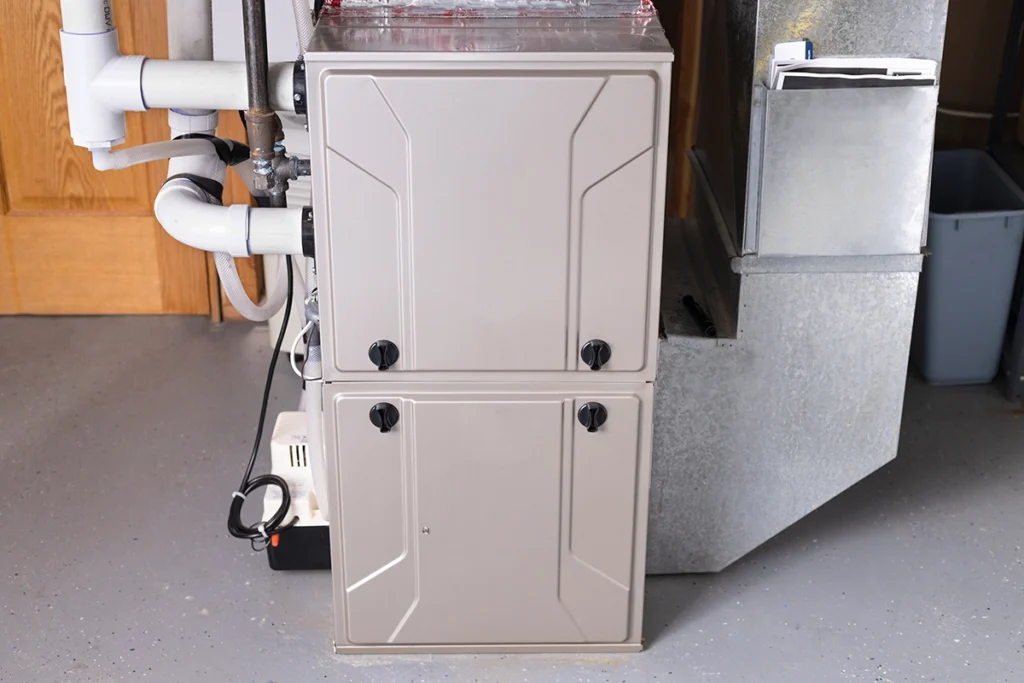
Two-stage high-efficiency furnace installed in a residential utility area, showing PVC venting, condensate drain lines, and connected ductwork
Heating, HVAC Systems, Maintenance

What Is a Furnace and How Does It Work?

When people ask “what is a furnace,” they’re usually trying to understand how this equipment produces heat so reliably. I hear this question often during service calls for C&R Services, and it’s easy to understand why. Heating systems can look complicated, yet the basic idea is simple: a furnace creates heat, moves that heat through your home, and keeps temperatures consistent even when the weather changes. Because so many homeowners rely on this equipment, understanding how it works can help you recognize issues earlier and make smarter decisions about maintenance and efficiency. What Is a Furnace? Understanding the Basics A furnace is a heating system that creates heat and delivers it into the home, and not all of them work the same way. Older gravity furnaces and wall units rely on natural convection, while modern models use a blower to push warm air through ducts. No matter the design, the system begins by generating heat from fuel or electricity, then moving that heat into the living space. Because most homes today use forced-air units, we put together a helpful explanation of how forced air heating actually works for anyone who wants a closer look at the airflow side. Types of Furnaces Found in Today’s Homes Not all furnaces operate the same way, and the type of system you own affects everything from efficiency to maintenance needs. While many modern homes rely on forced-air equipment, several furnace styles are still found across the country. Understanding the differences helps you choose the right system and recognize how each one performs. Gas Furnaces Gas furnaces remain the most common type in U.S. homes. They heat quickly, deliver strong airflow, and usually cost less to operate than electric models in regions with affordable natural gas. Because they rely on combustion, they include safety components such as flame sensors, pressure switches, and sealed venting to manage fuel and exhaust safely. Electric Furnaces Electric furnaces don’t burn fuel. Instead, they use electric heating elements to warm air before circulating it through the ducts. These systems often last longer than combustion models and run quietly, but they typically cost more to operate. They’re most common in milder climates where heating demand is lower. Propane Furnaces Propane furnaces work much like gas units but use stored fuel rather than natural gas lines. Many rural homeowners depend on propane because it offers strong heat output without requiring a municipal gas connection. Because fuel is stored on-site, monitoring tank levels becomes part of routine home maintenance. Oil Furnaces Oil furnaces still appear in older homes and in areas where natural gas isn’t widely available. They produce very warm heat but require more frequent cleaning because oil combustion leaves residue inside the system. Regular nozzle, burner, and filter maintenance is especially important to keep an oil furnace operating efficiently. Gravity and Wall Furnaces Although less common today, some homes still use older gravity furnaces or wall-mounted units. Gravity systems rely on natural convection rather than a blower fan, allowing warm air to rise through the home without forced airflow. Wall furnaces operate as self-contained heating units that serve a single space or zone. While both are functional, they typically offer less efficiency and comfort control than modern forced-air systems. Single-Stage, Two-Stage, and Modulating Furnaces Beyond fuel type, furnace technology itself impacts comfort: Single-stage furnaces run at full power every time they turn on. Two-stage models operate at a lower setting during mild weather and switch to full output only when needed. Modulating furnaces adjust heat output in very small increments, keeping temperatures extremely steady. Homes with comfort complaints often benefit from the smoother operation of two-stage or modulating equipment. Understanding AFUE and Why It Matters When homeowners compare furnace models, efficiency is one of the first features they notice. Yet many people aren’t sure what those numbers actually mean. AFUE — or Annual Fuel Utilization Efficiency — describes how much of the fuel your furnace converts into usable heat. Higher numbers mean less waste and lower operating costs. Because even small efficiency differences add up over years of use, AFUE ratings play a major role in long-term comfort and energy spending. What AFUE Percentages Look Like in Real Life Furnaces vary widely in performance. Older units may operate at 60–70% AFUE, meaning a large share of energy is lost through exhaust. Standard modern systems usually offer 80% AFUE or higher, while high-efficiency condensing furnaces reach 90–98% AFUE. These advanced models reuse heat that would normally escape, making them ideal for homeowners looking to reduce energy consumption. Why High-Efficiency Furnaces Are Becoming More Common  Energy costs continue to rise, and many homeowners want equipment that can keep monthly bills manageable. High-efficiency furnaces deliver more usable heat with less fuel, which leads to consistent comfort and reduced waste. Many states also encourage efficient heating systems because they support lower environmental impact. ENERGY STAR provides helpful guidance on ENERGY STAR® heating equipment, including performance expectations for high-efficiency models. How Efficiency Impacts Fuel Type Choices Efficiency ratings depend on both the technology inside the furnace and the fuel it uses. Gas models often deliver strong performance across all price ranges. Electric furnaces convert almost all incoming power into heat, but electricity costs in some regions can limit affordability. Oil furnaces are dependable but need more maintenance to stay efficient. Because these variables differ by home and climate, it helps to consider both the AFUE rating and local fuel prices when comparing systems. When Upgrading an Older Furnace Makes Sense Even if your current furnace still works, low efficiency can drive energy bills higher than necessary. Many homeowners start noticing the problem after several winters of rising costs. An upgrade becomes worth considering when the unit is more than 15 years old, requires repeated repairs, or runs with a noticeably lower AFUE rating than current models. Although replacement is a bigger investment, the long-term savings and improved comfort often justify the change. If you’re unsure whether your system is nearing the end of its lifespan,

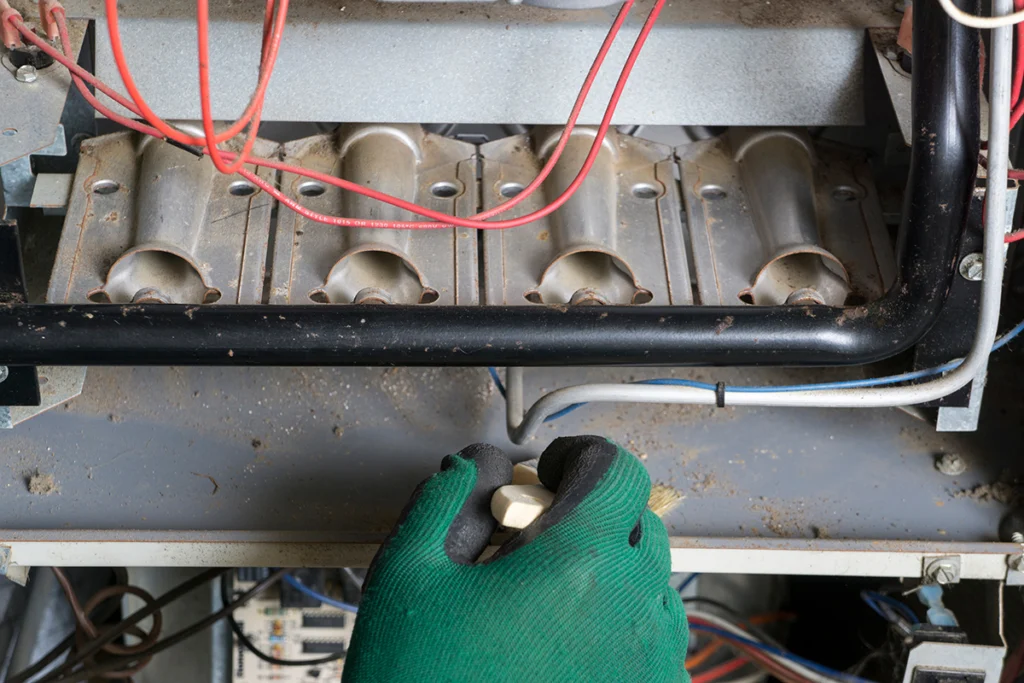
Technician inspecting the burner area of a furnace that supplies heat to the furnace heat exchanger
Heating, HVAC Systems, Maintenance, Repair

Furnace Heat Exchanger Warning Signs

When homeowners ask why their system smells odd, cycles too often, or delivers weaker heat than usual, we usually look at the furnace heat exchanger first. After years of working on heating equipment at C&R Services, we know this component is one of the most important parts of any furnace. Although most homeowners never see it, the exchanger handles heat transfer and protects your home from harmful combustion gases. When something goes wrong, the symptoms can seem small at first, yet they carry serious risks if ignored. What the Furnace Heat Exchanger Actually Does Before you can spot warning signs, it helps to understand the role of the furnace heat exchanger inside the system. This metal chamber separates the air you breathe from the furnace’s combustion process. As the burners create heat, the exchanger warms up and transfers that heat to the air moving through your ducts. Because combustion gases must stay sealed inside the chamber, any crack or breach can lead to unsafe conditions. Technicians sometimes compare this part to an engine block because both hold heat and contain combustion gases. And while that comparison is helpful, the exchanger is actually more fragile. It expands and contracts with every heating cycle, which is why regular maintenance matters so much. If you’d like a clearer breakdown of how the entire furnace works—from ignition to heat distribution—our furnace guide walks through the full process. Common Furnace Heat Exchanger Warning Signs Although no two homes are alike, certain warning signs appear again and again. Because we inspect systems every day at C&R Services, we’ve learned that most heat exchanger problems show up in predictable ways. 1. Strange Smells During Heating Cycles If you smell a burning or metallic odor when the furnace runs, take it seriously. These odors often appear before any visible damage forms. According to the U.S. Consumer Product Safety Commission, carbon monoxide from fuel-burning appliances kills more than 200 people in the U.S. each year. Because a damaged furnace heat exchanger can allow combustion gases to escape, unusual smells or irritated sinuses should never be ignored. It also helps to make sure your carbon monoxide detectors are installed and working, since CO is colorless and odorless. If something feels off, it’s safer to shut the system down and have it inspected right away. 2. Frequent Short Cycling When the furnace turns on and off too often, the heat exchanger might be overheating. Because overheating forces the system to shut down for protection, it’s worth checking. Short cycling can also involve the system’s safety controls, and we explain that issue in more detail in our blog about the furnace limit switch. 3. Visible Rust or Corrosion A rusty heat exchanger is a weakened heat exchanger. Condensation, old age, and poor airflow all speed up deterioration. While rust isn’t always a sign of cracks, it does mean the metal is thinning. A thin exchanger is more likely to fail. How Performance Changes Point to Furnace Heat Exchanger Trouble Even if you don’t see the exchanger directly, the furnace will usually tell you something is off. Weak or Uneven Heat Output A damaged exchanger sometimes prevents the furnace from producing steady heat. Air may feel warm one moment and cool the next. Homeowners often think a faulty blower is the cause, but that’s not always true. Sometimes this uneven heat shows up alongside other problems, which we cover in our blog about why your heater may be blowing cold air. If cold air appears randomly, the exchanger could be involved. Unexpected Noises During Operation A cracked furnace heat exchanger sometimes makes popping or tapping sounds as the metal expands. These sounds aren’t always dramatic, but they often repeat at the same point in the heating cycle. Because furnaces are usually tucked away, these noises can go unnoticed for months. Tripped Safety Devices Modern furnaces include several safety components. When the exchanger overheats or leaks, one of these devices will usually shut the system down. While that might feel frustrating, it’s the furnace keeping your home safe. If the furnace refuses to stay on, the exchanger could be the reason. What Causes Furnace Heat Exchanger Damage Although every home is different, a few root causes appear in most systems. Restricted Airflow When airflow drops, temperatures rise inside the exchanger. Dirty filters, blocked returns, or closed supply vents all contribute to overheating. Because heat has nowhere to escape, the chamber expands too quickly and stresses the metal. Old Age and Daily Stress Even well-maintained furnaces wear down over time. The exchanger expands and contracts thousands of times each heating season. Eventually, metal fatigue sets in. The U.S. Department of Energy explains that older furnace systems typically operate in the 56–70% AFUE range, while today’s high-efficiency models can reach 90–98.5%. Because of that gap, older units face more strain during normal operation, which makes the heat exchanger more vulnerable as the system ages. Poor Burner Combustion If burners aren’t adjusted correctly, flames can hit the exchanger unevenly and create hot spots. These hot spots weaken the metal long before you see visible damage. Why You Should Never Ignore Furnace Heat Exchanger Issues The furnace heat exchanger isn’t just another part—it’s a safety barrier. A damaged exchanger can allow carbon monoxide or combustion gases into your home. Because of that risk, we always encourage homeowners to call a professional as soon as they notice warning signs. At C&R Services, we use advanced diagnostic tools to confirm whether the exchanger is safe to use or needs replacement. How C&R Services Inspects a Furnace Heat Exchanger Our team follows a detailed inspection process that prioritizes safety and accurate diagnostics. We check for heat-related damage We inspect for cracks, separation lines, and rust We test for pressure leaks We verify that safety devices still work correctly We review airflow and burner performance Because we’ve seen every type of heating setup—from older units to modern high-efficiency furnaces—we know exactly where problems tend to hide. When to Schedule Professional Service

Scroll to Top