Call Us (903) 204-7571 Today

“Taught By Fathers, Trusted By Families”

Heating

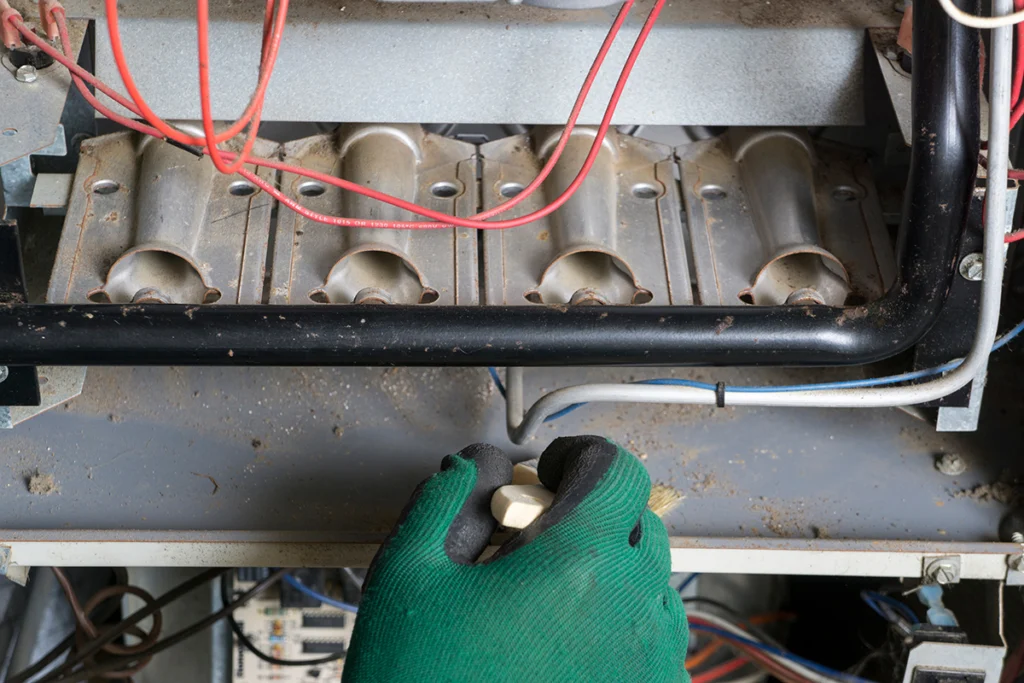
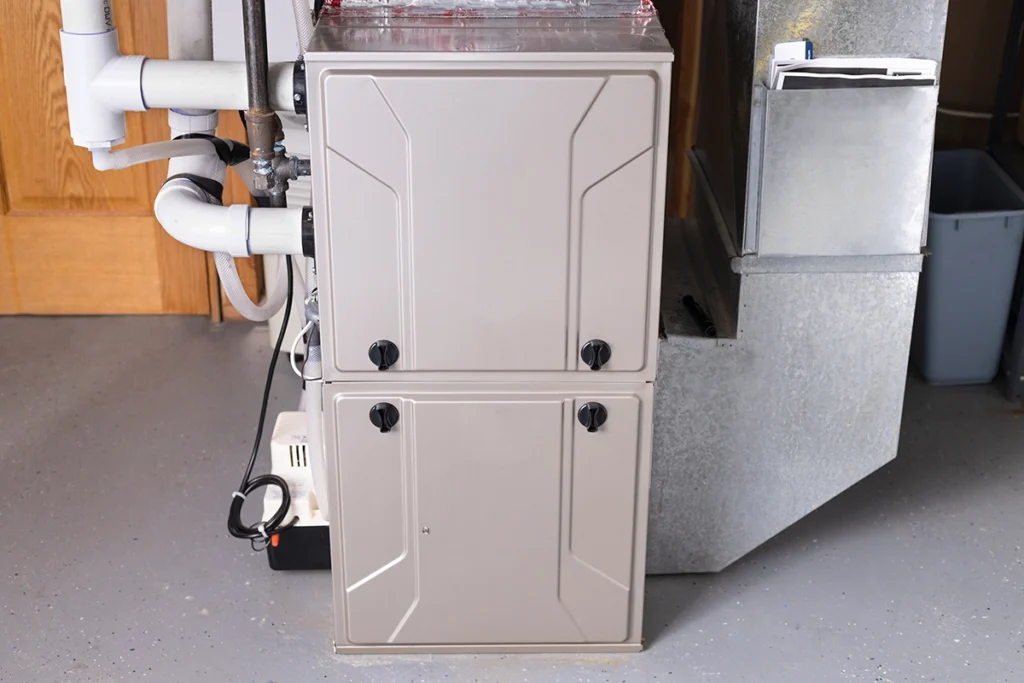
Technician inspecting a furnace during maintenance to show how long furnaces last
Heating, Maintenance, Replacement, Seasonal Tips

How Long Do Furnaces Last? Lifespan, Signs, and Tips

If you’re wondering how long furnaces last, you’re not alone. We hear this question from homeowners all the time—especially when temperatures start to dip and heating bills go up. The truth is, most people don’t think about their furnace until something goes wrong. But knowing the average lifespan of a furnace, plus what affects it, can help you plan ahead and avoid surprise breakdowns. At C&R Services, we’ve worked on thousands of heating systems, and we’ve learned what really makes the difference between a short-lived unit and one that runs strong for years. Let’s dive into what affects furnace lifespan, signs yours may be near the end, and how to get the most out of your system. How Long Do Furnaces Last on Average? In general, the average gas furnace lasts between 15 to 20 years. Electric furnaces can sometimes stretch to 20–30 years, but they usually cost more to run. High-efficiency systems might not last quite as long due to more complex components—but they’ll save you money on energy bills in the meantime. That said, those are just averages. We’ve seen some furnaces in great shape at 25 years, and others on their last leg at 10. It all depends on how the system was installed, maintained, and used. Most homes today use a forced air heating system, which moves warm air through ducts and vents. If you’d like to learn more, check out our post on what forced air heating is and how it works. And if you want a clearer breakdown of how a furnace actually creates heat and moves air through the home, our guide on how a furnace works walks through the full process step-by-step. What Determines How Long Furnaces Last? Here’s what we’ve seen over and over again in the field: 1. Maintenance Schedule Annual maintenance is the single biggest factor. A neglected furnace will wear out faster, no matter how well it was built. Regular tune-ups catch small issues before they turn into major problems. (Think of it like changing the oil in your car.) ENERGY STAR offers a helpful maintenance checklist that outlines what a full furnace service should include. 2. Airflow and Filter Changes Clogged filters strain your blower motor and reduce efficiency. Changing filters every 1–3 months (depending on usage and filter type) makes a noticeable difference. We always recommend setting a reminder on your phone—it’s easy to forget. 3. Proper Installation Even the best furnace won’t last if it was poorly installed. Undersized or oversized systems wear down quickly, and poor ductwork can force the system to work harder than it should. That’s why we always emphasize proper sizing and layout design at C&R Services. 4. Local Climate and Usage Colder climates naturally put more stress on a furnace. If your system runs daily for 6+ months a year, it’s doing more work—and that adds up. That’s also why it’s smart to plan ahead if you live in a region with harsh winters. Signs Your Furnace Is Near the End Even if your furnace is still running, there are a few telltale signs it may be time to start thinking about a replacement: Rising heating bills despite normal usage Frequent repairs in the last 2–3 years Strange noises like banging, rattling, or humming Uneven heating throughout the house System age over 15 years You don’t have to panic—but if you’re seeing two or more of these signs, it’s time for an inspection. Learn more about our furnace services to see how C&R Services can help keep your system running safely and efficiently. We’ve helped a lot of homeowners weigh the cost of repairs versus replacement, and sometimes, a new furnace is the more cost-effective option long term. How Long Do Furnaces Last Without Regular Maintenance? If you’ve been skipping annual tune-ups, trust me—it’s more common than you think, but it really affects how long furnaces last. Without proper care, dirt buildup, worn parts, and airflow issues can shorten a furnace’s lifespan by several years. At C&R Services, we’ve seen well-built systems fail early simply because they went too long without service. On the flip side, we’ve seen units over 20 years old still running strong thanks to consistent maintenance. Regular inspections keep efficiency high, reduce wear, and prevent those surprise mid-winter breakdowns nobody wants. If you’re not sure when your furnace was last checked, that’s your cue to schedule a visit. It’s one of the simplest ways to extend how long your furnace lasts. How Long Do Furnaces Last? Final Thoughts from the Field In our experience at C&R Services, how long furnaces last depends on the decisions you make early on—installation, maintenance, and daily use all play a role. But even with the best care, no furnace lasts forever. Knowing when it’s time to start planning for a replacement can help you avoid emergencies, keep your home comfortable, and make smart financial choices. If you’re not sure where your furnace stands, we’d be happy to take a look and give you an honest assessment. Whether you need routine service or you’re ready for something new, our team’s here to help. Contact C&R Services today to schedule a furnace inspection or consultation. Frequently Asked Questions Here are a few questions we often hear from customers trying to plan ahead for their heating system: C&R Services is proud to support homeowners throughout East Texas with honest, reliable furnace service you can count on year after year.

C&R Services - What Is EM Heat and When Should You Use It?
Heat Pumps, Heating, Thermostats

What Is EM Heat and When Should You Use It?

If you’ve ever glanced at your thermostat and seen “EM Heat,” you’ve probably wondered what it actually means. At C&R Services, we get that question a lot—especially when the weather suddenly turns cold. So, what is EM heat in the first place? In simple terms, it’s your system’s backup heating mode—something that kicks in when your heat pump can’t pull enough warmth from the air outside. Now, that backup feature can be a lifesaver on a freezing morning, but it also uses more electricity than normal heating. Let’s go over how it works, when to use it, and how to keep it from driving up your energy bill. What Is EM Heat on a Thermostat? The term EM heat stands for emergency heat. It’s a backup heating mode on a heat pump system. When outdoor temperatures get too low or the main heat pump can’t operate efficiently, your thermostat can switch to emergency heat—usually powered by electric resistance coils or a gas furnace backup. So, what is emergency heat exactly? It’s the system’s way of saying, “Your heat pump needs help right now.” Instead of transferring warmth from outside air, emergency heat generates its own heat. That’s why it uses more energy and runs up higher electric bills. (Quick tip from the field—many homeowners accidentally turn on emergency heat manually, thinking it’ll heat their home faster. It will, but you’ll pay for it later when the power bill arrives.) How Emergency Heat Works When your heat pump can’t pull enough warmth from the air, the backup heating source steps in automatically. For most systems, this is electric resistance heating inside the air handler. Step 1: Heat Pump Struggles in Extreme Cold Heat pumps are efficient, but they rely on outdoor air for warmth. Once the air gets too cold, the system needs help. Step 2: EM Heat Activates At this point, emergency heat turns on to keep your indoor temperature stable. Your thermostat might display “AUX” or “EM Heat” to indicate the switch. If you’ve ever wondered how your system transitions between cooling and heating in the first place, check out our related article on how to switch your AC to heat. It’s a quick, step-by-step guide that explains thermostat modes and helps you avoid common seasonal mix-ups. Step 3: Higher Power Consumption Because resistance heating doesn’t transfer heat—it creates it—it’s much less efficient. During normal operation, your heat pump moves heat from outdoors into your home, which the U.S. Department of Energy notes is far more energy-efficient than generating heat directly. When EM heat turns on, however, the system switches to that less efficient electric resistance mode, which is why energy use climbs quickly. When Should You Use EM Heat? There are two main scenarios when it’s appropriate to switch to EM heat manually: Your outdoor unit isn’t working.If the heat pump freezes over, trips a breaker, or stops running altogether, emergency heat will keep your home warm until repairs are made. Your system can’t defrost itself.Sometimes, the outdoor coil ices up in extreme conditions. Switching to emergency heat can prevent further freezing while you call for service. Otherwise, let your thermostat handle it automatically. Most modern systems will engage auxiliary or emergency heat on their own when needed. (From experience—if your emergency heat runs constantly for days, something’s off. It might be a sensor, refrigerant charge, or airflow issue.) Why EM Heat Shouldn’t Run All the Time It’s tempting to think “more heat = better comfort,” but EM heat is only meant for short-term use. It’s like driving your car in first gear all week—technically possible, but inefficient and stressful on the system. If you find emergency heat staying on for long stretches, have your system checked. At C&R Services, we often find simple causes: a dirty filter, blocked outdoor coil, or faulty thermostat setting. Fixing these can save hundreds of dollars in wasted energy. For added protection, the U.S. Department of Energy recommends scheduling seasonal maintenance to keep your heat pump and backup systems balanced and efficient. Troubleshooting: What To Do If EM Heat Turns On Unexpectedly Step 1: Check Thermostat Settings Make sure it’s not accidentally set to emergency heat manually. Step 2: Inspect Airflow Replace dirty filters and clear vents. Restricted airflow makes your system work harder than necessary. Step 3: Call a Technician If EM heat keeps coming on without extreme weather, something inside the system needs attention. That’s where we come in. At C&R Services, our licensed technicians can test sensors, defrost cycles, and backup heating elements to ensure your system operates safely and efficiently. When to Call for Help If your heat pump is stuck in EM heat mode, or you’re unsure when to use it, don’t wait until the next cold front. Proper troubleshooting keeps your home comfortable and prevents costly wear on your system. Reach out to C&R Services—we handle heat pump services such as diagnostics, repair, and maintenance with precision and honesty. Final Thoughts So, what is EM heat? It’s your heat pump’s emergency backup for extreme conditions or system failures. While it’s there for safety and comfort, it’s not meant for everyday heating. Use it sparingly, and schedule regular maintenance to avoid relying on it too often. If you think your system is running on emergency heat more than it should, contact C&R Services today for expert inspection and support. We’re proud to serve homeowners across East Texas—keeping comfort steady through every season. Call us today at (903) 204-7571 to schedule your heat pump service or maintenance. FAQs Here are a few quick answers to the most common questions we get about EM heat and how to use it properly.

C&R Services - How to Switch Your AC to Heat: Step-by-Step Guide
Air Conditioning, Heating, Seasonal Tips, Thermostats

How to Switch Your AC to Heat: Step-by-Step Guide

When the weather starts changing, it’s easy to forget that your HVAC system needs a little adjustment too. Every fall, we get calls from homeowners wondering how to switch from AC to heat without accidentally triggering an error code or blowing cold air. Trust us — it happens more often than you’d think. At C&R Services, we help families make the transition every year, and the good news is that it’s usually a simple process once you know what to check. Understanding How Your System Switches from AC to Heat Before you start flipping switches or pushing buttons, it helps to know what’s happening inside your system. When you switch from AC to heat, your thermostat signals your indoor and outdoor units to reverse their roles. Instead of pulling warm air out of your home, your heat pump or furnace begins generating warmth and distributing it through your ducts. (Quick tip—many homeowners forget to change their thermostat setting from Cool to Heat. It sounds obvious, but we’ve seen seasoned homeowners miss it after a long summer.) According to the U.S. Department of Energy, setting and programming your thermostat correctly can improve both comfort and efficiency. That means fewer surprises when temperatures swing overnight. Step 1: Set Your Thermostat to Heat Mode The first step in switching from AC to heat is updating your thermostat. Most modern thermostats have clearly labeled Cool, Heat, and Auto settings. If your system doesn’t respond immediately, don’t panic—it can take a minute for the system to recalibrate. For smart thermostats, double-check your app or schedule settings to make sure the system won’t automatically revert back to cooling mode. We’ve had more than one customer think their system was broken when it was just following a programmed schedule. Step 2: Adjust the Temperature Gradually When Going from AC to Heat When you move your system from AC to heat, avoid setting the temperature 10 degrees higher all at once. A gradual adjustment—say two or three degrees at a time—helps the system switch smoothly and reduces strain. This small change can extend the life of your components and prevent uneven heating across your home. Step 3: Listen and Observe After Switching from AC to Heat Once you’ve made the switch, stand near your vents and listen. You should hear a gentle hum or soft airflow within a few minutes. If you hear metallic clanks, buzzing, or smell burning dust, don’t worry right away—some odor is normal when the heating elements warm up for the first time in months. However, if it lingers, it’s worth calling a technician to take a look. At C&R Services, we always tell customers: trust your senses. If something sounds or smells off, there’s probably a reason. Step 4: Check Airflow and Filters When you go from AC to heat, airflow becomes even more important. Dirty or clogged filters restrict warm air and can trigger system shutdowns or short cycles. Replace your filters at the start of the season or at least every 90 days. For better indoor air quality and efficiency, most HVAC pros recommend using filters with a MERV-13 rating or higher—if your system can handle it. According to ASHRAE’s guidelines, airflow and system capacity should always be factored in when upgrading your filter. Step 5: Test Your Heat Pump or Furnace If your system includes a heat pump, switching from AC to heat is as simple as flipping the mode on your thermostat. The reversing valve changes direction automatically. But if you have a gas furnace, you’ll want to ensure your pilot light or ignition system is working correctly before you rely on it full-time. And if you need a clearer explanation of how a furnace generates heat, ignites, and pushes warm air through the home, our furnace guide walks through the entire process. We’ve had homeowners call in panic when they smell that first puff of dust burning off the coils—it’s totally normal. That smell usually disappears after a few minutes of running the heat. However, if your furnace won’t ignite or keeps blowing cold air, it’s time to schedule professional heating repair. When to Call a Professional If your thermostat doesn’t respond, your vents stay cold, or your breaker keeps tripping, it’s time to call for help. Sometimes, the problem is minor—like a loose wire or blocked intake. But it can also point to something more serious, such as a failed heat pump valve or dirty sensors. C&R Services handles all types of HVAC issues, and our team can make sure your system transitions safely and efficiently between seasons. Keep Your System Ready for Every Season Making the switch from AC to heat isn’t complicated, but it’s one of those small tasks that can make a big difference in comfort and reliability. Your cooling system worked hard all summer, so now’s the perfect time to shift focus to heating maintenance before cooler weather sets in. And when spring rolls around again, don’t forget to schedule your AC maintenance to keep both systems running at their best year-round. Contact C&R Services If you’re unsure how to switch your system from AC to heat or your furnace just won’t cooperate, our team can help. We offer fast, reliable HVAC repair and maintenance throughout East Texas. Call (903) 204-7571 or schedule your appointment online today. Stay comfortable through every season with C&R Services. Frequently Asked Questions Switching from AC to heat is a small seasonal task that saves big in comfort and peace of mind. And when in doubt, don’t hesitate to contact C&R Services. We’re your trusted HVAC experts in Tyler and throughout East Texas. We’re here to make sure your system transitions smoothly and keeps your home comfortable year-round. Still have questions about switching from AC to heat? Here are a few common ones we hear from homeowners every fall:

Scroll to Top