Call Us (903) 204-7571 Today

“Taught By Fathers, Trusted By Families”

Heating

Homeowners checking a thermostat when a heater isn’t working properly in winter
Heating, Repair

Heater Not Working? Why Your Heat Isn’t Turning On

Winter service calls usually start the same way — with a heater not working and a house that’s getting colder by the hour. Sometimes the system won’t turn on. Other times, it runs nonstop but never produces heat. Either way, the stress adds up quickly. From our day-to-day work at C&R Services, we’ve learned that most heating problems follow predictable patterns once you know what to look for. Fortunately, a heater not working doesn’t always mean a major breakdown. In many cases, the issue starts with airflow, controls, or built-in safety devices. Knowing how these systems behave can help you tell what’s normal, what’s not, and when professional heating repair makes sense. When a Heater Isn’t Working at All When a heater won’t turn on at all, we begin by confirming the system can actually start a heating cycle. Power interruptions, tripped breakers, or fuel supply issues can stop heating before it ever gets going. These problems are easy to miss, yet they account for a surprising number of winter service calls. If power and fuel are present, we shift our focus to the system’s controls and safety logic. Modern heating equipment won’t start if it senses a condition that could cause damage or unsafe operation. In many cases, the heater is being prevented from turning on—not because it’s broken, but because a control or safety component is doing its job. When that protection keeps activating, further diagnosis is needed. Heater Not Working but the System Is Running In some situations, the heating system turns on and stays running, but the house never gets warmer. You may hear the blower operating, feel air moving through the vents, and assume heat should follow. Instead, the temperature stays flat. This usually means the system is starting a cycle but can’t complete it. Problems with airflow, ignition, or internal heat transfer can stop heat from being produced or delivered, even though the system appears active. When that happens, the heater may run longer than normal while never actually warming the living space. Heater Blowing Cold Air Instead of Heat One symptom we see frequently is a heater blowing cold air. While that can feel alarming, it isn’t always dangerous. For example, furnaces sometimes blow cool air briefly before warming up. However, ongoing cold airflow usually signals a problem that needs attention. In many service calls, we find dirty filters, overheating protection, or ignition failures behind the issue. If the air never warms up, learning what causes a heater to blow cold air can help you decide whether it’s normal behavior or time to call for service. Heater Not Working Because of Thermostat Issues Before assuming equipment failure, thermostat operation deserves attention. A heater not working complaint often traces back to incorrect settings, dead batteries, or wiring problems at the thermostat. Because thermostats control when heating cycles begin and end, even minor issues can stop heat completely. We often help homeowners understand what happens when a thermostat isn’t working correctly, since fixing control problems early can restore heat without deeper repairs. Safety Devices That Can Stop Heat Suddenly Modern heating systems include safety components designed to shut things down when conditions become unsafe. While these protections are critical, they can also cause confusion when a heater not working situation appears without warning. One common example is overheating protection. When internal temperatures rise too high, the system shuts off automatically. This often relates to airflow restrictions or mechanical wear. Learning how a furnace limit switch shuts down heating to prevent damage helps explain why heat may stop even when nothing appears broken. When Safety Shutdowns Point to Bigger Issues In more serious cases, repeated shutdowns point to underlying problems that affect safe operation. Components like the heat exchanger play a critical role in transferring heat while keeping combustion gases contained. When damage occurs, the system may shut down repeatedly or stop heating altogether. According to the Centers for Disease Control and Prevention, each year more than 400 Americans die from unintentional carbon monoxide poisoning not linked to fires, with more than 100,000 emergency department visits and over 14,000 hospitalizations tied to CO exposure. Because of that risk, any heater not working issue paired with unusual odors, alarms, or repeated shutdowns should be addressed immediately. Why Professional Heating Repair Matters Although some heating issues are simple, others require professional tools and diagnostics. At C&R Services, we focus on identifying the root cause instead of applying temporary fixes. A trained technician can safely evaluate controls, combustion, airflow, and safety systems together. If your heater isn’t working consistently, professional service helps prevent repeated shutdowns and protects long-term system health. What Homeowners Can Check Before Calling While not every heating issue is DIY-friendly, a few quick checks can often help clarify why heat isn’t coming through the system. Start by confirming the thermostat has power and is set correctly. Then, check the air filter for dirt or blockage. Closed or obstructed vents can also restrict airflow and prevent warm air from circulating through the house. Finally, listen for unusual startup noises, which can signal an internal issue. Airflow problems are one of the most common reasons a heater struggles to warm a home. According to ENERGY STAR, airflow issues can reduce a heating system’s energy efficiency by up to 15 percent, which often leads to uneven temperatures or repeated shutdowns during winter operation. If heat still doesn’t return after these checks, delaying service often leads to larger repairs and longer downtime. When to Call C&R Services When your heater isn’t working and your home is getting colder, fast answers matter. Our team helps homeowners understand what’s happening and what steps restore heat safely. We work with furnaces, heat pumps, and electric systems, so issues don’t get overlooked. If you’re in Tyler or East Texas and your heat isn’t working, contact C&R Services to schedule service. Our technicians provide professional heating repair to restore comfort quickly and safely. Frequently Asked Questions When the Heat Stops Working Heating problems raise
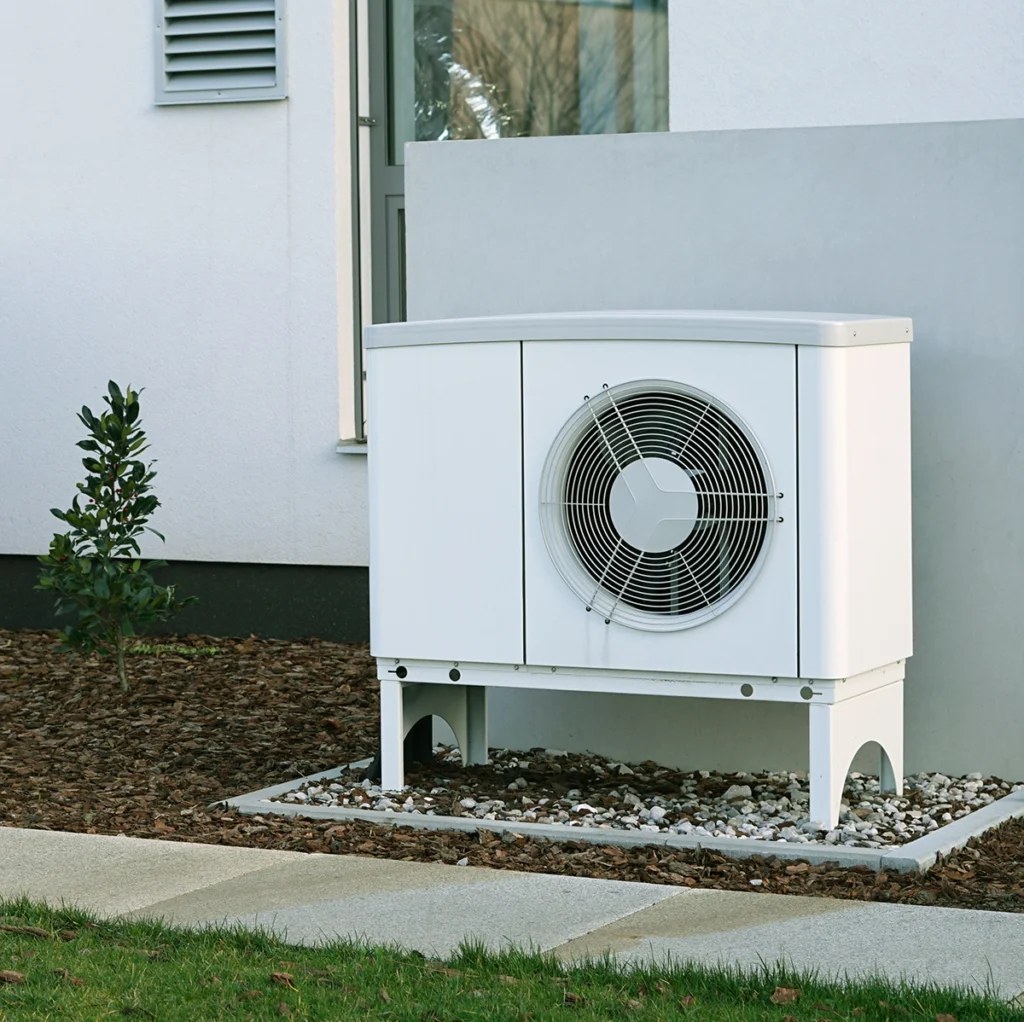
Residential heat pump system shown as part of a heat pump vs furnace comparison
Heat Pumps, Heating

Heat Pump vs Furnace: Pros, Cons, and Key Differences

When property owners start comparing heat pump vs furnace options, the decision usually feels bigger than expected. From efficiency questions to long-term costs, there’s a lot to weigh. At C&R Services, we have these conversations every day with people looking for clear, practical guidance. Because both systems can heat a home effectively, the right choice often comes down to how each system works and what tradeoffs matter most. Although the comparison between a heat pump vs furnace often starts with upfront cost, performance and comfort usually play a bigger role in the final decision. Understanding those differences helps avoid regret later. How Heat Pump vs Furnace Systems Work A furnace and a heat pump operate in very different ways. That distinction shapes everything from efficiency to maintenance. A furnace generates heat by burning fuel or using electric resistance. It then distributes that heat through ductwork. This is known as forced-air delivery, and it’s why many property owners ask us to explain what forced air heating actually means before comparing systems. A heat pump, on the other hand, doesn’t create heat. Instead, it moves heat from outside air into the home. Even in colder weather, usable heat still exists outdoors. This is why heat pumps are able to operate so efficiently. According to the U.S. Department of Energy, modern heat pumps can reduce electricity use for heating by up to 75% compared to electric resistance heating such as furnaces and baseboard heaters. Heat Pump vs Furnace Efficiency and Energy Use Efficiency is one of the biggest reasons property owners explore heat pump vs furnace options. Heat pumps are among the most efficient heating systems available. Since they move heat instead of creating it, they deliver more energy than they consume. That efficiency is measurable. According to the U.S. Department of Energy, modern air-source heat pumps can deliver two to four times more heat energy than the electrical energy they use, depending on conditions. In contrast, even high-efficiency furnaces lose some energy during combustion. That said, efficiency changes with climate. In colder regions, heat pumps rely on built-in backup heating to maintain comfort. This backup is known as auxiliary heat, which activates when outdoor temperatures drop and the heat pump can’t keep up on its own. When EM Heat Comes Into Play In extreme cold, some systems switch to emergency heat. If you’ve ever seen “EM Heat” on a thermostat, it’s worth understanding what EM heat actually means and when it should be used. Emergency heat bypasses the heat pump entirely and relies on electric resistance heat, which is more expensive to operate. Heat Pump vs Gas Furnace: Comfort and Performance Many property owners ask us about heat pump vs gas furnace comfort differences. Furnaces produce hotter air during each cycle. Because of that, rooms may warm up faster. Heat pumps deliver steadier, lower-temperature air, which often feels more consistent. Neither approach is wrong. However, comfort expectations matter. People who prefer quick bursts of heat often lean toward furnaces. Meanwhile, those who value even temperatures usually prefer heat pumps. Maintenance and Longevity in a Heat Pump vs Furnace Comparison Maintenance requirements differ between heat pumps and furnaces, and those differences directly affect how long each system lasts. Furnaces rely on combustion to produce heat, which means several components require regular inspection and servicing. Burners, gas valves, and ignition systems must operate correctly to maintain efficiency and safety. One of the most important inspection points is the heat exchanger, since damage or deterioration can create safety concerns and shorten the system’s lifespan. Regular furnace maintenance focuses on combustion safety, airflow balance, and heat transfer efficiency. When these areas are neglected, wear accelerates and replacement timelines often shorten. That’s why we’re often asked how long furnaces typically last, since maintenance history plays a bigger role than age alone. Heat pumps avoid combustion entirely. Because they move heat rather than generate it, they eliminate risks tied to fuel burning and exhaust gases. However, they still require professional maintenance to remain efficient. Coil cleanliness, refrigerant charge, electrical components, and airflow all play a role in long-term performance. In practice, longevity for either system depends on consistent service, proper installation, and operating conditions. A well-maintained furnace or heat pump will almost always outlast a neglected one, regardless of system type. Heat Pump vs Furnace Cost Considerations Cost comparisons shouldn’t stop at installation. Although furnaces often cost less upfront, fuel costs fluctuate over time. Heat pumps typically cost more initially, but they can lower monthly energy bills in many situations. Over the lifespan of a system, that difference often matters more than the installation price alone. When comparing a heat pump vs gas furnace, fuel availability and long-term energy pricing often play a major role in total ownership costs. Beyond energy use, cost also ties into maintenance, system complexity, and when replacement becomes necessary. Furnaces rely on combustion components that may require more frequent inspection, while heat pumps depend on electrical and refrigerant systems that benefit from consistent professional service. For many property owners, the real cost question isn’t which system is cheaper today — it’s which system offers the most predictable expenses and value over time. That perspective often makes the heat pump vs furnace decision clearer. When a Heat Pump Makes Sense A heat pump is often the better option when: Energy efficiency is a priority Cooling and heating are both needed Long-term operating cost matters When a heat pump is the right fit, proper installation and ongoing service matter. At C&R Services, we provide heat pump installation, replacement, repair, and maintenance to support long-term performance. When a Furnace Still Makes Sense A furnace may still be the better choice when: Natural gas is affordable Cold weather dominates the heating season Existing ductwork supports high airflow Understanding those situations keeps the heat pump vs furnace comparison realistic. Making the Right Choice Choosing between heat pump vs furnace options doesn’t have to be overwhelming. At C&R Services, we help property owners weigh comfort, efficiency, and long-term

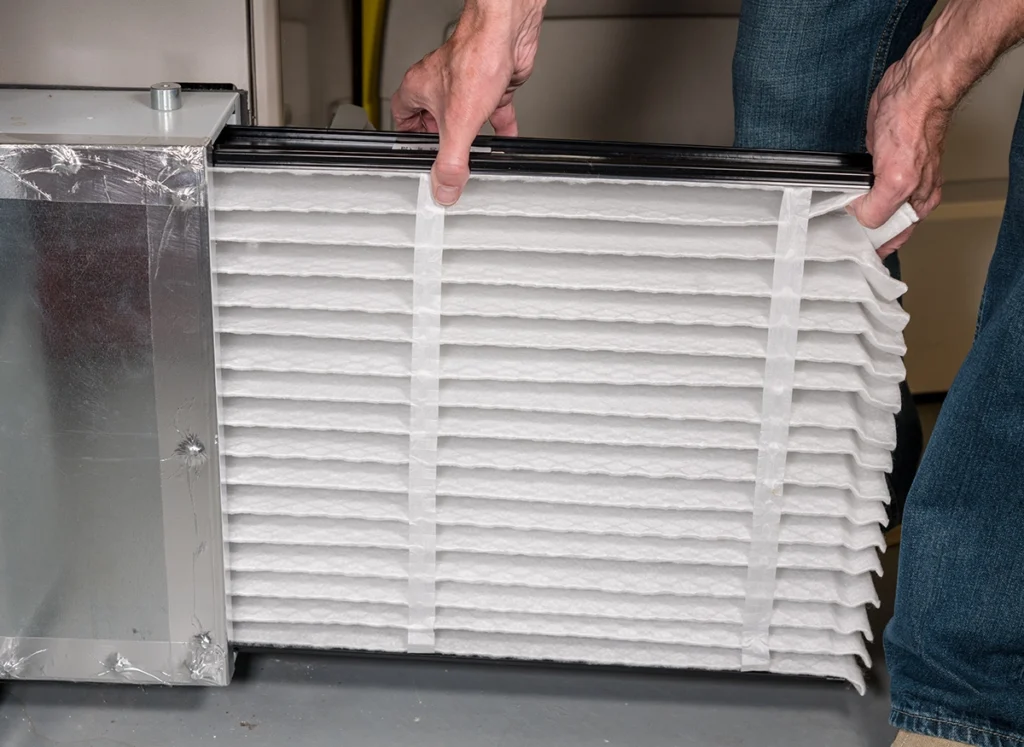
Technician removing a furnace filter during routine heating maintenance
Heating, Maintenance

When to Change Furnace Filter for Better Heating Efficiency

When our customers ask us about heating efficiency, one of the first things we explain is when to change a furnace filter and why it matters. In our day-to-day work at C&R Services, we’ve seen this simple task make a real difference. Although changing a filter feels minor, it directly affects airflow, comfort, and system reliability. Because of that, knowing when to change your furnace filter helps protect your heating system and avoid unnecessary problems. Why You Need to Change Your Furnace Filter Regularly A furnace filter does more than catch dust. It protects internal components and keeps air moving correctly. However, when filters clog, airflow slows down. As a result, the furnace works harder to heat your home. From what we see in the field, neglected filters are one of the most common causes of performance complaints. Even worse, dirty filters quietly raise energy bills. That’s why we always stress the importance of staying ahead of filter changes. When to Change a Furnace Filter for Best Performance In most homes, the general rule is to change your furnace filter every one to three months. However, that range depends on several factors. Homes with pets or higher indoor particle levels often need more frequent filter changes. Because every system is different, we advise checking the filter monthly. If it looks gray or clogged, it’s time. Waiting too long never helps efficiency. How a Dirty Filter Affects Heating Efficiency When airflow drops, heat builds up inside the system. That extra heat forces safety controls to work harder. Over time, this strain reduces efficiency and reliability. We often explain that airflow connects every major component. If air can’t move freely, comfort drops fast. Rooms heat unevenly. Systems cycle longer. Energy use climbs. ENERGY STAR explains how airflow affects heating efficiency, especially when filters become clogged. That insight matches exactly what we see during service calls. How Often to Change a Furnace Filter by Filter Type Not all filters last the same amount of time. Understanding filter types makes planning easier. Basic fiberglass filters These thin filters usually last about 30 days. They protect equipment but offer limited filtration. Pleated furnace filters Most pleated filters last one to three months. They balance airflow and particle capture well. High-efficiency filters Some thicker filters last up to six months. However, system compatibility matters. Because every furnace handles airflow differently, we recommend matching the filter type to the system design. That’s why we often explain how a furnace operates before higher-rated filters are installed. Why Changing the Filter Protects the Whole System A furnace isn’t just a box that makes heat. It’s a collection of connected components working together. The filter protects many of them. When filters clog, dirt reaches sensitive parts. Blower motors strain. Heat exchangers overheat. Safety switches trip. Eventually, the system shuts down unexpectedly. We often remind customers that the filter is one of the easiest ways to protect the larger system. Learning how air moves through the system helps, too. For those curious about that airflow path, understanding the major parts inside an HVAC system offers helpful context. Signs You Need to Change Your Furnace Filter Now Sometimes your system gives clear warnings. Other times, the signs are subtle. Common indicators include: Weak airflow from vents Rooms heating unevenly Rising energy bills Furnace cycling on and off frequently If you notice any of these, check the filter first. In many cases, replacing it solves the issue quickly. Change Your Furnace Filter Before It Triggers Repairs From our experience at C&R Services, many repair calls start with something simple. The filter was overdue for replacement. Although filters don’t prevent every issue, they reduce unnecessary strain. That prevention often extends system life and delays expensive repairs. The U.S. Department of Energy also highlights filter maintenance as a key step in seasonal heating preparation. It’s a small habit with long-term benefits. How We Advise Homeowners to Stay on Schedule Most people forget filter changes because life gets busy. To help, we recommend setting calendar reminders. Some of our customers write the date directly on the filter frame. During routine heating maintenance, our team checks filter condition, airflow, and overall system performance at the same time. That approach helps catch small issues early, before restricted airflow causes larger efficiency or reliability problems. It also gives clients peace of mind heading into heavier heating use. From our experience at C&R Services, staying consistent with maintenance makes a noticeable difference over the life of the system. Change Your Furnace Filter for Long-Term Comfort At the end of the day, changing your furnace filter isn’t just a maintenance task. It’s a comfort decision. Clean filters support steady heat, healthier air, and reliable performance. Over time, consistent maintenance leads to fewer surprises. Systems run smoother. Homes feel more comfortable. If you’re unsure which filter fits your system or how often you should replace it, our team is always happy to help. C&R Services provides clear answers, honest guidance, and professional heating support when it matters most. For homes and businesses in Tyler and across East Texas, we’re ready to help you stay comfortable all season. Contact us today to schedule service before small issues grow. Frequently Asked Questions About Furnace Filters Customers often ask us quick questions about filter care. Here are a few we hear most often.

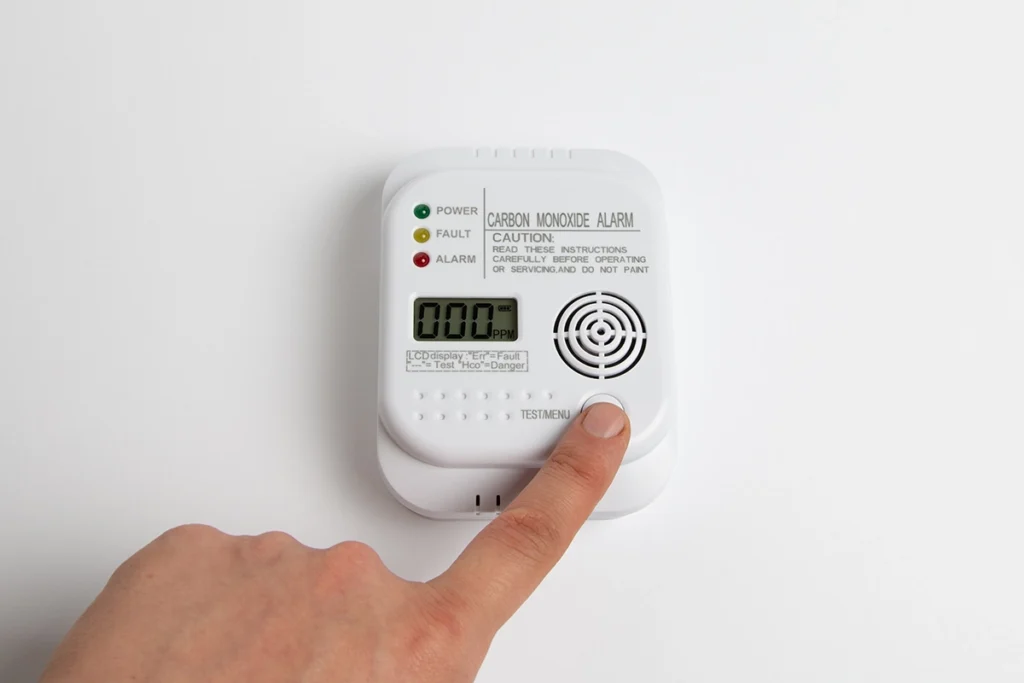
Person testing a carbon monoxide alarm that has started beeping
Heating, Indoor Air Quality

Why Is My Carbon Monoxide Alarm Beeping?

When someone calls C&R Services asking, “Why is my carbon monoxide alarm beeping?” we treat it seriously. That sound is not like a smoke alarm chirping for fun. It usually means something in the home is signaling a problem with combustion, ventilation, or failing equipment. Even though carbon monoxide is invisible, it can cause real danger fast. Because of that, homeowners need clear steps, simple explanations, and a better sense of what might be happening behind the noise. The good news is that most carbon monoxide alerts fall into a few familiar categories. Once you understand the differences, you can act quickly and stay safe. Common Reasons for a Carbon Monoxide Alarm Beeping Most alarms beep for one of four reasons: actual carbon monoxide, a low battery, an expired sensor, or a ventilation failure. Even so, carbon monoxide itself is the biggest concern. Since CO has no smell or color, the alarm is the only real warning sign. Low batteries or end-of-life indicators cause consistent chirping, often one quick chirp every 30-60 seconds. However, repeating patterns with more rapid beeps often indicate rising CO levels. Because each brand signals differently, checking the manual always helps. Manufacturers like Kidde and First Alert publish tone patterns that explain what each type of beeping means. Is Carbon Monoxide Coming From Your Furnace? Homeowners often ask if the furnace is the source when they hear their carbon monoxide alarm beeping. Because the furnace handles combustion every season, it can create CO if components fail. One of the most important parts in that process is the heat exchanger. When this metal chamber cracks, exhaust gases—including carbon monoxide—can leak into the air stream. If you’d like to understand what the most common symptoms look like, you can explore our post on furnace heat exchanger warning signs, which explains the issues technicians see most often. Even small cracks can matter. They change how exhaust moves and let byproducts escape where they shouldn’t. This is why routine maintenance and annual safety checks make such a difference. Ventilation Failures and Poor Airflow Restricted airflow also causes CO levels to rise. A blocked flue, damaged vent pipe, or nesting in the exhaust termination can push combustion gases back inside. Although it seems minor, anything that affects exhaust flow can change how safely a furnace burns fuel. For a deeper look at how carbon monoxide behaves indoors and why proper ventilation matters, the EPA offers a clear overview of carbon monoxide and indoor air quality. Because most homeowners never see their venting from the inside, we check these pathways during maintenance calls. A clear vent allows exhaust to move outside without pressure changes or heat spikes. Alarm Beeping Patterns to Pay Attention To Not all beeps mean danger, but none should be ignored. Some homeowners mistake a carbon monoxide detector beeping for a low-battery chirp, but detectors follow specific patterns that help identify the cause. Single beeps often mean low battery. Two or three repeating beeps usually indicate an internal fault. Continuous rapid beeping points toward rising CO levels. Even though alarms vary, this rule of thumb helps homeowners act quickly. For more background on preventing CO emergencies, the CPSC shares clear carbon monoxide safety tips that apply to homes nationwide. When a Carbon Monoxide Alarm Beeping Points to Fuel Problems Another issue tied to carbon monoxide readings involves the gas valve on a furnace. When this valve fails, fuel may not burn cleanly. That incomplete combustion increases carbon monoxide production. If you want a simple explanation of how that component controls fuel flow, our furnace gas valve guide breaks it down in a way homeowners can understand. Although this issue is less common, we still check the valve during safety inspections, because proper combustion starts with proper fuel regulation. How Furnace Operation Connects to Carbon Monoxide Alerts Many homeowners tell us they feel overwhelmed when an alarm starts. That’s understandable. Furnace systems use several components to handle combustion, airflow, and heat transfer. When one part struggles, the entire system reacts. If you’d like a full breakdown of how a furnace creates heat and pushes air through your home, our guide on what a furnace is and how it works covers everything in a simple, visual way. It helps homeowners see how combustion, exhaust, blowers, and heat exchangers fit together. Once you understand the basics, it becomes easier to recognize when something feels off. What To Do When Your Carbon Monoxide Alarm Starts Beeping If the alarm is sounding continuously or rapidly: Move everyone outside or to fresh air Call emergency services Do not ventilate by opening windows until everyone is safe Do not reenter the home until professionals clear it Once the space is safe, call C&R Services so we can inspect your furnace, venting, and heat exchanger. We also test for CO around appliances and confirm whether the issue came from equipment, ventilation, or expired alarms. Even though this situation feels stressful, quick action keeps everyone safe. Why Professional Inspection Matters A carbon monoxide alarm beeping is never random. Something triggered it, and that trigger deserves attention. Our technicians use combustion analyzers, draft tools, and visual inspections to confirm the source. Because CO problems can hide inside sealed components, professional testing always provides clearer answers. Once we find the issue, we walk homeowners through any needed furnace repairs and explain how to prevent future alerts. Contact C&R Services If your carbon monoxide detector keeps beeping or you suspect a combustion issue, contact C&R Services for fast help. We serve Tyler and East TX and are always here to help you handle heating concerns safely and confidently. Frequently Asked Questions Before we wrap up, here are quick answers to common questions we hear about carbon monoxide alarms.

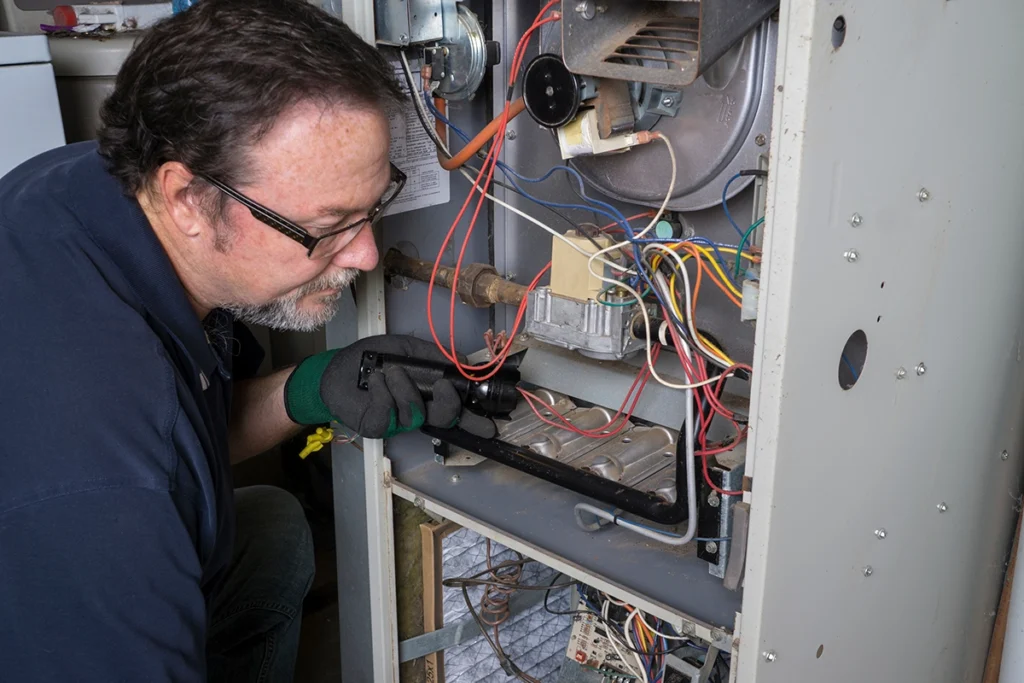
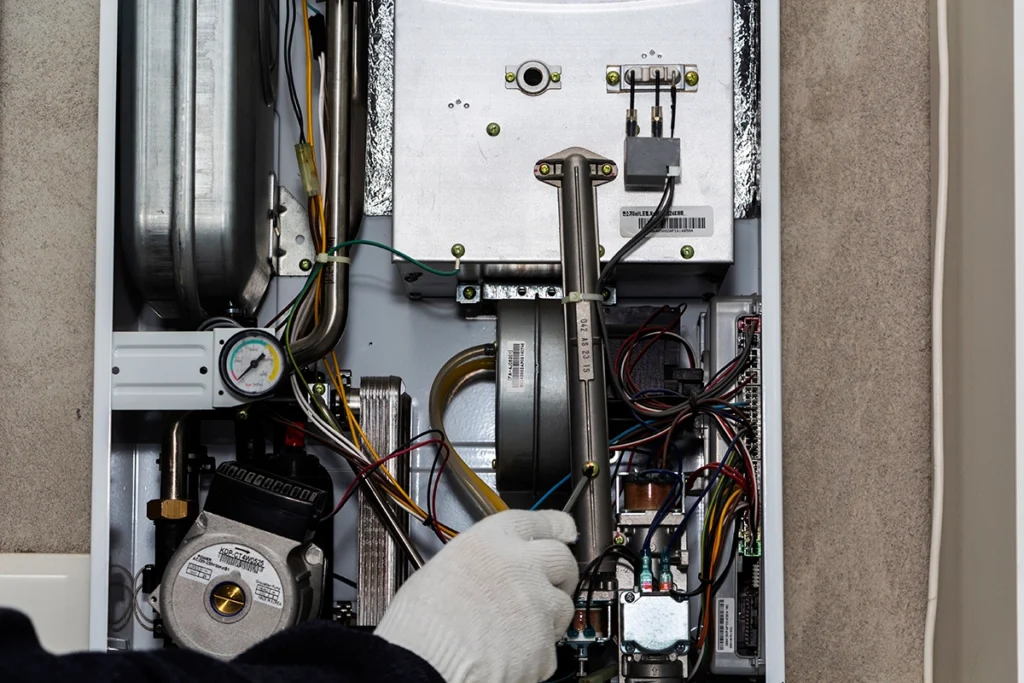
HVAC technician inspecting the internal gas valve and ignition components inside a furnace
Heating, Maintenance, Repair

Gas Valve on a Furnace: What It Does and Why It Matters

Most homeowners don’t think about the gas valve on a furnace until something suddenly changes—maybe the heat won’t kick on, the pilot won’t stay lit, or the system just feels off. At C&R Services, we know how much this one component can influence your furnace’s performance and safety. It looks simple, yet it plays a crucial role whenever your system needs to heat your home. What the Gas Valve on a Furnace Actually Does The gas valve on a furnace regulates how much fuel flows to the burners. It opens and closes in sync with the ignition, thermostat signals, and safety sensors. When everything works together, the flame stays steady and efficient. When something slips out of balance, the furnace can lose heat, short-cycle, or fail to start. Even the U.S. Department of Energy notes that proper fuel delivery is essential for safe and efficient combustion. Their heating guidance reinforces how key components like gas valves directly affect system performance. Because the valve manages the most sensitive part of the combustion process, small issues can grow quickly if ignored. Warning Signs Your Furnace Is Struggling Homeowners usually notice a few warning signs before the valve completely fails. The most common include: Heat not reaching the set temperature Furnace shutting down before completing a cycle Pilot flame refusing to stay lit Delayed or unusually loud ignition Burners not firing consistently When the pilot won’t stay on, many people think the flame sensor is the problem. However, the gas valve on a furnace is often part of the story too. If you’d like help sorting out that symptom, our post about what to check when a furnace pilot light won’t stay lit offers an easy breakdown. Another early sign is when the furnace doesn’t start at all. Because this issue appears in many homes, we built a guide that helps you know what to check first when a furnace won’t turn on. Why the Gas Valve on a Furnace Matters for Home Safety Although many furnace parts support comfort, the gas valve on a furnace is a true safety device. It prevents gas from leaking into the system when ignition fails. It also shuts down fuel the moment sensors detect something unsafe. Because these valves protect homes from combustion hazards, they’re built with multiple fail-safe mechanisms. Still, wear and tear affects performance over time. As winters shift colder in many regions, seasonal stress on heating systems rises too. NOAA explains that winter storms impact every U.S. region, including southern states that rarely see freezing weather. These sharp weather swings often push heating systems to work harder, especially older furnaces. When more demand hits a furnace, weak components reveal themselves fast. That’s why routine inspections matter so much. How Technicians Diagnose Issues With the Gas Valve on a Furnace When we troubleshoot heating calls at C&R Services, we evaluate ignition order, flame quality, electrical signals, and sensor function before reaching the gas valve. But once we get there, we test voltage, resistance, and valve response. This approach prevents unnecessary replacements and helps homeowners avoid bigger repairs. When the Gas Valve on a Furnace Needs Replacement Sometimes the valve fails completely. Other times, carbon buildup, moisture exposure, or a weak solenoid causes intermittent problems. If the valve sticks or delivers inconsistent fuel pressure, replacement becomes the safest choice. Even though these issues sound technical, homeowners usually notice them early—often as fluctuating heat or repeated startup failures. That’s why it helps to understand how the entire furnace system operates. If you ever want the full picture of how all components fit together, our main guide explaining what a furnace is and how it works breaks down the whole heating sequence in a simple, step-by-step way. Preventing Gas Valve Issues With Routine Furnace Care Proper maintenance reduces the chances of gas valve failure. Keeping the burners clean, replacing filters, confirming airflow, and ensuring sensors work correctly all protect the valve from unnecessary strain. At C&R Services, we encourage homeowners to schedule seasonal tune-ups before heavy heating demands arrive. This timing helps us catch problems early, especially in older systems or furnaces that have shown recent inconsistencies. Because many issues start small, quick adjustments often prevent bigger problems later. When to Call a Professional A failing gas valve on a furnace can create confusing symptoms. Sometimes the furnace won’t ignite. Other times the flame cuts out without warning. Because the valve controls fuel delivery, any issue tied to it deserves a closer look from a technician. Even small problems grow quickly when the furnace runs more often during cold weather. If your system keeps shutting down, loses its flame, or shows repeated ignition trouble, it’s best to schedule an inspection. That way, a professional can confirm whether the issue is the gas valve or another part in the ignition sequence. And since gas components must be handled carefully, homeowners should avoid adjusting or testing them without training. At C&R Services, we offer a wide range of furnace services. We’ll diagnose the issue, test the failing parts, and make safe repairs when needed. Need Help With a Furnace? If the gas valve on your furnace seems to be failing or your system has been acting up, reach out to C&R Services. We help homeowners across Tyler and East Texas stay safe and comfortable all winter. Contact us today to schedule fast furnace service and get your heating system back on track. FAQs About the Gas Valve on a Furnace Below are a few quick answers homeowners often ask about gas valves and furnace performance.

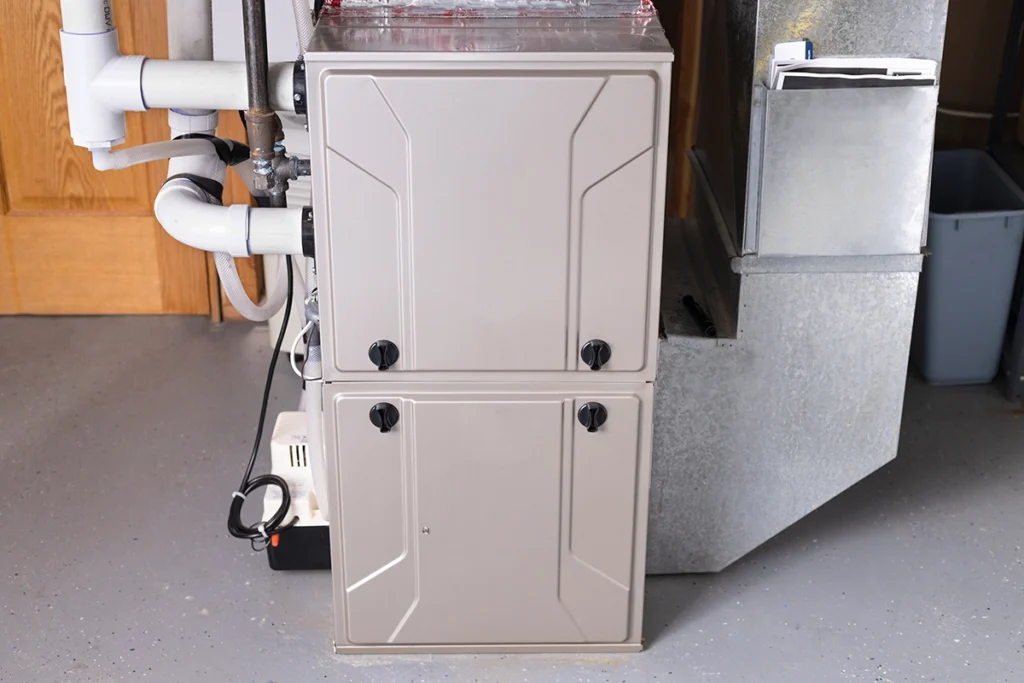
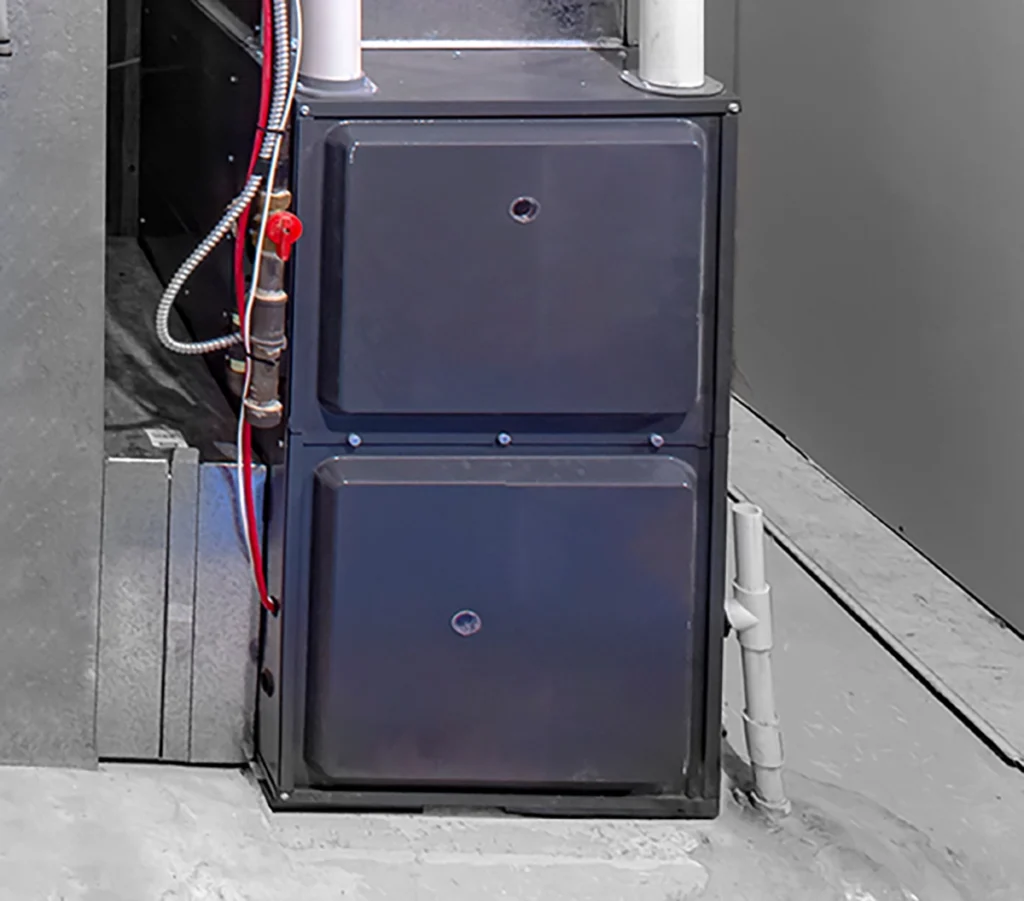
Two-stage high-efficiency furnace installed in a residential utility area, showing PVC venting, condensate drain lines, and connected ductwork
Heating, HVAC Systems, Maintenance

What Is a Furnace and How Does It Work?

When people ask “what is a furnace,” they’re usually trying to understand how this equipment produces heat so reliably. I hear this question often during service calls for C&R Services, and it’s easy to understand why. Heating systems can look complicated, yet the basic idea is simple: a furnace creates heat, moves that heat through your home, and keeps temperatures consistent even when the weather changes. Because so many homeowners rely on this equipment, understanding how it works can help you recognize issues earlier and make smarter decisions about maintenance and efficiency. What Is a Furnace? Understanding the Basics A furnace is a heating system that creates heat and delivers it into the home, and not all of them work the same way. Older gravity furnaces and wall units rely on natural convection, while modern models use a blower to push warm air through ducts. No matter the design, the system begins by generating heat from fuel or electricity, then moving that heat into the living space. Because most homes today use forced-air units, we put together a helpful explanation of how forced air heating actually works for anyone who wants a closer look at the airflow side. Types of Furnaces Found in Today’s Homes Not all furnaces operate the same way, and the type of system you own affects everything from efficiency to maintenance needs. While many modern homes rely on forced-air equipment, several furnace styles are still found across the country. Understanding the differences helps you choose the right system and recognize how each one performs. Gas Furnaces Gas furnaces remain the most common type in U.S. homes. They heat quickly, deliver strong airflow, and usually cost less to operate than electric models in regions with affordable natural gas. Because they rely on combustion, they include safety components such as flame sensors, pressure switches, and sealed venting to manage fuel and exhaust safely. Electric Furnaces Electric furnaces don’t burn fuel. Instead, they use electric heating elements to warm air before circulating it through the ducts. These systems often last longer than combustion models and run quietly, but they typically cost more to operate. They’re most common in milder climates where heating demand is lower. Propane Furnaces Propane furnaces work much like gas units but use stored fuel rather than natural gas lines. Many rural homeowners depend on propane because it offers strong heat output without requiring a municipal gas connection. Because fuel is stored on-site, monitoring tank levels becomes part of routine home maintenance. Oil Furnaces Oil furnaces still appear in older homes and in areas where natural gas isn’t widely available. They produce very warm heat but require more frequent cleaning because oil combustion leaves residue inside the system. Regular nozzle, burner, and filter maintenance is especially important to keep an oil furnace operating efficiently. Gravity and Wall Furnaces Although less common today, some homes still use older gravity furnaces or wall-mounted units. Gravity systems rely on natural convection rather than a blower fan, allowing warm air to rise through the home without forced airflow. Wall furnaces operate as self-contained heating units that serve a single space or zone. While both are functional, they typically offer less efficiency and comfort control than modern forced-air systems. Single-Stage, Two-Stage, and Modulating Furnaces Beyond fuel type, furnace technology itself impacts comfort: Single-stage furnaces run at full power every time they turn on. Two-stage models operate at a lower setting during mild weather and switch to full output only when needed. Modulating furnaces adjust heat output in very small increments, keeping temperatures extremely steady. Homes with comfort complaints often benefit from the smoother operation of two-stage or modulating equipment. Understanding AFUE and Why It Matters When homeowners compare furnace models, efficiency is one of the first features they notice. Yet many people aren’t sure what those numbers actually mean. AFUE — or Annual Fuel Utilization Efficiency — describes how much of the fuel your furnace converts into usable heat. Higher numbers mean less waste and lower operating costs. Because even small efficiency differences add up over years of use, AFUE ratings play a major role in long-term comfort and energy spending. What AFUE Percentages Look Like in Real Life Furnaces vary widely in performance. Older units may operate at 60–70% AFUE, meaning a large share of energy is lost through exhaust. Standard modern systems usually offer 80% AFUE or higher, while high-efficiency condensing furnaces reach 90–98% AFUE. These advanced models reuse heat that would normally escape, making them ideal for homeowners looking to reduce energy consumption. Why High-Efficiency Furnaces Are Becoming More Common  Energy costs continue to rise, and many homeowners want equipment that can keep monthly bills manageable. High-efficiency furnaces deliver more usable heat with less fuel, which leads to consistent comfort and reduced waste. Many states also encourage efficient heating systems because they support lower environmental impact. ENERGY STAR provides helpful guidance on ENERGY STAR® heating equipment, including performance expectations for high-efficiency models. How Efficiency Impacts Fuel Type Choices Efficiency ratings depend on both the technology inside the furnace and the fuel it uses. Gas models often deliver strong performance across all price ranges. Electric furnaces convert almost all incoming power into heat, but electricity costs in some regions can limit affordability. Oil furnaces are dependable but need more maintenance to stay efficient. Because these variables differ by home and climate, it helps to consider both the AFUE rating and local fuel prices when comparing systems. When Upgrading an Older Furnace Makes Sense Even if your current furnace still works, low efficiency can drive energy bills higher than necessary. Many homeowners start noticing the problem after several winters of rising costs. An upgrade becomes worth considering when the unit is more than 15 years old, requires repeated repairs, or runs with a noticeably lower AFUE rating than current models. Although replacement is a bigger investment, the long-term savings and improved comfort often justify the change. If you’re unsure whether your system is nearing the end of its lifespan,

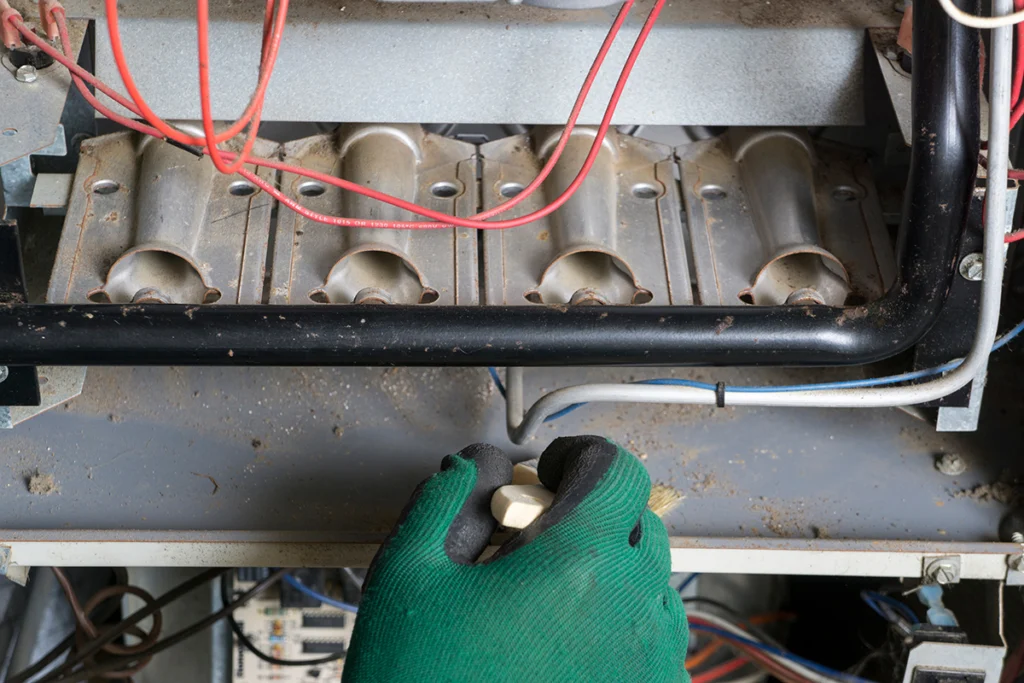
Technician inspecting the burner area of a furnace that supplies heat to the furnace heat exchanger
Heating, HVAC Systems, Maintenance, Repair

Furnace Heat Exchanger Warning Signs

When homeowners ask why their system smells odd, cycles too often, or delivers weaker heat than usual, we usually look at the furnace heat exchanger first. After years of working on heating equipment at C&R Services, we know this component is one of the most important parts of any furnace. Although most homeowners never see it, the exchanger handles heat transfer and protects your home from harmful combustion gases. When something goes wrong, the symptoms can seem small at first, yet they carry serious risks if ignored. What the Furnace Heat Exchanger Actually Does Before you can spot warning signs, it helps to understand the role of the furnace heat exchanger inside the system. This metal chamber separates the air you breathe from the furnace’s combustion process. As the burners create heat, the exchanger warms up and transfers that heat to the air moving through your ducts. Because combustion gases must stay sealed inside the chamber, any crack or breach can lead to unsafe conditions. Technicians sometimes compare this part to an engine block because both hold heat and contain combustion gases. And while that comparison is helpful, the exchanger is actually more fragile. It expands and contracts with every heating cycle, which is why regular maintenance matters so much. If you’d like a clearer breakdown of how the entire furnace works—from ignition to heat distribution—our furnace guide walks through the full process. Common Furnace Heat Exchanger Warning Signs Although no two homes are alike, certain warning signs appear again and again. Because we inspect systems every day at C&R Services, we’ve learned that most heat exchanger problems show up in predictable ways. 1. Strange Smells During Heating Cycles If you smell a burning or metallic odor when the furnace runs, take it seriously. These odors often appear before any visible damage forms. According to the U.S. Consumer Product Safety Commission, carbon monoxide from fuel-burning appliances kills more than 200 people in the U.S. each year. Because a damaged furnace heat exchanger can allow combustion gases to escape, unusual smells or irritated sinuses should never be ignored. It also helps to make sure your carbon monoxide detectors are installed and working, since CO is colorless and odorless. If something feels off, it’s safer to shut the system down and have it inspected right away. 2. Frequent Short Cycling When the furnace turns on and off too often, the heat exchanger might be overheating. Because overheating forces the system to shut down for protection, it’s worth checking. Short cycling can also involve the system’s safety controls, and we explain that issue in more detail in our blog about the furnace limit switch. 3. Visible Rust or Corrosion A rusty heat exchanger is a weakened heat exchanger. Condensation, old age, and poor airflow all speed up deterioration. While rust isn’t always a sign of cracks, it does mean the metal is thinning. A thin exchanger is more likely to fail. How Performance Changes Point to Furnace Heat Exchanger Trouble Even if you don’t see the exchanger directly, the furnace will usually tell you something is off. Weak or Uneven Heat Output A damaged exchanger sometimes prevents the furnace from producing steady heat. Air may feel warm one moment and cool the next. Homeowners often think a faulty blower is the cause, but that’s not always true. Sometimes this uneven heat shows up alongside other problems, which we cover in our blog about why your heater may be blowing cold air. If cold air appears randomly, the exchanger could be involved. Unexpected Noises During Operation A cracked furnace heat exchanger sometimes makes popping or tapping sounds as the metal expands. These sounds aren’t always dramatic, but they often repeat at the same point in the heating cycle. Because furnaces are usually tucked away, these noises can go unnoticed for months. Tripped Safety Devices Modern furnaces include several safety components. When the exchanger overheats or leaks, one of these devices will usually shut the system down. While that might feel frustrating, it’s the furnace keeping your home safe. If the furnace refuses to stay on, the exchanger could be the reason. What Causes Furnace Heat Exchanger Damage Although every home is different, a few root causes appear in most systems. Restricted Airflow When airflow drops, temperatures rise inside the exchanger. Dirty filters, blocked returns, or closed supply vents all contribute to overheating. Because heat has nowhere to escape, the chamber expands too quickly and stresses the metal. Old Age and Daily Stress Even well-maintained furnaces wear down over time. The exchanger expands and contracts thousands of times each heating season. Eventually, metal fatigue sets in. The U.S. Department of Energy explains that older furnace systems typically operate in the 56–70% AFUE range, while today’s high-efficiency models can reach 90–98.5%. Because of that gap, older units face more strain during normal operation, which makes the heat exchanger more vulnerable as the system ages. Poor Burner Combustion If burners aren’t adjusted correctly, flames can hit the exchanger unevenly and create hot spots. These hot spots weaken the metal long before you see visible damage. Why You Should Never Ignore Furnace Heat Exchanger Issues The furnace heat exchanger isn’t just another part—it’s a safety barrier. A damaged exchanger can allow carbon monoxide or combustion gases into your home. Because of that risk, we always encourage homeowners to call a professional as soon as they notice warning signs. At C&R Services, we use advanced diagnostic tools to confirm whether the exchanger is safe to use or needs replacement. How C&R Services Inspects a Furnace Heat Exchanger Our team follows a detailed inspection process that prioritizes safety and accurate diagnostics. We check for heat-related damage We inspect for cracks, separation lines, and rust We test for pressure leaks We verify that safety devices still work correctly We review airflow and burner performance Because we’ve seen every type of heating setup—from older units to modern high-efficiency furnaces—we know exactly where problems tend to hide. When to Schedule Professional Service

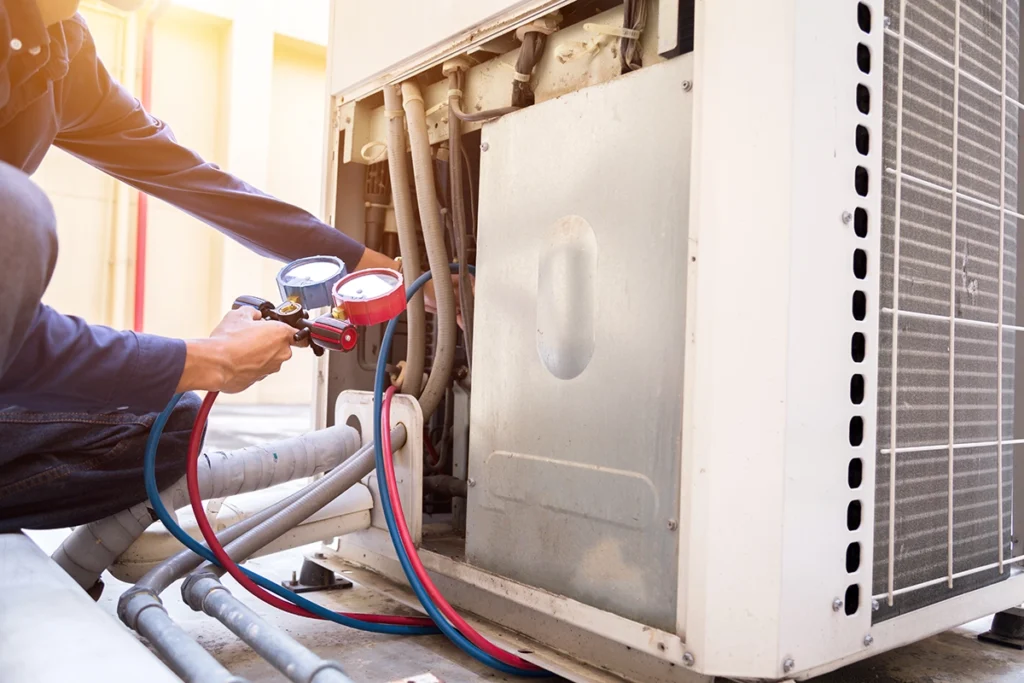
A technician measuring refrigerant pressure on an outdoor AC unit, inspecting essential parts of HVAC system equipment.
Air Conditioning, Heating, HVAC Systems, Maintenance

Parts of HVAC System: What Every Homeowner Should Know

Most homeowners don’t think about the parts of HVAC system equipment until something feels off. Maybe the airflow is weaker than last month, or the temperature feels uneven from one room to the next. Since we work with heating and cooling equipment every day at C&R Services, we know how important it is to understand the essentials. When you know what each component does, you can spot issues faster and keep your home running comfortably year-round. How the Main Parts of a Forced-Air HVAC System Work Together Every home relies on the same essential HVAC components, even if the equipment varies. While systems can look different from house to house, the main parts of an HVAC system always work together in predictable ways. When one part struggles, the entire system feels the strain. Understanding those relationships helps you make smarter decisions when something breaks or when you’re planning future upgrades. Air Handlers, Blowers, and the Heart of Airflow The air handler and blower assembly control how air moves through your home. These components push conditioned air through the ducts and pull stale air back into the system. When the blower slows down, airflow drops. And as you might guess, reduced airflow often leads to hot and cold spots. If you want to understand how airflow connects to comfort, our blog on forced air heating is a good place to start because it breaks down the role of ducts, vents, and circulation in an easy way. Evaporator Coils and Condenser Coils are Key Parts of an HVAC System The evaporator coil absorbs indoor heat. The condenser coil releases that heat outdoors. These two coils perform a constant exchange whenever your cooling system runs. When dirt collects on the coils, your energy use goes up quickly. The U.S. Department of Energy explains why clean coils improve efficiency and reduce cooling cost. The Refrigerant Circuit and Why It Matters Inside the coils, refrigerant moves heat in or out of your home. Although it’s often misunderstood, refrigerant is essential for proper cooling. If the level drops, the system runs longer and temperatures start to drift. Most shortages happen because of leaks, not normal use. And when a homeowner suspects low refrigerant, they usually call us right away because refrigerant issues never fix themselves. Thermostats and HVAC System Controls Thermostats direct every other component. Yet the wrong settings or outdated technology can throw off the entire system. Smart thermostats, for example, help stabilize temperature swings and reduce wasted energy. The U.S. Department of Energy explains how updated thermostat technology improves efficiency and overall comfort, which is why proper settings matter more than most people realize. And when your thermostat isn’t communicating properly, you often feel the symptoms long before you realize the control is the problem—like short cycling, uneven temperatures, or a system that runs nonstop. Ductwork, Vents, and the Distribution Side of the System Even when the equipment runs perfectly, poorly sealed ducts leak air into unconditioned spaces. That lost air forces your HVAC system to work harder. Because the ductwork is hidden behind walls, floors, and attic spaces, it’s one of the most overlooked parts of HVAC system performance. Simple improvements like sealing joints or adding insulation can make a noticeable difference in comfort. Filters and Indoor Air Quality Air filters protect every major component. They also help maintain healthier air inside your home. When filters clog, the blower strains and the evaporator coil can freeze. Regular replacements are an easy fix, yet many homeowners forget until airflow drops. Because clean filters support airflow and reduce strain on the system, this simple, inexpensive step makes a huge difference in overall performance. Additional Parts Found in Forced-Air Heating and Cooling Systems Most homes use forced-air HVAC systems, and some setups include a few extra components depending on whether the home uses a gas furnace or a cooling system. Gas furnaces rely on burners, ignition systems, and inducer motors to create heat safely before it moves through the ducts. Cooling systems like central air conditioners and heat pumps use compressors, condenser fan motors, and condensate drains to manage refrigerant flow and moisture. Even though these parts vary by equipment type, they all work alongside the main HVAC components to keep your home comfortable. Heat Exchangers and Heating Safety Heat exchangers transfer heat from the combustion chamber to the air without mixing fumes into your living space. Because they handle high heat, they can crack over time. A cracked exchanger can allow combustion gases, including carbon monoxide, to enter the airflow, which is why annual checkups matter for safety. A damaged exchanger can also trigger safety shutdowns that keep the system from heating at all. At C&R Services, our technicians inspect these exchangers closely during seasonal tune-ups. Maintenance and Why Knowing the Parts of an HVAC System Helps When you understand the main parts of an HVAC system, it becomes much easier to spot early warning signs. Weak airflow, strange noises, short cycling, or shifting temperatures usually relate to one of the core pieces described above. And since we repair all major HVAC brands, we see how small issues turn into bigger repairs when they’re ignored. Quick action saves money and prevents breakdowns, and we provide a full range of HVAC services if you need professional support. Why Homeowners Choose C&R Services We work with HVAC systems every day, and we’ve helped families across East Texas keep their homes comfortable through long summers and chilly winter nights. If you want help, guidance, or a full system inspection, contact C&R Services and our team will be ready to help. FAQ: Quick Answers About HVAC System Parts Here are a few common questions homeowners ask when learning about HVAC components.

High-efficiency condensing furnace with PVC venting and visible water marks on the floor, similar to what you might see with a furnace leaking water from a clogged condensate drain
Heating, Repair

Why Is My Furnace Leaking Water? Causes and Fixes

When a homeowner calls us about a furnace leaking water, the first reaction is almost always the same: “Is this normal, or is something seriously wrong?” I get that worry. When you see water around a heating system, it feels like an emergency. At C&R Services, we’ve walked into plenty of homes where a small puddle turned into a big headache. The good news is that most leaks are preventable once you know what causes them—and how quickly to respond. Below, I’ll walk you through the most common reasons for a furnace leaking water, how we diagnose the issue on service calls, and what homeowners can safely check before calling a professional. What It Means When You Find Your Furnace Leaking Water A furnace leaking water doesn’t always point to a major failure. However, it does mean something isn’t draining, heating, or venting the way it should. Water can come from several different parts of the system, and catching the cause early protects your home from bigger problems like rust, mold, or damaged flooring. Sometimes homeowners describe it as “water around the furnace,” “a leaking furnace,” or “water coming from the furnace cabinet.” No matter how you phrase it, the cause usually comes down to drainage or airflow. Condensate Drain Problems Are the Most Common Cause of a Furnace Leaking Water High-efficiency furnaces push extra heat out of exhaust gases. That process creates condensation that should drain out through a small PVC line. When that line clogs, cracks, or disconnects, water has nowhere to go. As a result, you’ll often see your furnace leaking water on the floor around the unit. Most of the time, this kind of leak shows up after a long heating cycle or when the drain tubing has been bumped out of place without anyone realizing it. Even a slight blockage can cause water to back up quickly, especially in homes where the furnace runs for longer stretches. Because every setup is different, the exact fix can range from clearing the trap to replacing damaged tubing or adjusting the line so it drains correctly. Your Humidifier Might Be the Problem If you have a whole-home humidifier attached to the furnace, it can leak long before the furnace itself fails. Sometimes it presents just like a furnace leaking water, even though the issue is the humidifier. A stuck water panel, cracked reservoir, or faulty solenoid valve all send water right into the ductwork. Even a small humidifier issue can look like a furnace moisture problem because everything drains toward the same area. Heat Exchanger Condensation Issues That Can Lead to a Furnace Leaking Water High-efficiency furnaces use a secondary heat exchanger to extract more heat from exhaust gases. As the gases cool, water vapor condenses into liquid. The U.S. Department of Energy explains how this condensing process works in modern high-efficiency systems. If you want a clearer breakdown of how a furnace heats your home and what each part does during the heating cycle, our guide on understanding the full furnace process walks through it step by step. When everything is working correctly, that condensed moisture drains out of the furnace through the proper tubing. But if the heat exchanger is damaged, restricted, or not moving air the way it should, the condensation may collect inside the cabinet instead of draining away. When that happens, you may see what looks like a furnace leaking water even though the root issue is tied to the heat exchanger’s airflow or internal condition. If you notice moisture inside the furnace cabinet or recurring condensation issues, scheduling professional furnace services can help you prevent corrosion and more serious damage. Blocked Exhaust or Venting Issues If your PVC exhaust pipes are blocked by debris, pests, or ice, condensation has nowhere to go except back into the furnace cabinet. This can cause intermittent leaks that come and go with weather changes. For homeowners in colder climates, ice buildup around exhaust pipes can be a seasonal issue. The National Weather Service offers helpful freezing-weather safety guidance. What You Can Safely Check Before Calling a Technician Before you call for help, here are a few safe checks that often help you spot where your leaking furnace issue is coming from: 1. Make sure the air filter isn’t clogged. Poor airflow causes overheating and excess condensation, which often appears as a furnace water leak. 2. Check the condensate line for visible blockages. If the tubing is kinked or disconnected, the furnace will look like it’s leaking even when the part isn’t failing. 3. Look around the humidifier for drips. Leaks from above often travel downward and mimic a furnace leaking water on the floor. 4. Inspect the exhaust pipes from a safe distance. Blocked vents can force moisture backward into the system. If anything looks damaged or you see more than a small puddle, that’s when it’s time to bring in a pro. How C&R Services Fixes a Furnace Leaking Water When we’re called out, here’s what we typically check: Condensate trap and drain tubing Secondary heat exchanger Internal condensate pump Humidifier lines and valves Venting and PVC exhaust Drain pan and collection area Furnace seals and gaskets Every home and furnace setup is different, so the fix depends on the exact cause of the furnace water leak—not the water itself. When a Furnace Leaking Water Becomes an Emergency Most leaks aren’t urgent, but there are moments where you should shut down the furnace and call a technician right away: Water reaches electrical components You smell gas or burning Rust appears inside the cabinet The leak has continued for more than a day A furnace leaking water can create bigger problems fast, even if it starts small. When you run into any of these warning signs, scheduling professional heating repair is the safest next step. A technician can check the system, stop further damage, and make sure everything is operating safely. Contact C&R Services If you’ve discovered your furnace leaking water, our team can help.

Technician inspecting internal furnace components during limit switch diagnostics
Heating, Maintenance, Repair

Furnace Limit Switch: What It Is and Why It Matters

When homeowners call us with a furnace that won’t stay on, they often assume the whole system is failing. But many problems come back to one small part: the furnace limit switch. At C&R Services, we see issues with this switch every heating season. And honestly, it makes sense. The switch has a simple job, yet it does a lot of heavy lifting in protecting your system and your home. I’ll walk you through what it does, how it fails, and when to call a pro. I’ll also explain a couple of things I’ve seen in the field (because some of the surprises still make me laugh a little). But more importantly, I’ll show you how this small safety control keeps your system running safely. What the Furnace Limit Switch Actually Does The furnace limit switch monitors the temperature inside the furnace. When the air gets too hot, it shuts the burners off. When the temperature drops again, it allows the system to restart. Without it, your furnace could easily overheat. If you’re not familiar with how a furnace heats and moves air, our detailed guide on how a furnace works explains each stage of the process in clear steps. This little control may not look like much, but it protects your heat exchanger, electrical components, and ductwork. And trust me, once you’ve seen a cracked heat exchanger from overheating, you don’t forget it. (I once found a switch wired incorrectly by a DIY repair from a previous homeowner. Let’s just say electrical tape is never the right fix.) How a Furnace Limit Switch Fails When a furnace limit switch starts acting up, the problem isn’t always the switch itself. Because this safety device responds to temperature and airflow conditions inside the furnace, any issue that causes the system to overheat can make the switch appear faulty. Technicians look at the surrounding symptoms, the furnace’s operating temperature, and the airflow path to determine whether the switch is failing or simply reacting to another underlying problem. Several issues tend to cause the most trouble, starting with dust and restricted airflow. 1. Dust and Debris Around the Furnace Limit Switch Dust buildup is a common cause of overheating. When airflow drops, the furnace runs hotter than normal. Eventually, the switch shuts things down to protect the system. This is one reason the U.S. Department of Energy includes filter changes in its basic furnace maintenance recommendations. Their heating maintenance guidance is helpful for homeowners who want the basics. 2. Short Cycling from a Bad or Weak Switch A weak furnace limit switch can cause rapid on-and-off cycling. You’ll hear the furnace start, stop, start again, and keep repeating. It wastes energy and stresses components. It also drives homeowners up the wall. 3. Blower Motor Problems Sometimes, the limit switch gets blamed when the blower is the real issue. If the blower fails to move enough air across the heat exchanger, the switch steps in and shuts the burners down. It’s doing its job, even if it looks like the switch is the culprit. 4. Wiring Issues and Loose Connections Loose terminals or aged wiring can make the switch behave unpredictably. This is especially true in older homes and in attics where temperature swings are extreme. A quick inspection usually confirms it. Why the Furnace Limit Switch Matters for Safety Your furnace limit switch is one of the most important safety controls in the entire system. It protects against overheating, reduces fire hazards, and prevents damage to expensive components. The NFPA notes that heating equipment is a leading cause of home fires, which is why staying on top of maintenance and safety checks is so important. That’s why we always check the switch on every heating service call at C&R Services. Even if the furnace is brand-new, we verify the switch is responding correctly. Signs Your Furnace Limit Switch Needs Attention Furnace keeps shutting down Burners turn off too quickly Blower runs nonstop You smell something hot or “burning” The furnace overheats often The blower starts late or stops early These signs show up long before most homeowners notice a major problem. If you catch them early, you can avoid bigger repairs. A system that shuts down often, runs the blower nonstop, or drops heat too quickly may point to the limit switch. These symptoms can overlap with other issues, though. If your furnace refuses to start, that could point to more than the limit switch. Our guide on what to check if your furnace isn’t turning on walks through the basics you can rule out first. And if the flame keeps dropping out, the furnace may short cycle or heat unevenly, which can also trigger the limit switch. Our pilot light troubleshooting guide covers a few safe checks you can try before scheduling service. How Technicians Diagnose a Furnace Limit Switch Problem Before we can determine whether a limit switch is malfunctioning, technicians start by looking at the conditions that cause the switch to trip in the first place. Because this component responds to overheating, anything that restricts airflow or affects burner performance can trigger a shutdown. A proper diagnosis involves checking the system’s temperature rise, inspecting airflow pathways, and verifying that the furnace is operating within safe limits. Once we confirm the overall conditions, we move into more targeted tests—beginning with airflow. Airflow Testing We check filters, vents, ducts, and static pressure to see if the furnace is breathing properly. Temperature Readings We measure temperature rise and make sure it’s within the manufacturer’s range. Switch Behavior We test the limit switch to confirm it’s opening and closing at the right times. Blower Performance We make sure the blower is running at the proper speed and moving enough air. When to Replace Your Furnace Limit Switch Replacement is usually recommended when: The switch is sticking The furnace overheats repeatedly The blower runs constantly Electrical connections are failing The switch is older and unreliable It’s a quick repair, but it needs to be

Scroll to Top