Call Us (903) 204-7571 Today

“Taught By Fathers, Trusted By Families”

Author name: fortitudecreative@gmail.com

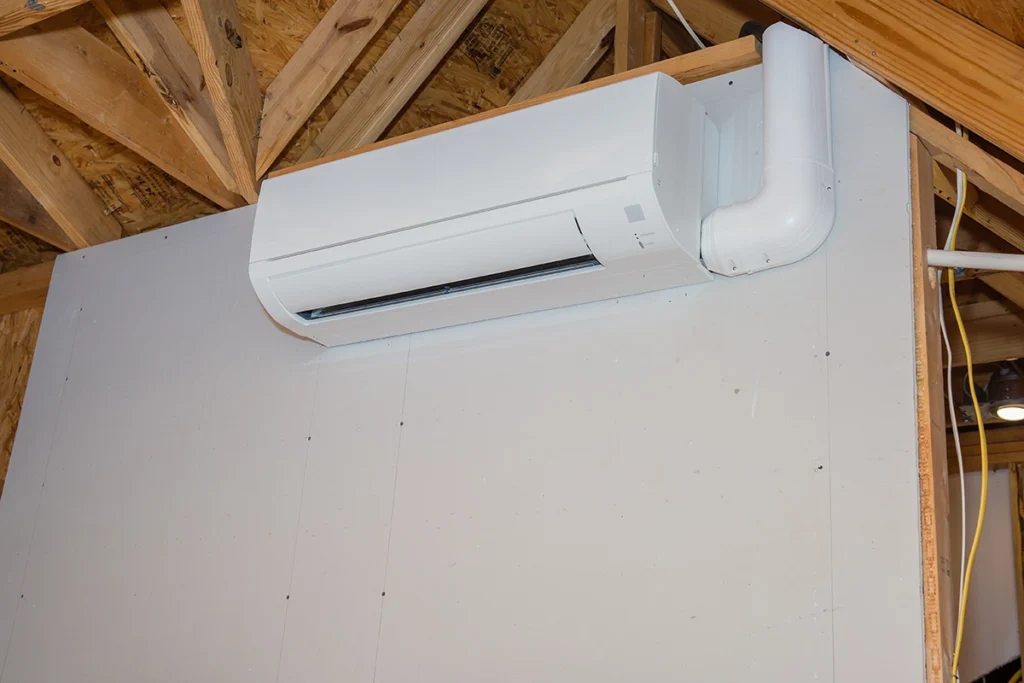
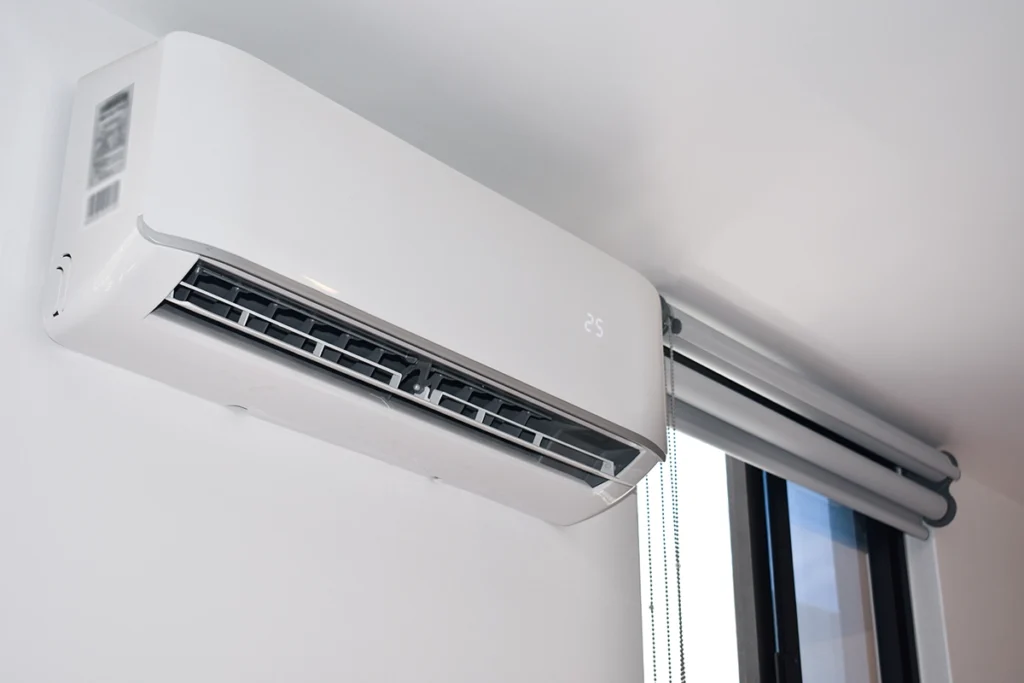
24000 BTU mini split indoor wall unit installed in a home room for cooling and heating comfort
Air Conditioning, HVAC Systems, Mini Splits

24000 BTU Mini Split: How Big of a Room Can It Cool?

If you’re considering a 24000 BTU mini split, the first question is simple: how big of a room can it cool? At C&R Services, we help people size these systems for homes and small commercial spaces, and the short answer is this: a 24,000 BTU unit often works well for larger single spaces, but the exact fit depends on the room. That’s the part many sizing charts miss. Square footage helps, but insulation, ceiling height, windows, and heat load can change the answer fast. So, before you buy based on one chart, it helps to understand what a 24k mini split is designed to do. What Size Room Can a 24000 BTU Mini Split Cool? In many cases, a 24,000 BTU mini split is used for larger rooms or open areas, but actual sizing depends on load conditions. However, that’s only a general starting point. We regularly remind customers that a shaded, insulated room and a sun-soaked room do not cool the same. For example, a workshop, garage, bonus room, or upstairs area can need more cooling capacity than a main living room of the same size. Why BTU-to-Square-Foot Rules Aren’t Exact BTU charts are useful for planning, but they are not a substitute for a load calculation. A few things can push the required capacity up or down significantly: Ceiling height Window size and direction Insulation quality How many people use the space Heat-producing appliances Garage or attic location Use the chart to estimate a size range, then choose the final capacity based on the room conditions. Signs a 24000 BTU Mini Split May Be the Right Size A 24000 btu mini split is often a strong fit if you’re cooling or heating: A large open living area A finished garage or workshop A master suite plus adjacent space A detached office or studio An addition that central air doesn’t handle well A multi-zone setup where one outdoor unit serves several heads (depending on design) Still, “bigger” is not always better. The U.S. Department of Energy notes that oversized ductless mini-split air handlers can short cycle and fail to provide proper temperature and humidity control. Humidity Matters More Than Most People Expect If a 24000 BTU mini split is too large for the room, it may reach the set temperature quickly but remove less moisture during each cycle. EPA guidance recommends keeping indoor humidity between 30% and 50%, which is a good target range for indoor comfort. 24000 BTU Mini Split vs Real-World Room Conditions Here’s the practical version we use when explaining sizing: A 24000 btu mini split can be perfect for a well-insulated open room around 800–1,000 sq. ft. However, the same unit can come up short in a hot garage with poor insulation, high ceilings, and lots of afternoon sun. On the flip side, it may be oversized for a well-insulated space near the lower end of that range. That’s why we always recommend matching equipment to the space, not just the square footage listed on a chart. What to Check Before Choosing a 24000 BTU Mini Split Before moving forward, gather these details: Approximate square footage Ceiling height Room use (garage, bedroom, office, living area) Sun exposure Insulation condition Window count and size Whether the space is open or closed off Whether you want cooling only or heating + cooling Once you have that, the decision gets much easier. If you’re still comparing capacities, a mini split sizing guide can help you narrow down the choice before you buy a system. When a 24000 BTU Mini Split Is Great for a Garage Garage applications are one of the most common places people ask about this size. A 24k unit can be a smart option for larger garages, hobby spaces, and detached shops, especially when the door opens often or the space has poor insulation. Even so, garage sizing can vary a lot depending on whether the garage is attached, how well it’s insulated, and whether tools or equipment add heat to the space. If You Want a Hidden Look Instead of Wall Heads Some spaces need a cleaner look than a wall-mounted indoor unit. We hear that most often in finished spaces where a visible wall unit doesn’t fit the look. In those cases, a concealed ducted option is often a better fit. How C&R Services Helps You Choose the Right Size At C&R Services, we don’t just match a unit to a room size and call it done. We look at the space, usage, layout, and comfort goals so the system actually works long-term. We handle mini split sizing and installation based on the room conditions and how the space is used — not just square footage. If you’re in Tyler or East TX, contact C&R Services for residential and commercial service. We’ll help you determine whether a 24000 btu mini split fits your space or another size will perform better. FAQs About 24000 BTU Mini Split Sizing Before you buy, these are the most common sizing questions we hear about 24k systems.
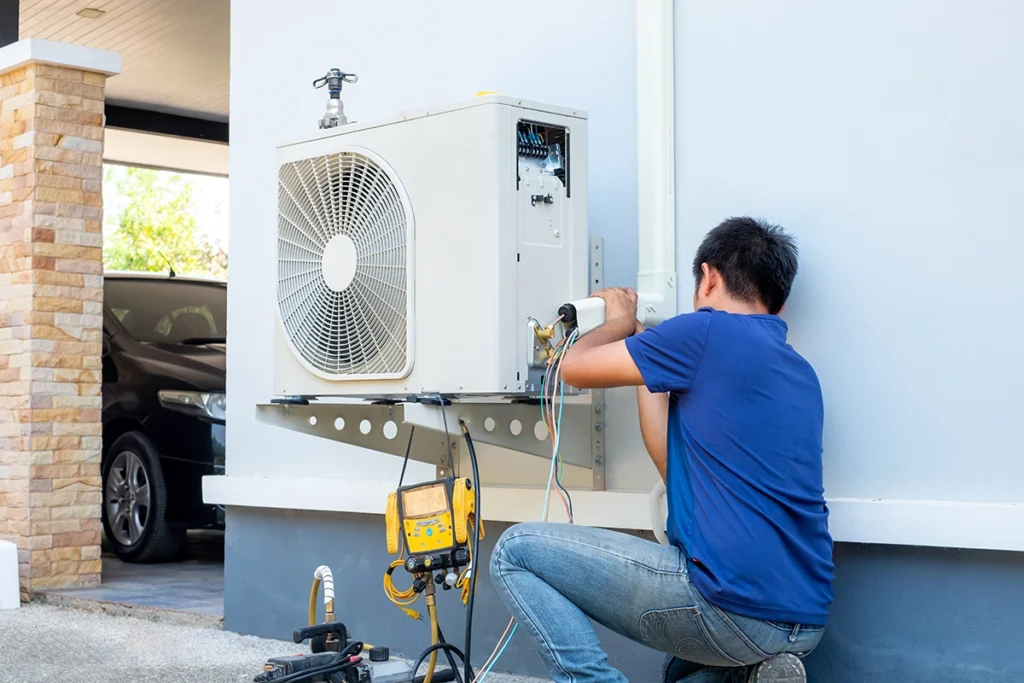
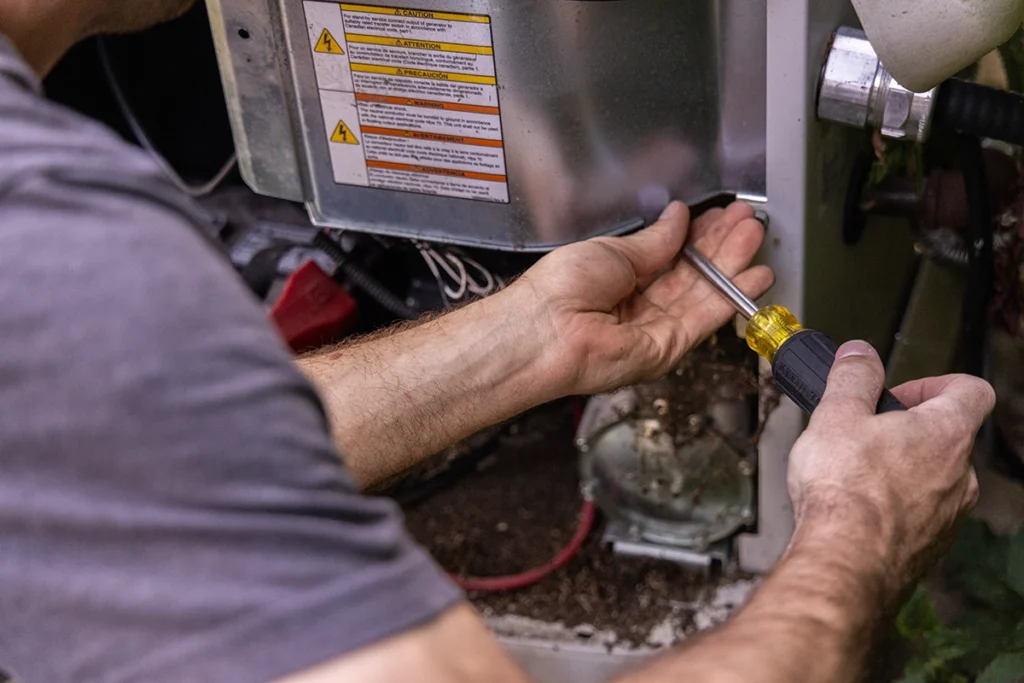
technician working to fix a heat pump by diagnosing the outdoor unit components
Heat Pumps, Maintenance, Repair

How to Fix a Heat Pump: Common Problems & Solutions

When people need to fix a heat pump, they often assume the entire system has failed. In our day-to-day work at C&R Services, that is usually not the case. More often, we find a control issue, airflow restriction, sensor problem, or deferred maintenance issue affecting performance in a home or commercial space. That’s also why heat pump problems can feel confusing. These systems heat and cool, switch modes, and often run longer than a furnace or AC unit. So, whether you manage a house, office, storefront, or light commercial property, this guide will help you understand what’s normal, what’s not, and what to check before scheduling service. What to Check First Before You Try to Fix a Heat Pump Start with the basics first. It sounds simple, but it saves a lot of time. Before assuming you need a major repair, check these items: Thermostat is set to the correct mode (HEAT or COOL) Temperature setting is calling for operation Breakers are on and not tripped Air filter is clean Outdoor unit is clear of leaves and debris Indoor vents and returns are open and not blocked We see plenty of no-heat and weak-heating situations that trace back to setup issues. For example, if the unit is not responding at all, it helps to know the common signs of a thermostat not working before assuming the heat pump itself is bad. Airflow is another big one. A dirty filter or blocked return can cause symptoms that look like a component failure. In both residential and commercial spaces, restricted airflow can reduce output, increase run time, and create comfort complaints fast. Common Reasons You May Need to Fix a Heat Pump Heat pump issues usually follow patterns. Once you understand them, troubleshooting becomes much easier. Thermostat or Control Problems Sometimes the heat pump is fine, but the control signal is not. Incorrect programming, weak batteries, wiring issues, or a failed thermostat can all stop proper operation. We also see misconfigured replacement thermostats cause heating and cooling issues. Airflow Restrictions Low airflow can cause poor heating, poor cooling, short cycling, and even coil icing. Dirty filters, closed vents, blocked returns, and blower problems are all common causes. Defrost Cycle Confusion In winter, a heat pump may temporarily switch into defrost mode. During that cycle, the indoor air can feel cooler for a few minutes. That can seem like a failure, but it’s often normal system operation. The U.S. Department of Energy explains that heat pumps periodically enter a defrost cycle in cold weather. Refrigerant or Coil Issues Low refrigerant, refrigerant leaks, or coil performance problems can reduce capacity. If the system struggles in both heating and cooling modes, refrigerant charge and coil condition become more likely suspects. Electrical Component Failures Capacitors, contactors, relays, boards, and motors can fail over time. These issues often show up as humming, clicking, delayed starts, or systems that try to start and shut back off. How to Fix a Heat Pump That Is Not Heating Properly When a heat pump runs but doesn’t heat, the issue usually falls into one of three categories: thermostat setup, airflow restriction, or staging confusion. First, confirm the thermostat is actually calling for heat. Then determine whether the system may be in a normal defrost cycle. During defrost, the system temporarily switches modes to clear frost from the outdoor coil. While this happens, the indoor air may feel cool for several minutes. That is normal. However, if the air stays cool for long periods, the system is not producing adequate heat. Watch for These Signs Outdoor unit heavily iced over System runs continuously but temperature does not rise Auxiliary heat activates frequently Air feels lukewarm instead of warm One situation that commonly gets mistaken for a failure is backup heat staging. The heat pump may run continuously while the indoor temperature barely rises or the air feels only mildly warm. In many cases the equipment is operating, but the thermostat is not bringing on its backup heating stage correctly. When that happens, the issue is usually control setup rather than a mechanical failure.  When “Fix a Heat Pump” Really Means “Fix Airflow” Airflow problems are easy to miss. However, they cause a huge number of performance complaints. A heat pump depends on steady airflow across the indoor coil. If airflow drops, system capacity drops too. In some cases, the indoor coil can freeze. In other cases, the system runs longer and still cannot hold temperature. We see this in homes all the time, but we also see it in offices, retail spaces, and light commercial buildings. A clogged filter, blocked return, or neglected maintenance can make a heat pump look like it failed when the real problem is restricted airflow. That’s why we always check the air filter, return airflow, and blower operation before assuming something is broken. Poor airflow is one of the most common reasons people try to fix a heat pump that won’t heat properly. In many homes, restoring airflow either solves the problem completely or reveals what the system was actually struggling with. How to Fix a Heat Pump Thermostat and Control Setup Issues Thermostat setup causes more service calls than people expect. Sometimes the equipment is working, but the programming is not. Common setup mistakes include: Wrong equipment type selected after thermostat replacement Heat pump configured as a conventional furnace/AC system Aggressive setbacks that trigger backup heat too often Fan set to ON, which can feel drafty between heating cycles Mode changes scheduled incorrectly Heat pump thermostats also control the backup heating stage. If staging is set up incorrectly, the system can run for long periods while the indoor temperature barely rises. Many people think they need to fix a heat pump when the equipment is actually working, but the thermostat isn’t bringing on the backup heat when it should. Learning when a heat pump brings on auxiliary heat can help you tell whether the problem is setup or equipment. Emergency heat is a different setting.

mini split for garage installed above garage door track
Heat Pumps, HVAC Systems, Installation, Mini Splits

Mini Split for Garage: Sizing & Placement Guide

Working in a garage should feel productive, not miserable. We talk with homeowners and small business owners every week who want comfort without running ductwork through the building. In many cases, installing a mini split in a garage can solve the problem cleanly and efficiently. However, sizing and placement matter far more than most people expect. At C&R Services, we install a lot of garage mini split systems. Some people want a workshop. Others want a gym, studio, or hobby space. In other cases, it’s a small auto bay, storage building, or light commercial workspace that needs reliable heating and cooling. Either way, the equipment must match the space or it won’t perform correctly. Why a Garage Is Harder to Condition Than Finished Living Space Garages behave differently from finished living spaces. First, insulation is usually minimal. Second, large doors constantly exchange outdoor air. As a result, temperatures inside a garage can swing quickly. In summer, attic heat radiates through the ceiling. Meanwhile, concrete floors retain cold in winter. Traditional HVAC systems struggle here, especially when ducts are long or unsealed. A ductless system works differently because it conditions the space directly. According to the U.S. Department of Energy, duct losses can account for more than 30% of energy consumption for space conditioning, particularly when ducts run through attics or other unconditioned areas. Because mini splits avoid those duct losses, they often perform better in garages where traditional ductwork would pass through unconditioned spaces. The main benefit isn’t just efficiency ratings — it’s delivering heating and cooling directly to the space instead of losing conditioned air along the way. Instead of fighting duct leakage, the system conditions the space directly. Choosing the Right Size Mini Split for a Garage Getting the capacity right matters more than the brand name. Incorrect sizing is one of the most common problems we run into. Many people buy a unit online based only on square footage. Unfortunately, garages are not standard rooms. Several factors affect garage mini split sizing, including: Ceiling height Insulation level Sun exposure Garage door type (steel vs insulated) Number of exterior walls A 400-sq-ft insulated garage may need around 9,000 BTU, while the same uninsulated garage may require closer to 18,000 BTU. Oversizing is just as problematic as undersizing. Short cycling causes humidity, uneven temperatures, and compressor wear. Before choosing equipment, it helps to understand how capacity calculations work. Matching output to the room size, insulation, and ceiling height is what keeps temperatures consistent instead of the system constantly trying to catch up. Where to Mount a Mini Split for a Garage Placement has a major impact on comfort. The indoor head should never blow directly toward the garage door. Each time the door opens, the system dumps conditioned air outside. In most garage layouts, better airflow comes from mounting the indoor unit in one of these areas: On a side wall Above workbench areas Facing the center of the space The goal is circulation, not just cold air. Avoid the Most Common Mounting Mistake The number one error is installing the unit too low. Cold air sinks and warm air rises. Mounting 7–8 feet high allows the air to mix properly. Low mounting leads to hot ceilings and cold floors. The outdoor condenser also matters. Keep it shaded and away from dryer vents or dust-heavy areas like woodworking zones. Insulation Still Matters (Even With a Mini Split) A ductless system is efficient, but it is not magic. According to ENERGY STAR, sealing air leaks and adding insulation can provide up to a 10% savings on annual energy bills. Because of that, weatherstripping the garage door and sealing wall gaps usually improves mini-split performance immediately. So before installation, we often recommend: Weatherstripping the garage door Insulating attic above garage Sealing top plates and wall gaps When this is done first, the system runs quieter and maintains a more consistent temperature. Heating and Cooling With a Garage Mini Split Many people think these systems are only air conditioners. They aren’t. Modern inverter systems operate as heat pumps. A ductless system cools the space in summer and heats it in winter by reversing refrigerant flow automatically. Because of that, a properly installed mini split in your garage can provide year-round comfort without adding a furnace or baseboard heater. In fact, most people are surprised how steady the temperature feels once installed. The system doesn’t blast hot or cold air. Instead, it maintains a consistent indoor temperature and adjusts output gradually. This is especially helpful in garages that sit unused during parts of the day, since the system can ramp back up quickly when you return to the space. Maintenance Requirements The biggest advantage of ductless systems is reliability. Still, they need basic care. Basic upkeep for a garage mini split system usually includes: Clean filters monthly Keep the outdoor coil clear Flush the condensate drain annually We actually see many service calls caused by clogged filters. The unit isn’t broken — airflow is just restricted. For a mini split in a garage, filters matter even more because workshops, storage areas, and hobby spaces usually create more dust than living areas. A basic understanding of mini-split maintenance helps you know when a quick cleaning is enough and when service is needed. Regular upkeep keeps airflow strong, maintains efficiency, and helps the system hold temperature during extreme weather. Are There Downsides? Every HVAC system has tradeoffs, and ductless equipment is no exception. Wall-mounted units remain visible in the room, which some property owners care about. Upfront installation cost is higher than temporary solutions, but a ductless system is a permanent heating and cooling setup rather than a portable appliance. However, those comparisons are not equal systems. A ductless unit is designed for permanent heating and cooling. Before choosing equipment, many people want to understand the common concerns about mini splits before deciding if a ductless system fits their situation. Most concerns relate to placement, electrical requirements, and appearance rather than performance. Once installed

HVAC technician diagnosing an AC unit that is running but not cooling
Air Conditioning, HVAC Systems, Repair

AC Running But Not Cooling? Causes & Easy Fixes

An AC running but not cooling can be frustrating, and it’s a problem we see often at C&R Services in both homes and businesses. The system appears to be working — the fan is running, the outdoor unit is operating — yet the indoor temperature doesn’t drop. In many cases, the cause is simpler than you might expect, and understanding the common reasons can help you know what’s going on before calling for repairs. How Your Air Conditioner Is Supposed to Cool Air conditioners don’t create cold air. Instead, they remove heat from the indoor air and transfer it outside, leaving your home or office cooler and more comfortable. The U.S. Department of Energy explains that air conditioners cool buildings by transferring heat from indoor air to the outside environment rather than producing cold air. This heat-transfer process depends on proper airflow, refrigerant levels, and functioning components to work efficiently. Warm indoor air is pulled through the return duct and passes over the evaporator coil. Inside that coil, refrigerant absorbs heat from the air. The blower then pushes the cooled air back through the ductwork and into the building. After absorbing heat indoors, the refrigerant travels to the outdoor condenser unit. The compressor raises the refrigerant’s pressure, which also increases its temperature. Because the refrigerant is now hotter than the outdoor air, the condenser coil can release heat outside. As long as this cycle continues without interruption — whether due to airflow, controls, or refrigerant issues — indoor temperatures drop. If any part of the process fails, the system may keep running while the building becomes warmer instead of cooler. Because multiple components must work together during this heat-transfer cycle, a failure in airflow, electrical control, or refrigerant pressure often requires professional air conditioning repair to restore proper cooling. AC Running But Not Cooling: Start With the Thermostat This is the first thing we check on service calls. Make sure: cooling mode is selected fan is set to AUTO temperature is set lower than room temperature In commercial buildings, programmable or network thermostats may also have schedules overriding your settings. If the display is blank, inaccurate, or unresponsive, the issue may not be the AC equipment at all. The thermostat may not be sending a cooling signal to the system. When that happens, the indoor fan can continue running while the outdoor unit never starts, which makes it feel like the AC is operating but not cooling. We’ve restored cooling many times just by correcting thermostat settings, replacing batteries, or repairing a faulty thermostat. If your thermostat is unresponsive or behaving inconsistently, you may be dealing with a thermostat not working properly. AC Running But Not Cooling: Airflow Problems (The Most Common Cause) In many service calls, the system is running, but it is not removing heat from the building. Air conditioning depends on steady airflow across the evaporator coil. As warm air passes over that coil, the refrigerant absorbs heat and carries it outdoors. When airflow becomes restricted, the evaporator coil cannot absorb enough heat. The blower continues circulating air, but the air passing through the system is not being cooled effectively. As a result, the unit may run continuously while indoor temperatures slowly rise. Airflow problems are one of the most common reasons an AC is running but not cooling, especially in buildings with higher occupancy or rooms that remain closed for long periods. Dirty Filter A clogged air filter is the most frequent airflow restriction we find when an AC is running but not cooling. Filters are designed to trap dust and airborne particles before they reach the evaporator coil. Over time, that buildup prevents enough warm air from moving across the coil. Without sufficient airflow, the refrigerant becomes too cold and moisture in the air begins freezing on the coil surface. As ice forms, air can no longer pass through the coil, so cooling stops circulating through the duct system even though the equipment is still running. In many cases, the restriction that caused the freezing started with a heavily clogged filter. Routine filter replacement is important in both homes and commercial spaces. The Environmental Protection Agency notes that proper air filtration helps maintain ventilation and indoor air quality, which is why a heavily clogged filter can quickly affect system performance. You can usually check this yourself. Remove the air filter and hold it up to a light. If little or no light passes through, airflow is heavily restricted and the system may stop cooling. Blocked Return Vents Air must move through the system in a loop. Supply vents push cooled air into the room, while the return air vent pulls warmer air back to the unit to be cooled again. We frequently find conference rooms, storage areas, and bedrooms where furniture, shelving, or stored items block the return air vent. When the return is blocked, the system may keep running but the temperature barely changes because the same air is being circulated instead of new warm air being cooled. Signs Return Airflow Is Blocked You may notice: strong airflow from some vents but weak airflow from others certain rooms never reaching the thermostat setting doors that push closed when the system starts the system running constantly with little temperature change Restoring return airflow often brings cooling back without any mechanical repair. AC Running But Not Cooling: Frozen Evaporator Coil One of the most common reasons a system runs but won’t cool is a frozen indoor evaporator coil. When the coil is covered in ice, the air conditioner may appear to be operating, but heat can no longer be removed from the building. Why Freezing Happens Freezing usually develops after an airflow or refrigerant issue. If the coil cannot absorb enough heat, its temperature drops below freezing and moisture in the air turns to ice. As the ice builds, airflow through the system becomes more restricted and cooling stops completely. Common causes include clogged filters, blocked return vents, blower issues, or low refrigerant. Signs the

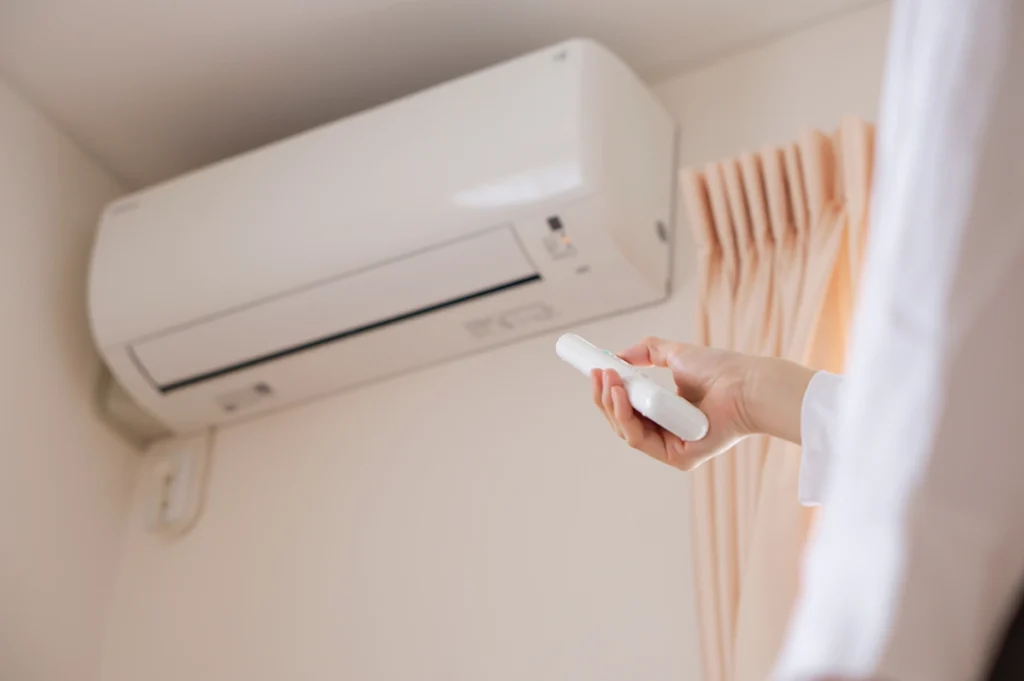
Homeowner adjusting a 3 zone mini split system with remote control for independent room temperature settings
Heat Pumps, HVAC Systems, Mini Splits

3 Zone Mini Split Systems Explained

If you’re researching a 3 zone mini split, you’re likely looking for independent temperature control across multiple rooms without adding ductwork. A three-zone system allows you to condition separate areas efficiently while reducing energy waste. Before choosing one, it’s important to understand how the system is designed, when it makes sense, and how it compares to other HVAC options. What Is a 3 Zone Mini Split? A 3 zone mini split connects three indoor air handlers to a single outdoor condenser. Each indoor unit controls a separate space, allowing different temperature settings in each room. This configuration works well in homes with additions, small offices, or buildings with varied occupancy patterns. Instead of conditioning the entire structure evenly, zoning allows you to focus heating and cooling only where it’s needed. Because each zone operates independently, the system can reduce unnecessary energy use compared to conditioning unused areas with a traditional central system. How a 3 Zone Mini Split Works Mini splits use heat pump technology, meaning they transfer heat rather than generate it. A closer look at how mini splits work explains why they operate so efficiently. Each indoor unit contains its own evaporator coil and fan, while the outdoor condenser manages refrigerant flow between all three zones. Modern systems use inverter-driven compressors that adjust output continuously instead of turning fully on and off. By matching performance to real-time demand, the system reduces temperature swings, improves energy efficiency, and maintains steadier comfort across all three zones. When a 3 Zone Mini Split Makes the Most Sense A three-zone configuration is ideal when: You have three primary rooms needing separate control One area gets hotter or colder than others You’re converting a garage or bonus space You’re retrofitting a property without ductwork The U.S. Department of Energy notes that minisplit heat pumps are especially effective in homes without ductwork and are well suited for zone heating applications. Commercial properties also benefit from zoning. Offices, conference rooms, and shared spaces often have varying occupancy levels throughout the day. Proper sizing is critical. Before installation, each zone must be evaluated individually, since undersized equipment struggles to maintain temperature and oversized systems short-cycle, reducing efficiency and increasing wear. Sizing Considerations for Each Zone Each zone must be calculated individually. Room square footage, insulation quality, ceiling height, sun exposure, and air infiltration all influence heating and cooling demand. Commercial spaces may also require adjustments for equipment heat and occupancy levels. If you’re unsure how to determine what size mini split you need, start with a proper load calculation rather than guessing. Incorrect sizing can lead to short-cycling, reduced efficiency, uneven comfort, and premature equipment wear. 3 Zone Mini Split vs Central Air Many property owners ask whether a 3 zone mini split is better than central air. When comparing mini splits and central air systems, the right choice depends on the building layout and comfort goals. Central systems rely on ductwork to distribute air throughout the home. In contrast, mini splits deliver conditioned air directly into each zone, eliminating duct losses. According to ENERGY STAR, duct losses can account for 20–30% of energy consumption in some homes. As a result, ductless systems often operate more efficiently in retrofit applications. For homeowners who prefer concealed air delivery, a ducted mini split can provide a balance between traditional central air and wall-mounted units. Are There Drawbacks to Consider? No HVAC system is without trade-offs. Although zoning offers flexibility, proper installation planning is essential. Placement, drainage routing, and electrical requirements all require careful coordination. It’s also important to understand the disadvantages of mini split systems, including aesthetic considerations and installation complexity. With proper system design, however, most of these limitations can be effectively managed. Long-Term Performance and Maintenance A 3 zone mini split requires routine upkeep to maintain performance. Filters should be cleaned regularly, and outdoor units must remain clear of debris to ensure proper airflow. Refrigerant levels and system operation should be inspected periodically to prevent efficiency loss. Consistent mini split maintenance protects system efficiency, improves reliability, and extends equipment lifespan. At C&R Services, we emphasize preventive care because neglected maintenance often leads to reduced comfort, higher energy use, and premature component wear. Commercial Applications for Multi-Zone Systems In commercial settings, zoning improves occupant comfort and operational efficiency. Conference rooms can fill quickly, increasing internal heat loads, while storage areas may require minimal conditioning. A 3 zone mini split allows each space to be conditioned independently, adjusting output based on occupancy and usage patterns. As a result, energy consumption more closely matches actual demand instead of conditioning unused areas. Is a 3 Zone Mini Split Right for You? If you’re looking for independent temperature control across three separate areas, a 3 zone mini split can offer the flexibility you need. That said, layout, insulation, and electrical capacity all play a role in whether it’s the right fit. At C&R Services, we provide professional mini split services for residential and commercial properties throughout Tyler and East TX. If you’re considering a 3 zone mini split for your property, contact our team to schedule a consultation and determine the right zoning solution for your space. Frequently Asked Questions Choosing a multi-zone system often raises similar questions. Below are answers to common concerns about three-zone setups.

Return air vent installed in a residential ceiling supporting balanced HVAC airflow
HVAC Systems, Indoor Air Quality

Return Air Vent Function and Common Airflow Issues

At C&R Services, we spend a lot of time diagnosing comfort problems that people can’t quite explain. Often, the issue isn’t the furnace or the thermostat at all. Instead, it traces back to the return air vent. When this part of the system isn’t working as it should, airflow suffers. As a result, comfort, efficiency, and system reliability all take a hit. Although supply vents get most of the attention, the return side of the system quietly does just as much work. Once you know how return air vents function, many common airflow complaints start to make sense. What a Return Air Vent Does in Your HVAC System A return air vent pulls air from inside your space back into the HVAC system. From there, the air is filtered, conditioned, and sent back through supply vents. Without this continuous loop, the system can’t regulate temperature properly. In systems that use forced-air distribution, return airflow is essential for pressure balance. When return airflow drops, the system struggles to move air efficiently. Because of that, rooms may feel uneven, stuffy, or slow to heat or cool. Proper circulation in a forced-air system depends on balanced supply and return airflow throughout the system. Why Return Airflow Matters for Comfort and Efficiency Even when heating or cooling equipment is working correctly, poor return airflow can still cause noticeable comfort problems. Restricted return airflow often leads to weak supply airflow, longer run times, and uneven temperatures between rooms. When airflow becomes restricted, the HVAC system has to work harder to move air through the ductwork. This increases energy use and reduces overall comfort. According to the U.S. Department of Energy, dirty or clogged air filters restrict airflow, reduce system efficiency, and allow dirt to build up on the evaporator coil, making it harder for the system to cool or heat effectively. Because of that, airflow issues often show up as higher energy bills rather than obvious equipment failures. Return Air Vent Placement and Design Considerations Return air vent placement plays a major role in how evenly air circulates throughout a space. Layout, overall size, and duct design all influence how return airflow moves back to the HVAC system. When placement supports proper circulation, comfort and efficiency improve. When it doesn’t, airflow problems often follow. Where Return Air Vents Are Usually Located In many buildings, return air vents are placed in hallways, central areas, or near ceilings. These locations allow air to circulate evenly and move back to the HVAC system without creating pressure imbalances. According to ENERGY STAR, poor duct performance can lead to higher energy bills, uneven temperatures, and areas that remain uncomfortable—even when heating and cooling equipment is operating correctly. Larger spaces may have multiple return air vents, while smaller layouts may rely on a single central return. Either approach can work, as long as airflow remains unrestricted. When Placement Creates Airflow Problems Problems arise when return air vents are blocked by furniture, rugs, or decorative covers. These vents don’t blow air into a room like supply vents. Instead, they pull air back into the HVAC system, which is why they’re often overlooked. Over time, blocked return vents restrict airflow and disrupt system balance. When this happens, you’ll often notice doors slamming shut, whistling sounds, or rooms that feel stuffy or have weak airflow. Return Air Vent Issues That Affect System Performance Several common airflow problems connect directly to return air vent restrictions. Blocked or Undersized Returns When a return air vent is blocked or undersized, the system can’t pull in enough air. As a result, pressure inside the system changes. This often leads to overheating or safety shutdowns. One component affected by poor airflow is the furnace limit switch, which shuts the system down when internal temperatures rise beyond safe operating limits. Pressure changes caused by restricted return airflow often show up as comfort complaints before safety issues appear. Airflow Imbalance and Cold Air Complaints Restricted return airflow can cause supply air to feel weak or inconsistent. In heating mode, this often shows up as lukewarm air at the vents, which many people mistake for a heating problem when the system itself is operating normally. How Filters and Maintenance Affect Return Airflow One of the most common airflow restrictions we see is a clogged air filter. Since filters sit on the return side of the system, a dirty filter can limit how much air moves back through the HVAC system. Over time, this reduced airflow contributes to imbalance and comfort issues throughout the space. Regular filter replacement plays a major role in maintaining proper airflow. If you’re unsure how often filters should be changed, our guide on when to change a furnace filter explains how filter condition impacts airflow and system performance. When Return Air Problems Require Professional Service Some return airflow issues can’t be resolved through simple adjustments. Duct sizing, internal restrictions, or design flaws often require professional evaluation. In these cases, airflow testing helps pinpoint where pressure imbalances occur. At C&R Services, our HVAC repair services include airflow diagnostics that look beyond surface symptoms and identify pressure-related issues within the duct system. We work with both residential and commercial HVAC systems, focusing on correcting the underlying airflow issue rather than replacing parts unnecessarily. Why Return Airflow Plays a Role in System Safety Restricted return airflow doesn’t just affect comfort. Over time, airflow problems can cause overheating, frequent shutdowns, and increased wear on critical HVAC components. Addressing return airflow issues early helps protect system performance, safety controls, and long-term reliability. Final Thoughts on Return Air Vent Performance A properly functioning return air vent keeps your HVAC system balanced, efficient, and reliable. When airflow becomes restricted, comfort problems follow quickly. Fortunately, identifying return airflow issues early can prevent larger system failures later. If your space feels uneven, stuffy, or slow to respond, professional airflow evaluation can make a meaningful difference. C&R Services provides professional HVAC service throughout Tyler and East Texas for both homes and commercial properties, with a focus on

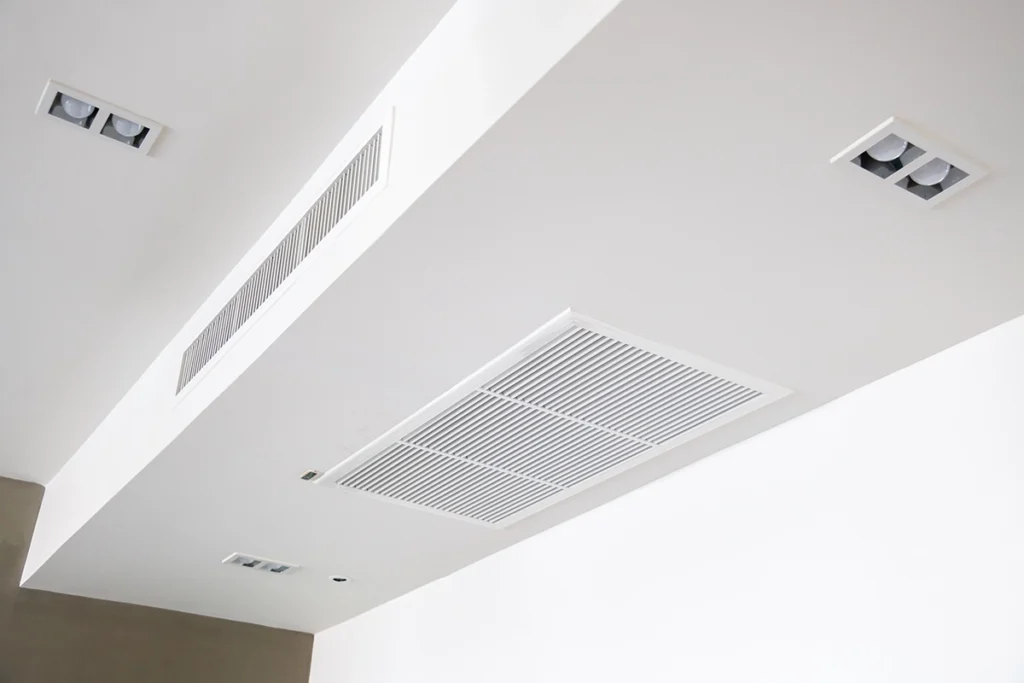
Ceiling return grille and vents connected to a ducted mini split system
HVAC Systems, Mini Splits

Ducted Mini Split Systems: Best Uses and Benefits

When customers ask us about efficient ways to heat and cool their spaces, ducted mini split systems often come up in the conversation. These systems solve comfort challenges that traditional setups can’t always address, especially in situations where efficiency, zoning, and appearance all matter. While ductless units get most of the attention, ducted systems quietly deliver the same performance with a more familiar look and feel. By blending modern technology with subtle air distribution, ducted mini splits appeal to those who want comfort without visible equipment. Below, we break down how these systems work, when they make sense, and why they continue to grow in popularity. What Is a Ducted Mini Split System? A ducted mini split system uses a compact indoor air handler connected to short, localized duct runs that distribute air through vents. Unlike traditional central air systems, these units don’t rely on extensive duct networks or a single massive air handler. Instead, they deliver targeted comfort to specific areas of the space while maintaining high energy efficiency. Although the design is different, the system relies on the same core heat pump technology found in other mini split systems. If you want a deeper breakdown of the mechanics, our guide on how mini splits work explains the process clearly. Why Ducted Mini Split Systems Are a Popular Choice Many people choose ducted mini split systems because they want consistent comfort without wall-mounted units. Since the air handler stays hidden, rooms maintain a clean, traditional appearance. These systems also offer excellent temperature control. Because duct runs are shorter and more localized, energy loss stays low. As a result, ducted mini splits often operate more efficiently than older ducted HVAC setups. Ducted mini splits are a type of heat pump, meaning they provide both heating and cooling using the same high-efficiency technology. According to the U.S. Department of Energy, heat pump systems can reduce electricity use for heating by up to 75% compared to electric resistance heating. Ducted Mini Split vs Traditional HVAC Systems When comparing a ducted mini split system to traditional HVAC, the biggest difference is flexibility. Central air systems depend on extensive ductwork that can waste energy through leaks or poor insulation. By contrast, ducted mini splits support zoned comfort through shorter duct runs and dedicated air handlers or zoning controls. This approach helps prevent over-conditioning unused spaces while improving overall efficiency. If you’re weighing your options, our comparison of ductless mini split vs central air systems explains how efficiency differs across heat pump and traditional HVAC designs. How Ducted Systems Support Zoned Comfort Ducted mini splits can support multiple zones, allowing different areas to operate independently. One space can stay cooler while another remains warmer, based on how each area is used. This flexibility improves overall comfort while reducing unnecessary energy use, since the system isn’t over-conditioning spaces that don’t need it. Best Uses for a Ducted Mini Split System Ducted mini splits are especially effective in certain situations, including: Properties without existing ductwork Renovations or additions where new duct runs are limited Small to mid-sized layouts that benefit from zoned comfort Spaces where quiet operation is a priority Because these systems provide both heating and cooling through the same heat pump technology, they work well in environments that need year-round comfort from a single solution. When a Ducted Mini Split May Not Be Ideal While ducted mini split systems offer many benefits, they aren’t the best fit for every situation. Larger properties may require multiple air handlers, which can increase system complexity. In addition, long or poorly designed duct runs can reduce efficiency and affect overall performance. For a balanced perspective, reviewing the disadvantages of mini split systems can help set realistic expectations before choosing a solution. Energy Efficiency and Long-Term Performance Efficiency remains one of the strongest advantages of ducted mini split systems. Because they use inverter-driven compressors, output adjusts based on demand. This reduces energy waste and improves comfort consistency. According to ENERGY STAR, certified air-source heat pumps—including ducted heat pumps—avoid more than 17,100 pounds of greenhouse gas emissions over their lifespan compared with standard systems. Over time, that efficiency translates into lower operating costs and reduced wear on components. Installation and Ongoing Care Proper installation matters. From sizing to duct layout, every detail affects performance. That’s why professional design and setup make such a difference. Ongoing care is just as important for long-term efficiency. Regular inspections, filter changes, and performance checks help extend system life. Our overview of mini split maintenance services explains what to expect over time. At C&R Services, we also offer professional mini split services to help customers choose, install, and maintain the right system for their needs. Is a Ducted Mini Split Right for You? Choosing the right HVAC system depends on layout, comfort goals, and budget. A ducted mini split system works best when efficiency, zoning, and aesthetics all matter. Because every space is different, professional guidance helps ensure the best outcome. If you’re considering your options, our team at C&R Services is always available to talk through solutions and answer questions. Contact us today to discuss ducted mini split options for properties in Tyler and throughout East Texas, and get expert guidance tailored to your layout and comfort goals. Frequently Asked Questions About Ducted Mini Splits People often have similar questions when exploring ducted mini split options. Here are a few of the most common ones we hear.

Homeowners checking a thermostat when a heater isn’t working properly in winter
Heating, Repair

Heater Not Working? Why Your Heat Isn’t Turning On

Winter service calls usually start the same way — with a heater not working and a house that’s getting colder by the hour. Sometimes the system won’t turn on. Other times, it runs nonstop but never produces heat. Either way, the stress adds up quickly. From our day-to-day work at C&R Services, we’ve learned that most heating problems follow predictable patterns once you know what to look for. Fortunately, a heater not working doesn’t always mean a major breakdown. In many cases, the issue starts with airflow, controls, or built-in safety devices. Knowing how these systems behave can help you tell what’s normal, what’s not, and when professional heating repair makes sense. When a Heater Isn’t Working at All When a heater won’t turn on at all, we begin by confirming the system can actually start a heating cycle. Power interruptions, tripped breakers, or fuel supply issues can stop heating before it ever gets going. These problems are easy to miss, yet they account for a surprising number of winter service calls. If power and fuel are present, we shift our focus to the system’s controls and safety logic. Modern heating equipment won’t start if it senses a condition that could cause damage or unsafe operation. In many cases, the heater is being prevented from turning on—not because it’s broken, but because a control or safety component is doing its job. When that protection keeps activating, further diagnosis is needed. Heater Not Working but the System Is Running In some situations, the heating system turns on and stays running, but the house never gets warmer. You may hear the blower operating, feel air moving through the vents, and assume heat should follow. Instead, the temperature stays flat. This usually means the system is starting a cycle but can’t complete it. Problems with airflow, ignition, or internal heat transfer can stop heat from being produced or delivered, even though the system appears active. When that happens, the heater may run longer than normal while never actually warming the living space. Heater Blowing Cold Air Instead of Heat One symptom we see frequently is a heater blowing cold air. While that can feel alarming, it isn’t always dangerous. For example, furnaces sometimes blow cool air briefly before warming up. However, ongoing cold airflow usually signals a problem that needs attention. In many service calls, we find dirty filters, overheating protection, or ignition failures behind the issue. If the air never warms up, learning what causes a heater to blow cold air can help you decide whether it’s normal behavior or time to call for service. Heater Not Working Because of Thermostat Issues Before assuming equipment failure, thermostat operation deserves attention. A heater not working complaint often traces back to incorrect settings, dead batteries, or wiring problems at the thermostat. Because thermostats control when heating cycles begin and end, even minor issues can stop heat completely. We often help homeowners understand what happens when a thermostat isn’t working correctly, since fixing control problems early can restore heat without deeper repairs. Safety Devices That Can Stop Heat Suddenly Modern heating systems include safety components designed to shut things down when conditions become unsafe. While these protections are critical, they can also cause confusion when a heater not working situation appears without warning. One common example is overheating protection. When internal temperatures rise too high, the system shuts off automatically. This often relates to airflow restrictions or mechanical wear. Learning how a furnace limit switch shuts down heating to prevent damage helps explain why heat may stop even when nothing appears broken. When Safety Shutdowns Point to Bigger Issues In more serious cases, repeated shutdowns point to underlying problems that affect safe operation. Components like the heat exchanger play a critical role in transferring heat while keeping combustion gases contained. When damage occurs, the system may shut down repeatedly or stop heating altogether. According to the Centers for Disease Control and Prevention, each year more than 400 Americans die from unintentional carbon monoxide poisoning not linked to fires, with more than 100,000 emergency department visits and over 14,000 hospitalizations tied to CO exposure. Because of that risk, any heater not working issue paired with unusual odors, alarms, or repeated shutdowns should be addressed immediately. Why Professional Heating Repair Matters Although some heating issues are simple, others require professional tools and diagnostics. At C&R Services, we focus on identifying the root cause instead of applying temporary fixes. A trained technician can safely evaluate controls, combustion, airflow, and safety systems together. If your heater isn’t working consistently, professional service helps prevent repeated shutdowns and protects long-term system health. What Homeowners Can Check Before Calling While not every heating issue is DIY-friendly, a few quick checks can often help clarify why heat isn’t coming through the system. Start by confirming the thermostat has power and is set correctly. Then, check the air filter for dirt or blockage. Closed or obstructed vents can also restrict airflow and prevent warm air from circulating through the house. Finally, listen for unusual startup noises, which can signal an internal issue. Airflow problems are one of the most common reasons a heater struggles to warm a home. According to ENERGY STAR, airflow issues can reduce a heating system’s energy efficiency by up to 15 percent, which often leads to uneven temperatures or repeated shutdowns during winter operation. If heat still doesn’t return after these checks, delaying service often leads to larger repairs and longer downtime. When to Call C&R Services When your heater isn’t working and your home is getting colder, fast answers matter. Our team helps homeowners understand what’s happening and what steps restore heat safely. We work with furnaces, heat pumps, and electric systems, so issues don’t get overlooked. If you’re in Tyler or East Texas and your heat isn’t working, contact C&R Services to schedule service. Our technicians provide professional heating repair to restore comfort quickly and safely. Frequently Asked Questions When the Heat Stops Working Heating problems raise

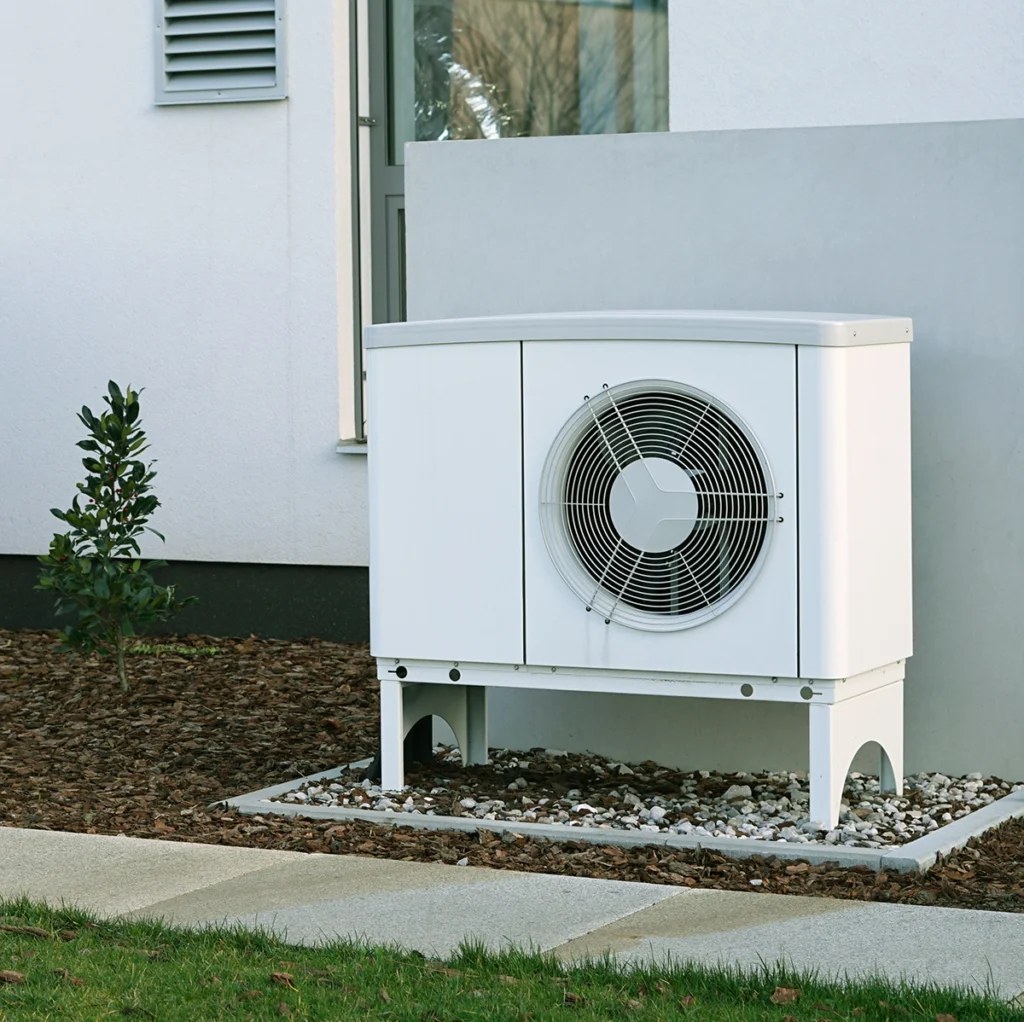
Residential heat pump system shown as part of a heat pump vs furnace comparison
Heat Pumps, Heating

Heat Pump vs Furnace: Pros, Cons, and Key Differences

When property owners start comparing heat pump vs furnace options, the decision usually feels bigger than expected. From efficiency questions to long-term costs, there’s a lot to weigh. At C&R Services, we have these conversations every day with people looking for clear, practical guidance. Because both systems can heat a home effectively, the right choice often comes down to how each system works and what tradeoffs matter most. Although the comparison between a heat pump vs furnace often starts with upfront cost, performance and comfort usually play a bigger role in the final decision. Understanding those differences helps avoid regret later. How Heat Pump vs Furnace Systems Work A furnace and a heat pump operate in very different ways. That distinction shapes everything from efficiency to maintenance. A furnace generates heat by burning fuel or using electric resistance. It then distributes that heat through ductwork. This is known as forced-air delivery, and it’s why many property owners ask us to explain what forced air heating actually means before comparing systems. A heat pump, on the other hand, doesn’t create heat. Instead, it moves heat from outside air into the home. Even in colder weather, usable heat still exists outdoors. This is why heat pumps are able to operate so efficiently. According to the U.S. Department of Energy, modern heat pumps can reduce electricity use for heating by up to 75% compared to electric resistance heating such as furnaces and baseboard heaters. Heat Pump vs Furnace Efficiency and Energy Use Efficiency is one of the biggest reasons property owners explore heat pump vs furnace options. Heat pumps are among the most efficient heating systems available. Since they move heat instead of creating it, they deliver more energy than they consume. That efficiency is measurable. According to the U.S. Department of Energy, modern air-source heat pumps can deliver two to four times more heat energy than the electrical energy they use, depending on conditions. In contrast, even high-efficiency furnaces lose some energy during combustion. That said, efficiency changes with climate. In colder regions, heat pumps rely on built-in backup heating to maintain comfort. This backup is known as auxiliary heat, which activates when outdoor temperatures drop and the heat pump can’t keep up on its own. When EM Heat Comes Into Play In extreme cold, some systems switch to emergency heat. If you’ve ever seen “EM Heat” on a thermostat, it’s worth understanding what EM heat actually means and when it should be used. Emergency heat bypasses the heat pump entirely and relies on electric resistance heat, which is more expensive to operate. Heat Pump vs Gas Furnace: Comfort and Performance Many property owners ask us about heat pump vs gas furnace comfort differences. Furnaces produce hotter air during each cycle. Because of that, rooms may warm up faster. Heat pumps deliver steadier, lower-temperature air, which often feels more consistent. Neither approach is wrong. However, comfort expectations matter. People who prefer quick bursts of heat often lean toward furnaces. Meanwhile, those who value even temperatures usually prefer heat pumps. Maintenance and Longevity in a Heat Pump vs Furnace Comparison Maintenance requirements differ between heat pumps and furnaces, and those differences directly affect how long each system lasts. Furnaces rely on combustion to produce heat, which means several components require regular inspection and servicing. Burners, gas valves, and ignition systems must operate correctly to maintain efficiency and safety. One of the most important inspection points is the heat exchanger, since damage or deterioration can create safety concerns and shorten the system’s lifespan. Regular furnace maintenance focuses on combustion safety, airflow balance, and heat transfer efficiency. When these areas are neglected, wear accelerates and replacement timelines often shorten. That’s why we’re often asked how long furnaces typically last, since maintenance history plays a bigger role than age alone. Heat pumps avoid combustion entirely. Because they move heat rather than generate it, they eliminate risks tied to fuel burning and exhaust gases. However, they still require professional maintenance to remain efficient. Coil cleanliness, refrigerant charge, electrical components, and airflow all play a role in long-term performance. In practice, longevity for either system depends on consistent service, proper installation, and operating conditions. A well-maintained furnace or heat pump will almost always outlast a neglected one, regardless of system type. Heat Pump vs Furnace Cost Considerations Cost comparisons shouldn’t stop at installation. Although furnaces often cost less upfront, fuel costs fluctuate over time. Heat pumps typically cost more initially, but they can lower monthly energy bills in many situations. Over the lifespan of a system, that difference often matters more than the installation price alone. When comparing a heat pump vs gas furnace, fuel availability and long-term energy pricing often play a major role in total ownership costs. Beyond energy use, cost also ties into maintenance, system complexity, and when replacement becomes necessary. Furnaces rely on combustion components that may require more frequent inspection, while heat pumps depend on electrical and refrigerant systems that benefit from consistent professional service. For many property owners, the real cost question isn’t which system is cheaper today — it’s which system offers the most predictable expenses and value over time. That perspective often makes the heat pump vs furnace decision clearer. When a Heat Pump Makes Sense A heat pump is often the better option when: Energy efficiency is a priority Cooling and heating are both needed Long-term operating cost matters When a heat pump is the right fit, proper installation and ongoing service matter. At C&R Services, we provide heat pump installation, replacement, repair, and maintenance to support long-term performance. When a Furnace Still Makes Sense A furnace may still be the better choice when: Natural gas is affordable Cold weather dominates the heating season Existing ductwork supports high airflow Understanding those situations keeps the heat pump vs furnace comparison realistic. Making the Right Choice Choosing between heat pump vs furnace options doesn’t have to be overwhelming. At C&R Services, we help property owners weigh comfort, efficiency, and long-term

Mini split condensate pump drainage setup with indoor unit and routed drain line
Maintenance, Mini Splits

Mini Split Condensate Pump: What It Is and When It’s Required

If you’re researching ductless systems, you may have come across the term mini split condensate pump and wondered whether it’s something every system needs. From our experience at C&R Services, this is one of the most common points of confusion property owners run into when learning about mini split systems. Because moisture management plays a critical role in system performance, understanding how condensate is handled helps prevent surprises later. What a Mini Split Condensate Pump Does A mini split condensate pump removes the water produced during the cooling and dehumidifying process. As warm air passes over the indoor coil, moisture condenses and must drain safely away. In many installations, gravity handles this naturally. However, when gravity drainage is not possible, a pump becomes necessary. The pump lifts condensate water upward and routes it to an approved drain location. Without proper drainage, water can back up, leak, or damage nearby surfaces. This is why industry standards emphasize proper condensate management. Guidance from the Air Conditioning Contractors of America explains that HVAC systems produce condensate during normal cooling operation, and that it must be drained or pumped to prevent water damage and system issues. When a Mini Split Condensate Pump Is Required Only some installation scenarios require a mini split condensate pump. Pumps aren’t standard on every ductless system, which often surprises property owners. You typically need a pump when: The indoor unit sits below the drain termination point The drain line must run upward at any point The unit is installed far from an exterior wall Gravity drainage cannot maintain proper slope In contrast, wall-mounted units on exterior walls often drain naturally without assistance. Because installation conditions vary widely, proper planning makes all the difference. Common Locations That Require a Pump Certain spaces frequently require a mini split condensate pump due to layout limitations. These include: Basements without floor drains Interior rooms without exterior access Garages or workshops below ground level Finished spaces with limited wall access In these situations, relying on gravity alone simply isn’t possible. How Condensation Forms in Mini Split Systems As a mini split system cools indoor air, moisture in the air condenses on the evaporator coil. That condensation collects as water and must be directed out of the system through a drain line. Without a proper drainage path, the water can back up and cause leaks, shutdowns, or performance issues. To fully understand why drainage matters, it helps to know how mini splits operate. If you’re unfamiliar with the cooling cycle, our guide explaining how mini splits work walks through the process in more detail. Mini Split Condensate Pump vs Gravity Drainage Not every mini split installation requires mechanical assistance. In many cases, gravity drainage works perfectly well. Gravity drainage works when: The drain line slopes downward continuously The exit point remains lower than the indoor unit The line stays clear and unobstructed When those conditions aren’t possible, gravity drainage can’t do the job on its own. In those cases, a mini split condensate pump helps move water out of the system safely and consistently. Maintenance Considerations for Condensate Pumps Like any mechanical component, mini split condensate pumps require routine care. Pumps can clog, fail, or trigger safety shutoffs if neglected. The Environmental Protection Agency notes that keeping HVAC drain pans clean and drain lines unobstructed helps prevent moisture problems and mold growth. Regular mini split maintenance allows technicians to clean drain lines, test pump operation, and address small issues before they affect performance. Signs a Condensate Pump May Be Failing Watch for these warning signs: Unusual buzzing or clicking sounds Water dripping from the indoor unit System shutting off unexpectedly Musty odors near the air handler These symptoms often indicate a drainage problem that won’t resolve on its own. Addressing these issues early protects both the system and the surrounding space. How Condensate Pumps Function Within HVAC Systems Although mini splits are ductless, they still include many familiar components found in traditional equipment. Understanding where drainage fits within the broader parts of an HVAC system helps clarify why condensate handling matters. Drain pans, drain lines, safety switches, and pumps work together to manage moisture within the system. When one component fails, overall performance can suffer. Are Condensate Pumps Optional or Mandatory? A mini split condensate pump isn’t always necessary. The installation setup determines if the system needs one. From our day-to-day work at C&R Services, we’ve seen systems perform flawlessly with gravity drainage, while others require pumps to operate safely. The key is proper evaluation before installation. Planning drainage correctly helps the system run better and last longer. Why Professional Assessment Matters Because every home layout differs, proper condensate drainage requires evaluation, not guesswork. Professional assessment ensures the system drains properly from day one. At C&R Services, we help property owners identify when a mini split condensate pump is needed and when simpler solutions are enough. Evaluating the mini split system before issues develop helps identify drainage needs and prevent larger problems. If you have questions or aren’t sure what your system needs, our team provides mini split services throughout Tyler and East Texas. Contact us to discuss your setup and get clear, practical advice. Frequently Asked Questions About Mini Split Condensate Pumps Below are quick answers to common questions property owners ask us. If you’re evaluating a mini split condensate pump, professional guidance ensures your system drains safely and efficiently.

Scroll to Top