Call Us (903) 204-7571 Today

“Taught By Fathers, Trusted By Families”

Repair

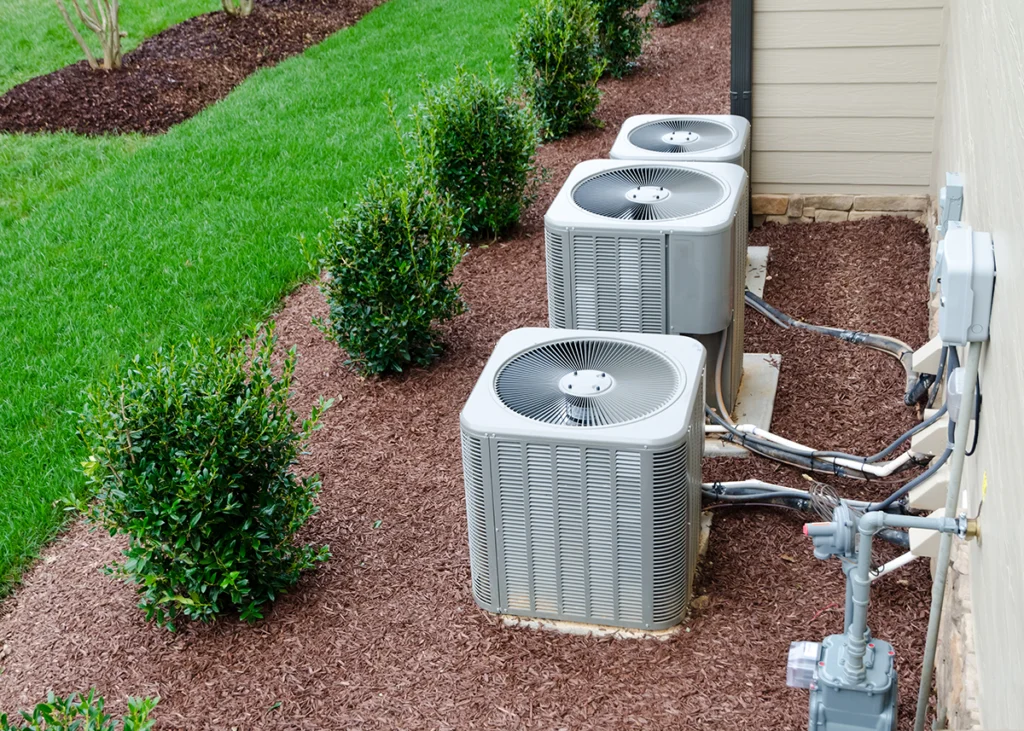
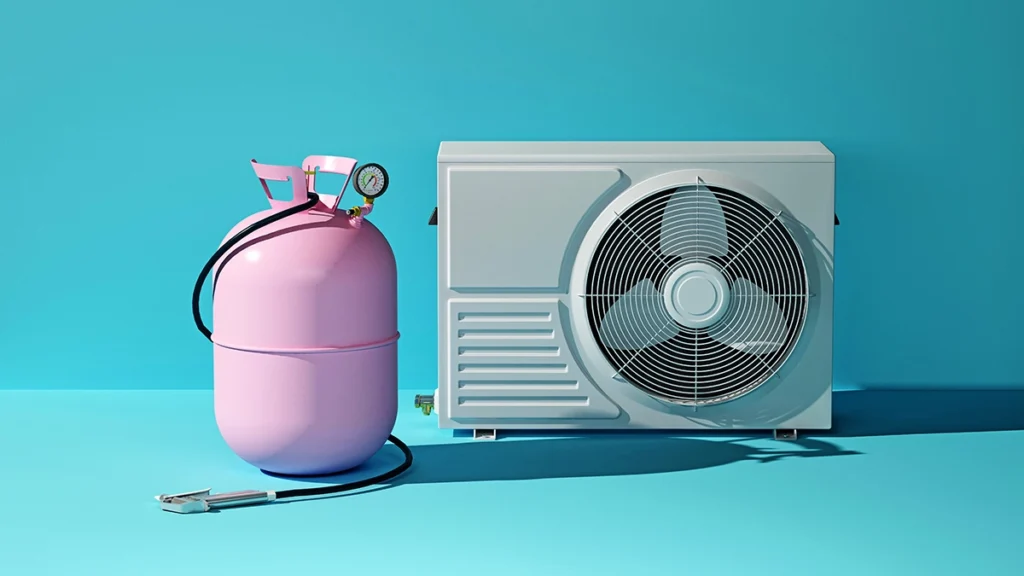
Air conditioner refrigerant leak from outdoor unit in Ben Wheeler, TX illustrated with an outdoor AC condenser and refrigerant tank.
Air Conditioning, Maintenance, Repair

Air Conditioner Refrigerant Leak from Outdoor Unit in Ben Wheeler, TX

If your air conditioner refrigerant leak from your outdoor unit in Ben Wheeler, TX is leaving behind oily residue, causing ice buildup on the copper lines, or making your home feel warmer even though the system runs constantly, you’re dealing with a problem that won’t fix itself. Refrigerant leaks don’t just hurt your comfort — they force your AC to work harder, spike your energy bills, and can even damage the compressor if left unchecked. Because refrigerant is a controlled substance and requires specialized equipment to handle safely, this is one issue that always calls for a licensed professional. We’ve helped countless homeowners in Ben Wheeler diagnose and repair refrigerant leaks, and we’re here to walk you through what’s happening, why it matters, and what the repair process looks like so you can make an informed decision. What Causes an Air Conditioner Refrigerant Leak from the Outdoor Unit in Ben Wheeler, TX? Your outdoor AC unit contains copper coils and connections that carry refrigerant—the substance that absorbs heat from your home and releases it outside. Over time, several factors can compromise these components and lead to leaks. Corrosion is one possible cause. Moisture, outdoor contaminants, and normal aging can gradually weaken metal surfaces. Eventually, small pinhole leaks may form and allow refrigerant to escape. Physical damage is another possible cause. Hail, falling branches, lawn equipment, or ongoing vibration can damage tubing and connections. Installation problems can also create weak points that develop leaks months or years later. A leak may also develop around an HVAC service valve. These valves are located near the outdoor unit and give technicians access to the refrigerant circuit for testing and service. Damaged seals, valve cores, or connections can allow refrigerant to escape. When we investigate an air conditioner refrigerant leak from your outdoor unit in Ben Wheeler, TX, we inspect vulnerable points throughout the system. That includes coil surfaces, service valves, line sets, and joints. We use specialized diagnostic equipment to pinpoint the source before recommending the appropriate repair. If you notice ice buildup, warm air from your vents, oily residue, or a hissing sound near your outdoor unit, contact C&R HVAC for a professional inspection. Finding the source matters because adding refrigerant alone won’t correct the underlying leak. Signs Your Ben Wheeler AC Has a Refrigerant Leak Refrigerant leaks don’t always cause an immediate system failure. However, your air conditioner may begin showing noticeable performance changes as the refrigerant level drops. One common warning sign is warm air coming from your vents even though the thermostat is set to cool. Because AC refrigerant carries heat through the cooling system, a low refrigerant charge can reduce your air conditioner’s ability to remove heat from your home. You may also notice the system running for long periods without reaching the thermostat setting. Another telltale symptom is ice buildup on the refrigerant lines or evaporator coil. Low refrigerant is one possible reason an AC starts freezing up, although restricted airflow and other system problems can cause freezing as well. That is why professional diagnosis is important before assuming refrigerant is the problem. You might also hear hissing or bubbling near the outdoor unit if refrigerant is escaping through a damaged connection or small opening. Oily residue around a coil, valve, or refrigerant-line connection can also indicate a possible leak because refrigerant circulates with compressor oil. If you suspect an air conditioner refrigerant leak from the outdoor unit in Ben Wheeler, TX, contact C&R HVAC for an inspection. Our technicians can evaluate system operation, locate the source of refrigerant loss, and determine what repair is necessary. Why an Air Conditioner Refrigerant Leak from the Outdoor Unit Requires Professional Repair Refrigerant work isn’t a typical DIY air conditioning repair. According to the EPA’s Section 608 Technician Certification Requirements, technicians who maintain, service, repair, or dispose of equipment in ways that could release refrigerant must hold the appropriate EPA certification. That requirement includes common refrigerant-service tasks such as connecting gauges and adding or removing refrigerant. As a result, diagnosing an air conditioner refrigerant leak from your outdoor unit in Ben Wheeler, TX requires proper training, procedures, and specialized equipment. Accurate diagnosis also matters because low refrigerant symptoms can resemble other AC problems. Ice buildup, weak cooling, and long run times may also result from restricted airflow or failing components. Our technicians use electronic leak detectors, pressure measurements, temperature readings, and other diagnostic methods to determine whether refrigerant is actually escaping and where the problem is located. Once we find the source, we can repair or replace the affected component. Depending on the system, that may involve a coil connection, service valve, refrigerant line, or another part of the sealed circuit. Afterward, we test the repair and restore the system according to the equipment manufacturer’s specifications. This process addresses the source of the refrigerant loss instead of simply adding more refrigerant and waiting for the problem to return. Contact C&R HVAC for an Air Conditioner Refrigerant Leak in Ben Wheeler, TX When you suspect an air conditioner refrigerant leak from the outdoor unit in Ben Wheeler, TX, the safest next step is to schedule professional service. At C&R HVAC, our technicians arrive with specialized diagnostic equipment to locate the source of the refrigerant loss. Whether the problem involves a coil, service valve, connection, or damaged tubing, we’ll determine the appropriate repair before restoring the system’s refrigerant charge. We stand behind every repair with our workmanship warranty, and we offer financing options to help manage the cost of unexpected repairs. Our team serves Ben Wheeler and the surrounding area, so local availability means you won’t wait long for relief. Refrigerant leaks don’t fix themselves, and running a low system risks compressor damage that multiplies your expense. Addressing the issue now keeps your air conditioner running efficiently through the hottest months and for years ahead. Schedule your refrigerant leak inspection with C&R HVAC today. We’re ready to restore your cooling system and help you enjoy reliable comfort all season long. Frequently
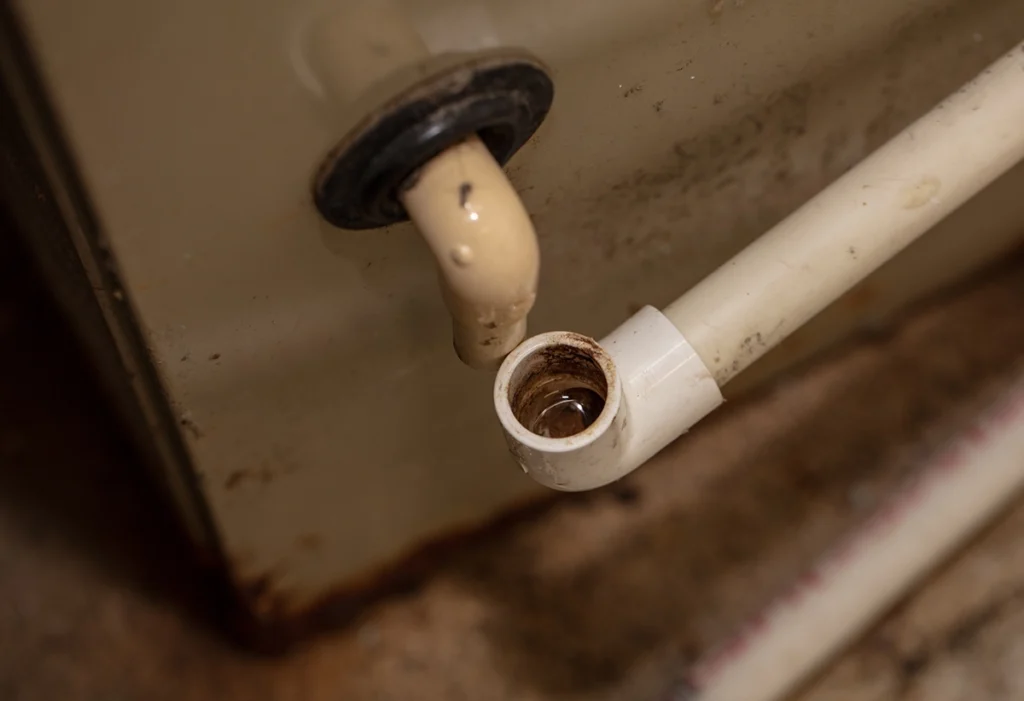

air handler condensate pan overflowing in henderson
Air Conditioning, Maintenance, Repair

Air Handler Condensate Pan Overflowing in Henderson

You walk past your HVAC closet and hear the unmistakable sound of water dripping where it shouldn’t be. Then you spot a puddle spreading across the floor near your air handler. If you’re dealing with an air handler condensate pan overflowing in Henderson, you’re facing one of the most common yet urgent AC issues homeowners call us about, especially during our long cooling season. That overflow isn’t just a nuisance. It’s your system’s way of signaling a drainage problem that can quickly lead to water damage, mold growth, and even a complete system shutdown if the float switch kicks in. We’ve helped countless Henderson families diagnose and resolve overflowing condensate pans before they turn into expensive secondary problems, and we’re here to walk you through what’s happening and what comes next. Why Your Air Handler Condensate Pan Is Overflowing Your air handler’s condensate pan catches the moisture that drips off the evaporator coil when warm indoor air is cooled. In normal operation, that water flows out through a drain line and away from your home. When you discover water pooling around your air handler or dripping through the ceiling in your Henderson home, the pan has filled beyond its capacity. This is a clear sign that something is blocking the natural drainage path. Drain lines and pans can become clogged with dirt, debris, algae, mold growth, and other buildup. During humid summer months, your system may remove a significant amount of moisture from the indoor air. Because of this, even a partial clog can quickly lead to overflow. Algae and biofilm, a slimy layer of microorganisms, can thrive in the dark, damp environment inside the drain line. Over time, that buildup can gradually narrow the passage until water backs up faster than it can escape. We also see clogs form at the P-trap, the curved section of pipe designed to help the condensate system drain properly. Other causes include a cracked or misaligned pan, a malfunctioning condensate pump, or improper slope in the drain line itself. When we respond to an air handler condensate pan overflowing in Henderson, our licensed technicians inspect the entire drainage system. We check the pan condition, line routing, and exit point so we can pinpoint the root cause and restore safe, reliable drainage before water damage spreads. Signs Your Condensate Pan in Henderson Is Overflowing Catching an overflowing condensate pan early can save you from expensive water damage and mold remediation. One of the most obvious signs is water pooling around the base of your indoor air handler, often in your attic, closet, or utility room. You might notice damp ceiling stains directly below the unit. In severe cases, you may even see drips coming through the drywall if the pan has been overflowing for a while. In humid Henderson summers, these symptoms can appear suddenly when your system runs continuously to keep up with cooling demand. Another red flag is a musty or moldy odor near your air handler or from your supply vents. Moisture and organic buildup inside a condensate drain line can encourage algae and biofilm growth. As that buildup accumulates, it can restrict drainage and cause water to back up into the pan. If your system shuts down unexpectedly on hot days, your float switch may have tripped. This safety device is designed to cut power when water reaches a dangerous level. When you notice any of these warning signs, contact C&R HVAC right away for a professional inspection before standing water causes structural damage. What Happens When a Condensate Pan Overflows When an air handler condensate pan overflows, water doesn’t simply evaporate or drain harmlessly away. It spreads across surfaces that were never designed to handle moisture. In Henderson’s humid climate, even a small, slow leak can quickly escalate into significant property damage. Water seeping from the pan typically finds its way to ceilings, walls, insulation, and flooring below the air handler. Drywall soaks up moisture like a sponge, leaving unsightly stains, soft spots, and eventual structural weakening. If your air handler sits in an attic or utility closet, you may not notice the problem until water drips through the ceiling into a living space or you spot discoloration spreading across a bedroom or hallway. Beyond the visible damage, standing water creates favorable conditions for mold and mildew growth. Mold can develop on damp building materials when moisture problems remain unresolved. Wood framing, insulation, drywall, and nearby surfaces can all be affected. According to the EPA’s information on mold and health, mold exposure can cause allergic reactions and irritation in some people and may trigger asthma symptoms in individuals with asthma. For that reason, addressing excess moisture quickly is important for both your home and its indoor air quality. Many modern air handlers are equipped with a float switch that detects rising water levels in the drain pan. This safety device automatically shuts down the system before serious overflow occurs. If your air conditioner suddenly stops cooling and you notice water pooling near the unit, the float switch may have activated because of a drainage problem. However, a system shutdown in the middle of a Henderson summer isn’t just uncomfortable—it’s urgent. When we respond to an air handler condensate pan overflowing in Henderson, we assess the extent of any water damage and identify the root cause of the blockage. Then, we restore safe operation as quickly as possible. Ignoring the problem or relying on temporary fixes can allow the underlying drainage issue to continue. Schedule Your Air Handler Repair in Henderson Today If you’ve noticed water pooling around your air handler or found yourself emptying the condensate pan more often than you’d like, you don’t have to manage this on your own. At C&R HVAC, we understand that an air handler condensate pan overflowing in Henderson isn’t just an inconvenience. It’s a sign that something in your cooling system needs professional attention before it leads to water damage, mold growth, or a complete system shutdown. When you reach out

Air conditioner not blowing cold air in Territory TX
Air Conditioning, Maintenance, Repair

Air Conditioner Not Blowing Cold Air in Territory, TX

Is your air conditioner not blowing cold air in Territory, TX? The most common cause is a dirty or clogged air filter restricting airflow. You can check this in less than a minute by opening your return vent and looking at the filter. If the filter looks dark, matted, or hasn’t been changed in over three months, that may be contributing to the problem. However, warm air can also point to refrigerant leaks, a failing compressor, frozen evaporator coils, or thermostat issues. These problems need a licensed technician to diagnose and repair safely. We’ve helped countless Territory homeowners get their cool air back, and we’re here to walk you through what to look for and when it’s time to call our team. Why Your AC Isn’t Blowing Cold Air in Territory, TX When your air conditioner runs but refuses to blow cold air, you’re facing more than an inconvenience. In Territory’s summer heat, it’s a safety concern. You might notice warm air coming from your vents or the system cycling on and off without ever reaching your thermostat setting. Your home may stay stuffy no matter how long the unit runs. These symptoms signal a failure somewhere in your cooling system that needs immediate attention. Some of the most common causes include a dirty air filter, incorrect thermostat settings, or a dirty outdoor condenser coil. While those might seem simple, they can mask deeper issues. Low refrigerant from a leak, a failing compressor, frozen evaporator coils, or problems with the blower motor can all cause warm air. Some of these develop gradually, while others fail without warning. What they all share is this: the longer your system runs without actually cooling, the harder it works and the more energy it wastes. You also face greater risk of a secondary failure that turns a manageable repair into a larger expense. We respond to these calls every day across Territory. Our licensed technicians know exactly where to look. If your air conditioner isn’t blowing cold air, call C&R HVAC right away. We’ll diagnose the root cause, explain your options clearly, and restore your comfort with workmanship you can trust. What to Look For Before You Call a Pro Before you reach out to us, there are a few safe observations you can make. These might help identify the issue or at least give our technicians a head start on diagnosing the problem. First, confirm your thermostat is set to “cool” and that the target temperature is below the current room temperature. A thermostat inadvertently switched to “fan only” will circulate air without actually cooling it. Next, inspect your air filter. A clogged filter restricts airflow over the evaporator coil, which can cause the coil to freeze and reduce cooling performance. This leaves your air conditioner not blowing cold air. ENERGY STAR recommends checking central air-conditioning filters regularly and notes that dirty filters can increase energy costs and put added strain on HVAC equipment. If the filter looks gray or matted, note its condition for our technician. Then, check your electrical panel for a tripped breaker. AC systems draw significant current, and a breaker trip can shut down the outdoor condenser entirely. Finally, step outside and look at the condenser unit. Note whether leaves, grass clippings, or debris are blocking the fins. Check if anything is obstructing airflow around the cabinet. You can also glance at the indoor air conditioner drain pan for standing water. A clogged condensate drain can cause water to back up and may trigger a float switch that shuts the system down. If you notice any of these warning signs, share them with our technician. It helps us diagnose the issue faster and get your system cooling again. Common Causes of Warm Air From Your AC When your air conditioner stops blowing cold air in Territory, TX, a few underlying issues are typically to blame. The most frequent culprit we see is a refrigerant leak. Refrigerant is the substance that absorbs heat from your indoor air and releases it outside. If a coil, line set, or connection develops even a tiny leak, your system gradually loses refrigerant. As a result, it can no longer cool effectively. You might notice the air gets progressively warmer over a few days or weeks. Ice may form on the evaporator coil as the remaining refrigerant struggles to maintain proper pressure. Frozen evaporator coils themselves can also block cooling, even when refrigerant levels are normal. Ice buildup usually stems from restricted airflow. A dirty air filter, closed supply vents, or a clogged return grille prevent enough air from moving across the coil. As the coil drops below freezing, condensation turns to ice. This insulates the coil and stops heat exchange. When we respond to a warm-air call, our technicians check both refrigerant charge and airflow right away, since the symptoms often overlap. Compressor failure is another serious cause. The compressor is the heart of your cooling system, pumping refrigerant through the cycle. If it overheats, seizes, or suffers electrical damage, the outdoor unit may still hum or run, but no actual cooling takes place. Electrical issues can also be the culprit. A failed internal component, contactor, or control board can prevent the compressor or outdoor fan from starting at all, leaving you with only warm air from the blower. Finally, severe airflow blockages mean the system cannot move enough air to distribute the cold even when everything else works correctly. Examples include problems with your HVAC ductwork, a failed blower motor, or a completely clogged filter. Our licensed technicians diagnose each of these conditions with calibrated gauges, specialized tools, and visual inspection. We pinpoint the exact failure and recommend the right repair. If you notice warm air and the safe observations—thermostat setting, filter condition, circuit breaker—don’t reveal an obvious cause, call us for a professional assessment. Get Your Cool Air Back Today When your air conditioner isn’t blowing cold air, every hour you wait can turn a manageable repair into a more complicated

Air conditioner outdoor unit fan not spinning in Van TX
Air Conditioning, Maintenance, Repair

Air Conditioner Outdoor Unit Fan Not Spinning in Van TX

If your air conditioner outdoor unit fan is not spinning in Van, TX, the first thing to check is whether the circuit breaker has tripped — it’s the most common cause and only takes a moment to verify at your electrical panel. A non-spinning fan can also point to a failed capacitor, a burned-out fan motor, or electrical issues that require a licensed technician to diagnose and repair safely. You’re making the right call by investigating quickly, because your compressor can overheat fast without airflow. We’ll walk you through what to check first, the most common causes we see, and when it’s time to have our team step in to get your system running again. Why Your Air Conditioner Outdoor Unit Fan Is Not Spinning in Van TX Your outdoor unit’s fan has one critical job. It pulls air across the condenser coil to release heat from your home. When the fan stops spinning, your air conditioner cannot complete the cooling cycle. The compressor may keep running while temperatures inside the unit rise. As a result, the system may shut down to protect itself. Continued operation can also put unnecessary strain on important components. Proper airflow around the outdoor unit is essential for efficient cooling. ENERGY STAR recommends cleaning condenser coils because dirty coils reduce cooling performance and make the system run longer. In Van’s summer heat, a motionless outdoor fan needs prompt attention. You may hear the outdoor unit humming while the fan blades remain still. The system may also cycle on and off without cooling your home properly. If the fan is not spinning, turn the system off at the thermostat. Then, contact our team for service. We can check the capacitor, fan motor, electrical connections, and other components to find the cause. Common Causes of a Non-Spinning Outdoor Fan When you discover your air conditioner outdoor unit fan not spinning in Van, TX, several common culprits are usually responsible. Understanding these likely causes helps you recognize the urgency of the situation and what our team will inspect during a service call. Failed Run Capacitor A failed run capacitor is a common cause of an outdoor fan that will not spin. This small electrical component helps the fan motor start and continue running. Capacitors can weaken over time, especially during periods of heavy AC use. When one fails, the outdoor unit may hum while the fan remains still. During a service call, we can safely test the capacitor and determine whether it needs replacement. We can also check the fan motor and other electrical components for additional problems. Electrical Issues Electrical issues beyond the capacitor can also stop the fan. A tripped breaker, blown fuse, or faulty contactor can interrupt power to the fan motor. Before you call, check your electrical panel for a tripped AC breaker. If you find one, reset it once. However, if it trips again, leave it off and call a licensed technician. When an air conditioner outdoor unit fan is not spinning in Van TX, electrical problems are one of the areas we check during diagnosis. Motor Failure and Obstructions The fan motor may also fail because of age, overheating, or worn bearings. A seized motor can keep the blades from turning even when the unit has power. Leaves, branches, or other debris can also jam the fan blades. You can visually inspect the unit for obvious blockages. However, never reach inside while the system has power. We can safely identify the cause and recommend the right repair. This keeps the same information but makes both sections feel much less chunky. What to Check When Your Air Conditioner Outdoor Unit Fan Is Not Spinning in Van TX Before you call us, a few simple checks can help you rule out easy fixes and provide useful information when you speak with our team. First, confirm your thermostat is set to “cool” and the temperature is lower than the current indoor reading. If it’s switched to “off” or “fan only,” your outdoor unit won’t run at all. Next, head to your electrical panel and look for a tripped breaker labeled for your air conditioner or outdoor unit — flip it fully off, then back on if you find one in the tripped position. Step outside and take a close look at the outdoor unit itself. Clear away any leaves, grass clippings, branches, or other debris that may have built up around or inside the fan housing. Even a small obstruction can prevent the fan blade from turning freely. While you’re there, glance at the condenser coils (the metal fins along the sides) — heavy dirt or vegetation pressing against them can signal restricted airflow, which sometimes causes the fan to fail. If the unit looks clear and the breaker is fine, it’s time to contact us so we can diagnose the electrical or mechanical issue keeping your outdoor fan from spinning. Get Help When Your Air Conditioner Outdoor Unit Fan Is Not Spinning in Van TX You now know the warning signs of an outdoor fan issue. You may also hear the compressor humming while the fan blades stay still. That usually means the system needs professional attention. Call our team so we can inspect the unit and recommend the right repair. We serve homeowners throughout Van, TX, and we’ve diagnosed and repaired every type of outdoor fan failure — from capacitor issues to motor replacements that restore full airflow in a single visit. When you contact us, we’ll ask a few quick questions about what you’re observing, schedule a convenient time for an in-person inspection, and arrive with the diagnostic tools and genuine replacement parts needed to get your system back online. We stand behind our work with a workmanship warranty, so you can trust that the repair is done right the first time. Don’t let a non-spinning fan turn into a failed compressor or a sweltering house. Whether you need expert guidance on an unusual noise, a full system diagnosis, or emergency

HVAC technician inspecting air handler ductwork leaking cool air in Owentown
Air Conditioning, Ductwork, HVAC Systems, Repair

Air Handler Ductwork Leaking Cool Air in Owentown: Fixes

If you are dealing with air handler ductwork leaking cool air in Owentown, the problem can quickly affect comfort throughout your home. Cool air should move from the air handler into the supply ducts and then into each room. However, loose connections, damaged seams, or deteriorated duct materials can let conditioned air escape before it reaches your vents. As a result, your AC may run longer while some rooms still feel warm. At C&R Services, we help East Texas homeowners find these hidden airflow problems and determine the right repair. A duct leak near the air handler can be easy to miss. After all, much of the duct system may sit in an attic, closet, or other hidden area. Still, the symptoms often appear inside the home. You may notice weak airflow, uneven temperatures, or higher cooling costs. Therefore, recognizing the signs early can help you avoid wasting cooled air. What Does Air Handler Ductwork Leaking Cool Air in Owentown Mean? Your air handler moves conditioned air through the duct system. The supply plenum then helps distribute that air into the connected ducts. If you want a closer look at this component, this article to plenum HVAC systems explains how the plenum supports airflow. When a connection near the air handler separates, cool air can spill into the surrounding space. Likewise, gaps in seams can release air while the blower is running. Flexible ducts can also tear or pull loose from collars. Because the leak occurs before air reaches the rooms, the system may still appear to operate normally. However, less cooled air reaches the living space. Consequently, the thermostat may take longer to reach its setting. Common Signs of Air Handler Ductwork Leaking Cool Air in Owentown Leaking ductwork does not always create an obvious breakdown. Instead, it often causes a collection of smaller comfort problems. Common warning signs include: Weak airflow from one or more supply vents Rooms that stay warmer than the rest of the home Longer air-conditioning cycles Whistling or rushing sounds near duct connections Noticeable cool air around the air handler Higher energy use without a major thermostat change Dust collecting around damaged duct seams For example, a bedroom may suddenly stay warmer even though nearby rooms feel comfortable. In that case, the issue may be related to damaged ductwork serving that space. This article on why one room feels hotter than others explains several other airflow causes. Additionally, weak supply airflow can sometimes look like an equipment problem. If your AC is running but not cooling, duct leakage is one possible issue to investigate. Why Ductwork Starts Leaking Near the Air Handler Several conditions can cause duct connections to loosen or deteriorate over time. First, normal system vibration can place stress on joints near the air handler. Eventually, poorly secured connections may develop gaps. Heat and humidity can also affect duct materials. In East Texas, ducts located in hot attic spaces face demanding conditions. Therefore, aging sealants or insulation may deteriorate faster in these areas. Installation problems can create leaks as well. For instance, a duct may not be fully secured to a collar or plenum connection. Similarly, unsupported flexible duct can sag and pull against fittings. Physical damage is another possibility. Home repairs, stored items, pests, or attic work can damage accessible ducts. Meanwhile, older duct systems may simply develop cracks, loose seams, or failing insulation. For a broader overview, our HVAC ductwork guide explains common duct materials, problems, and repair considerations. How Air Handler Ductwork Leaking Cool Air in Owentown Affects Comfort A leak does more than release a little cold air. Instead, it changes how effectively the entire air-distribution system works. When cooled air escapes into an attic or another unconditioned space, less air reaches your rooms. Therefore, some areas may remain uncomfortable even during long cooling cycles. The thermostat can also keep calling for cooling. As a result, the system may operate longer to compensate for the lost air. ENERGY STAR reports that leaky ducts can reduce heating and cooling efficiency by as much as 20 percent. Duct leakage can also affect pressure throughout the system. For example, leaks on the supply side may reduce airflow at distant registers. Meanwhile, return-side problems can pull unwanted air into the system. Proper return airflow matters too. This article to the return air vent explains how the return side supports balanced circulation. Additionally, the U.S. Environmental Protection Agency recommends tightly sealing duct seams and joints to reduce air leakage. The EPA notes that duct leakage can contribute to energy loss and unwanted airflow. What You Can Check Before Calling a Technician If you notice air handler ductwork leaking cool air in Owentown, you can perform a few basic checks before scheduling service. First, make sure all supply vents are open and unobstructed. Furniture, rugs, or curtains can restrict airflow and mimic a duct problem. Next, check your air filter. A heavily clogged filter can reduce airflow throughout the system. Therefore, replace it if it is dirty and your system uses a homeowner-serviceable filter. You can also listen near accessible duct connections. Whistling, hissing, or rushing air may suggest a gap. However, avoid climbing through unsafe attic spaces or removing air-handler panels. If you can safely see accessible ductwork, look for disconnected sections or damaged insulation. Still, visual checks cannot locate every leak. Many openings occur on hidden seams or behind insulation. It is also important to distinguish duct leakage from an evaporator problem. The air conditioner evaporator coil removes heat from the air before it enters the supply system. Therefore, a coil issue can also cause poor cooling. How Professionals Find and Repair Duct Leaks When diagnosing air handler ductwork leaking cool air in Owentown, professionals look at the complete airflow path. A technician may inspect the air handler, plenum, supply ducts, returns, registers, and accessible connections. Next, airflow or pressure testing may help identify losses that are not visible. This allows the technician to separate duct problems from blower, coil, or

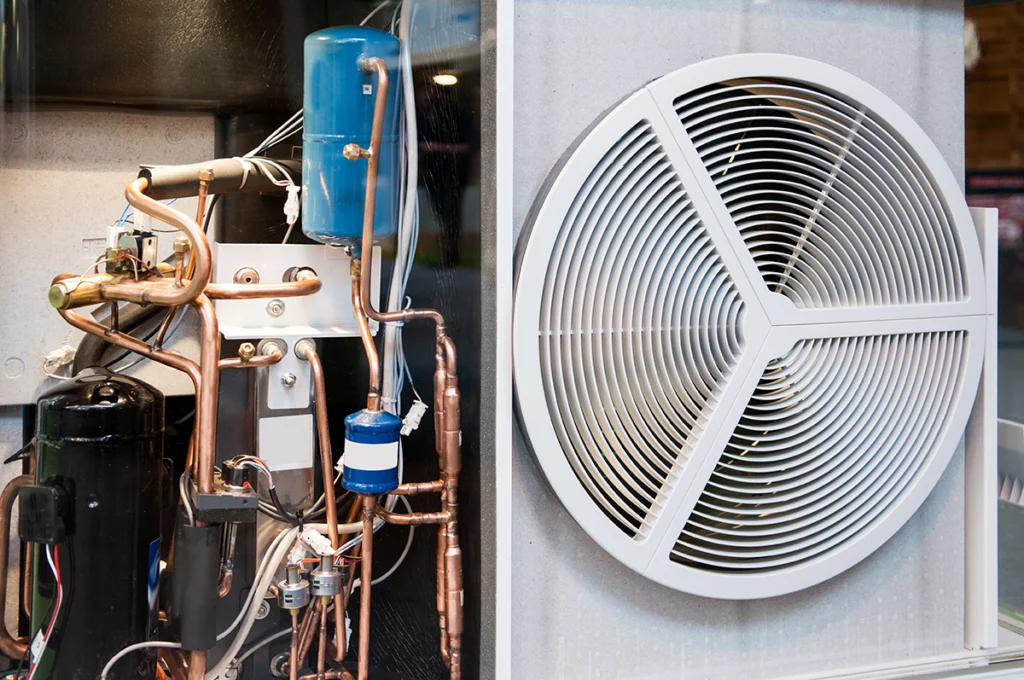
Interior view of a heat pump unit with visible refrigerant lines, compressor, and fan assembly.
Heat Pumps, Maintenance, Repair

Heat Pump Coffee City: Service & Repair Guide

Many Coffee City homeowners think a heat pump is just another name for a central air conditioner, but that’s not quite right. While both systems move heat, a heat pump does something your AC can’t — it reverses the process to heat your home in winter without burning fuel. Because our East Texas climate stays mild most of the year, heat pumps are actually one of the most efficient ways to keep your home comfortable through both the warm summers and cooler months. We’ve served families throughout Coffee City for years, and we’ve seen firsthand how well these systems perform when they’re properly maintained. That said, heat pumps do require care and occasional professional attention to keep running smoothly, especially as they work year-round instead of sitting idle half the year like a traditional furnace. Heat Pump Coffee City: An Overview Coffee City homeowners rely on heat pumps year-round for a simple reason: our East Texas climate demands both reliable cooling through long, humid summers and dependable heating when winter cold fronts arrive. A heat pump does both jobs in a single system. It reverses its refrigerant flow to pull heat out of your home during summer and draw warmth from outside air into your living spaces when temperatures drop. When your heat pump runs smoothly, you enjoy consistent comfort and efficient energy use. When it doesn’t, you feel the difference immediately—whether that means a bedroom that won’t cool down in July or a living room that stays chilly in January. We service heat pumps throughout Coffee City and the surrounding Tyler area. We’ve seen firsthand how these systems keep families comfortable through every season. According to the Air-Conditioning, Heating, and Refrigeration Institute, the national minimum efficiency standards for residential heat pumps are 14.3 SEER2 for cooling efficiency and 7.5 HSPF2 for heating performance. Whether you’re troubleshooting unusual sounds, noticing higher utility bills, or dealing with uneven temperatures across rooms, our licensed team can diagnose the root cause and restore your system’s performance. We stand behind every repair with a workmanship warranty, and we offer flexible financing options to help you address issues before they turn into emergencies. Why Heat Pumps Are Popular in Coffee City Coffee City’s East Texas climate makes heat pumps a smart choice for year-round comfort. Your home needs reliable cooling through long, humid summers when temperatures regularly push into the mid-90s, plus efficient heating during mild-to-moderate winters. Heat pumps handle both jobs in one system. They move heat rather than generating it, which typically uses less energy than traditional furnace-and-AC combinations. That dual-season efficiency is especially valuable here, where you’ll run your system nearly every month of the year. When we install or service a heat pump in Coffee City, we see how well these systems adapt to local conditions. The reversing valve lets the same equipment cool your home in July and warm it in January without burning fuel or using resistance coils. For homes with specific comfort needs in different rooms—like a bonus room over the garage or a primary suite addition—variable refrigerant flow systems provide precise zone control and adapt to changing load conditions while maintaining energy efficiency. Our licensed technicians can evaluate whether a standard split system or a more advanced setup fits your floor plan and usage patterns. We also hear from homeowners who appreciate lower utility bills and quieter operation compared to older systems. If you’re considering a heat pump for your Coffee City home or need an expert assessment of your current system’s performance, we’re here to help with professional installation, diagnostics, and repair backed by our workmanship warranty. Common Heat Pump Issues We See When we service heat pumps in Coffee City, a few problems show up more often than others. One of the most common is a system that won’t switch between heating and cooling modes. This usually points to a stuck or failed reversing valve—the component that changes refrigerant flow direction to provide either warm or cool air. You might notice the unit runs constantly but never reaches the temperature you’ve set, or it blows lukewarm air in both modes. We also frequently respond to calls about short cycling, where the heat pump turns on and off every few minutes instead of completing a full cycle. This can stem from refrigerant leaks, dirty coils, a failing compressor, or even an oversized system for your home. Short cycling not only wastes energy but also puts extra wear on critical components. In fact, it shortens the system’s lifespan significantly. If your heat pump Coffee City system exhibits short cycling behavior, our team will check refrigerant levels and airflow restrictions to identify the underlying cause. Ice buildup on the outdoor unit during winter operation is another issue homeowners report. A thin layer of frost is normal during defrost cycles, but heavy ice that doesn’t melt signals a problem. This often means low refrigerant levels, a malfunctioning defrost control, or restricted airflow. If you notice any of these warning signs, give us a call so our licensed technicians can diagnose the root cause and restore reliable comfort. When to Call for Professional Service Some heat pump issues announce themselves clearly and demand immediate professional attention. If your system in Coffee City is blowing warm air during cooling mode, producing grinding or screeching noises, or cycling on and off every few minutes, it’s time to call us. The same applies when you see visible ice buildup on the outdoor coil during summer operation. Unusual smells—especially burning odors or a persistent musty scent—signal potential electrical problems or mold growth inside the unit that require expert diagnosis. Don’t wait if you notice a significant spike in your energy bills without explanation. Water pooling around the indoor or outdoor unit also demands attention, as do refrigerant lines covered in frost when they should be cool and dry. These symptoms often point to refrigerant leaks, compressor strain, or drainage blockages that worsen rapidly when ignored. Our licensed technicians will assess refrigerant charge levels,

Homeowner sitting beside a fan in a warm room while dealing with an AC not blowing cold air.
Air Conditioning, Maintenance, Repair

AC Not Blowing Cold Air: Common Causes and When to Call for Help

Many homeowners assume their AC not blowing cold air means the compressor has failed or refrigerant is leaking, but in fact, the most common culprit is something much simpler — a clogged air filter restricting airflow. Before you worry about major repairs, check your filter; if it’s thick with dust, replacing it may restore your cool air in minutes. That said, several other issues can keep your system from cooling properly, and some do require a licensed technician to diagnose and repair safely. We’ve seen everything from frozen evaporator coils to failed capacitors, and while a few causes have simple explanations, others involve refrigerant, electrical components, or mechanical failures that only a professional should handle. Why Your AC Isn’t Blowing Cold Air When your air conditioner runs but doesn’t deliver cool air during Tyler’s hottest months, several common issues may be at work. One frequent culprit is a refrigerant leak—low refrigerant means your system can’t absorb enough heat from your home, leaving you with lukewarm air at the vents. Another is a frozen evaporator coil, which can happen when airflow drops due to a dirty filter or blocked return vents. Blocked condensate drain lines can trigger safety switches to shut down indoor units when water levels rise, cutting off cooling even though the fan keeps running. Electrical problems—like a failed capacitor or contactor—can also prevent your compressor from starting, so you’ll feel air movement without any temperature drop. Finally, a malfunctioning thermostat may signal your system incorrectly, keeping it from entering cooling mode at all. Because these causes range from simple filter swaps to refrigerant-circuit diagnostics that require specialized gauges and EPA certification, we recommend a licensed technician inspect your system. We use calibrated tools to pinpoint whether you’re dealing with airflow, refrigerant, electrical, or control issues—and we’ll walk you through the findings before any work begins. Quick Checks Before You Call Before you reach out to our team, a few quick checks can help you understand what’s happening—and give us helpful information when you do call. First, confirm your thermostat is set to “cool” and the temperature setting is lower than the current room temperature. Next, check your air filter. ENERGY STAR recommends checking your air filter every month during heavy-use seasons and replacing it when it looks dirty. A clogged filter restricts airflow and can cause the evaporator coil to freeze, preventing the system from cooling effectively. If your filter is visibly clogged with dust and debris, replacing it may improve airflow. However, if the system still isn’t cooling, a technician should inspect it for frozen coils, refrigerant problems, or other underlying issues. If your system isn’t responding at all, look at your electrical panel to see if a breaker has tripped. Step outside and take a look at your outdoor unit. Clear away any leaves, grass clippings, or debris blocking the fins, and check for visible ice buildup on the refrigerant lines. If you spot ice, turn the system off to prevent compressor damage. These simple checks won’t fix the underlying issue, but they help us diagnose faster—and sometimes reveal a quick adjustment that gets you comfortable again. When you’re ready, we’re here to inspect, diagnose, and restore your cooling. Common Causes of AC Not Blowing Cold Air When your AC runs but doesn’t deliver cold air, the culprit usually falls into one of four categories. Understanding each cause helps you describe symptoms to our technicians and sets realistic expectations for what the repair will involve. Low refrigerant is one of the most frequent issues. If your system is losing refrigerant through a slow leak, the evaporator coil can’t absorb enough heat from your indoor air. You might notice ice forming on the copper lines near the outdoor unit or hear a hissing sound. A certified technician will use electronic leak detectors and pressure gauges to pinpoint the source, repair the leak, and recharge the system to the manufacturer’s specification—work that requires EPA 608 certification. Dirty evaporator or condenser coils act like an insulating blanket, blocking heat transfer. Dust and grime on the indoor coil prevent it from absorbing warmth, while a clogged outdoor coil can’t release heat to the outside air. During a maintenance visit, we clean both coils and check airflow across each surface. Compressor problems stop refrigerant circulation altogether. If the compressor (the pump that moves refrigerant through the system) fails or struggles to start, warm air is all you’ll get. Signs include a humming outdoor unit that won’t kick into full operation or a breaker that trips repeatedly. Airflow blockages—from a clogged filter, closed supply vents, or a failing blower motor—mean cold air never reaches your living spaces, even if the coil is producing it. If you’ve checked your filter and vents, we’ll inspect the blower assembly, ductwork, and return pathways to restore proper circulation. Call C&R HVAC so a licensed technician can diagnose the exact cause and get your system cooling again. When to Call a Licensed HVAC Technician If your air conditioner isn’t blowing cold air and a quick check of your thermostat, filter, and breaker doesn’t restore cooling, it’s time to call a licensed HVAC technician. Refrigerant leaks, compressor failure, frozen evaporator coils, and electrical faults all require specialized tools and training to diagnose safely. Continuing to run a struggling system can turn a straightforward repair into a costly component replacement. When you contact C&R HVAC, our licensed team arrives with diagnostic equipment to measure refrigerant levels, test electrical components, and inspect the entire system for failures. We’ll explain what we find, discuss your options, and provide a detailed estimate before starting any work. We also offer financing and payment plans to help manage unexpected repairs. Don’t wait until a hot Texas summer day puts your family’s comfort at risk—reach out as soon as you notice warm air from your vents. Get Your Cool Air Back Fast When your air conditioner isn’t blowing cold air, every hour you wait means higher indoor temperatures, rising humidity, and harder-working equipment that’s

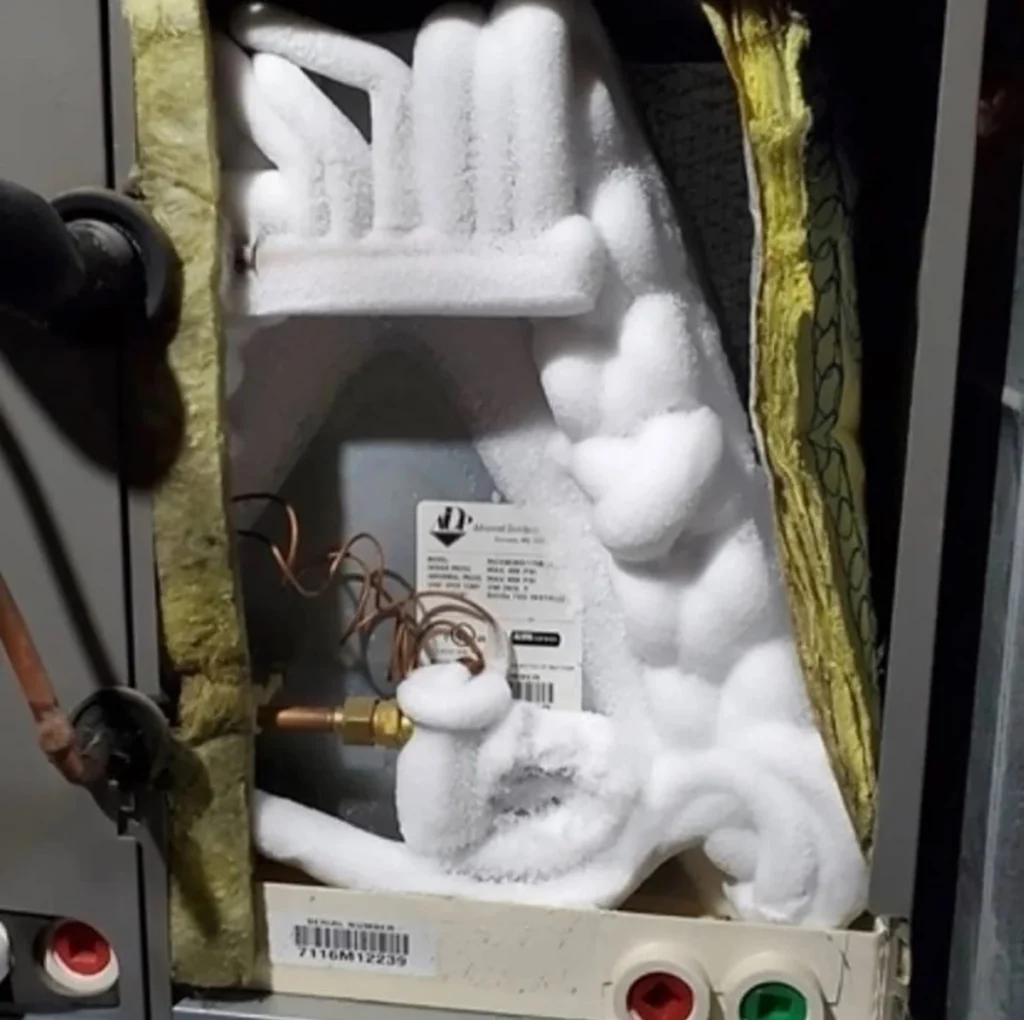
Close-up of ice buildup on indoor HVAC components and refrigerant lines inside an air handler or evaporator coil compartment. Best for blogs about frozen AC coils, evaporator coil freezing, AC not cooling, airflow problems, refrigerant issues, frozen HVAC unit troubleshooting.
Air Conditioning, Maintenance, Repair

Air Conditioner Evaporator Freezing: Causes & Solutions

When your air conditioner evaporator freezing happens, many homeowners assume the outdoor unit is the culprit. In reality, the ice is forming inside your home on the evaporator coil, often hidden from view. That frozen coil doesn’t mean your system is working overtime to cool your space. Instead, it signals that something is preventing normal heat absorption, which causes moisture to freeze right where it should be evaporating. We’ve responded to countless calls where families thought a frozen coil would fix itself once the weather changed, only to discover deeper issues with airflow or refrigerant levels. Understanding why this freezing occurs — and recognizing the early warning signs — can help you act quickly before minor problems turn into costly damage or a complete system breakdown during the hottest months. What Causes an Air Conditioner Evaporator to Freeze? When your air conditioner’s evaporator coil becomes encased in ice, it’s not a random occurrence. It’s a symptom of disrupted refrigeration balance. At C&R HVAC, we help Tyler homeowners understand that a frozen evaporator almost always traces back to one of three core problems: restricted airflow, low refrigerant levels, or mechanical failures that prevent proper heat exchange. Restricted airflow is the most common culprit we diagnose. When your system can’t pull enough warm air across the evaporator coil—often due to clogged filters, closed supply vents, or blower motor issues—the coil temperature drops below freezing. Low refrigerant caused by leaks creates a similar effect, causing the remaining refrigerant to absorb too much heat and plummet in temperature. Mechanical problems like expansion valve or faulty thermostat can also trigger freezing by disrupting the precise refrigerant flow your system needs. Running your AC with a frozen evaporator coil can cause irreparable damage to the condenser unit and compressor. Our licensed technicians can identify the root cause through systematic diagnosis. We check airflow measurements, refrigerant pressures, and component performance to prevent costly secondary damage and restore safe operation. Warning Signs Your Evaporator Coil Is Freezing Catching a frozen evaporator coil early can save you from expensive compressor damage and days without cooling. One of the most obvious signs is visible ice or frost buildup on the refrigerant lines running to your outdoor unit or around the indoor air handler. You might also notice weak airflow from your vents. Even though the system is running, the air feels barely cool or room temperature. Many homeowners hear unusual hissing or bubbling sounds as refrigerant struggles to move through frozen coils. Another critical warning is water pooling around your indoor unit or dripping from the air handler cabinet. As ice melts during off-cycles, drain pan can overflow, leading to water damage in your Tyler home. Your thermostat may also cycle on and off more frequently than normal, unable to reach the set temperature. A frozen AC will not fix itself, and refrigerant leaks or low levels require immediate professional diagnosis. If you notice any combination of these symptoms, turn off your system to prevent further damage. Then contact our licensed team at C&R HVAC right away for a thorough inspection and expert repair. How Restricted Airflow Leads to Freezing When warm air can’t flow freely across your evaporator coil, the refrigerant inside drops to dangerously low temperatures and ice begins to form. This is one of the most common causes of air conditioner evaporator freezing we see in Tyler homes. Your system relies on a steady stream of warm air passing over the coil to absorb heat properly. When that airflow is restricted—often by a clogged filter, closed supply vents, or obstructed return grilles—the coil stays too cold for too long. Because of this, condensation freezes into a solid layer of ice. We’ve found that many homeowners don’t realize a dirty filter alone can trigger this problem. As the filter becomes saturated with dust and debris, less air reaches the coil, and the temperature imbalance worsens. Blocked furniture, curtains over vents, or even collapsed ductwork can have the same effect. Our licensed technicians inspect the entire airflow path during diagnosis. We check filters and registers, along with blower motors and duct systems, to pinpoint exactly where the restriction is occurring. That way, we can restore safe, efficient operation before compressor damage sets in. The Role of Refrigerant in Evaporator Freezing Refrigerant is the lifeblood of your air conditioning system. It absorbs heat from your home’s air as it passes through the evaporator coil. When refrigerant levels drop below the manufacturer’s specifications—typically due to a leak somewhere in the system—the entire cooling cycle becomes disrupted. With insufficient refrigerant, the pressure inside the evaporator coil falls dramatically. This causes the remaining refrigerant to become extremely cold, far colder than the coil is designed to handle. Because of this excessive temperature drop, moisture in the air freezes instantly on contact with the coil surface. Many homeowners assume low refrigerant is simply a matter of “topping off” the system, but that’s a dangerous misconception. Refrigerant doesn’t get used up like fuel. If levels are low, there’s a leak that needs professional attention. Our licensed technicians use specialized diagnostic equipment to locate leaks, measure refrigerant charge accurately, and repair the system to factory specifications. Ignoring a refrigerant leak not only keeps your evaporator freezing, but it can also cause compressor damage that leads to far more expensive repairs down the road. How We Diagnose Air Conditioner Evaporator Freezing When you contact C&R HVAC about a frozen evaporator coil, our licensed technicians begin with a full system evaluation to pinpoint the exact cause. We start by checking airflow across the coil. This means measuring static pressure, inspecting the filter for blockages, and examining supply and return vents to ensure nothing restricts circulation. ENERGY STAR recommends cleaning evaporator coils, checking refrigerant levels, and adjusting blower components as part of proper cooling-system maintenance. Therefore, we test the refrigerant charge using precision gauges to determine whether the system is undercharged. Low refrigerant pressure can cause the evaporator coil temperature to fall below freezing. Our team also inspects

ac blows warm
Air Conditioning, Maintenance, Repair

Why Your AC Blows Warm Air & How to Fix It Fast

If your AC blows warm air instead of the cool relief you’re counting on, it’s natural to feel concerned — especially during the heat of a Tyler summer. You’re not overreacting, and you’re asking exactly the right question. Warm air from your vents usually points to an underlying issue with your cooling system. Some causes are straightforward, while others require trained eyes to diagnose safely and correctly. We’ve helped countless homeowners troubleshoot this frustrating problem. We’re here to walk you through what might be happening, what warning signs to watch for, and when it’s time to call our licensed team for a thorough inspection and repair. Why Your AC Is Blowing Warm Air When temperatures climb into the 90s here in Tyler, TX, the last thing you want is warm air coming through your vents. This frustrating problem can turn your home from a comfortable retreat into an uncomfortably warm space fast. During our intense summer months, your air conditioner works overtime, so any issue becomes noticeable immediately. Several underlying issues can cause your AC to blow warm air instead of cold. One of the most common culprits is low refrigerant. ENERGY STAR explains in its heating and cooling maintenance checklist that too much or too little refrigerant can make a central air conditioner less efficient and reduce equipment life. Other causes include frozen evaporator coils, a malfunctioning compressor, blocked condensate drains, or even issues with your thermostat settings. Electrical failures, dirty filters restricting airflow, and outdoor unit problems can also keep your system from cooling properly. Because these issues range from simple to complex, a certified technician should diagnose the exact cause. We inspect every component of your cooling system to identify why your AC is blowing warm air. Then we recommend the safest, most effective repair solution to restore your comfort quickly. Common Causes When AC Blows Warm Air When your system suddenly starts delivering warm air instead of cool comfort, several underlying issues could be at fault. For instance, a dirty air filter restricts airflow and forces the system to work harder. This can trigger warm air as a protective mechanism. Beyond filtration issues, refrigerant leaks are a frequent culprit. When refrigerant levels drop, your system simply can’t absorb and transfer heat effectively. We also regularly encounter failed compressors. These prevent the refrigeration cycle from running at all, leaving only your fan circulating unconditioned air through your Tyler home. Electrical problems rank high on our diagnostic list as well. A tripped breaker, blown fuse, or faulty component can disable your outdoor condenser unit while the indoor blower continues running. Frozen evaporator coils—often caused by restricted airflow or low refrigerant—block heat exchange. This results in warm air delivery. Thermostat malfunctions can send incorrect signals to your equipment, and ductwork leaks allow cooled air to escape before it ever reaches your living spaces. Our licensed technicians use specialized tools and testing protocols to pinpoint the exact cause. After all, accurate diagnosis is the foundation of lasting repair. Warning Signs Beyond Warm Air When your AC blows warm air, it rarely happens in isolation. We often find that homeowners notice several red flags appearing together. Each one points to the severity of the underlying problem. If you’re hearing unusual sounds—grinding, squealing, or hissing—from your outdoor unit, that’s a strong indicator of compressor stress or refrigerant issues. Visible ice buildup on the refrigerant lines or evaporator coil means your system is struggling with airflow or pressure balance. Both of these directly impact cooling performance. Pay attention to moisture or pooling water around your indoor air handler. This can signal a clogged condensate drain or, worse, a refrigerant leak. In particular, damage to suction lines hinders refrigerant circulation. This reduces cooling capacity and causes warm air output. You might also notice higher-than-normal energy bills even though your home never reaches a comfortable temperature. Such a pattern is a clear sign your system is working overtime without delivering results. Our licensed technicians can inspect all these symptoms during a comprehensive diagnostic visit. We’ll check refrigerant levels, examine electrical connections, and test compressor function. Then we identify whether a repair or system replacement makes the most sense for your Tyler home. If you’re seeing multiple warning signs, contact us before a manageable repair becomes a costly emergency. What We’ll Check During Your Service Call When you call us because your AC blows warm air, our licensed technicians follow a systematic diagnostic process. This approach helps us pinpoint the exact cause. We begin by checking your thermostat settings and calibration to rule out simple configuration issues. Next, we inspect your air filter and airflow throughout the system. Restricted airflow can trigger warm air problems even when other components are functioning. Our team then moves to the outdoor unit to assess refrigerant levels using precision gauges. Low refrigerant always indicates a leak somewhere in the system. So we use specialized detection equipment to locate the source. The EPA’s Section 608 Technician Certification Requirements explain that technicians who service equipment that could release refrigerants must be certified. We also test the compressor and electrical components to ensure the outdoor unit is receiving power and engaging properly. Electrical issues often show up as tripped breakers, blown fuses, or failing components that prevent the compressor from running. Finally, we examine the evaporator coil for ice buildup or damage. We also verify that all safety controls are operating correctly. This comprehensive inspection allows us to give you an accurate diagnosis and repair estimate. If you’re experiencing warm air from your vents, our AC repair services can restore your comfort quickly. When to Call for AC Repair If your AC blows warm air, don’t wait for a full system breakdown to take action. While you might be tempted to see if the problem resolves itself, refrigerant leaks worsen over time. Electrical issues can cause component failure, and a struggling compressor draws excessive power that inflates your energy bills. The longer you delay, the more likely a simple repair becomes a

emergency heat pump athens
Heat Pumps, Repair

Emergency Heat Pump Athens: Fast Service When You Need It

When we get a call about an emergency heat pump in Athens, it’s rarely during regular business hours — that’s just the nature of HVAC failures. We’ve seen it all: systems that stop heating during an unexpected cold snap, heat pumps stuck in defrost mode that leave a business without climate control, and compressors that fail just when you need them most. Because heat pumps handle both heating and cooling, a breakdown doesn’t just make your space uncomfortable. It can disrupt operations, affect employee productivity, and even put temperature-sensitive equipment at risk. That’s why understanding what qualifies as a true heat pump crisis matters. Knowing what causes these urgent breakdowns and who to call when yours fails can help you respond quickly and protect your investment. When Your Commercial Heat Pump Fails in Athens A heat pump failure in your Athens, TX commercial building doesn’t just mean uncomfortable employees or customers. It threatens your daily operations and bottom line. When temperatures drop and your system stops delivering heat, the clock starts ticking on lost productivity, potential tenant complaints, and even the safety of temperature-sensitive inventory or equipment. We understand that every hour without climate control can impact your business reputation and revenue. Commercial heat pump failures rarely happen without warning signs. You might notice weak airflow from registers, ice buildup on the outdoor unit, or unusual cycling patterns days or even weeks before total system shutdown. Low refrigerant levels are a leading cause of heat pump heating failures. According to the EPA, EPA Section 608 Technician Certification requirements apply to technicians who service equipment that could release regulated refrigerants. Other common culprits include failed reversing valves, compressor problems, or control board malfunctions. All these issues require professional diagnosis with specialized tools. When your commercial heat pump stops working, we can dispatch a technician to perform a complete system assessment. We’ll identify the root cause and explain your options clearly. Then we’ll restore your building’s comfort so you can get back to business. Don’t let a failing heat pump disrupt your operations. Call us for a professional inspection. Signs You Need Emergency Heat Pump Service Certain heat pump symptoms signal problems that shouldn’t wait until morning. If your system is blowing cold air when set to heat during a Tyler winter night, or if you hear grinding, squealing, or metal-on-metal sounds coming from the outdoor unit, your heat pump needs immediate attention from a trained professional. We’ve responded to countless calls where ignoring these warning signs led to complete system failure and much costlier repairs. Watch for unusual odors. Burning smells can indicate electrical problems or overheating components, while musty odors may point to biological growth in the system. Ice buildup covering more than half your outdoor coil, constantly tripping circuit breakers, and visible sparks or smoke are critical red flags. These signs require you to shut down your system immediately and contact us. If your thermostat shows your heat pump running but no air moves through your vents, or if rooms have wild temperature swings of 10+ degrees, the underlying cause could be serious. A refrigerant leak, compressor failure, or control board malfunction may be to blame. All these issues need diagnosis by a certified technician with specialized equipment. When you notice these symptoms, we can dispatch a technician to inspect your system. We’ll identify the root cause and restore safe, reliable heating to your home. For businesses requiring emergency heat pump Athens service, we understand the urgency of restoring climate control to keep operations running smoothly and prevent disruption to your employees and customers. Common Causes of Heat Pump Emergencies Understanding what triggers urgent heat pump failures helps facility managers and property owners recognize warning signs before a small issue becomes a costly emergency. We’ve responded to countless commercial heat pump calls across Texas. Certain patterns emerge consistently in buildings that experience sudden system failures. Refrigerant leaks top the list of critical failures we diagnose. When refrigerant lines corrode or connections loosen over time, your heat pump loses its ability to transfer heat effectively. You’ll notice reduced heating capacity, ice buildup on outdoor coils, and dramatic spikes in operating costs. All these signs mean immediate professional inspection is needed. Addressing refrigerant issues promptly with emergency heat pump Athens service prevents more extensive damage and reduces the risk of complete system failure during peak usage periods. Electrical component failures rank second, particularly in commercial systems that run continuously. Compressor contactors and control boards can fail suddenly. This leaves your building without climate control during the coldest stretches. We also frequently diagnose reversing valve failures that trap the system in one mode. Plus, blocked or frozen outdoor coils can force the compressor to work dangerously hard. We use specialized diagnostic equipment to pinpoint the root cause quickly. When you contact us for urgent heat pump concerns, we’ll assess refrigerant pressures, electrical draws, airflow patterns, and control sequences. This helps us identify exactly what’s compromising your system’s operation. What Our Emergency Heat Pump Athens Team Does When you reach out to us for urgent heat pump problems in Tyler, TX, we arrive prepared to diagnose the root cause quickly and recommend the right solution. We start by listening to what you’ve noticed. Strange sounds, lack of heating or cooling, system cycling issues, or complete shutdowns all provide valuable clues. Then we perform a thorough inspection of your equipment. We check refrigerant levels, electrical connections, compressor function, reversing valves, and control boards to pinpoint exactly what’s failing. For commercial properties, we understand that downtime means more than discomfort. It can disrupt operations and affect your customers or employees. That’s why we work efficiently to restore your system’s function while ensuring safety and code compliance. We’ll explain what we find in plain terms and outline your options. Our team prioritizes repairs that get your business back to normal temperature control as quickly as possible. Whether it’s electrical issues, a refrigerant leak, or a malfunctioning defrost cycle, we have the training and tools to

Scroll to Top