
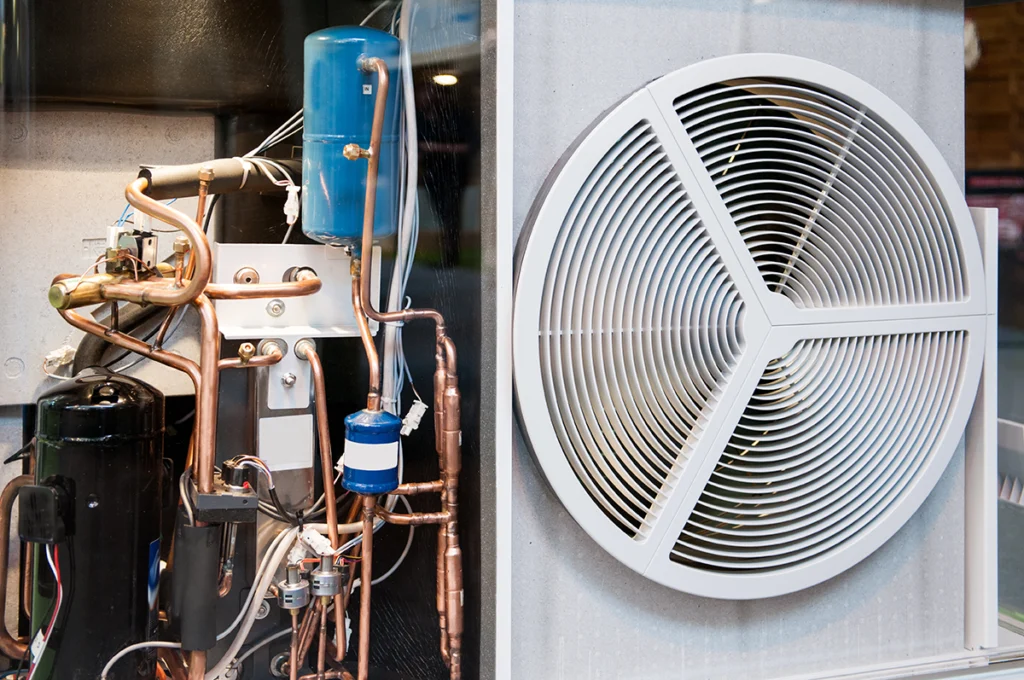
Air Conditioner Compressor Repair: 7 Warning Signs
When your AC stops keeping up, the compressor is one component that may be responsible. However, compressor problems can look similar to electrical, airflow, and refrigerant issues. At C&R HVAC, we recommend professional diagnosis before assuming the compressor has failed. If air conditioner compressor repair is needed, catching the problem early may help prevent additional system damage. For homeowners in Tyler and East Texas, knowing the warning signs can also help you decide when to call for service. What Does an AC Compressor Do? The compressor is located in the outdoor portion of many central air conditioning systems. Its job is essential to the refrigeration cycle. It compresses refrigerant and helps move it through the system so heat can be transferred outdoors. Because the compressor works with refrigerant, electrical components, and the condenser, several other problems can mimic compressor failure. That is why testing matters before any major repair is recommended. 7 Warning Signs You May Need Air Conditioner Compressor Repair A compressor does not always fail without warning. In many cases, changes in cooling performance, sound, or electrical operation appear first. Still, these symptoms do not automatically confirm a bad compressor. We look at the entire system before determining the cause. 1. Your AC Is Blowing Warm Air Warm air is one of the most noticeable signs something is wrong with your cooling system. If the compressor cannot circulate refrigerant correctly, the system may struggle to remove heat from your home. However, warm air can also come from other problems. Low refrigerant, a frozen evaporator coil, or thermostat issues may produce similar symptoms. If your AC is running but not cooling, avoid assuming the compressor is automatically the problem. A professional inspection can narrow down the cause. 2. You Hear Loud or Unusual Noises Outside Your outdoor unit normally makes some noise while operating. However, new rattling, grinding, buzzing, or clattering sounds deserve attention. Some noises come from the condenser fan or loose components. Others may point to electrical trouble or internal compressor wear. If the sound begins suddenly, turn the system off and schedule service. Continuing to run damaged equipment can make the original problem worse. 3. Hard Starting or Repeated Startup Problems A compressor needs a strong electrical start each time the cooling cycle begins. If it struggles to start, you may hear clicking or humming from the outdoor unit. Sometimes, the compressor itself is not the cause. A weak capacitor, contactor problem, or electrical connection can interfere with startup. Because several components can create similar symptoms, air conditioner compressor repair should only be recommended after proper electrical testing. 4. The Circuit Breaker Keeps Tripping An air conditioner that repeatedly trips its breaker should not be repeatedly reset. The compressor draws significant electrical current during operation. If it is overheating or experiencing an electrical fault, the breaker may trip as protection. However, other AC components can also create excessive electrical demand. We test the system rather than replacing parts based on one symptom. If the breaker trips again after a reset, leave the system off and call for service. 5. The Outdoor Unit Runs but Cooling Is Weak Sometimes the outdoor unit appears to be operating, yet the house remains warm. That can happen when the compressor is not moving refrigerant effectively. However, low refrigerant, dirty coils, airflow problems, or a failing fan can also reduce cooling. Your AC refrigerant is part of the system that carries heat between the indoor and outdoor equipment. When refrigerant is low, a leak may be present and should be diagnosed. Weak cooling is a good reason to have the whole system evaluated. 6. Your AC Runs Much Longer Than Normal Long cooling cycles can indicate that the system is struggling to remove heat. A weakening compressor is one possibility. Still, dirty coils, restricted airflow, duct problems, or low refrigerant can create the same behavior. Pay attention if longer cycles appear alongside weak cooling or unusual outdoor-unit noises. Multiple symptoms together can provide useful diagnostic clues. In Tyler and East Texas, long runtimes can put additional stress on equipment during hot weather. Addressing performance changes early may help reduce unnecessary wear. 7. The Compressor Will Not Start If the indoor blower runs but the outdoor compressor does not start, the cooling system cannot operate normally. You may hear the outdoor fan running while the compressor remains silent. In other cases, the unit may hum, click, or shut down. A failed compressor is one possibility. However, the problem could also involve the capacitor, contactor, wiring, thermostat signal, or another electrical component. This is one reason professional air conditioner compressor repair begins with diagnosis, not part replacement. Common Causes Behind Air Conditioner Compressor Repair Compressor problems can develop for several reasons, and some begin elsewhere in the system. Electrical problems can damage compressor components or interfere with startup. Meanwhile, low refrigerant can affect operating conditions and increase strain. Dirty condenser coils may also make it harder for the system to release heat. Poor airflow can contribute to abnormal system conditions as well. In addition, repeated overheating or years of heavy operation may eventually wear internal compressor components. Maintenance cannot prevent every failure. However, routine inspections can help identify electrical, refrigerant, and airflow problems before they become more serious. Air Conditioner Compressor Repair or Replacement? A compressor problem does not always mean the entire air conditioner must be replaced. First, we determine whether the compressor itself has failed. Sometimes the actual problem is a capacitor, wiring issue, contactor, or refrigerant-related condition. If the compressor has internal damage, replacement of the compressor may be necessary. We also look at the system as a whole before recommending the next step. Age, overall condition, refrigerant type, repair history, and equipment compatibility all matter. For example, a newer system in otherwise good condition may warrant a different approach than an aging system with several problems. Our goal is to explain what we find and help you understand the available options. We do not want homeowners replacing major