
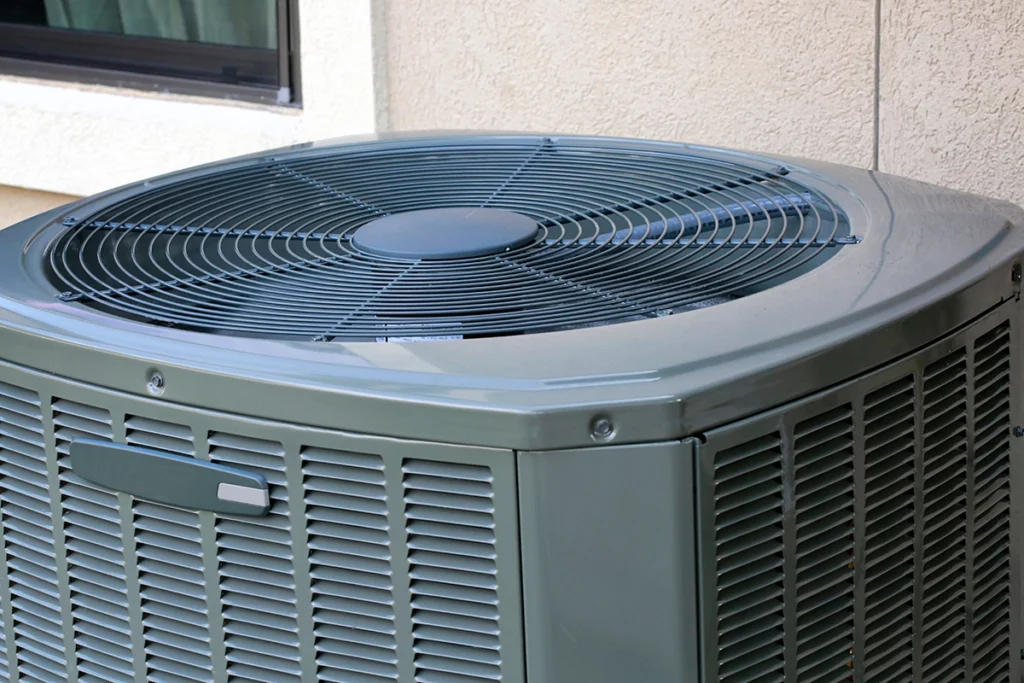
Fan in AC Unit Not Working? 7 Common Causes
If you searched “fan in AC unit not working,” you probably noticed your outdoor system is unusually quiet. You may also hear the compressor running while the fan stays still. When that happens, your air conditioner can quickly struggle to cool your home. At C&R Services, we see fan problems throughout Tyler and East Texas, especially during periods of heavy summer use. Several electrical and mechanical problems can stop an AC fan, so finding the exact cause matters. Why the Fan in Your AC Unit Matters Most central air conditioning systems have more than one fan. The indoor blower moves conditioned air through your ductwork. Meanwhile, the outdoor condenser fan helps release heat outside. When the outdoor fan stops, heat can build up around the condenser coil. As a result, cooling performance may drop significantly. The system may also shut down or place additional strain on other components. A fan problem can sometimes occur while the rest of the system appears to operate normally. For example, you may hear humming from the outdoor unit without seeing the blades move. If your AC is running but not cooling properly, the condenser fan is one component we may inspect. 1. A Bad HVAC Capacitor A failed capacitor is one of the most common reasons an outdoor AC fan stops spinning. The capacitor gives certain AC components the electrical boost needed to start and operate. When it becomes weak or fails, the fan motor may struggle to start. You might hear a humming sound from the condenser. However, the blades may remain still. In other cases, the fan may start slowly or stop unexpectedly. A failing HVAC capacitor can also affect the compressor, depending on the system design. Capacitors can retain an electrical charge even after power is disconnected. Therefore, homeowners should not open the condenser cabinet or attempt capacitor replacement themselves. 2. The Fan in the AC Unit Has a Failed Motor Sometimes the capacitor is working, but the fan motor itself has failed. Fan motors experience substantial wear during an East Texas cooling season. After years of operation, bearings can deteriorate. Electrical windings can also fail. Before complete failure, you may notice unusual symptoms. For example, the fan could make grinding, squealing, or rattling noises. The blades may also rotate more slowly than usual. Additionally, the motor might stop after running for several minutes. A technician can test the motor and electrical supply to determine whether replacement is necessary. That diagnosis helps avoid replacing a working component unnecessarily. 3. An Electrical Power Problem Your outdoor AC fan needs a reliable power supply to operate. A tripped circuit breaker can shut down the condenser entirely. Therefore, checking the HVAC breaker is a reasonable first step. If the breaker has tripped, you can reset it once. However, repeated tripping usually indicates another problem. Loose wiring, damaged connections, or failed electrical controls can also interrupt power. These issues require professional testing because the condenser uses high-voltage electricity. If the entire system remains unresponsive, an AC that will not turn on may have a broader electrical or control problem. Avoid repeatedly resetting breakers when they continue to trip. Doing so does not correct the underlying fault. 4. Debris Is Blocking the Fan in the AC Unit Outdoor condenser units are constantly exposed to the environment. Leaves, twigs, grass clippings, and other debris can sometimes enter the cabinet. Consequently, material may interfere with fan blade movement. Vegetation can also grow too close to the condenser. While this may not physically stop the blades, restricted airflow can make heat removal more difficult. Keep the area surrounding the unit reasonably clear. However, never reach inside the condenser while it has power. ENERGY STAR recommends cleaning condenser coils and checking system operation as part of regular heating and cooling maintenance. If something appears lodged near the fan blades, shut the system off. Then have the obstruction safely inspected before restarting the AC. 5. A Contactor or Relay Has Failed Electrical controls determine when different air conditioning components receive power. The contactor acts as an electrical switch inside the outdoor unit. When the thermostat requests cooling, the contactor helps supply power to the condenser components. Over time, electrical contacts can become worn, damaged, or pitted. As a result, the fan may receive inconsistent power. A relay or control board problem can create similar symptoms. The compressor might run while the fan does not, or the entire condenser may remain off. Because several electrical failures can look alike, testing is important. Replacing parts based only on symptoms can easily lead to the wrong repair. 6. The Fan in the AC Unit Is Overheating An AC fan motor can shut itself down when it becomes too hot. Overheating may happen because of worn bearings, electrical problems, restricted airflow, or prolonged operation. Extreme summer temperatures can add even more stress. You may notice that the fan starts normally but stops later. Then, after the system cools, it may begin operating again. That pattern often suggests a motor or electrical problem rather than a thermostat setting. Additionally, dirty condenser coils can make the outdoor equipment work harder. ENERGY STAR notes that dirty coils reduce cooling performance and can increase system runtime. Repeated overheating should not be ignored. Eventually, the motor may stop working completely. 7. The Thermostat or Controls Are Not Sending the Right Signal Not every fan problem starts at the outdoor condenser. Your thermostat tells the cooling system when to operate. Therefore, an incorrect setting or control problem can keep components from receiving the proper signal. First, confirm the thermostat is set to COOL. Then set the temperature below the current indoor temperature. If the thermostat display is blank, check its batteries when applicable. However, wiring and control problems require further diagnosis. In some cases, an indoor fan may run while the outdoor fan remains off. This can make it seem like the air conditioner is working even though cooling has stopped. That is why we diagnose the complete system rather