
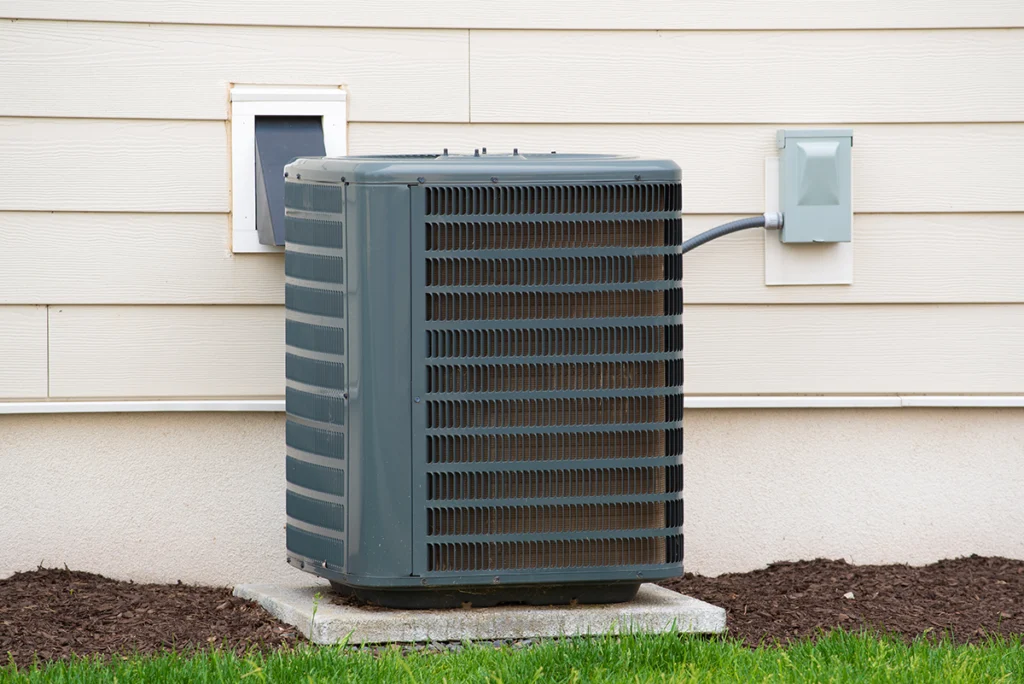
AC Condenser Unit: Common Problems and Warning Signs
Your AC condenser unit plays a major role in keeping your Tyler, TX, home comfortable during hot East Texas summers. Located outside your home, the condenser releases the heat your air conditioner removes from indoor air. However, dirt, electrical failures, refrigerant problems, and worn parts can interfere with that process. When the condenser struggles, your entire cooling system may lose efficiency or stop cooling altogether. Because Tyler air conditioners work hard through long periods of heat and humidity, condenser problems can become noticeable quickly. Fortunately, many issues produce warning signs before the system completely fails. Knowing what to watch for can help you decide when your air conditioner needs professional attention. What Does an AC Condenser Unit Do? The AC condenser unit is the outdoor portion of a central air conditioning system. It usually contains the condenser coil, compressor, fan, capacitor, and several electrical components. During a normal cooling cycle, refrigerant absorbs heat inside your home. It then travels to the outdoor condenser. There, the system releases that heat into the surrounding air. Meanwhile, the condenser fan pulls outdoor air across the coil. This helps the refrigerant release heat before continuing through the cooling cycle. Therefore, problems with the outdoor unit affect much more than one component. If heat cannot leave the system properly, your air conditioner may struggle to cool your home. Common AC Condenser Unit Problems Several different problems can affect an AC condenser unit. Some develop gradually, while others can cause sudden cooling loss. Dirty or Blocked Condenser Coils Condenser coils sit outdoors, so they are constantly exposed to dirt and debris. Grass clippings, leaves, dust, pollen, and other materials can collect around the coil. As buildup increases, the AC condenser unit has more difficulty releasing heat. Consequently, the system may run longer while providing less cooling. ENERGY STAR recommends cleaning evaporator and condenser coils as part of HVAC maintenance. According to its HVAC maintenance checklist, dirty coils reduce cooling ability and can increase operating costs. Additionally, Tyler’s outdoor conditions can create heavy seasonal buildup. Keeping vegetation and loose debris away from the equipment helps maintain airflow around the unit. A Failing Capacitor The capacitor helps provide the electrical energy needed by important AC components. When it starts failing, the condenser fan or compressor may struggle to start. You might hear humming or clicking from the outdoor unit. In other cases, the fan may not start even though the indoor equipment is running. Because capacitors can retain an electrical charge, homeowners should not attempt to replace them themselves. Instead, a technician can safely test the component and determine whether replacement is needed. Several HVAC capacitor problems can produce similar symptoms, including hard starting and inconsistent operation. Condenser Fan Problems The outdoor fan moves air across the condenser coil. Therefore, it is essential for proper heat transfer. A damaged motor, worn bearing, electrical problem, or failing capacitor can stop the fan. Additionally, physical debris may sometimes interfere with the fan blade. If the fan stops while the compressor continues operating, the AC condenser unit can become extremely hot. As a result, continuing to run the system may place additional stress on expensive components. Turn the air conditioner off if the outdoor fan is not spinning. Then, schedule professional service. Refrigerant Leaks Refrigerant carries heat between the indoor and outdoor sections of your AC system. It does not normally get “used up” during regular operation. Therefore, low refrigerant often indicates a leak somewhere in the system. A leak near the outdoor coil, service valves, or refrigerant lines can reduce cooling performance. Possible signs include weak cooling, longer run times, ice buildup, or hissing sounds. Additionally, your home may feel warmer even though the system keeps running. Problems with AC refrigerant can affect both cooling performance and overall system operation. Refrigerant service is not a DIY repair. The U.S. Environmental Protection Agency explains that technicians performing work that can release regulated refrigerants must meet Section 608 technician certification requirements. Compressor Trouble The compressor is one of the most important components inside the AC condenser unit. It circulates refrigerant through the cooling system. Unfortunately, compressor problems can also be among the more serious AC repairs. Electrical problems, improper refrigerant conditions, overheating, and normal wear can all affect compressor operation. Furthermore, other neglected problems may eventually place additional strain on it. Possible warning signs include hard starting, repeated breaker trips, unusual noises, or an outdoor unit that will not operate properly. Because several other problems can mimic compressor failure, professional diagnosis is important before assuming the compressor needs replacement. Warning Signs From Your AC Condenser Unit An AC condenser unit often gives clues when something is wrong. However, some symptoms appear inside the home instead of at the outdoor equipment. Watch for these common warning signs: Your home takes much longer to cool. The AC runs constantly without reaching the thermostat setting. Warm or lukewarm air comes from the vents. The outdoor fan is not spinning. The condenser makes humming, buzzing, or rattling noises. The system repeatedly starts and stops. Ice appears on refrigerant lines. The circuit breaker repeatedly trips. Energy usage increases without an obvious reason. When the AC is running but not cooling, the condenser is one of several areas a technician may need to inspect. What Tyler Homeowners Can Check Safely You can perform a few basic checks before scheduling service. However, avoid opening electrical panels or handling refrigerant components. First, check your thermostat. Make sure it is set to cooling mode and below the current room temperature. Next, inspect your air filter. A heavily clogged filter restricts airflow and can create problems throughout the cooling system. Then, look at the outdoor equipment from a safe distance. Remove loose leaves or objects blocking airflow around the cabinet. Additionally, check whether the outdoor fan starts when the AC begins cooling. Do not place your hands or tools inside the unit. Finally, check your electrical panel once for a tripped breaker. If the breaker trips again, leave it off and