Air Handler Producing Musty Smell From Evaporator Coil Jacksonville TX
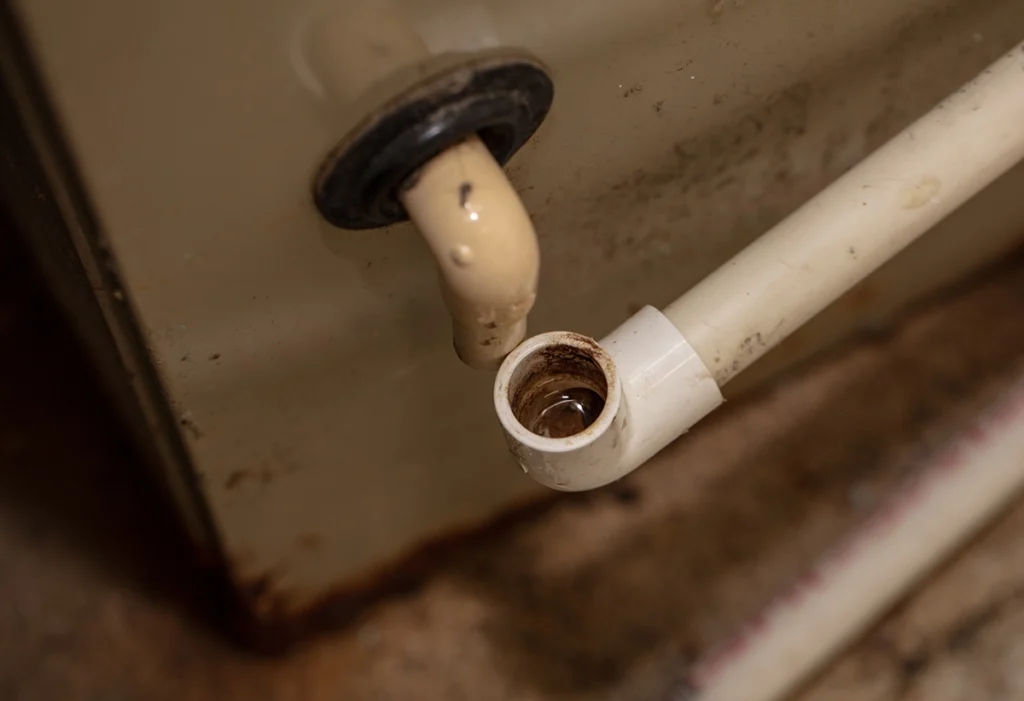
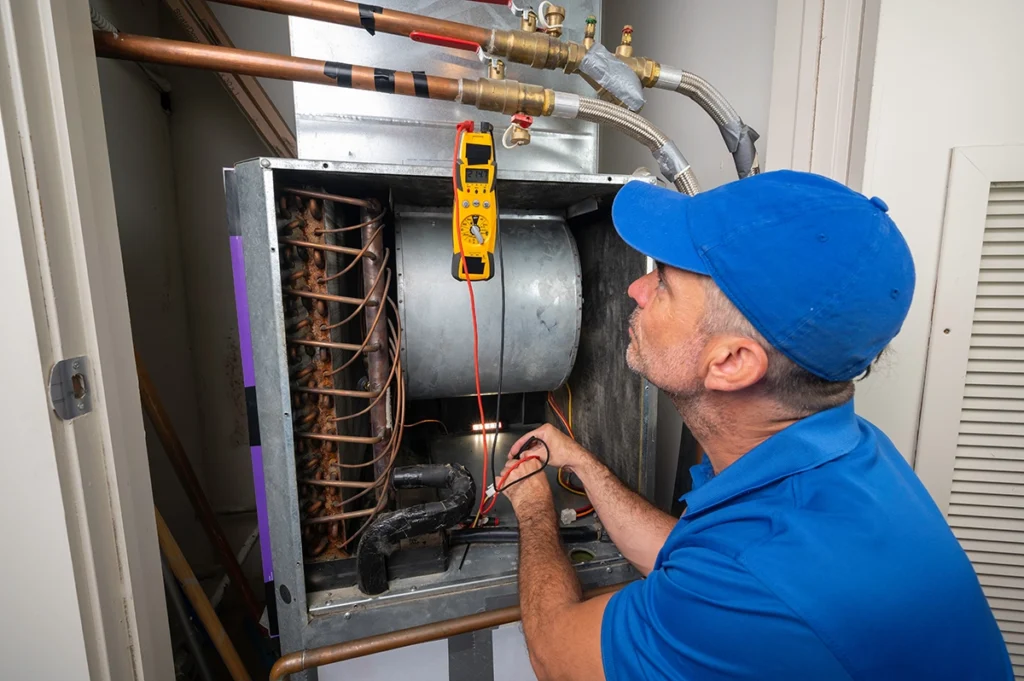
You walk into your home after work, and instead of cool, fresh air, you’re hit with a damp, earthy smell that makes you wonder if something’s growing inside your HVAC system. If you’re dealing with an air handler producing musty smell from evaporator coil in Jacksonville, TX, excess moisture and microbial buildup around the coil may be responsible. Humid East Texas summers can leave cooling components damp, especially when drainage or airflow problems develop. Before calling us, it’s worth checking your air filter and the condensate drain pan near the air handler for visible standing water or blockage. Both can contribute to excess moisture and unpleasant odors. However, safely inspecting and thoroughly cleaning an evaporator coil often requires specialized tools and knowledge. Our licensed technicians can identify the source of the odor and address the conditions contributing to it. Air Handler Producing Musty Smell From Evaporator Coil in Jacksonville, TX: Common Causes When you notice a musty odor every time your system kicks on, the air conditioner evaporator coil inside your air handler is one of the first places to investigate. This component absorbs heat from your indoor air as part of the cooling process. At the same time, moisture from warm, humid air condenses on the cold coil surface. In Jacksonville’s humid climate, the coil handles significant moisture throughout the cooling season. Normally, that water collects in the condensate pan and drains away. However, dust, pollen, pet dander, and other debris can collect on the damp coil and surrounding components. When moisture lingers, those conditions can encourage mold or mildew growth. If you have an air handler producing musty smell from evaporator coil in Jacksonville, TX, masking the odor won’t address the moisture source. The U.S. Environmental Protection Agency notes that cooling coils can be a significant source of moisture contamination within HVAC systems. The EPA also recommends making sure condensate pans drain properly and checking for standing water or debris. When we respond to a musty smell from air conditioning, we inspect more than the coil itself. We also check the condensate drain pan, drainage system, surrounding cabinet, and airflow conditions. Finding the source of the excess moisture helps us determine why the odor developed in the first place. How Condensation Leads to an Air Handler Producing Musty Smell From the Evaporator Coil Your evaporator coil naturally produces condensation while your air conditioner runs. Under normal conditions, that moisture drains into the condensate pan and exits through the drain line. Problems develop when water remains around the coil longer than it should. Several HVAC issues can contribute to excess moisture. A clogged condensate drain can leave standing water inside the air handler. Meanwhile, restricted airflow from a dirty filter may cause the coil to become excessively cold and collect additional condensation. Indoor humidity can also play a role. When humidity remains elevated, your cooling system has more moisture to remove from the air. Airflow problems, duct leaks, drainage issues, and certain thermostat or fan settings can make it harder for the system to manage that moisture effectively. These are some of the conditions we check when diagnosing an air handler producing musty smell from evaporator coil in Jacksonville, TX. Persistent microbial buildup around the evaporator coil may also contribute to dirty sock syndrome, which causes a distinctive stale or musty odor when the HVAC system runs. Because several moisture and airflow problems can produce similar symptoms, identifying the exact source is important. When we inspect an air handler with a persistent musty odor, we check the coil for buildup and examine the conditions around it. That includes airflow, drainage, humidity, and the condensate system. Cleaning the coil may address existing contamination, but correcting the moisture source is also important if you want to keep the odor from quickly returning. Quick Observations Every Homeowner Should Make Before Scheduling Service Before you reach out to us, there are a few safe observations you can make. These won’t replace a professional inspection, but they can provide useful clues when you’re dealing with an air handler producing musty smell from evaporator coil in Jacksonville, TX. Start with your air filter. A heavily clogged filter restricts airflow across the evaporator coil. If the filter looks gray, matted, or visibly dirty, it may be contributing to poor airflow and excess moisture around the coil. Replace it according to your system’s requirements if it’s due for a change. Next, check your thermostat’s fan setting. If the fan is set to “on” rather than “auto,” the blower runs continuously. That can move air across damp HVAC components even when the compressor isn’t actively cooling, making a musty odor easier to notice throughout the house. You can also look for visible standing water around the indoor unit or condensate drain pan. Water where it doesn’t belong, dark buildup around the pan, or signs of a backed-up drain all warrant further inspection. Avoid opening the air handler cabinet or applying household cleaners directly to the evaporator coil. Coil cleaning requires the right products and access methods to avoid damaging delicate fins or other HVAC components. Why an Air Handler Producing a Musty Smell From the Evaporator Coil Needs Attention A persistent musty smell shouldn’t be ignored. If mold or mildew is present inside the air handler, contaminants may enter the airflow whenever the system operates. For households with allergies, asthma, or other respiratory sensitivities, maintaining clean HVAC components is especially important. Coil buildup can affect system performance as well. Dirt and organic debris can interfere with heat transfer, forcing the air conditioner to run longer to cool your home. Over time, that additional workload can increase energy use and place unnecessary strain on HVAC components. The underlying moisture problem can create additional issues. For example, a clogged condensate line may cause water to overflow, while airflow problems can contribute to a frozen coil. Addressing the source early can reduce the risk of those secondary problems. Our licensed technicians can inspect the evaporator coil, drain pan, condensate line,