
Call Us (903) 204-7571 Today

“Taught By Fathers, Trusted By Families”

August 14, 2026

Air conditioner outdoor unit fan not spinning in Van TX
Air Conditioning, Maintenance, Repair

Air Conditioner Outdoor Unit Fan Not Spinning in Van TX

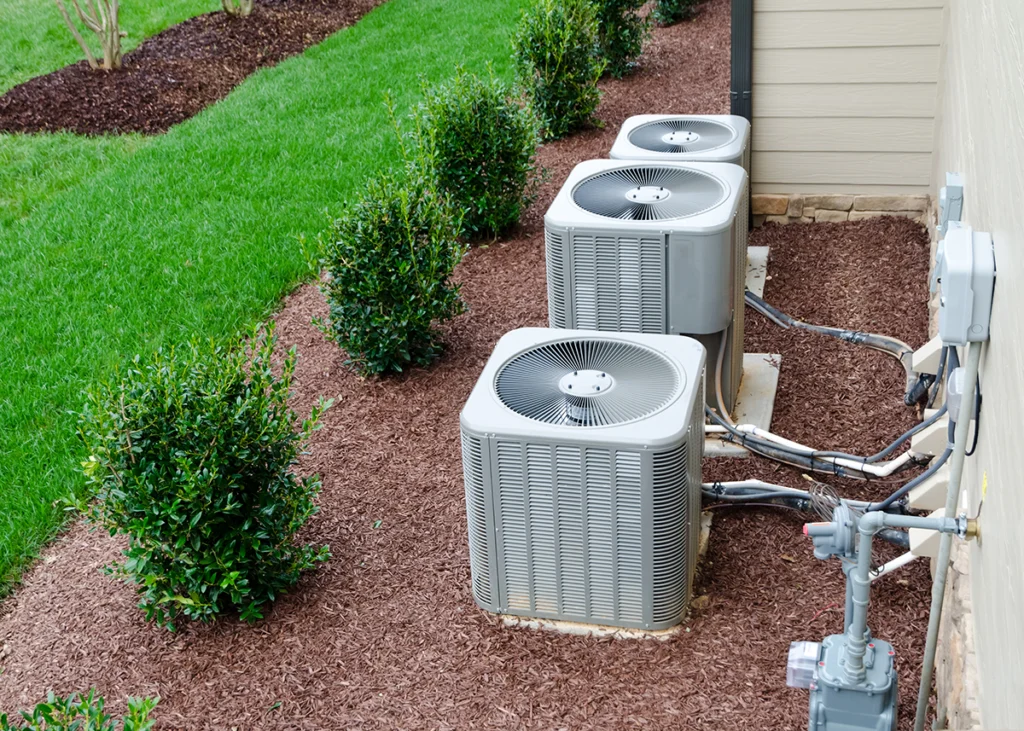
If your air conditioner outdoor unit fan is not spinning in Van, TX, the first thing to check is whether the circuit breaker has tripped — it’s the most common cause and only takes a moment to verify at your electrical panel. A non-spinning fan can also point to a failed capacitor, a burned-out fan motor, or electrical issues that require a licensed technician to diagnose and repair safely. You’re making the right call by investigating quickly, because your compressor can overheat fast without airflow. We’ll walk you through what to check first, the most common causes we see, and when it’s time to have our team step in to get your system running again. Why Your Air Conditioner Outdoor Unit Fan Is Not Spinning in Van TX Your outdoor unit’s fan has one critical job. It pulls air across the condenser coil to release heat from your home. When the fan stops spinning, your air conditioner cannot complete the cooling cycle. The compressor may keep running while temperatures inside the unit rise. As a result, the system may shut down to protect itself. Continued operation can also put unnecessary strain on important components. Proper airflow around the outdoor unit is essential for efficient cooling. ENERGY STAR recommends cleaning condenser coils because dirty coils reduce cooling performance and make the system run longer. In Van’s summer heat, a motionless outdoor fan needs prompt attention. You may hear the outdoor unit humming while the fan blades remain still. The system may also cycle on and off without cooling your home properly. If the fan is not spinning, turn the system off at the thermostat. Then, contact our team for service. We can check the capacitor, fan motor, electrical connections, and other components to find the cause. Common Causes of a Non-Spinning Outdoor Fan When you discover your air conditioner outdoor unit fan not spinning in Van, TX, several common culprits are usually responsible. Understanding these likely causes helps you recognize the urgency of the situation and what our team will inspect during a service call. Failed Run Capacitor A failed run capacitor is a common cause of an outdoor fan that will not spin. This small electrical component helps the fan motor start and continue running. Capacitors can weaken over time, especially during periods of heavy AC use. When one fails, the outdoor unit may hum while the fan remains still. During a service call, we can safely test the capacitor and determine whether it needs replacement. We can also check the fan motor and other electrical components for additional problems. Electrical Issues Electrical issues beyond the capacitor can also stop the fan. A tripped breaker, blown fuse, or faulty contactor can interrupt power to the fan motor. Before you call, check your electrical panel for a tripped AC breaker. If you find one, reset it once. However, if it trips again, leave it off and call a licensed technician. When an air conditioner outdoor unit fan is not spinning in Van TX, electrical problems are one of the areas we check during diagnosis. Motor Failure and Obstructions The fan motor may also fail because of age, overheating, or worn bearings. A seized motor can keep the blades from turning even when the unit has power. Leaves, branches, or other debris can also jam the fan blades. You can visually inspect the unit for obvious blockages. However, never reach inside while the system has power. We can safely identify the cause and recommend the right repair. This keeps the same information but makes both sections feel much less chunky. What to Check When Your Air Conditioner Outdoor Unit Fan Is Not Spinning in Van TX Before you call us, a few simple checks can help you rule out easy fixes and provide useful information when you speak with our team. First, confirm your thermostat is set to “cool” and the temperature is lower than the current indoor reading. If it’s switched to “off” or “fan only,” your outdoor unit won’t run at all. Next, head to your electrical panel and look for a tripped breaker labeled for your air conditioner or outdoor unit — flip it fully off, then back on if you find one in the tripped position. Step outside and take a close look at the outdoor unit itself. Clear away any leaves, grass clippings, branches, or other debris that may have built up around or inside the fan housing. Even a small obstruction can prevent the fan blade from turning freely. While you’re there, glance at the condenser coils (the metal fins along the sides) — heavy dirt or vegetation pressing against them can signal restricted airflow, which sometimes causes the fan to fail. If the unit looks clear and the breaker is fine, it’s time to contact us so we can diagnose the electrical or mechanical issue keeping your outdoor fan from spinning. Get Help When Your Air Conditioner Outdoor Unit Fan Is Not Spinning in Van TX You now know the warning signs of an outdoor fan issue. You may also hear the compressor humming while the fan blades stay still. That usually means the system needs professional attention. Call our team so we can inspect the unit and recommend the right repair. We serve homeowners throughout Van, TX, and we’ve diagnosed and repaired every type of outdoor fan failure — from capacitor issues to motor replacements that restore full airflow in a single visit. When you contact us, we’ll ask a few quick questions about what you’re observing, schedule a convenient time for an in-person inspection, and arrive with the diagnostic tools and genuine replacement parts needed to get your system back online. We stand behind our work with a workmanship warranty, so you can trust that the repair is done right the first time. Don’t let a non-spinning fan turn into a failed compressor or a sweltering house. Whether you need expert guidance on an unusual noise, a full system diagnosis, or emergency
HVAC technician inspecting air handler ductwork leaking cool air in Owentown
Air Conditioning, Ductwork, HVAC Systems, Repair

Air Handler Ductwork Leaking Cool Air in Owentown: Fixes

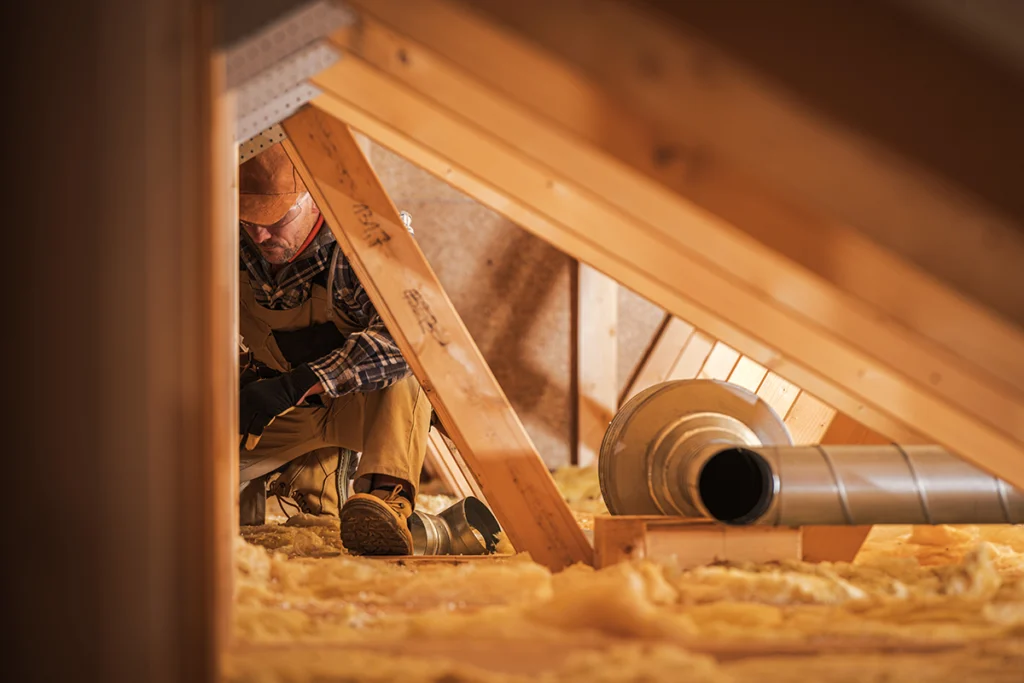
If you are dealing with air handler ductwork leaking cool air in Owentown, the problem can quickly affect comfort throughout your home. Cool air should move from the air handler into the supply ducts and then into each room. However, loose connections, damaged seams, or deteriorated duct materials can let conditioned air escape before it reaches your vents. As a result, your AC may run longer while some rooms still feel warm. At C&R Services, we help East Texas homeowners find these hidden airflow problems and determine the right repair. A duct leak near the air handler can be easy to miss. After all, much of the duct system may sit in an attic, closet, or other hidden area. Still, the symptoms often appear inside the home. You may notice weak airflow, uneven temperatures, or higher cooling costs. Therefore, recognizing the signs early can help you avoid wasting cooled air. What Does Air Handler Ductwork Leaking Cool Air in Owentown Mean? Your air handler moves conditioned air through the duct system. The supply plenum then helps distribute that air into the connected ducts. If you want a closer look at this component, our guide to plenum HVAC systems explains how the plenum supports airflow. When a connection near the air handler separates, cool air can spill into the surrounding space. Likewise, gaps in seams can release air while the blower is running. Flexible ducts can also tear or pull loose from collars. Because the leak occurs before air reaches the rooms, the system may still appear to operate normally. However, less cooled air reaches the living space. Consequently, the thermostat may take longer to reach its setting. Common Signs of Air Handler Ductwork Leaking Cool Air in Owentown Leaking ductwork does not always create an obvious breakdown. Instead, it often causes a collection of smaller comfort problems. Common warning signs include: Weak airflow from one or more supply vents Rooms that stay warmer than the rest of the home Longer air-conditioning cycles Whistling or rushing sounds near duct connections Noticeable cool air around the air handler Higher energy use without a major thermostat change Dust collecting around damaged duct seams For example, a bedroom may suddenly stay warmer even though nearby rooms feel comfortable. In that case, the issue may be related to damaged ductwork serving that space. Our guide on why one room feels hotter than others explains several other airflow causes. Additionally, weak supply airflow can sometimes look like an equipment problem. If your AC is running but not cooling, duct leakage is one possible issue to investigate. Why Ductwork Starts Leaking Near the Air Handler Several conditions can cause duct connections to loosen or deteriorate over time. First, normal system vibration can place stress on joints near the air handler. Eventually, poorly secured connections may develop gaps. Heat and humidity can also affect duct materials. In East Texas, ducts located in hot attic spaces face demanding conditions. Therefore, aging sealants or insulation may deteriorate faster in these areas. Installation problems can create leaks as well. For instance, a duct may not be fully secured to a collar or plenum connection. Similarly, unsupported flexible duct can sag and pull against fittings. Physical damage is another possibility. Home repairs, stored items, pests, or attic work can damage accessible ducts. Meanwhile, older duct systems may simply develop cracks, loose seams, or failing insulation. For a broader overview, our HVAC ductwork guide explains common duct materials, problems, and repair considerations. How Air Handler Ductwork Leaking Cool Air in Owentown Affects Comfort A leak does more than release a little cold air. Instead, it changes how effectively the entire air-distribution system works. When cooled air escapes into an attic or another unconditioned space, less air reaches your rooms. Therefore, some areas may remain uncomfortable even during long cooling cycles. The thermostat can also keep calling for cooling. As a result, the system may operate longer to compensate for the lost air. ENERGY STAR reports that leaky ducts can reduce heating and cooling efficiency by as much as 20 percent. Duct leakage can also affect pressure throughout the system. For example, leaks on the supply side may reduce airflow at distant registers. Meanwhile, return-side problems can pull unwanted air into the system. Proper return airflow matters too. Our guide to the return air vent explains how the return side supports balanced circulation. Additionally, the U.S. Environmental Protection Agency recommends tightly sealing duct seams and joints to reduce air leakage. The EPA notes that duct leakage can contribute to energy loss and unwanted airflow. What You Can Check Before Calling a Technician If you notice air handler ductwork leaking cool air in Owentown, you can perform a few basic checks before scheduling service. First, make sure all supply vents are open and unobstructed. Furniture, rugs, or curtains can restrict airflow and mimic a duct problem. Next, check your air filter. A heavily clogged filter can reduce airflow throughout the system. Therefore, replace it if it is dirty and your system uses a homeowner-serviceable filter. You can also listen near accessible duct connections. Whistling, hissing, or rushing air may suggest a gap. However, avoid climbing through unsafe attic spaces or removing air-handler panels. If you can safely see accessible ductwork, look for disconnected sections or damaged insulation. Still, visual checks cannot locate every leak. Many openings occur on hidden seams or behind insulation. It is also important to distinguish duct leakage from an evaporator problem. The air conditioner evaporator coil removes heat from the air before it enters the supply system. Therefore, a coil issue can also cause poor cooling. How Professionals Find and Repair Duct Leaks When diagnosing air handler ductwork leaking cool air in Owentown, professionals look at the complete airflow path. A technician may inspect the air handler, plenum, supply ducts, returns, registers, and accessible connections. Next, airflow or pressure testing may help identify losses that are not visible. This allows the technician to separate duct problems from blower, coil, or

Scroll to Top