
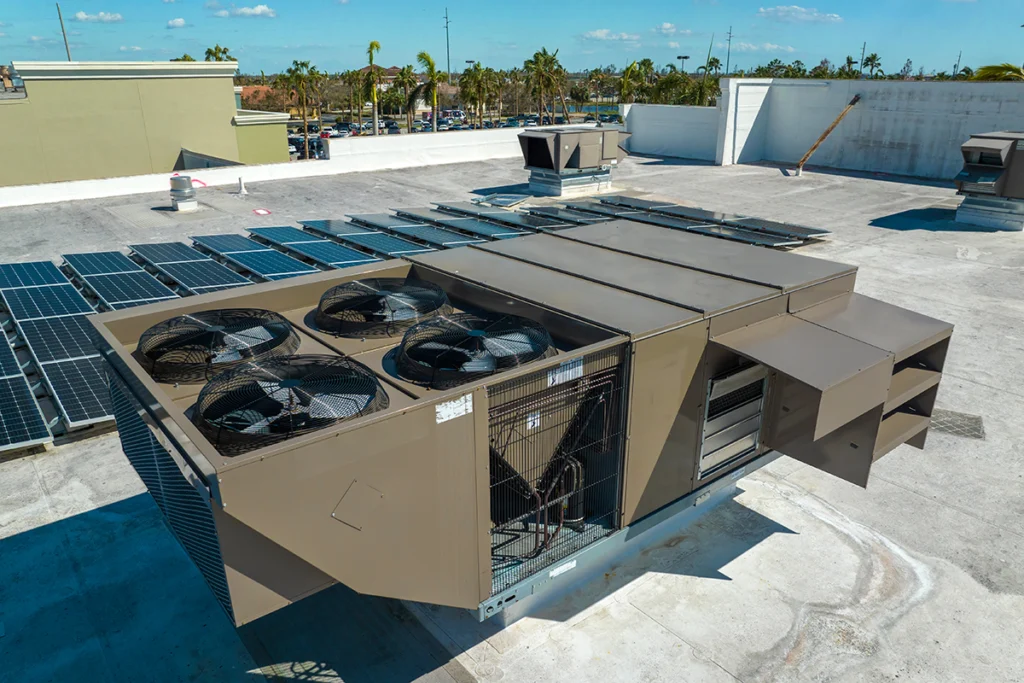
Economizer HVAC: What It Is and How It Works
If you’re looking to cut energy costs and improve indoor air quality in your commercial building or large facility, understanding what an economizer HVAC system is can make a significant difference. An economizer HVAC component is a smart add-on to traditional heating and cooling systems that uses outdoor air to reduce the need for mechanical cooling when conditions are favorable. This means lower energy bills, less strain on your equipment, and a more comfortable environment for everyone inside. At C&R Services, we help property owners and facility managers throughout East Texas understand how economizers work, when they’re beneficial, and how to spot signs that yours may need professional attention. Whether you manage a warehouse, office building, or retail space, knowing how this system operates can help you make informed decisions about your HVAC setup. What Is an Economizer in HVAC Systems? An economizer is a mechanical device integrated into commercial HVAC systems that brings in fresh outdoor air to cool a building instead of relying solely on the air conditioning system. When outdoor temperatures and humidity levels are within a specific range, the economizer opens dampers to allow outside air to enter the system. This process is called “free cooling” because it reduces the need for energy-intensive compressor operation. According to the U.S. Department of Energy, air economizers draw in outdoor air to meet the thermostat setpoint without using the air conditioner. There are two main types of economizers: Air-side economizers: These use outdoor air directly to cool indoor spaces when conditions permit Water-side economizers: These use cooling tower water or other water sources to remove heat from the building without running chillers Most commercial buildings use air-side economizers because they’re simpler to install and maintain. The system includes outdoor air dampers, return air dampers, sensors, and a control system that monitors temperature and humidity to determine when outdoor air is suitable for cooling. How Does an Economizer in an HVAC System Save Energy? The primary benefit of an HVAC economizer is energy savings. Traditional air conditioning systems use compressors that consume significant electricity to cool refrigerant and remove heat from indoor air. An economizer bypasses this process when outdoor conditions are favorable, potentially reducing cooling energy use by 20-50% depending on your climate and building type. In East Texas, we experience mild spring and fall weather when outdoor temperatures are comfortable but indoor spaces still need cooling due to heat from equipment, lighting, and occupants. During these periods, an economizer can provide substantial savings by using free outdoor air instead of running the AC compressor at full capacity. Beyond energy savings, economizers also improve indoor air quality by continuously bringing in fresh outdoor air, which dilutes indoor pollutants, odors, and carbon dioxide. This is especially important in commercial spaces with high occupancy or areas where air quality regulations apply. Key Components of an Economizer System Understanding the parts of an economizer helps you recognize when something isn’t working correctly. A typical air-side economizer includes: Outdoor air dampers: Motorized louvers that open to allow fresh air into the system Return air dampers: Control how much indoor air is recirculated versus exhausted Temperature and humidity sensors: Monitor outdoor conditions to determine when economizer mode is beneficial Damper actuators: Electric or pneumatic motors that open and close dampers based on control signals Control module: The brain of the system that processes sensor data and activates dampers accordingly Exhaust dampers: Allow stale indoor air to exit when fresh air enters All these components must work together seamlessly. If any part malfunctions, the economizer may stay closed (wasting energy) or stay open (bringing in hot or humid air that increases cooling costs). That’s why regular commercial HVAC maintenance is essential for economizer-equipped systems. Signs Your Economizer May Need Professional Service Because economizers have moving parts and electronic controls, they require periodic inspection and maintenance. Here are warning signs that your economizer may not be functioning properly: Higher than expected energy bills: If your cooling costs haven’t decreased during mild weather, the economizer may be stuck closed Stuffy or stale indoor air: This can indicate dampers aren’t opening to bring in fresh outdoor air Excessive humidity indoors: May suggest the economizer is bringing in outdoor air when humidity is too high Uneven temperatures: Areas near air handlers may be too hot or cold if damper control is erratic Visible damper problems: Dampers that appear stuck, corroded, or damaged need immediate attention Control system alarms: Modern building automation systems often alert you to economizer faults When you notice any of these issues, it’s important to contact a licensed HVAC technician who specializes in commercial systems. A certified professional will diagnose whether the problem is mechanical (stuck dampers, failed actuators) or electronic (sensor calibration, control logic issues). What a Professional Economizer Inspection Involves During a professional economizer service call, your HVAC technician will perform several diagnostic steps to identify problems and restore proper operation. While homeowners and facility managers shouldn’t attempt repairs themselves, understanding what professionals do helps you appreciate the complexity and value of expert service. A thorough economizer inspection typically includes: Visual inspection of all dampers for proper operation and physical condition Testing damper actuators to ensure they respond correctly to control signals Calibrating temperature and humidity sensors for accurate readings Verifying control logic and setpoints match your building’s needs Checking for air leakage around damper seals that wastes energy Reviewing building automation system data to identify patterns or faults Measuring airflow to confirm the system is delivering the right amount of outdoor air After diagnosis, your technician will recommend repairs or adjustments. Common fixes include replacing failed actuators, recalibrating sensors, adjusting control sequences, lubricating damper hardware, or replacing worn damper seals. In some cases, upgrading to more advanced controls can improve economizer performance and energy savings. Economizer Best Practices for Commercial Buildings To maximize the benefits of your HVAC economizer, follow these professional recommendations: Schedule regular maintenance: Have your economizer inspected at least twice yearly, ideally before cooling and heating seasons Monitor energy