
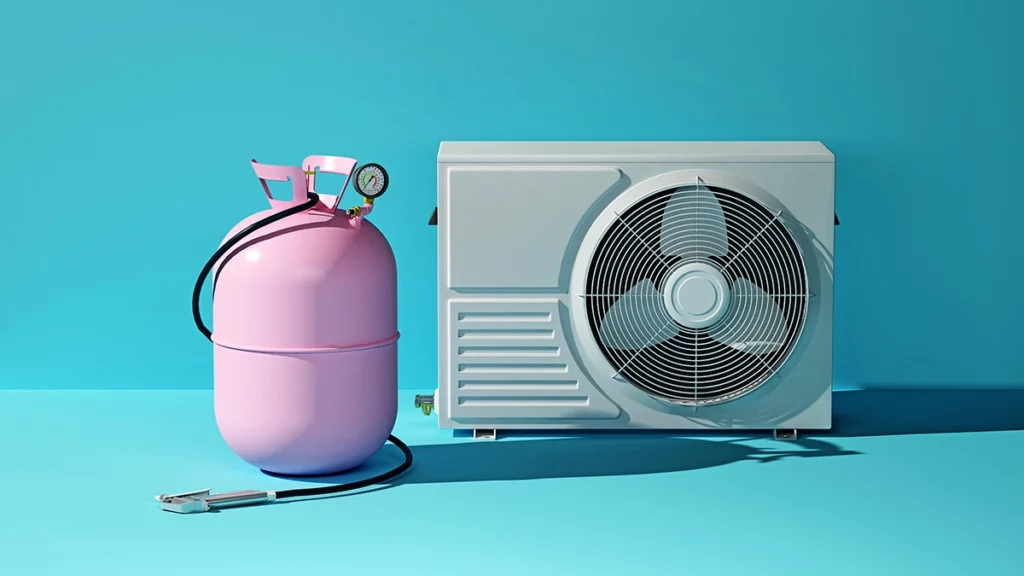
What Is AC Refrigerant and Why Does It Matter?
When your air conditioner stops cooling your home properly, one of the most common culprits is low AC refrigerant. This essential substance circulates through your cooling system, absorbing heat from inside your home and releasing it outside. Without the right amount of refrigerant, your AC simply can’t do its job. Understanding what refrigerant is, how it works, and what happens when something goes wrong can help you identify problems early and know when to call a professional. At C&R Services, we believe in empowering homeowners with knowledge. While refrigerant issues always require professional attention due to EPA regulations and safety concerns, recognizing the warning signs can save you from costly damage and uncomfortable summer days. What Is AC Refrigerant? AC refrigerant is a specialized chemical compound that changes from liquid to gas and back again as it moves through your air conditioning system. It’s the substance that makes cooling possible. As refrigerant circulates, it absorbs heat from your indoor air when it evaporates in the evaporator coil, then releases that heat outside when it condenses in the outdoor condenser unit. Many homeowners mistakenly think refrigerant is a fuel that gets used up like gasoline in a car. That’s not how it works. Your AC system is a closed loop, meaning the refrigerant should never run low under normal circumstances. If your system is low on refrigerant, it means there’s a leak somewhere that needs professional repair. Common Types of AC Refrigerant Over the years, different types of refrigerant have been used in residential air conditioning systems. The type in your system depends on when it was manufactured: R-22 (Freon): Once the most common refrigerant, R-22 has been phased out due to environmental concerns. According to the EPA, U.S. production and import of HCFC-22 ended in 2020, which has made it more expensive and harder to find for older systems. R-410A (Puron): The current standard for most residential AC systems installed in the past 15 years. It’s more environmentally friendly than R-22 and operates at higher pressures. R-454B and R-32: Newer refrigerants being introduced to further reduce environmental impact. R-454B refrigerant and R-32 refrigerant represent the next generation of cooling technology. Knowing which type your system uses is important because different refrigerants aren’t interchangeable. A certified HVAC technician will know exactly which refrigerant your system needs and how to handle it safely. Signs Your AC Refrigerant Is Low Since refrigerant issues are so common, it’s helpful to recognize the warning signs. Here are the symptoms that typically indicate low refrigerant levels: Your AC Is Running But Not Cooling If your air conditioner runs constantly but your home never reaches the temperature set on your thermostat, low refrigerant could be the problem. Without enough refrigerant to absorb heat, the system can’t effectively cool your space. This is different from other causes when your AC is running but not cooling, such as dirty filters or blocked airflow. Ice Buildup on the Refrigerant Lines When refrigerant levels drop, the pressure in your system changes, causing the refrigerant that remains to get too cold. This can lead to ice forming on the copper refrigerant lines or even on the evaporator coil inside your air handler. If you see frost or ice on the lines running to your outdoor unit, don’t ignore it. Hissing or Bubbling Sounds A refrigerant leak often creates a distinctive hissing or bubbling sound as the pressurized gas escapes through a crack or hole. If you hear unusual noises coming from your AC system, especially near the refrigerant lines, it’s time to call a professional. Higher Energy Bills When your system is low on refrigerant, it has to work much harder and run much longer to try to cool your home. This extra runtime shows up on your utility bills. If your energy costs have spiked without explanation, low refrigerant could be one of several possible causes. Longer Cooling Cycles A properly functioning AC should run in regular cycles, turning on and off as needed to maintain your desired temperature. With low refrigerant, your system may run almost continuously without ever reaching the target temperature, putting excessive wear on components. What Causes AC Refrigerant Leaks? Understanding what causes refrigerant leaks can help you take preventive measures and catch problems early. Here are the most common causes: Corrosion: Over time, moisture and chemicals can corrode the copper refrigerant lines or coil connections, creating small holes where refrigerant escapes. Vibration damage: Normal AC operation involves vibration, especially in the outdoor unit. Years of vibration can loosen connections or create wear points that eventually leak. Poor installation: Improperly brazed connections or overtightened fittings during initial installation can develop leaks months or years later. Physical damage: Lawn equipment, extreme weather, or accidental impacts can puncture refrigerant lines or damage the outdoor coil. Factory defects: Though less common, manufacturing flaws can cause premature failures in coils or connections. A certified HVAC technician will use specialized leak detection equipment to locate even the smallest leaks. Simply adding more refrigerant without fixing the leak is a temporary fix that wastes money and harms the environment. Why You Shouldn’t Handle AC Refrigerant Yourself Unlike many home maintenance tasks, working with AC refrigerant isn’t a DIY project. Here’s why professional service is essential: It’s Federally Regulated The EPA’s Section 608 Technician Certification Requirements explain that refrigerant handling is federally regulated, and technicians must earn EPA-approved certification to work with these systems properly. These rules exist because improper handling and venting can harm the environment. Specialized Equipment Is Required Properly diagnosing refrigerant issues requires gauges, leak detectors, recovery equipment, and vacuum pumps. Adding refrigerant isn’t as simple as pouring it in—the system must be evacuated of air and moisture, then charged to precise specifications based on weight or subcooling/superheat measurements. Safety Concerns Refrigerant is stored under extremely high pressure. Improper handling can cause frostbite, chemical burns, or eye injuries. Some refrigerants can also displace oxygen in confined spaces, creating suffocation hazards. You Could Damage Your System Overcharging or undercharging refrigerant can