Call Us (903) 204-7571 Today

“Taught By Fathers, Trusted By Families”

Repair

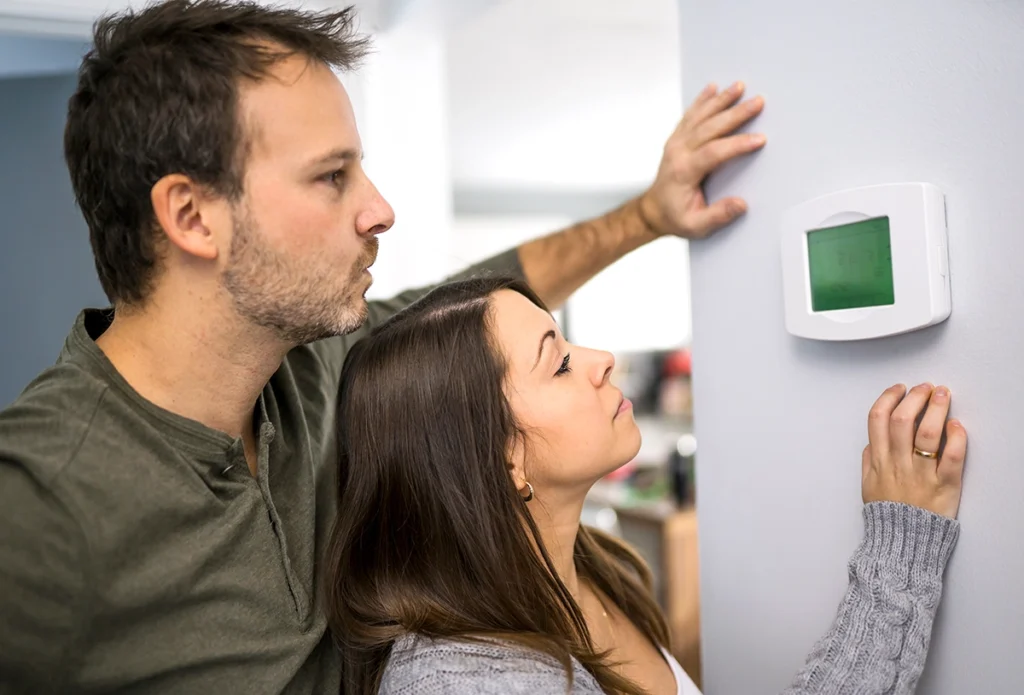
Homeowners checking a thermostat when a heater isn’t working properly in winter
Heating, Repair

Heater Not Working? Why Your Heat Isn’t Turning On

Winter service calls usually start the same way — with a heater not working and a house that’s getting colder by the hour. Sometimes the system won’t turn on. Other times, it runs nonstop but never produces heat. Either way, the stress adds up quickly. From our day-to-day work at C&R Services, we’ve learned that most heating problems follow predictable patterns once you know what to look for. Fortunately, a heater not working doesn’t always mean a major breakdown. In many cases, the issue starts with airflow, controls, or built-in safety devices. Knowing how these systems behave can help you tell what’s normal, what’s not, and when professional heating repair makes sense. When a Heater Isn’t Working at All When a heater won’t turn on at all, we begin by confirming the system can actually start a heating cycle. Power interruptions, tripped breakers, or fuel supply issues can stop heating before it ever gets going. These problems are easy to miss, yet they account for a surprising number of winter service calls. If power and fuel are present, we shift our focus to the system’s controls and safety logic. Modern heating equipment won’t start if it senses a condition that could cause damage or unsafe operation. In many cases, the heater is being prevented from turning on—not because it’s broken, but because a control or safety component is doing its job. When that protection keeps activating, further diagnosis is needed. Heater Not Working but the System Is Running In some situations, the heating system turns on and stays running, but the house never gets warmer. You may hear the blower operating, feel air moving through the vents, and assume heat should follow. Instead, the temperature stays flat. This usually means the system is starting a cycle but can’t complete it. Problems with airflow, ignition, or internal heat transfer can stop heat from being produced or delivered, even though the system appears active. When that happens, the heater may run longer than normal while never actually warming the living space. Heater Blowing Cold Air Instead of Heat One symptom we see frequently is a heater blowing cold air. While that can feel alarming, it isn’t always dangerous. For example, furnaces sometimes blow cool air briefly before warming up. However, ongoing cold airflow usually signals a problem that needs attention. In many service calls, we find dirty filters, overheating protection, or ignition failures behind the issue. If the air never warms up, learning what causes a heater to blow cold air can help you decide whether it’s normal behavior or time to call for service. Heater Not Working Because of Thermostat Issues Before assuming equipment failure, thermostat operation deserves attention. A heater not working complaint often traces back to incorrect settings, dead batteries, or wiring problems at the thermostat. Because thermostats control when heating cycles begin and end, even minor issues can stop heat completely. We often help homeowners understand what happens when a thermostat isn’t working correctly, since fixing control problems early can restore heat without deeper repairs. Safety Devices That Can Stop Heat Suddenly Modern heating systems include safety components designed to shut things down when conditions become unsafe. While these protections are critical, they can also cause confusion when a heater not working situation appears without warning. One common example is overheating protection. When internal temperatures rise too high, the system shuts off automatically. This often relates to airflow restrictions or mechanical wear. Learning how a furnace limit switch shuts down heating to prevent damage helps explain why heat may stop even when nothing appears broken. When Safety Shutdowns Point to Bigger Issues In more serious cases, repeated shutdowns point to underlying problems that affect safe operation. Components like the heat exchanger play a critical role in transferring heat while keeping combustion gases contained. When damage occurs, the system may shut down repeatedly or stop heating altogether. According to the Centers for Disease Control and Prevention, each year more than 400 Americans die from unintentional carbon monoxide poisoning not linked to fires, with more than 100,000 emergency department visits and over 14,000 hospitalizations tied to CO exposure. Because of that risk, any heater not working issue paired with unusual odors, alarms, or repeated shutdowns should be addressed immediately. Why Professional Heating Repair Matters Although some heating issues are simple, others require professional tools and diagnostics. At C&R Services, we focus on identifying the root cause instead of applying temporary fixes. A trained technician can safely evaluate controls, combustion, airflow, and safety systems together. If your heater isn’t working consistently, professional service helps prevent repeated shutdowns and protects long-term system health. What Homeowners Can Check Before Calling While not every heating issue is DIY-friendly, a few quick checks can often help clarify why heat isn’t coming through the system. Start by confirming the thermostat has power and is set correctly. Then, check the air filter for dirt or blockage. Closed or obstructed vents can also restrict airflow and prevent warm air from circulating through the house. Finally, listen for unusual startup noises, which can signal an internal issue. Airflow problems are one of the most common reasons a heater struggles to warm a home. According to ENERGY STAR, airflow issues can reduce a heating system’s energy efficiency by up to 15 percent, which often leads to uneven temperatures or repeated shutdowns during winter operation. If heat still doesn’t return after these checks, delaying service often leads to larger repairs and longer downtime. When to Call C&R Services When your heater isn’t working and your home is getting colder, fast answers matter. Our team helps homeowners understand what’s happening and what steps restore heat safely. We work with furnaces, heat pumps, and electric systems, so issues don’t get overlooked. If you’re in Tyler or East Texas and your heat isn’t working, contact C&R Services to schedule service. Our technicians provide professional heating repair to restore comfort quickly and safely. Frequently Asked Questions When the Heat Stops Working Heating problems raise
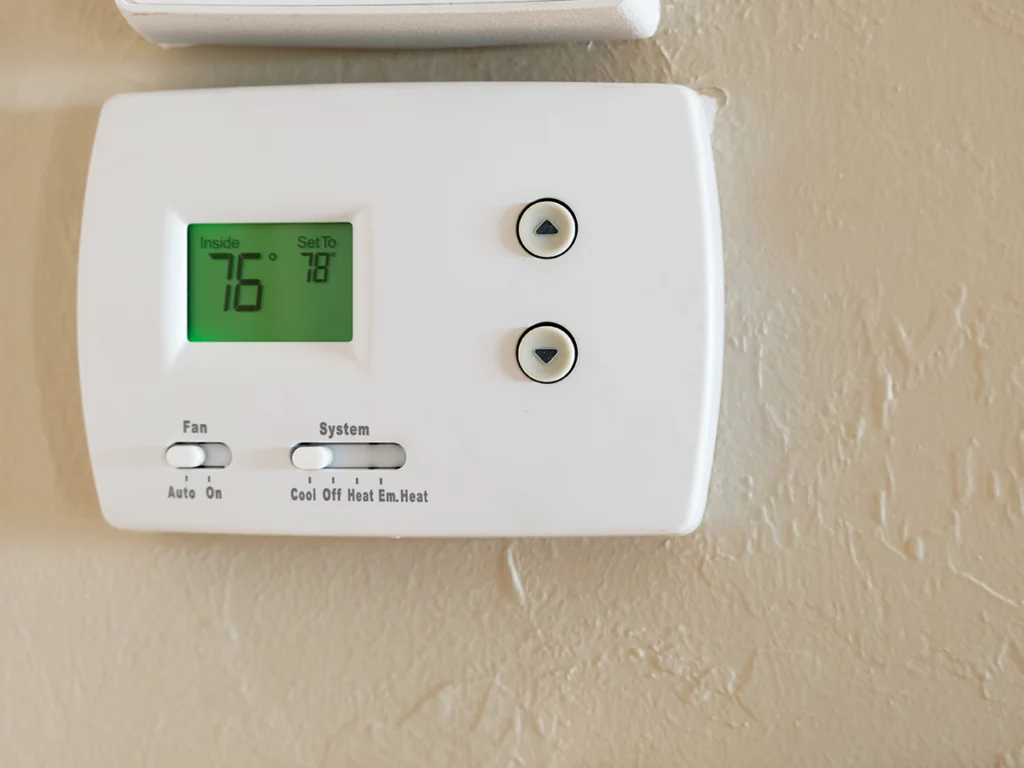
Thermostat not working and showing an incorrect indoor temperature on the display
HVAC Systems, Repair, Thermostats

Thermostat Not Working: Common Causes and Fixes

When homeowners call us frustrated, the issue can start with a thermostat not working the way it should. From our day-to-day work at C&R Services, we see how quickly a small control issue can disrupt comfort. Fortunately, many thermostat problems follow predictable patterns. Once you understand those patterns, the fixes become much clearer and far less stressful. Although the thermostat looks simple, it controls everything your heating and cooling system does. Because of that, a minor issue can feel like a major system failure. Before assuming the worst, it helps to walk through the most common causes step by step. In many cases, the fix is straightforward once the underlying cause is identified. Why a Thermostat Not Working Feels Like a System Breakdown When a thermostat not working properly sends incorrect signals, the system responds in confusing ways. Sometimes nothing happens at all. Other times, the system runs but delivers the wrong temperature. In our experience, this confusion leads many homeowners to suspect expensive equipment failures. However, the thermostat itself is often the real issue. That’s why starting with the control side saves time and unnecessary repairs. Thermostat Not Working Due to Power Issues One of the first things we check is power. A thermostat needs a steady power source to function correctly. Battery-powered models can stop working as batteries weaken, while hardwired thermostats may lose power due to tripped breakers or wiring issues. Because of that, a quick power check often reveals the problem right away. Thermostat Not Working Because of Mechanical Wear In older systems, the thermostat itself can also be part of the issue. Older mechanical thermostats rely on physical components that expand and contract with temperature changes, which can affect accuracy over time. For a clear explanation of how these thermostat designs work, ExplainThatStuff offers a helpful breakdown. Thermostat Not Working Because of Incorrect Settings Sometimes the issue isn’t hardware at all. Instead, it’s a simple setting problem. Mode selection matters. Heat, cool, auto, emergency heat, and auxiliary heat all behave differently. If settings don’t match the season, comfort suffers. For heat pump systems, confusion around backup heating is common. That’s why understanding what auxiliary heat is helps explain why systems sometimes behave unexpectedly during cold weather. Emergency heat, which is manually activated, can create similar confusion if selected accidentally. When a Thermostat Not Working Causes No Response at All If the system doesn’t start, the thermostat may not be sending a call for heating or cooling. In these cases, homeowners often assume the furnace isn’t turning on. While equipment issues do happen, thermostat signal failures are frequently responsible. Loose wires, damaged terminals, or failed internal sensors can all prevent startup. Addressing the control issue first avoids unnecessary component replacement. Thermostat Not Working and Warm Air Problems Another common complaint involves systems running but delivering the wrong temperature. In heating season, that usually means warm air never arrives. This scenario often overlaps with questions about why a heater seems to be blowing cold air. While mechanical causes exist, thermostat calibration errors or incorrect mode selection are frequently involved. When temperature readings drift, the thermostat may think the home is already warm. As a result, it short-cycles or fails to activate proper heating stages. Environmental Factors That Affect Thermostat Accuracy Placement matters more than most people realize. A thermostat near windows, exterior doors, or heat-producing appliances can misread room temperature. Sunlight exposure also skews readings. Because of that, systems may cycle incorrectly even when nothing is technically broken. During winter, heating systems run longer, which can make control issues more noticeable. As systems cycle more frequently, small thermostat inaccuracies tend to stand out faster, especially when a thermostat not working properly struggles to keep up with demand. The U.S. Department of Energy also shares general winter energy tips that explain why heating demand increases during colder months. Smart and Programmable Thermostat Issues Smart thermostats add efficiency but introduce new variables. Software updates, Wi-Fi interruptions, and compatibility issues can all interfere with operation. In the field, we see advanced features cause confusion when settings don’t align with how the system actually runs. Scheduling conflicts or incorrect learning behavior can mimic system failure. Although these thermostats offer real benefits, they still rely on correct setup. With proper configuration, they perform well, but when settings drift, comfort issues can show up quickly. When to Replace a Thermostat Instead of Repairing It Not every thermostat issue justifies repair. Older units lack modern accuracy and efficiency. Over time, internal sensors wear out and drift beyond reliable limits. If repairs repeat, replacement becomes the smarter choice. Modern thermostats improve comfort while reducing energy waste. In many cases, homeowners notice immediate improvements after upgrading. At C&R Services, we help homeowners choose thermostats that match their system type, usage habits, and comfort goals. Final Thoughts A thermostat not working rarely means disaster. More often, it signals a manageable control issue. With proper diagnosis, most problems resolve quickly and affordably. If uncertainty remains, professional evaluation prevents guesswork. At C&R Services, we take a diagnostic-first approach to protect both comfort and equipment life. If a thermostat not working continues to cause problems, a professional system evaluation can help identify whether the issue is control-related or system-related. If your thermostat continues acting up, contact us for expert help. We proudly serve homeowners across Tyler and East Texas, and we’re always ready to help restore comfort. Frequently Asked Questions About Thermostat Issues Below are a few quick answers we hear often from homeowners.

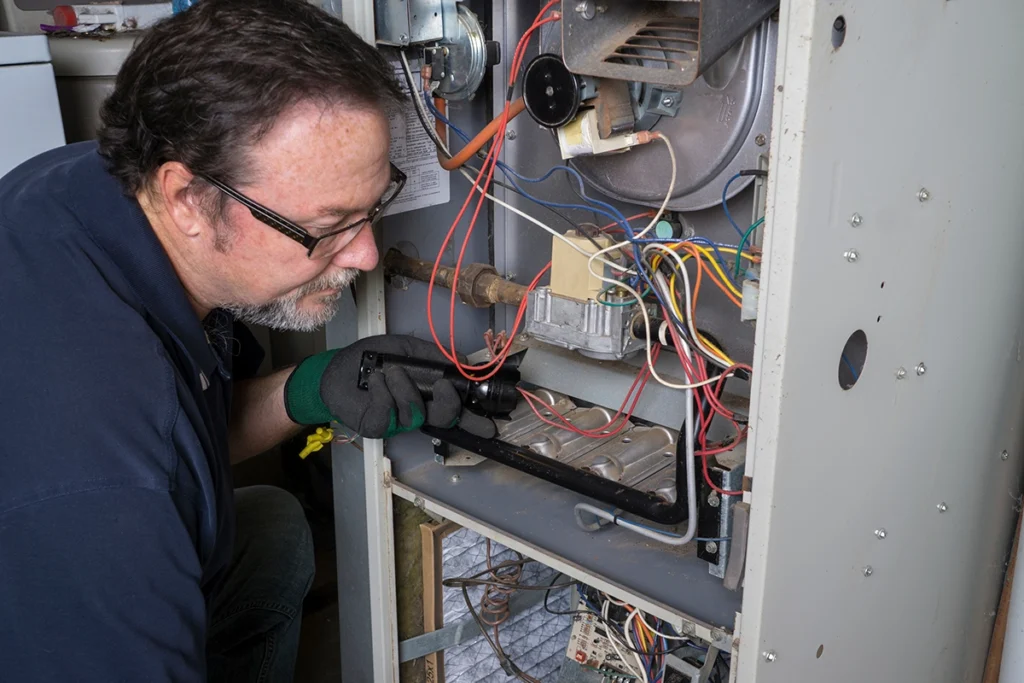
HVAC technician inspecting the internal gas valve and ignition components inside a furnace
Heating, Maintenance, Repair

Gas Valve on a Furnace: What It Does and Why It Matters

Most homeowners don’t think about the gas valve on a furnace until something suddenly changes—maybe the heat won’t kick on, the pilot won’t stay lit, or the system just feels off. At C&R Services, we know how much this one component can influence your furnace’s performance and safety. It looks simple, yet it plays a crucial role whenever your system needs to heat your home. What the Gas Valve on a Furnace Actually Does The gas valve on a furnace regulates how much fuel flows to the burners. It opens and closes in sync with the ignition, thermostat signals, and safety sensors. When everything works together, the flame stays steady and efficient. When something slips out of balance, the furnace can lose heat, short-cycle, or fail to start. Even the U.S. Department of Energy notes that proper fuel delivery is essential for safe and efficient combustion. Their heating guidance reinforces how key components like gas valves directly affect system performance. Because the valve manages the most sensitive part of the combustion process, small issues can grow quickly if ignored. Warning Signs Your Furnace Is Struggling Homeowners usually notice a few warning signs before the valve completely fails. The most common include: Heat not reaching the set temperature Furnace shutting down before completing a cycle Pilot flame refusing to stay lit Delayed or unusually loud ignition Burners not firing consistently When the pilot won’t stay on, many people think the flame sensor is the problem. However, the gas valve on a furnace is often part of the story too. If you’d like help sorting out that symptom, our post about what to check when a furnace pilot light won’t stay lit offers an easy breakdown. Another early sign is when the furnace doesn’t start at all. Because this issue appears in many homes, we built a guide that helps you know what to check first when a furnace won’t turn on. Why the Gas Valve on a Furnace Matters for Home Safety Although many furnace parts support comfort, the gas valve on a furnace is a true safety device. It prevents gas from leaking into the system when ignition fails. It also shuts down fuel the moment sensors detect something unsafe. Because these valves protect homes from combustion hazards, they’re built with multiple fail-safe mechanisms. Still, wear and tear affects performance over time. As winters shift colder in many regions, seasonal stress on heating systems rises too. NOAA explains that winter storms impact every U.S. region, including southern states that rarely see freezing weather. These sharp weather swings often push heating systems to work harder, especially older furnaces. When more demand hits a furnace, weak components reveal themselves fast. That’s why routine inspections matter so much. How Technicians Diagnose Issues With the Gas Valve on a Furnace When we troubleshoot heating calls at C&R Services, we evaluate ignition order, flame quality, electrical signals, and sensor function before reaching the gas valve. But once we get there, we test voltage, resistance, and valve response. This approach prevents unnecessary replacements and helps homeowners avoid bigger repairs. When the Gas Valve on a Furnace Needs Replacement Sometimes the valve fails completely. Other times, carbon buildup, moisture exposure, or a weak solenoid causes intermittent problems. If the valve sticks or delivers inconsistent fuel pressure, replacement becomes the safest choice. Even though these issues sound technical, homeowners usually notice them early—often as fluctuating heat or repeated startup failures. That’s why it helps to understand how the entire furnace system operates. If you ever want the full picture of how all components fit together, our main guide explaining what a furnace is and how it works breaks down the whole heating sequence in a simple, step-by-step way. Preventing Gas Valve Issues With Routine Furnace Care Proper maintenance reduces the chances of gas valve failure. Keeping the burners clean, replacing filters, confirming airflow, and ensuring sensors work correctly all protect the valve from unnecessary strain. At C&R Services, we encourage homeowners to schedule seasonal tune-ups before heavy heating demands arrive. This timing helps us catch problems early, especially in older systems or furnaces that have shown recent inconsistencies. Because many issues start small, quick adjustments often prevent bigger problems later. When to Call a Professional A failing gas valve on a furnace can create confusing symptoms. Sometimes the furnace won’t ignite. Other times the flame cuts out without warning. Because the valve controls fuel delivery, any issue tied to it deserves a closer look from a technician. Even small problems grow quickly when the furnace runs more often during cold weather. If your system keeps shutting down, loses its flame, or shows repeated ignition trouble, it’s best to schedule an inspection. That way, a professional can confirm whether the issue is the gas valve or another part in the ignition sequence. And since gas components must be handled carefully, homeowners should avoid adjusting or testing them without training. At C&R Services, we offer a wide range of furnace services. We’ll diagnose the issue, test the failing parts, and make safe repairs when needed. Need Help With a Furnace? If the gas valve on your furnace seems to be failing or your system has been acting up, reach out to C&R Services. We help homeowners across Tyler and East Texas stay safe and comfortable all winter. Contact us today to schedule fast furnace service and get your heating system back on track. FAQs About the Gas Valve on a Furnace Below are a few quick answers homeowners often ask about gas valves and furnace performance.

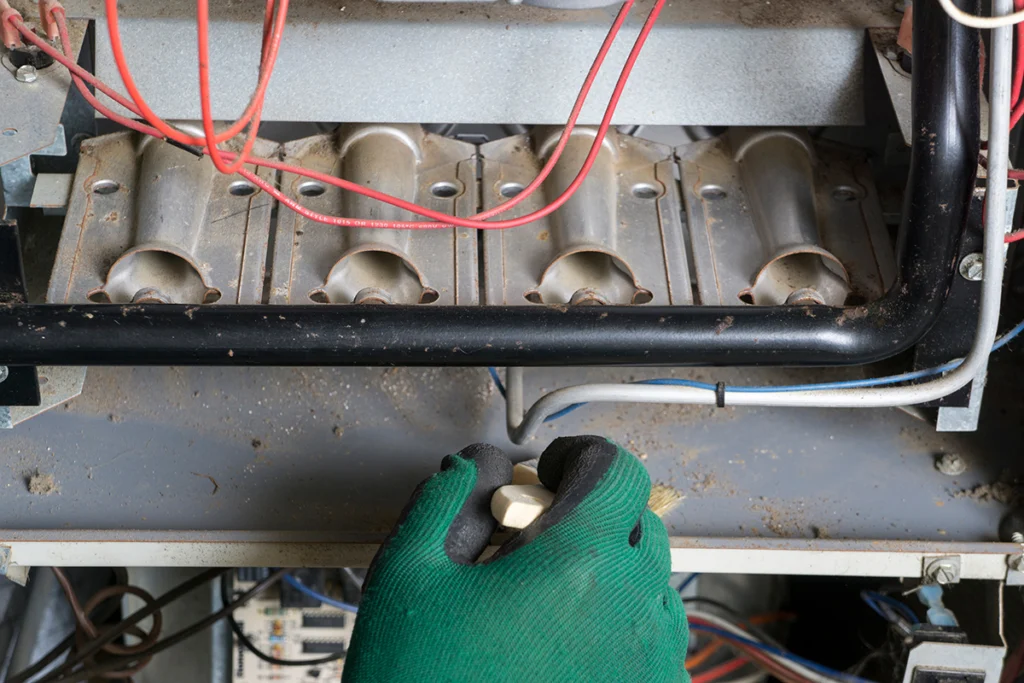
Technician inspecting the burner area of a furnace that supplies heat to the furnace heat exchanger
Heating, HVAC Systems, Maintenance, Repair

Furnace Heat Exchanger Warning Signs

When homeowners ask why their system smells odd, cycles too often, or delivers weaker heat than usual, we usually look at the furnace heat exchanger first. After years of working on heating equipment at C&R Services, we know this component is one of the most important parts of any furnace. Although most homeowners never see it, the exchanger handles heat transfer and protects your home from harmful combustion gases. When something goes wrong, the symptoms can seem small at first, yet they carry serious risks if ignored. What the Furnace Heat Exchanger Actually Does Before you can spot warning signs, it helps to understand the role of the furnace heat exchanger inside the system. This metal chamber separates the air you breathe from the furnace’s combustion process. As the burners create heat, the exchanger warms up and transfers that heat to the air moving through your ducts. Because combustion gases must stay sealed inside the chamber, any crack or breach can lead to unsafe conditions. Technicians sometimes compare this part to an engine block because both hold heat and contain combustion gases. And while that comparison is helpful, the exchanger is actually more fragile. It expands and contracts with every heating cycle, which is why regular maintenance matters so much. If you’d like a clearer breakdown of how the entire furnace works—from ignition to heat distribution—our furnace guide walks through the full process. Common Furnace Heat Exchanger Warning Signs Although no two homes are alike, certain warning signs appear again and again. Because we inspect systems every day at C&R Services, we’ve learned that most heat exchanger problems show up in predictable ways. 1. Strange Smells During Heating Cycles If you smell a burning or metallic odor when the furnace runs, take it seriously. These odors often appear before any visible damage forms. According to the U.S. Consumer Product Safety Commission, carbon monoxide from fuel-burning appliances kills more than 200 people in the U.S. each year. Because a damaged furnace heat exchanger can allow combustion gases to escape, unusual smells or irritated sinuses should never be ignored. It also helps to make sure your carbon monoxide detectors are installed and working, since CO is colorless and odorless. If something feels off, it’s safer to shut the system down and have it inspected right away. 2. Frequent Short Cycling When the furnace turns on and off too often, the heat exchanger might be overheating. Because overheating forces the system to shut down for protection, it’s worth checking. Short cycling can also involve the system’s safety controls, and we explain that issue in more detail in our blog about the furnace limit switch. 3. Visible Rust or Corrosion A rusty heat exchanger is a weakened heat exchanger. Condensation, old age, and poor airflow all speed up deterioration. While rust isn’t always a sign of cracks, it does mean the metal is thinning. A thin exchanger is more likely to fail. How Performance Changes Point to Furnace Heat Exchanger Trouble Even if you don’t see the exchanger directly, the furnace will usually tell you something is off. Weak or Uneven Heat Output A damaged exchanger sometimes prevents the furnace from producing steady heat. Air may feel warm one moment and cool the next. Homeowners often think a faulty blower is the cause, but that’s not always true. Sometimes this uneven heat shows up alongside other problems, which we cover in our blog about why your heater may be blowing cold air. If cold air appears randomly, the exchanger could be involved. Unexpected Noises During Operation A cracked furnace heat exchanger sometimes makes popping or tapping sounds as the metal expands. These sounds aren’t always dramatic, but they often repeat at the same point in the heating cycle. Because furnaces are usually tucked away, these noises can go unnoticed for months. Tripped Safety Devices Modern furnaces include several safety components. When the exchanger overheats or leaks, one of these devices will usually shut the system down. While that might feel frustrating, it’s the furnace keeping your home safe. If the furnace refuses to stay on, the exchanger could be the reason. What Causes Furnace Heat Exchanger Damage Although every home is different, a few root causes appear in most systems. Restricted Airflow When airflow drops, temperatures rise inside the exchanger. Dirty filters, blocked returns, or closed supply vents all contribute to overheating. Because heat has nowhere to escape, the chamber expands too quickly and stresses the metal. Old Age and Daily Stress Even well-maintained furnaces wear down over time. The exchanger expands and contracts thousands of times each heating season. Eventually, metal fatigue sets in. The U.S. Department of Energy explains that older furnace systems typically operate in the 56–70% AFUE range, while today’s high-efficiency models can reach 90–98.5%. Because of that gap, older units face more strain during normal operation, which makes the heat exchanger more vulnerable as the system ages. Poor Burner Combustion If burners aren’t adjusted correctly, flames can hit the exchanger unevenly and create hot spots. These hot spots weaken the metal long before you see visible damage. Why You Should Never Ignore Furnace Heat Exchanger Issues The furnace heat exchanger isn’t just another part—it’s a safety barrier. A damaged exchanger can allow carbon monoxide or combustion gases into your home. Because of that risk, we always encourage homeowners to call a professional as soon as they notice warning signs. At C&R Services, we use advanced diagnostic tools to confirm whether the exchanger is safe to use or needs replacement. How C&R Services Inspects a Furnace Heat Exchanger Our team follows a detailed inspection process that prioritizes safety and accurate diagnostics. We check for heat-related damage We inspect for cracks, separation lines, and rust We test for pressure leaks We verify that safety devices still work correctly We review airflow and burner performance Because we’ve seen every type of heating setup—from older units to modern high-efficiency furnaces—we know exactly where problems tend to hide. When to Schedule Professional Service

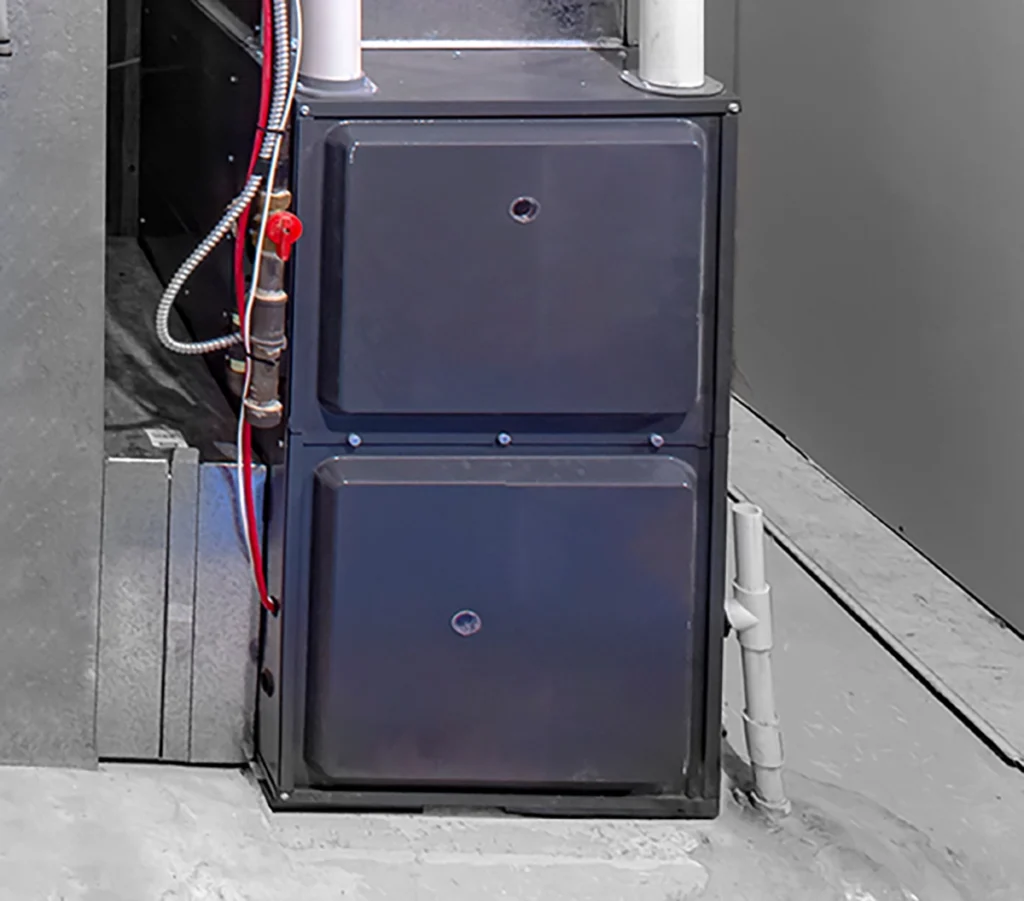
High-efficiency condensing furnace with PVC venting and visible water marks on the floor, similar to what you might see with a furnace leaking water from a clogged condensate drain
Heating, Repair

Why Is My Furnace Leaking Water? Causes and Fixes

When a homeowner calls us about a furnace leaking water, the first reaction is almost always the same: “Is this normal, or is something seriously wrong?” I get that worry. When you see water around a heating system, it feels like an emergency. At C&R Services, we’ve walked into plenty of homes where a small puddle turned into a big headache. The good news is that most leaks are preventable once you know what causes them—and how quickly to respond. Below, I’ll walk you through the most common reasons for a furnace leaking water, how we diagnose the issue on service calls, and what homeowners can safely check before calling a professional. What It Means When You Find Your Furnace Leaking Water A furnace leaking water doesn’t always point to a major failure. However, it does mean something isn’t draining, heating, or venting the way it should. Water can come from several different parts of the system, and catching the cause early protects your home from bigger problems like rust, mold, or damaged flooring. Sometimes homeowners describe it as “water around the furnace,” “a leaking furnace,” or “water coming from the furnace cabinet.” No matter how you phrase it, the cause usually comes down to drainage or airflow. Condensate Drain Problems Are the Most Common Cause of a Furnace Leaking Water High-efficiency furnaces push extra heat out of exhaust gases. That process creates condensation that should drain out through a small PVC line. When that line clogs, cracks, or disconnects, water has nowhere to go. As a result, you’ll often see your furnace leaking water on the floor around the unit. Most of the time, this kind of leak shows up after a long heating cycle or when the drain tubing has been bumped out of place without anyone realizing it. Even a slight blockage can cause water to back up quickly, especially in homes where the furnace runs for longer stretches. Because every setup is different, the exact fix can range from clearing the trap to replacing damaged tubing or adjusting the line so it drains correctly. Your Humidifier Might Be the Problem If you have a whole-home humidifier attached to the furnace, it can leak long before the furnace itself fails. Sometimes it presents just like a furnace leaking water, even though the issue is the humidifier. A stuck water panel, cracked reservoir, or faulty solenoid valve all send water right into the ductwork. Even a small humidifier issue can look like a furnace moisture problem because everything drains toward the same area. Heat Exchanger Condensation Issues That Can Lead to a Furnace Leaking Water High-efficiency furnaces use a secondary heat exchanger to extract more heat from exhaust gases. As the gases cool, water vapor condenses into liquid. The U.S. Department of Energy explains how this condensing process works in modern high-efficiency systems. If you want a clearer breakdown of how a furnace heats your home and what each part does during the heating cycle, our guide on understanding the full furnace process walks through it step by step. When everything is working correctly, that condensed moisture drains out of the furnace through the proper tubing. But if the heat exchanger is damaged, restricted, or not moving air the way it should, the condensation may collect inside the cabinet instead of draining away. When that happens, you may see what looks like a furnace leaking water even though the root issue is tied to the heat exchanger’s airflow or internal condition. If you notice moisture inside the furnace cabinet or recurring condensation issues, scheduling professional furnace services can help you prevent corrosion and more serious damage. Blocked Exhaust or Venting Issues If your PVC exhaust pipes are blocked by debris, pests, or ice, condensation has nowhere to go except back into the furnace cabinet. This can cause intermittent leaks that come and go with weather changes. For homeowners in colder climates, ice buildup around exhaust pipes can be a seasonal issue. The National Weather Service offers helpful freezing-weather safety guidance. What You Can Safely Check Before Calling a Technician Before you call for help, here are a few safe checks that often help you spot where your leaking furnace issue is coming from: 1. Make sure the air filter isn’t clogged. Poor airflow causes overheating and excess condensation, which often appears as a furnace water leak. 2. Check the condensate line for visible blockages. If the tubing is kinked or disconnected, the furnace will look like it’s leaking even when the part isn’t failing. 3. Look around the humidifier for drips. Leaks from above often travel downward and mimic a furnace leaking water on the floor. 4. Inspect the exhaust pipes from a safe distance. Blocked vents can force moisture backward into the system. If anything looks damaged or you see more than a small puddle, that’s when it’s time to bring in a pro. How C&R Services Fixes a Furnace Leaking Water When we’re called out, here’s what we typically check: Condensate trap and drain tubing Secondary heat exchanger Internal condensate pump Humidifier lines and valves Venting and PVC exhaust Drain pan and collection area Furnace seals and gaskets Every home and furnace setup is different, so the fix depends on the exact cause of the furnace water leak—not the water itself. When a Furnace Leaking Water Becomes an Emergency Most leaks aren’t urgent, but there are moments where you should shut down the furnace and call a technician right away: Water reaches electrical components You smell gas or burning Rust appears inside the cabinet The leak has continued for more than a day A furnace leaking water can create bigger problems fast, even if it starts small. When you run into any of these warning signs, scheduling professional heating repair is the safest next step. A technician can check the system, stop further damage, and make sure everything is operating safely. Contact C&R Services If you’ve discovered your furnace leaking water, our team can help.

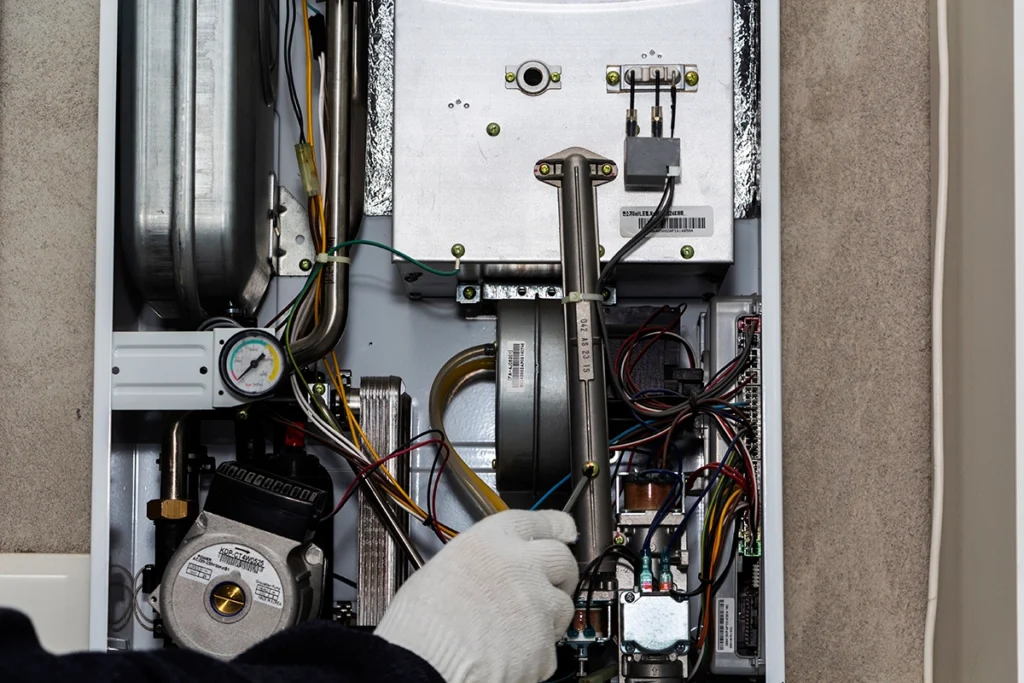
Technician inspecting internal furnace components during limit switch diagnostics
Heating, Maintenance, Repair

Furnace Limit Switch: What It Is and Why It Matters

When homeowners call us with a furnace that won’t stay on, they often assume the whole system is failing. But many problems come back to one small part: the furnace limit switch. At C&R Services, we see issues with this switch every heating season. And honestly, it makes sense. The switch has a simple job, yet it does a lot of heavy lifting in protecting your system and your home. I’ll walk you through what it does, how it fails, and when to call a pro. I’ll also explain a couple of things I’ve seen in the field (because some of the surprises still make me laugh a little). But more importantly, I’ll show you how this small safety control keeps your system running safely. What the Furnace Limit Switch Actually Does The furnace limit switch monitors the temperature inside the furnace. When the air gets too hot, it shuts the burners off. When the temperature drops again, it allows the system to restart. Without it, your furnace could easily overheat. If you’re not familiar with how a furnace heats and moves air, our detailed guide on how a furnace works explains each stage of the process in clear steps. This little control may not look like much, but it protects your heat exchanger, electrical components, and ductwork. And trust me, once you’ve seen a cracked heat exchanger from overheating, you don’t forget it. (I once found a switch wired incorrectly by a DIY repair from a previous homeowner. Let’s just say electrical tape is never the right fix.) How a Furnace Limit Switch Fails When a furnace limit switch starts acting up, the problem isn’t always the switch itself. Because this safety device responds to temperature and airflow conditions inside the furnace, any issue that causes the system to overheat can make the switch appear faulty. Technicians look at the surrounding symptoms, the furnace’s operating temperature, and the airflow path to determine whether the switch is failing or simply reacting to another underlying problem. Several issues tend to cause the most trouble, starting with dust and restricted airflow. 1. Dust and Debris Around the Furnace Limit Switch Dust buildup is a common cause of overheating. When airflow drops, the furnace runs hotter than normal. Eventually, the switch shuts things down to protect the system. This is one reason the U.S. Department of Energy includes filter changes in its basic furnace maintenance recommendations. Their heating maintenance guidance is helpful for homeowners who want the basics. 2. Short Cycling from a Bad or Weak Switch A weak furnace limit switch can cause rapid on-and-off cycling. You’ll hear the furnace start, stop, start again, and keep repeating. It wastes energy and stresses components. It also drives homeowners up the wall. 3. Blower Motor Problems Sometimes, the limit switch gets blamed when the blower is the real issue. If the blower fails to move enough air across the heat exchanger, the switch steps in and shuts the burners down. It’s doing its job, even if it looks like the switch is the culprit. 4. Wiring Issues and Loose Connections Loose terminals or aged wiring can make the switch behave unpredictably. This is especially true in older homes and in attics where temperature swings are extreme. A quick inspection usually confirms it. Why the Furnace Limit Switch Matters for Safety Your furnace limit switch is one of the most important safety controls in the entire system. It protects against overheating, reduces fire hazards, and prevents damage to expensive components. The NFPA notes that heating equipment is a leading cause of home fires, which is why staying on top of maintenance and safety checks is so important. That’s why we always check the switch on every heating service call at C&R Services. Even if the furnace is brand-new, we verify the switch is responding correctly. Signs Your Furnace Limit Switch Needs Attention Furnace keeps shutting down Burners turn off too quickly Blower runs nonstop You smell something hot or “burning” The furnace overheats often The blower starts late or stops early These signs show up long before most homeowners notice a major problem. If you catch them early, you can avoid bigger repairs. A system that shuts down often, runs the blower nonstop, or drops heat too quickly may point to the limit switch. These symptoms can overlap with other issues, though. If your furnace refuses to start, that could point to more than the limit switch. Our guide on what to check if your furnace isn’t turning on walks through the basics you can rule out first. And if the flame keeps dropping out, the furnace may short cycle or heat unevenly, which can also trigger the limit switch. Our pilot light troubleshooting guide covers a few safe checks you can try before scheduling service. How Technicians Diagnose a Furnace Limit Switch Problem Before we can determine whether a limit switch is malfunctioning, technicians start by looking at the conditions that cause the switch to trip in the first place. Because this component responds to overheating, anything that restricts airflow or affects burner performance can trigger a shutdown. A proper diagnosis involves checking the system’s temperature rise, inspecting airflow pathways, and verifying that the furnace is operating within safe limits. Once we confirm the overall conditions, we move into more targeted tests—beginning with airflow. Airflow Testing We check filters, vents, ducts, and static pressure to see if the furnace is breathing properly. Temperature Readings We measure temperature rise and make sure it’s within the manufacturer’s range. Switch Behavior We test the limit switch to confirm it’s opening and closing at the right times. Blower Performance We make sure the blower is running at the proper speed and moving enough air. When to Replace Your Furnace Limit Switch Replacement is usually recommended when: The switch is sticking The furnace overheats repeatedly The blower runs constantly Electrical connections are failing The switch is older and unreliable It’s a quick repair, but it needs to be

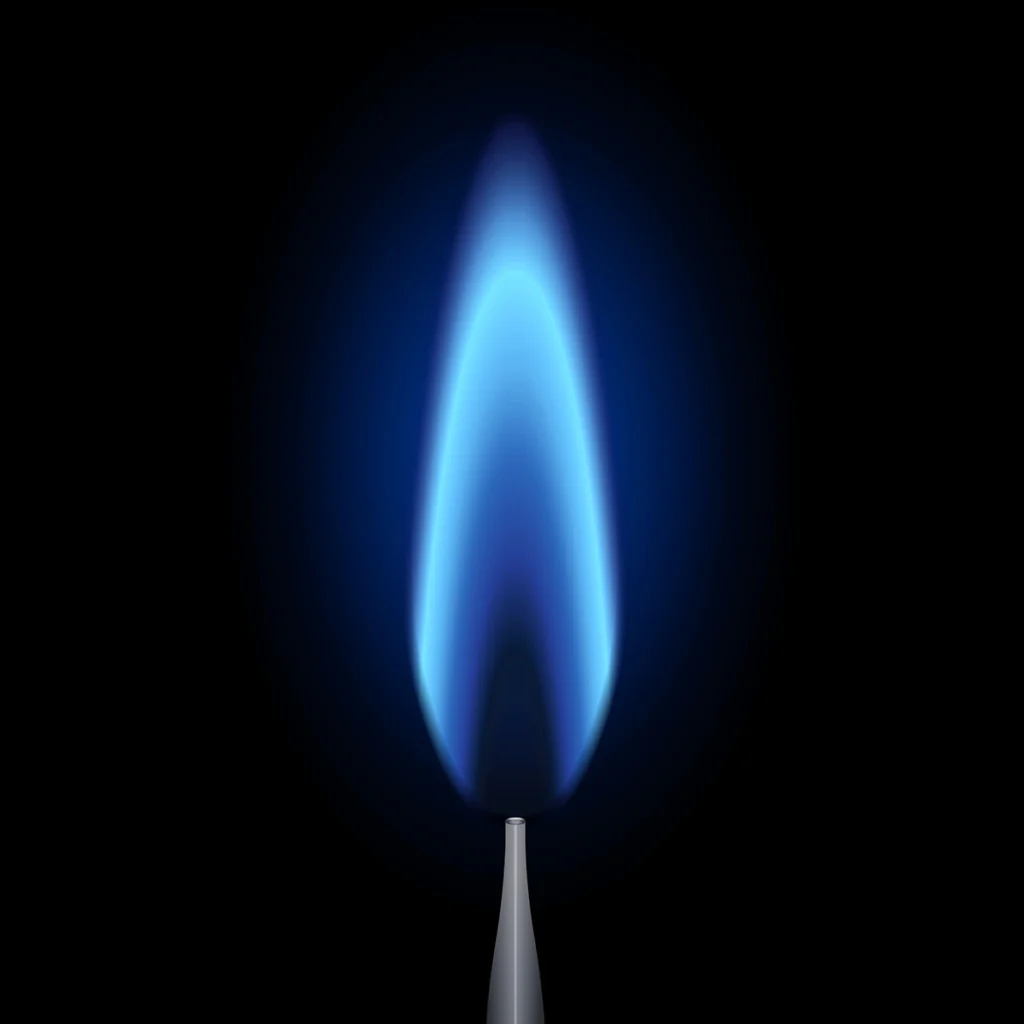
Close-up of a steady blue furnace pilot light flame
Heating, Maintenance, Repair

Furnace Pilot Light Won’t Stay Lit? Try This

When your furnace pilot light keeps going out, it’s frustrating—especially on a chilly night. At C&R Services, we see this all the time, and the truth is, that tiny flame does a lot more work than most people realize. It’s the heart of your furnace, the spark that keeps the whole system alive. When it won’t stay lit, your furnace can’t do its job—and your house gets cold fast. After fixing countless furnaces with this issue, I can tell you most pilot light problems trace back to a few common culprits. Here’s what to check—and when to call for help. What the Furnace Pilot Light Actually Does Think of the furnace pilot light as the ignition switch for your heating system. When your thermostat calls for heat, that flame lights the burners and kicks things into motion. Without it, there’s no fire—no heat. Older furnaces use a standing pilot light that burns continuously. Newer systems rely on electronic ignition, which sparks only when needed. Both can fail, but for slightly different reasons. (Sometimes all it takes is a quick relight. It’s an easy fix that catches a lot of people off guard.) Common Reasons the Furnace Pilot Light Keeps Going Out You don’t need to be a technician to notice the symptoms, but knowing the “why” can help you avoid a bigger repair down the line. 1. Dust and Debris in the Pilot Orifice When the orifice clogs with dust or lint, the flame weakens and flickers out. I once found a pilot completely blocked by a spiderweb—no joke. A quick cleaning fixed it. Still, if you’re unsure, have a pro handle it. Working around gas requires steady hands and the right tools. 2. Bad Thermocouple That thin metal sensor beside the flame? It’s called a thermocouple. It’s basically the furnace’s safety guard—it shuts the gas off if the flame goes out. But when it gets dirty or fails, it can “think” there’s no flame even when there is. Replacing it is quick and inexpensive, and we do it all the time here at C&R Services. 3. Drafts and Venting Problems A strong draft or poor vent seal can blow the flame right out. I’ve seen it happen from something as simple as a door opening too close to the furnace. Sometimes, the vent pipe isn’t sealed properly, letting cold air rush back inside. 4. Gas Flow Issues If the flame won’t stay lit no matter what, you might be dealing with low gas pressure or a partially closed valve. Sometimes the issue goes beyond the pilot assembly itself. If the internal gas valve isn’t opening or regulating fuel correctly, the flame can go out repeatedly. If you want a simple explanation of how that part works, we have a breakdown that covers the role of the gas valve on a furnace and the warning signs to watch for. That’s not a DIY job—your gas company or an HVAC technician should check that. How to Relight a Furnace Pilot Light Safely If you’re comfortable and your system uses a manual pilot, you can try relighting it yourself. Here’s how: Turn the gas control to “Off” and wait a few minutes to clear any gas. Find the pilot assembly and turn the knob to “Pilot.” Press and hold the knob while lighting the flame with a match or lighter. Keep holding the knob for 30 seconds after the flame appears, then release. Turn the knob to “On.” The burners should ignite. If the furnace pilot light goes out again right after, stop trying to relight it. That’s your system telling you it needs service. Sometimes, the pilot isn’t the only reason a furnace won’t start. If your system still refuses to kick on, check out our post on what to do when your furnace isn’t turning on — it covers other common ignition and safety switch issues you can look for before calling a pro. When to Call a Professional Here’s my personal rule: if you’ve relit the pilot twice in one day and it still won’t hold, call in help. It could be a failing thermocouple, a dirty orifice, or something more serious like a gas control valve issue. At C&R Services, we use gas analyzers and thermal sensors to test ignition systems precisely. Whether the issue is mechanical or airflow-related, we’ll get your heat back safely and efficiently. And yes, we’ve worked on everything from vintage gas furnaces to modern two-stage units—so we’ve seen it all. If your system still kicks on but only blows cool air, the problem might go beyond the pilot itself. Sometimes, the burners light briefly and shut off, or the flame sensor fails to confirm ignition. For a deeper look at that issue, read our guide on why your heater might be blowing cold air — it breaks down other causes beyond the pilot light itself. Keeping Your Pilot Light Burning Bright Preventing future problems doesn’t take much. Here’s what I tell every homeowner: Schedule a yearly tune-up before winter. Replace your air filter regularly—restricted airflow affects combustion. Seal nearby drafts that can blow out the flame. Have a pro clean the burner and pilot assembly once a year. For deeper reading, the U.S. Department of Energy has a solid overview of furnace maintenance and safety. For seasonal prep, check out The Old Farmer’s Almanac winter forecast to see when colder weather might hit your area. Should You Consider a Furnace Upgrade? If your furnace is more than 20 years old and the furnace pilot light keeps acting up, it might be time to think about replacement. Modern systems use electronic ignition, saving energy and avoiding the old pilot flame altogether. We’ve replaced plenty of units in East Texas that were running on borrowed time—and the efficiency gains are no joke. Contact C&R Services If your furnace pilot light won’t stay lit, don’t wait until you’re freezing. C&R Services offers prompt, professional heating repair and maintenance services across Tyler and East Texas. Contact

Scroll to Top