Call Us (903) 204-7571 Today

“Taught By Fathers, Trusted By Families”

October 7, 2026

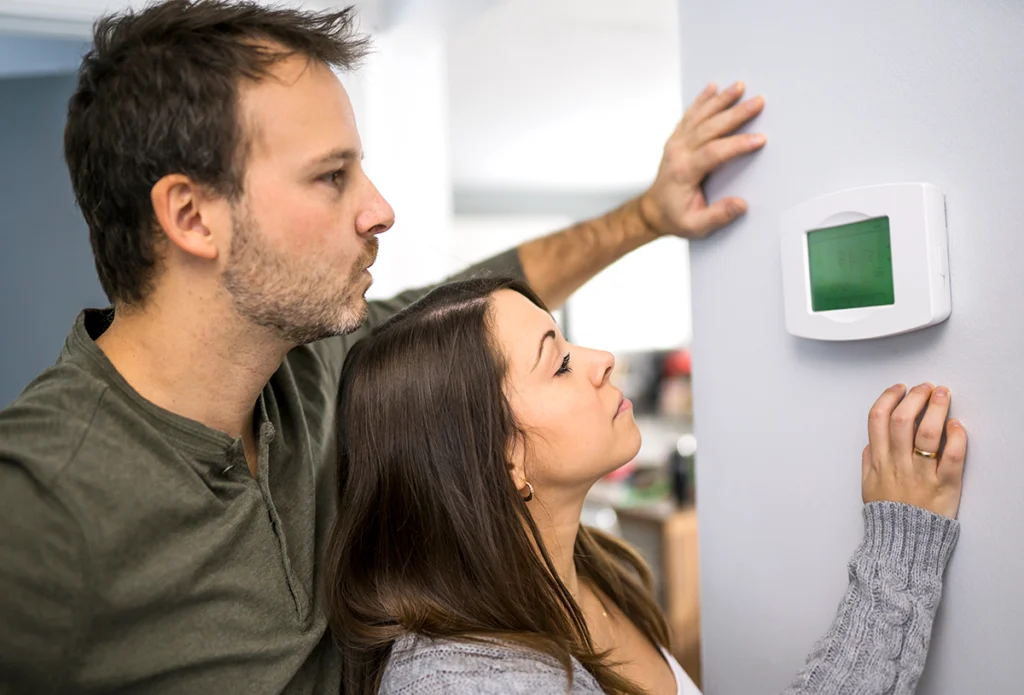
Furnace thermostat not responding to temperature changes in kilgore: homeowners looking at a wall thermostat while checking
Furnaces, Repair, Thermostats

Furnace Thermostat Not Responding to Temperature Changes Kilgore

When your furnace thermostat isn’t responding to temperature changes in Kilgore, your home can stay chilly even after you turn up the heat. You might notice that the thermostat appears to be calling for heat, but the furnace never starts. This frustrating issue can have several causes, including dead batteries, loose wiring, inaccurate temperature readings, or a malfunctioning furnace control board. Some problems are simple to check, while others require professional diagnosis. At C&R HVAC, we help Kilgore homeowners identify thermostat and heating system issues. We’ll explain the common causes, warning signs, and safe troubleshooting steps you can take before scheduling service. Why Your Furnace Thermostat Is Not Responding to Temperature Changes in Kilgore When you adjust the temperature setting and your furnace stays silent, a handful of common issues are usually to blame. The thermostat itself may be reading the room temperature incorrectly. That means it may not send a call for heat when needed. Dead batteries or a tripped breaker can also interrupt operation. ENERGY STAR recommends checking thermostat settings to ensure the system responds at the programmed temperatures. Incorrect programming can also explain unexpected heating behavior. According to the U.S. Department of Energy, homeowners can save up to 10% annually on heating and cooling by adjusting thermostat settings 7–10 degrees for eight hours daily. However, a programmed setback or schedule may also explain why the heating system isn’t running when expected. Checking these settings can help distinguish a programming issue from an equipment malfunction. Another frequent culprit is a loose or corroded wire at the thermostat backplate or furnace control board. Even a single disconnected wire can break the control circuit and stop heating commands. Dust buildup inside older mechanical thermostats may also interfere with their operation. In homes around Kilgore, moisture and aging components can contribute to deteriorating electrical connections. We also see issues at the furnace itself. A faulty control board may not recognize the thermostat’s signal. A safety control, such as a high-temperature limit switch, may also interrupt heating. When we respond, our licensed technicians test voltage at the thermostat and furnace terminals. We inspect wiring for damage and verify that safety controls work correctly before recommending repairs. Safe Checks Before You Call a Technician If your thermostat isn’t responding to temperature changes, a few observations can help you describe the symptoms. First, check whether your thermostat is set to “Heat” mode. Make sure the target temperature is higher than the current room temperature. A blank or dim display may indicate a power issue. Understanding common reasons for a thermostat not working can also help you recognize potential problems. You can also note whether your furnace filter appears heavily clogged. A dirty filter can restrict airflow and cause the furnace to overheat. This may trigger a safety shutdown even when the thermostat is calling for heat. In some cases, a heater that won’t turn on has a furnace-related problem rather than a faulty thermostat. Regular filter maintenance helps support proper airflow and heating performance. When you call C&R HVAC, our licensed technicians will diagnose wiring issues, failed limit switches, control board problems, or power supply faults safely and correctly. Furnace Thermostat Not Responding to Temperature Changes in Kilgore: Common Culprits When a thermostat won’t trigger your furnace, the issue often lies deeper in the heating system. Faulty wiring, a calibration drift inside the thermostat itself, or a control-board malfunction at the furnace are common causes. Each of these requires professional diagnosis. Trying to troubleshoot electrical or control components can create safety hazards, so it’s best to call a licensed technician. Wiring and Connection Faults Over time, the low-voltage wiring between your thermostat and furnace can loosen, corrode, or suffer rodent damage. A single frayed wire or corroded terminal can break the communication loop. That leaves your thermostat unable to call for heat even though it appears to function normally. When we respond to a furnace thermostat not responding to temperature changes in Kilgore, our certified technicians inspect the wire connections at both the thermostat base and the furnace control board. We also check for voltage drop along the circuit to confirm clean power delivery. Thermostat Calibration Drift Older mechanical thermostats use a bimetal coil to sense room temperature. This metal strip bends with temperature change. Dust buildup, age, or a slight physical bump can throw off that calibration. The thermostat may “think” the room is warmer or cooler than it really is. Digital models can also lose calibration if their internal sensor degrades. Our licensed technicians can test the sensor’s accuracy and recalibrate or replace the unit as needed. Furnace Control Board Issues The control board inside your furnace acts as the brain of the system. It reads the thermostat’s call for heat and coordinates ignition, blower operation, and safety interlocks. A failed relay, a blown fuse on the board, or a damaged circuit trace can prevent the furnace from responding to any thermostat signal. Diagnosing control-board faults requires specialized meters and knowledge of the furnace’s wiring schematic. We stand behind every repair with a workmanship warranty and can schedule a thorough inspection to pinpoint the root cause. Call C&R HVAC so your Kilgore home stays warm and safe all winter. When to Call C&R HVAC About a Furnace Thermostat Not Responding to Temperature Changes in Kilgore If your furnace thermostat isn’t responding to temperature changes in Kilgore, the safest next step may be professional service. A heating failure can become urgent when outdoor temperatures drop. This is especially true for households with young children, older adults, or other vulnerable occupants. Thermostat malfunctions may also cause irregular heating cycles or unnecessary energy consumption. Addressing these issues promptly helps restore reliable comfort. When you contact C&R HVAC, our team will inspect both the thermostat and furnace. We check wiring integrity, calibration accuracy, system voltage, and communication between components. If the issue involves a faulty control board or sensor, we’ll explain your repair options. We stand behind our work with a workmanship warranty. Plus, we’re
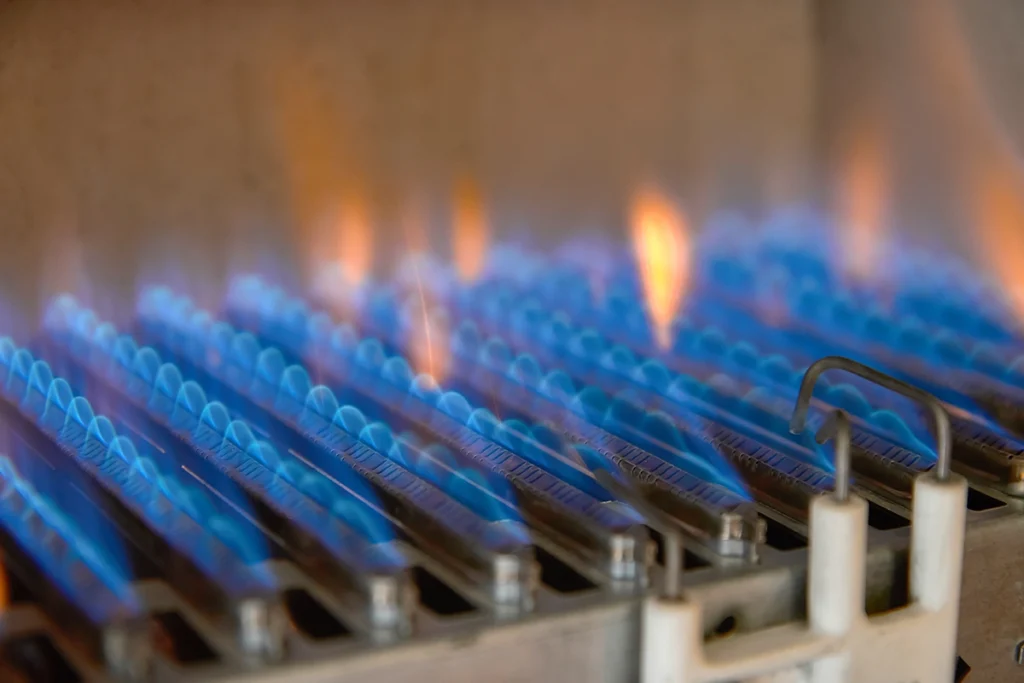
Furnace ignition system not lighting in Garden Valley: close-up of blue burner flames inside a gas furnace during normal
Furnaces, Heating, Repair

Furnace Ignition System Not Lighting in Garden Valley

When your furnace ignition system is not lighting in Garden Valley, it’s natural to feel uncertain about what’s happening. You may also wonder whether it’s something serious. The good news is that ignition problems are common. Most of the time, the cause is identifiable and fixable. Your system may click but won’t ignite, spark without lighting, or stay completely silent. Understanding what’s going on inside your furnace helps you know when to call for professional help. We’re here to walk you through the likely causes and the warning signs to watch for. We’ll also explain what our trusted technicians will do to get your heat back on safely and reliably. Why Your Furnace Ignition System Is Not Lighting in Garden Valley When you hear your furnace call for heat but the burners never ignite, a few common problems may be responsible. The ignition system typically uses a hot-surface igniter or electronic spark to ignite the gas. You might notice repeated clicking sounds, a failed ignition attempt, or the furnace shutting down shortly after starting. These symptoms can indicate a problem with the ignition process or another furnace component. Modern furnaces use safety controls to verify that a flame has been established. If the system cannot confirm ignition, the control board closes the gas valve. Depending on the furnace model, it may attempt ignition again before entering a safety lockout. Dirty or damaged igniters, contaminated flame sensors, gas supply problems, and faulty pressure switches can all interfere with operation. Dust and debris may also accumulate around furnace components and contribute to ignition problems. When your furnace ignition system is not lighting in Garden Valley, our licensed technicians inspect the complete ignition sequence. We check the igniter, flame sensor, gas valve, and burner assembly. We also test electrical components and safety controls to identify the underlying problem. Our team stands behind its work with a workmanship warranty. If your furnace won’t ignite or repeatedly shuts down, call C&R HVAC for professional diagnosis and repair. Warning Signs Your Ignition System Is Failing Your furnace may show several warning signs before the ignition system stops working entirely. Repeated ignition attempts can indicate problems with the igniter, gas supply, or flame-sensing components. You might also notice the furnace starting and shutting down without reaching your desired temperature. Sometimes, the blower runs without producing warm air. These symptoms can indicate that the burners aren’t lighting or that a safety control has interrupted heating. Pay attention to unusual sounds and changes in furnace operation. Clicking noises may occur during ignition attempts, particularly in systems that use spark ignition. However, clicking alone doesn’t identify which component is failing. If the burners light briefly and then go out, a contaminated flame sensor or another safety-control issue may be responsible. Visible soot around the burners can indicate improper combustion and should be inspected by a professional. If you smell natural gas, leave the building immediately. Avoid using electrical switches, phones, or anything that could create a spark while inside. Once you’re safely outside, contact your gas utility or 911. Do not attempt to restart the furnace or investigate the source yourself. Routine furnace maintenance helps identify developing ignition problems before they interrupt heating. During inspections in Garden Valley, we examine the igniter and check the flame sensor for oxidation or contamination. We also inspect burner conditions and other components that may affect safe ignition. Safe Checks Before Calling for Service Before calling for service, a few simple checks can help identify obvious problems with your furnace ignition system. First, make sure your thermostat is set to “Heat” mode. Set the target temperature above the current room temperature and confirm the fan is set to “Auto.” If your thermostat uses batteries, check whether they need replacement. Next, check your circuit breaker panel for a tripped furnace breaker. A loss of electrical power can stop the ignition process entirely. You can also note whether the thermostat display is functioning normally. However, avoid opening the furnace cabinet or attempting to test ignition components yourself. These checks are appropriate only when there is no suspected gas leak or other immediate safety concern. If you smell gas, leave the building immediately and contact emergency services or your gas utility from outside. If the thermostat settings and electrical supply appear normal, contact C&R HVAC. We’ll inspect the igniter, gas valve, flame sensor, and control board to identify the problem and restore reliable heating. How We Diagnose a Furnace Ignition System Not Lighting in Garden Valley When we arrive to diagnose a furnace ignition system not lighting, we follow a methodical process to identify the cause. Our licensed technicians start by asking what happened before the furnace stopped working. We ask whether the system attempted ignition, shut down unexpectedly, or made clicking sounds. We also check whether the blower runs without producing heat. These observations help us narrow down potential problems. What We Test During the Inspection We begin by checking thermostat settings and confirming the furnace receives a call for heat. Next, we inspect the ignition components and flame sensor. The flame sensor detects whether the burners have established a flame. Oxidation, other contamination, or damage can interfere with flame detection. This may cause the furnace to shut down shortly after ignition. We clean or replace the sensor when necessary. We also test the hot-surface igniter for damage and proper operation. A failed igniter can prevent the burners from lighting. Beyond those components, we examine the gas valve to verify proper fuel delivery. We check the pressure switch and draft inducer motor to assess venting conditions. If the furnace uses spark ignition, we also inspect the ignition module and related wiring. Additionally, we examine rollout switches and high-temperature limits for safety-related faults. Combustion and venting problems can create carbon monoxide hazards. That’s why the Consumer Product Safety Commission recommends installing carbon monoxide alarms on every level of the home and outside sleeping areas. These inspections help us identify what’s interfering with the heating process. Once

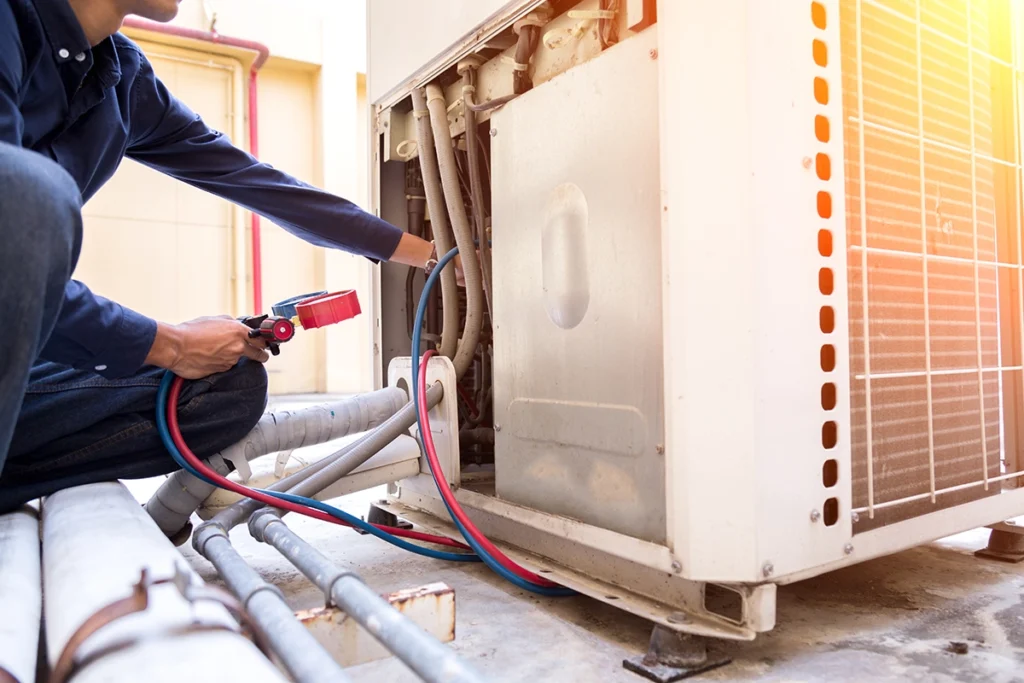
HVAC technician checking refrigerant pressures while diagnosing an air conditioner compressor not turning on in Longview TX
Air Conditioning, Maintenance, Repair

Air Conditioner Compressor Not Turning On in Longview

An air conditioner compressor not turning on in Longview can leave your home uncomfortable when temperatures climb. However, a compressor that won’t start doesn’t automatically mean the component has failed. A tripped breaker, faulty capacitor, malfunctioning contactor, or safety control could be responsible. Electrical problems, refrigerant-related issues, and internal compressor damage are also possible causes. Because several problems can produce similar symptoms, identifying the actual cause is important. Replacing a compressor without investigating contributing issues may leave existing problems unresolved. Our team helps Longview homeowners understand why their cooling systems stop working and what repairs may be necessary. Air Conditioner Compressor Not Turning On in Longview When your air conditioner compressor won’t turn on in Longview, several electrical or mechanical problems could be responsible. A tripped breaker or blown fuse may interrupt power to the outdoor unit. A thermostat that isn’t calling for cooling can also keep the compressor from starting. However, internal compressor damage is another possibility that requires professional evaluation. A malfunctioning contactor may fail to complete the electrical circuit. Some systems also have refrigerant pressure switches that interrupt compressor operation when pressures move outside acceptable limits. A failed compressor start or run capacitor can prevent certain motors from starting properly. Other possible causes include dirty condenser coils, overheating, or inadequate airflow around the outdoor unit. A failing AC fan motor can also interfere with heat removal. This may contribute to elevated refrigerant pressures or compressor overheating. Electrical wiring problems and control board malfunctions can affect operation as well. In Longview’s hot, humid climate, repeated short cycling may place additional stress on cooling equipment. Short cycling can result from improper system sizing, certain control problems, or other operating conditions. Refrigerant-related faults and restricted airflow may also contribute to abnormal cycling. Over time, repeated starts and stops can increase wear on compressor components. Because these problems can produce similar symptoms, our technicians perform a thorough diagnostic before recommending repairs. We inspect electrical connections, check appropriate voltage readings, and test applicable capacitors and contactors. Refrigerant pressures may also be evaluated when conditions allow. This process helps us determine whether the problem involves the compressor itself or another system component. What to Check Before You Call a Technician Before calling about an air conditioner compressor not turning on in Longview, a few simple checks may help identify obvious problems. These observations can also provide useful information when our technicians arrive. Start by checking your thermostat. Make sure it’s set to cooling mode and the requested temperature is below the current room temperature. An incorrect setting can sometimes explain why the outdoor unit isn’t operating. Next, look around your outdoor condensing unit for visible obstructions. Leaves, grass clippings, and other debris can restrict airflow. The U.S. Department of Energy recommends keeping outdoor units clear of weeds and debris so air can circulate freely. While standing near the unit, listen for unusual sounds. Humming, clicking, or repeated attempts to start may provide clues about an electrical or mechanical problem. Avoid opening equipment panels or touching internal components. Finally, check your electrical panel for a tripped air conditioner breaker. If the breaker has tripped, leave it off and contact a qualified technician. Repeatedly resetting a breaker can create additional safety risks when an electrical fault is present. These checks cannot confirm compressor failure, but they can help narrow down potential causes. Professional testing is necessary when the problem involves internal electrical components or refrigerant system operation. Why Your Air Conditioner Compressor Won’t Turn On When your air conditioner compressor won’t turn on, the problem may involve electrical controls, refrigerant conditions, or the compressor itself. Several components must operate correctly for the cooling cycle to begin. If one fails, the compressor may struggle to start or remain off entirely. Electrical problems are common causes of compressor starting issues. A tripped breaker, blown fuse, damaged wiring, or faulty contactor may interrupt power. Thermostat communication problems and control board failures can also prevent normal operation. Some systems use refrigerant pressure switches to protect the compressor from operating outside acceptable conditions. Low or high pressure may activate these controls, depending on the system’s design. However, not every air conditioner has the same protective devices. Refrigerant pressure alone also cannot confirm whether the system contains the correct charge. A failed start or run capacitor may prevent certain compressor motors from starting. Dirty condenser coils or insufficient outdoor airflow can contribute to overheating. Internal electrical damage, mechanical wear, or a locked compressor can also cause starting problems. These failures do not always result from an earlier neglected issue. When we investigate an air conditioner compressor not turning on in Longview, we check electrical supply and applicable starting components. Our technicians also inspect control signals, safety devices, and signs of overheating. Refrigerant testing depends on whether the system can operate. Static pressure can be measured while the compressor is off, but normal operating pressures require appropriate running conditions. Additional diagnostic procedures may be necessary to evaluate refrigerant charge and system performance. This thorough approach helps identify whether a repair can restore compressor operation or replacement is necessary. When to Call C&R HVAC for Compressor Problems If your outdoor unit stays silent when your thermostat calls for cooling, professional service may be necessary. Unusual humming, repeated clicking, or unexpected shutdowns can also indicate compressor-related problems. Longview’s summer heat can make cooling interruptions especially uncomfortable, so timely diagnosis is important. Before calling, verify that your thermostat is set correctly and check for a tripped breaker. You can also look for debris around the outdoor unit. Additionally, reduced airflow or ice buildup on the indoor evaporator coil may indicate a separate cooling system problem. Ice can sometimes appear on accessible refrigerant lines as well. Avoid operating a system that is visibly frozen, and allow a technician to investigate the cause. When we arrive, we’ll perform a professional AC inspection to determine why your compressor isn’t starting. Our technicians evaluate applicable electrical components, safety controls, and refrigerant system conditions. If compressor damage is confirmed,

Scroll to Top