Central AC Setup: Cost, Installation & What to Expect
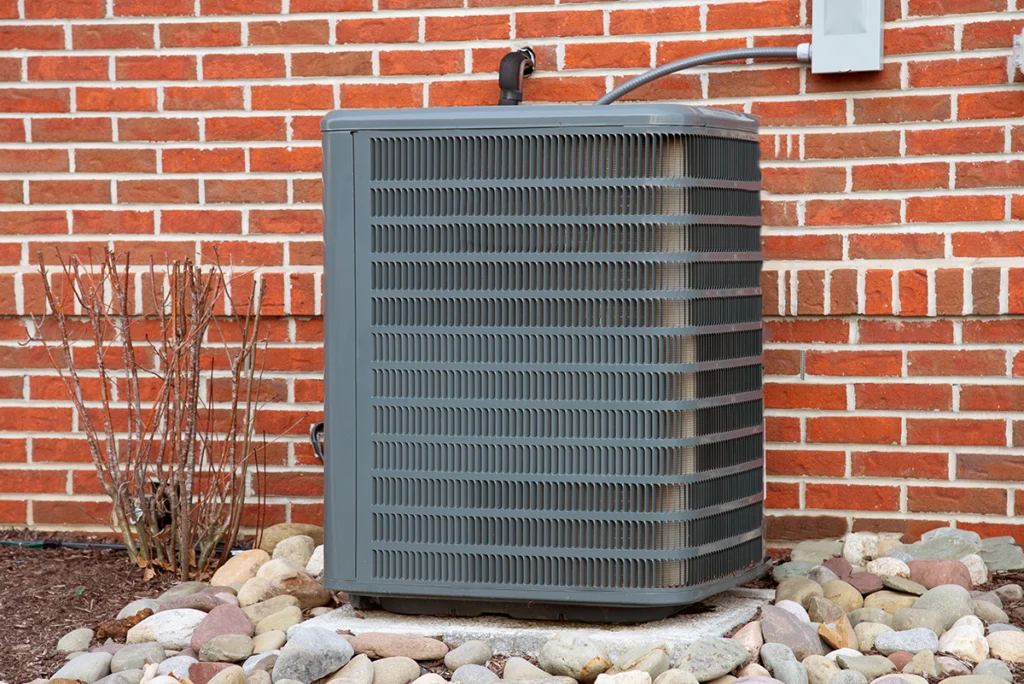
A central AC setup can make a major difference in comfort during a hot East Texas summer. However, choosing the right equipment is only part of the process. Proper sizing, ductwork, airflow, and installation all affect how well your new system performs. For homeowners in Tyler and East TX, understanding the process can make planning an AC installation much easier. Central air conditioning is designed to cool the entire home through one connected system. Therefore, every component must work together correctly. Before installation begins, an HVAC professional should evaluate your home, existing equipment, and cooling needs. That preparation helps create reliable comfort without unnecessary energy use. What Is a Central AC Setup? A central AC setup typically includes an outdoor condenser and an indoor evaporator coil. It also includes an air handler or furnace blower, depending on the system. Refrigerant lines connect the indoor and outdoor equipment. Meanwhile, ductwork distributes cooled air throughout the home. A thermostat tells the system when cooling is needed. During operation, the system removes heat and moisture from indoor air. Then, it sends cooled air back through the supply vents. The refrigerant carries the collected heat outdoors, where the condenser releases it. Because every component affects the others, simply choosing a powerful air conditioner is not enough. Instead, the entire system must be designed as one complete cooling solution. What Does Central AC Setup Cost in Tyler and East TX? The cost of a central AC setup varies significantly from one property to another. Therefore, an in-home assessment provides a more useful estimate than a general online price. Home size is one major factor. However, equipment efficiency, system capacity, electrical requirements, and installation complexity also affect the final price. Existing infrastructure matters as well. For example, a home with usable ducts may require less work than one needing extensive modifications. The condition of the current equipment can also change the project scope. Additionally, homeowners replacing an older system may need upgrades to accommodate modern equipment. These factors explain why HVAC installation cost in Tyler, Texas can vary considerably between homes. What Happens During a Central AC Setup? Professional central AC setup begins before the new equipment arrives. First, the contractor evaluates the property and determines its cooling requirements. Next, the technician checks the existing electrical system, ductwork, drain lines, and installation area. This inspection can uncover issues that should be corrected first. Afterward, old HVAC equipment is removed when necessary. The indoor and outdoor components are then positioned and connected. Refrigerant lines must be installed carefully. Likewise, condensate drainage needs the correct slope and routing. Electrical connections must also meet equipment requirements. Once everything is connected, the system must be tested. Technicians check airflow, temperatures, refrigerant operation, thermostat controls, and drainage. Finally, the homeowner should receive basic operating instructions. Therefore, you will know how to use the thermostat and maintain filters after installation. Why Proper AC Sizing Matters Bigger does not automatically mean better when choosing an air conditioner. In fact, oversized equipment can create its own comfort problems. An oversized system may cool the home very quickly. However, it can shut off before running long enough to remove sufficient moisture. Frequent cycling can also increase equipment wear. An undersized system creates the opposite problem. It may run for long periods while struggling to reach the thermostat setting. That is why professional sizing is essential for a central AC setup. The calculation should consider the home’s size, insulation, windows, layout, orientation, and other characteristics. According to ENERGY STAR’s HVAC quality installation guidance, properly sized equipment supports comfort and performance. ENERGY STAR also recommends evaluating airflow, refrigerant charge, and ductwork during installation. Ductwork Can Make or Break AC Performance Even excellent equipment can struggle when connected to poor ductwork. Therefore, ducts should be inspected when planning a central AC setup. Leaks can allow cooled air to escape before reaching your rooms. Meanwhile, undersized or restricted ducts can limit airflow. Poorly insulated ducts can also gain heat when running through a hot East Texas attic. As a result, cooled air may warm before reaching the living space. Your home’s HVAC ductwork should match the airflow requirements of the new system. Existing ducts may need sealing, repairs, insulation, or modifications before installation. Return airflow matters too. Without enough return air, the system may struggle to move air effectively. Therefore, contractors should examine both supply and return ductwork. Equipment Efficiency and Refrigerant Choice Efficiency is another important consideration when planning a central AC setup. However, the highest-rated unit is not automatically the best choice for every home. The indoor and outdoor components must be properly matched. Additionally, airflow and installation quality affect whether the equipment delivers its expected performance. Modern systems also use refrigerants designed for specific equipment. Therefore, refrigerant selection is not something homeowners should treat as interchangeable. The U.S. Environmental Protection Agency explains that AC components are designed around specific refrigerants. The EPA also emphasizes proper technician training for installation and service. Consequently, professional installation is especially important when replacing older equipment with a newer system. How Long Does Central AC Installation Take? Installation time depends on the condition and complexity of your home. Therefore, there is no single timeline that applies to every project. Replacing existing equipment is generally more straightforward than building a cooling system from scratch. However, duct repairs or electrical changes can add work. Accessibility also matters. For example, equipment installed in a tight attic can require additional installation time. Likewise, major ductwork changes can extend the project. New construction or extensive remodeling may involve even more coordination. Before work begins, your HVAC contractor should explain the expected scope. That way, you can prepare for the installation and understand what the project involves. Central AC Setup for Tyler and East Texas Homes A central AC setup in Tyler and East TX needs to handle demanding summer conditions. Therefore, system design should focus on more than simply lowering the thermostat. Humidity control is also important for indoor comfort. Proper sizing helps because cooling