
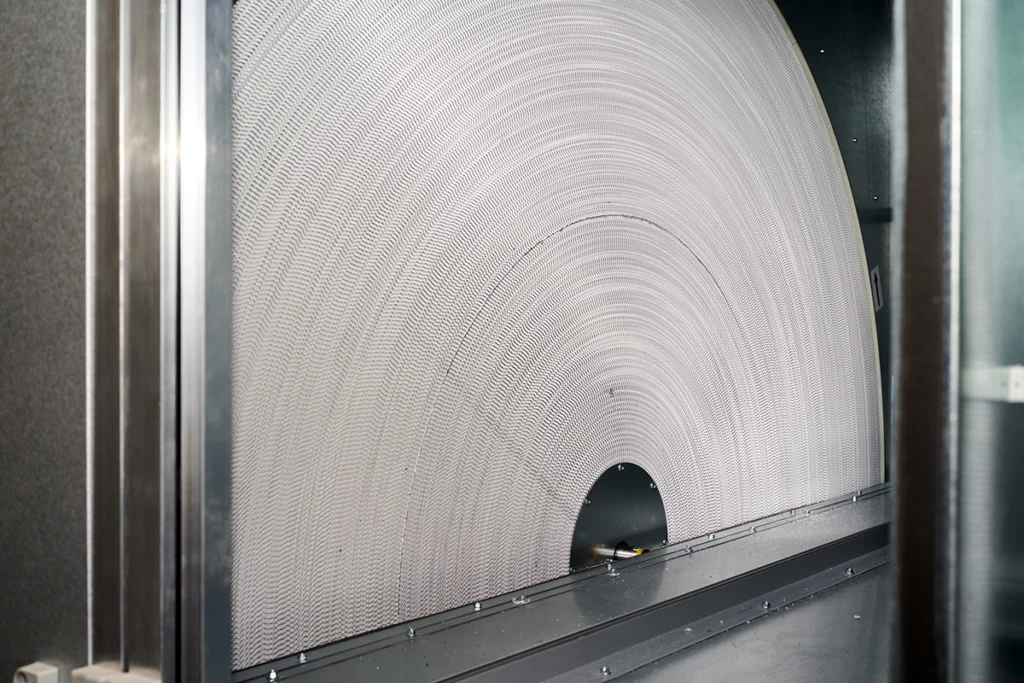
Energy Recovery Wheel: How It Works and Benefits
When we talk with commercial property owners about ventilation performance, the energy recovery wheel often comes up later in the conversation than it should. At C&R Services, we see this component working quietly behind the scenes in many large HVAC systems. Once you understand how an energy recovery wheel operates, it becomes clear why it plays such an important role in comfort, efficiency, and indoor air quality. For many commercial buildings, it’s one of the smartest investments in modern ventilation design. What an Energy Recovery Wheel Does An energy recovery wheel is a rotating device installed inside commercial ventilation systems. Its job is to transfer energy between outgoing exhaust air and incoming outdoor air. As stale air leaves the building, the wheel absorbs heat and moisture. Then, as fresh air enters, that stored energy is released into the incoming air stream. Because of this process, outdoor air enters the building closer to indoor conditions. That reduces the workload on heating and cooling equipment. Over time, that energy savings becomes significant. According to the U.S. Department of Energy, recovering energy from exhaust air helps reduce ventilation-related energy losses while maintaining healthy indoor air exchange. How the Energy Recovery Wheel Works in Commercial HVAC Systems An energy recovery wheel rotates continuously between two air paths. One carries exhaust air out of the building. The other brings fresh outdoor air inside. The wheel transfers both sensible heat and latent moisture without allowing the air streams to mix. Because the wheel is always moving, energy transfer stays consistent even during changing load conditions. That consistency is critical in commercial environments with fluctuating occupancy. In most applications, the wheel is integrated into a larger ventilation assembly. It often works alongside air handlers, dampers, and control systems. Each of these HVAC components plays a role in how ventilation air moves through the building. Energy Recovery Wheel vs Standard Ventilation Traditional ventilation systems simply exhaust conditioned air and replace it with untreated outdoor air. That approach wastes energy. An energy recovery wheel captures much of that energy and reuses it. As a result, buildings can increase ventilation rates—bringing in more outdoor air—without a proportional increase in energy costs. This makes compliance with modern ventilation standards much more practical. Indoor Air Quality Benefits in Commercial Buildings Although energy efficiency gets most of the attention, indoor air quality benefits are just as important. An energy recovery wheel allows buildings to bring in more outdoor air consistently. That fresh air dilutes indoor pollutants, odors, and carbon dioxide. At the same time, moisture transfer helps stabilize humidity levels. Balanced humidity reduces condensation risk and improves occupant comfort. For many commercial buildings, this approach supports consistent ventilation without sacrificing comfort or efficiency. Why Airflow Matters in Energy Recovery Systems Proper airflow is essential for performance. An energy recovery wheel must be sized correctly for the system’s airflow demands. If airflow is mismatched, efficiency drops and pressure issues can develop. That’s why airflow measurements are so important in commercial HVAC design. Engineers use airflow data to size ventilation systems and maintain proper balance throughout the building. At C&R Services, airflow diagnostics are often the first step when performance issues arise. Many ventilation problems trace back to improper airflow rather than equipment failure. Common Commercial Applications for Energy Recovery An energy recovery wheel is most commonly used in: Office buildings Schools and universities Medical facilities Manufacturing and industrial spaces Large retail environments In many of these settings, the wheel is part of a dedicated outdoor air system or paired with variable air volume systems to control airflow efficiently across different zones. ASHRAE Standard 62.1 highlights the importance of adequate outdoor air delivery in commercial buildings. Energy recovery wheels help meet those requirements efficiently. Maintenance and Operational Considerations Although durable, an energy recovery wheel still requires routine maintenance. Dust buildup can reduce energy transfer efficiency. Over time, imbalances can affect rotation. From our experience at C&R Services, neglected ventilation components often lead to comfort complaints and rising energy bills. Regular inspections help keep systems operating as designed. Preventive maintenance also extends the lifespan of connected equipment by reducing unnecessary strain. Is an Energy Recovery Wheel Right for Your Building? Not every building needs an energy recovery wheel, but many commercial spaces benefit from one. Buildings with high occupancy, long operating hours, or strict ventilation requirements see the greatest return. Choosing the right solution depends on system design, usage patterns, and local climate conditions. A professional commercial HVAC evaluation helps ensure the investment makes sense. If you’re evaluating a commercial HVAC system or planning upgrades, contact us. Our team at C&R Services can help you determine whether energy recovery technology fits your building’s needs. Final Thoughts on Energy Recovery Technology An energy recovery wheel allows commercial buildings to ventilate efficiently without wasting energy. It improves indoor air quality, stabilizes humidity, and reduces HVAC workload. When properly designed and maintained, it becomes one of the most valuable components in a modern ventilation system. At C&R Services, we’ve seen how effective energy recovery can be across a wide range of commercial applications. For expert guidance or system evaluations, contact us today. We proudly serve Tyler and East TX businesses with reliable commercial HVAC solutions. FAQs Below are a few quick answers to common questions we hear during commercial service calls.