
Call Us (903) 204-7571 Today

“Taught By Fathers, Trusted By Families”

Mini Splits

Mini split maintenance helps keep ductless indoor units clean, efficient, and reliable over time
Heat Pumps, HVAC Systems, Maintenance, Mini Splits

Mini Split Maintenance: Tips to Boost Efficiency and Lifespan

When homeowners ask us about mini split maintenance, the question usually comes down to performance and longevity. They want comfort that lasts without surprise breakdowns. From our day-to-day work at C&R Services, we’ve seen how consistent care keeps ductless systems running smoothly year after year. While mini splits are known for efficiency, they still need attention. Because of that, understanding maintenance helps protect your investment and avoid preventable issues. Why Mini Split Maintenance Matters More Than Most People Think Most mini splits don’t use ductwork, which already improves efficiency. However, that doesn’t make them maintenance-free. Over time, dust, moisture, and airflow restrictions slowly reduce performance. That’s why maintenance plays a major role in comfort and energy use. In the field, we often find systems struggling simply because routine care was skipped. Although the system still runs, it works harder than necessary. That added strain shortens equipment life. Eventually, small issues turn into expensive repairs. Just as important, maintenance helps preserve consistent temperatures. Without it, rooms may cool unevenly or take longer to reach set points. How Mini Split Maintenance Protects System Efficiency Efficiency is one of the biggest reasons homeowners choose ductless systems. However, efficiency drops when components get dirty or airflow becomes restricted. Maintenance focuses on keeping each part working together. Clean filters allow steady airflow. Clear coils improve heat transfer. Proper refrigerant levels keep the system balanced. Together, those steps help the system deliver comfort without overworking. Mini Split Maintenance and System Lifespan At first, skipped maintenance doesn’t seem like a problem. The system still turns on. Heating and cooling still happen. However, hidden wear builds quietly. Motors strain. Sensors drift. Drain lines clog. With proper maintenance, those issues get corrected early. Without it, they stack up. Over time, that shortens lifespan and increases failure risk. According to the U.S. Department of Energy, regular mini split maintenance reduces strain, improves efficiency, and helps extend system life. From what we see at C&R Services, many early system failures trace back to long-term neglect rather than defective equipment. Common Mini Split Maintenance Tasks That Matter Although mini splits are designed for efficiency, they still rely on several components working together. Over time, dust, debris, and moisture affect performance in subtle ways. For that reason, regular attention to a few key areas makes a noticeable difference. When these tasks stay on schedule, systems run quieter, maintain comfort more consistently, and experience fewer surprises. Cleaning Filters and Indoor Units Filters collect dust quickly, especially in high-use rooms. When clogged, airflow drops. When that happens, the system must run longer to meet demand. Cleaning filters regularly is one of the simplest maintenance steps homeowners can handle. Keeping Outdoor Units Clear Outdoor units need space to breathe. Leaves, debris, and grass clippings restrict airflow. As a result, efficiency suffers. Clearing the area improves heat transfer and reduces strain. Checking Drainage and Moisture Control Mini splits remove humidity as they cool, so that moisture needs to drain properly. Routine maintenance includes checking drain lines to help prevent leaks and water damage. The EPA explains how moisture control supports indoor comfort and air quality by reducing conditions that allow mold and microbial growth. Mini Split Maintenance Starts With Proper System Design Maintenance success often begins before the system even turns on. Proper layout, placement, and system sizing all influence how hard a mini split has to work. System sizing plays a huge role. Oversized systems short cycle. Undersized systems overwork. Both scenarios increase maintenance needs. That’s why we often point homeowners to guidance on choosing the right mini split capacity and sizing before installation. Understanding how system size affects performance makes maintenance easier over time. In fact, many long-term issues we see could have been avoided with better upfront planning. The Hidden Costs Homeowners Don’t Expect Skipping mini split maintenance doesn’t always cause immediate failure. Instead, costs show up slowly. Energy bills creep up. Comfort declines. Repairs become more frequent. Over time, skipped upkeep doesn’t just affect efficiency. It also makes certain system limitations more noticeable. Understanding the disadvantages of mini split systems helps homeowners separate normal design tradeoffs from problems caused by neglect. Professional Mini Split Maintenance vs DIY Care Homeowners can handle basic tasks like filter cleaning. However, deeper inspections require professional tools and training. Refrigerant checks, electrical testing, and coil cleaning should be handled by experienced technicians. At C&R Services, professional mini split maintenance includes a full system review. That allows us to spot issues early and keep performance steady. While DIY care helps, professional service protects the system long-term. Mini splits operate as heat pumps, moving heat rather than generating it. Because of that, consistent maintenance helps keep efficiency, airflow, and system balance intact. Homeowners who want a deeper understanding of how these systems work can explore our heat pump services for additional insight. How Often Mini Split Maintenance Should Be Done Most systems benefit from professional maintenance once or twice per year. Homes with pets, heavy use, or high humidity may need more frequent checks. Because every setup is different, a tailored approach works best. Consistent maintenance schedules prevent surprises. They also make system behavior more predictable season after season. Final Thoughts When done right, mini split maintenance supports comfort, efficiency, and long-term reliability. It reduces energy waste. It prevents breakdowns. Most importantly, it keeps systems working the way homeowners expect. If you want expert guidance or professional service, C&R Services is ready to help. Our team provides clear answers and dependable care for ductless systems. For homeowners in Tyler and East Texas, we’re available when local service is needed. Contact us today to schedule maintenance or ask questions about your system. FAQs About Mini Split Maintenance Keeping up with mini split maintenance raises common questions. Here are a few we hear often.
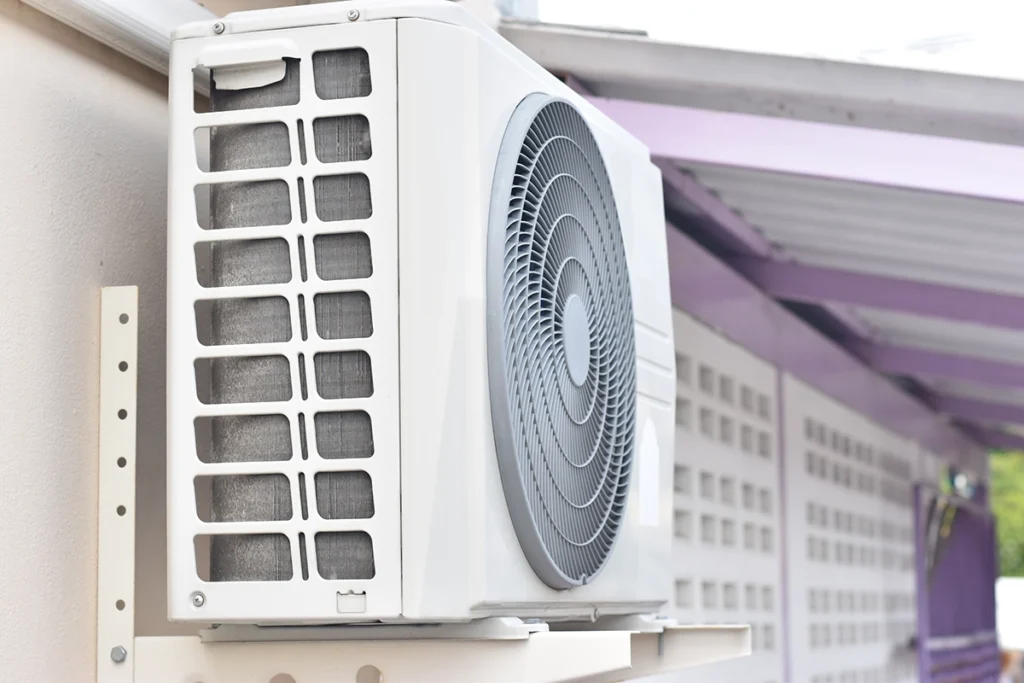
Outdoor ductless mini split system installed on a residential home exterior
Heat Pumps, Mini Splits

Disadvantages of Mini Split Systems Explained

If you’re researching modern heating and cooling options, you’ve probably come across mini split systems. Although ductless designs are the most commonly discussed, mini split systems are available in both ductless and ducted configurations, each with different advantages and limitations. Because of their popularity, the disadvantages of mini split systems deserve just as much attention as the benefits. Many property owners are surprised by certain limitations after installation. Because of that, understanding the downsides upfront helps you make a confident, informed decision. Mini splits absolutely have their place. However, like any HVAC system, they aren’t a perfect fit for every home or situation. Below, we break down the most common drawbacks, based on real-world performance, not sales hype. Disadvantages of Mini Split Systems Compared to Traditional HVAC One of the first disadvantages people notice is how different mini splits feel compared to conventional systems. Mini splits condition spaces in zones rather than treating the entire home or building as a single system. While that zoning sounds appealing, it can also create uneven comfort, especially in larger or multi-room spaces. For example, one room may feel perfect while another lags behind. In contrast, central systems distribute air more evenly throughout the entire space. This difference becomes clearer when you compare mini splits to ducted options. That’s why we often recommend learning how traditional setups work, especially when comparing alternatives like forced air heating and how it handles whole-home comfort. Higher Upfront Costs Are a Common Disadvantage of Mini Split Systems Another one of the major disadvantages of mini split systems is cost. While they can save energy over time, installation often costs more upfront. Each indoor unit adds expense. Larger homes may require several units to cover all living spaces. As a result, total installation costs can exceed expectations quickly. In small commercial spaces, costs can scale faster when multiple rooms or zones need independent control. Additionally, electrical upgrades are sometimes required. Older homes may not have the capacity needed to support multiple indoor units. That extra work adds both time and expense to the project. Disadvantages of Mini Split Systems When It Comes to Sizing Sizing errors are more common with ductless systems than many people realize. Unlike central systems, each indoor unit must be sized correctly for its specific space. According to the U.S. Department of Energy, ductless mini-split systems require careful sizing and placement to avoid efficiency losses and comfort problems. If a unit is too small, it struggles to keep up. If it’s too large, it short cycles and wastes energy. Both scenarios reduce comfort and efficiency. Because of that, we often guide people to learn more about sizing basics. Understanding what size mini split you need can prevent one of the most common disadvantages of mini splits. Why Improper Sizing Causes Long-Term Problems Improper sizing doesn’t just affect comfort. Over time, it also increases wear on the system. Short cycling strains internal components. Meanwhile, undersized units run constantly. Both situations shorten system lifespan and increase repair risks. Many performance complaints trace back to sizing mistakes made early on. Visual Impact Another commonly overlooked disadvantage of mini split systems is appearance. Wall-mounted indoor units remain visible at all times. Some people dislike how units interrupt décor or wall space. This concern becomes more noticeable in living rooms, bedrooms, historic homes, or customer-facing commercial spaces. Although there are ceiling and concealed options, those designs increase cost and complexity. As a result, aesthetics become a deciding factor for many property owners. Maintenance-Related Disadvantages of Mini Splits Mini splits still require regular maintenance. Filters need frequent cleaning, often more than many people expect. Because each indoor unit has its own filter, maintenance tasks multiply quickly. When filters clog, airflow drops and efficiency suffers. Additionally, professional service can be more specialized. Not every technician is equally experienced with ductless systems. That can affect repair timelines and costs. Cold Weather Performance Can Be a Disadvantage Although cold-climate models exist, performance can still drop in extreme conditions. In colder regions, backup heat may be required. That added system complexity surprises some property owners. While technology has improved, climate still plays a role in overall satisfaction. ENERGY STAR explains that ductless mini-split heat pumps can deliver efficient heating and cooling year-round, but real-world performance depends on system design, climate, and installation quality. Disadvantages of Mini Split Systems for Whole-Home Air Quality Mini splits don’t use ductwork. While that reduces duct losses, it also limits whole-home filtration. Central systems often integrate advanced air cleaners, humidifiers, or UV systems. Mini splits usually condition air locally without treating the entire home. For those prioritizing indoor air quality, this limitation matters. It’s one reason some households prefer traditional HVAC designs. Disadvantages of Ducted Mini Split Systems While many disadvantages of mini split systems apply primarily to ductless designs, ducted mini split systems introduce a different set of considerations. By relying on short duct runs and concealed air handlers, ducted systems avoid some aesthetic concerns but still require careful planning and design. In larger layouts, ducted mini split systems may need multiple air handlers or zoning controls, which can increase installation complexity. Long or poorly designed duct runs can also reduce efficiency, making proper system design especially important. As with any ducted heat pump system, overall performance depends heavily on layout, sizing, and installation quality. Are the Disadvantages of Mini Split Systems a Dealbreaker? Not always. In many situations, both ducted and ductless mini split systems can be an excellent solution. However, understanding the disadvantages of mini split systems ensures expectations stay realistic. At C&R Services, we believe the right system depends on the home, the budget, and long-term goals. There’s no one-size-fits-all answer. Our heat pump services help property owners compare ductless and traditional systems, review sizing considerations, and understand long-term performance before making a decision. A quick conversation often helps clarify expectations before moving forward. That kind of guidance matters, especially near the end of your research. If you need honest input, contact C&R Services for

Scroll to Top