
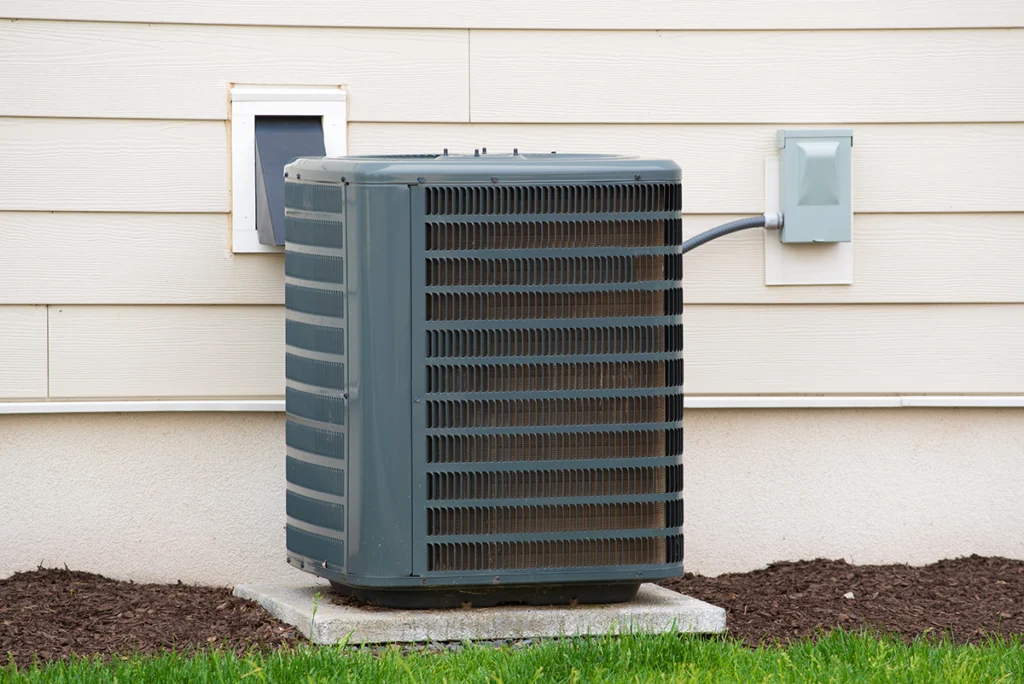
Air Conditioning Unit Not Working: Common Causes & When to Call
When your air conditioning unit is not working, start by checking your breaker panel and make sure your thermostat is set to “cool” with the temperature lower than the current room reading. That said, electrical issues, frozen coils, clogged drain lines, and worn components can all stop your system cold. Those require a trained eye. We’ve helped countless families in Tyler get their cooling back on track, and we know how uncomfortable it is when the AC quits on a hot day. Why Your Air Conditioning Unit Is Not Working When your air conditioning unit is not working, common causes include tripped breakers, clogged filters, malfunctioning thermostats, and refrigerant leaks. More serious problems include a failed compressor, frozen coils, and electrical component failures. Ductwork problems can also reduce cooling performance. The EPA’s ENERGY STAR program explains that leaky ductwork can reduce HVAC efficiency and make maintaining comfortable indoor temperatures difficult. Quick diagnosis matters. A seemingly minor problem can lead to more serious damage if ignored. For instance, a frozen evaporator coil can cause water damage when it thaws. Low refrigerant levels may also contribute to compressor damage. Electrical faults can create safety hazards. When you notice your AC is not working, our licensed technicians can pinpoint the root cause. Your system may not turn on at all, run but not cool, or cycle on and off constantly. We perform a thorough inspection of the thermostat, electrical connections, refrigerant charge, airflow paths, and all major components. We’ll explain what failed, why it happened, and the safest path to restore reliable cooling in your home. Quick Checks Before You Call a Technician Before you pick up the phone, a few quick observations can help rule out simple issues. Plus, they give our team valuable information when we arrive. Check your thermostat to confirm it’s set to “cool” and the temperature is below the current room reading. If it’s battery-powered, dead batteries can stop it from signaling your system. Next, check your circuit breaker panel for a tripped breaker. AC units draw significant power, so a breaker can flip during a storm or power surge. Note whether your air filter appears clogged. A heavily blocked filter can choke airflow enough to make your system shut down or fail to cool. Walk outside and check whether the condenser unit is blocked by leaves or grass clippings. Debris around the outdoor cabinet fins can cause problems. Finally, glance at the area near your indoor unit. If you see water pooling, a clogged drain may have triggered a safety shutoff. These quick visual checks are safe and helpful. However, anything beyond observation requires a licensed technician. Refrigerant levels, electrical connections, and compressor diagnostics all need professional handling. When you call C&R HVAC, we’ll handle the rest with the tools and training the job demands. Common Causes of an Air Conditioning Unit Not Working When your system stops cooling, a handful of issues account for the majority of service calls we respond to. Understanding these common causes helps you recognize what might be happening. It also shows why professional diagnosis matters. The culprits range from simple electrical issues to complex component failures that require specialized tools and expertise to address safely. Electrical and Power Problems Tripped circuit breakers and blown fuses are among the most frequent reasons for a complete shutdown. If your unit won’t turn on at all, checking your electrical panel for a tripped breaker before calling gives us valuable information when we arrive. Failed capacitors are another leading cause. These components store energy to start the compressor and fan motors. When they fail, the unit may hum without starting or refuse to run entirely. The same failure can leave the AC fan not running at all. Worn contactors (the electrical switches that control power to major components) can also prevent the system from energizing properly. Our licensed technicians will safely diagnose and repair these electrical issues. Keep in mind that these carry serious shock risk when handled without proper training and equipment. Mechanical and Refrigerant Failures Low refrigerant levels from leaks can gradually reduce cooling performance. Eventually, the system may struggle to maintain your desired temperature. Refrigerant doesn’t run out like fuel during normal operation. If levels are low, a technician must investigate the cause. A failed compressor can stop refrigerant circulation and leave your home without cooling. Frozen evaporator coils, often caused by restricted airflow or refrigerant problems, can also interfere with heat exchange. Meanwhile, clogged condensate drains may activate safety switches that shut the system down to avoid water damage. These problems require professional tools and training to diagnose and repair safely. The EPA’s Section 608 certification requirements apply to technicians performing regulated refrigerant-related work on stationary air conditioning systems. Therefore, refrigerant repairs should be handled by properly certified professionals. When Your Air Conditioning Unit Needs a Professional Some AC problems announce themselves with obvious signs: complete system failure, strange burning smells, or pooling water around your indoor unit. Others are subtler but just as serious. If your air conditioning unit isn’t working at all, won’t turn on, or cycles on and off every few minutes, you’re looking at an issue that requires professional diagnosis. Refrigerant leaks, compressor failure, electrical faults, and frozen evaporator coils all need a trained eye and specialized tools to repair safely. You should also call us when you notice warm air blowing from your vents despite a properly set thermostat. Ice forming on the outdoor unit or refrigerant lines is another red flag. Unusual hissing or grinding sounds demand attention, as do circuit breakers that trip repeatedly when the system runs. These symptoms often point to problems that worsen quickly without intervention. For example, a small refrigerant leak can starve your compressor. A failing capacitor can leave you without cooling during Tyler’s hottest days. Our licensed technicians carry diagnostic equipment to pinpoint the root cause, whether it’s a failed contactor, a clogged expansion valve, or a worn blower motor. We stand behind our work with a