Furnace Heat Exchanger Cracked Causing Cold Spots in Kilgore, TX
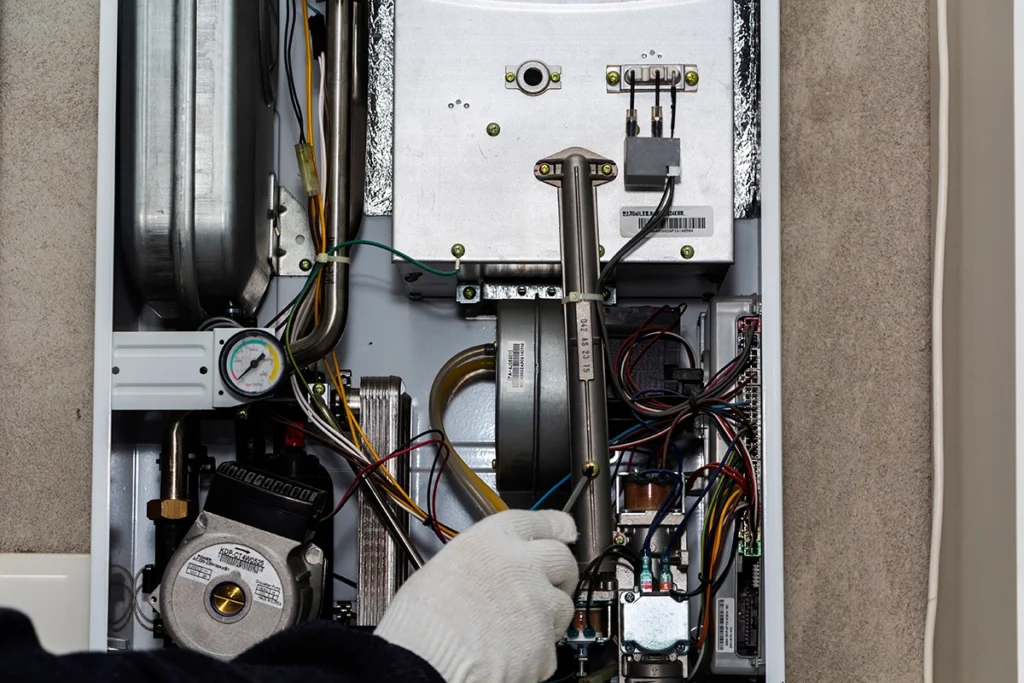
When those first real cold snaps arrive in Kilgore and you notice some rooms staying stubbornly chilly while others feel warm, a furnace heat exchanger cracked causing cold spots in rooms in Kilgore, TX is often the concern that sends homeowners searching for answers. The truth is, a cracked heat exchanger rarely cracks on its own. Instead, it’s usually the result of an upstream problem that’s been stressing your furnace for weeks, months, or even years. If the exchanger has failed and you replace only that part without finding what caused the damage in the first place, the new exchanger will likely crack again. You might even face a costlier breakdown down the road. We’ve seen it happen too many times. That’s why we walk every homeowner through what really causes the crack, what else might be at risk, and how a proper diagnosis protects both your safety and your investment. Does a Cracked Heat Exchanger Cause Cold Spots in Kilgore Homes? A cracked heat exchanger can contribute to cold spots in your Kilgore home, but it isn’t a typical cause of uneven heating. Cold spots more commonly result from restricted airflow, ductwork problems, or heating system performance issues. If the heat exchanger is damaged, the furnace may also shut down unexpectedly or struggle to maintain consistent temperatures. The real question is what caused the exchanger to crack. Heat exchangers can deteriorate because of age, corrosion, or repeated heating and cooling cycles. Restricted airflow and overheating may also contribute to premature damage. Dirty filters, blocked returns, and a blower motor that cannot circulate enough air can place additional stress on the system. Our technicians may also identify combustion problems or improper furnace operation. A cracked heat exchanger can allow dangerous combustion gases, including carbon monoxide, to enter circulating air under certain conditions. The Consumer Product Safety Commission notes that carbon monoxide is colorless and odorless. This makes a suspected crack a serious safety concern. When we respond to cold-spot complaints in Kilgore, we inspect the entire heating system rather than assuming the exchanger is responsible. We check airflow, examine the heat exchanger, and evaluate combustion performance. Gas pressure and venting conditions may also require testing. If we discover a crack, we investigate contributing factors before recommending replacement. Understanding what leads to a furnace heat exchanger cracked causing cold spots in rooms in Kilgore, TX helps homeowners make informed decisions about their heating systems. What Actually Causes a Furnace Heat Exchanger to Crack A cracked heat exchanger can develop for several reasons. Some failures result from years of normal wear, while others involve overheating, corrosion, or improper furnace operation. When we investigate a furnace heat exchanger cracked causing cold spots in rooms, we examine the component and surrounding system. This helps us identify possible contributing factors before recommending repairs. Replacing a damaged exchanger without correcting existing airflow or combustion problems may lead to additional damage. However, not every crack indicates an underlying system defect. Sometimes, age and repeated heating cycles contribute to metal fatigue. Understanding how long a furnace typically lasts can also help homeowners evaluate repair and replacement options. Common Causes of a Cracked Furnace Heat Exchanger Restricted airflow is one possible contributor to a furnace heat exchanger cracked causing cold spots in rooms. When insufficient air passes over the exchanger, operating temperatures can rise beyond their intended range. Clogged filters, blocked return vents, and undersized ductwork may contribute to this problem. Repeated overheating can increase stress on the metal and eventually cause damage. Corrosion is another potential cause. Moisture exposure, improper venting, or condensation-related problems can gradually weaken certain heat exchanger materials. Poor installation, incorrect furnace sizing, and combustion issues may also contribute to premature deterioration. However, identifying the exact cause requires an inspection rather than relying on symptoms alone. Age and repeated heating cycles also affect heat exchangers. Every heating cycle causes the metal to expand and contract. Over many years, this thermal stress can contribute to fatigue and cracking. When diagnosing damage, our technicians evaluate airflow, inspect burner operation, and check for corrosion or overheating. We may also measure static pressure and examine ductwork restrictions. These findings help us determine whether a furnace repair or complete system replacement is the most appropriate solution. Our goal is to address confirmed problems while helping homeowners make informed decisions about their heating equipment. Why a Cracked Furnace Heat Exchanger May Cause Cold Spots A cracked heat exchanger does not necessarily cause uneven heat distribution throughout your home. However, damage can affect furnace operation and contribute to inconsistent temperatures. The heat exchanger transfers heat from combustion gases to the air circulating through your heating system. It also keeps those gases separated from your indoor air. When a crack develops, that separation may become compromised. Depending on the damage and operating conditions, combustion gases may enter the circulating air. Cold spots may appear if a furnace shuts down prematurely or cannot maintain adequate heating. However, restricted ductwork, poor airflow, and improperly balanced vents are more common explanations. In some situations, the blower may continue circulating air after the burners shut off. This can leave certain rooms feeling cooler than expected. When we diagnose uneven heating, we measure temperature differences between supply and return air. We also inspect airflow, ductwork, and furnace operation. If heat exchanger damage is suspected, our technicians use appropriate inspection methods and combustion testing to evaluate the system. Every time we investigate a furnace heat exchanger cracked causing cold spots in rooms in Kilgore, TX, we explain our findings and recommend appropriate next steps. When to Call C&R HVAC About Uneven Heating in Kilgore If you’re noticing persistent cold spots while your furnace operates, scheduling an inspection can help identify the cause. Uneven heating alone does not mean your heat exchanger is cracked. However, certain furnace problems may involve serious safety concerns. The Consumer Product Safety Commission identifies malfunctioning fuel-burning appliances as potential sources of carbon monoxide. Other warning signs deserve attention. These include unusual furnace odors, excessive