Call Us (903) 204-7571 Today

“Taught By Fathers, Trusted By Families”

October 5, 2026

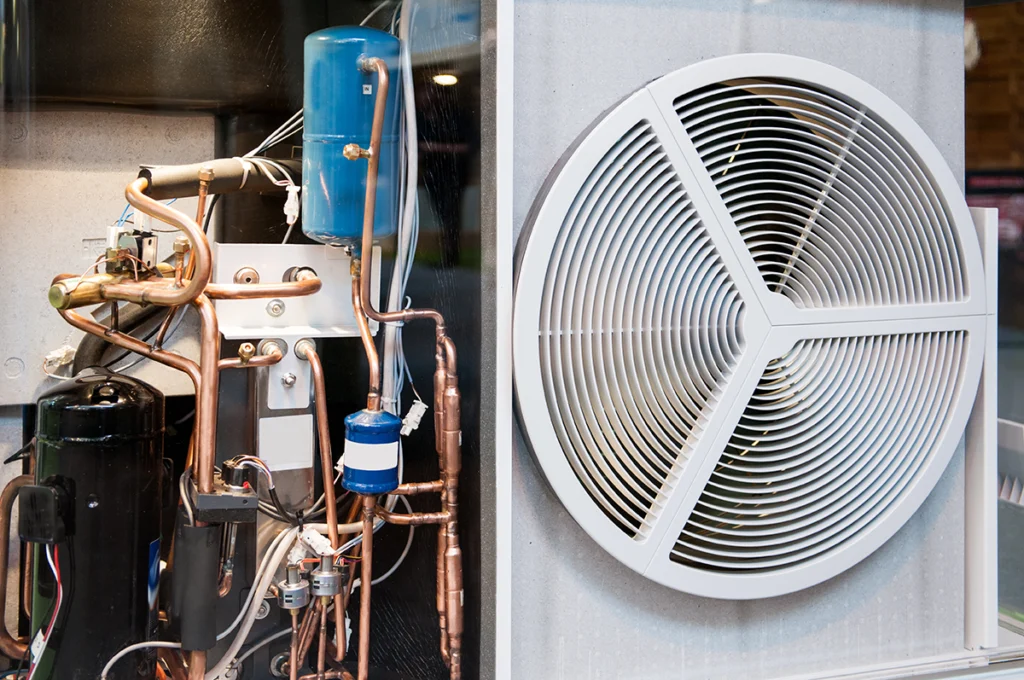
Heat pump compressor making loud squealing noise in Kilgore, TX: interior view of a heat pump unit with visible refrigerant
Heat Pumps, Maintenance, Repair

Heat Pump Compressor Making Loud Squealing Noise in Kilgore, TX

When your heat pump compressor is making a loud squealing noise in Kilgore, TX, something may be wrong with your system. The noise could originate from the compressor, outdoor fan motor, or another component. Worn bearings, mechanical problems, and abnormal refrigerant pressures are among the possible causes. However, the sound alone cannot confirm which component is responsible. Because the compressor plays an essential role in heating and cooling, unusual noises deserve prompt attention. At C&R HVAC, we understand how concerning these sounds can be. Electrical problems, refrigerant issues, and restricted airflow can also affect heat pump operation. That’s why our licensed technicians inspect the entire system instead of assuming the compressor needs replacement. A thorough diagnosis helps identify the problem and determine the appropriate repair. Why Is My Heat Pump Compressor Making a Loud Squealing Noise? A loud squealing noise near your heat pump compressor can indicate mechanical wear, motor problems, or abnormal refrigerant pressures. However, the sound may also originate from the outdoor fan motor rather than the compressor itself. Identifying the source is essential before recommending repairs. Several conditions can contribute to heat pump problems. Restricted airflow, dirty coils, improper refrigerant charge, and electrical faults can affect system performance. According to ENERGY STAR, dirty air filters can increase energy costs and damage HVAC equipment. Refrigerant pressure problems and electrical issues can also place additional stress on the compressor. When we respond to a heat pump compressor making loud squealing noise in Kilgore, TX, we investigate the entire system. Our licensed technicians check refrigerant pressures, electrical components, airflow, and outdoor fan operation. We also assess the compressor’s condition to determine whether repair or replacement is necessary. Common Root Causes of Compressor Squealing Noises When a heat pump compressor starts making a loud squealing noise, identifying the actual sound source is essential. Although the compressor may be responsible, other components in the outdoor unit can produce similar noises. Common possibilities include worn motor bearings, fan problems, mechanical wear, and abnormal refrigerant pressures. Each requires a different diagnostic approach. Worn bearings in the outdoor fan motor can create high-pitched squealing or grinding noises. As bearings deteriorate, friction increases and the motor may struggle to operate smoothly. Internal compressor problems can also produce unusual sounds. However, compressor designs vary, and not every compressor contains the same types of bearings or moving components. Refrigerant issues can affect compressor operation. An incorrect refrigerant charge, airflow restriction, or system blockage may cause operating pressures to move outside the manufacturer’s recommended range. Under certain conditions, these problems can contribute to compressor stress and unusual noises. Electrical faults, including failing capacitors or contactors, can also interfere with equipment operation. However, these components more commonly produce humming, buzzing, or clicking sounds. When we respond to a heat pump compressor making loud squealing noise in Kilgore, TX, our licensed technicians evaluate these potential causes. We inspect the electrical supply, test relevant components, and measure refrigerant operating conditions. Our team also checks the outdoor fan motor and compressor for signs of mechanical problems. This process helps determine whether the issue involves one component or multiple system conditions. What Happens If You Ignore the Squealing Sound? Ignoring a loud squealing noise can allow an existing heat pump problem to worsen. If the sound comes from worn bearings or another mechanical issue, continued operation may increase wear. However, the severity depends on the affected component and the underlying cause. Some problems may require relatively minor repairs, while others involve significant equipment damage. A failing outdoor fan motor, for example, may eventually stop moving enough air across the outdoor coil. This can affect refrigerant pressures and system performance. Similarly, unresolved mechanical or electrical problems can contribute to compressor damage or eventual failure. In some cases, a mechanical or electrical problem can leave the compressor not turning on when the system calls for heating or cooling. A heat pump compressor making loud squealing noise in Kilgore, TX should receive professional attention before continued operation causes additional problems. If the compressor is already damaged, replacement may be necessary. In other situations, repairing a fan motor, correcting an electrical fault, or addressing a refrigerant issue may restore proper operation. Our licensed technicians investigate unusual noises and determine which components need attention. Contact C&R HVAC when you first notice the sound. Prompt diagnosis can help reduce the risk of additional damage and unexpected equipment breakdowns. When to Call C&R HVAC About Your Squealing Compressor A squealing noise near your heat pump compressor deserves prompt professional attention. It may indicate mechanical wear, a failing fan motor, or abnormal operating pressures. Continuing to run the equipment could worsen an existing problem. Turn your heat pump off at the thermostat and contact a qualified technician. Before calling, note when the noise started and whether it occurs during startup or operation. Our licensed team provides comprehensive heat pump services to identify mechanical, electrical, and refrigerant problems. We inspect the equipment to determine whether the noise originates from the compressor or another component. Then, we explain the findings and recommend an appropriate repair or replacement. A heat pump compressor making loud squealing noise in Kilgore, TX should never be ignored. Professional diagnosis can help limit further equipment damage and identify the appropriate solution. Contact C&R HVAC today to schedule an inspection and restore your home’s comfort. Frequently Asked Questions What does it mean when my heat pump compressor is making a loud squealing noise in Kilgore, TX? A loud squealing noise may indicate worn motor bearings, mechanical problems, or abnormal refrigerant pressures. However, the sound could also originate from the outdoor fan motor. Our licensed technicians inspect the equipment to identify the source and recommend appropriate repairs. Can I keep running my heat pump if the compressor is making a squealing noise? We recommend turning off your heat pump and arranging a professional inspection. Continued operation could worsen an existing mechanical or electrical problem. Although not every squealing noise indicates compressor failure, identifying the cause early can help reduce the risk
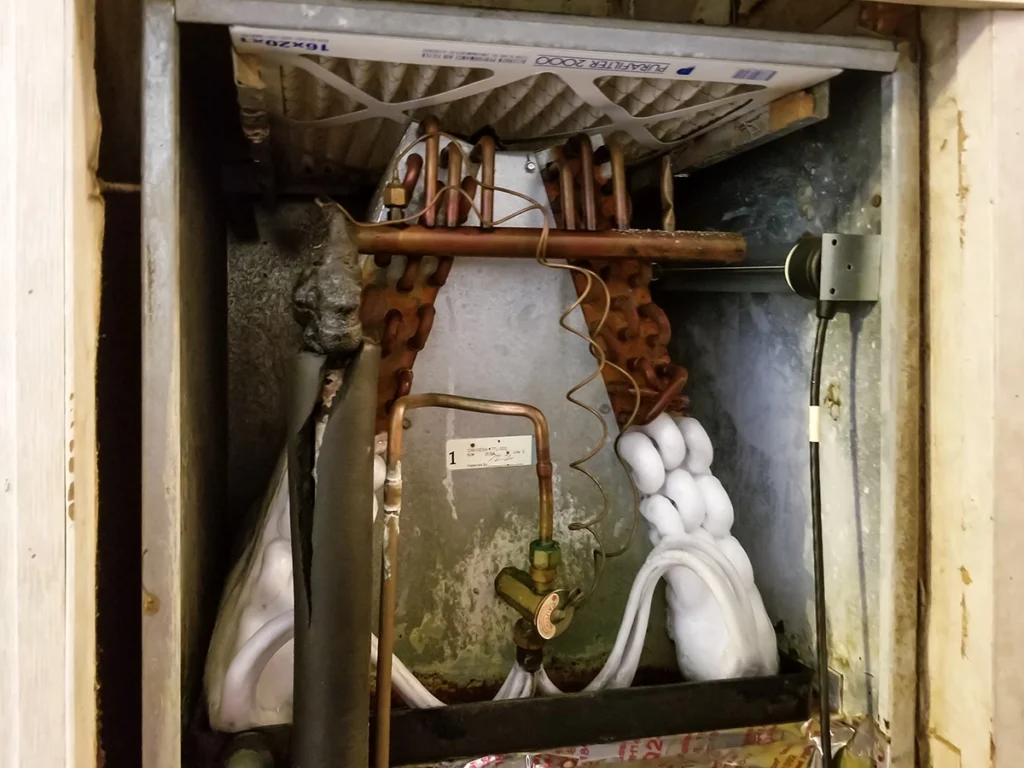
Evaporator coil icing up on air conditioning system in mineola: frozen indoor evaporator coil with visible ice buildup
Air Conditioning, Maintenance, Repair

Evaporator Coil Icing Up on Air Conditioning System in Mineola

When you notice your evaporator coil icing up on your air conditioning system in Mineola, it’s natural to wonder whether the coil itself has failed. In many cases, though, ice buildup signals an underlying problem rather than a defective coil. The coil can freeze when restricted airflow prevents it from absorbing enough heat. Low refrigerant pressure caused by a leak can also contribute to freezing. Common culprits include dirty air filters, blocked return vents, a failing blower motor, and refrigerant problems. Sometimes, a fan that stops moving air can contribute to inadequate airflow. However, the specific cause requires professional diagnosis. At C&R HVAC, we understand how frustrating repeated coil freezing can be. Simply replacing a frozen coil without identifying the cause may not resolve the problem. Our licensed technicians inspect airflow, refrigerant conditions, and system components to determine why ice is forming. Identifying the underlying issue helps protect your equipment and reduce the risk of another breakdown. Root Causes of Evaporator Coil Icing in Your Air Conditioning System Ice on your evaporator coil usually indicates an underlying airflow or refrigerant problem. During cooling, refrigerant absorbs heat from the indoor air passing over the coil. If airflow becomes insufficient or refrigerant pressure drops too low, the coil’s surface temperature may fall below freezing. Moisture then freezes on the coil instead of draining away normally. Several conditions can contribute to an evaporator coil icing up on an air conditioning system in Mineola. Restricted airflow is one of the most common. According to the EPA, a dirty or clogged filter can dramatically reduce airflow. This can reduce cooling performance and increase equipment strain. Blocked return vents, dirty evaporator coils, and blower motor problems can also limit airflow. Another possible cause is a refrigerant leak. When refrigerant charge becomes too low, evaporator pressure and temperature may fall enough to cause icing. A restriction or malfunction in the refrigerant metering system can create similar operating problems. However, technicians must evaluate system conditions before identifying the specific cause. When you call C&R HVAC, we don’t just thaw the ice and leave. Our licensed technicians check airflow, refrigerant pressures, and relevant system components. We inspect the blower assembly and look for conditions contributing to freezing. Once we identify the cause, we recommend repairs that address the problem rather than the ice alone. What Triggers an Evaporator Coil Icing Up on an Air Conditioning System in Mineola? When your air conditioning system’s evaporator coil ices up, the coil itself may still be functioning properly. Ice often forms because restricted airflow or abnormal refrigerant conditions lower the coil’s surface temperature. However, physical damage or a restriction within the coil assembly can also contribute to operating problems. Identifying these conditions is important before replacing components. An evaporator coil icing up on an air conditioning system in Mineola can result from several different failures. Some involve relatively straightforward airflow corrections, while others require refrigerant or electrical repairs. A professional inspection helps determine which solution is appropriate. Common Failures That Lead to Frozen Components Airflow restrictions are among the most common causes of evaporator coil freezing. Clogged filters, blocked return vents, restricted ductwork, and failing blower motors can reduce airflow across the coil. Without sufficient warm air passing over its surface, the coil may become cold enough for condensation to freeze. Refrigerant problems can also contribute to icing. A refrigerant leak may reduce system pressure and cause the evaporator temperature to fall below freezing. Restrictions in the refrigerant circuit or problems with the metering device can also affect refrigerant flow. However, an incorrect refrigerant charge doesn’t always result in a frozen coil. Electrical or control problems may interfere with normal blower operation. For example, a failing blower motor or faulty control component can reduce or interrupt airflow while cooling continues. This creates conditions that may allow ice to form. However, a compressor running continuously doesn’t necessarily cause icing when airflow and refrigerant conditions remain normal. Dirty evaporator coils can also restrict airflow and reduce heat transfer. As buildup accumulates, certain areas of the coil may become excessively cold. An evaporator coil icing up on an air conditioning system in Mineola can involve more than one contributing issue. That’s why our technicians evaluate airflow, refrigerant conditions, and electrical components before recommending repairs. Ignoring a frozen coil can increase the risk of compressor damage and cooling problems. During a diagnostic visit, our technicians inspect airflow, electrical operation, and refrigerant conditions. We also check for drainage problems that may accompany ice buildup or cause water overflow. Identifying the actual cause helps reduce the risk of repeated freezing. Why an Evaporator Coil Icing Up on Your Air Conditioning System in Mineola Needs a Professional Diagnosis When homeowners discover ice on the evaporator coil, they may assume the coil needs replacement. However, a frozen coil isn’t necessarily defective. Restricted airflow, low refrigerant charge, and blower motor problems can all cause ice to form. Replacing the coil without correcting these conditions may allow freezing to return. In some cases, the problem may involve something as simple as a clogged air filter. Other situations require locating a refrigerant leak, repairing a blower motor, or correcting a refrigerant restriction. Because several issues produce similar symptoms, identifying the cause before replacing components is essential. An evaporator coil icing up on your air conditioning system in Mineola can also affect other equipment. As ice accumulates, airflow may decline further and cooling performance may deteriorate. Continued operation under certain abnormal conditions can increase compressor stress. Additionally, melting ice may overwhelm the condensate drainage system and cause water overflow. At C&R HVAC, our goal is to identify the actual malfunction before recommending repairs. This approach helps homeowners avoid unnecessary component replacements and repeated service calls. Our Complete Diagnostic Protocol for Freeze Events When you call C&R HVAC for an evaporator coil icing up on your air conditioning system in Mineola, we investigate the cause. Our technicians begin by inspecting the air filter, evaporator coil, blower assembly, and ductwork for airflow restrictions. Next, we

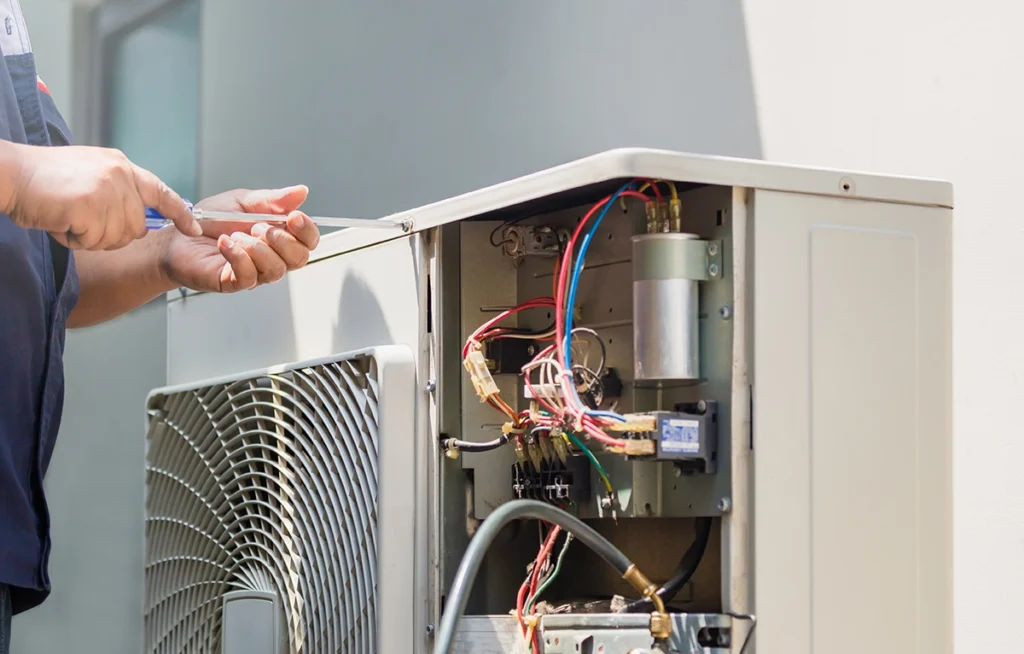
Air conditioner compressor not turning on in whitehouse: technician opening and servicing the electrical compartment
Air Conditioning, Maintenance, Repair

Air Conditioner Compressor Not Turning On in Whitehouse

When your air conditioner compressor is not turning on in Whitehouse, several electrical or mechanical problems could be responsible. A tripped breaker, failed capacitor, or faulty contactor may keep the outdoor unit from operating. Wiring problems, thermostat issues, and compressor damage are other possibilities. Some systems may also shut down when safety controls detect abnormal refrigerant pressures or overheating. Without a working compressor, your AC system cannot cool your home properly during the East Texas heat. However, the cause isn’t always a major equipment failure. Some problems involve relatively straightforward repairs, while others require more extensive work. Diagnosing why the compressor isn’t starting requires proper electrical testing and system evaluation. A licensed HVAC technician can identify the underlying issue and recommend an appropriate solution. Why Your Air Conditioner Compressor Won’t Turn On When your air conditioner compressor won’t turn on, the problem may involve the compressor or another system component. Electrical faults, failed capacitors, and malfunctioning contactors can interfere with startup. However, internal compressor damage can also prevent the motor from operating. Several symptoms associated with failed compressors can also result from external electrical problems. A capacitor helps an AC motor start and run by creating the phase relationship needed for proper motor operation. When a capacitor fails, the compressor may hum, struggle to start, or remain off. A contactor serves as an electrically controlled switch that supplies power to the outdoor equipment. Worn or damaged contacts may prevent the compressor from receiving the required voltage. Other causes include tripped circuit breakers, blown disconnect fuses, and thermostat problems. A faulty control board may also interfere with startup. In systems equipped with pressure safety switches, abnormal refrigerant pressures can interrupt compressor operation. Overheating may also activate the compressor’s internal thermal protection. Depending on the problem, you might hear clicking or humming sounds. Sometimes, the outdoor fan continues running while the compressor remains off. When we respond to a call for an air conditioner compressor not turning on, we evaluate the electrical supply and compressor operation. Our technicians also inspect the capacitor, contactor, and relevant control components. We check refrigerant conditions when necessary. If compressor damage is suspected, we investigate possible contributing factors before recommending replacement. This approach helps reduce the risk of repeated problems and unnecessary repairs. What to Check Before Calling for Help Before you call us, a few quick checks can help you give our team useful information. First, check your thermostat to make sure it’s set to “cool.” The temperature should be at least a few degrees below the current room temperature. Next, walk to your electrical panel and look for a tripped breaker. The switch will be in the middle or “off” position if it tripped. If you notice water pooling near the indoor unit, turn the system off at the thermostat to prevent further damage. These observations won’t replace a professional diagnosis, but they give our licensed technicians a head start when we arrive to inspect your system in Whitehouse. Common Causes of an Air Conditioner Compressor Not Turning On When your air conditioner compressor isn’t turning on in Whitehouse, several components may be responsible. Electrical failures are common possibilities, but internal compressor problems can also prevent startup. Identifying whether the issue involves power, controls, or the compressor itself is essential before recommending repairs. Potential causes include failed capacitors, faulty contactors, thermostat problems, and tripped breakers. A refrigerant leak may also contribute to abnormal operating pressures. In systems equipped with pressure protection, those conditions can trigger a safety shutdown. Dirty condenser coils or restricted outdoor airflow can cause overheating and affect compressor operation. Routine maintenance can help identify some of these problems before they become serious. The U.S. Department of Energy recommends professional HVAC inspections and regular maintenance to support equipment performance and longevity. However, maintenance cannot eliminate every possibility of compressor failure. Unusual noises may provide additional diagnostic clues. For example, homeowners sometimes notice their outdoor unit making a loud squealing noise. That sound may originate from the compressor, outdoor fan motor, or another component. However, squealing doesn’t necessarily indicate that the compressor is about to stop working. Electrical Problems Electrical problems are among the common reasons for an air conditioner compressor not turning on. A weakened or failed capacitor can interfere with the motor’s ability to start or operate properly. You might hear humming or clicking as the system attempts to start. However, similar symptoms can occur with other electrical faults or internal compressor damage. Thermostat and control problems may prevent the outdoor unit from receiving a cooling signal. Tripped breakers can interrupt power when an electrical fault or overload occurs. If a breaker repeatedly trips, avoid resetting it and arrange a professional inspection. Refrigerant-related problems can also affect compressor operation. Some systems have low-pressure safety switches that interrupt operation under abnormal conditions. Likewise, a condenser coil covered with dirt or debris can interfere with heat rejection. If your outdoor coil becomes heavily clogged, refrigerant pressures and compressor temperatures may rise. Under certain conditions, thermal protection or another safety control may shut down the compressor. When we respond to a non-starting compressor, we test electrical supply and inspect relevant components. Our technicians check capacitor values, contactor operation, and safety controls. We also evaluate refrigerant conditions when appropriate. This process helps identify whether an electrical repair, compressor replacement, or another solution is needed. Get Your AC Running Again An air conditioner compressor not turning on can quickly make your Whitehouse home uncomfortable during hot weather. Indoor temperatures can rise, and humidity control may suffer without proper cooling. However, the seriousness of the problem depends on what caused the compressor to stop. Some issues require minor electrical repairs, while others involve compressor damage or refrigerant problems. Our licensed technicians diagnose compressor startup problems before recommending repairs. Once we identify the cause, we explain the findings and discuss available options. We also provide an estimate before beginning approved work. Our team focuses on identifying the underlying issue so we can recommend an appropriate solution. Don’t let

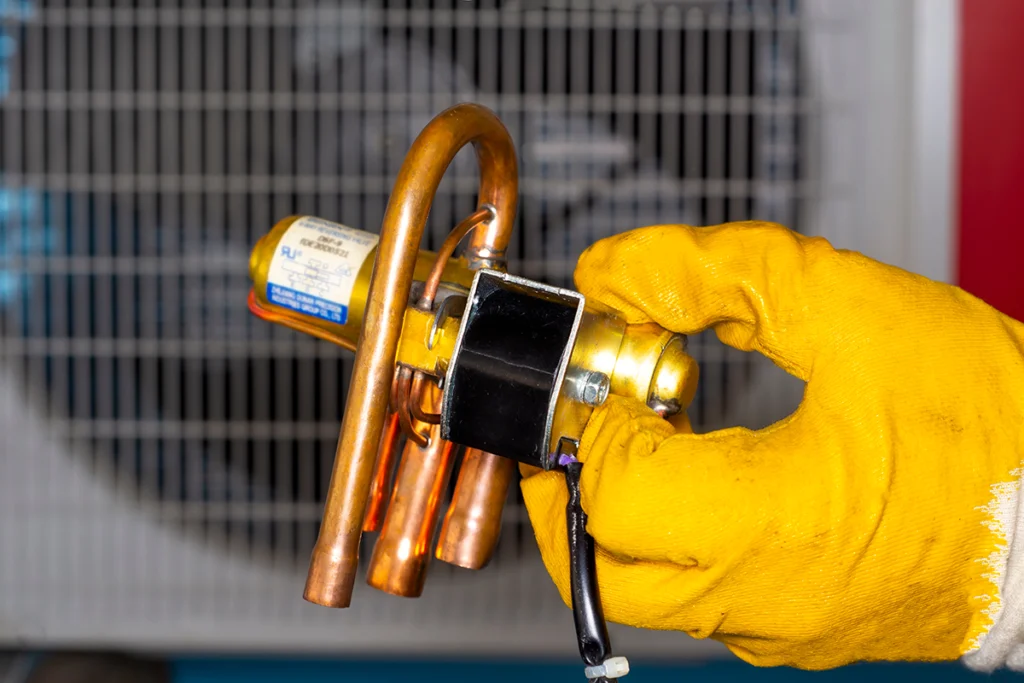
Heat pump reversing valve not switching modes in Big Sandy, TX: close-up of a thermal expansion valve (TXV) assembly being
Heat Pumps, Maintenance, Repair

Heat Pump Reversing Valve Not Switching Modes in Big Sandy, TX

Why is your heat pump reversing valve not switching modes in Big Sandy, TX, even though the system seems to run? The problem could involve a failed solenoid coil, faulty thermostat wiring, abnormal refrigerant pressures, or a sticking internal valve mechanism. Contamination and mechanical wear can also interfere with valve operation. Sometimes the reversing valve itself is defective. Other times, an electrical or refrigerant issue prevents it from shifting properly. Replacing the valve without identifying the actual cause could leave the problem unresolved. Before recommending repairs, we inspect the system to determine why the valve isn’t switching modes. This helps us identify the right solution and reduce the risk of additional problems. Why Your Heat Pump Reversing Valve Won’t Switch Modes A heat pump reversing valve changes the direction of refrigerant flow, allowing your system to switch between heating and cooling. It uses an electrically controlled solenoid and refrigerant pressure differences to move its internal mechanism. When something interferes with that process, the system may remain in one operating mode. A failed solenoid coil, faulty wiring, or thermostat control problem can prevent the valve from receiving the proper signal. Insufficient pressure differences may also keep the internal slide from shifting. In other cases, mechanical wear, contamination, or internal valve damage can interfere with operation. Problems elsewhere in the system can affect valve performance. For example, abnormal refrigerant pressures may occur alongside a struggling compressor that squeals under load. However, unusual compressor noises do not automatically indicate a reversing valve problem. Determining why your heat pump reversing valve won’t switch modes requires professional testing. Technicians check electrical controls, solenoid operation, refrigerant pressures, and the valve itself. According to the EPA, technicians performing refrigerant circuit service must hold the appropriate Section 608 certification. This includes work that involves opening the refrigerant system. When we respond to reversing valve problems in Big Sandy, we inspect the system before recommending replacement. Some issues require electrical repairs, while others involve refrigerant conditions or a damaged valve. Call C&R HVAC for a professional diagnosis and a repair plan that addresses the actual problem. Common Causes of a Heat Pump Reversing Valve Not Switching Modes in Big Sandy, TX When your heat pump reversing valve is not switching modes in Big Sandy, several electrical and mechanical problems could be responsible. The valve depends on a functioning solenoid, proper refrigerant pressure differences, and freely moving internal components. If one of these conditions isn’t met, the valve may remain in its current position. Understanding the possible causes helps explain why accurate diagnosis matters before replacement. Electrical and Solenoid Problems That Keep Your Heat Pump Reversing Valves From Switching Modes The reversing valve’s solenoid coil controls a small pilot valve that helps direct refrigerant pressure. Depending on the system’s design, the coil energizes in either heating or cooling mode. A failed coil, faulty thermostat connection, or damaged wire can prevent the proper switching signal. Electrical failures can develop from age, moisture exposure, damaged connections, or control problems. However, a failed solenoid doesn’t necessarily mean another component caused the damage. Sometimes the coil itself simply fails. Our technicians test the control voltage and coil operation to determine whether the problem is electrical or mechanical. Refrigerant and Pressure Imbalances A reversing valve relies on sufficient pressure differences within the refrigerant system to shift its internal slide. When those pressure differences are inadequate, the valve may struggle to change positions. Low refrigerant charge, compressor performance problems, or refrigerant flow restrictions can contribute to abnormal operating conditions. High operating pressures can also affect heat pump performance. These conditions may develop from a dirty condenser coil, restricted airflow, or excessive refrigerant charge. However, high pressure doesn’t automatically mean the reversing valve is jammed or damaged. When a heat pump reversing valve is not switching modes, our technicians evaluate refrigerant pressures alongside electrical and mechanical operation. This helps determine whether the problem involves the valve itself or another system condition. Mechanical Wear and Contamination Over time, internal reversing valve components can experience wear or develop mechanical problems. The valve’s internal slide may stick, preventing the system from switching between heating and cooling. Manufacturing defects or damage can also interfere with normal operation. Contamination within the refrigerant circuit is another possible cause. Moisture, debris, or particles from damaged components can interfere with the valve’s internal movement. In some cases, contamination may also affect other refrigerant system components. When we diagnose a stuck valve, we check for evidence of mechanical damage and contamination. If replacement is necessary, we also evaluate the surrounding system. This helps us determine whether additional repairs or refrigerant circuit cleanup are needed. What Happens When You Only Replace the Heat Pump Reversing Valve Replacing a reversing valve without confirming the cause of the problem can result in unnecessary repairs. Sometimes the valve itself has failed and replacement is the appropriate solution. However, other conditions can produce similar symptoms. A faulty thermostat signal, damaged wiring, or insufficient refrigerant pressure differences may prevent a functioning valve from switching modes. If the original problem remains unresolved, replacing the valve may not restore proper operation. For example, a new valve won’t correct faulty thermostat wiring. Refrigerant contamination can also remain in the system after a component is replaced. That contamination may interfere with the replacement valve or other components. A heat pump reversing valve not switching modes can sometimes indicate broader system problems. Abnormal refrigerant pressures, compressor performance issues, and restricted airflow can affect heating and cooling operation. However, these conditions don’t always cause permanent valve damage. Restricted airflow is one issue worth investigating. Dirty filters, blocked ductwork, or obstructed coils can affect system efficiency and operating pressures. Our technicians evaluate these conditions and recommend appropriate airflow and filtration repairs when needed. We also inspect the reversing valve’s electrical controls, solenoid coil, and refrigerant operating conditions. These tests help us determine whether the valve is defective or another problem is interfering with its operation. If you’re experiencing a heat pump reversing valve not switching modes in Big

Scroll to Top