
Call Us (903) 204-7571 Today

“Taught By Fathers, Trusted By Families”

October 4, 2026

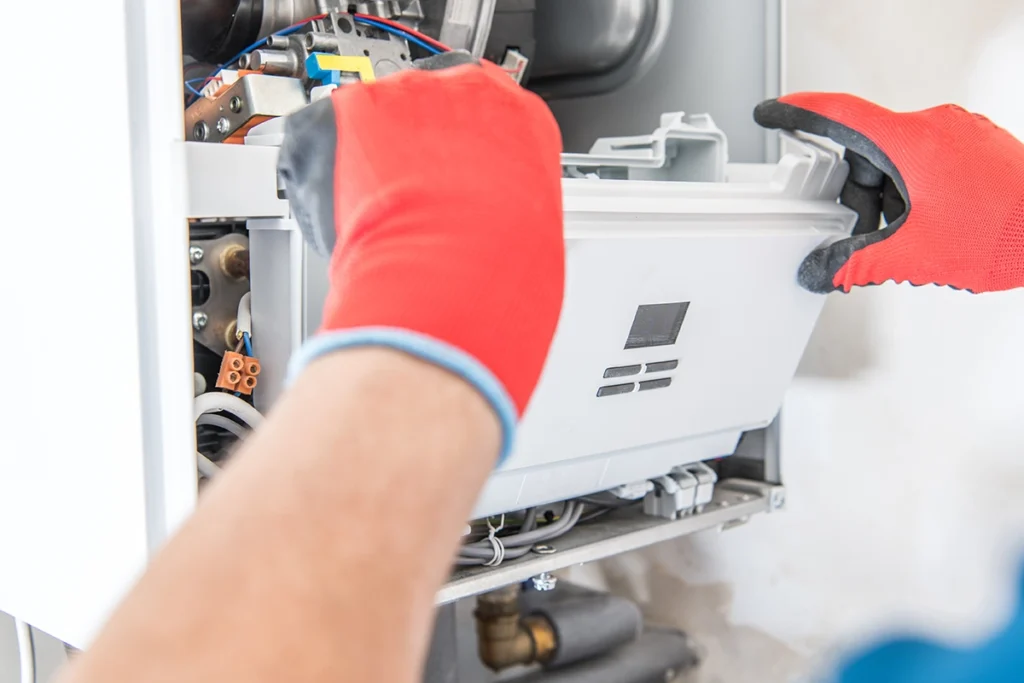
Furnace blower motor making loud grinding noise in Rusk, TX: technician removing the front cover of a wall-mounted heating
Furnaces, Maintenance, Repair

Furnace Blower Motor Making Loud Grinding Noise in Rusk, TX

Is your furnace blower motor making a loud grinding noise in Rusk, TX? That harsh scraping or grinding sound may indicate worn motor bearings, a damaged blower wheel, or components rubbing against the housing. Sometimes the motor itself is failing. Other times, a loose mounting bracket, debris, or an imbalanced blower wheel causes the noise. Electrical problems, including a failing capacitor, can also affect blower performance, although they typically produce different symptoms. When we respond to a grinding blower, we inspect the entire assembly to identify the actual cause. A qualified HVAC technician can determine whether the motor needs replacement or another component requires attention. This helps avoid unnecessary repairs and reduces the risk of further damage. Why Your Furnace Blower Motor Is Making a Grinding Noise Worn bearings are one possible cause of a furnace blower motor making loud grinding noise in Rusk, TX. Bearings allow the motor shaft to rotate smoothly. Over time, lubrication can deteriorate, internal components can wear, or contamination can interfere with normal movement. These problems may create grinding, scraping, or rumbling sounds. However, the noise doesn’t always come from the bearings. A loose blower wheel, damaged mounting hardware, or debris inside the housing can produce similar sounds. An imbalanced blower wheel may also create vibration that contributes to mechanical wear. Restricted airflow can affect blower performance, but its impact depends on the motor design. Dirty filters, blocked return vents, and restricted ductwork can change operating conditions and increase static pressure. Some blower motors may experience additional stress as they attempt to maintain airflow. When we respond to a grinding blower motor in Rusk, we inspect the motor bearings, blower wheel, and mounting hardware. We also check the electrical supply and evaluate airflow when needed. Identifying the actual cause helps us recommend the right repair without replacing functioning components. What Causes a Furnace Blower Motor to Grind in Rusk, TX A furnace blower motor making loud grinding noise in Rusk, TX may have worn bearings or damaged internal components. However, the sound can also originate from the blower wheel, mounting hardware, or surrounding housing. Mechanical wear, debris, vibration, and electrical problems can all affect blower operation. Some problems develop gradually, while others occur unexpectedly. Our technicians inspect the complete blower assembly to determine what’s causing the noise before recommending repairs. Bearing Wear and Furnace Blower Motor Grinding Blower motors rely on bearings to support the rotating shaft and maintain smooth movement. As bearings age, internal wear or lubrication deterioration can increase friction. This may produce grinding, rumbling, or scraping sounds. Some motors have sealed bearings that aren’t designed for routine lubrication. Dirty filters and restricted ductwork can also affect system operation. The EPA explains that clogged filters can reduce airflow and increase motor wear. However, restricted airflow doesn’t automatically mean the motor bearings are failing. When diagnosing furnace blower motor grinding, our technicians inspect the bearings and check whether airflow restrictions are affecting system performance. We also examine the motor mounts and blower wheel to identify mechanical problems. Debris, Misalignment, and Electrical Problems Foreign objects, insulation fragments, or accumulated debris can interfere with the blower wheel. If something contacts the rotating wheel, it may create scraping or grinding sounds. Loose mounting hardware or a shifted blower assembly can also allow moving components to contact the housing. Electrical problems can affect blower operation, although they don’t typically produce grinding sounds directly. A failing capacitor may cause certain motors to struggle during startup or produce humming noises. Low voltage, loose electrical connections, and motor winding problems can also interfere with normal operation. When your furnace blower motor is making a grinding noise, our technicians inspect the wheel, housing, bearings, and mounting hardware. We also check electrical components and airflow conditions when appropriate. This helps us distinguish mechanical damage from other blower problems and recommend an effective repair. What Happens If You Replace the Motor Without Finding the Cause Replacing a furnace blower motor without identifying the source of the grinding noise can lead to unnecessary repairs. Sometimes the motor itself has failed because of worn bearings or internal damage. In those cases, replacement may be the correct solution. However, other components can produce similar sounds, even when the motor remains functional. For example, a loose blower wheel may continue scraping against the housing after the motor is replaced. Debris inside the assembly can also remain unless it’s removed during the repair. If mounting hardware is damaged or misaligned, the same vibration or contact noise may continue. Electrical problems deserve attention as well. A failing capacitor, loose connection, or incorrect supply voltage can affect motor operation. However, these conditions don’t necessarily explain a grinding sound. Restricted airflow may also affect blower performance, depending on the system’s design. If your furnace blower motor making loud grinding noise in Rusk, TX continues after replacement, another component may be responsible. The replacement motor could also have an installation problem or mechanical defect. A complete inspection helps identify which possibility is causing the noise. Our technicians examine the blower assembly, electrical connections, and mounting hardware before recommending replacement. We also check airflow and static pressure when system conditions warrant it. This approach helps address the actual problem and reduces the chance of unnecessary repair costs. When to Call C&R HVAC About Your Furnace Blower Motor If your furnace blower motor starts making a loud grinding noise, turn the system off at the thermostat. Continued operation could worsen an existing mechanical problem. Contact us immediately if the noise is accompanied by a burning smell, visible smoke, or repeated system shutdowns. These symptoms may indicate electrical or mechanical problems requiring prompt attention. If you notice smoke or signs of fire, leave the area and contact emergency services. Even if your furnace still heats your home, unusual grinding deserves professional attention. Worn bearings, a loose blower wheel, or contact with the housing can worsen during operation. However, the sound alone doesn’t confirm which component is damaged. Scheduling an inspection allows a technician to determine
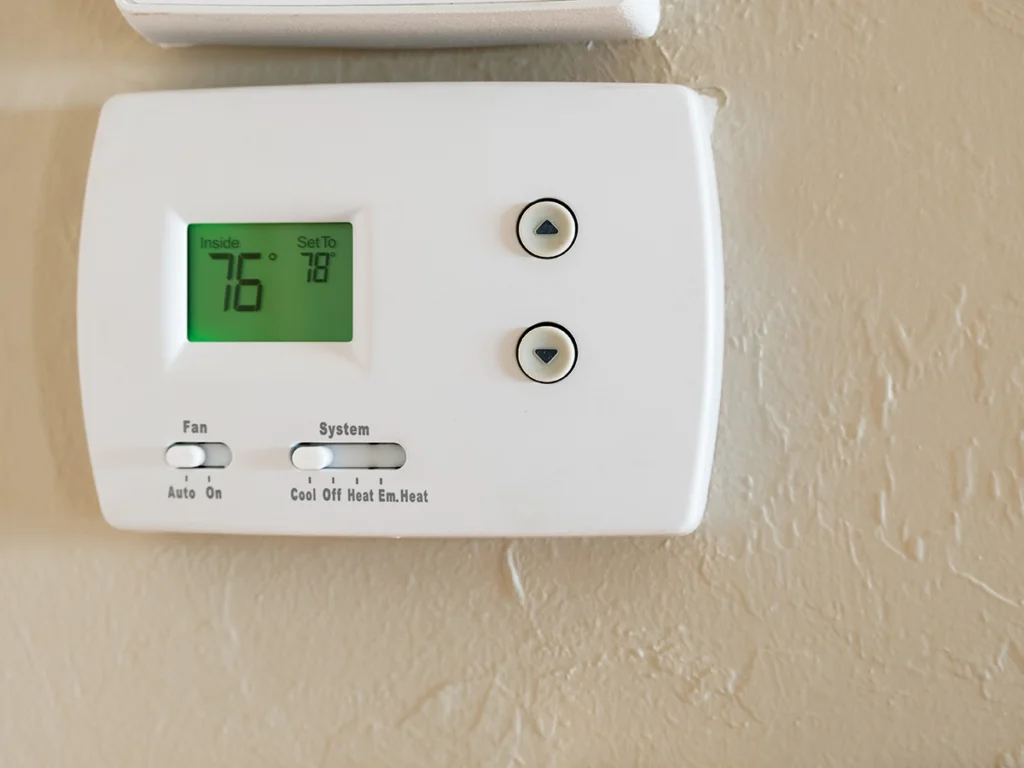
Furnace blower motor running continuously without stopping in Coffee City, TX: close-up of a wall-mounted digital thermostat
Furnaces, Maintenance, Repair

Furnace Blower Motor Running Continuously Without Stopping in Coffee City, TX

A furnace blower motor running continuously without stopping in Coffee City, TX can have several causes. The thermostat may be set to “fan on,” a control board relay may be stuck, or a safety control may be keeping the blower operating. In many cases, the motor itself is functioning normally. It’s simply responding to an electrical signal or system condition that keeps it running. Some furnaces also have programmed fan circulation settings that operate independently of heating and cooling cycles. Before recommending a motor replacement, our technicians identify what’s keeping the blower energized. At C&R HVAC, we diagnose the electrical controls, safety components, and airflow conditions to determine the appropriate repair. Why Your Furnace Blower Motor Keeps Running Continuously Without Stopping A blower motor that runs continuously isn’t necessarily defective. The issue may involve thermostat settings, wiring, the furnace control board, or a safety response to overheating. Some systems also offer continuous or scheduled fan circulation. However, if the blower keeps running unexpectedly, professional troubleshooting may be necessary. Common causes include a thermostat set to “on” instead of “auto,” a stuck blower relay, or faulty thermostat wiring. A high-temperature limit switch may also trigger continuous blower operation when the furnace overheats. In that situation, the control board may keep the blower running to remove excess heat. Older furnaces may use a combination fan-limit control to regulate blower operation based on temperature. Modern furnaces typically rely on electronic control boards and separate high-temperature safety switches. A malfunction involving either control system may affect normal blower cycling. What to Do When Your Blower Won’t Stop When you notice your furnace blower motor running continuously without stopping, check the thermostat first. Make sure the fan is set to “auto” rather than “on.” Also check whether your thermostat has a scheduled circulation feature enabled. Remember that the blower may continue running briefly after a heating cycle to remove remaining heat. However, if it runs continuously after the system should have stopped, contact a qualified HVAC technician. If the blower keeps running while the furnace produces little or no heat, a safety control may have activated. Our certified technicians inspect thermostat wiring, electrical controls, and safety switches. We also test the control board and evaluate airflow conditions when necessary. These checks help identify why the blower isn’t returning to normal operation. What Causes a Furnace Blower Motor Running Continuously in Coffee City, TX A furnace blower motor running continuously in Coffee City, TX may indicate a thermostat setting, electrical control problem, or furnace safety response. However, continuous operation isn’t always a malfunction. Some homeowners intentionally use their blower for ongoing air circulation. When the fan runs unexpectedly, our technicians investigate the thermostat, control board, and safety components to identify the cause. Thermostat Malfunctions and Wiring Problems Your thermostat communicates with the furnace control board to request heating, cooling, or fan operation. When the fan is set to “on,” the blower typically runs continuously by design. Setting it to “auto” allows the system to control fan operation based on heating and cooling demand. Faulty wiring, damaged thermostat connections, or defective internal contacts can also cause unexpected fan operation. A failing thermostat may continue requesting fan operation even when the desired temperature has been reached. Programmable and smart thermostats may also have circulation schedules that operate the fan periodically. These settings aren’t necessarily defects. Our technicians verify the thermostat configuration and test the electrical signals before recommending repairs. Failed Limit Switch and Furnace Blower Motor Problems A furnace’s high-temperature limit switch is a safety component that monitors excessive heat within the equipment. When furnace temperatures exceed safe limits, the switch interrupts burner operation. On many modern systems, the control board continues running the blower to help remove excess heat. A dirty air filter, blocked return vent, or restricted ductwork can contribute to furnace overheating. These conditions may cause the high-temperature limit switch to activate repeatedly. A defective limit switch or control circuit can also interfere with normal furnace operation. The EPA explains that dirty or clogged filters can significantly reduce airflow. Reduced airflow can contribute to overheating and increased equipment wear. When a furnace blower motor keeps running, our technicians check whether the limit switch is responding to an actual overheating problem. We also test the switch and control board to determine whether a component has malfunctioned. Any underlying airflow restriction must be addressed before the furnace returns to normal operation. Control Board Defects and Continuous Blower Operation The furnace control board receives signals from the thermostat and safety components. It uses those signals to manage heating cycles and blower operation. If a blower relay becomes stuck or the control circuitry fails, the motor may continue running after the heating cycle ends. Electronically commutated motors (ECMs) use electronic controls to regulate motor operation and speed. Depending on the equipment design, problems with the motor’s control module, control board, or communication signals may affect blower cycling. A furnace blower motor running continuously doesn’t automatically mean the control board has failed. Our technicians test electrical signals and inspect the relevant components to determine whether the problem involves the thermostat, motor controls, or furnace safety system. Why Replacing the Part Alone Won’t Fix It When a furnace blower motor runs continuously without stopping, replacing the motor usually isn’t the appropriate first step. The motor may be operating exactly as instructed by the thermostat or furnace control board. If an electrical signal keeps calling for fan operation, installing a new motor won’t necessarily solve the problem. Continuous blower operation also doesn’t automatically mean the motor is overheating or approaching failure. Many furnace blowers are designed to support extended operation. However, unexpected continuous operation may increase electricity use or indicate another equipment problem requiring attention. Restricted airflow is one condition worth investigating. Dirty filters, blocked return vents, and undersized ductwork can affect furnace temperatures and equipment performance. Staying current on furnace filter changes helps maintain proper airflow. When restrictions cause furnace overheating, the high-temperature safety limit may activate and keep the

Scroll to Top