Call Us (903) 204-7571 Today

“Taught By Fathers, Trusted By Families”

October 2, 2026

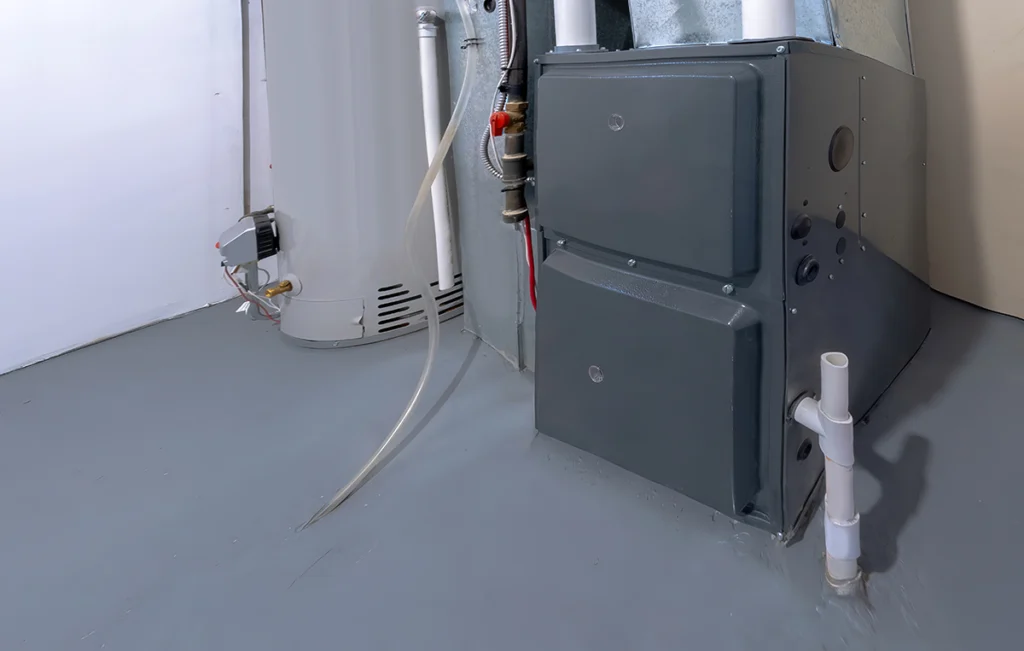
Furnace capacitor buzzing but not starting in hideaway: residential furnace installed in a utility room with visible
Furnaces, Maintenance, Repair

Furnace Capacitor Buzzing but Not Starting in Hideaway

You flip the thermostat on a chilly Hideaway morning and hear a low buzzing from the furnace closet. The blower never kicks in. That’s often a sign your furnace capacitor is buzzing but not starting in Hideaway. The capacitor itself may be failing. Or something upstream is forcing it to work harder than it was designed to handle. While a buzzing capacitor usually does need replacement, the real question is why it failed. As the EPA explains, a dirty or clogged filter can dramatically reduce airflow, increase run time, and add wear to the blower motor. Was it normal wear after years of duty cycles? An electrical surge or voltage problem? Restricted airflow that overheated the blower motor? Or a motor drawing too much current? We see homeowners replace the part only to have the new one fail weeks later because the root cause was never addressed. That’s why a licensed professional should always diagnose what put the capacitor under stress before swapping anything out. Understanding why your furnace capacitor is buzzing but not starting in Hideaway requires a complete electrical and mechanical assessment. What Happens When a Furnace Capacitor Starts Buzzing Instead of Starting the Motor When your furnace capacitor buzzes but the blower motor won’t start, the capacitor is trying to release stored energy but can’t deliver the surge needed to spin the motor. The buzzing is a warning sign. The capacitor itself may be weakened or failing, but more often it’s the symptom of an underlying problem that damaged the capacitor over time. In fact, a capacitor rarely fails on its own. The most common causes include incoming voltage problems from the electrical panel or utility supply that starve the capacitor of clean power. Seized or dragging blower motor bearings force the capacitor to work harder every cycle until it overheats and loses capacity. Dirt and debris restricting airflow can overheat the motor and capacitor together. Many Hideaway homeowners don’t realize that loose or corroded wiring connections create electrical resistance that weakens the charge. An undersized or wrong-rated capacitor installed during a previous repair will buzz and fail repeatedly because it was never matched to your motor’s requirements. A capacitor stores electrical charge even after power is off. That’s why only qualified HVAC professionals should handle capacitor service. Attempting to discharge or replace a capacitor without proper training and tools creates a serious risk of electrocution. When we respond to a furnace capacitor buzzing but not starting in Hideaway, we test voltage at the source, inspect motor windings and bearings, verify the capacitor rating, and trace what caused the failure so your new part doesn’t meet the same fate. Call C&R HVAC for a complete diagnosis before the motor burns out entirely. A blower that never starts can leave you with a furnace that won’t turn on. Upstream Stress That Causes a Furnace Capacitor to Buzz When you hear a furnace capacitor buzzing but the blower won’t start in your Hideaway home, the capacitor itself is rarely the original problem. Most capacitors fail because something else forced them to work harder, run hotter, or cycle more frequently than designed. Below are the most common upstream causes we find during diagnosis: Weak or fluctuating electrical supply: Voltage sags or wiring problems force the capacitor to strain harder on each start. This overheats its internal material and shortens its life. Motor bearing wear: As the blower motor’s bearings age and stiffen, the motor draws more starting current. That overworks the capacitor until components degrade faster. Restricted airflow: A clogged filter or blocked vent makes the blower motor work against higher resistance. The capacitor must deliver more energy every cycle until it weakens. Overheating from poor ventilation: When your furnace cabinet or utility closet lacks adequate clearance, heat builds up around the capacitor and accelerates breakdown of its internal insulation. Refrigerant imbalance (heat pump systems): Low or overcharged refrigerant changes compressor pressures. This can cause both the compressor and blower to cycle erratically and put extra electrical stress on their capacitors. Incorrect capacitor rating: If a previous repair installed a capacitor with the wrong microfarad (µF) rating, it may buzz under load because it cannot store or release the correct amount of energy the motor needs. When we respond in Hideaway, we test voltage, measure amperage draw, inspect airflow, and check the capacitor’s rating against specifications. We also look for electrical or mechanical problems that could contribute to premature blower motor capacitor failure. Identifying these issues helps us recommend repairs that address the actual cause rather than just the symptoms. The Cycle of Repeated Breakdowns When Root Issues Go Undiagnosed When your furnace capacitor is buzzing but not starting, it’s tempting to simply swap the part and move on. But if the capacitor is replaced without investigating why it failed, you’re often looking at another breakdown within weeks or months. Sometimes you’ll see even more damage. The new capacitor inherits the same stress that destroyed the first one. This pattern emerges repeatedly in Hideaway homes where technicians skip the voltage and motor testing steps. If the root cause is a voltage surge or weak electrical supply, the replacement capacitor will fail prematurely. It often takes the blower motor or control board with it. When airflow restriction or a refrigerant imbalance caused the original failure, the motor continues to strain. It overheats the new capacitor and shortens its life. You end up paying for multiple repairs when one thorough diagnosis would have caught everything. Many Hideaway homeowners discover too late that a furnace capacitor buzzing but not starting in Hideaway signals more than just a worn part, it points to systemic stress in the heating system. Ignoring that reality usually doubles or triples your total repair costs within a single heating season. When we respond to a capacitor failure in Hideaway, we test the entire circuit before recommending any parts. We check supply voltage, motor windings, airflow across the heat exchanger, and control signals. That diagnostic step protects your investment
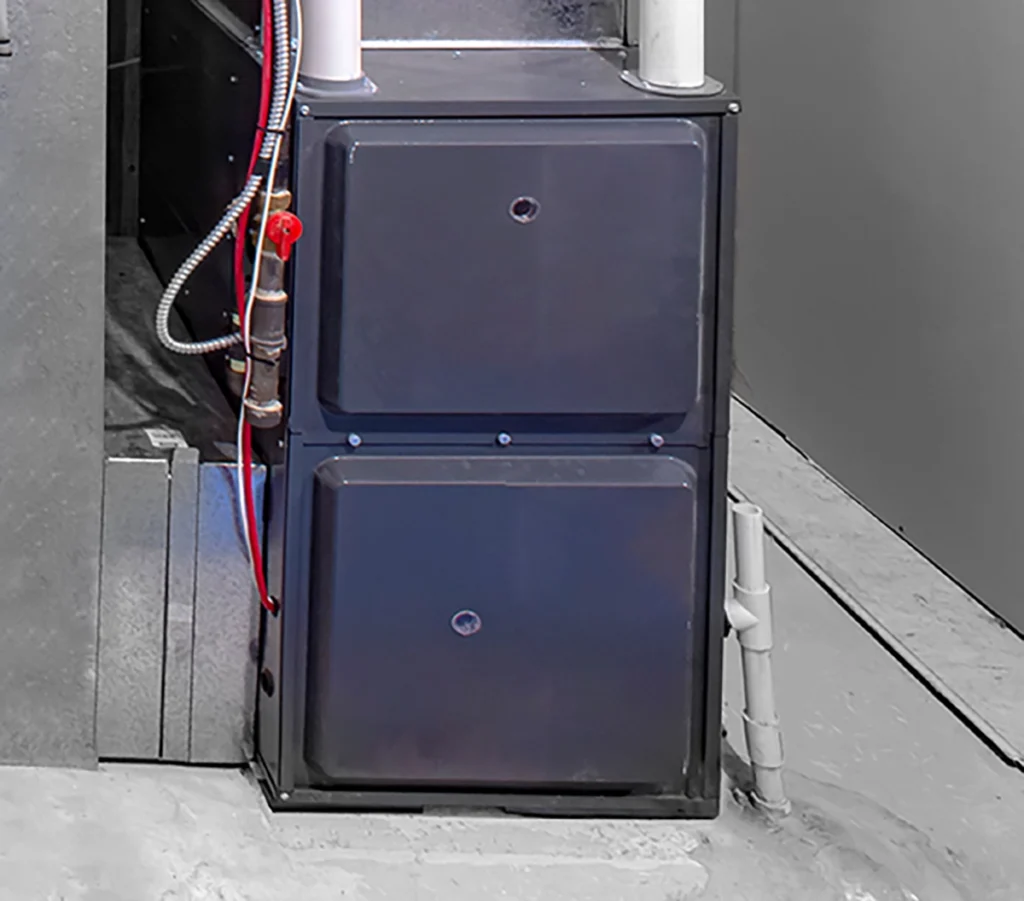
Furnace blower motor capacitor failing in Big Sandy, shown by a gas furnace and ductwork in a home utility area
Furnaces, Maintenance, Repair

Furnace Blower Motor Capacitor Failing in Big Sandy

Does your furnace blower hesitate to start, hum loudly without spinning, or run briefly then shut off? These are classic signs of a furnace blower motor capacitor failing in Big Sandy. The capacitor stores and releases the electrical charge the blower motor needs to start and keep running smoothly. When it weakens or fails, the motor struggles or stops altogether. The capacitor itself is rarely the root problem, though. Most of the time, something upstream caused it to fail. Common culprits include voltage surges, overheating from restricted airflow, and a motor drawing too much current. Debris and heat buildup can stress the electrical components too. Replacing the capacitor alone without diagnosing the underlying cause rarely solves the problem for long. Usually, it buys you a few weeks or months before the new one fails, or something more expensive breaks. This pattern of repeat failures frustrates homeowners throughout the region, especially during the coldest weeks when heating reliability matters most. Why a Failing Capacitor Stops Your Furnace Blower Motor Cold A failing capacitor starves your furnace blower motor of the electrical surge it needs to start and run. The capacitor stores and releases voltage to kick the motor into motion, much like the first push on a swing. When the capacitor weakens, your blower motor struggles to spin up or can’t reach full speed. That leaves your furnace cycling on and off, or blowing weak, inconsistent air. In many cases, the motor won’t start at all. Your home stays cold even though the furnace is calling for heat. You’ll often hear a humming or clicking sound from the furnace cabinet. That happens when the electrical component can’t provide adequate voltage. The motor is trying to start but isn’t getting the boost it needs. The blower may take longer to spin up after the burners fire, or it may stop mid-cycle. Most HVAC capacitors last about 10 to 20 years. Extreme heat, power surges, and high-demand cycles can shorten that lifespan here in Big Sandy. The EPA notes that a dirty or restricted filter forces the blower motor to run longer. That added strain can shorten a capacitor’s life too. When we respond to a blower issue, our licensed technician will test the capacitor with a multimeter. This measures its stored electrical charge. A weak or swollen capacitor is a clear sign that it’s about to fail completely. If your blower motor isn’t spinning or you’re hearing those telltale sounds, contact C&R HVAC right away. Continuing to run the system can overheat the motor and turn a simple capacitor replacement into a much larger repair. Recognizing the Warning Signals Before Complete Failure Strikes When the capacitor inside your furnace begins to fail, you’ll usually notice changes in how your system runs. This happens long before it stops completely. You might hear your blower motor struggling to start. It makes a humming or buzzing sound that lasts several seconds before the airflow begins. Some homeowners describe a clicking noise from the furnace cabinet as the motor tries repeatedly to kick on. According to One Hour Heat and Air, a failing capacitor causes the blower motor to run slowly or stop unexpectedly. It can also cycle erratically due to insufficient electrical charge. You may also notice weak airflow from your vents even when the furnace is running. Your system may shut off randomly mid-cycle and restart minutes later. In colder stretches here in Big Sandy, a furnace with inconsistent airflow will leave some rooms noticeably colder than others. If your energy bills have climbed without explanation, a struggling capacitor may be the cause. It forces the motor to work harder and draw more power than normal. Recognizing these patterns early is essential, since prompt attention can prevent more costly damage to the motor itself. When we respond to these symptoms, we’ll test the capacitor’s charge and inspect the motor windings. This confirms whether the capacitor has weakened or if an upstream electrical issue caused the failure. Catching a failing capacitor early protects your blower motor from permanent damage. What Really Destroys a Furnace Blower Motor Capacitor Most homeowners assume a capacitor just dies on its own. In reality, it’s almost always worn down by forces elsewhere in the system. According to One Hour Heat and Air, HVAC capacitors break down from constant electrical stress and extreme temperatures. Voltage fluctuations also gradually wear down internal components. Nearly every case we investigate traces back to one or more of these underlying stressors. Here are the most common upstream causes we find during our inspections: Voltage instability. Inconsistent voltage, common during storms or when large appliances cycle on, forces the capacitor to absorb repeated surges. Those surges degrade the dielectric material inside. Overheating from restricted airflow. A clogged filter, blocked return grilles, or dirty evaporator coil force the blower motor to work harder and run hotter. That heat radiates to the capacitor and accelerates the chemical breakdown of its internal components. Motor bearing wear. When the blower motor’s bearings begin to seize or drag, the motor draws more current to maintain speed. This pushes the capacitor beyond its rated load and shortens its lifespan significantly. Oversized or mismatched capacitor. If a previous repair installed the wrong microfarad rating, the capacitor can’t deliver the starting torque the motor needs. In other cases it runs continuously overloaded. Both situations lead to premature failure. Environmental exposure. Capacitors mounted near heat sources, in damp crawlspaces, or in attics with poor ventilation face constant temperature swings. Those swings cause the internal electrolyte to evaporate or leak. When we respond to a capacitor failure, we don’t simply swap the part. Our technicians test the incoming voltage, check the motor’s amp draw, and inspect the blower assembly for mechanical resistance. Replacing the capacitor without fixing the root cause just invites the same failure again. Getting Professional Help Before Your Heat Disappears Completely You may notice warning signs like weak airflow, intermittent blower operation, or clicking sounds from the furnace cabinet. If the system

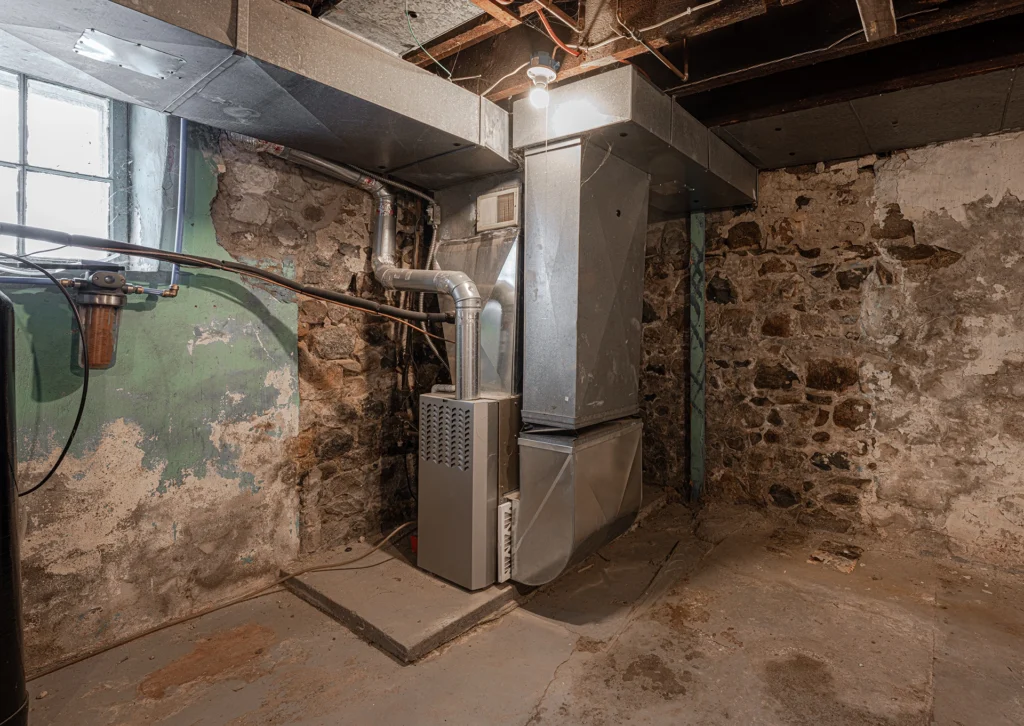
Furnace blower motor capacitor failing in Hideaway, shown by a gas furnace and connected ductwork in a basement
Furnaces, Maintenance, Repair

Furnace Blower Motor Capacitor Failing in Hideaway

A furnace blower motor capacitor failing in Hideaway rarely fails on its own. Instead, it’s almost always being damaged by an upstream electrical, airflow, or mechanical problem that hasn’t been addressed yet. When we get a call about a capacitor that keeps burning out or won’t hold a charge, the real question isn’t whether to replace it but *why* it failed in the first place. Without finding that root cause, you’ll likely face another failure in weeks or months. Common culprits include voltage irregularities, a struggling blower motor drawing too much current, dirty coils or restricted airflow forcing the motor to work harder, or even a failing contactor sending inconsistent power. That’s why we always start with a full electrical and airflow diagnosis, so the repair actually lasts. Why Is Your Furnace Blower Motor Capacitor Failing? If your furnace blower motor capacitor keeps failing, the part itself isn’t usually the real problem. It’s being damaged by an underlying cause. The capacitor stores and releases the electrical charge the blower motor needs to start and run. When it fails, your blower won’t turn on or will run erratically. Most capacitors don’t just burn out randomly. Instead, they’re destroyed by conditions that force them to work harder than they were designed to handle. The most common upstream causes we find include voltage fluctuations or surges from your home’s electrical supply. These stress the capacitor’s internal components until they short out. A dirty air filter or blocked return vents force the blower motor to strain, overheating the capacitor each cycle. The EPA notes that a dirty or clogged filter can dramatically reduce airflow, forcing the system to run longer and adding wear to the blower motor. Extreme temperature swings in your attic or utility space, common in Hideaway’s hot summers and cold winters, accelerate the breakdown of the dielectric material inside the capacitor. When the blower motor itself is wearing out, it draws more current than normal. This pushes the capacitor beyond its rated limits. Undersized ductwork or an incorrectly sized blower assembly can create back-pressure that overworks both the motor and the capacitor at the same time. When we respond to a failing capacitor, we don’t just swap the part. We test the electrical supply at the unit and measure the motor’s amp draw under load. Along with that, we inspect airflow and filter conditions. We also check the furnace’s installation and sizing to find what killed the original capacitor, so your new one doesn’t follow the same path. What Does a Blower Motor Capacitor Actually Do? The capacitor is a small cylindrical component that stores and releases electrical energy to help your blower motor start and keep running smoothly. When your thermostat calls for heat, the capacitor delivers a surge of voltage. That surge is often two to three times the motor’s normal operating power. It helps the motor overcome inertia and spin up to speed. Once running, the capacitor continues to smooth out voltage fluctuations. It keeps the motor cycling efficiently through each heating demand. Because the capacitor handles intense electrical stress every time your furnace starts, it’s one of the most wear-prone parts in your system. Heat, humidity, voltage spikes from the grid, and the constant charge-discharge cycle all degrade the internal dielectric material over time. As the capacitor weakens, it can’t deliver the voltage kick your blower motor needs. This forces the motor to strain harder during startup. That extra strain generates heat, which accelerates wear on both the capacitor and the motor windings. Eventually, a failing capacitor can cause the blower motor itself to overheat, trip the limit switch, or stop turning altogether. You’re left without heat when you need it most. When we diagnose a furnace blower motor capacitor failing in Hideaway, we measure the capacitance level with professional testing equipment. This confirms whether it’s still within the manufacturer’s tolerance range. If it’s dropped below spec or shows visible bulging or leaking, replacement is the safest next step. It protects your motor and restores reliable airflow. Common Causes Behind a Furnace Blower Motor Capacitor Failing in Hideaway A failed blower motor capacitor is almost never the root problem. It’s usually the victim of a larger issue upstream. When we respond to a furnace service call in Hideaway, we look beyond the failed part to identify what killed it in the first place. Replacing the capacitor without fixing the underlying cause means you’ll face the same failure again in weeks or months. The most common upstream problems that destroy capacitors include: Electrical supply problems: Voltage fluctuations, frequent power surges, or loose connections force the capacitor to work harder to start the motor. This wears out the dielectric material until it fails. Airflow restrictions: A clogged filter, closed supply registers, or blocked return vents cause the blower motor to strain against resistance. It draws more amperage and overheats the capacitor until it bulges or shorts. Motor bearing wear: When the blower motor’s bearings degrade, the motor pulls extra current on every startup cycle. This overloads the capacitor until it can no longer hold a charge. Overheating from continuous operation: A malfunctioning thermostat can disrupt normal heating cycles and contribute to excessive system operation. Prolonged exposure to high temperatures can damage the capacitor’s internal components and shorten its lifespan. Wrong-sized capacitor from a previous repair: Installing a replacement with an incorrect microfarad (µF) rating forces the motor and capacitor to operate outside their design parameters, leading to premature failure of both. Age and thermal cycling: Years of heating and cooling cycles gradually weaken the capacitor’s internal structure, and it fails faster when other stressors are also present. When you call C&R HVAC, we check capacitor voltage and measure the blower motor’s amp draw. We also inspect airflow throughout the system before replacing any parts. When to Call C&R HVAC for Blower Motor Capacitor Problems If you notice warning signs like the blower not starting when the furnace fires, weak airflow, or unusual humming sounds from the blower compartment,

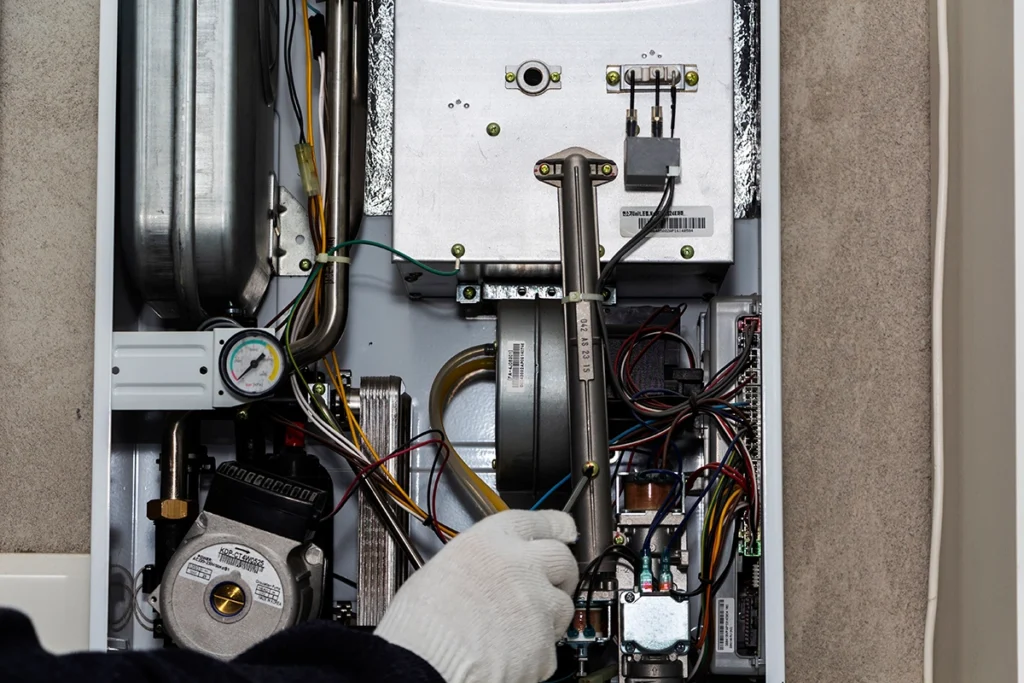
Furnace blower motor capacitor failing in Murchison, with the inside of a heating unit showing wiring and the blower
Furnaces, Maintenance, Repair

Furnace Blower Motor Capacitor Failing in Murchison

Is your furnace blower motor capacitor failing in Murchison, and what does that really mean for your heating system? A capacitor is a small but critical electrical component that gives your blower motor the energy boost it needs to start and keep running. When it begins to fail, you might notice weak airflow, strange humming noises from the furnace, or even a system that won’t turn on at all. Because the blower is responsible for moving warm air throughout your home, a failing capacitor can leave you cold during those chilly East Texas nights. We’ve helped countless homeowners identify and resolve this exact issue. The good news is that once diagnosed, it’s a repair our certified technicians handle quickly and safely. What a Failing Furnace Blower Motor Capacitor Means Your furnace blower motor capacitor is a small, cylindrical component that delivers the electrical jolt needed to start the blower motor and keep it running smoothly. Think of it as a battery that stores and releases energy in bursts. Without it, the motor that pushes heated air through your ductwork can’t overcome its own inertia to spin up. When this capacitor begins to fail, your furnace may still produce heat. However, the blower can’t circulate it effectively through your home, leaving rooms cold even while the burner runs. This component is under constant stress every heating cycle. It charges and discharges dozens of times per day during a Murchison winter. Over time, heat, voltage fluctuations, and simple age degrade the capacitor’s ability to hold a charge. A weakened capacitor can’t deliver the startup torque the motor needs. That causes hesitation, grinding noises, or complete failure to start. When we respond to a call about blower issues, checking the capacitor is one of the first diagnostic steps. It’s a common point of failure that affects the entire heating system’s performance. If your furnace is running but you’re not feeling warm air at the vents, a failing capacitor is often the culprit. The same is true if you hear clicking and humming near the furnace cabinet without the blower kicking on. Understanding the signs of a furnace blower motor capacitor failing in Murchison helps you act quickly before minor issues become major problems. Contact C&R HVAC for a professional inspection so our licensed technicians can test the capacitor’s charge and replace it before a complete motor failure leaves you without heat. Signs Your Furnace Blower Motor Capacitor Is Failing The capacitor is a small cylindrical component that stores and releases electrical energy to help your furnace blower motor start and run smoothly. When it begins to fail, you’ll typically notice several warning signs before your system stops working entirely. If your blower motor hesitates when your furnace kicks on, a weakening capacitor is often the culprit. You may notice it taking several seconds longer than usual to spin up. You might also hear a clicking or humming sound from the furnace cabinet without the blower actually starting. This indicates the motor is trying to run but lacks the electrical boost it needs. Other symptoms include intermittent operation. Your blower runs for a while, then stops unexpectedly, or your furnace shuts down mid-cycle. In some cases, you may notice weaker airflow from your vents even though the system appears to be running. The EPA notes that a dirty or clogged filter can dramatically reduce airflow, forcing the system to run longer and adding wear to the blower motor. When we respond to these complaints in Murchison homes, our technicians test the capacitor to confirm whether it’s still within the manufacturer’s specifications. Recognizing these warning signs of a furnace blower motor capacitor failing in Murchison allows homeowners to schedule repairs before complete system failure occurs. Catching a failing capacitor early prevents the added stress on your blower motor. Left unchecked, that stress can lead to far more extensive repairs down the road. Why Capacitors Fail in Murchison Heating Systems Capacitors are small but essential components that give your furnace blower motor the electrical jolt it needs to start each cycle. When your furnace blower motor capacitor starts failing in Murchison, it’s usually the result of everyday wear combined with factors unique to your system and environment. Most capacitors are rated for a specific lifespan, typically measured in cycles rather than years. Every time your heating system starts up, that count ticks higher. In homes where the furnace runs frequently during our East Texas winters, capacitors naturally reach their cycle limit faster. Heat is the silent enemy of capacitor longevity. When your furnace cabinet gets too warm, the capacitor experiences thermal stress that degrades its internal components. This often happens because of restricted airflow from a clogged filter or blocked return vents. Changing the furnace filter on schedule eases that strain. We also see accelerated failure in systems installed in tight attic spaces or utility closets with poor ventilation. Voltage fluctuations from the electrical grid can also shorten capacitor life. This is especially true during storm season when power surges or brownouts stress the component beyond its design tolerance. Age and original quality matter. Capacitors in furnaces that are ten years or older are operating on borrowed time. When we respond to service calls, we often find low-quality capacitors that were installed during prior repairs. Dust and debris inside the furnace cabinet can create corrosion on the capacitor terminals, which weakens the electrical connection and generates excess heat. When you notice any symptoms, it’s time to call C&R HVAC. These include weak airflow, a humming sound from the furnace, or intermittent blower operation. Our licensed technicians can test the capacitor and inspect the blower motor to determine whether a replacement will restore reliable operation. When to Call for Furnace Blower Motor Capacitor Service If your furnace blower is struggling to start, cycling on and off, or completely unresponsive, it’s time to schedule professional service. A failing capacitor can leave the motor unable to generate the necessary torque to spin up. That means your furnace can’t

Scroll to Top