
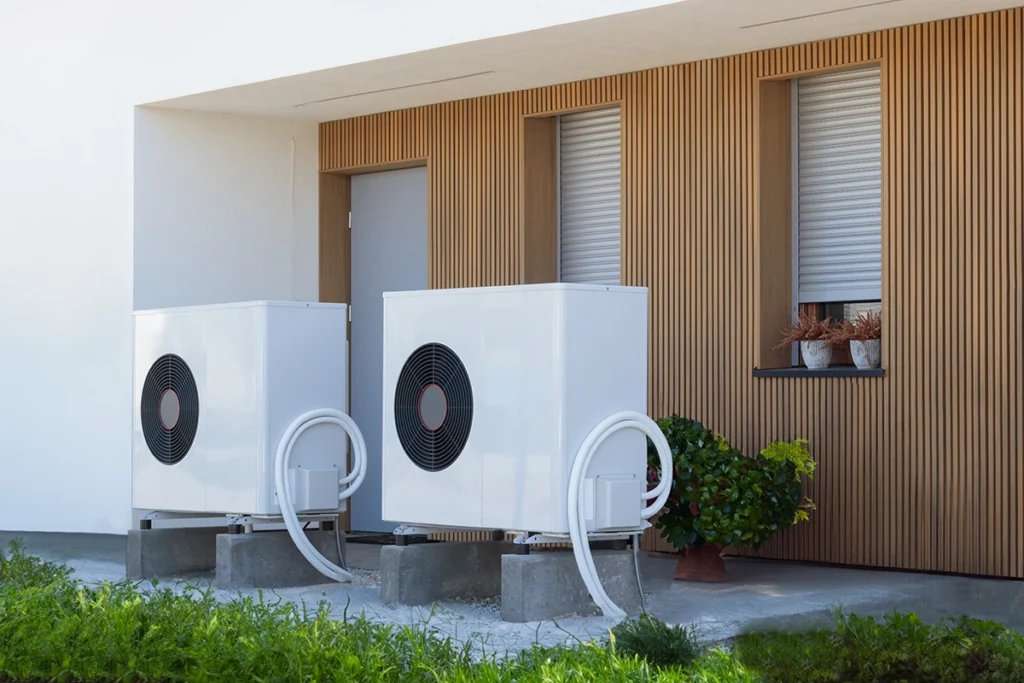
Emergency Heat Pump Frankston: 7 Signs You Need Repair
When your heat pump suddenly fails, indoor comfort can disappear quickly. If you need emergency heat pump service in Frankston, the problem may affect heating, cooling, or both. Fortunately, many systems show warning signs before a complete breakdown occurs. Recognizing those signs can help you know when professional repair should not wait. At C&R HVAC, we help homeowners throughout Frankston and East Texas handle heat pump problems quickly. Whether your system stops running or starts making unusual noises, early diagnosis can protect major components. Additionally, prompt repairs can help restore comfort before the problem becomes more expensive. When Emergency Heat Pump Frankston Service May Be Needed Heat pumps work differently from traditional furnaces because they provide both heating and cooling. Therefore, several components must work together throughout the year. A problem with airflow, refrigerant, controls, or electrical components can affect the entire system. Sometimes the problem begins with a small change in performance. However, other failures happen suddenly. Not every heat pump issue requires emergency service. Still, certain symptoms deserve immediate attention. Watch for these seven warning signs. 1. Your Heat Pump Stops Heating or Cooling A complete loss of heating or cooling is one of the clearest warning signs. First, make sure the thermostat is set to the correct mode. Then check whether the thermostat is actually calling for heating or cooling. You can also confirm that the system has power. If those basic checks look normal, the heat pump may have a mechanical or electrical problem. For example, a failed capacitor, contactor, compressor, or control board could stop operation. Heat pumps can also develop airflow or refrigerant problems that reduce capacity. Therefore, avoid repeatedly changing thermostat settings hoping the system will restart. Several basic steps can help when trying to fix a heat pump. However, electrical and refrigerant diagnostics should be left to trained technicians. 2. Emergency Heat Pump in Frankston for Repeated Breaker Trips A circuit breaker may occasionally trip because of a temporary electrical issue. However, repeated trips are different. If your heat pump trips the breaker again after being reset, leave it off. Continually resetting the breaker can allow an electrical problem to worsen. Possible causes include: A failing compressor Damaged wiring A failing motor A shorted electrical component Excessive electrical demand Additionally, a struggling component may draw more current than normal. Repeated breaker trips require professional electrical testing. Therefore, this is a good reason to request emergency heat pump service in Frankston rather than continuing to restart the system. 3. The Outdoor Unit Is Covered in Ice A light layer of frost can appear during cold-weather heat pump operation. In fact, heat pumps periodically enter a defrost cycle to remove frost. Heavy ice buildup is different. If thick ice covers the coil and remains there, the defrost system may not be working correctly. Restricted airflow or refrigerant problems can also contribute to freezing. You may notice that the system runs continuously while producing little heat. Additionally, the outdoor fan may struggle to operate around heavy ice. Do not chip ice from the coil with tools. Doing so can damage delicate components. Instead, turn the system off if ice continues building and schedule an inspection. A technician can determine whether airflow, refrigerant, controls, or the defrost system caused the problem. 4. Emergency Heat Pump Frankston Service for Burning Smells A brief dusty smell can occur when heating equipment starts after sitting unused. However, a strong burning or electrical smell is not normal. Electrical odors can indicate overheating wiring, motors, capacitors, or other components. Additionally, melting insulation may produce a sharp plastic-like smell. Turn the system off if the odor is strong or continues. Smoke, sparks, or visible fire require immediate emergency action. Otherwise, have an HVAC technician inspect the system before restarting it. An emergency heat pump Frankston call can help identify the source before additional components become damaged. 5. Loud or Unusual Noises Heat pumps naturally make some noise during operation. However, sudden grinding, screeching, banging, or loud buzzing deserves attention. Different sounds can point toward different problems. For example, grinding may indicate a motor or bearing problem. Meanwhile, rattling could come from a loose component or panel. Electrical buzzing may indicate problems with a contactor, capacitor, or motor. Consequently, continuing to run a noisy system can sometimes turn a smaller repair into a larger one. Turn the heat pump off if the sound is severe or suddenly becomes much louder. Then have the equipment inspected before regular operation resumes. 6. Emergency Heat Pump in Frankston for Short Cycling Short cycling occurs when a heat pump repeatedly starts and stops without completing a normal cycle. Several problems can cause this behavior. For instance, the thermostat may be malfunctioning or positioned poorly. Restricted airflow can also make the system shut down prematurely. Other possible causes include electrical problems, refrigerant issues, or incorrectly sized equipment. Because every startup places demand on system components, excessive cycling can increase wear. Therefore, frequent short cycling should not be ignored. If your heat pump repeatedly starts and stops, professional testing can pinpoint the underlying cause. Thermostat settings can sometimes create confusing symptoms as well. For heat-pump systems, knowing how to properly switch from AC to heat can help rule out a simple mode-setting problem. 7. Your Home Will Not Reach the Thermostat Setting Your heat pump may continue running even though the house never becomes comfortable. In heating mode, rooms may remain chilly despite long operating cycles. During warmer weather, the opposite can happen. The system may run continuously while indoor temperatures keep rising. Several problems can cause this situation. Dirty filters can restrict airflow, while refrigerant problems can reduce heat transfer. Additionally, duct leakage may prevent conditioned air from reaching certain rooms. ENERGY STAR recommends checking HVAC filters regularly because dirty filters restrict airflow and make equipment work harder. Its heating and cooling maintenance checklist also recommends professional pre-season system checkups. If the temperature continues moving away from the thermostat setting, service should not be delayed. What You Can