
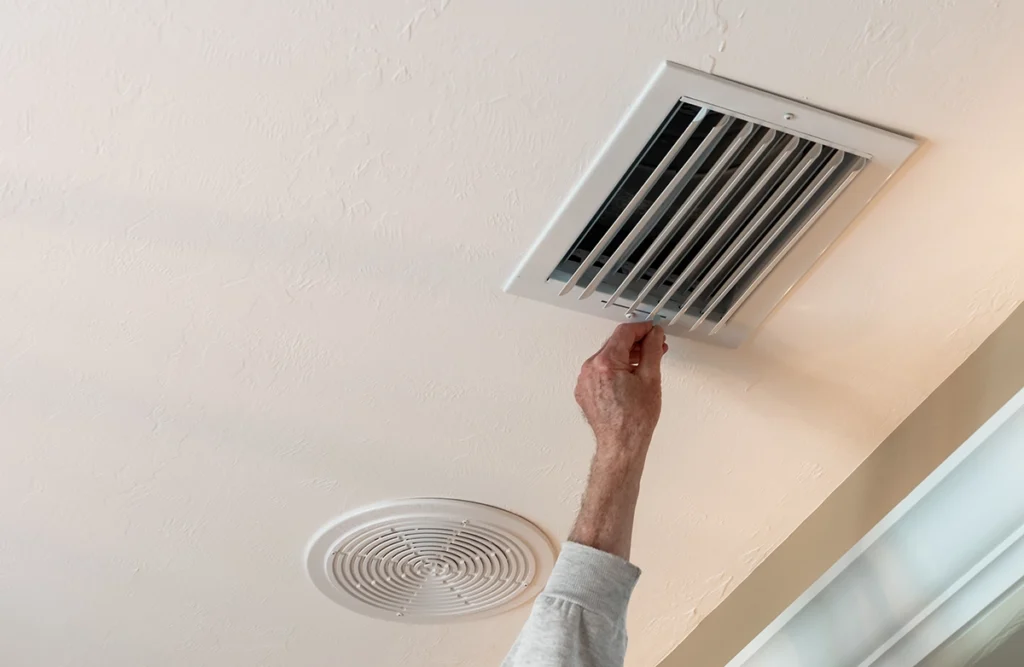
Air Handler Producing Musty Smell From Evaporator Coil in Whitehouse
Is your air handler producing a musty smell from the evaporator coil in Whitehouse? In most cases, that odor points to moisture buildup on the evaporator coil itself. That buildup allows mold or mildew to grow in the dark, damp environment inside your air handler cabinet. Because humidity is common in East Texas, condensation on the coil is normal. But when airflow slows or the drain system backs up, that moisture lingers long enough for odor-causing growth to take hold. While you can check your air filter and condensate drain pan for obvious clogs, a thorough cleaning of the evaporator coil and the drain line requires a licensed technician. That professional can safely access the sealed air handler and address both the source of the smell and the conditions that allowed it to develop. Why Your Air Handler Produces a Musty Smell From the Evaporator Coil in Whitehouse When you detect a musty, mildew-like odor flowing from your vents, the evaporator coil inside your air handler is one possible source. The air conditioner evaporator coil is where warm indoor air passes over a cold surface so the system can remove heat and moisture. As humidity condenses on the coil, water should drip into the drain pan and flow away through the condensate line. However, dust, pet dander, pollen, and other particles can gradually collect on the damp coil surface. When moisture lingers, those conditions can support mold, mildew, bacteria, and other biological growth. As a result, you may notice an unpleasant odor whenever the blower circulates air through your Whitehouse home. That distinctive wet-sock odor is often associated with dirty sock syndrome. The problem can become more noticeable during heavy cooling periods because the evaporator coil repeatedly collects condensation as the system removes humidity from your indoor air. A dirty filter or drainage problem can make matters worse. Restricted airflow may change how the coil operates, while a partially clogged condensate line can leave excess moisture around the coil and drain pan. Over time, lingering moisture and organic buildup can create conditions that allow musty odors to continue. When we respond to an air handler producing a musty smell from the evaporator coil in Whitehouse, we inspect the coil, drain pan, condensate line, and airflow throughout the air handler. We determine where moisture or buildup is collecting and whether the coil needs professional cleaning. We also check whether a drainage or airflow issue needs attention so the odor doesn’t simply return after cleaning. How Humidity Causes a Musty Smell From the Evaporator Coil in Whitehouse Excess moisture is a major factor when an air handler is producing a musty smell from the evaporator coil in Whitehouse. During normal cooling, warm indoor air passes over the cold evaporator coil. Moisture in that air condenses on the coil and should drain away through the condensate system. Problems develop when that moisture cannot leave the system properly. A clogged drain line, damaged drain pan, excessive buildup, or other drainage issue can leave surfaces damp longer than they should be. In Whitehouse’s humid summer conditions, that persistent moisture can create an environment where mold and mildew grow more easily. The EPA’s A Brief Guide to Mold, Moisture and Your Home explains that moisture control is key to controlling indoor mold. The agency specifically recommends keeping air-conditioning drip pans clean and keeping drain lines unobstructed and flowing properly. The air conditioner drain pan plays an important role in that process. It sits beneath the evaporator coil and collects condensation before directing the water into the drain line. If that line becomes clogged with debris or biological buildup, water can collect in the pan instead of draining normally. Standing moisture can then contribute to musty odors around the air handler. Poor airflow can also contribute to coil problems. A heavily clogged filter or restricted return airflow changes the amount of warm air moving across the evaporator coil. Therefore, when we investigate an air handler producing a musty smell from the evaporator coil in Whitehouse, we don’t look at the coil alone. Instead, we inspect the coil surface, drain pan, condensate line, filter, and airflow conditions. That complete evaluation helps us determine why moisture is lingering and what needs to be corrected. Initial Diagnostic Checks Every Whitehouse Homeowner Should Perform Before scheduling a service call, you can perform a few simple checks that may help you understand what’s happening inside your system. Start by examining your air filter. If it’s heavily covered with dust and debris, airflow through the air handler may be restricted. Also note how long the filter has been installed. Replacement frequency varies depending on the filter type, household conditions, pets, and system usage. Therefore, follow the filter manufacturer’s recommendations rather than relying on a single replacement schedule for every home. Next, look around your indoor unit for signs of drainage trouble. Check for standing water, staining, or moisture near the air handler. You can also visually inspect accessible portions of the condensate drain line for obvious signs of a backup. However, avoid opening equipment panels or reaching into the air handler. If you’re dealing with an air handler producing a musty smell from the evaporator coil in Whitehouse, pay attention to when the odor appears. For example, note whether it’s strongest immediately after the AC starts, remains constant while the blower runs, or appears along with visible moisture. Those details can help us narrow down the source. You can also check your thermostat’s fan setting. If you’re unsure whether the fan should be set to “auto” or “on” for your particular system, we can evaluate the setup during service and recommend the appropriate setting for your home’s cooling and humidity-control needs. These checks won’t remove existing buildup from the evaporator coil or clear a hidden drainage blockage. However, they give us useful information when we arrive. For thorough coil cleaning and system inspection, contact C&R HVAC. We’re ready to identify the source of the odor and restore normal operation. Critical Warning Signs