

Call Us (903) 204-7571 Today

“Taught By Fathers, Trusted By Families”

July 23, 2026

Shaded Tyler home surrounded by mature trees, illustrating how to keep your house cool in summer.
Air Conditioning, Energy Efficiency, Indoor Air Quality, Maintenance, Seasonal Tips, Thermostats

How to Keep Your House Cool in Summer: A Tyler Homeowner’s Guide

If you have lived through even one East Texas summer, you already know the assignment. Learning how to keep your house cool in summer here in Tyler is not just about comfort, it is about staying ahead of the heat and humidity that settle over our part of the state from late May well into September. The air gets thick, the dew points climb, and your air conditioner ends up working harder than folks in drier climates ever have to think about. The good news is that a cool, comfortable home is well within reach when you understand what your system is up against and how to give it a hand. This guide walks you through the practical steps that actually make a difference, from the thermostat on your wall to the condenser sitting out in the yard. Why It Is Hard to Keep Your House Cool in Summer in East Texas Summer in Tyler and the surrounding towns like Lindale, Whitehouse, Bullard, and Flint is defined by two things working together: heat and humidity. It is one thing to cool down hot, dry air. It is another thing entirely to pull moisture out of thick, muggy air day after day. Your air conditioner does not just lower the temperature in your home, it removes humidity as warm indoor air passes over the cold evaporator coil. When the air outside is heavy with moisture, your system spends a large chunk of its energy just wringing that water out before your rooms ever start to feel comfortable. On top of the humidity, East Texas throws in a few extra challenges. We get long stretches of afternoon thunderstorms that spike the moisture even higher, then clear out and leave the sun beating down on your roof and outdoor unit. We are surrounded by pine, so pollen and needles are a constant during the growing season, and all of that debris loves to collect in and around your equipment. A system that would coast along in a milder, drier part of the country has to grind through real conditions here. That is exactly why a little seasonal attention pays off so well. How to Keep Your House Cool in Summer Starting With Your Thermostat The single easiest place to start is the device already on your wall. A lot of homeowners fight their comfort by constantly cranking the thermostat up and down, which usually makes things worse. Your air conditioner cools at a steady pace. It cannot blast a hot house cold in ten minutes just because you set the number lower, and setting it far below where you actually want it only runs the system harder without getting you there any faster. Pick a comfortable setpoint for when you are home and awake, then let the system hold it. A programmable or smart thermostat helps enormously because it can let the house drift a few degrees warmer while you are away at work, then bring it back to a comfortable temperature before you walk in the door. ENERGY STAR explains that certified smart thermostats can automatically adjust your home’s heating and cooling settings to support better energy performance. That small daily rhythm reduces total runtime without ever leaving you sweating. Just be reasonable with how far you let the temperature climb during the day. In our climate, letting a home get extremely warm and humid while you are gone means your AC has to fight both the heat and all the moisture that crept back in, which can reduce the savings you were hoping for. How to Keep Your House Cool in Summer With Ceiling Fans Ceiling fans are one of the most underused tools for staying cool. A fan does not lower the air temperature. Instead, it moves air across your skin so you feel cooler through evaporation. The U.S. Department of Energy notes that using a ceiling fan can help you stay comfortable at a higher thermostat setting. That means you may be able to reduce some of the strain on your air conditioner while remaining comfortable. Two things matter here. First, make sure your fans are spinning counterclockwise in summer so they push air down and create a breeze. Second, turn fans off in empty rooms. Fans cool people rather than rooms, so leaving one running in an empty bedroom only uses energy without making anyone more comfortable. Block Outdoor Heat to Keep Your House Cool in Summer Every bit of heat you keep out of the house is heat your air conditioner never has to remove. In our sun-heavy summers, controlling how much heat enters through your windows, roof, and walls makes a bigger difference than most people expect. Windows, Blinds, and Curtains South and west facing windows take a beating from the afternoon sun, especially during those long, bright stretches between thunderstorms. Closing blinds or curtains on the sunniest sides of the house during the hottest part of the day blocks a surprising amount of radiant heat. Light-colored or thermal-lined curtains help even more. If you have rooms that turn into ovens by mid-afternoon, that is where to focus first. Attic Insulation and Weatherstripping Your attic is where summer heat builds up the most, and if your insulation is thin or unevenly spread, that heat radiates straight down into your living space. Good attic insulation acts like a blanket that keeps the roof heat from taking over your rooms. It is worth having a professional look at your attic if the upstairs or back rooms of your home never seem to cool down the way the rest of the house does. Then there are all the small gaps. Weatherstripping around doors and caulking around windows seal up the little leaks where cooled air escapes and hot, humid outdoor air sneaks in. You would be amazed how much conditioned air slips out through a poorly sealed exterior door over the course of a Texas summer. Sealing those leaks keeps the humidity you worked so hard to remove
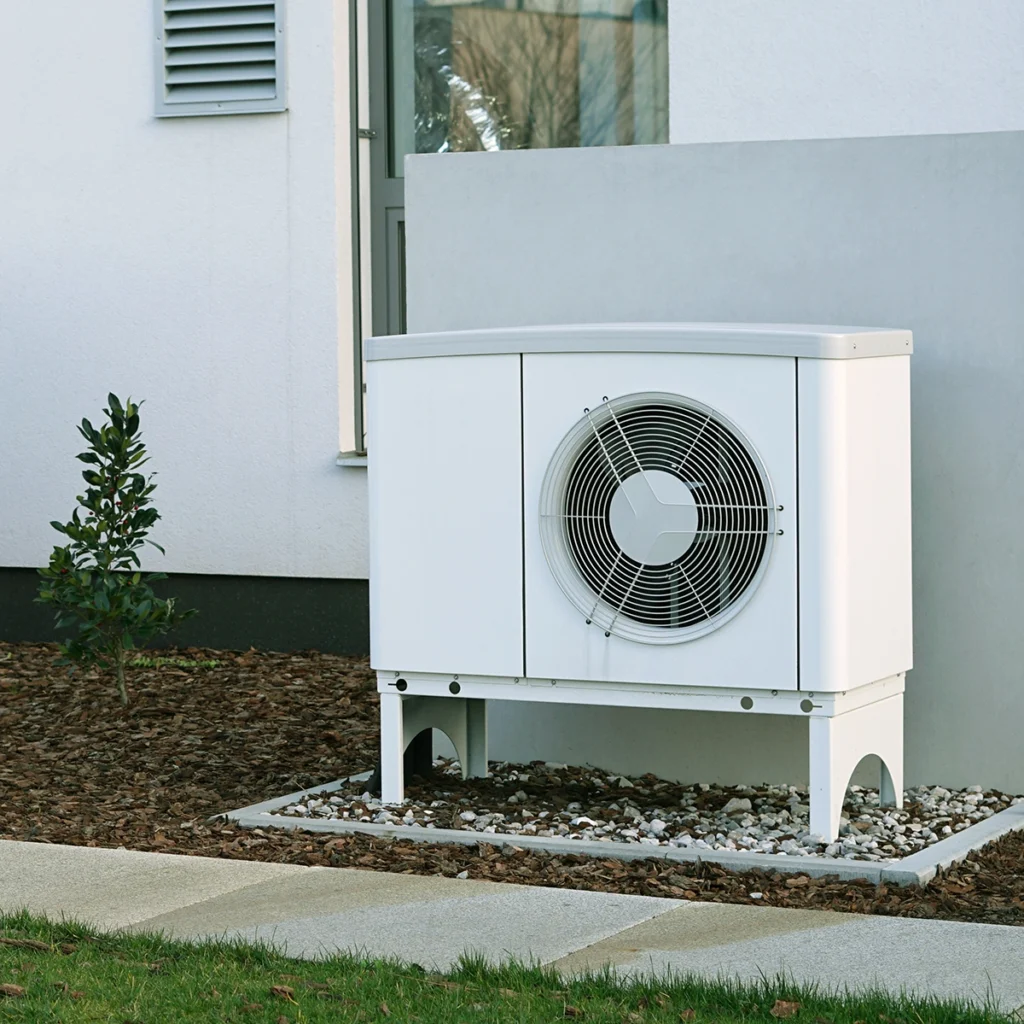
heat pump near athens
Energy Efficiency, Heat Pumps, Installation

Heat Pump Near Athens: Benefits, Installation, and Costs

If you’re searching for a heat pump near Athens, you might assume you’re limited to whatever brand or model happens to be in stock at the closest supplier. That’s not how it works when you partner with the right team. The truth is, choosing a heat pump for your East Texas home involves much more than proximity. It requires understanding your home’s unique heating and cooling needs, the efficiency standards that make sense for our climate, and the installation expertise that turns a good system into one that performs reliably for years. We’ve helped countless homeowners in the Athens area make confident decisions about heat pump installation. We’re here to walk you through what matters most — from system sizing and energy efficiency to what you can expect during the installation process and beyond. Beyond the equipment itself, duct condition matters too. The EPA offers guidance on when air duct cleaning may be appropriate, such as when ducts contain visible mold, pests, or excessive dust and debris. Why Athens Homeowners Are Choosing Heat Pumps If you’re comparing heating and cooling options in East Texas, a heat pump offers the convenience of handling both jobs with one system. Instead of generating heat like a furnace, it transfers heat from one place to another. During winter, it brings warmth indoors. During summer, it reverses operation to remove heat and cool your home. Athens’s relatively mild winters make heat pumps a practical option for many households. Homeowners can enjoy reliable heating without relying on gas or oil, along with efficient cooling during hot, humid summers. Modern systems also offer improved temperature control, quieter operation, and higher efficiency than many older HVAC units. Our licensed technicians at C&R HVAC can evaluate whether a heat pump is right for your home based on its layout, ductwork, and your comfort expectations. Call us to schedule an assessment and learn how a heat pump near Athens can support year-round comfort. How to Choose the Right Heat Pump Near Athens Choosing the right heat pump starts with determining how much heating and cooling capacity your home actually needs. Square footage matters, but insulation, ceiling height, window placement, air leakage, and sun exposure also affect system size. A professional load calculation accounts for these factors instead of relying on square footage alone. Proper sizing is important because an oversized system may turn on and off too frequently, while an undersized unit may run for long periods without maintaining comfortable temperatures. Both situations can waste energy and place unnecessary strain on the equipment. You should also compare efficiency ratings. SEER2 measures cooling efficiency, while HSPF2 reflects heating performance. Higher ratings may reduce operating costs, although they often come with a higher initial price. We explain the available options and help you compare efficiency, comfort features, and long-term value without recommending more equipment than your home needs. Signs Your Home Is Ready for a Heat Pump Upgrade If your existing heating and cooling system has been operating for 15 years or more, it may no longer provide the efficiency or reliability it once did. Frequent repairs are another warning sign, especially when labor and replacement parts begin adding up. You may also notice uneven room temperatures, longer operating cycles, or rising utility bills even though your household habits have not changed. Strange noises—such as grinding, squealing, or rattling—can point to worn bearings or failing components. Likewise, refrigerant that repeatedly needs to be added usually indicates a leak that requires professional attention. When our technicians evaluate your system, we inspect its major components, check electrical connections, and measure its performance. If repair costs approach half the price of a new heat pump or the system has several failing parts, replacement may make better financial sense. A new heat pump near Athens can restore dependable performance while reducing the risk of another major breakdown. What to Expect from Professional Heat Pump Installation Professional installation begins with an evaluation of your home and existing HVAC equipment. We confirm the selected system is appropriate for the property, inspect the ductwork, review the electrical requirements, and determine suitable locations for the indoor and outdoor components. On installation day, our team removes the old equipment when necessary and prepares the installation areas. We place the outdoor unit on a stable, level base and install or connect the indoor air handler. We then complete the refrigerant, electrical, drainage, duct, and thermostat connections required for the system. Once everything is connected, we test the unit rather than simply turning it on and leaving. Our technicians verify airflow, refrigerant charge, thermostat communication, temperature changes, and overall operation. Before finishing, we explain how to operate the controls, replace the filter, and recognize signs that the system may need service. The exact installation timeline depends on the condition of your existing equipment and whether the project requires ductwork, electrical, or structural modifications. What Affects Your Installation Quote The cost of installing a heat pump near Athens depends on the equipment selected and the amount of work needed to prepare your home. Larger systems and models with higher efficiency ratings generally require a greater initial investment. Added comfort features, variable-speed operation, and advanced thermostat controls may also affect the quote. Existing infrastructure is another major factor. Installation is usually more straightforward when the home already has compatible ductwork, electrical connections, refrigerant lines, and accessible equipment locations. Damaged ducts, older wiring, difficult crawlspaces, or long line-set runs can add labor and materials. Your estimate may also reflect removal of the existing equipment, permits, code-related updates, thermostat replacement, drainage work, and any modifications needed to support the new system. After evaluating the property, we provide an itemized quote so you can understand what the project includes before work begins. Schedule Your Heat Pump Consultation in Athens Today Your heat pump is one of the most valuable systems in your Athens home. It delivers year-round comfort and efficiency. Choosing the right partner for installation, maintenance, or repair protects that investment and keeps your energy costs

Scroll to Top