
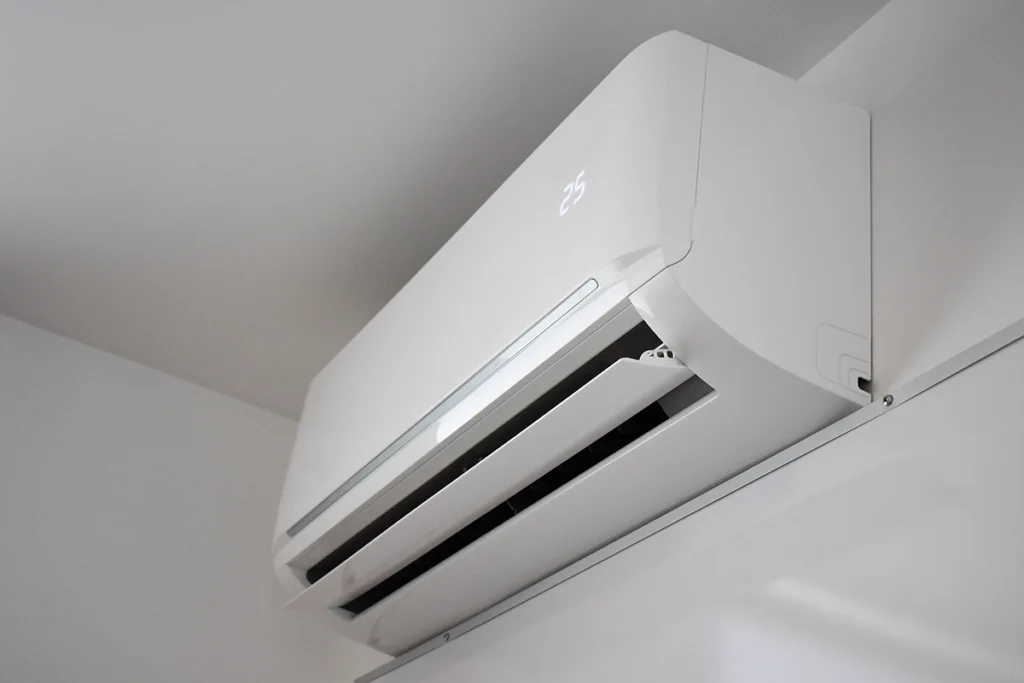
Best Heating and Cooling System for Texas Homes
When homeowners in Tyler ask about the best heating and cooling system for Texas, we usually start by discussing a high-efficiency air-source heat pump. Heat pumps can handle our long cooling season while also providing efficient warmth during East Texas’s generally mild winters. However, no single system is right for every property. Your home’s size, insulation, ductwork, energy source, and comfort priorities all influence which option will perform best. Some homeowners benefit most from a heat pump, while others may be better served by a dual-fuel setup, traditional split system, or ductless mini-splits. Below, we compare the leading choices and explain what makes each one suitable for Texas homes. Best Heating and Cooling System for Texas Texas homeowners face a demanding climate. Summers can bring weeks of extreme heat, while high humidity makes indoor comfort harder to maintain. Although winters are usually mild, occasional freezes mean your heating equipment still needs to provide dependable performance when temperatures suddenly fall. If your current system runs constantly, produces uneven temperatures, struggles to remove humidity, or causes unusually high energy bills, it may no longer be suited to your home. Homeowners dealing with aging equipment may also want to learn how often an HVAC system should be replaced before deciding between another repair and a full upgrade. For many East Texas homeowners, an air-source heat pump offers an effective combination of cooling, heating, and energy efficiency. Still, homes with natural gas, aging ductwork, additions, or unique zoning needs may benefit from another configuration. The best choice depends on how the system will function within your specific home, not simply which equipment type is most popular. Air-Source Heat Pumps: Efficient All-Season Comfort Air-source heat pumps are among the best heating and cooling systems for Texas because they provide both functions through one system. During summer, a heat pump removes heat from inside your home much like a central air conditioner. During winter, it reverses operation and transfers heat from the outdoor air into the living space. According to ENERGY STAR, air-source heat pumps provide efficient heating and cooling by transferring heat between the indoors and outdoors. This process is especially efficient during the mild temperatures East Texas experiences for much of the heating season. Rather than burning fuel to generate heat, the system moves existing thermal energy. During unusually cold weather, some systems use auxiliary heat to provide additional warmth when the heat pump needs extra support. Variable-speed heat pumps offer additional benefits in hot and humid conditions. Instead of turning on at full capacity and shutting off repeatedly, the compressor can adjust its output to match the home’s needs. Longer, lower-speed cycles help maintain steadier temperatures, remove more indoor moisture, and reduce the abrupt temperature swings associated with single-stage equipment. Heat pumps may be particularly practical for homeowners replacing both an aging air conditioner and an electric heating system. However, equipment efficiency, duct condition, and available electrical capacity should still be considered before choosing a model. Dual Fuel Systems for Maximum Flexibility A dual-fuel system combines an electric heat pump with a gas furnace. During summer, the heat pump cools the home. It also provides efficient heating during mild winter weather. When outdoor temperatures fall below a selected balance point, the system automatically switches to the gas furnace. This configuration allows homeowners to use the heat pump when it operates most efficiently while maintaining powerful gas heat during an occasional hard freeze. The transition happens through the thermostat and control system, so homeowners do not need to switch between the two heat sources manually. The balance point is typically selected according to outdoor temperature, equipment performance, and local energy costs. Setting it correctly helps the system choose the more practical heating source based on current conditions rather than relying on one method throughout the entire winter. Dual-fuel systems can be a strong option for Texas homes that already have a natural gas connection and suitable ductwork. However, they include more equipment than a standard heat pump, which can increase the initial installation cost and the number of components requiring future maintenance. Traditional Central AC and Gas Furnace Systems A traditional split system pairs a central air conditioner with a gas furnace. The AC handles Texas’s long cooling season, while the furnace provides dependable heat during colder weather and circulates air through the home’s ductwork. This option often works well in homes with an existing gas connection and ducts in good condition. Because these systems are widely used, replacement parts and experienced service technicians are generally easy to find. However, the AC and furnace should be properly matched, since aging or incompatible components can reduce efficiency and affect performance. Ductless Mini-Splits: Zoned Control Without Ducts Ductless mini-splits provide heating and cooling without using a traditional network of air ducts. A compact outdoor unit connects through refrigerant lines to one or more indoor air handlers. Each indoor unit serves a specific room or zone and can be controlled independently. Homeowners weighing both options can compare mini-splits and central air systems to see which setup better suits their property. This makes mini-splits especially useful for home additions, converted garages, workshops, sunrooms, and older properties without existing ductwork. They may also solve comfort problems in rooms that consistently remain hotter or colder than the rest of the home. Because conditioned air does not travel through ducts, mini-splits avoid the energy losses associated with duct leakage or poorly insulated attic ductwork. In addition, homeowners can adjust individual zones instead of heating or cooling every room to the same temperature. Many newer mini-splits use inverter-driven compressors that vary their output according to demand. This supports quieter operation, longer run cycles, steadier temperatures, and improved humidity control. However, proper indoor-unit placement is essential. The number, size, and location of the air handlers must match the heating and cooling requirements of each zone. Key Factors When Choosing the Right System for Your Home Choosing the best heating and cooling system for your Texas home requires more than comparing equipment brands.