
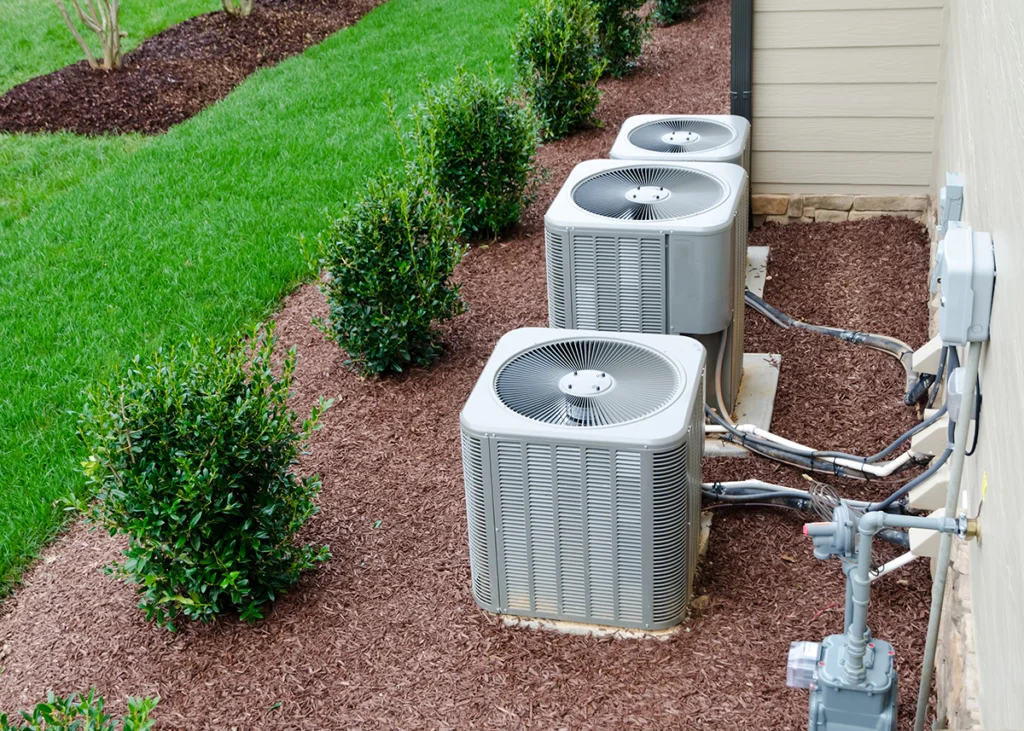
Cycle of Refrigerant: The 4 Stages of Cooling
Your HVAC system depends on a continuous heat-transfer process called the cycle of refrigerant. This closed-loop cycle allows your air conditioner to cool your home by absorbing heat indoors and releasing it outside. In heat pump systems, the same process can also help provide heat during colder weather. Understanding how the cycle works can help you recognize problems early and better understand how your system keeps your home comfortable. What Is the Refrigerant Cycle? The refrigerant cycle is a closed-loop system where a special chemical compound continuously changes between liquid and gas states. This process moves heat from one place to another. Refrigerant doesn’t get “used up” like fuel. Instead, it circulates through your system indefinitely. The refrigerant absorbs heat in one location and releases it in another. This process happens thousands of times while your system runs. As a result, your home stays comfortable regardless of outdoor temperatures. Many homeowners think their air conditioner creates cold air. However, that’s not quite right. Instead, the system removes heat from inside your home and transfers it outside. The refrigerant is the substance that actually carries that heat away. When this cycle works properly, you stay comfortable. On the other hand, when something disrupts it, your system struggles or stops working entirely. The Four Main Stages of the Refrigerant Cycle Every cooling or heating cycle involves four distinct stages, and each one plays a critical role in moving heat where it needs to go. Compression The cycle begins at the compressor, often called the heart of your HVAC system. The compressor takes low-pressure refrigerant gas and squeezes it into a high-pressure, high-temperature gas. This compression is essential because it prepares the refrigerant to release heat effectively. When you hear your outdoor unit running, that humming sound is typically the compressor doing its job. If the compressor fails, the entire refrigerant cycle stops. That’s why compressor issues are among the most serious HVAC problems. Condensation After compression, the hot, high-pressure gas moves to the condenser coil. This coil is located in your outdoor unit. Here, the refrigerant releases the heat it’s carrying to the outside air. As the refrigerant cools down, it changes from a gas back into a liquid. That’s the condensation process. The outdoor fan helps this stage along by blowing air across the coil. This process carries heat away more quickly. If your condenser coils are dirty or the fan isn’t working properly, this stage becomes less efficient. Consequently, your system is forced to work harder. Expansion Once the refrigerant has condensed into a liquid, it moves through an expansion valve or metering device. This component reduces the pressure dramatically. As a result, the refrigerant’s temperature drops significantly. Think of it like releasing air from a pressurized can. The substance gets colder as pressure drops. This cold, low-pressure liquid refrigerant is now ready to absorb heat from your home. The expansion valve is precisely calibrated. Even small problems here can throw off the entire cycle of refrigerant in your system. Evaporation The cold liquid refrigerant then enters the evaporator coil. This coil is typically located in your indoor air handler or furnace. Warm air from your home blows across this cold coil. During this process, the refrigerant absorbs the heat and evaporates back into a gas. This is the stage where actual cooling happens. Your home’s heat is transferred into the refrigerant. The now-warm gas returns to the compressor, and the cycle starts over again. When this stage isn’t working right, you might notice reduced cooling. You may also see ice forming on the coil, or warm air coming from your vents. Why the Refrigerant Cycle Matters for Your Comfort This process happens continuously whenever your system runs. In fact, the refrigerant might complete this entire loop dozens of times per hour during peak cooling season. That’s why even minor disruptions can have major impacts on your comfort and energy bills. When every stage works in harmony, your system operates efficiently. Plus, it keeps your home at the temperature you want. We’ve seen many situations where homeowners ignore early warning signs. These signs indicate that the cycle isn’t working properly. Small issues like a minor refrigerant leak can gradually worsen. This causes your system to work harder and cost more to operate. Eventually, what could have been a simple repair becomes a major expense. That’s why we always encourage our customers to schedule regular maintenance. We also recommend addressing problems quickly. Common Problems That Disrupt the Cycle of Refrigerant Several issues can interfere with the proper cycle of refrigerant through your system. Recognizing the symptoms helps you know when to call for professional help. Refrigerant Leaks Since the system is a closed loop, refrigerant levels should remain constant. If there’s a leak, the amount of refrigerant decreases. This means there isn’t enough refrigerant to properly absorb and release heat. You might notice your system running constantly without reaching the set temperature. Ice may form on the lines or coils. You may also hear a hissing sound near the refrigerant lines. Refrigerant leaks require professional repair. A certified technician will locate the leak, repair it, and recharge the system to the proper level. Dirty or Blocked Coils Both the evaporator and condenser coils need to be clean for efficient heat transfer. When dirt, dust, or debris accumulates on these coils, it acts as insulation. This prevents proper heat exchange. The refrigerant can’t release or absorb heat effectively. As a result, the entire system is forced to work harder. Outdoor condenser coils are especially vulnerable because they’re exposed to pollen and grass clippings. They also face other debris. Regular professional cleaning is part of routine maintenance that keeps the cycle running smoothly. Compressor Issues Since the compressor starts the refrigerant cycle, any problem here affects the entire system. Electrical issues, worn components, or contamination in the refrigerant can all damage the compressor. Warning signs include loud noises, hard starting, or the outdoor unit not running at all. Compressor problems are serious.