
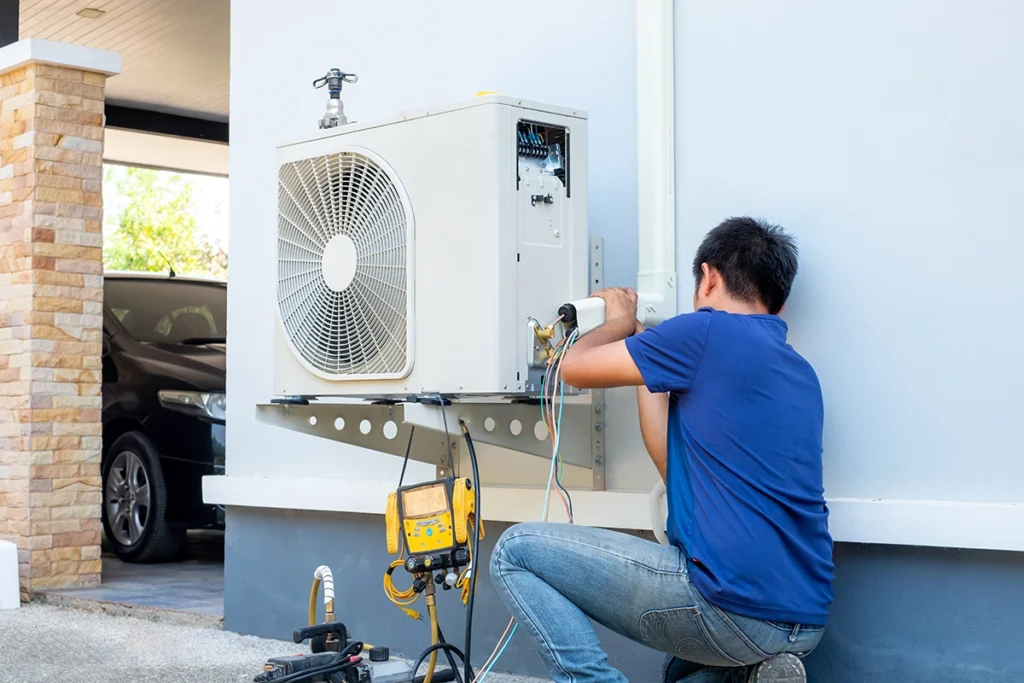
How to Fix a Heat Pump: Common Problems & Solutions
When people need to fix a heat pump, they often assume the entire system has failed. In our day-to-day work at C&R Services, that is usually not the case. More often, we find a control issue, airflow restriction, sensor problem, or deferred maintenance issue affecting performance in a home or commercial space. That’s also why heat pump problems can feel confusing. These systems heat and cool, switch modes, and often run longer than a furnace or AC unit. So, whether you manage a house, office, storefront, or light commercial property, this guide will help you understand what’s normal, what’s not, and what to check before scheduling service. What to Check First Before You Try to Fix a Heat Pump Start with the basics first. It sounds simple, but it saves a lot of time. Before assuming you need a major repair, check these items: Thermostat is set to the correct mode (HEAT or COOL) Temperature setting is calling for operation Breakers are on and not tripped Air filter is clean Outdoor unit is clear of leaves and debris Indoor vents and returns are open and not blocked We see plenty of no-heat and weak-heating situations that trace back to setup issues. For example, if the unit is not responding at all, it helps to know the common signs of a thermostat not working before assuming the heat pump itself is bad. Airflow is another big one. A dirty filter or blocked return can cause symptoms that look like a component failure. In both residential and commercial spaces, restricted airflow can reduce output, increase run time, and create comfort complaints fast. Common Reasons You May Need to Fix a Heat Pump Heat pump issues usually follow patterns. Once you understand them, troubleshooting becomes much easier. Thermostat or Control Problems Sometimes the heat pump is fine, but the control signal is not. Incorrect programming, weak batteries, wiring issues, or a failed thermostat can all stop proper operation. We also see misconfigured replacement thermostats cause heating and cooling issues. Airflow Restrictions Low airflow can cause poor heating, poor cooling, short cycling, and even coil icing. Dirty filters, closed vents, blocked returns, and blower problems are all common causes. Defrost Cycle Confusion In winter, a heat pump may temporarily switch into defrost mode. During that cycle, the indoor air can feel cooler for a few minutes. That can seem like a failure, but it’s often normal system operation. The U.S. Department of Energy explains that heat pumps periodically enter a defrost cycle in cold weather. Refrigerant or Coil Issues Low refrigerant, refrigerant leaks, or coil performance problems can reduce capacity. If the system struggles in both heating and cooling modes, refrigerant charge and coil condition become more likely suspects. Electrical Component Failures Capacitors, contactors, relays, boards, and motors can fail over time. These issues often show up as humming, clicking, delayed starts, or systems that try to start and shut back off. How to Fix a Heat Pump That Is Not Heating Properly When a heat pump runs but doesn’t heat, the issue usually falls into one of three categories: thermostat setup, airflow restriction, or staging confusion. First, confirm the thermostat is actually calling for heat. Then determine whether the system may be in a normal defrost cycle. During defrost, the system temporarily switches modes to clear frost from the outdoor coil. While this happens, the indoor air may feel cool for several minutes. That is normal. However, if the air stays cool for long periods, the system is not producing adequate heat. Watch for These Signs Outdoor unit heavily iced over System runs continuously but temperature does not rise Auxiliary heat activates frequently Air feels lukewarm instead of warm One situation that commonly gets mistaken for a failure is backup heat staging. The heat pump may run continuously while the indoor temperature barely rises or the air feels only mildly warm. In many cases the equipment is operating, but the thermostat is not bringing on its backup heating stage correctly. When that happens, the issue is usually control setup rather than a mechanical failure. When “Fix a Heat Pump” Really Means “Fix Airflow” Airflow problems are easy to miss. However, they cause a huge number of performance complaints. A heat pump depends on steady airflow across the indoor coil. If airflow drops, system capacity drops too. In some cases, the indoor coil can freeze. In other cases, the system runs longer and still cannot hold temperature. We see this in homes all the time, but we also see it in offices, retail spaces, and light commercial buildings. A clogged filter, blocked return, or neglected maintenance can make a heat pump look like it failed when the real problem is restricted airflow. That’s why we always check the air filter, return airflow, and blower operation before assuming something is broken. Poor airflow is one of the most common reasons people try to fix a heat pump that won’t heat properly. In many homes, restoring airflow either solves the problem completely or reveals what the system was actually struggling with. How to Fix a Heat Pump Thermostat and Control Setup Issues Thermostat setup causes more service calls than people expect. Sometimes the equipment is working, but the programming is not. Common setup mistakes include: Wrong equipment type selected after thermostat replacement Heat pump configured as a conventional furnace/AC system Aggressive setbacks that trigger backup heat too often Fan set to ON, which can feel drafty between heating cycles Mode changes scheduled incorrectly Heat pump thermostats also control the backup heating stage. If staging is set up incorrectly, the system can run for long periods while the indoor temperature barely rises. Many people think they need to fix a heat pump when the equipment is actually working, but the thermostat isn’t bringing on the backup heat when it should. Learning when a heat pump brings on auxiliary heat can help you tell whether the problem is setup or equipment. Emergency heat is a different setting.