
Mini Split for Garage: Sizing & Placement Guide
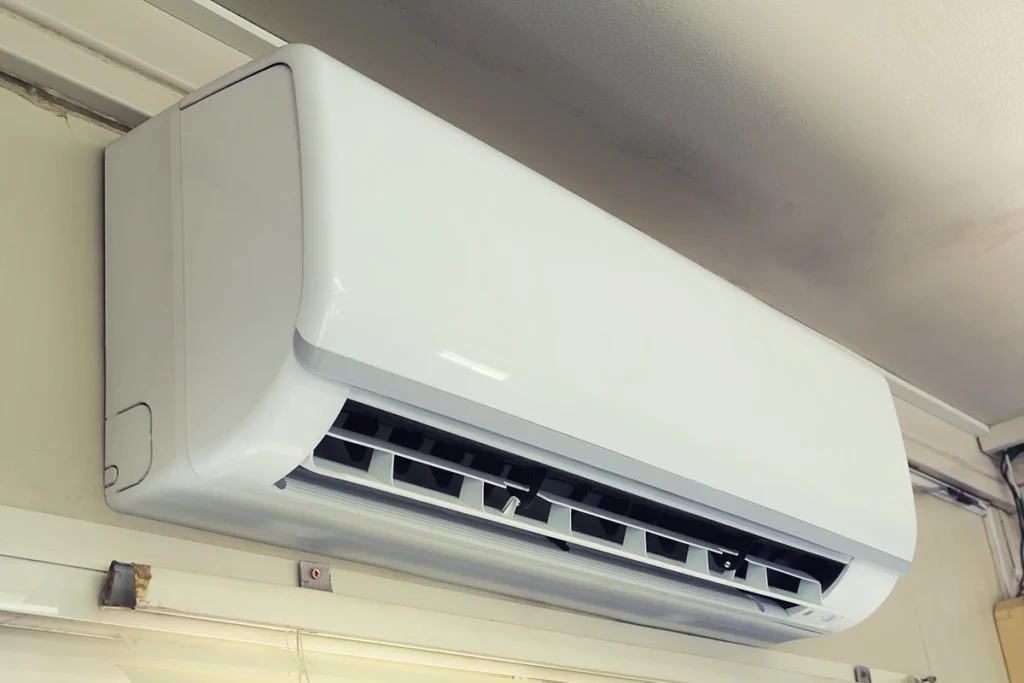
Working in a garage should feel productive, not miserable. We talk with homeowners and small business owners every week who want comfort without running ductwork through the building. In many cases, installing a mini split in a garage can solve the problem cleanly and efficiently. However, sizing and placement matter far more than most people expect. At C&R Services, we install a lot of garage mini split systems. Some people want a workshop. Others want a gym, studio, or hobby space. In other cases, it’s a small auto bay, storage building, or light commercial workspace that needs reliable heating and cooling. Either way, the equipment must match the space or it won’t perform correctly. Why a Garage Is Harder to Condition Than Finished Living Space Garages behave differently from finished living spaces. First, insulation is usually minimal. Second, large doors constantly exchange outdoor air. As a result, temperatures inside a garage can swing quickly. In summer, attic heat radiates through the ceiling. Meanwhile, concrete floors retain cold in winter. Traditional HVAC systems struggle here, especially when ducts are long or unsealed. A ductless system works differently because it conditions the space directly. According to the U.S. Department of Energy, duct losses can account for more than 30% of energy consumption for space conditioning, particularly when ducts run through attics or other unconditioned areas. Because mini splits avoid those duct losses, they often perform better in garages where traditional ductwork would pass through unconditioned spaces. The main benefit isn’t just efficiency ratings — it’s delivering heating and cooling directly to the space instead of losing conditioned air along the way. Instead of fighting duct leakage, the system conditions the space directly. Choosing the Right Size Mini Split for a Garage Getting the capacity right matters more than the brand name. Incorrect sizing is one of the most common problems we run into. Many people buy a unit online based only on square footage. Unfortunately, garages are not standard rooms. Several factors affect garage mini split sizing, including: Ceiling height Insulation level Sun exposure Garage door type (steel vs insulated) Number of exterior walls A 400-sq-ft insulated garage may need around 9,000 BTU, while the same uninsulated garage may require closer to 18,000 BTU. Oversizing is just as problematic as undersizing. Short cycling causes humidity, uneven temperatures, and compressor wear. Before choosing equipment, it helps to understand how capacity calculations work. Matching output to the room size, insulation, and ceiling height is what keeps temperatures consistent instead of the system constantly trying to catch up. Where to Mount a Mini Split for a Garage Placement has a major impact on comfort. The indoor head should never blow directly toward the garage door. Each time the door opens, the system dumps conditioned air outside. In most garage layouts, better airflow comes from mounting the indoor unit in one of these areas: On a side wall Above workbench areas Facing the center of the space The goal is circulation, not just cold air. Avoid the Most Common Mounting Mistake The number one error is installing the unit too low. Cold air sinks and warm air rises. Mounting 7–8 feet high allows the air to mix properly. Low mounting leads to hot ceilings and cold floors. The outdoor condenser also matters. Keep it shaded and away from dryer vents or dust-heavy areas like woodworking zones. Insulation Still Matters (Even With a Mini Split) A ductless system is efficient, but it is not magic. According to ENERGY STAR, sealing air leaks and adding insulation can provide up to a 10% savings on annual energy bills. Because of that, weatherstripping the garage door and sealing wall gaps usually improves mini-split performance immediately. So before installation, we often recommend: Weatherstripping the garage door Insulating attic above garage Sealing top plates and wall gaps When this is done first, the system runs quieter and maintains a more consistent temperature. Heating and Cooling With a Garage Mini Split Many people think these systems are only air conditioners. They aren’t. Modern inverter systems operate as heat pumps. A ductless system cools the space in summer and heats it in winter by reversing refrigerant flow automatically. Because of that, a properly installed mini split in your garage can provide year-round comfort without adding a furnace or baseboard heater. In fact, most people are surprised how steady the temperature feels once installed. The system doesn’t blast hot or cold air. Instead, it maintains a consistent indoor temperature and adjusts output gradually. This is especially helpful in garages that sit unused during parts of the day, since the system can ramp back up quickly when you return to the space. Maintenance Requirements The biggest advantage of ductless systems is reliability. Still, they need basic care. Basic upkeep for a garage mini split system usually includes: Clean filters monthly Keep the outdoor coil clear Flush the condensate drain annually We actually see many service calls caused by clogged filters. The unit isn’t broken — airflow is just restricted. For a mini split in a garage, filters matter even more because workshops, storage areas, and hobby spaces usually create more dust than living areas. A basic understanding of mini-split maintenance helps you know when a quick cleaning is enough and when service is needed. Regular upkeep keeps airflow strong, maintains efficiency, and helps the system hold temperature during extreme weather. Are There Downsides? Every HVAC system has tradeoffs, and ductless equipment is no exception. Wall-mounted units remain visible in the room, which some property owners care about. Upfront installation cost is higher than temporary solutions, but a ductless system is a permanent heating and cooling setup rather than a portable appliance. However, those comparisons are not equal systems. A ductless unit is designed for permanent heating and cooling. Before choosing equipment, many people want to understand the common concerns about mini splits before deciding if a ductless system fits their situation. Most concerns relate to placement, electrical requirements, and appearance rather than performance. Once installed