
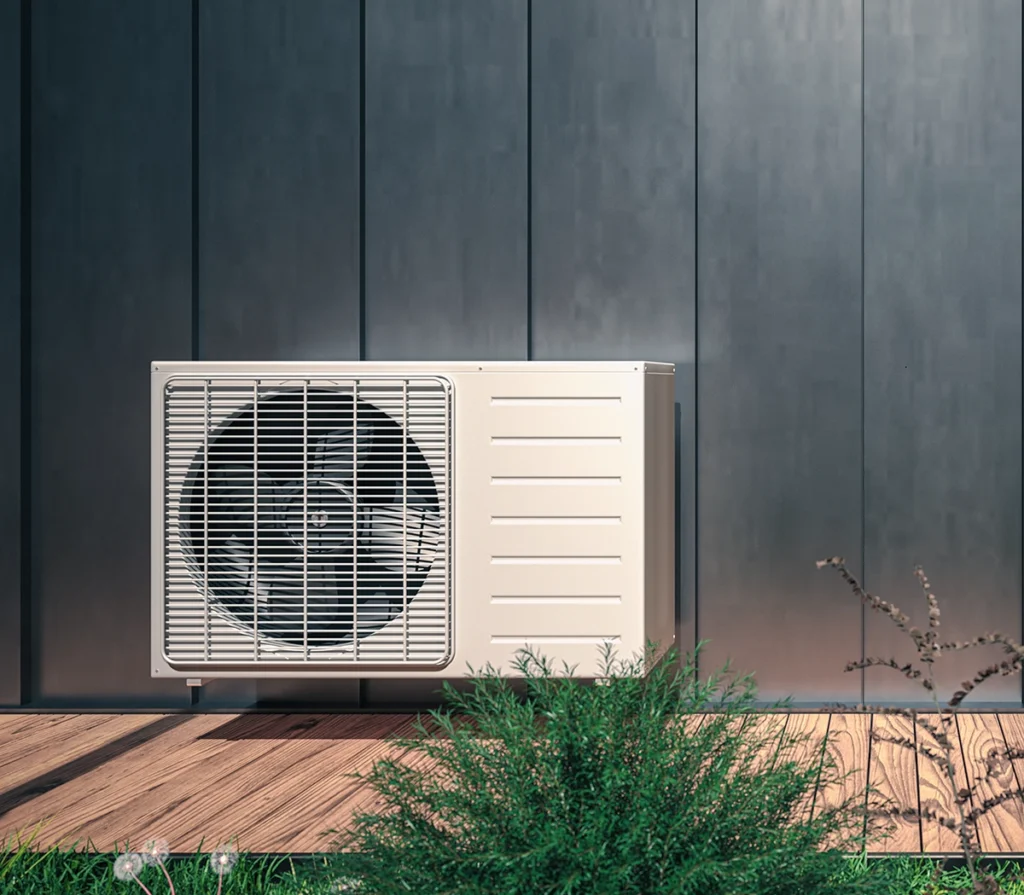
Mini Split AC and Heat: Pros, Cons, and Cost
If you’ve been researching mini split ac and heat systems, you’ve probably seen them recommended more and more lately. We’ve seen a big wave of people looking for one system that can handle both seasons without the ductwork headache. And honestly, it makes sense. A mini split can cool in summer and heat in winter, and it’s usually more efficient than people expect (when it’s sized and installed correctly). At C&R Services, we’ve walked a lot of customers through this decision. Some end up loving mini splits. Others realize a different setup makes more sense. So let’s break it down in a clean, easy-to-follow way—pros, cons, real costs, and what you should know before buying. What Is a Mini Split AC and Heat System? A mini split ac and heat system is a ductless HVAC setup that uses an outdoor unit connected to one or more indoor air handlers (those wall-mounted or ceiling-mounted heads). Instead of pushing air through ducts, it conditions the space directly. Most mini splits are heat pumps, which means they can run in two directions: Cooling mode: removes heat from your space Heating mode: pulls heat from outdoor air and brings it inside The reason they’re so efficient comes down to how mini splits work compared to older single-speed AC and heat pump systems. Mini Split AC and Heat Pros: Why People Love Them Mini splits are popular for a reason. In fact, most of the happy mini split owners we meet say the same thing: “I wish we’d done it sooner.” Here are the biggest upsides. Energy Efficiency Benefits Mini splits are known for high efficiency because: they don’t lose air through duct leaks they use inverter-driven technology (many models) they can heat and cool only the areas you use The U.S. Department of Energy also highlights mini splits as a strong option for buildings without ductwork, additions, and retrofits. Zoned Comfort This is the big one. Instead of conditioning the whole house evenly (even unused rooms), mini splits let you adjust comfort room by room. That means fewer thermostat wars and fewer hot or cold spots. Great for Additions, Garages, and Converted Spaces If you’ve got a garage workshop, bonus room, or office space that never feels right—mini splits are often the cleanest fix. Mini Split AC and Heat Cons: The Real Downsides Now let’s talk about what people don’t always expect going in. Mini splits can be an awesome upgrade, but there are a few real-world tradeoffs that matter—especially if you’re trying to heat and cool an entire home or building. Upfront Cost Can Be Higher Than People Think Yes, mini splits can save energy over time. However, the install cost can still surprise people, especially with multi-zone systems. Between equipment, labor, and electrical work, the total price can climb quickly depending on the layout. The Indoor Heads Aren’t Everyone’s Favorite Look Some people don’t mind the wall-mounted heads at all. Others hate the idea of “seeing the unit” in the room. It really is personal preference. Either way, it’s worth thinking about before you commit—because once those heads are up, they’re not invisible. Maintenance Still Matters Mini splits aren’t “set it and forget it.” They’re reliable systems, but they still need basic upkeep to keep efficiency high and prevent problems like weak airflow or water leaks. That typically includes filter cleaning, coil cleaning, and keeping the drain line clear. Over time, mini split maintenance like this can make a big difference in efficiency and system life. A Few Other Tradeoffs People Don’t Think About Beyond cost and maintenance, there are a handful of mini split drawbacks that don’t show up in the marketing. Some systems struggle when sizing isn’t right, some layouts are harder to balance evenly, and multi-zone setups can be less forgiving than most people expect. These are the kinds of things that pop up in real installs—which is why the disadvantages of mini split systems are worth understanding before you buy. Mini Split AC and Heat Cost: What You’ll Pay This is the part everyone cares about, and it’s also the part that varies the most. Mini split pricing depends on a few key factors, including: number of indoor heads BTU capacity efficiency rating install complexity (line set length, electrical needs, wall access) For a helpful budgeting overview, The Spruce explains typical mini split heat pump costs and the installation factors that can raise or lower the final price. What Affects Mini Split Installation Cost Most The biggest cost swings usually come from installation details—not just how many zones you choose. Electrical work is a major factor, especially if the property needs a circuit upgrade or panel changes. Line set routing can also add complexity, and so can drain line placement if the system needs a condensate pump. In other words, two properties can install the “same” mini split system and get two very different quotes depending on layout and access. What Does a Mini Split AC and Heat System Cost to Run? The operating cost is one of the biggest reasons people choose a mini split ac and heat system in the first place. However, the true monthly cost depends on: insulation quality set temperature habits outdoor temperatures electricity rates sizing accuracy The biggest mistake we see is oversizing. It can cause short cycling, uneven comfort, and weaker humidity control. Sizing is huge, because the wrong BTU rating causes comfort problems. The mini split size you need depends on the space and layout. Mini Split AC and Heat in Winter: Will It Actually Keep You Warm? This is a common worry, especially for people who’ve always relied on gas heat. Modern mini splits can heat surprisingly well. That said, performance depends on: the model and its low-temp rating the building’s heat loss how well the system is sized whether supplemental heat is needed In other words, a mini split can absolutely handle winter heating—but the right equipment and setup matter. If you’re in a colder area or