
How Do Mini Splits Work? A Simple Breakdown
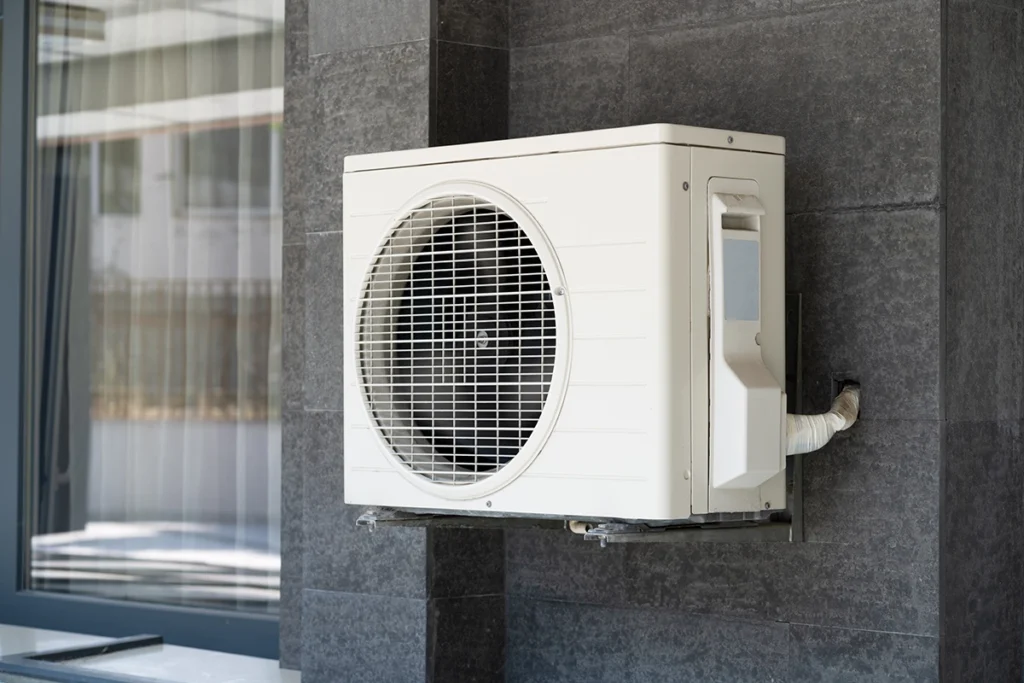
If you’ve ever looked at a mini split system and thought, “how do mini splits work?” you’re not alone. At C&R Services, we talk with people all the time who want better comfort without the headaches of traditional ductwork. Mini splits are efficient and flexible, but they don’t operate the same way central systems do—so it’s normal to have questions before investing in one. Mini splits confuse people because they don’t look like traditional HVAC systems. But the way they heat and cool is surprisingly straightforward. How Do Mini Splits Work Compared to Central HVAC? Mini splits work differently than traditional forced-air systems because they don’t rely on ductwork to move air throughout the building. Instead, they use: An outdoor unit (compressor/condenser) One or more indoor units (air handlers) A small lineset connecting them (refrigerant lines + electrical wiring + condensate drain) Because there are no ducts, mini splits can deliver heating and cooling directly into specific rooms or zones. That targeted approach is a big reason people love them. Meanwhile, central HVAC systems push conditioned air through ducts, which can lose energy through leaks or poor insulation. The Core Answer: How Do Mini Splits Work? At the heart of it, mini splits use the same core refrigeration science as a standard air conditioner. Here’s the simple version: In cooling mode, mini splits remove heat from inside and dump it outside. In heating mode, mini splits pull heat from outside air and move it inside. Yes—heat can be extracted even when it’s cold out. It sounds backwards, but it works. A mini split circulates refrigerant in a closed loop, and that refrigerant is what allows the system to transfer heat. When the pressure changes, the refrigerant temperature changes too. Key Components That Make the System Run Mini splits look simple from the outside, but they’re made of several important components working together. Key parts include: Compressor: Pressurizes refrigerant and moves it through the system Condenser coil: Releases heat (outdoors in cooling mode, indoors in heating mode) Evaporator coil: Absorbs heat (indoors in cooling mode, outdoors in heating mode) Expansion valve: Controls refrigerant pressure and temperature Blower fan: Pushes air across the coil into the space Inverter drive: Adjusts compressor speed for efficiency Because inverter-driven systems can ramp up or down, the temperature stays more consistent. That’s a huge comfort upgrade compared to older systems that only run full blast or not at all. How Do Mini Splits Work for Heating? Mini splits are a type of heat pump, which is why they can both heat and cool your home. Instead of creating heat the way a furnace does, a heat pump system works by moving heat. It pulls heat energy from the outdoor air and transfers it indoors using refrigerant. To switch from cooling to heating, the system uses a reversing valve. That valve changes the direction of refrigerant flow, which allows the same system to run as an air conditioner in summer and a heater in winter. In simple terms, here’s what’s happening: The outdoor unit absorbs heat energy from outside air The compressor increases pressure to boost that heat The indoor unit releases the heat into the space This is also why mini splits can be extremely efficient—especially for zoning. The U.S. Department of Energy even notes that minisplit heat pumps are a ductless air-source option that works well in homes without existing ductwork. Why Mini Splits Are So Efficient Mini splits are often more efficient than traditional systems because: They avoid duct losses They use inverter technology They run longer at lower speeds instead of short cycling They condition zones instead of the entire building In other words, they don’t waste effort cooling or heating areas you’re not using. Also, mini splits deliver more consistent comfort with fewer temperature swings. How Do Mini Splits Work as Zoned Systems? Zoning is one of the best features mini splits offer. Each indoor head can run independently, meaning: One room can cool Another room can heat Another can be off entirely That flexibility can be great for: Bedrooms at night Home offices Garages or workshops Bonus rooms Light commercial spaces with uneven heat loads We’ve seen this work especially well in buildings with additions or older layouts where ductwork just never made sense. What About Multi-Zone vs Single-Zone? A single-zone mini split has: 1 outdoor unit + 1 indoor unit A multi-zone system has: 1 outdoor unit + multiple indoor heads Multi-zone systems are great for whole-home comfort. However, single-zone is often perfect for one problem room. If you’re unsure which direction makes sense, our mini split sizing breakdown can help you avoid expensive mistakes. Mini Split Airflow: Why It Feels Different Mini splits don’t feel the same as central air. They deliver air more directly, and the airflow can be gentler. In many cases, that means: Less draftiness Less noise More even temperature in the space Also, since they run longer at lower speeds, the room stays stable instead of constantly having to “catch up” to the temperature you set. Common Myths About Ductless Systems Let’s clear up a few common misunderstandings: “Mini splits don’t work in cold weather.”Modern cold-climate models can heat well below freezing. “They’re only for houses.”Not true. We install them in shops, offices, and small commercial spaces. “They never need service.”They still need maintenance. (Nothing with motors and coils is maintenance-free.) If you want a balanced perspective before committing, our post on the disadvantages of mini split systems walks through the main drawbacks to consider. How Do Mini Splits Work Long-Term Without Problems? They work great long-term… if they’re installed correctly and cared for. The biggest issues we see usually come from: Poor sizing Bad placement Dirty coils or filters Drain line clogs Refrigerant leaks Most of these problems are preventable, which is why simple upkeep makes such a big difference. If you want a straightforward routine to follow, our mini split maintenance guide covers what to stay on top of. It also helps