
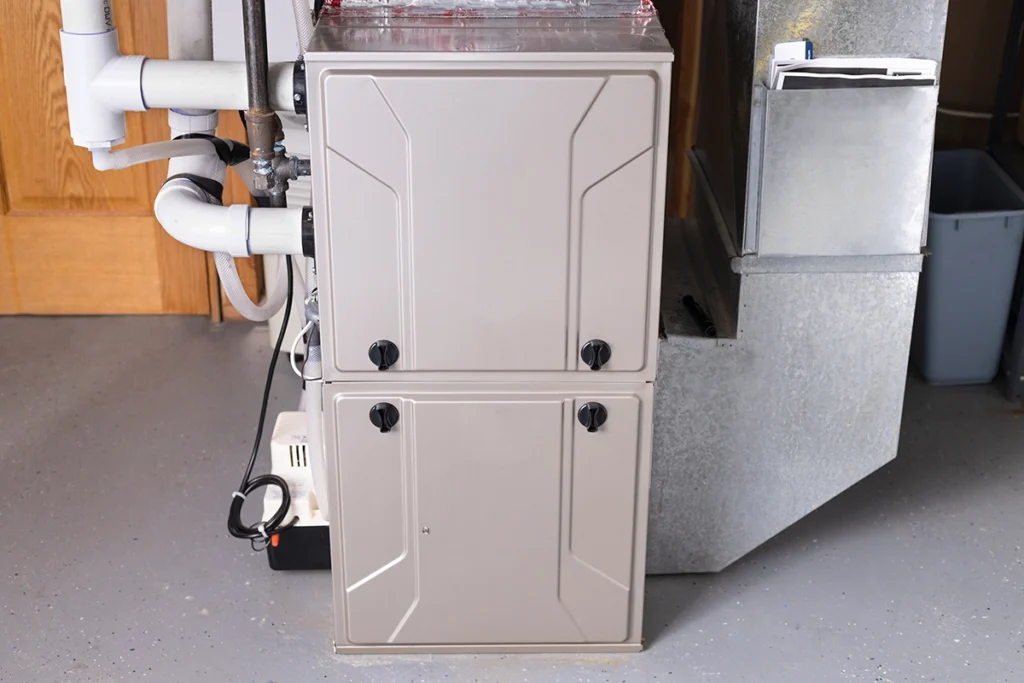
What Is a Furnace and How Does It Work?
When people ask “what is a furnace,” they’re usually trying to understand how this equipment produces heat so reliably. I hear this question often during service calls for C&R Services, and it’s easy to understand why. Heating systems can look complicated, yet the basic idea is simple: a furnace creates heat, moves that heat through your home, and keeps temperatures consistent even when the weather changes. Because so many homeowners rely on this equipment, understanding how it works can help you recognize issues earlier and make smarter decisions about maintenance and efficiency. What Is a Furnace? Understanding the Basics A furnace is a heating system that creates heat and delivers it into the home, and not all of them work the same way. Older gravity furnaces and wall units rely on natural convection, while modern models use a blower to push warm air through ducts. No matter the design, the system begins by generating heat from fuel or electricity, then moving that heat into the living space. Because most homes today use forced-air units, we put together a helpful explanation of how forced air heating actually works for anyone who wants a closer look at the airflow side. Types of Furnaces Found in Today’s Homes Not all furnaces operate the same way, and the type of system you own affects everything from efficiency to maintenance needs. While many modern homes rely on forced-air equipment, several furnace styles are still found across the country. Understanding the differences helps you choose the right system and recognize how each one performs. Gas Furnaces Gas furnaces remain the most common type in U.S. homes. They heat quickly, deliver strong airflow, and usually cost less to operate than electric models in regions with affordable natural gas. Because they rely on combustion, they include safety components such as flame sensors, pressure switches, and sealed venting to manage fuel and exhaust safely. Electric Furnaces Electric furnaces don’t burn fuel. Instead, they use electric heating elements to warm air before circulating it through the ducts. These systems often last longer than combustion models and run quietly, but they typically cost more to operate. They’re most common in milder climates where heating demand is lower. Propane Furnaces Propane furnaces work much like gas units but use stored fuel rather than natural gas lines. Many rural homeowners depend on propane because it offers strong heat output without requiring a municipal gas connection. Because fuel is stored on-site, monitoring tank levels becomes part of routine home maintenance. Oil Furnaces Oil furnaces still appear in older homes and in areas where natural gas isn’t widely available. They produce very warm heat but require more frequent cleaning because oil combustion leaves residue inside the system. Regular nozzle, burner, and filter maintenance is especially important to keep an oil furnace operating efficiently. Gravity and Wall Furnaces Although less common today, some homes still use older gravity furnaces or wall-mounted units. Gravity systems rely on natural convection rather than a blower fan, allowing warm air to rise through the home without forced airflow. Wall furnaces operate as self-contained heating units that serve a single space or zone. While both are functional, they typically offer less efficiency and comfort control than modern forced-air systems. Single-Stage, Two-Stage, and Modulating Furnaces Beyond fuel type, furnace technology itself impacts comfort: Single-stage furnaces run at full power every time they turn on. Two-stage models operate at a lower setting during mild weather and switch to full output only when needed. Modulating furnaces adjust heat output in very small increments, keeping temperatures extremely steady. Homes with comfort complaints often benefit from the smoother operation of two-stage or modulating equipment. Understanding AFUE and Why It Matters When homeowners compare furnace models, efficiency is one of the first features they notice. Yet many people aren’t sure what those numbers actually mean. AFUE — or Annual Fuel Utilization Efficiency — describes how much of the fuel your furnace converts into usable heat. Higher numbers mean less waste and lower operating costs. Because even small efficiency differences add up over years of use, AFUE ratings play a major role in long-term comfort and energy spending. What AFUE Percentages Look Like in Real Life Furnaces vary widely in performance. Older units may operate at 60–70% AFUE, meaning a large share of energy is lost through exhaust. Standard modern systems usually offer 80% AFUE or higher, while high-efficiency condensing furnaces reach 90–98% AFUE. These advanced models reuse heat that would normally escape, making them ideal for homeowners looking to reduce energy consumption. Why High-Efficiency Furnaces Are Becoming More Common Energy costs continue to rise, and many homeowners want equipment that can keep monthly bills manageable. High-efficiency furnaces deliver more usable heat with less fuel, which leads to consistent comfort and reduced waste. Many states also encourage efficient heating systems because they support lower environmental impact. ENERGY STAR provides helpful guidance on ENERGY STAR® heating equipment, including performance expectations for high-efficiency models. How Efficiency Impacts Fuel Type Choices Efficiency ratings depend on both the technology inside the furnace and the fuel it uses. Gas models often deliver strong performance across all price ranges. Electric furnaces convert almost all incoming power into heat, but electricity costs in some regions can limit affordability. Oil furnaces are dependable but need more maintenance to stay efficient. Because these variables differ by home and climate, it helps to consider both the AFUE rating and local fuel prices when comparing systems. When Upgrading an Older Furnace Makes Sense Even if your current furnace still works, low efficiency can drive energy bills higher than necessary. Many homeowners start noticing the problem after several winters of rising costs. An upgrade becomes worth considering when the unit is more than 15 years old, requires repeated repairs, or runs with a noticeably lower AFUE rating than current models. Although replacement is a bigger investment, the long-term savings and improved comfort often justify the change. If you’re unsure whether your system is nearing the end of its lifespan,