
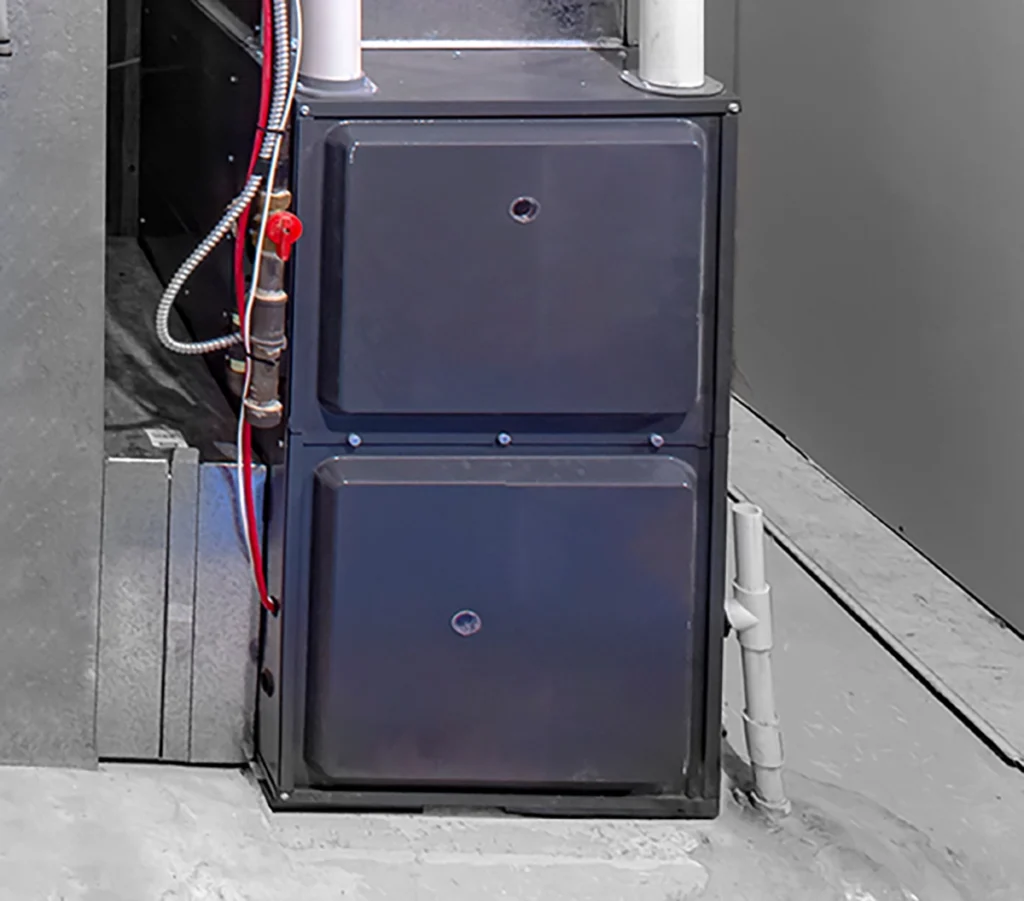
Why Is My Furnace Leaking Water? Causes and Fixes
When a homeowner calls us about a furnace leaking water, the first reaction is almost always the same: “Is this normal, or is something seriously wrong?” I get that worry. When you see water around a heating system, it feels like an emergency. At C&R Services, we’ve walked into plenty of homes where a small puddle turned into a big headache. The good news is that most leaks are preventable once you know what causes them—and how quickly to respond. Below, I’ll walk you through the most common reasons for a furnace leaking water, how we diagnose the issue on service calls, and what homeowners can safely check before calling a professional. What It Means When You Find Your Furnace Leaking Water A furnace leaking water doesn’t always point to a major failure. However, it does mean something isn’t draining, heating, or venting the way it should. Water can come from several different parts of the system, and catching the cause early protects your home from bigger problems like rust, mold, or damaged flooring. Sometimes homeowners describe it as “water around the furnace,” “a leaking furnace,” or “water coming from the furnace cabinet.” No matter how you phrase it, the cause usually comes down to drainage or airflow. Condensate Drain Problems Are the Most Common Cause of a Furnace Leaking Water High-efficiency furnaces push extra heat out of exhaust gases. That process creates condensation that should drain out through a small PVC line. When that line clogs, cracks, or disconnects, water has nowhere to go. As a result, you’ll often see your furnace leaking water on the floor around the unit. Most of the time, this kind of leak shows up after a long heating cycle or when the drain tubing has been bumped out of place without anyone realizing it. Even a slight blockage can cause water to back up quickly, especially in homes where the furnace runs for longer stretches. Because every setup is different, the exact fix can range from clearing the trap to replacing damaged tubing or adjusting the line so it drains correctly. Your Humidifier Might Be the Problem If you have a whole-home humidifier attached to the furnace, it can leak long before the furnace itself fails. Sometimes it presents just like a furnace leaking water, even though the issue is the humidifier. A stuck water panel, cracked reservoir, or faulty solenoid valve all send water right into the ductwork. Even a small humidifier issue can look like a furnace moisture problem because everything drains toward the same area. Heat Exchanger Condensation Issues That Can Lead to a Furnace Leaking Water High-efficiency furnaces use a secondary heat exchanger to extract more heat from exhaust gases. As the gases cool, water vapor condenses into liquid. The U.S. Department of Energy explains how this condensing process works in modern high-efficiency systems. If you want a clearer breakdown of how a furnace heats your home and what each part does during the heating cycle, our guide on understanding the full furnace process walks through it step by step. When everything is working correctly, that condensed moisture drains out of the furnace through the proper tubing. But if the heat exchanger is damaged, restricted, or not moving air the way it should, the condensation may collect inside the cabinet instead of draining away. When that happens, you may see what looks like a furnace leaking water even though the root issue is tied to the heat exchanger’s airflow or internal condition. If you notice moisture inside the furnace cabinet or recurring condensation issues, scheduling professional furnace services can help you prevent corrosion and more serious damage. Blocked Exhaust or Venting Issues If your PVC exhaust pipes are blocked by debris, pests, or ice, condensation has nowhere to go except back into the furnace cabinet. This can cause intermittent leaks that come and go with weather changes. For homeowners in colder climates, ice buildup around exhaust pipes can be a seasonal issue. The National Weather Service offers helpful freezing-weather safety guidance. What You Can Safely Check Before Calling a Technician Before you call for help, here are a few safe checks that often help you spot where your leaking furnace issue is coming from: 1. Make sure the air filter isn’t clogged. Poor airflow causes overheating and excess condensation, which often appears as a furnace water leak. 2. Check the condensate line for visible blockages. If the tubing is kinked or disconnected, the furnace will look like it’s leaking even when the part isn’t failing. 3. Look around the humidifier for drips. Leaks from above often travel downward and mimic a furnace leaking water on the floor. 4. Inspect the exhaust pipes from a safe distance. Blocked vents can force moisture backward into the system. If anything looks damaged or you see more than a small puddle, that’s when it’s time to bring in a pro. How C&R Services Fixes a Furnace Leaking Water When we’re called out, here’s what we typically check: Condensate trap and drain tubing Secondary heat exchanger Internal condensate pump Humidifier lines and valves Venting and PVC exhaust Drain pan and collection area Furnace seals and gaskets Every home and furnace setup is different, so the fix depends on the exact cause of the furnace water leak—not the water itself. When a Furnace Leaking Water Becomes an Emergency Most leaks aren’t urgent, but there are moments where you should shut down the furnace and call a technician right away: Water reaches electrical components You smell gas or burning Rust appears inside the cabinet The leak has continued for more than a day A furnace leaking water can create bigger problems fast, even if it starts small. When you run into any of these warning signs, scheduling professional heating repair is the safest next step. A technician can check the system, stop further damage, and make sure everything is operating safely. Contact C&R Services If you’ve discovered your furnace leaking water, our team can help.