
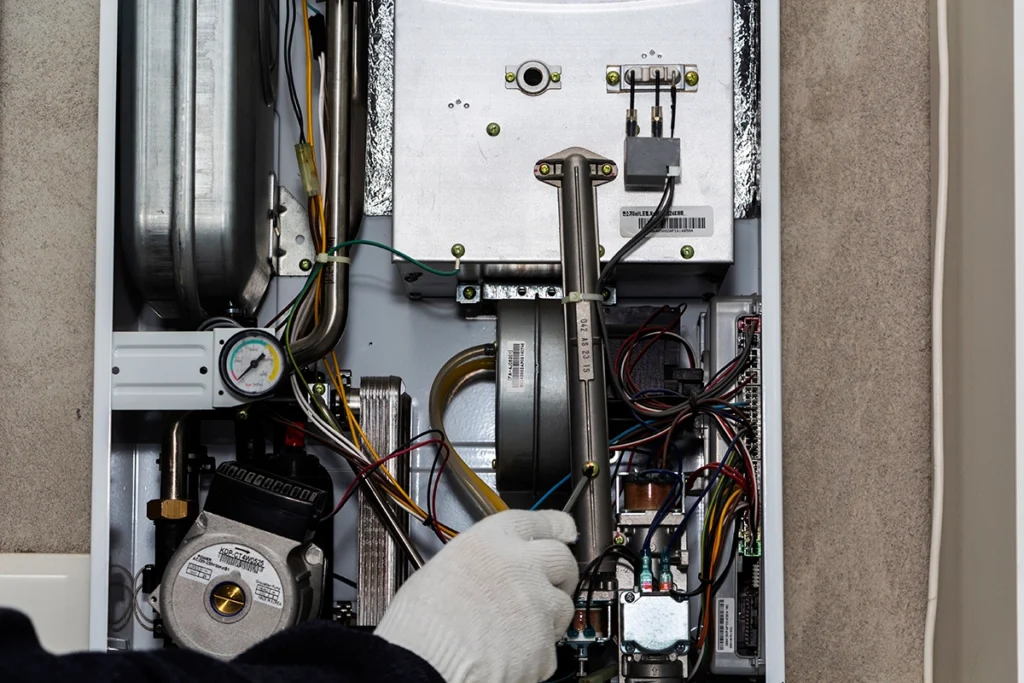
Furnace Limit Switch: What It Is and Why It Matters
When homeowners call us with a furnace that won’t stay on, they often assume the whole system is failing. But many problems come back to one small part: the furnace limit switch. At C&R Services, we see issues with this switch every heating season. And honestly, it makes sense. The switch has a simple job, yet it does a lot of heavy lifting in protecting your system and your home. I’ll walk you through what it does, how it fails, and when to call a pro. I’ll also explain a couple of things I’ve seen in the field (because some of the surprises still make me laugh a little). But more importantly, I’ll show you how this small safety control keeps your system running safely. What the Furnace Limit Switch Actually Does The furnace limit switch monitors the temperature inside the furnace. When the air gets too hot, it shuts the burners off. When the temperature drops again, it allows the system to restart. Without it, your furnace could easily overheat. If you’re not familiar with how a furnace heats and moves air, our detailed guide on how a furnace works explains each stage of the process in clear steps. This little control may not look like much, but it protects your heat exchanger, electrical components, and ductwork. And trust me, once you’ve seen a cracked heat exchanger from overheating, you don’t forget it. (I once found a switch wired incorrectly by a DIY repair from a previous homeowner. Let’s just say electrical tape is never the right fix.) How a Furnace Limit Switch Fails When a furnace limit switch starts acting up, the problem isn’t always the switch itself. Because this safety device responds to temperature and airflow conditions inside the furnace, any issue that causes the system to overheat can make the switch appear faulty. Technicians look at the surrounding symptoms, the furnace’s operating temperature, and the airflow path to determine whether the switch is failing or simply reacting to another underlying problem. Several issues tend to cause the most trouble, starting with dust and restricted airflow. 1. Dust and Debris Around the Furnace Limit Switch Dust buildup is a common cause of overheating. When airflow drops, the furnace runs hotter than normal. Eventually, the switch shuts things down to protect the system. This is one reason the U.S. Department of Energy includes filter changes in its basic furnace maintenance recommendations. Their heating maintenance guidance is helpful for homeowners who want the basics. 2. Short Cycling from a Bad or Weak Switch A weak furnace limit switch can cause rapid on-and-off cycling. You’ll hear the furnace start, stop, start again, and keep repeating. It wastes energy and stresses components. It also drives homeowners up the wall. 3. Blower Motor Problems Sometimes, the limit switch gets blamed when the blower is the real issue. If the blower fails to move enough air across the heat exchanger, the switch steps in and shuts the burners down. It’s doing its job, even if it looks like the switch is the culprit. 4. Wiring Issues and Loose Connections Loose terminals or aged wiring can make the switch behave unpredictably. This is especially true in older homes and in attics where temperature swings are extreme. A quick inspection usually confirms it. Why the Furnace Limit Switch Matters for Safety Your furnace limit switch is one of the most important safety controls in the entire system. It protects against overheating, reduces fire hazards, and prevents damage to expensive components. The NFPA notes that heating equipment is a leading cause of home fires, which is why staying on top of maintenance and safety checks is so important. That’s why we always check the switch on every heating service call at C&R Services. Even if the furnace is brand-new, we verify the switch is responding correctly. Signs Your Furnace Limit Switch Needs Attention Furnace keeps shutting down Burners turn off too quickly Blower runs nonstop You smell something hot or “burning” The furnace overheats often The blower starts late or stops early These signs show up long before most homeowners notice a major problem. If you catch them early, you can avoid bigger repairs. A system that shuts down often, runs the blower nonstop, or drops heat too quickly may point to the limit switch. These symptoms can overlap with other issues, though. If your furnace refuses to start, that could point to more than the limit switch. Our guide on what to check if your furnace isn’t turning on walks through the basics you can rule out first. And if the flame keeps dropping out, the furnace may short cycle or heat unevenly, which can also trigger the limit switch. Our pilot light troubleshooting guide covers a few safe checks you can try before scheduling service. How Technicians Diagnose a Furnace Limit Switch Problem Before we can determine whether a limit switch is malfunctioning, technicians start by looking at the conditions that cause the switch to trip in the first place. Because this component responds to overheating, anything that restricts airflow or affects burner performance can trigger a shutdown. A proper diagnosis involves checking the system’s temperature rise, inspecting airflow pathways, and verifying that the furnace is operating within safe limits. Once we confirm the overall conditions, we move into more targeted tests—beginning with airflow. Airflow Testing We check filters, vents, ducts, and static pressure to see if the furnace is breathing properly. Temperature Readings We measure temperature rise and make sure it’s within the manufacturer’s range. Switch Behavior We test the limit switch to confirm it’s opening and closing at the right times. Blower Performance We make sure the blower is running at the proper speed and moving enough air. When to Replace Your Furnace Limit Switch Replacement is usually recommended when: The switch is sticking The furnace overheats repeatedly The blower runs constantly Electrical connections are failing The switch is older and unreliable It’s a quick repair, but it needs to be